
Dogs often tell us something is wrong through small changes in how they stand, sit, or walk. Catching these signs early can prevent bigger problems and help your dog stay active and happy.
Some breeds are more at risk for joint or spine issues than others. Learn what to watch for so you can step in with care at the right time.
German Shepherd
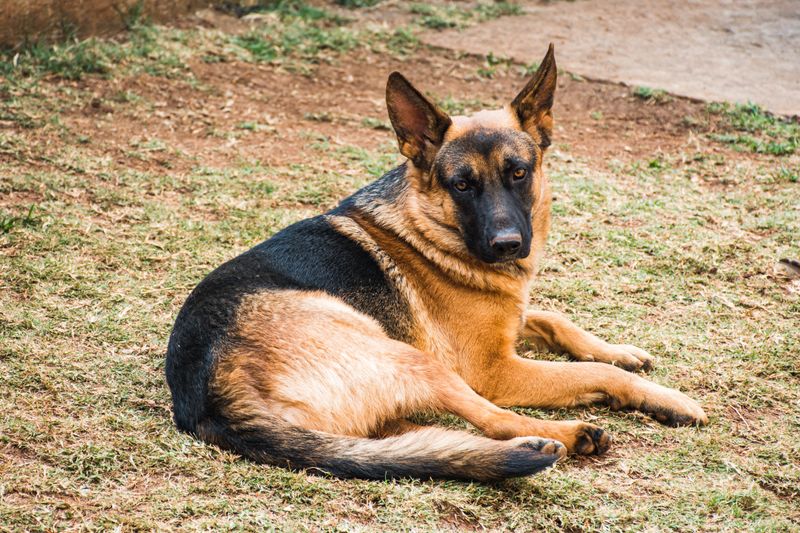
Strong and brave, the German Shepherd sometimes hides pain by working through it. Subtle things matter, like a lowered tail, slower stairs, or a bunny hop run.
Those can hint at hip or spine stress.
Keep nails short for better traction, maintain a lean body, and use non-slip mats at home. Short, frequent walks beat long runs.
Ask your vet about hip screening, joint supplements, and core-strength games like controlled figure eights.
Labrador Retriever
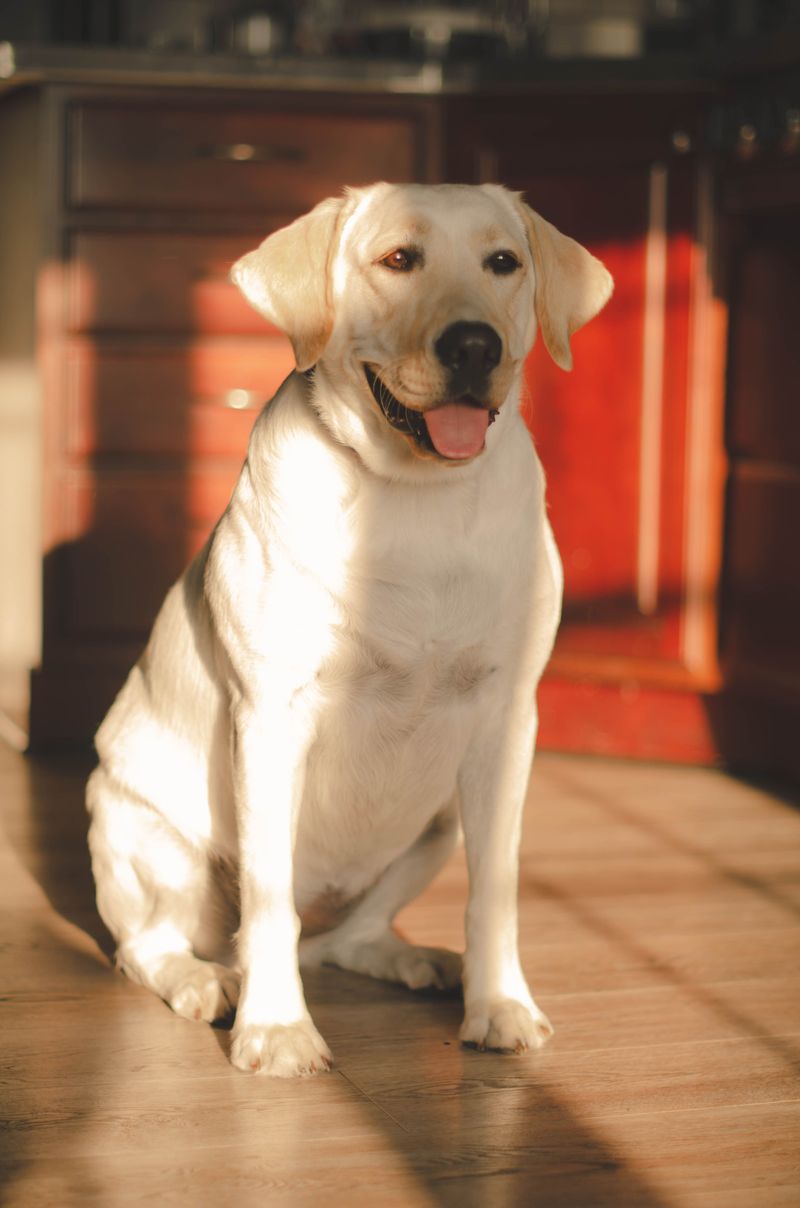
Food-loving Labs can carry extra weight, and joints feel it first. Notice a slower sit, a hesitant jump into the car, or a head bob while trotting.
These early flags may signal elbow or hip issues.
Trim calories, choose low-impact swimming, and warm up with five gentle minutes before fetch. Soft ramps help with cars and couches.
Regular vet checks for elbows and hips, plus omega-3s, often keep your buddy moving comfortably.
Golden Retriever
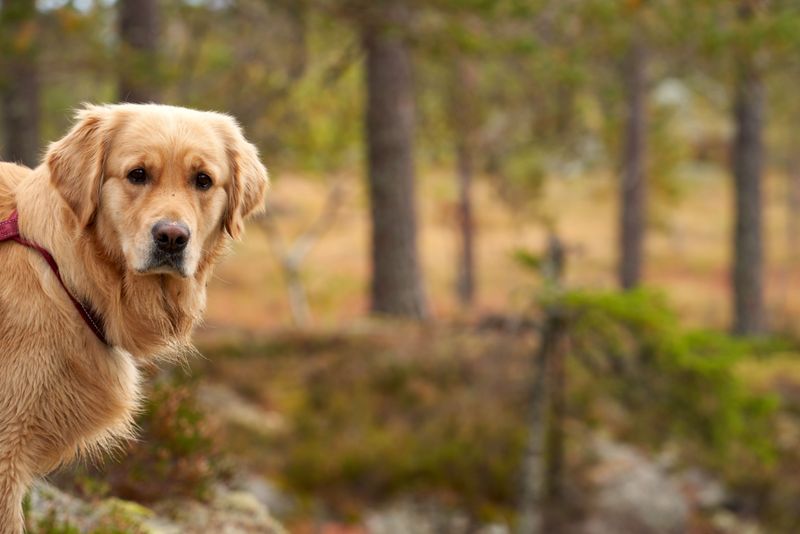
Sunny by nature, Goldens may mask discomfort with enthusiasm. Watch for a stiff morning rise, a shortened stride, or sitting off to one side.
Subtle shoulder tightness can show as a choppy front end.
Daily, calm walks and balanced strength work help, like slow hill climbs and controlled sit-to-stand reps. Keep weight in the healthy range and groom feathering to spot swelling.
Schedule routine joint exams and consider supportive bedding for rest.
Dachshund
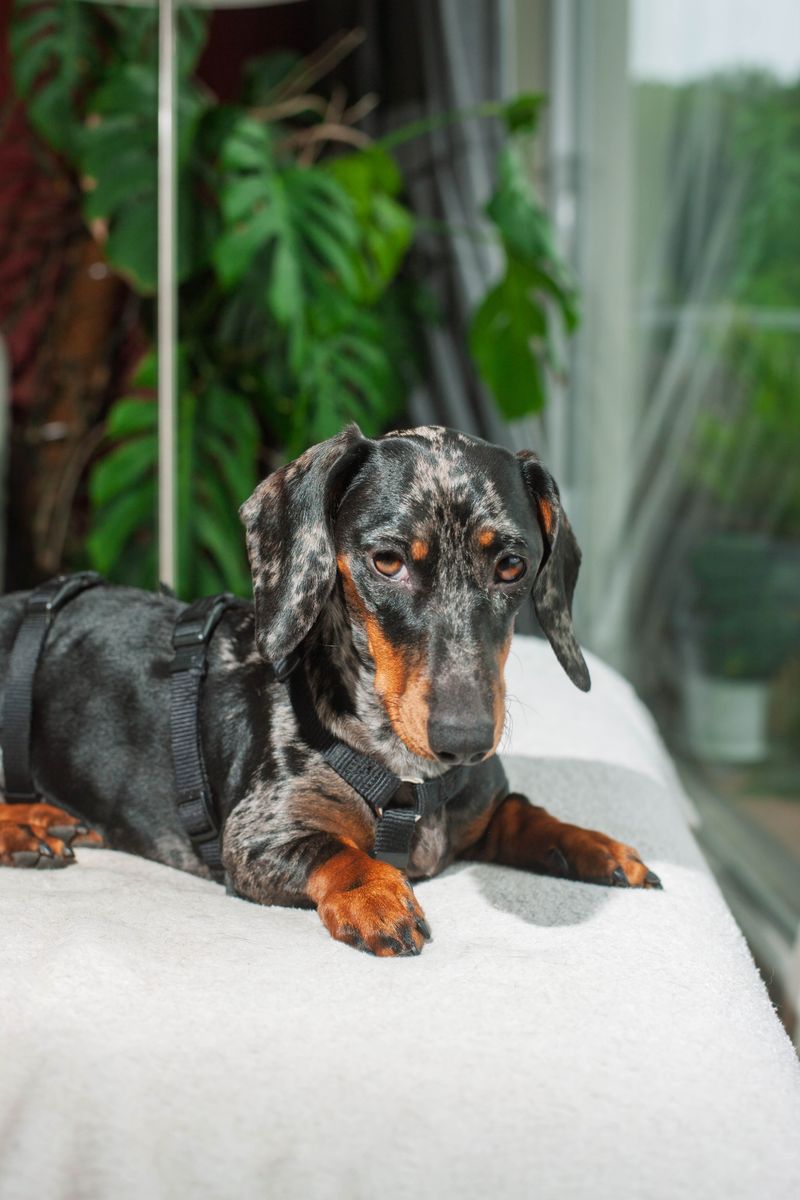
With that charming long body, a Dachshund needs careful back care. Look for hesitation on stairs, a rounded spine, or trembling when picked up.
Dragging toes or knuckling can be urgent signs.
Use ramps for furniture, keep jumping to a minimum, and keep the core strong with gentle balancing on cushions. Maintain a lean shape and choose a snug, supportive harness.
If sudden back pain appears, contact your vet right away.
English Bulldog
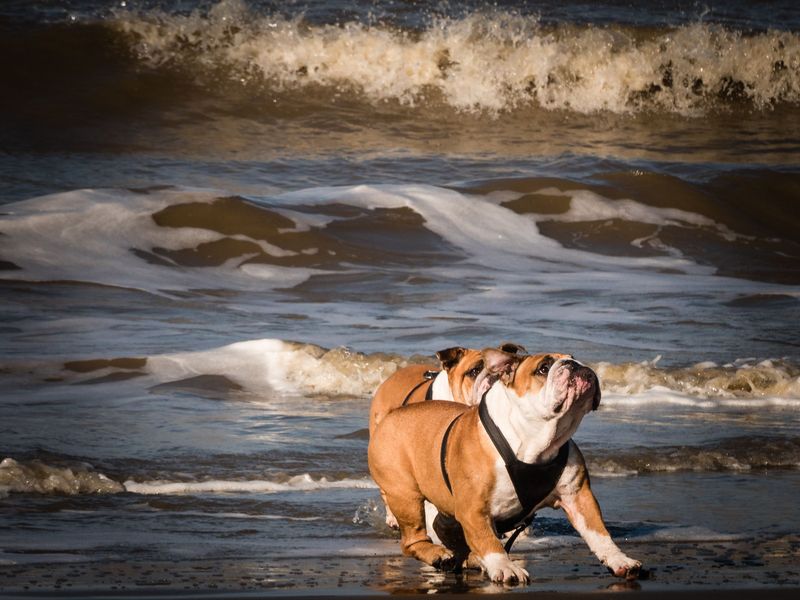
Bulldogs often prefer short bursts over marathons, and their joints agree. A side-sit, stiff rise, or swaying stance can hint at hip, knee, or elbow strain.
Breathing effort may also change posture.
Stick to short, shaded walks and avoid heat. Keep nails trimmed and use a flat, steady harness.
Discuss joint support, weight control, and gentle range-of-motion exercises with your vet. Small, steady habits go a long way for this blocky sweetheart.
Pug
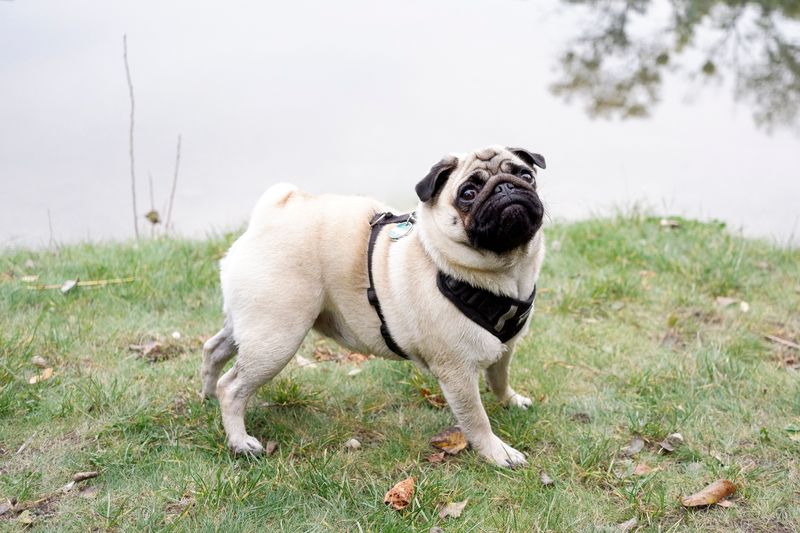
Full of personality, Pugs can slow down quietly when joints ache. Signs include a narrow stance, a short, quick stride, or shifting weight while standing.
Neck or back tension may show as guarded turning.
Keep life cool and calm, manage weight carefully, and build muscle with short, frequent walks. Use harnesses that protect the neck.
Ask about joint supplements and consider puzzle feeders to stretch activity without pounding the pavement.
Great Dane
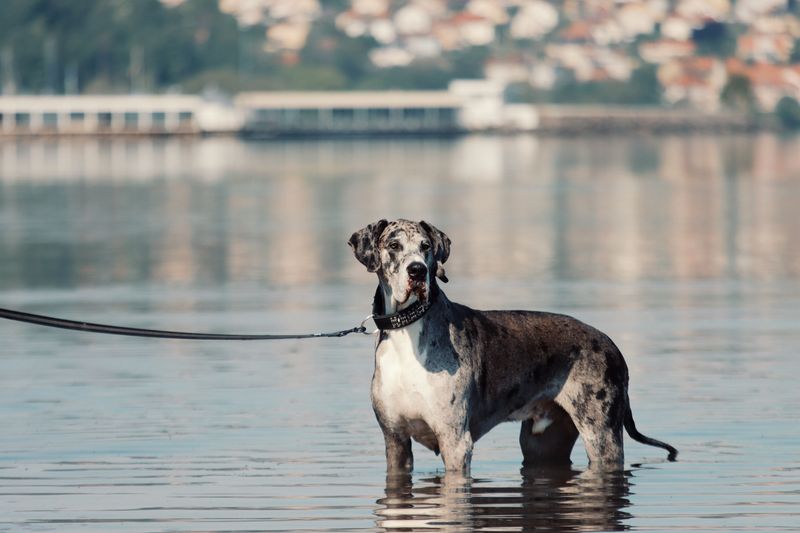
Graceful and giant, Danes benefit from careful monitoring. A slower rise, soft groan when lying down, or pacing instead of sitting can signal joint discomfort.
Long limbs sometimes hide mild lameness until it worsens.
Focus on steady, even surfaces and controlled leash walks. Feed for lean growth and ask your vet about screening for hips and knees.
Support with elevated bowls, padded beds, and car ramps to keep strain off those tall frames.
Rottweiler
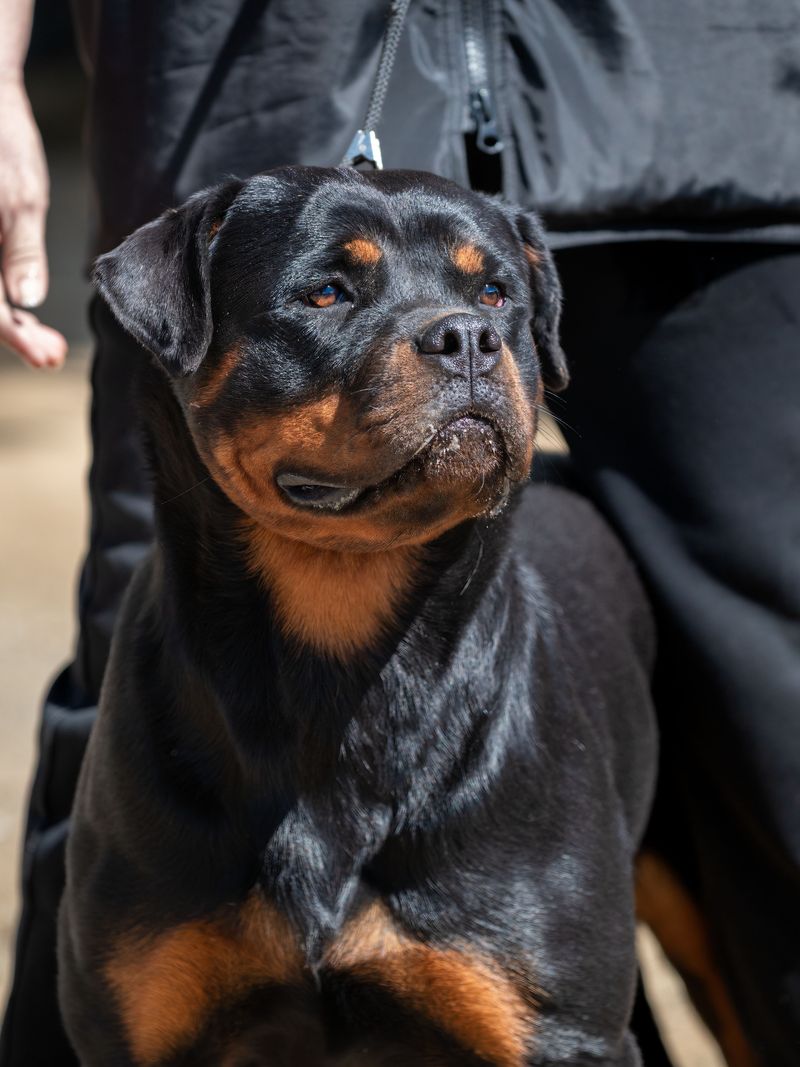
Confident and driven, Rottweilers may push through soreness. Early clues include a head bob at trot, reluctance to jump into the SUV, or a tucked pelvis during turns.
Stifle issues can appear as skipping steps.
Warm up before play, cross-train with swimming, and keep nails short for grip. Maintain a trim waistline and schedule joint checks, especially for knees and hips.
Smart training reduces abrupt stops that can strain ligaments.
Siberian Husky
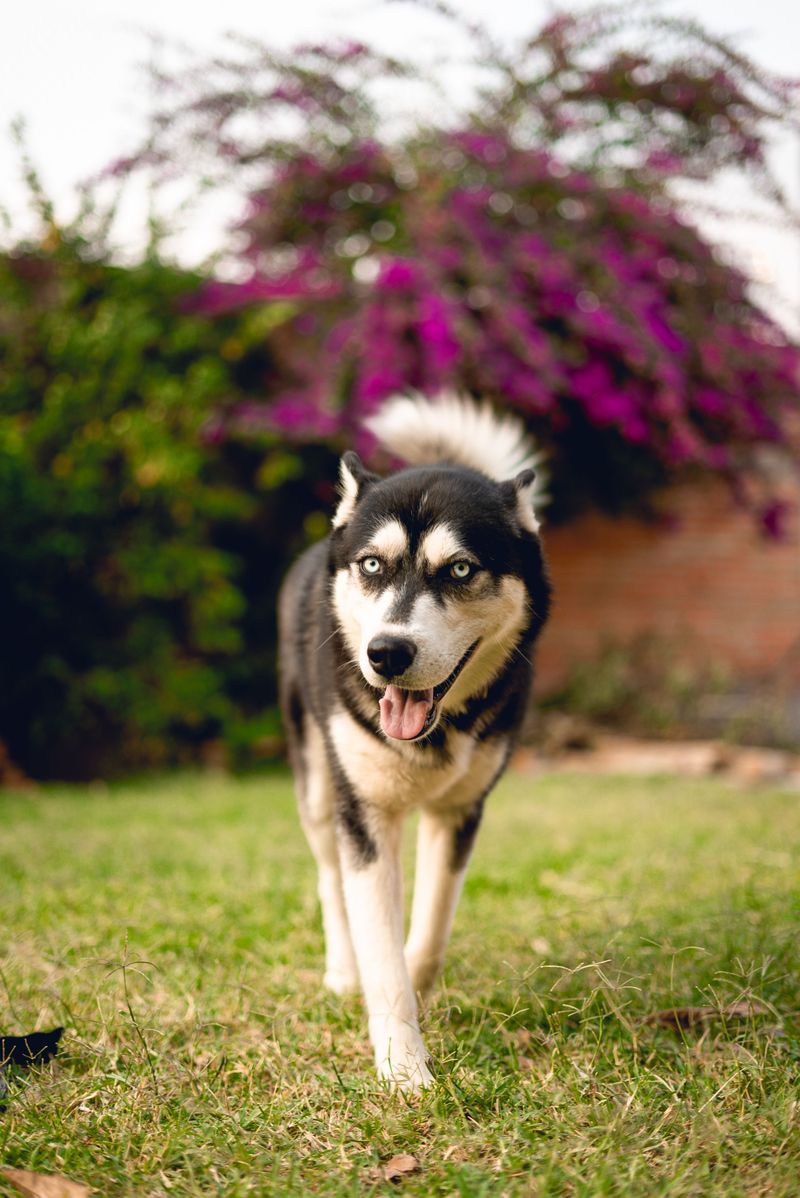
Born to run, Huskies often show tiny hints before bigger problems. Watch for shorter strides, a dropped tail during motion, or favoring one side on turns.
Stiffness after long play can be an early whisper.
Balance their energy with structured miles, not sprints on hard pavement. Keep pads healthy and avoid ice-slipping by trimming fur between toes.
Strengthen core and hips with gentle hill work, and check joints routinely if training for distance.
Pembroke Welsh Corgi
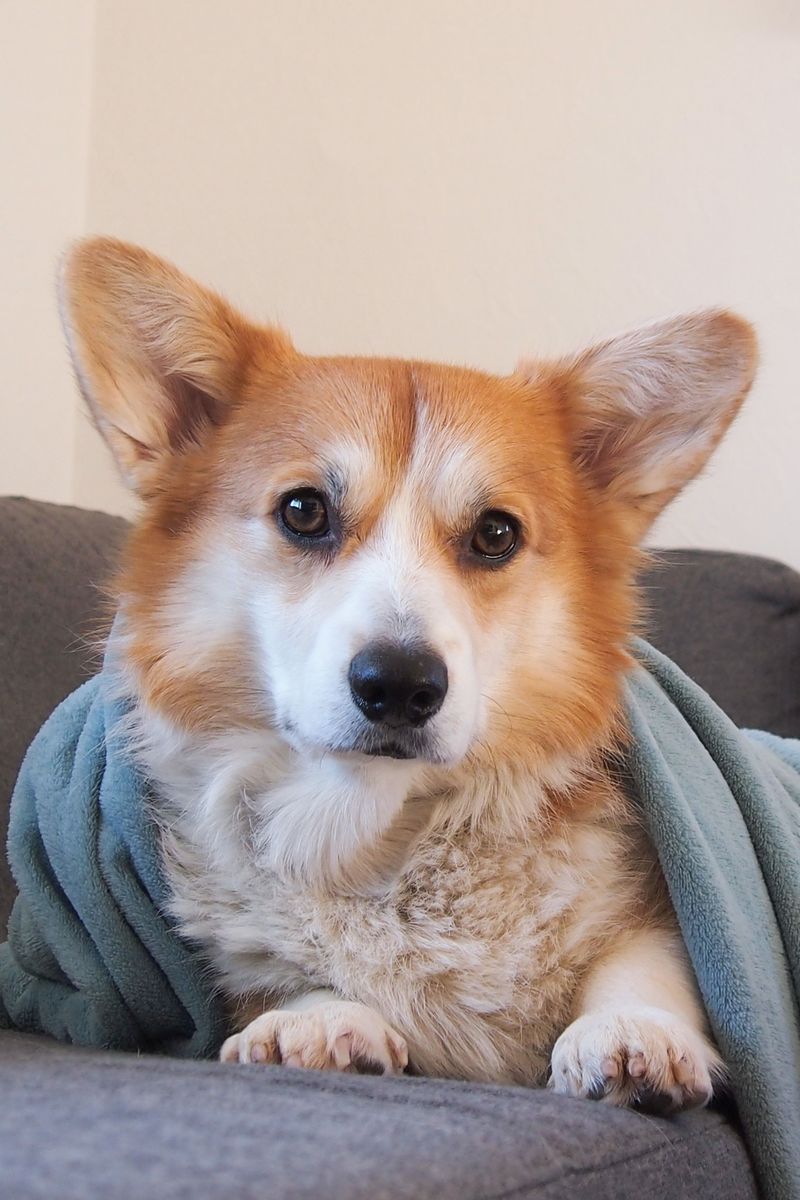
Low to the ground and quick, Corgis can develop back strain without careful habits. Early hints include stepping wide in back, pausing on stairs, or stiff tail movement.
A sudden yelp when lifted deserves attention.
Use ramps, control jumping, and keep the waistline trim. Choose short, cheerful walks and core games like nose-to-hip turns.
If dragging toes or wobbling appears, call your vet promptly to protect the spine.
Boxer
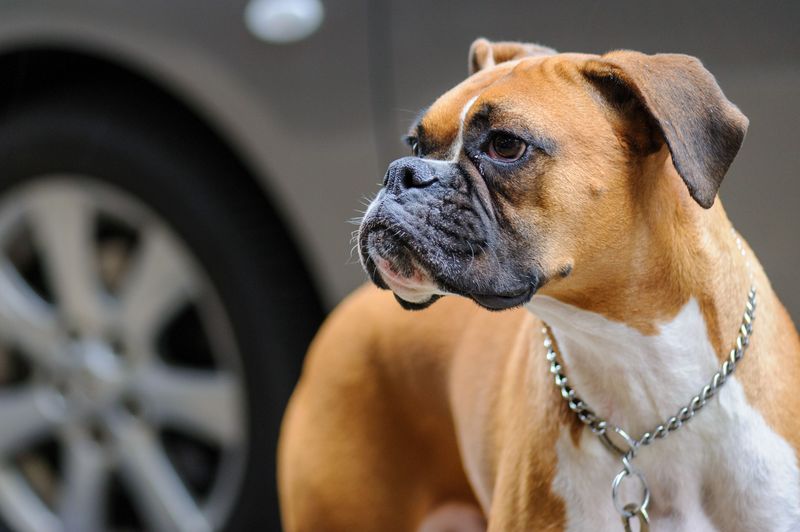
Playful and springy, Boxers sometimes show discomfort as a choppy canter or skipping behind. A slow sit, stiff turns, or bunny hopping can point to hip or knee concerns.
Even posture during rest tells a story.
Favor short, controlled training sessions with good footing. Add gentle strength drills like sit-to-stand ladders and sideways stepping.
Keep weight lean, and book routine orthopedic screenings to catch tiny issues before they limit the fun.
Saint Bernard
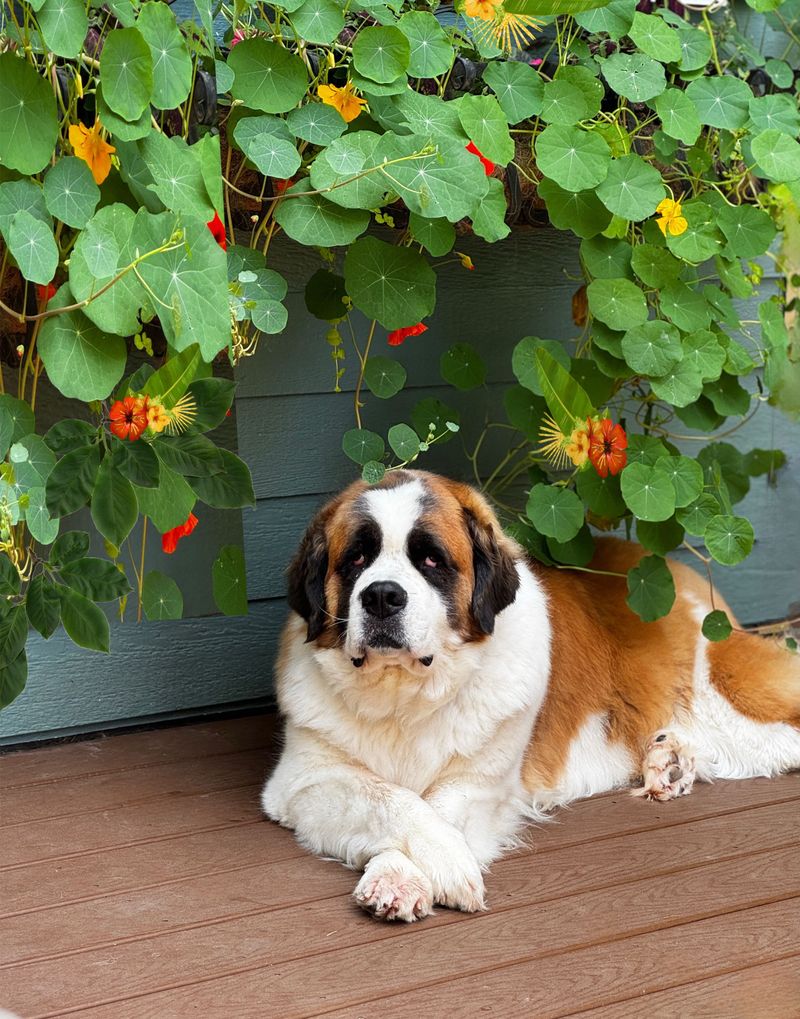
Big hearts come with big frames, and Saint Bernards need mindful movement care. Early signs include careful rises, a narrow rear stance, or choosing to lie instead of sit.
Stairs may become slow and cautious.
Protect joints with padded beds, slow leash walks, and ramps. Keep growth steady in youngsters and body condition lean in adults.
Regular vet checks, omega-3s, and nail care can extend comfort for this gentle mountain companion.
French Bulldog
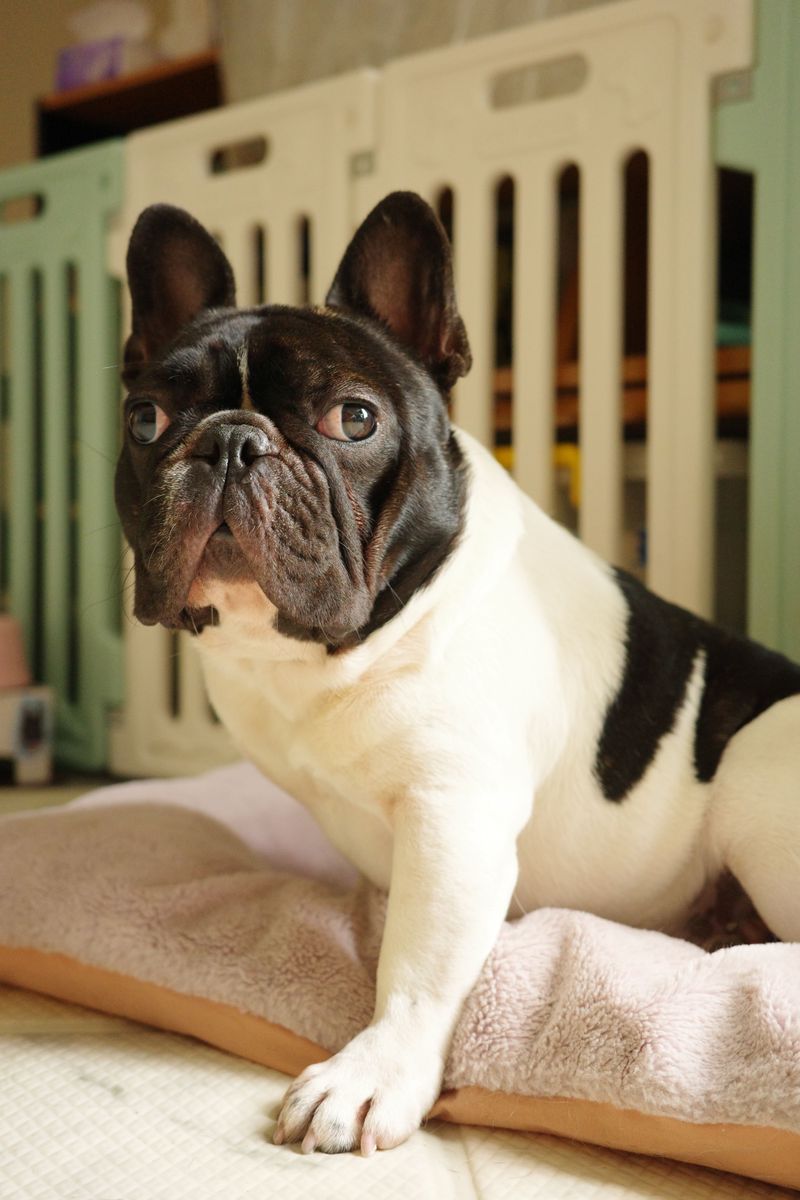
Small but sturdy, Frenchies may hint at pain by pausing before jumps or shifting weight while standing. A side-sit, tight back muscles, or reluctance to play tug can be meaningful clues.
Breathing stress can alter posture too.
Pick harnesses that protect the neck, keep walks brief in warm weather, and use ramps for furniture. Maintain a lean shape and discuss joint support with your vet.
Gentle stretching helps after naps.
Newfoundland
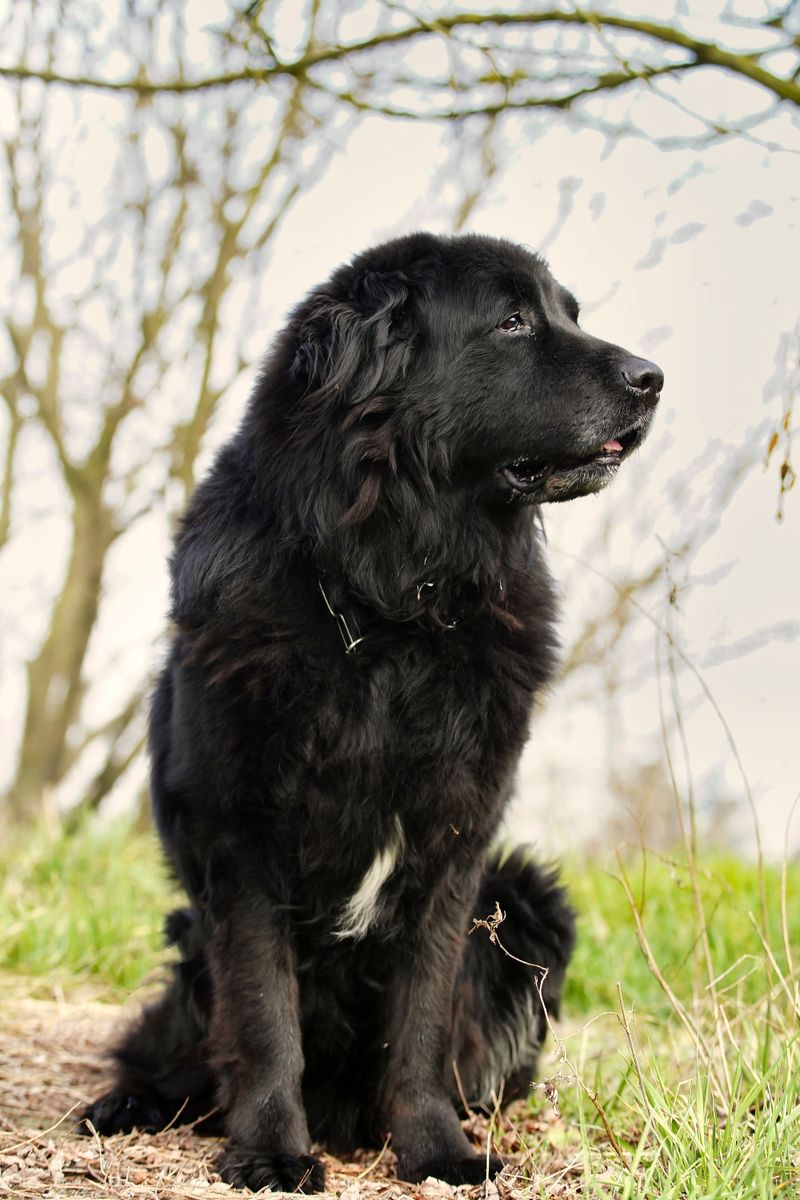
Born for water rescue, Newfoundlands carry substantial weight on their joints. Early red flags include a slow shoreline climb, reluctance to rise, or swaying in the rear.
Stiffness after swimming can also appear.
Prioritize controlled conditioning, buoyant water work, and soft landings. Provide non-slip surfaces at home and keep nails short.
Feed for lean mass, not bulk, and ask your vet about hip and elbow screenings to keep this gentle giant in the game.