
Dogs are often seen performing quirky actions that amuse us. However, these behaviors often hold profound meanings. Understanding the serious messages behind these seemingly funny actions can improve our bond with our canine companions. Here are 14 intriguing dog behaviors that reveal more than just playful antics.
Tail Chasing

When dogs chase their tails, it might look like they’re simply having fun. However, this behavior can sometimes indicate anxiety or boredom. In some cases, it can be a sign of a compulsive disorder.
Owners should observe if this behavior becomes obsessive. Providing mental stimulation or checking for fleas can help address the issue.
Understanding your dog’s needs is essential in ensuring their mental well-being. If tail chasing continues, consulting a veterinarian is advisable.
Zoomies
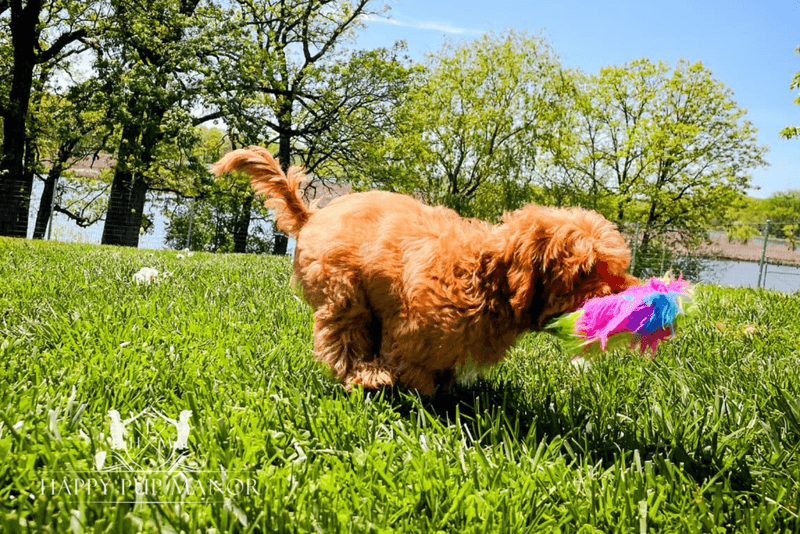
Zoomies, or frenetic random activity periods (FRAPs), can appear out of nowhere. This burst of energy often follows a period of restraint, such as being crated or bathed.
While it’s a normal way for dogs to burn off excess energy, frequent zoomies may suggest a lack of exercise.
Providing regular walks and playtime can help manage these energetic outbursts. Observing when zoomies occur can provide insight into your dog’s routine needs.
Digging at Bed

Dogs dig at their beds to create a comfortable sleeping area. This behavior is instinctual, reminiscent of their ancestors who dug nests for warmth.
It can also signify anxiety or an attempt to mark territory with their scent. Ensuring the bed is cozy and in a secure location can help.
If the behavior is excessive, it may be worth exploring if environmental changes are causing distress. A comfortable environment promotes restful sleep.
Head Tilting

Head tilting is an endearing behavior that often indicates curiosity or attention to unfamiliar sounds. Dogs tilt their heads to better locate or understand noises.
This behavior is more common in certain breeds with floppy ears, which may obstruct sound.
If head tilting becomes frequent, it could point to an ear infection or neurological issue. Monitoring for additional symptoms can ensure your dog’s health remains a priority.
Howling

When dogs howl, they’re not just mimicking their wolf ancestors. This behavior can convey loneliness or a response to certain sounds like sirens.
Howling can also be a method of communication, signaling territory or calling for attention.
If howling becomes incessant, it might indicate separation anxiety. Providing company or engaging toys can alleviate loneliness. Understanding the triggers can help manage this vocal expression.
Rolling in Smelly Things

A dog’s penchant for rolling in smelly substances might seem baffling. This behavior stems from their instinct to mask their scent, making them less detectable to prey.
Additionally, it can be a way to communicate with other dogs by sharing scents.
Regular baths and monitoring during walks can reduce this occurrence. Understanding this instinct can lead to more patience during outdoor adventures.
Leaning on Humans

When a dog leans on you, it’s more than seeking affection. This behavior can indicate trust and a desire for security. Dogs may lean to feel close or to gain reassurance.
It can also be a sign of anxiety, where your presence offers comfort.
Encouraging this bond through gentle interactions can strengthen your relationship. If leaning is accompanied by other anxious behaviors, exploring calming strategies can help.
Barking at Nothing

Barking at nothing can puzzle dog owners. Often, dogs sense things we cannot, like distant sounds or smells. This behavior can also be a sign of boredom or seeking attention.
Ensuring your dog is mentally stimulated can reduce excessive barking.
If barking happens at night, it might be worth checking for external disturbances. Understanding the underlying cause can lead to better management of this vocal habit.
Tail Tucking
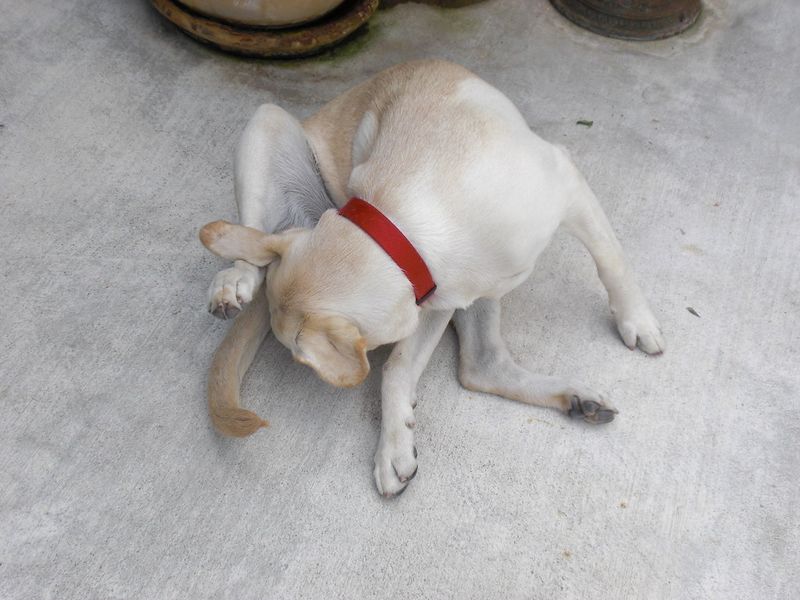
A tucked tail often signifies fear or submission. Dogs may exhibit this behavior during stressful situations or when meeting dominant dogs.
It’s a clear indicator that your dog is feeling insecure or threatened.
Providing reassurance without reinforcing the fear is crucial. Recognizing the causes can help in creating a comforting environment for your pet.
Circling Before Lying Down

Before lying down, dogs often circle their sleeping spot. This behavior dates back to wild instincts where circling helped flatten grass and detect threats.
While normal, excessive circling can indicate discomfort or arthritis, especially in older dogs.
Providing a supportive bed and monitoring mobility can aid in comfort. Understanding this routine can bring insight into your dog’s pre-sleep rituals.
Licking Faces
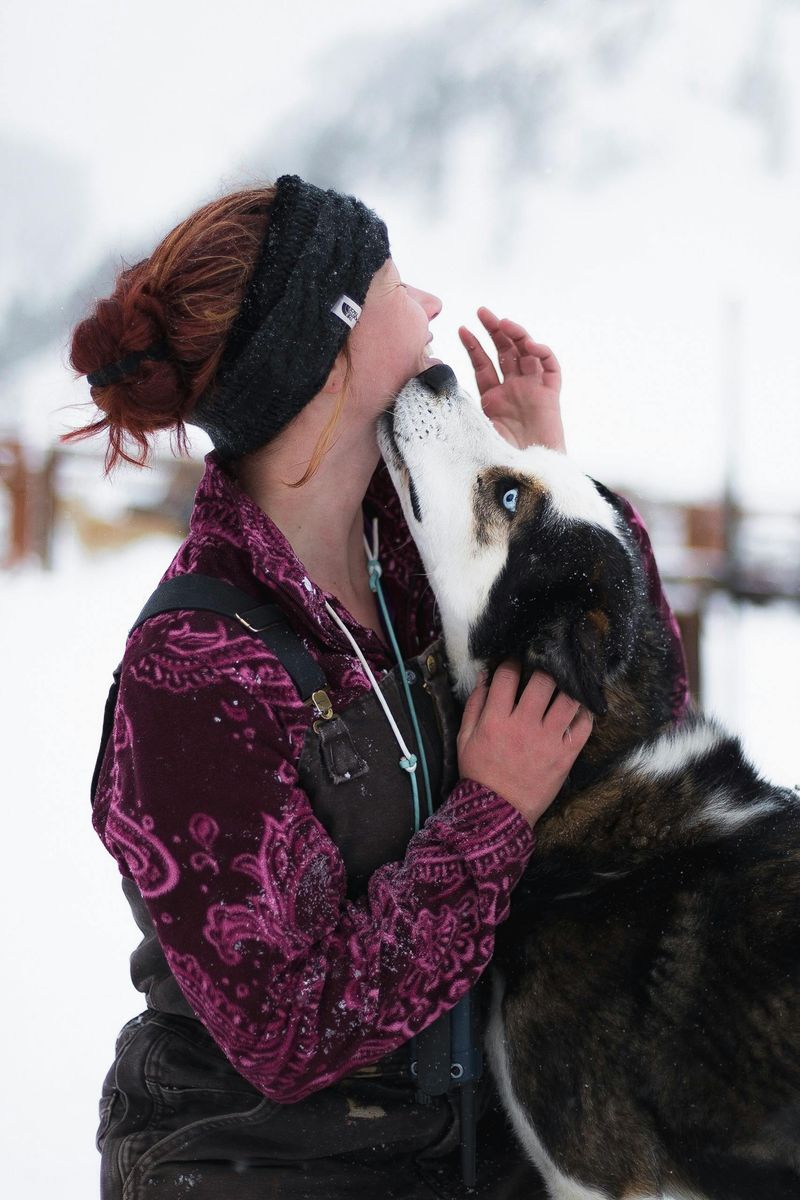
Facial licking can be a dog’s way of showing affection or seeking attention. Historically, puppies lick their mothers as a sign of submission or to request food.
In adult dogs, it often indicates love and a desire for interaction.
If licking becomes excessive, redirecting the behavior through toys can help. Understanding this gesture fosters a deeper emotional connection with your canine friend.
Sniffing Everything
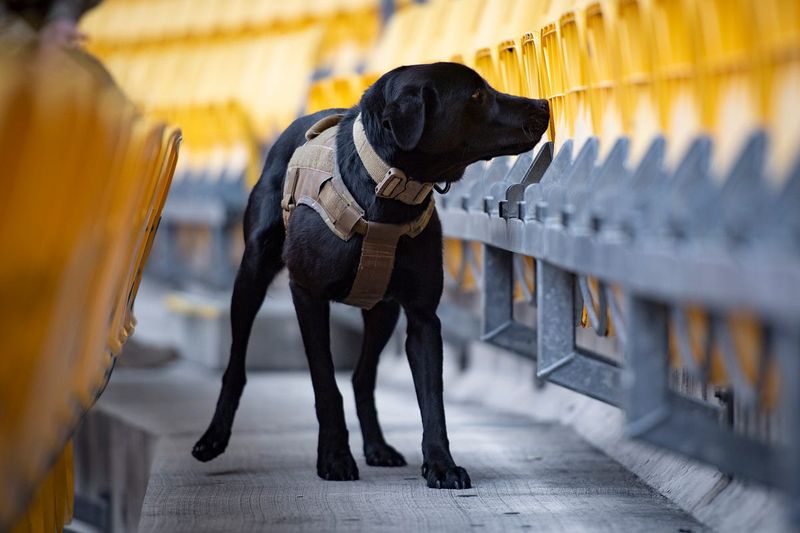
Sniffing is essential for dogs to understand their environment. With a sense of smell far superior to humans, dogs gather information through scents.
This behavior is their way of communicating with the world and recognizing familiar places.
Encouraging sniffing during walks can mentally stimulate your pet. Providing variety in scents can enrich their daily experiences and reduce boredom.
Sleeping on Clothes

When dogs sleep on your clothes, it’s more than just seeking comfort. They are drawn to your scent, which provides a sense of security and closeness.
This behavior is common in dogs experiencing separation anxiety.
Providing a piece of clothing when away can offer comfort. Understanding this behavior highlights the bond and trust between you and your furry companion.
Chewing Shoes

Chewing shoes can be frustrating but holds significant meaning. It’s often a sign of teething in puppies or boredom in adults. Chewing releases endorphins, offering comfort and stress relief.
Providing appropriate chew toys can redirect this behavior.
Ensuring mental stimulation and exercise can reduce destructive tendencies. Recognizing this need can prevent shoe casualties and promote positive habits.