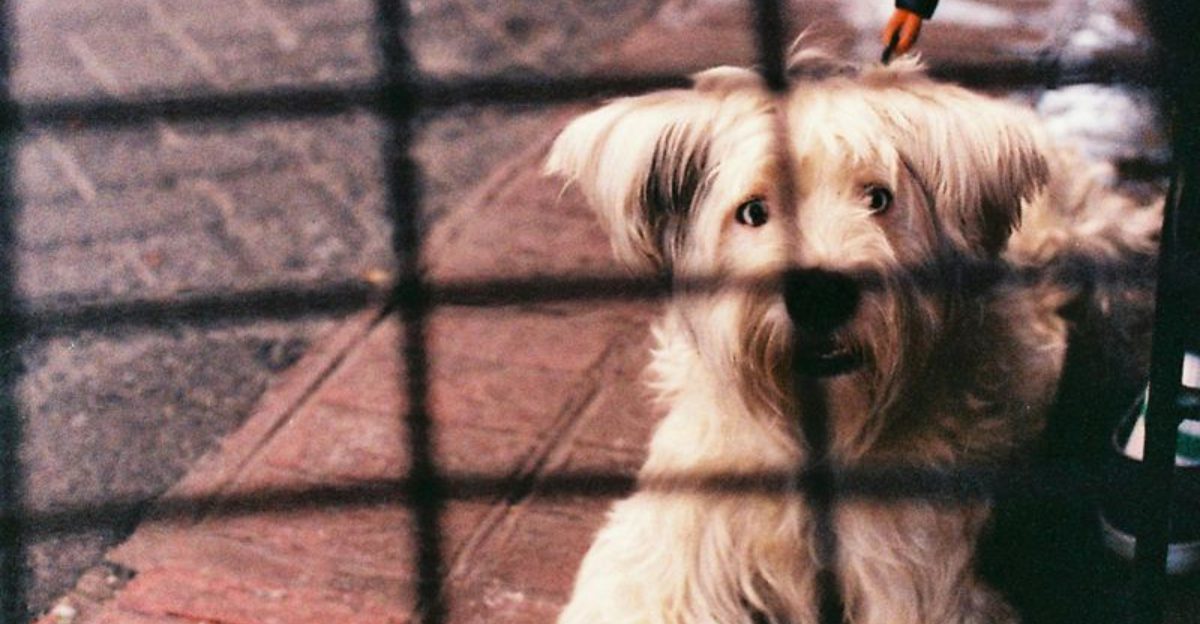
Some dog breeds once turned heads at every park, but today they are slipping quietly out of sight. It is not about love fading, it is about busy lifestyles, tighter budgets, and housing that does not fit giant coats or giant paws.
You might still adore these dogs, yet hesitate when grooming, training, or health costs stack up. Let us look honestly at the breeds people used to chase and now often pass by.
Afghan Hound
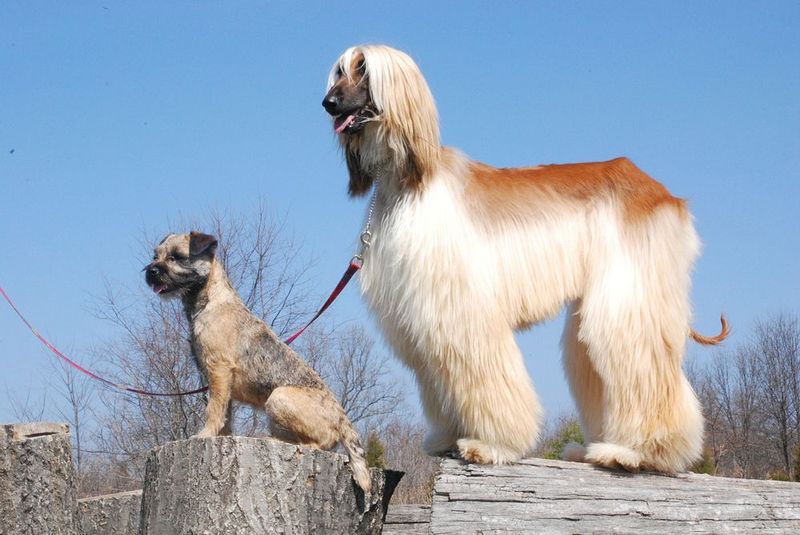
The Afghan Hound looks like runway royalty, and that is part of the challenge. That flowing coat needs time, tools, and patience you might not have after a long workday.
Miss a few brush sessions and mats sneak in fast. Add professional grooming, and costs climb beyond what many owners expect.
Training can feel aloof, because this sighthound thinks independently and chases movement. A safe, fenced space is a must, plus consistent recall practice.
If your schedule leans tight, the daily coat care and exercise demands stack up. People still admire the beauty, yet quietly choose breeds that forgive missed grooming or offer easier off leash reliability.
Chow Chow
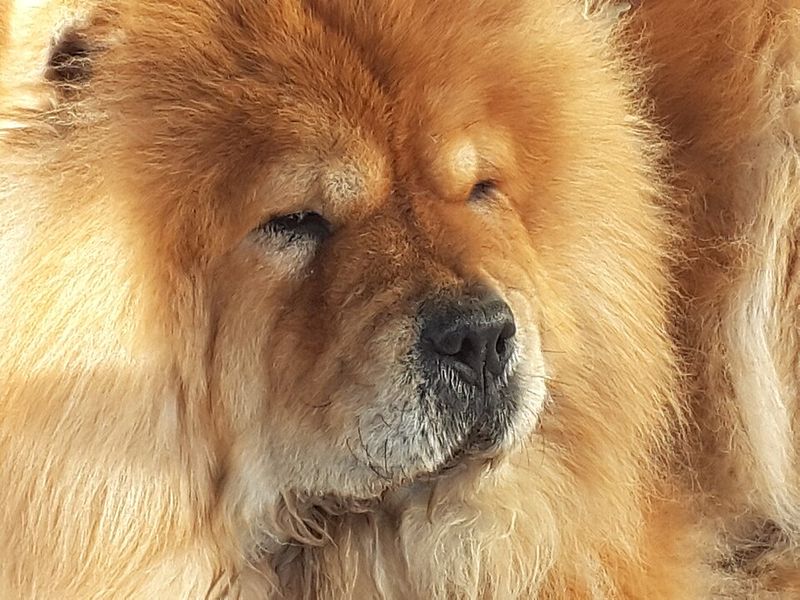
Chow Chows carry an unmistakable lion look, but that plush coat is serious maintenance. Seasonal shedding explodes onto furniture and clothes, and regular grooming sessions are nonnegotiable.
Their independent nature also means training requires patience, fairness, and clear boundaries. First-time owners sometimes feel blindsided by the combination of aloofness and power.
Socialization matters early and often to avoid reactivity around strangers or other dogs. Urban apartments with thin walls and busy elevators can stress an unsocialized Chow.
Health and insurance costs may rise due to breed specific issues like joint concerns. People still adore the Chow’s appearance, yet many quietly opt for dogs with softer shedding, easier training trajectories, and more predictable sociability in tight city spaces.
Dalmatian
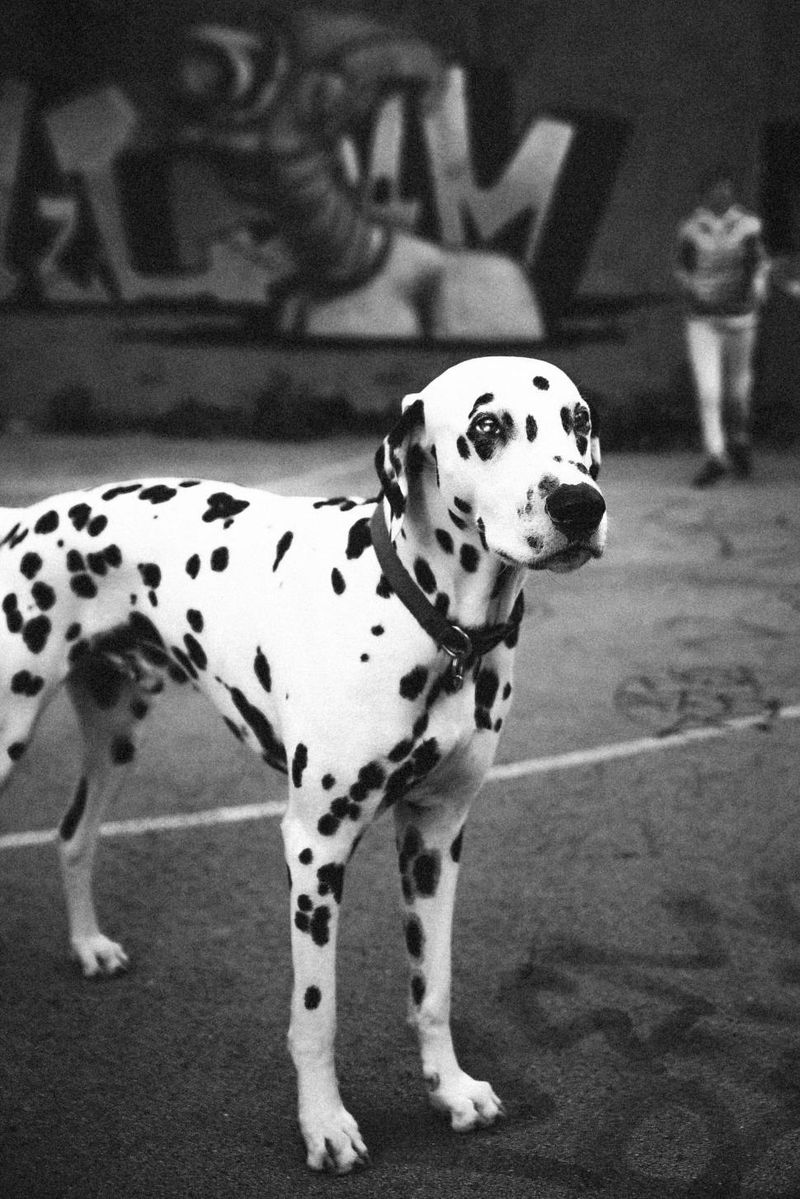
Dalmatians still look like movie stars, but daily life is not a film set. They are energetic, smart, and sometimes sensitive, so boredom becomes mischief fast.
Without long walks, mental games, and clear routines, you will feel overwhelmed. Shedding is surprisingly heavy for a short coat, dotting clothes and couches with tiny hairs.
Hearing issues can appear, adding complexity to training and safety. Some lines trend high energy with guarding instincts, requiring experienced handling.
When you rent or juggle long shifts, matching that drive becomes tough. People still smile at the spots, but many quietly choose breeds with less shedding, fewer genetic concerns, and temperaments that adapt more easily to crowded neighborhoods and busy, modern schedules.
Shar Pei
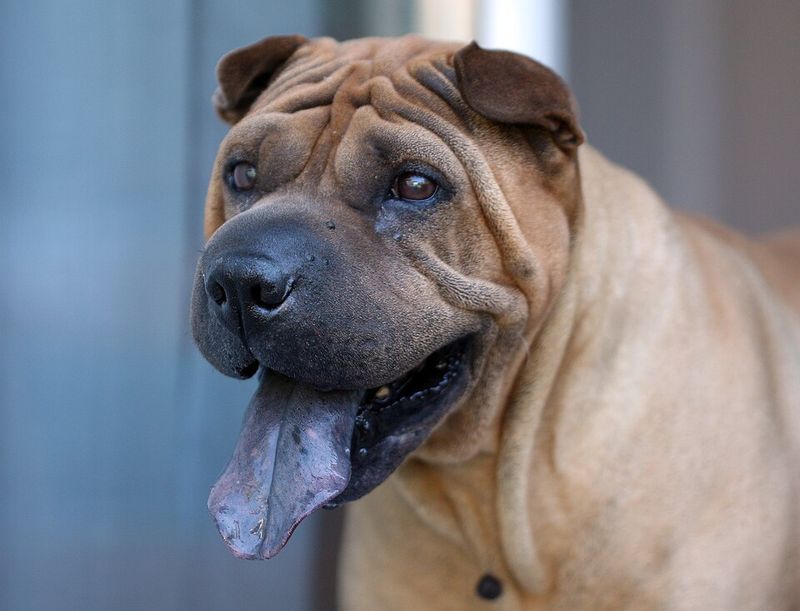
Shar Pei wrinkles look adorable, yet they demand diligent care. Moisture and debris can hide in folds, leading to skin infections if you skip cleaning.
Some dogs face eye issues that may require veterinary attention. Add insurance and potential procedures, and costs grow faster than many families expect.
Temperament can be reserved, with strong guarding instincts that call for early, thoughtful socialization. Training demands consistency and confidence, or pushy behaviors can sneak in.
In apartments, limited space plus elevator encounters can magnify reactivity. People still love the unique look, but many quietly pick breeds with fewer dermatological needs, more openly social temperaments, and simpler day to day care that fits tight schedules and shared urban living.
Irish Wolfhound
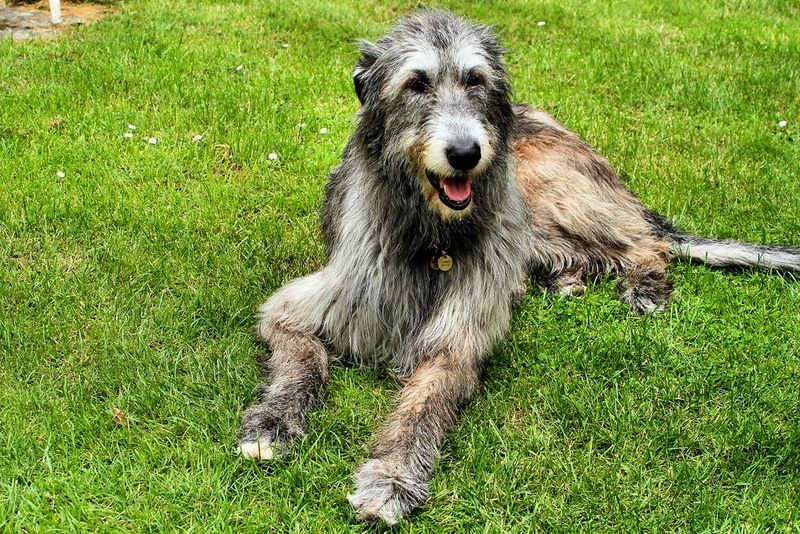
Irish Wolfhounds are breathtaking gentle giants, but size changes everything at home. Beds, vehicles, and budgets all stretch to accommodate them.
Food, supplements, and potential orthopedic care add up quickly. Their shorter life expectancy can also weigh heavy on families who want many years together.
Exercise needs are moderate, yet space matters, and city apartments can feel cramped. Stairs and slippery floors challenge big joints.
Travel becomes complicated when a dog barely fits in a sedan. People still admire the tenderness and nobility, but many quietly turn toward medium sized dogs that live longer, cost less to maintain, and navigate elevators, rideshares, and small living rooms without constant compromises or special logistics.
Old English Sheepdog
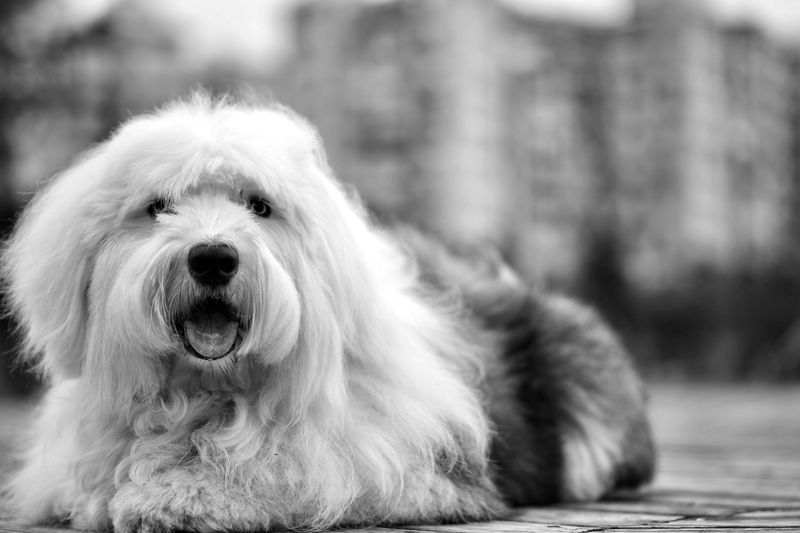
The Old English Sheepdog looks like a cuddly cloud, but that coat is relentless. Grooming sessions are long, frequent, and essential, or mats form fast.
Professional grooming costs can become a monthly line item. Add shedding and drool, and housekeeping intensifies beyond what many busy households can manage.
They are bright, bouncy herders who need mental work, not just quick walks. Without structure, you may see stubbornness or creative chaos.
City elevators, rainy commutes, and small laundry rooms make coat care even harder. People still love the shaggy charm, yet quietly choose breeds that deliver the same affectionate personality with thinner coats, lower maintenance routines, and fewer grooming bills in already tight family budgets.
Skye Terrier
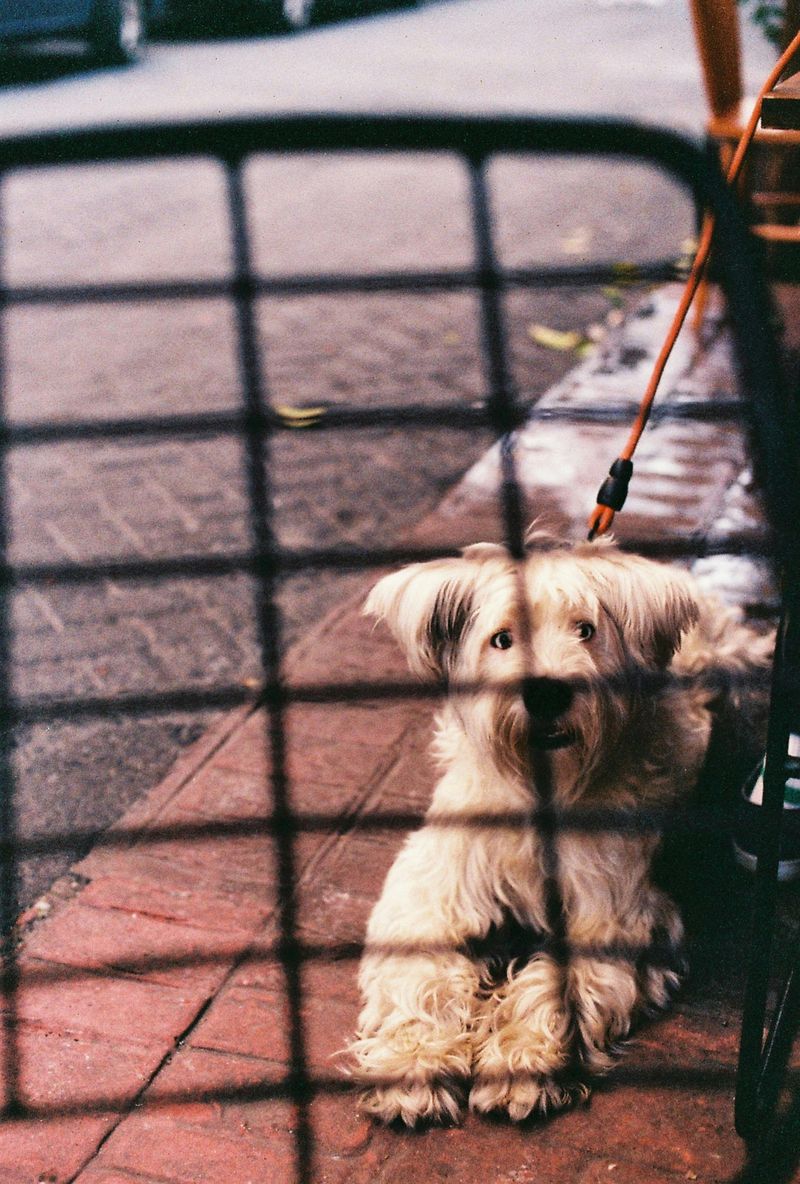
Skye Terriers bring old world elegance, but their long coat needs careful brushing and trimming. Without it, tangles and mats show up quickly.
They are also independent terriers, so training requires humor, patience, and high value rewards. Inconsistent routines invite selective listening, which can frustrate first time owners.
Exercise needs are modest, yet mental enrichment is crucial to prevent boredom barking. Some apartments welcome the size, but neighbors may not love the soundtrack.
Grooming expenses and limited breeder availability increase hurdles for casual adopters. People still admire the silhouette and history, yet quietly pick dogs with wash and wear coats and more eager to please attitudes that glide through modern schedules without constant grooming appointments.
Dandie Dinmont Terrier
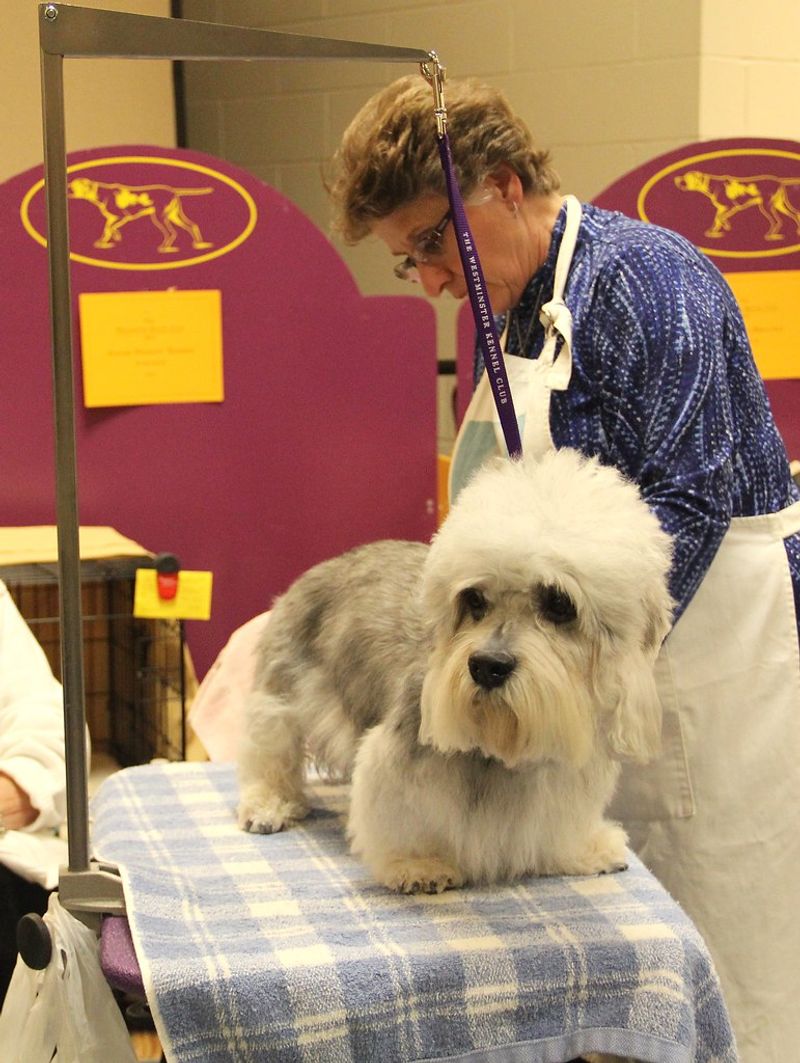
Dandie Dinmont Terriers are delightful characters, but they are rare and not easily found. Their unique coat needs regular hand stripping or careful clipping to stay healthy and tidy.
That means time, technique, or grooming bills you may not expect. Training rewards creativity, since terrier independence can test patience.
Apartment life suits their size, though daily walks and enrichment still matter. Protective streaks may lead to barking at hallway noises, which can strain thin walls.
Access to reputable breeders or breed rescues takes persistence. People still treasure the charming look and old Scottish roots, yet many quietly select more available small breeds with simpler grooming, easier training, and predictably lower costs across busy, budget minded households.
Bloodhound
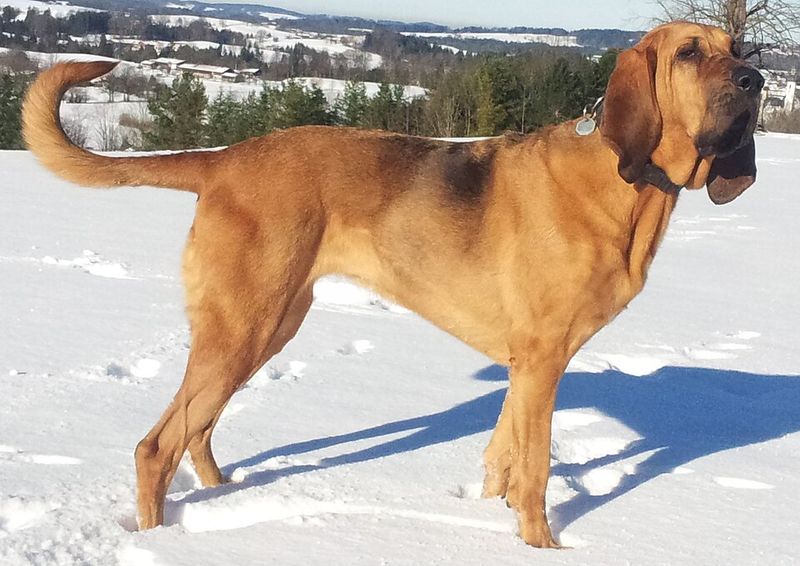
Bloodhounds are scent legends, and that nose never clocks out. Expect pulling, drooling, and stubborn tracking instincts that ignore casual commands.
City walks can feel like tug of war unless you invest in training and management tools. Their size also means more food, bigger crates, and potentially higher veterinary bills.
Exercise must include nose work or structured games to satisfy their drive. Without it, frustration shows up as baying and destruction.
Apartments with noise sensitive neighbors may push back. People still respect the breed’s working brilliance, yet many quietly pick dogs with moderate energy, less drool, and easier leash manners that fit crowded sidewalks, rideshares, and jam packed calendars without specialized training commitments.
Borzoi
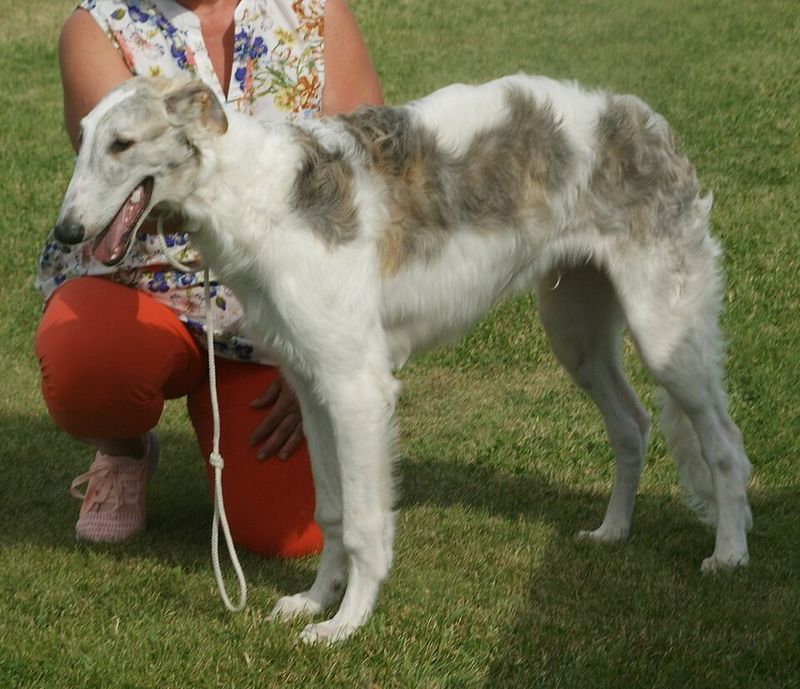
Borzoi carry breathtaking grace, yet they are built for sprinting and scanning horizons. Off leash reliability is tough with strong chase instincts.
Safe fenced areas and long lines become essential. Their tall, lean frames need soft bedding and space, which apartments struggle to provide without compromises.
Grooming is moderate but consistent, and travel can be awkward in small cars. Sensitive temperaments benefit from gentle handling and thoughtful socialization.
Vet and insurance costs for large, specialized breeds add pressure. People still adore the aristocratic look, but many quietly choose more compact dogs with easier recall, simpler logistics, and temperaments that thrive in crowded parks, elevators, and city routines that leave little room for sprints.
English Setter
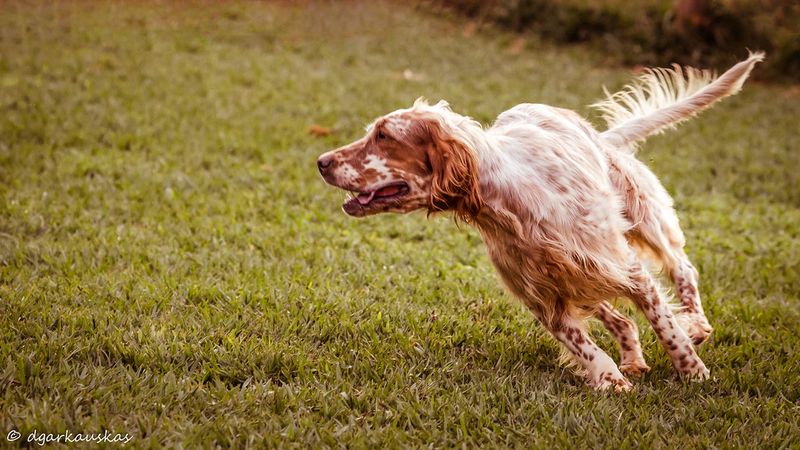
English Setters blend sweetness with serious field energy. They crave long, stimulating outings and real training structure, not just quick loops around the block.
Without that outlet, barking and creative redecorating happen. Their silky feathering collects burrs, mud, and seasonal debris, turning hikes into grooming sessions afterward.
Allergies and skin issues can pop up, adding vet visits and diet experiments. Apartments work only with committed exercise plans and a great vacuum.
Many families underestimate the weekday time needed to keep this breed content. People still love the gentle eyes and floating gait, yet quietly reach for dogs that shed less, need shorter workouts, and slide into modern routines without hours of cleaning, conditioning, and field level enrichment.
Scottish Deerhound
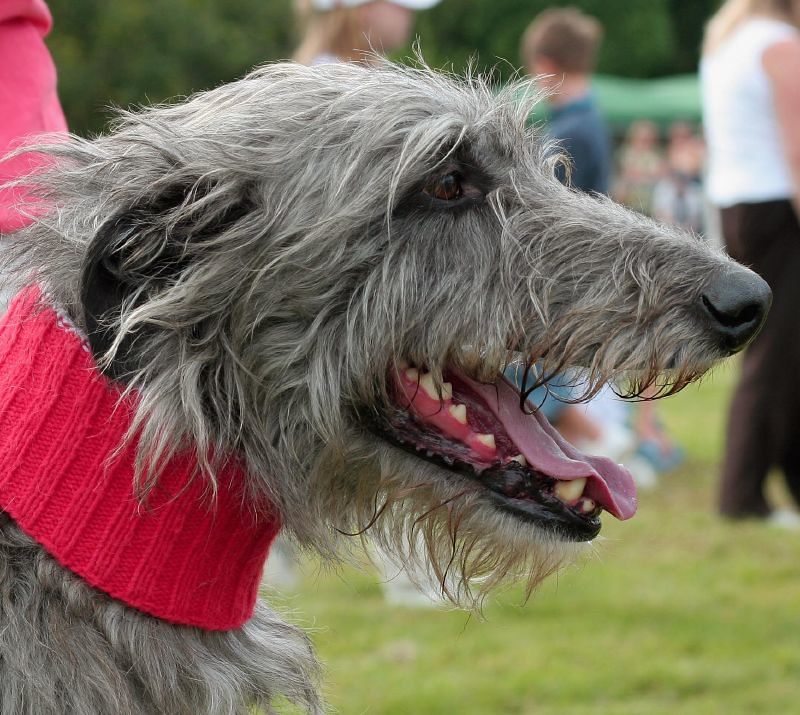
Scottish Deerhounds impress with quiet dignity, but living large has costs. Food, orthopedic care, and roomy vehicles add up fast.
Their exercise needs are moderate, yet safe space for sprints matters. Apartments and narrow staircases complicate life with a tall sighthound that struggles in tight corners.
Coats are easier than some shaggy breeds, yet still need consistent brushing. Sensitive souls, they thrive on calm handling and predictable routines.
Lifespan and potential bloat risks weigh on families balancing emotion and budget. People still admire the ancient silhouette, but many quietly choose medium sized companions that live longer, cost less, and navigate city logistics without special beds, huge crates, and weekend planning around roomy, fully fenced fields.
Lhasa Apso
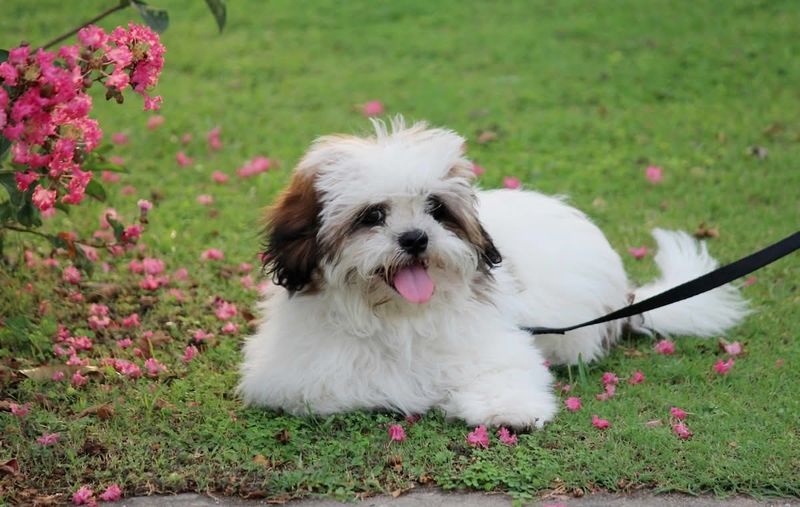
Lhasa Apsos are confident little guardians with hair that grows like a luxury wig. That means either frequent brushing and trims or a practical puppy cut.
Professional grooming schedules can surprise new owners. Their watchful nature also leads to door alerts and hallway commentary that neighbors might not enjoy.
They are smart but can be willful, so training must be consistent and kind. Apartments suit their size, yet daily walks and puzzle toys still matter.
Some families simply want a lower maintenance coat and softer vocal habits. People still cherish the regal history and charm, but many quietly shift toward small companion breeds with simpler grooming and more relaxed greetings that fit thin walls and busy weekday routines.
Belgian Tervuren
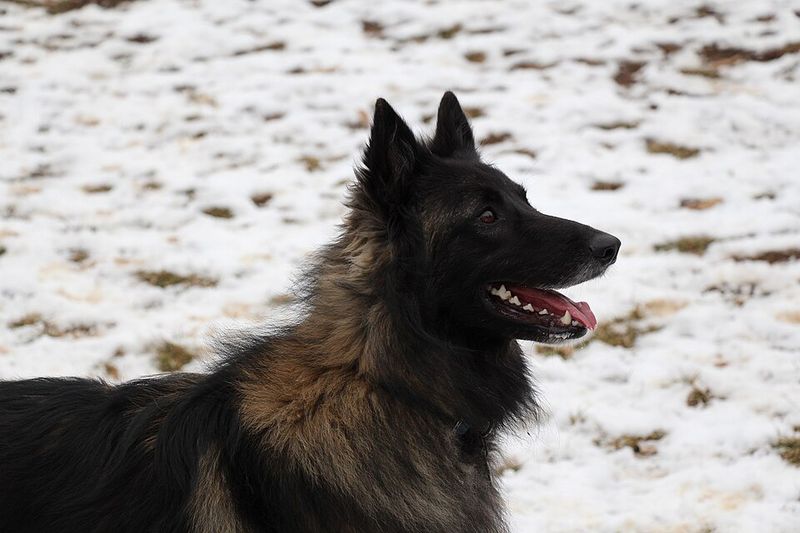
Belgian Tervurens are brilliant athletes built for work. That brain and drive are gifts, but they demand training, time, and structured outlets like obedience, herding, or agility.
Without a job, you will manage pacing, vocalizing, and creative remodeling. Their coat also sheds heavily, decorating floors and car seats year round.
Urban life can work if you treat exercise like a calendar appointment. Reactive tendencies may appear without early socialization and engagement.
Insurance and sport related costs add up fast. People still respect the elegance and intensity, yet many quietly opt for companion focused breeds with mellower energy, fewer hair tumbleweeds, and training needs that fit real world schedules where work, kids, and commutes eat most of the day.