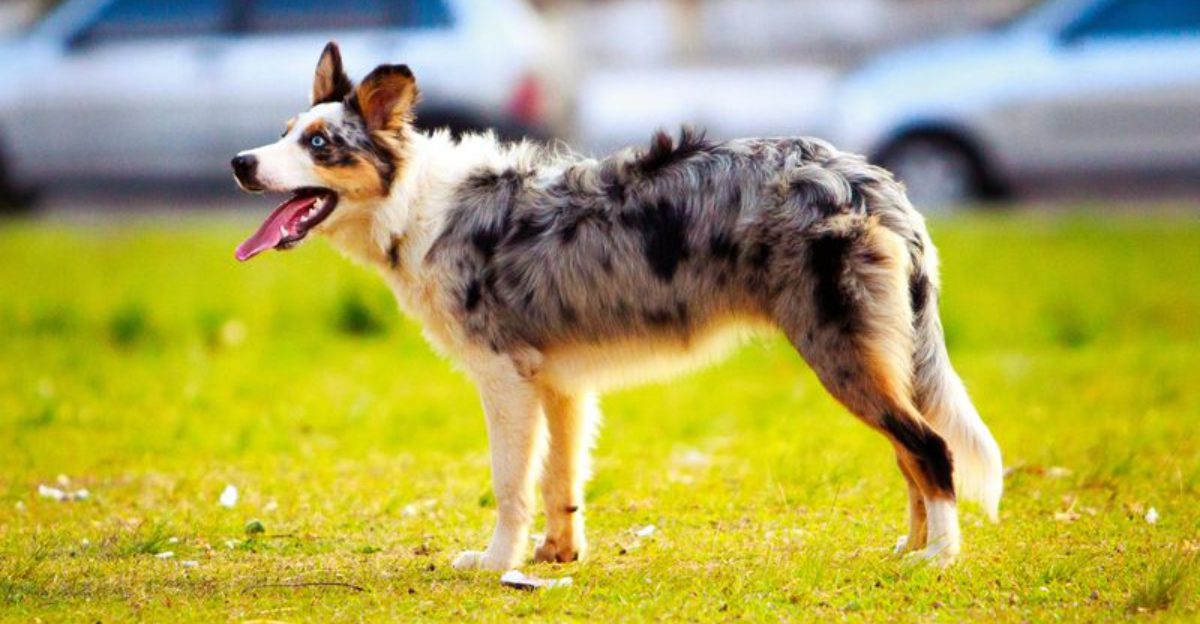
Taking your dog on a road trip can be a delightful experience, but for some dogs, car rides can trigger motion sensitivity. Understanding which breeds are more prone to this issue can help you prepare accordingly. Here’s a guide to 14 breeds that may need a little extra care before hitting the road.
Dalmatian

Spotted and spirited, Dalmatians are well-known for their energetic nature. However, this vibrant breed can sometimes feel uneasy during car rides.
Their active minds might be overwhelmed by the movement and sounds of a vehicle. It’s crucial to acclimate them gradually with short trips and plenty of positive reinforcement.
A fun fact: Dalmatians have a history working as carriage dogs, but modern cars might not give them the same sense of control. Consider using a seatbelt harness for added security.
Boxer
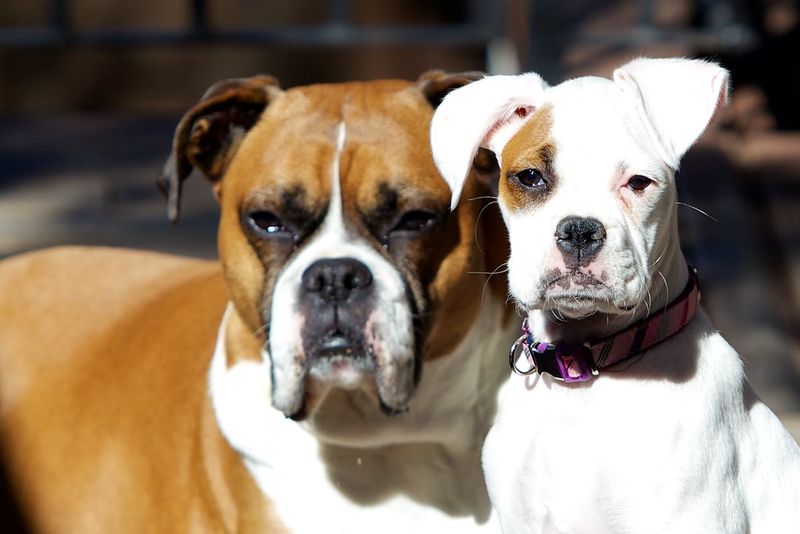
With their playful demeanor and boundless energy, Boxers are as enthusiastic as they come. Yet, this enthusiasm doesn’t always extend to car rides.
Their strong attachment to family members means they may become anxious if they can’t see or feel close to you during a trip. Ensuring they have a comfortable space can ease their nerves.
Historically bred for hunting, Boxers possess a keen sense of awareness, which can lead to overstimulation on the road.
French Bulldog
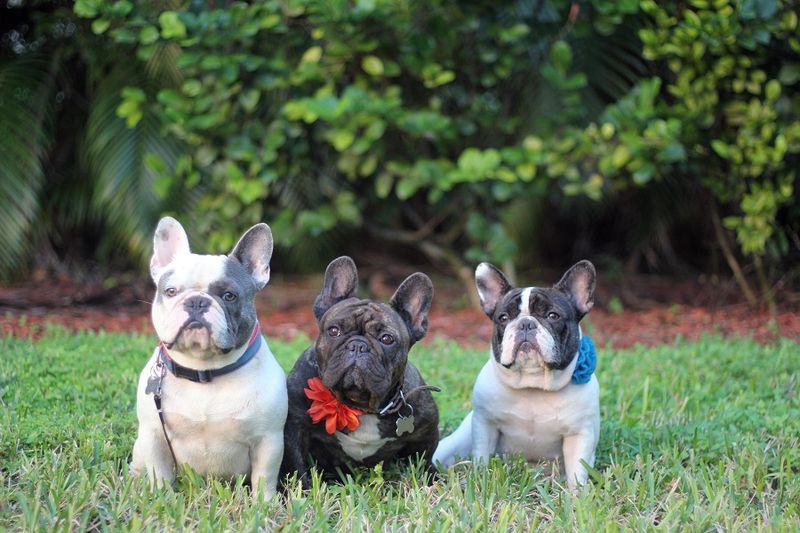
French Bulldogs, with their charming snorts and bat-like ears, are beloved companions. Due to their brachycephalic nature, they might struggle with breathing easily during rides.
It’s essential to keep them cool and comfortable, perhaps with a portable fan or air conditioning. They thrive on human interaction, so consider a reassuring hand nearby.
These little charmers have a history as lapdogs, which might explain their preference for calm and steady travel over bumpy rides.
Boston Terrier

Known for their tuxedo-like coats, Boston Terriers are both stylish and affectionate. However, car rides can throw off their usual composure.
Their sensitive stomachs may react to motion, making breaks and a gentle pace beneficial. Keeping them entertained with toys can distract from any discomfort.
Did you know? Boston Terriers were originally bred as fighting dogs, but you wouldn’t guess it from their gentle demeanor today.
Cavalier King Charles Spaniel
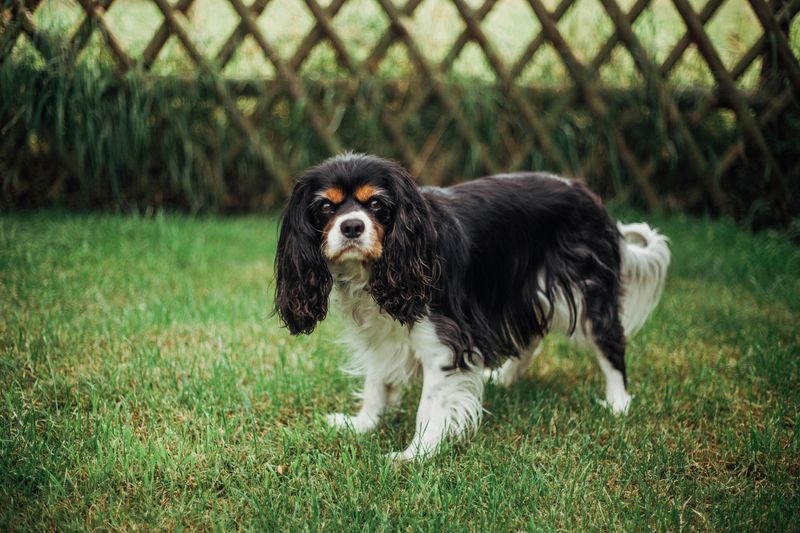
Cavalier King Charles Spaniels exude elegance and warmth, yet their delicate disposition can be challenged by car travel.
Their sensitive nature might lead to anxiety or motion sickness, so a peaceful environment is key. Consider using soothing music or aromatherapy.
Historically adored by royalty, these spaniels might prefer the serene experience of a carriage ride over the bustle of modern vehicles.
Cocker Spaniel
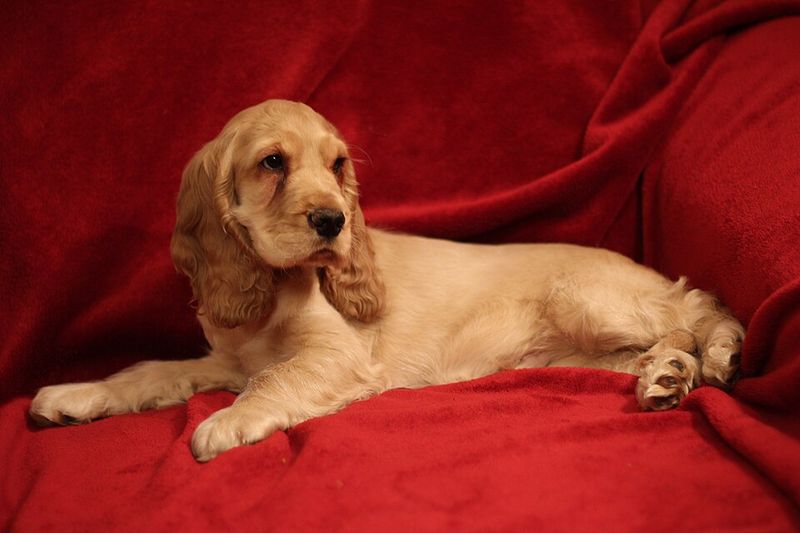
With soulful eyes and gentle nature, Cocker Spaniels are sensitive souls. Car rides might challenge their comfort zone, leading to restlessness.
Regular short trips can help them adjust, and comforting scents from home may ease their transition. Their history as bird hunters means they have keen senses that are easily overstimulated.
Keep them engaged with familiar toys to provide a sense of security during travel.
English Springer Spaniel
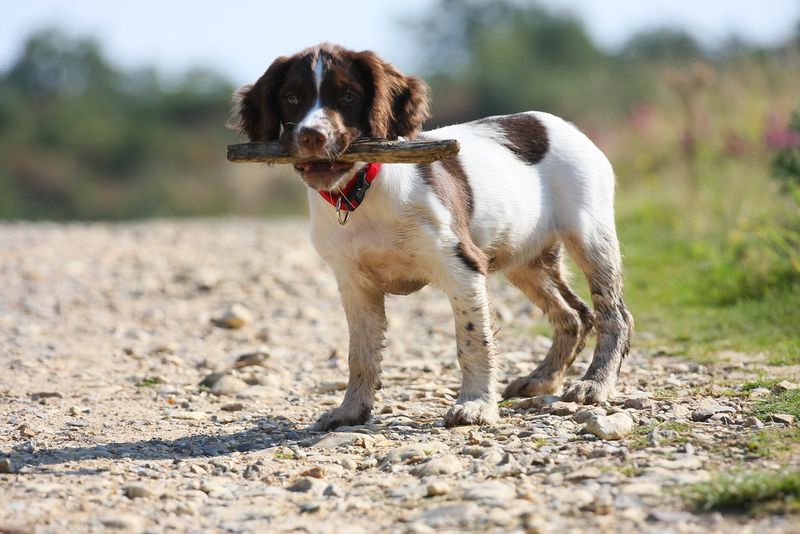
Springing into action is what English Springer Spaniels do best, but cars can turn excitement into anxiety.
Their lively demeanor might become uneasy on winding roads, making it essential to plan breaks where they can stretch and explore. This breed’s history as a working dog means they thrive on routine and physical activity.
A structured pre-travel routine can help lessen their motion sensitivity.
Havanese
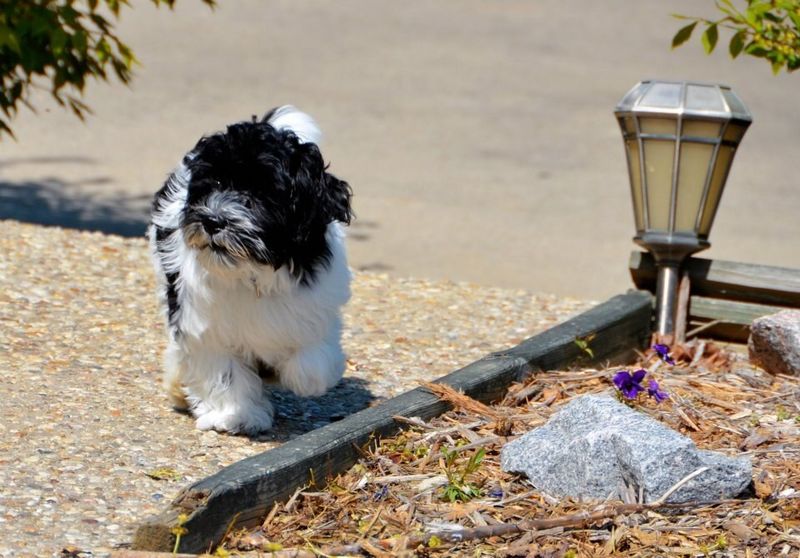
With their silky coats and playful attitude, Havanese are delightful companions but may not always find car rides enjoyable.
Their small size and acute senses make them sensitive to motion, so a snug and secure space is recommended. A brief walk before a trip can calm their nerves.
These dogs were a favorite among Cuban nobility, accustomed to being carried rather than driven.
Maltese
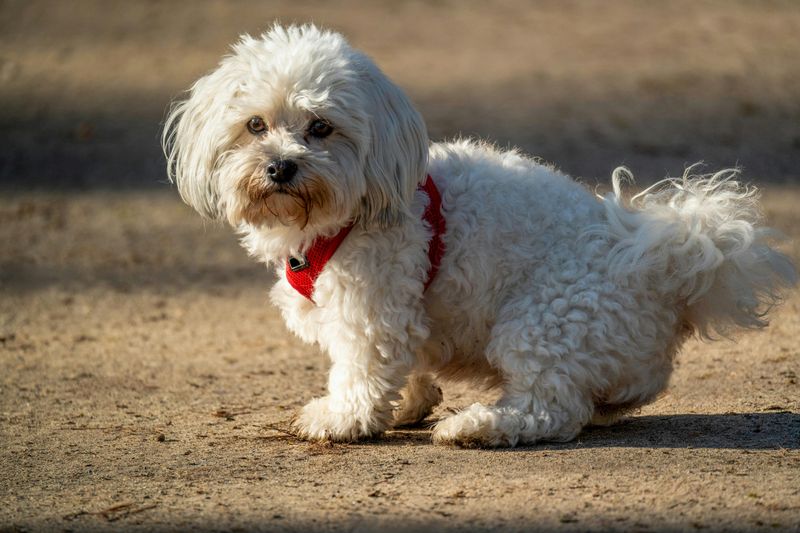
Maltese dogs, with their flowing white coats, are elegant yet delicate travelers. They might find the motion of a car unsettling, leading to unease.
Giving them a secure spot with familiar objects can offer comfort. Their compact size means they’re sensitive to temperature changes, so keep them cool and hydrated.
Did you know? Maltese were once prized by Roman ladies as lap companions, and they may still prefer a cozy lap during trips.
Papillon
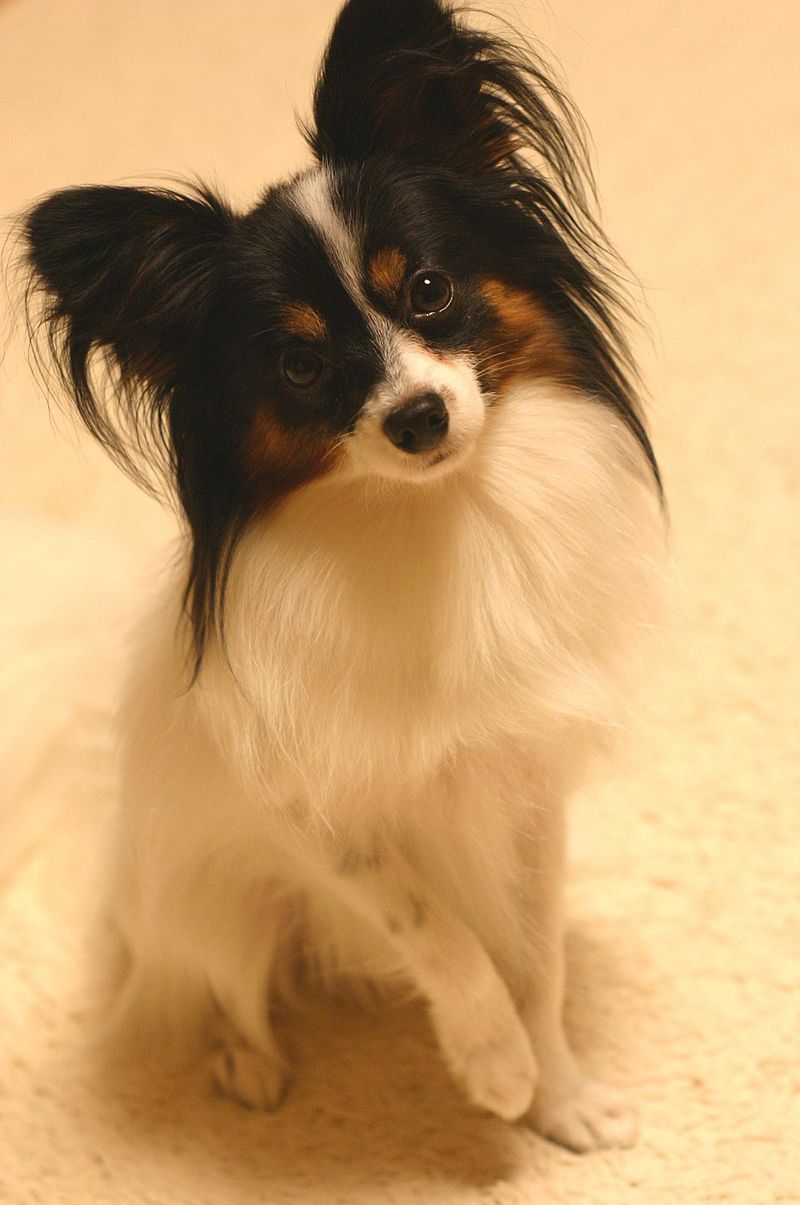
The Papillon, with its butterfly-like ears, brings joy wherever it goes. However, their lively nature can make car journeys challenging.
Frequent breaks and a gradual introduction to travel can help ease their nervousness. Their agility and intelligence mean they quickly pick up on cues, both positive and negative.
These dogs were often depicted in Renaissance paintings, a testament to their historical allure and elegance.
Shetland Sheepdog
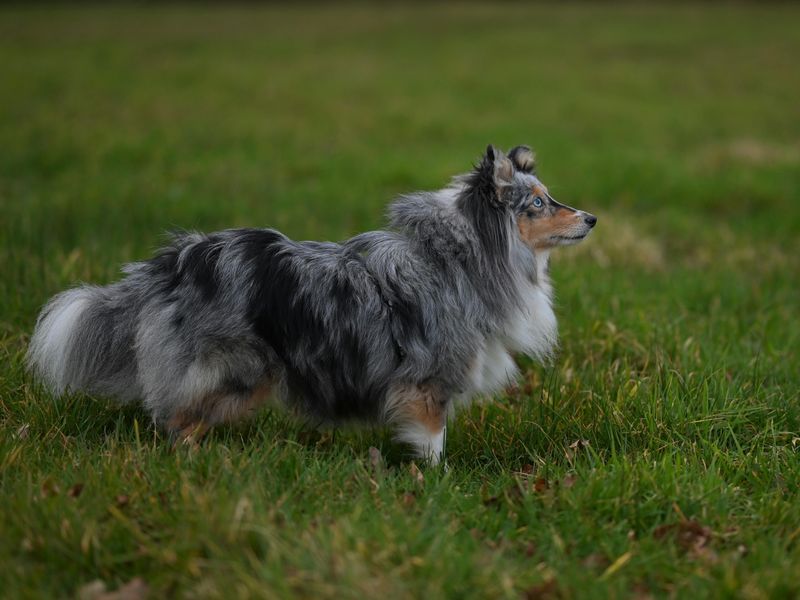
Shetland Sheepdogs, with their beautiful coats and sharp minds, are sensitive to motion. Their keen awareness might make car rides a bit overwhelming.
To comfort them, ensure a stable environment with plenty of breaks. Their herding background means they enjoy having tasks and may benefit from mental stimulation during travel.
These dogs are known for their loyalty and intelligence, making them quick to adapt with the right encouragement.
Australian Shepherd
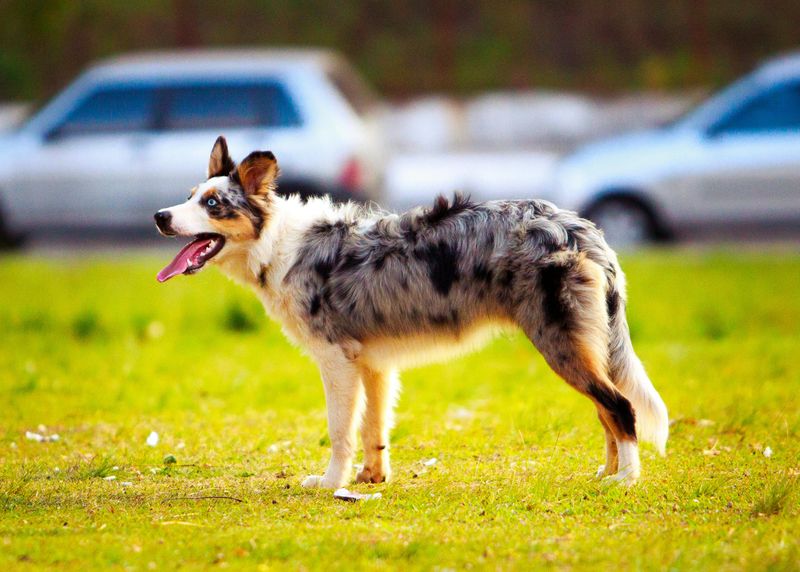
With their vibrant energy and intelligent eyes, Australian Shepherds are always ready for an adventure. However, cars can sometimes be too confined for their liking.
Providing them with interactive toys or puzzles can distract from any discomfort. Their history as working dogs means they appreciate structure and routine.
Regular stops for exercise can ensure a more pleasant journey for both you and your pet.
Miniature Schnauzer
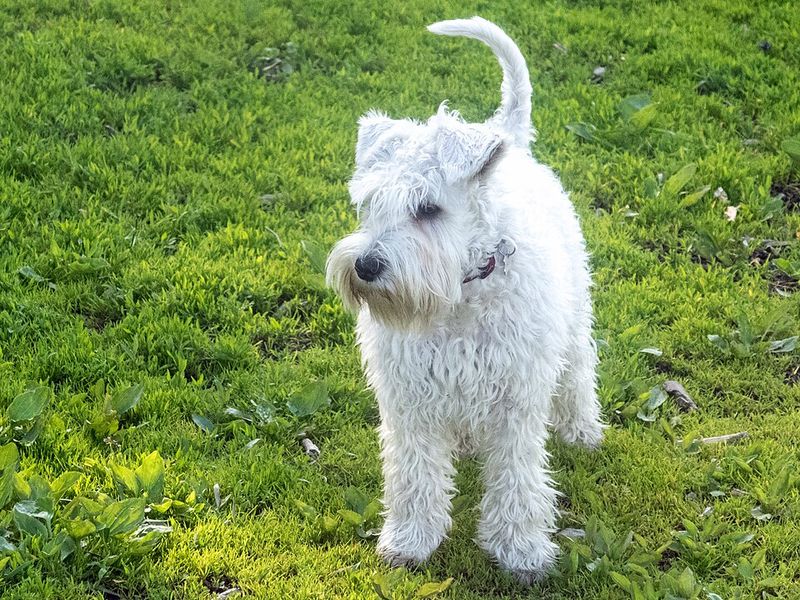
Miniature Schnauzers, with their distinctive beards and lively spirit, are prone to experiencing motion sensitivity.
Creating a cozy space with familiar items can alleviate stress. Their natural curiosity might be piqued by passing sights, so a secure view can be beneficial.
Originating as farm dogs, they were used to outdoor activities, which may make prolonged car rides less appealing without sufficient breaks.
Standard Poodle
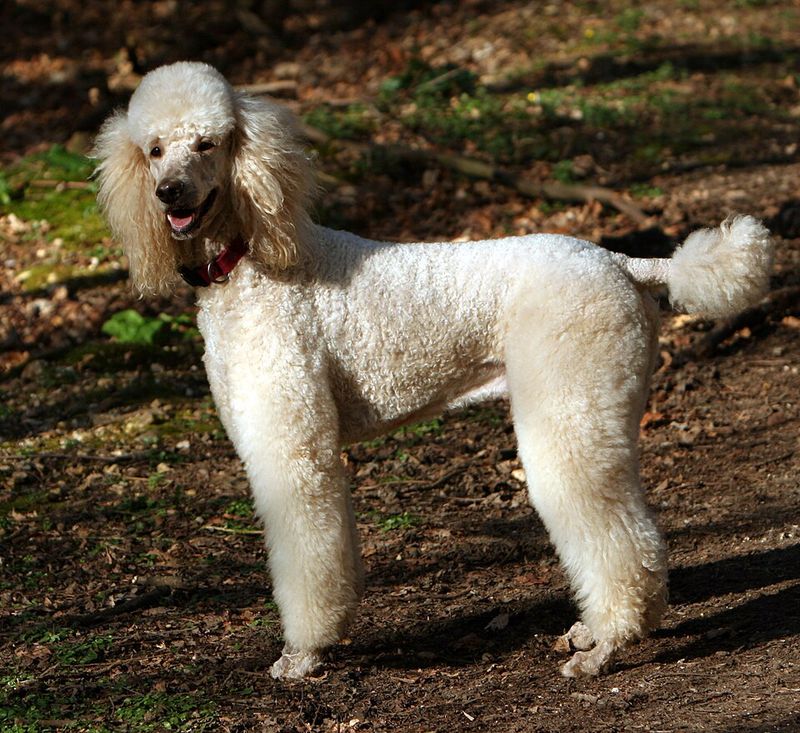
Elegance is second nature to Standard Poodles, but even these graceful dogs can feel unsettled by car travel.
Their intelligence and awareness mean they might become anxious without proper acclimation. Playing soft music or using a calming spray can offer comfort.
Interestingly, Poodles were originally water retrievers, accustomed to movement but often preferring the reassuring embrace of water over a bumpy road.