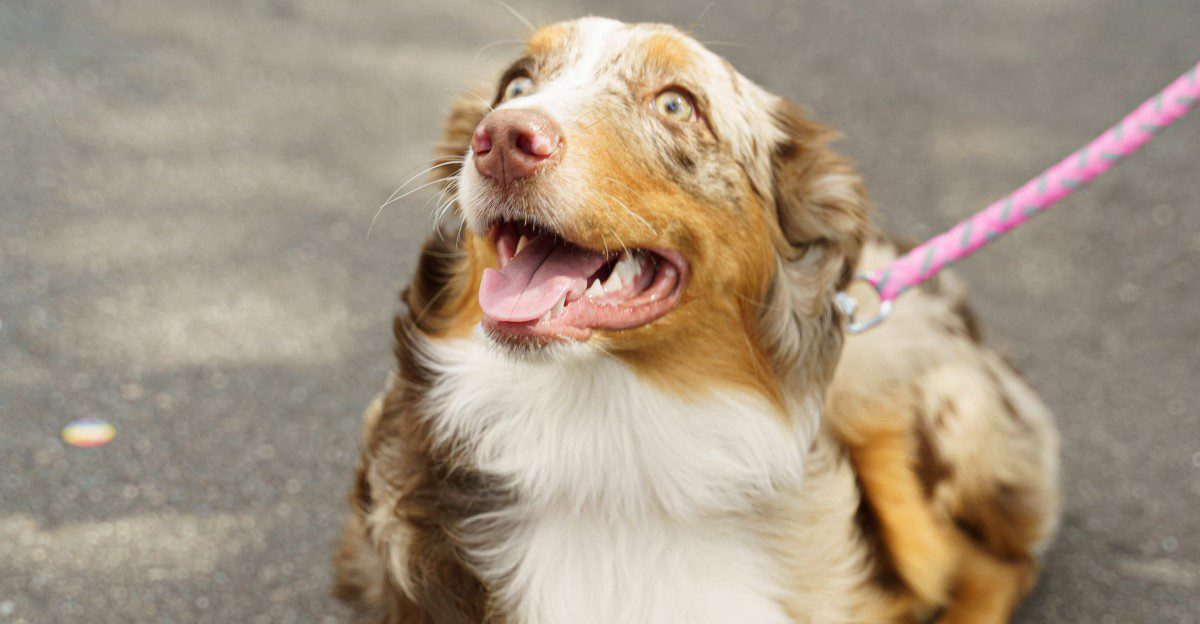
Have you ever noticed your dog stopping at the same bush, pole, or patch of grass every single walk? It might look silly, but your pup is actually reading a message board full of smells left by other animals.
Some breeds are especially drawn to these favorite spots because of their powerful noses and busy brains. Learning why can make your walks calmer, happier, and a lot more fun for both of you.
Border Collie
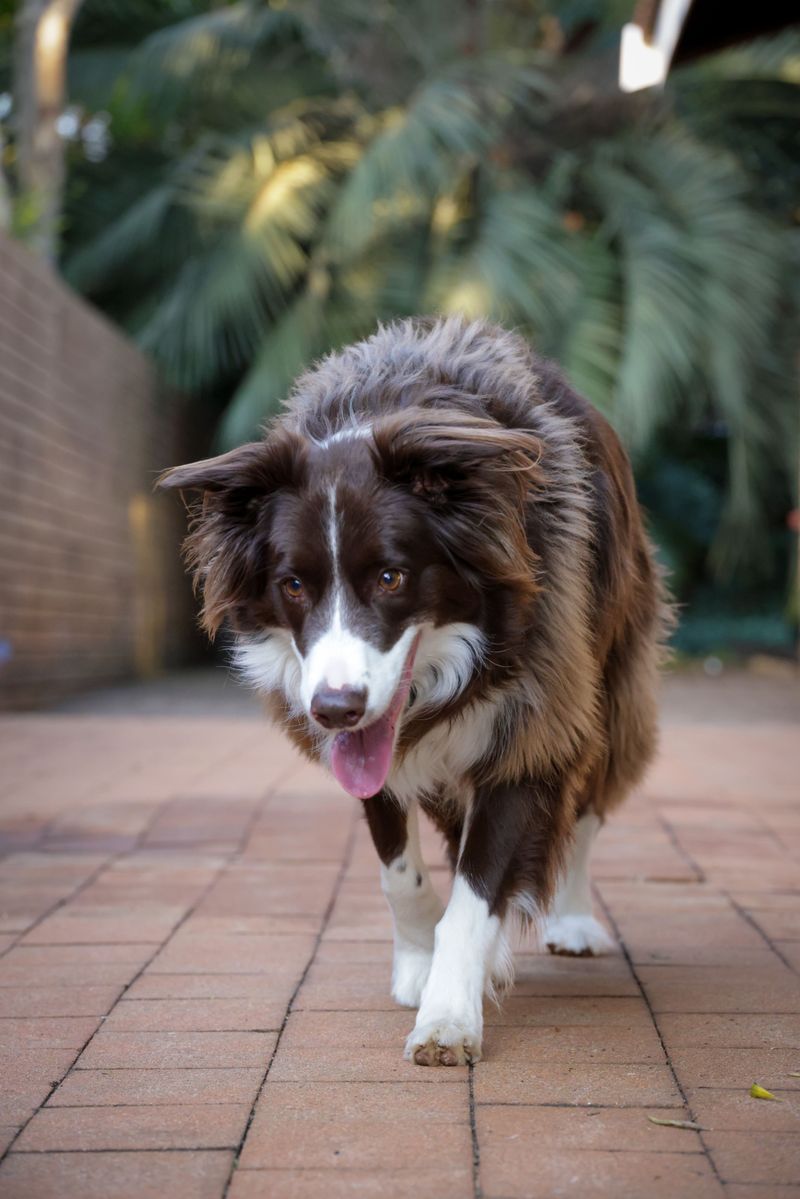
Picture a tiny detective with a clipboard. That is basically a Border Collie checking its favorite fence post each morning.
Bred to watch sheep closely, these dogs notice every small change around them.
Scent helps them track who passed by overnight, whether a fox, a cat, or the neighbor’s dog. Give your collie a few extra seconds at key spots.
Letting them finish their inspection often means a calmer, more focused walk afterward.
Poodle
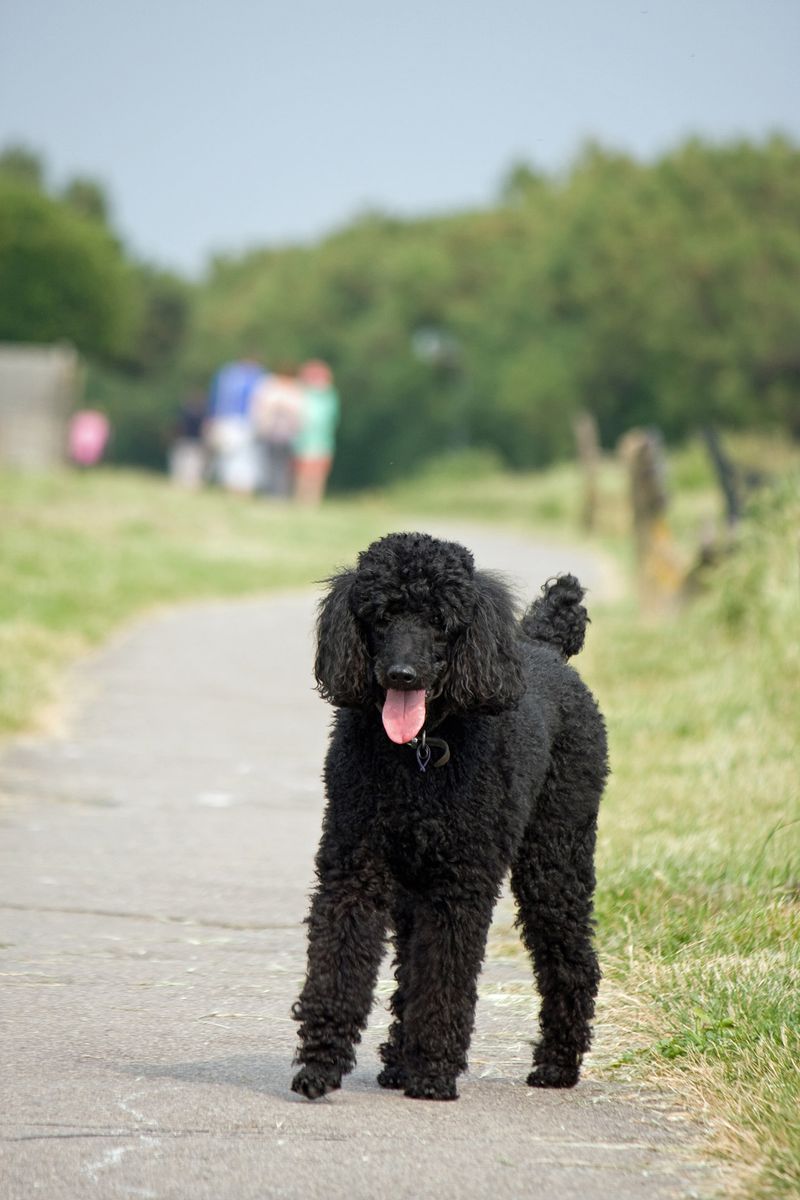
Fancy haircuts fool a lot of people. Underneath all that fluff, Poodles are clever hunting dogs originally used to fetch ducks from water in Germany.
Their sharp minds love patterns, so returning to the same flower bed or tree gives them a sense of routine and comfort. Each visit reveals fresh news in the smells left behind.
Try turning these stops into a game by hiding a treat nearby, which keeps that smart brain happily busy.
Australian Shepherd
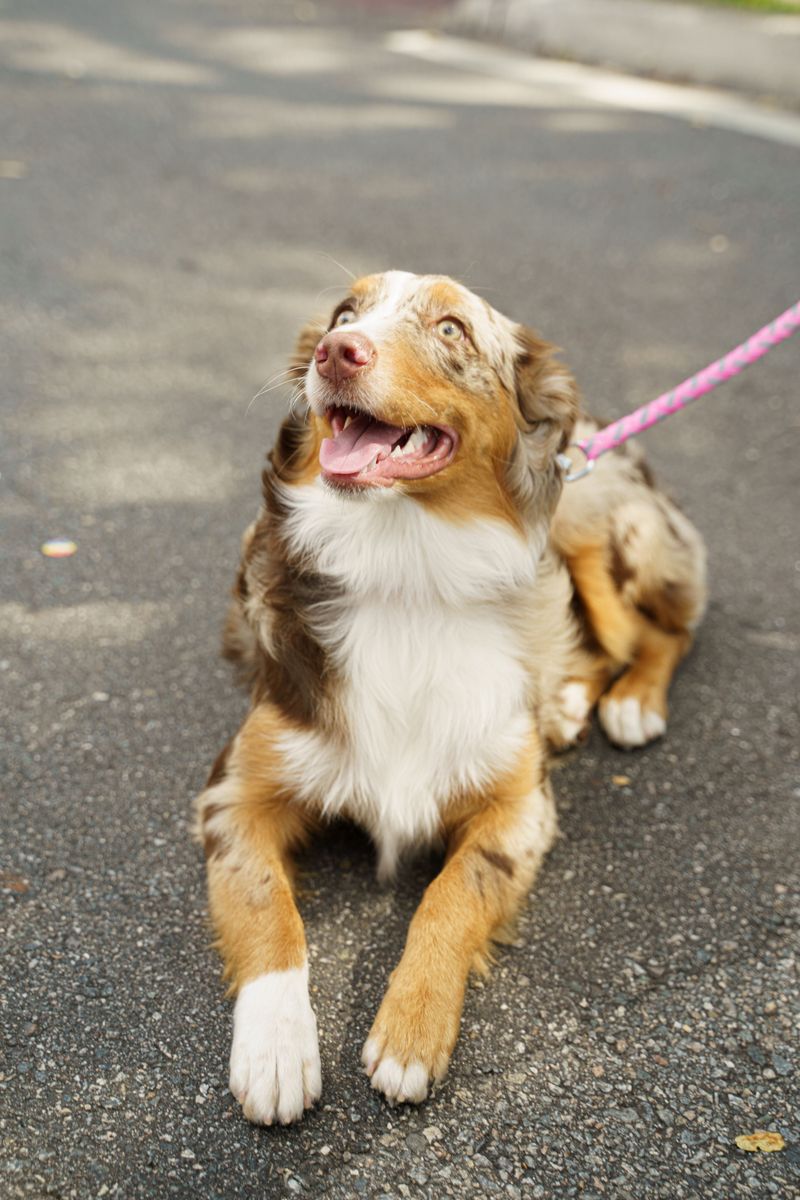
Did you know? Despite the name, Australian Shepherds were mostly developed on ranches in the western United States.
Those ranch roots gave them a strong urge to patrol their territory. On walks, Aussies often revisit the same corners and trail markers, almost like a guard checking doors.
Smells tell them if anything new entered their area. If yours lingers too long, a friendly cue like let’s go, paired with praise, helps keep things moving smoothly.
Jack Russell Terrier
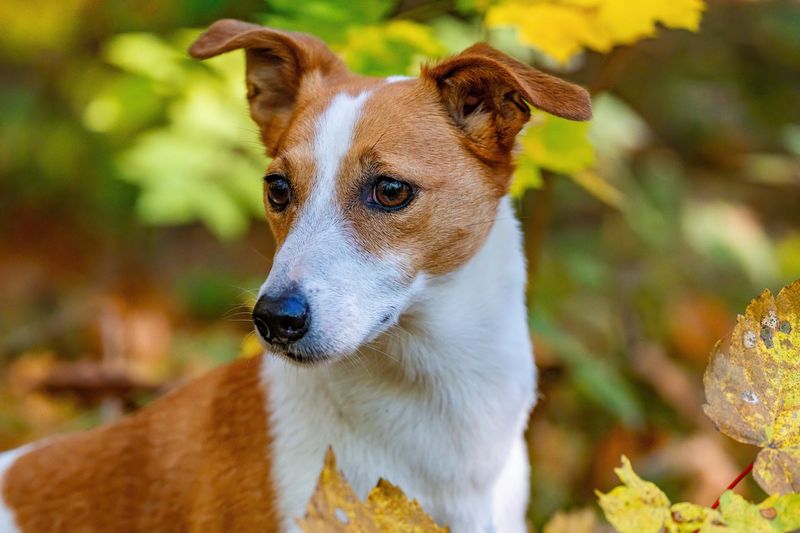
Zoom, stop, sniff, dig. Anyone who owns a Jack Russell knows this pattern well.
These pint-sized powerhouses were bred to chase foxes into their dens, so holes and tree roots feel like treasure maps.
Once a spot smells like rodents, your terrier will remember it forever. Expect a tug toward that same tree daily.
A sturdy harness and short digging breaks in safe areas can satisfy that fiery hunting spirit.
Siberian Husky
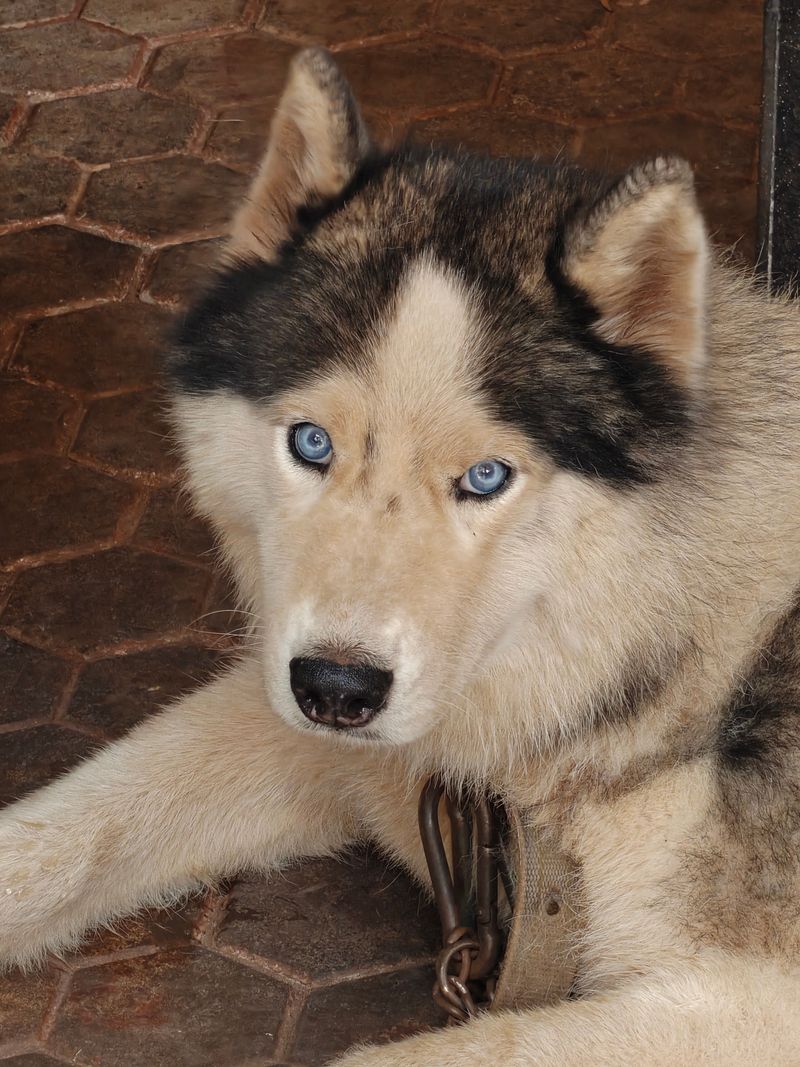
Talkative, dramatic, and endlessly curious, Huskies treat every lamppost like a social media feed. Originally pulling sleds across Siberia, they covered huge distances and relied on their noses to understand their surroundings.
Today, that same instinct makes certain corners irresistible. They might howl, sniff, and refuse to budge all at once.
Keep a firm grip on the leash, because a Husky following an exciting scent can suddenly bolt with surprising strength.
Miniature Schnauzer
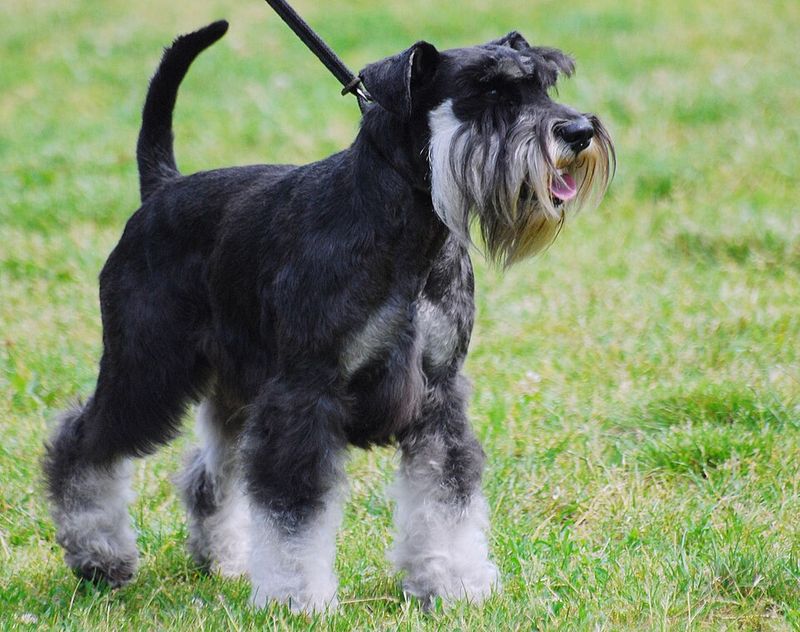
That famous beard is more than a fashion statement. Some owners believe it helps trap smells close to the Schnauzer’s nose, and it definitely collects plenty of leaves.
Bred as farm ratters in Germany, these little dogs stay alert to anything that might hide in hedges. So they revisit the same bushes constantly, checking for critters.
Wipe that beard after walks to remove dirt and keep your fuzzy friend smelling fresh.
Australian Cattle Dog
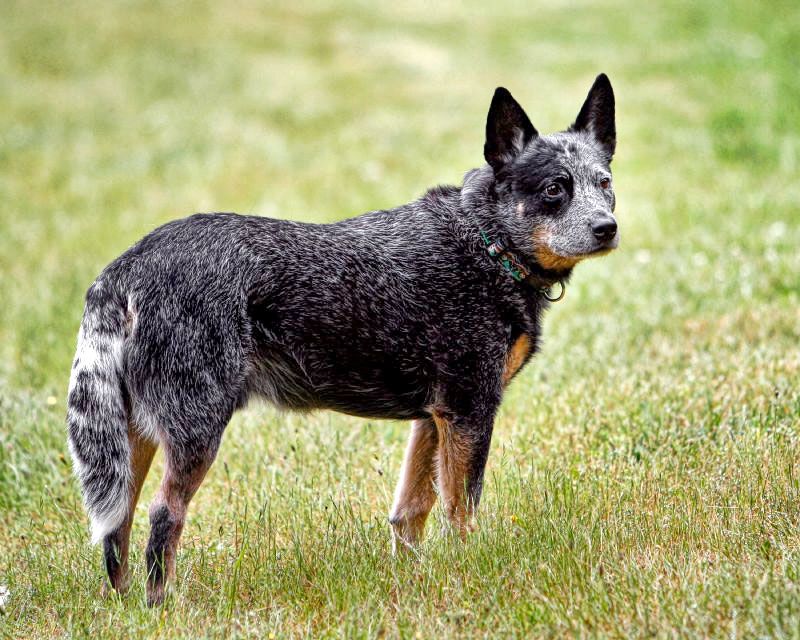
Tough as old boots, the Australian Cattle Dog was built to move stubborn cattle across dusty outback land. Part of its ancestry even comes from wild dingoes.
These dogs treat walks like work shifts. Gates, posts, and crossroads get checked every time because smells reveal who has been around.
Honor that job-loving attitude by adding short training tasks during stops, like sit or wait. A working brain is a happy brain here.
Dachshund
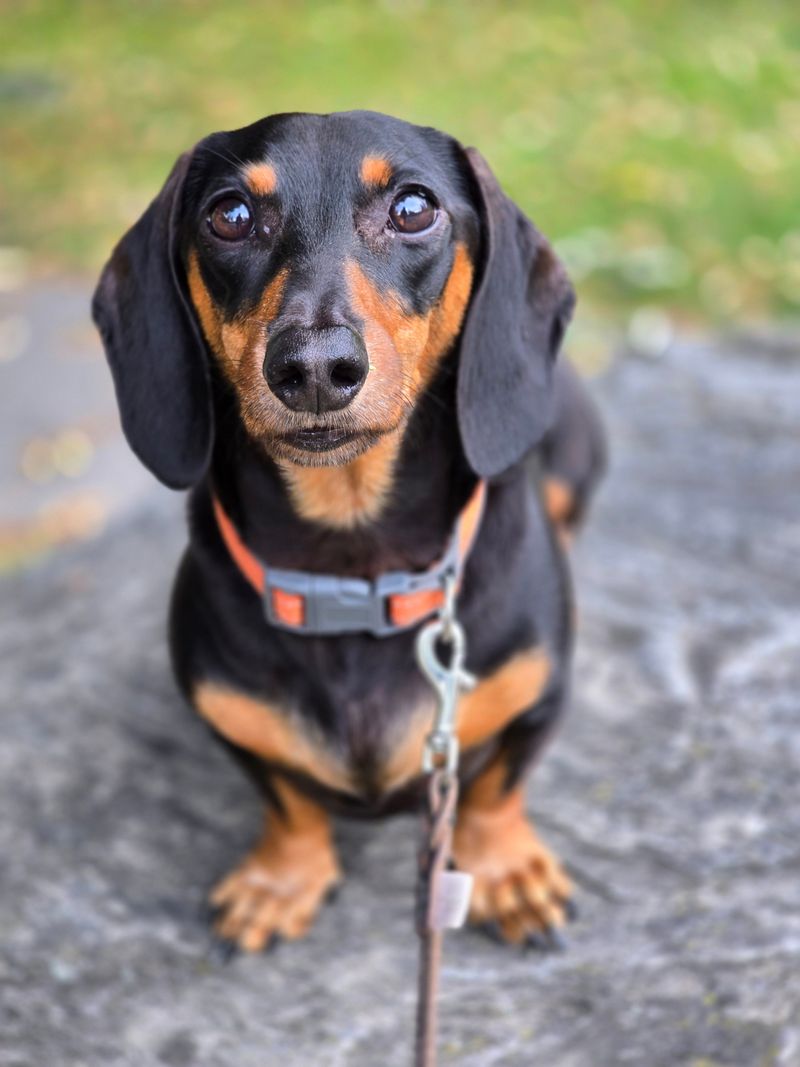
Low to the ground and proud of it, the Dachshund enjoys a front-row seat to every smell. Its name means badger dog in German, which says a lot about its bold past.
Short legs mean their noses stay close to trails others miss. Favorite patches of grass may hold scents from rabbits or moles.
Be patient during long sniff sessions, and avoid letting them jump off curbs to protect their delicate backs.
Beagle
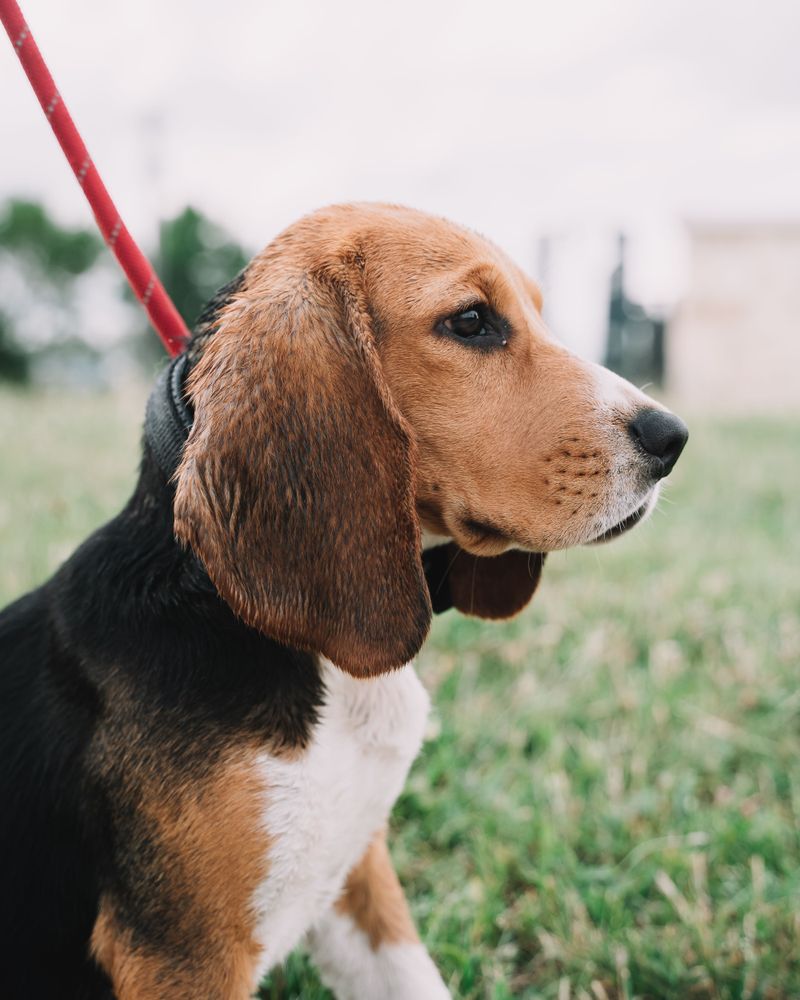
Around 220 million scent receptors live in a Beagle’s nose, compared to about 5 million in ours. No wonder these happy hounds seem glued to the ground.
Their long ears even help sweep smells upward. Once a Beagle discovers an interesting spot, it will pull you back there again and again.
Plan sniff walks where their nose leads the way. You will get a tired, content pup and fewer howling complaints at home.
German Shepherd
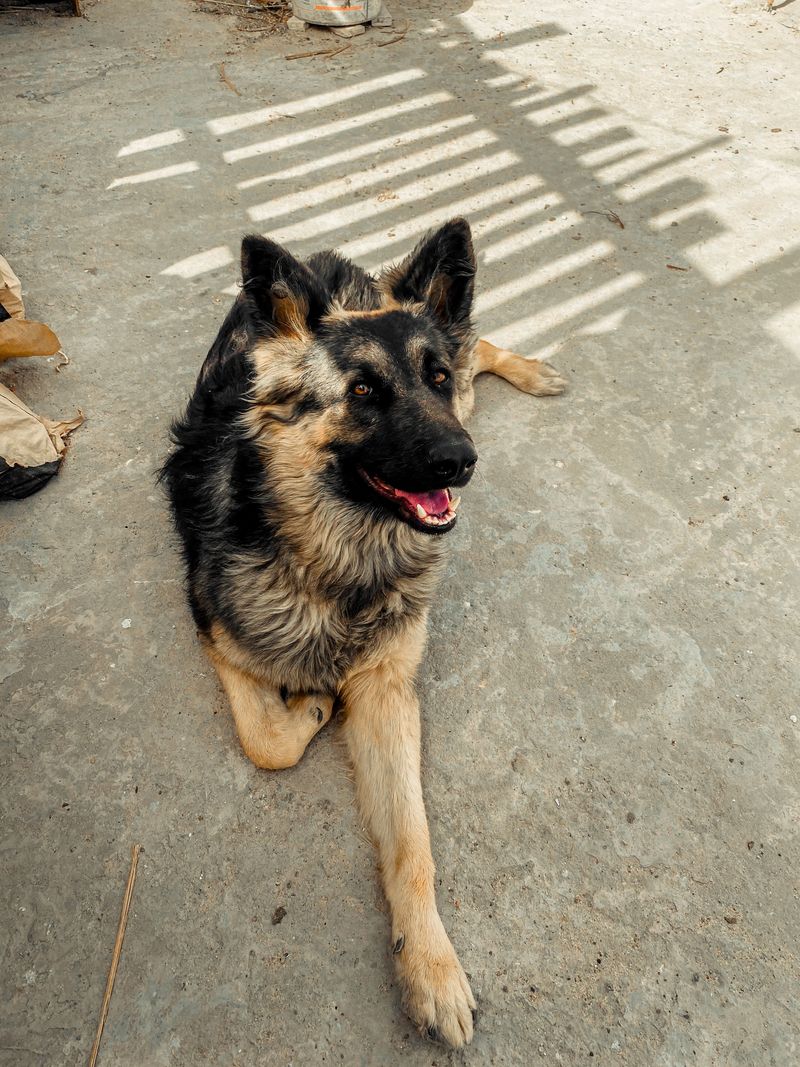
Police departments around the world trust German Shepherds to find missing people and hidden items. That same skill shows up on your ordinary neighborhood stroll.
Shepherds like to check familiar corners, walls, and mailboxes as if securing their territory. Smells tell them whether strangers or other dogs have visited.
Turn this habit into a bonding moment with simple scent games, like finding a hidden toy. Their loyal, serious nature truly shines with a mission.
Shiba Inu
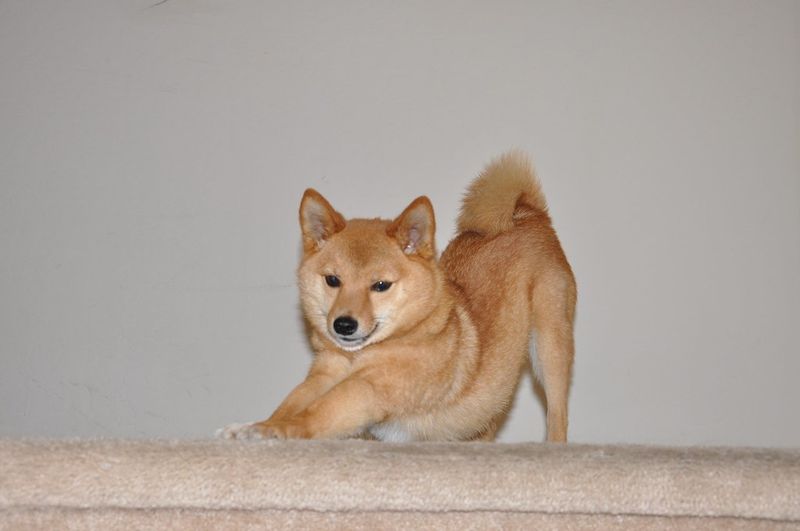
Some call it the cat of the dog world. The Shiba Inu, one of Japan’s oldest breeds, has an independent streak and strong opinions about where walks should go.
If a spot smells interesting, your Shiba may plant its feet and simply refuse to move, sometimes with a dramatic scream. Keep calm and offer a tasty reward to redirect.
Respecting their favorite stops, within reason, builds trust with this proud little hunter.