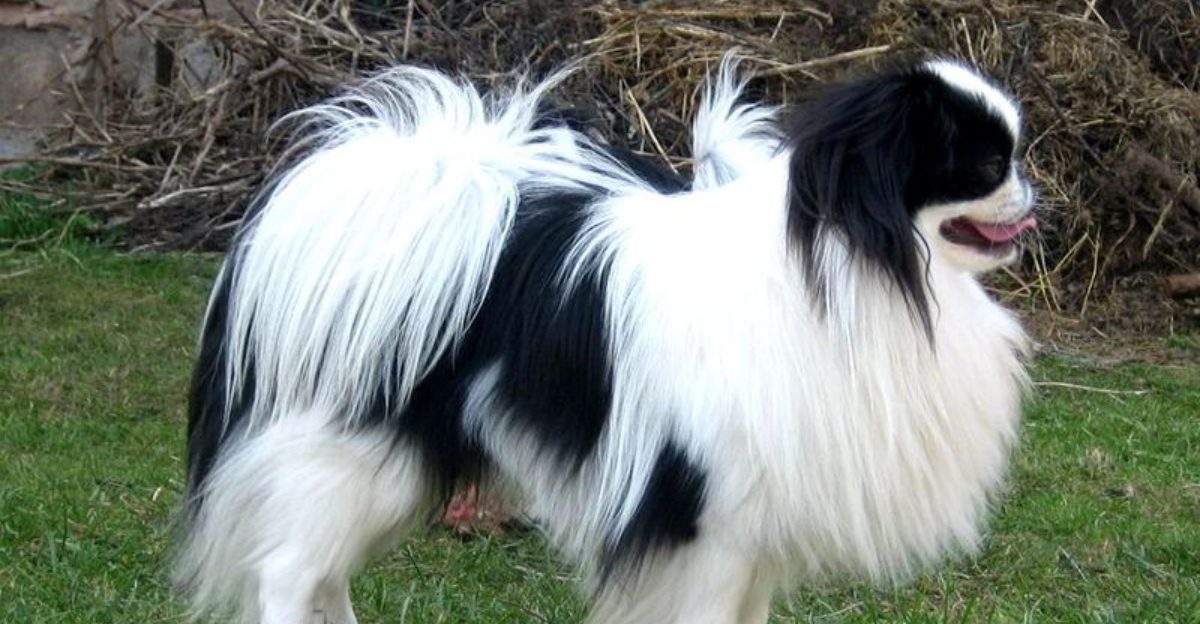
Some dog breeds require a gentle and patient approach. For breeds that shut down when rushed, understanding their unique needs is key. Here are 14 breeds and tips for training them effectively.
Akita
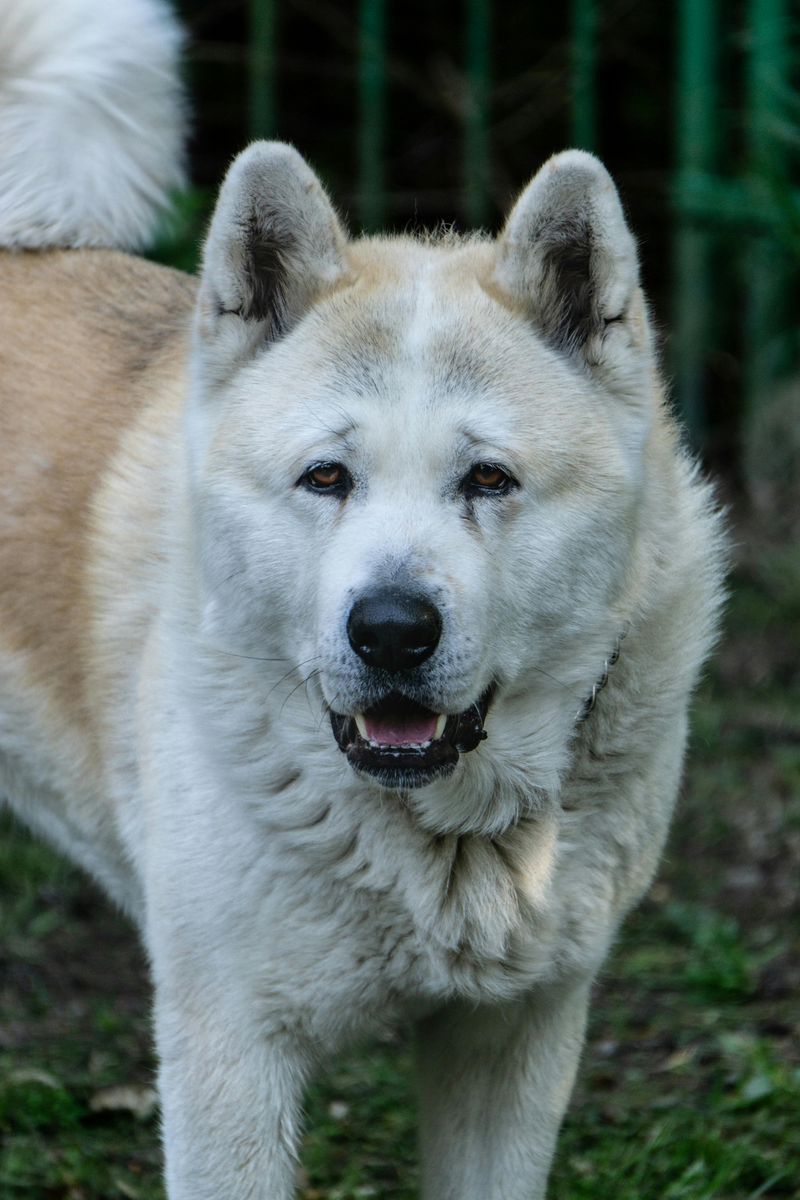
The Akita, known for its dignified poise, is deeply loyal yet reserved. This breed thrives on calm, consistent routines.
Rapid changes can lead to withdrawal. Engaging them with patience while respecting their independence fosters trust.
In training, use gentle praise over harsh commands. Their sensitive nature responds best to a steady, reassuring hand.
Korean Jindo
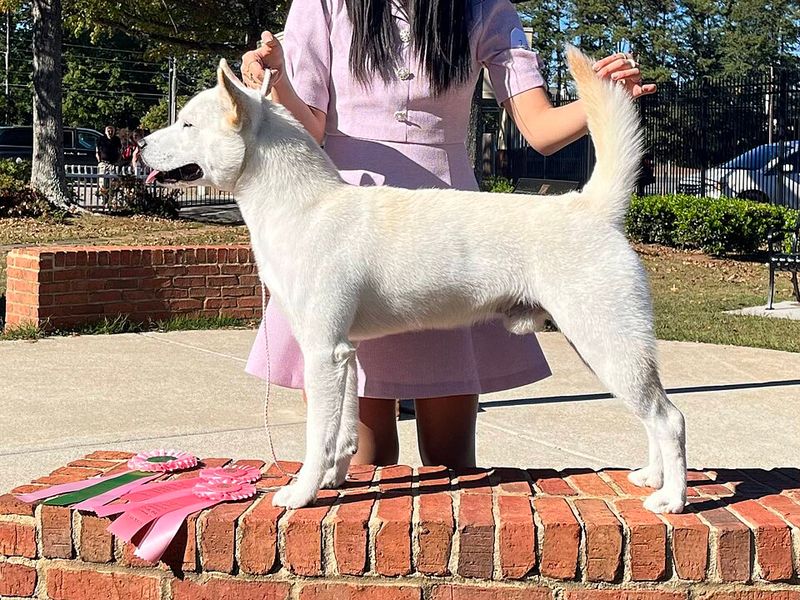
Korean Jindos are renowned for their unwavering loyalty and cautious demeanor. Their spirit is both independent and curious.
Training requires understanding and patience. These dogs may shut down if pressured excessively.
Consistency and calm reinforcement are key. Their intelligence shines when given space to learn at their own pace.
Finnish Lapphund
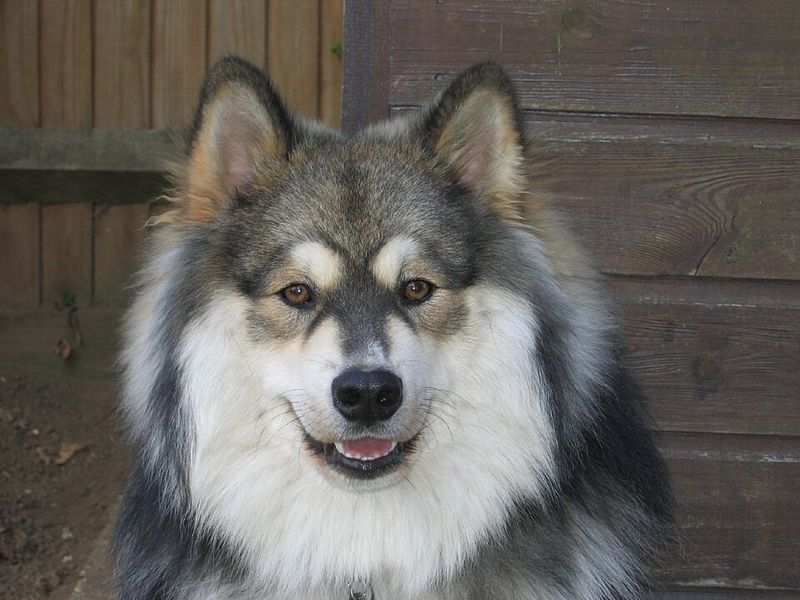
Finnish Lapphunds, with their vibrant energy and affectionate nature, require gentle handling. They easily become overwhelmed by strict routines.
Ensure their training is interactive and fun, with breaks to accommodate their lively disposition.
Allow them to explore and express themselves, reinforcing positive behavior with warmth and understanding.
Norwegian Lundehund
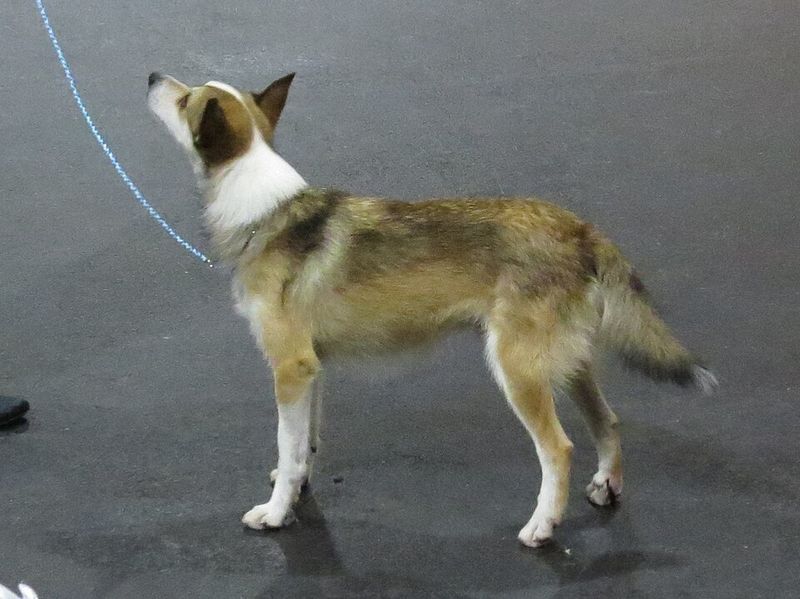
Unique in anatomy, the Norwegian Lundehund is inquisitive yet cautious. Their distinct traits demand tailored training.
Pressure can cause them to shy away. Emphasize discovery and exploration in their routines.
Patience is crucial, as they respond well to encouragement and gentle guidance, given their sensitive nature.
Lagotto Romagnolo
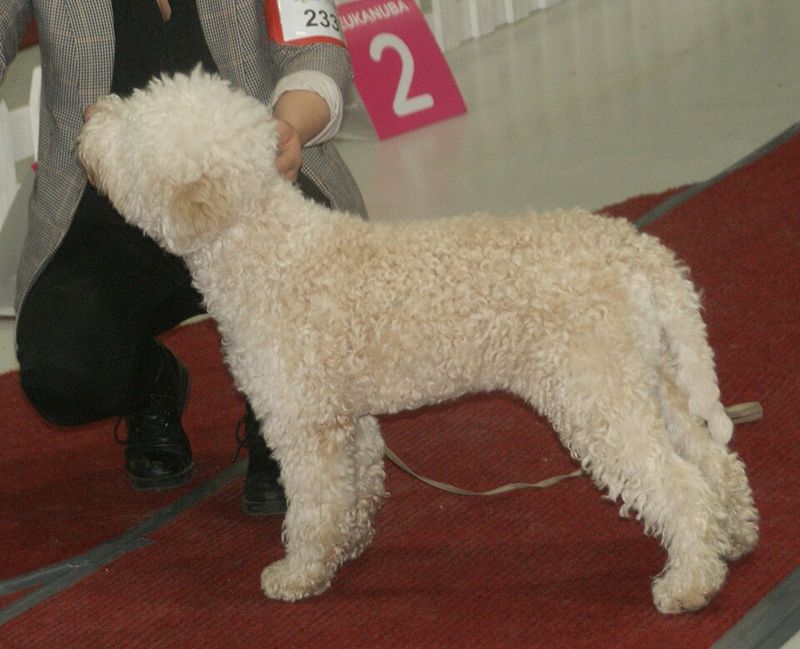
The Lagotto Romagnolo’s keen sense of smell and affectionate temperament make it a delight. These dogs dislike hurried environments.
Training should focus on their natural instincts with gradual, steady progression.
Their intelligence craves engagement. Utilize games and scent work to keep them motivated and relaxed.
Portuguese Podengo
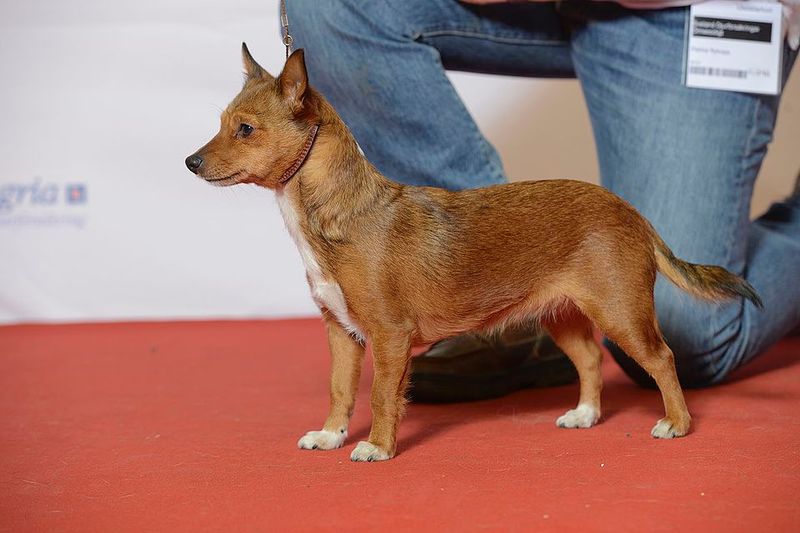
The agile Portuguese Podengo is lively yet wary of abrupt changes. They excel in environments where their zest is nurtured.
Introducing new tasks slowly helps prevent overwhelm.
Positive reinforcement paired with exploratory activities encourages their natural inquisitiveness, promoting a content and eager learner.
Cirneco dell’Etna

Sicily’s Cirneco dell’Etna possesses an elegant and independent spirit. Their training thrives on balance and calm.
Abrupt commands can lead to retreat. Encourage their natural energy through gentle exercises.
Respecting their autonomy while providing consistent, positive cues fosters confidence and eagerness to learn.
Pharaoh Hound
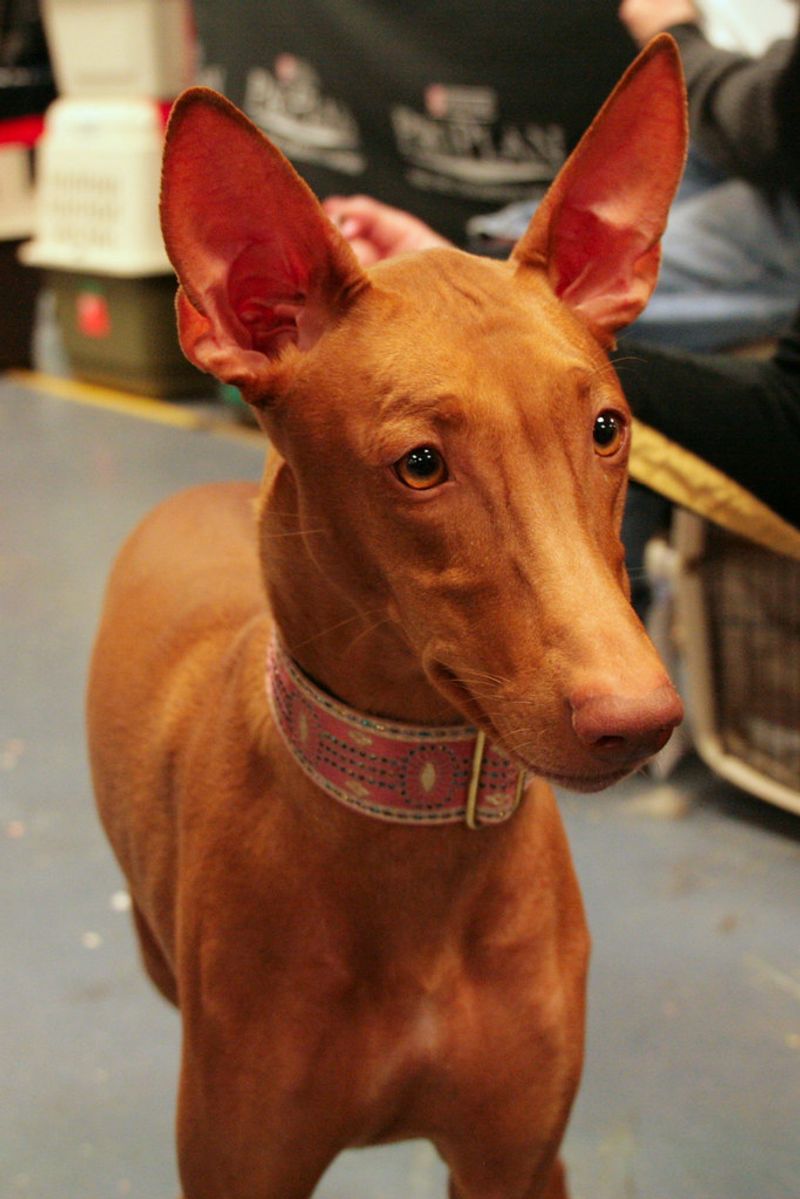
Graceful and noble, the Pharaoh Hound is sensitive to its surroundings. These dogs require a calm, consistent approach.
Rushed instruction may cause them to become disinterested. Provide a structured yet flexible routine.
Reward-based methods, focusing on their natural grace and intelligence, yield the best results with this breed.
Tibetan Spaniel
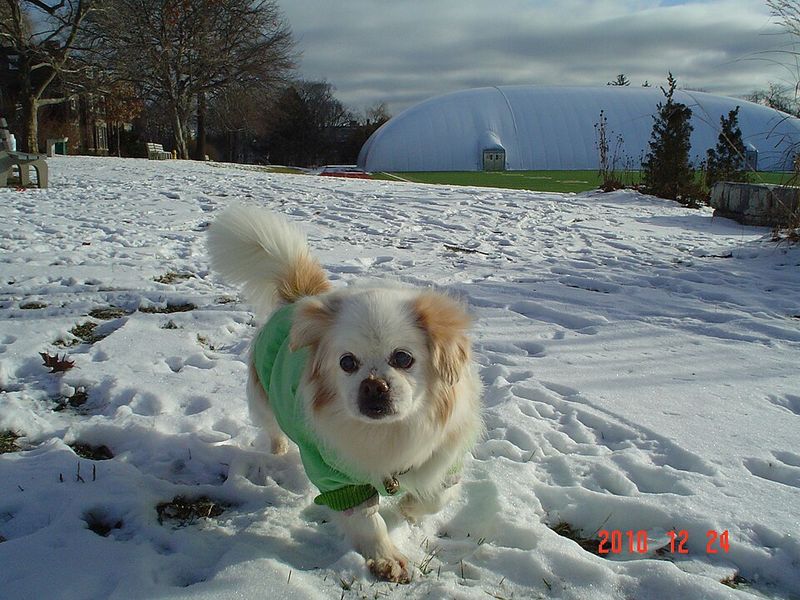
The Tibetan Spaniel’s charming demeanor and independence make it a captivating companion. Sudden demands can be unsettling.
Training should highlight their natural curiosity and adaptability, allowing them to explore at their own pace.
Gentle guidance paired with positive reinforcement nurtures a well-adjusted, eager friend.
Japanese Chin
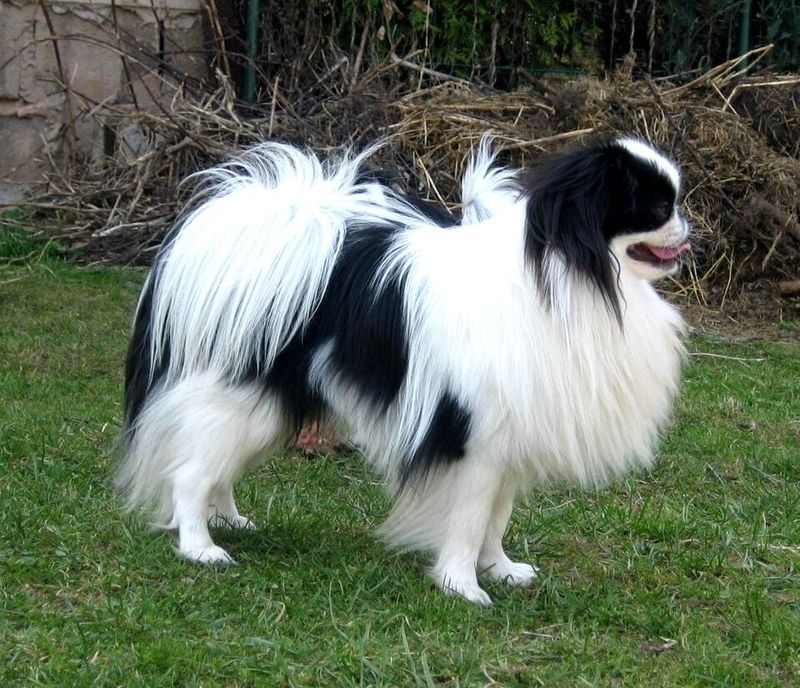
With elegant poise, the Japanese Chin captivates with its gentle disposition. Rushing them can lead to withdrawal.
Training must be soft, respectful, and encouraging, aligning with their sensitive personality.
They respond brilliantly to calm, loving interactions that honor their need for a serene environment.
Mudi
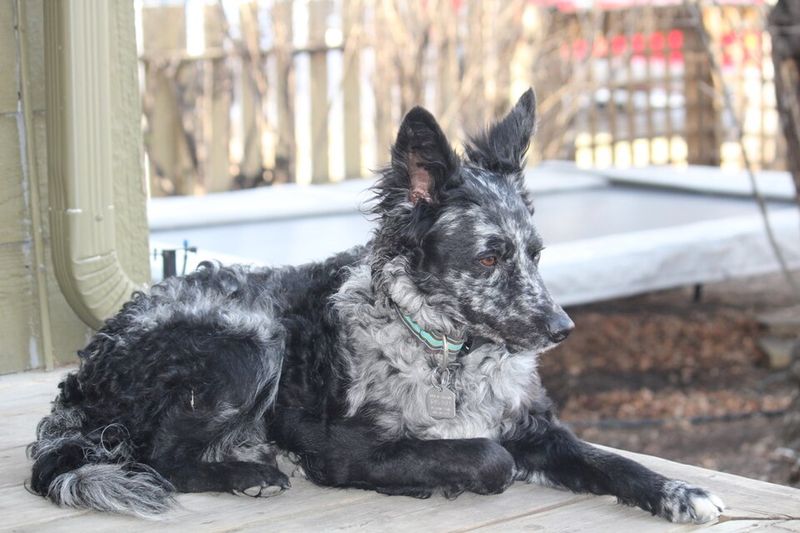
Energetic and intelligent, the Mudi craves a dynamic yet balanced approach. Rushed training can lead to frustration.
Their sharp minds require stimulating exercises, paired with kindness and consistency.
A regimen that combines play and learning fosters a thriving, contented Mudi, eager to engage with its environment.
Polish Lowland Sheepdog
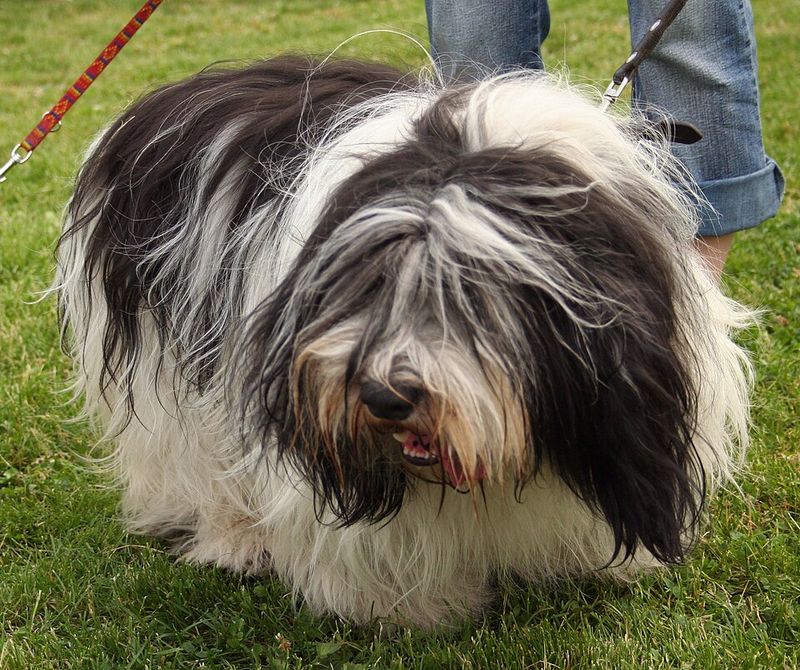
The Polish Lowland Sheepdog is a devoted and resilient companion. They dislike hurried commands, preferring patient instruction.
Training should utilize their herding instincts with gradual, encouraging techniques.
Structured activities that respect their need for calm and consistency promote a well-rounded, cheerful disposition.
Schapendoes
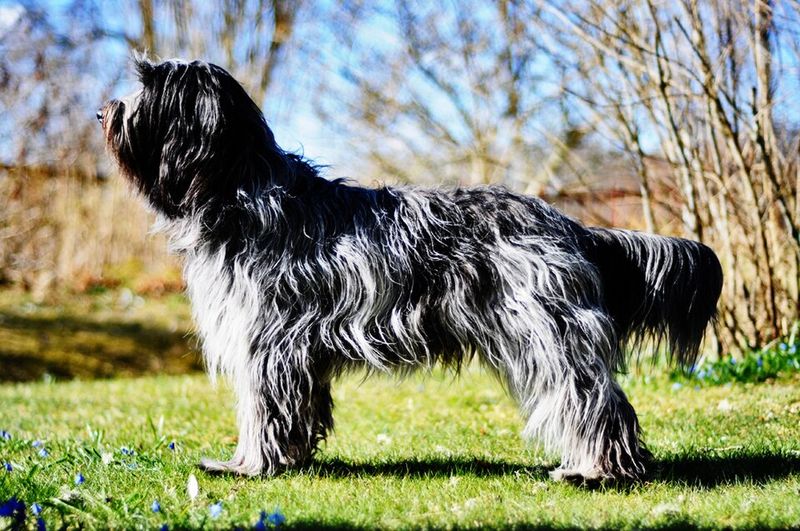
The spirited Schapendoes thrives in nurturing environments. Their playful nature is deterred by impatience.
Training should embrace their lively character with fun, interactive sessions.
Integrating games and challenges helps them learn without pressure, fostering a happy, curious companion.
Belgian Laekenois
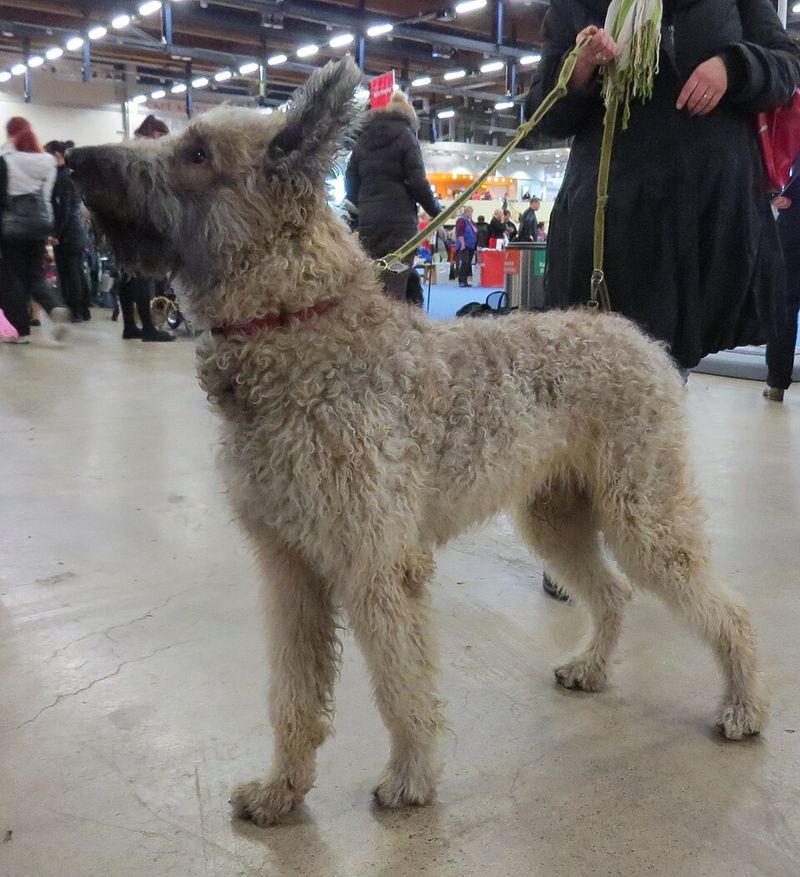
The Belgian Laekenois, with its tenacious nature, requires thoughtful training. Hasty methods can cause them distress.
Focus on building trust through calm, consistent routines. Encouragement over harshness brings out their best.
Tailor activities to their strengths, ensuring they remain engaged and confident in their learning journey.