
Think you know the history of dogs? School left out the gritty, ingenious, world-shaping roles canines played—from war logistics to polar exploration and clandestine diplomacy. These breeds didn’t just fetch sticks; they ferried vaccines, redrew borders, and saved economies. Dive in to discover the untold canine coups that rewired human destiny—and see why history owes more to paws than pens.
Newfoundland

Newfoundlands weren’t just fishermen’s friends; they were lifesavers who turned maritime economies possible. Their webbed feet and lung power meant hauling nets, ferrying lines, and rescuing sailors in brutal North Atlantic swells. British lifeboat services adopted them, inspiring standardized sea rescue protocols. Even Napoleon is said to have been aided by one during an escape. Their reliability helped coastal towns survive storms that would have otherwise crippled commerce. As emigration and trade surged, so did reliance on these black-coated guardians. Quietly, they underwrote maritime safety standards that shaped global shipping lanes and the coastal cultures orbiting them.
Siberian Husky
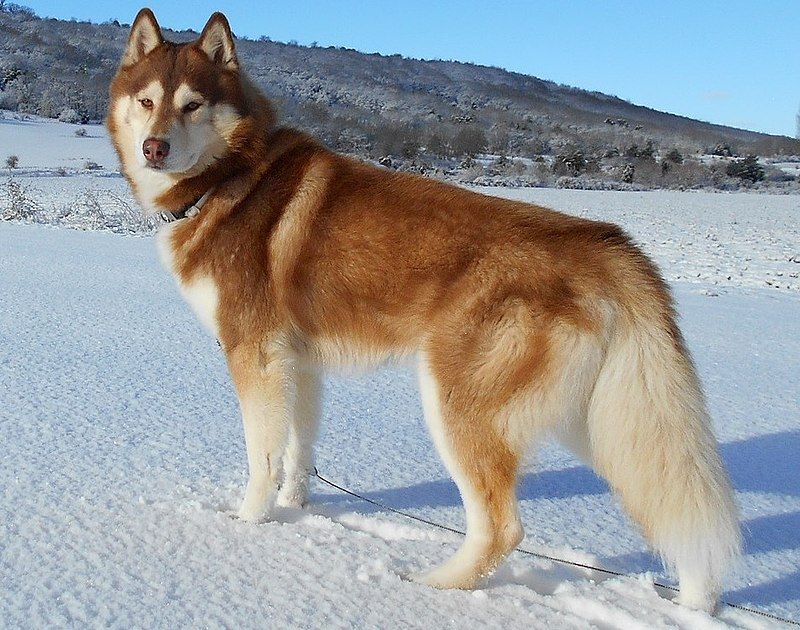
In 1925, Siberian Huskies turned a remote Alaskan crisis into a global lesson in logistics. During the Nome diphtheria outbreak, teams led by mushers like Leonhard Seppala relayed antitoxin across frozen wilderness. Their endurance and cold-weather physiology beat blizzards, saving a town and legitimizing sled transport in polar exploration. That heroism catalyzed the Iditarod’s legacy and influenced Arctic route planning. Beyond romance, this feat shifted how public health officials planned for extreme environments. Huskies didn’t just run; they redefined emergency supply chains. Their speed and resilience forged a blueprint for modern cold-chain thinking long before refrigerated trucks.
St. Bernard
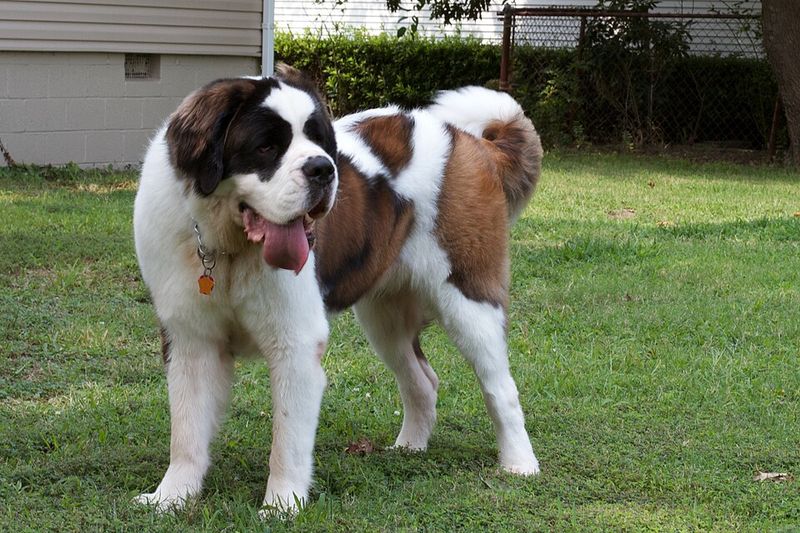
High above the clouds, St. Bernards patrolled the Swiss Alps, turning monasteries into proto–search and rescue hubs. Monks bred them for mass, scent, and avalanche savvy, enabling lifesaving in conditions that crippled humans. The legendary Barry reportedly saved dozens, spurring public funding for mountain safety and mapping. Their work standardized alpine routes, rescue signals, and winter travel norms. Tourism and trade followed newfound security across passes. Even their iconic barrels fueled public imagination—marketing that bankrolled rescue development. These gentle giants professionalized mountain rescue and pushed Europe toward modern, coordinated emergency services.
Border Collie
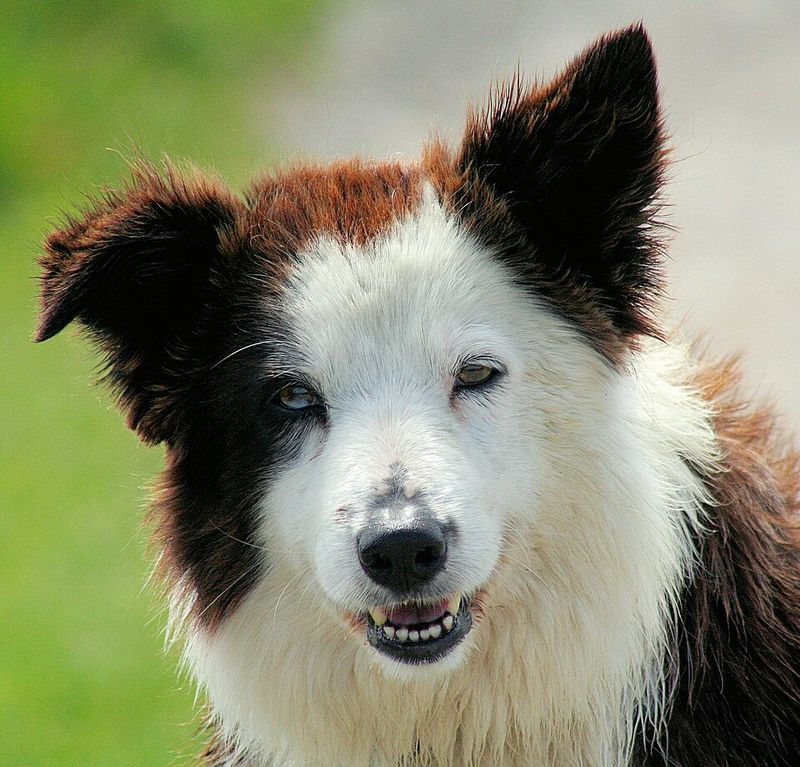
Border Collies didn’t just herd sheep; they reorganized rural economies. With uncanny eye and responsiveness, they allowed larger flocks across rugged borders of England and Scotland, improving wool yields and land use. Trials like those at Bala and Northumberland standardized commands and breeding, turning instinct into a scalable technology. As rail networks expanded, consistent fleece quality mattered—collies made it possible. Their precision reduced labor costs, stabilized prices, and reshaped pastoral culture. Even today, their training lexicon influences robotics and AI studies on distributed control. One breed, countless efficiencies, and a quieter revolution in agricultural logistics.
Doberman Pinscher
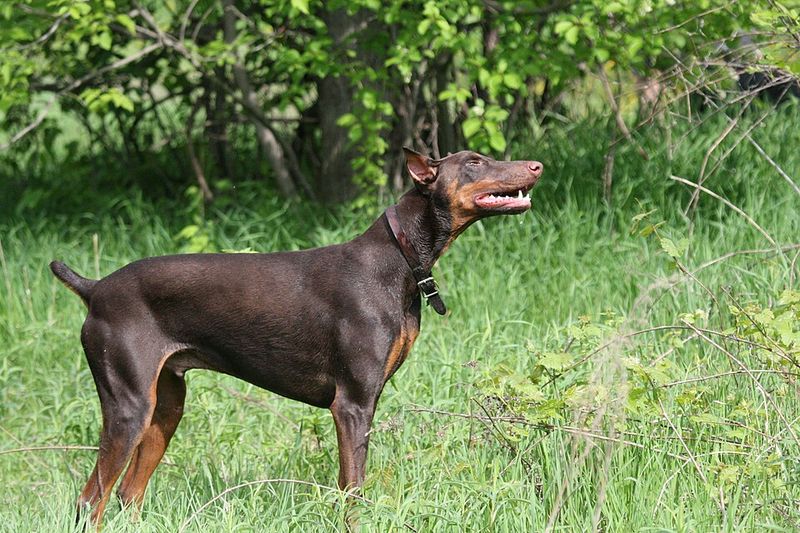
Bred by a German tax collector, Dobermans evolved into disciplined wartime messengers and sentries. In World War II, the “Devil Dogs” of Guam relayed communications under fire, detecting ambushes and guarding perimeters. Their reliability advanced K-9 training doctrine, influencing police and military protocols worldwide. Beyond courage, Dobermans helped codify selection standards—temperament tests, obstacle courses, and scent drills becoming institutional norms. Their service shaped how modern forces deploy canine units for patrol, detection, and morale. In civilian life, they professionalized security roles, from disaster searches to VIP protection. A sharp profile; sharper legacy in operational reliability.
Basenji
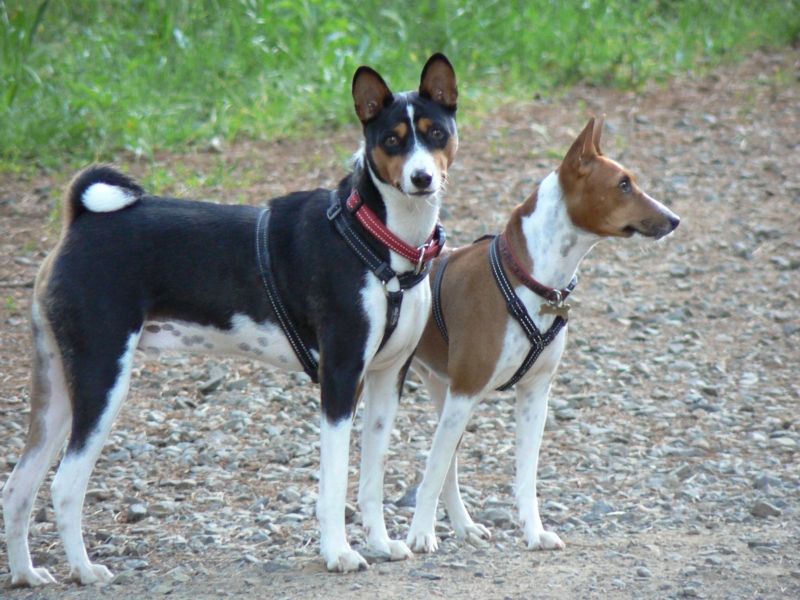
Silent hunters of the Congo Basin, Basenjis are ancient problem-solvers that shaped subsistence economies. Their yodels replaced barking, aiding stealth in dense forests. Local communities relied on them to drive game into nets, protecting crops and balancing ecosystems. Their cooperative hunting redefined human–dog communication, using gestures and subtle cues. Archaeological parallels trace them to Nile iconography, suggesting trade routes carried both culture and canine genetics. By safeguarding food security and enabling barter, Basenjis supported social stability. Their understated intelligence shows how pre-industrial societies engineered biological partnerships to thrive without metal tools or modern weaponry.
Great Pyrenees
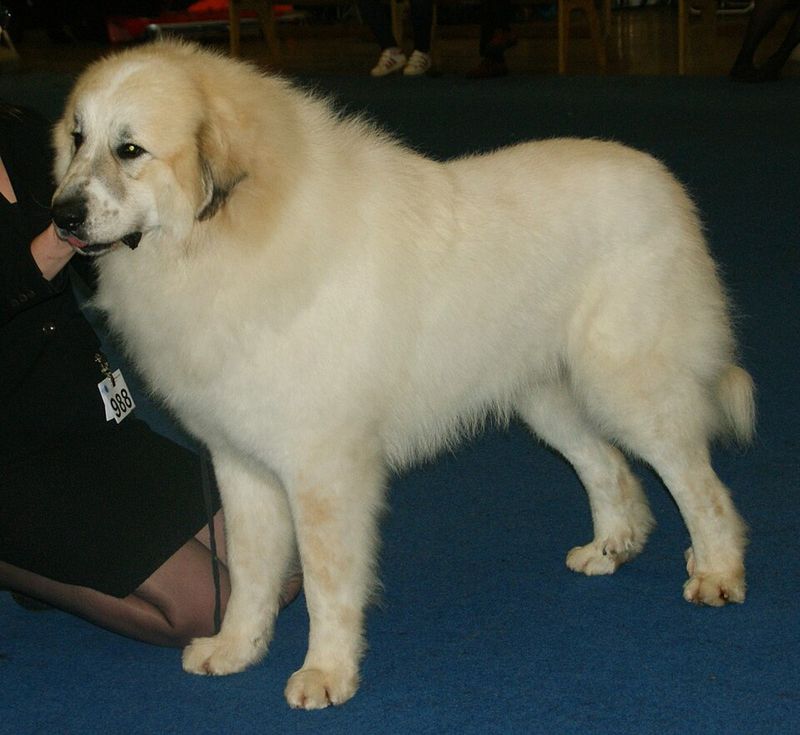
The Great Pyrenees anchored transhumance—the seasonal movement of flocks—across France and Spain. As wolf and bear deterrents, they enabled shepherds to graze high pastures safely, unlocking alpine grasslands and improving wool and cheese outputs. Their independent guarding style reduced night watch labor, stabilizing family economies. Royal courts adopted them, turning a pastoral guardian into diplomatic gifts that spread livestock-guarding practices across Europe. Their presence altered predator–prey dynamics, shaping conservation debates centuries later. Today, they’re revitalizing coexistence in rewilded areas. A calm white silhouette that protected livelihoods—and quietly financed mountain cultures.
Greyhound

Greyhounds sprinted beyond sport to influence technology and commerce. Their speed captivated nobility, driving breeding records, wagering systems, and early data-driven handicapping. Coursing laws shaped land rights and wildlife management, while rail timetables later synced with race schedules, boosting regional economies. Aerodynamic study of their gait informed early biomechanics research, echoing into prosthetics and athletic training. Greyhound brand buses borrowed their image, marketing speed as national mobility. These sighthounds turned motion into a cultural currency, aligning entertainment, transport, and science—proof that a fast dog can accelerate a society’s ideas about movement itself.
Labrador Retriever
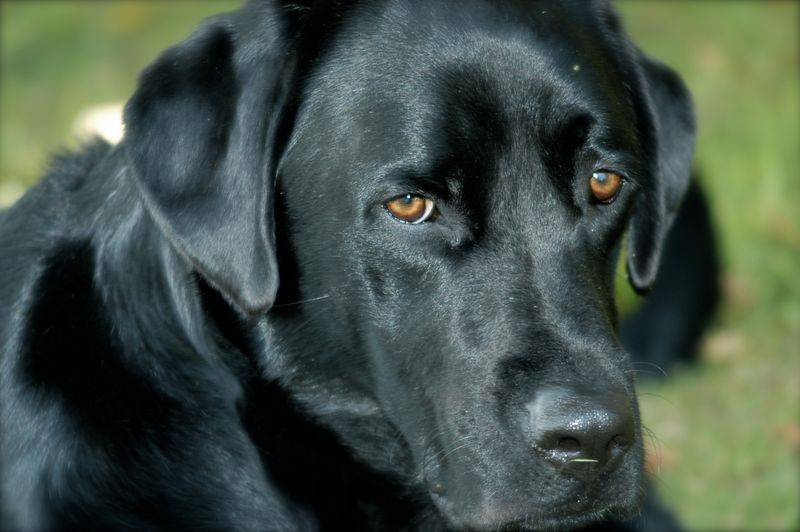
Labradors crossed from Newfoundland fishing boats into global service roles that rewrote public safety. Their mouth-softness and water love began with hauling lines and fish. Later, their temperament made them ideal for guide work, search and rescue, and explosive detection. Standardized training programs for Labs professionalized assistance-dog certification and disability rights advocacy, improving accessibility laws. In disaster zones, they accelerated victim location times, changing survival statistics. Their versatility set benchmarks for working-dog curricula adopted worldwide. From docks to courtrooms, Labradors helped societies codify what service really looks like—reliable, empathetic, and scalable.
Akita

Akitas embody loyalty with geopolitical ripple effects. The tale of Hachiko galvanized public sentiment about animal rights and urban planning—train stations adapting spaces for memorials and crowd control. In wartime Japan, Akitas were protected through clever crossbreeding to avoid fur requisitions, preserving genetic lines. Later, gifted Akitas to foreign dignitaries acted as soft-power tokens, smoothing cultural exchange. The breed’s image fueled tourism and civic branding in Shibuya. Through one steadfast dog, cities learned how narrative can shape infrastructure and diplomacy, proving memory is a city’s most persuasive architect.
Bloodhound
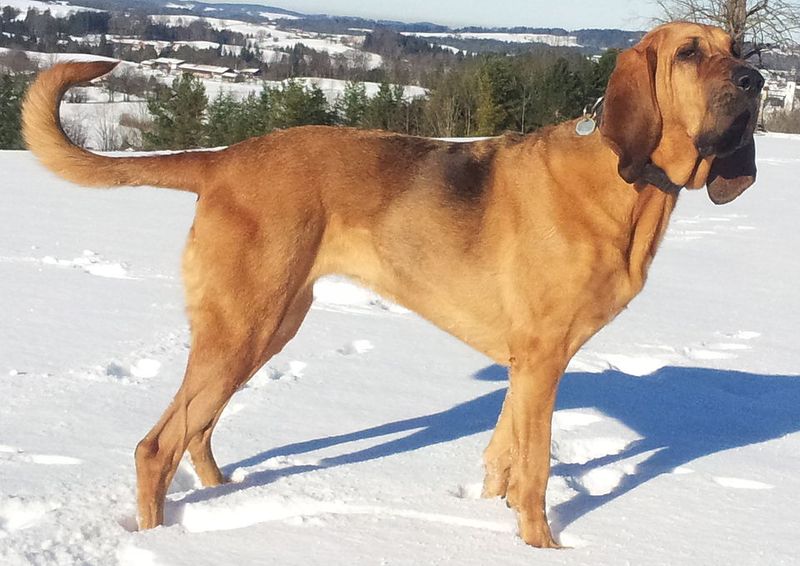
Bloodhounds transformed justice by making scent a credible form of evidence. Their olfactory prowess led to successful manhunts, pushing courts to recognize canine tracking in investigations. As protocols matured—trail preservation, scent articles, chain of custody—policing modernized. Their work informed scent lineup standards and search management tactics. Misuse also sparked legal debate, refining due process and expert testimony requirements. By forcing institutions to calibrate reliability, Bloodhounds upgraded forensic thinking. They didn’t just find people; they made law reckon with biology and probability, shaping how truth is tracked in the open air.
Dachshund
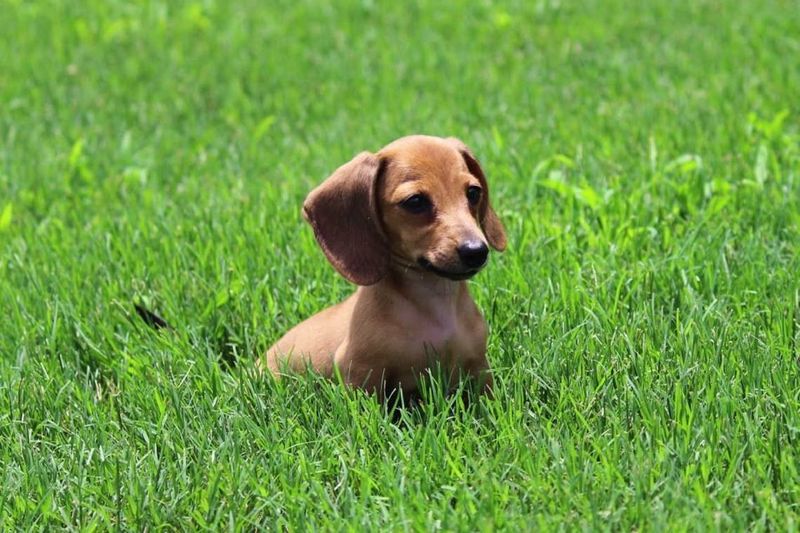
Short legs, long legacy: Dachshunds were engineered for badger warfare, which influenced European forestry and pest control. Their tunneling courage minimized crop damage and protected timber roots, aligning with early wildlife management policies. As nationalism surged, they became cultural emblems—then scapegoats during wartime, highlighting propaganda’s reach into pet ownership. Postwar rehabilitation through art and advertising showed how breeds can be rebranded. Their design also influenced specialized veterinary care for long-backed dogs, advancing spinal treatment protocols. A small dog that tunneled into policy, propaganda, and medical innovation alike—proof that form and function echo through history.
Dalmatian
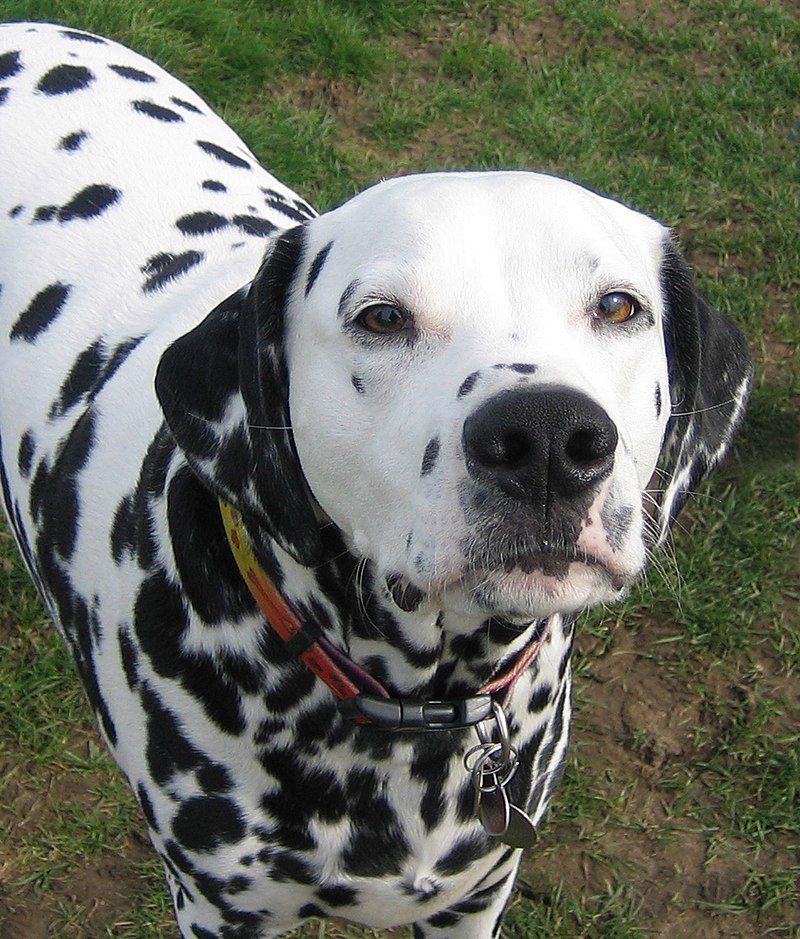
Before sirens, Dalmatians cleared roads. Paired with horses, they ran ahead of fire wagons, conditioning crowds to yield and guarding equipment at chaotic scenes. Their visibility became a public safety icon, later branding modern fire departments. The breed bridged animal-powered logistics to mechanized response, smoothing the transition with rituals, uniforms, and mascots that rallied communities. By protecting stables and calming horses, they kept fire crews mobile in cities prone to catastrophic blazes. Their legacy is embedded in emergency culture: a spotted signal that help is coming—and order follows.
Carolina Dog
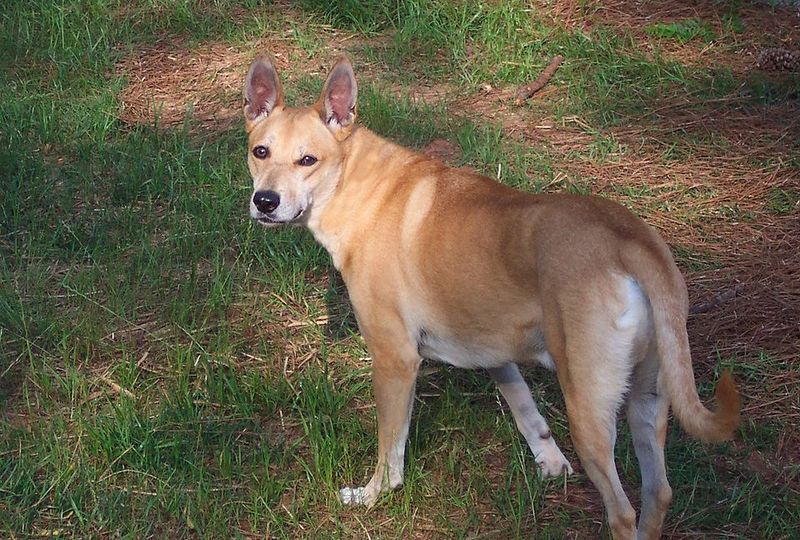
Rediscovered in the American Southeast, Carolina Dogs echo ancient canine-human partnerships borne of migration. Semi-feral yet social, they reveal how early settlements managed waste, pests, and warning systems without formal ownership. Their survival patterns inform archaeology, linking pre-Columbian canine remains to contemporary behavior. By spotlighting indigenous and rural knowledge, they challenge assumptions that progress requires pedigrees. Studies of their genetics and culture help reconstruct peopling routes and adaptive strategies. In short, the Carolina Dog reframes the timeline: sometimes history’s most influential helpers were hiding in plain pine forests, quietly shaping human habitats.