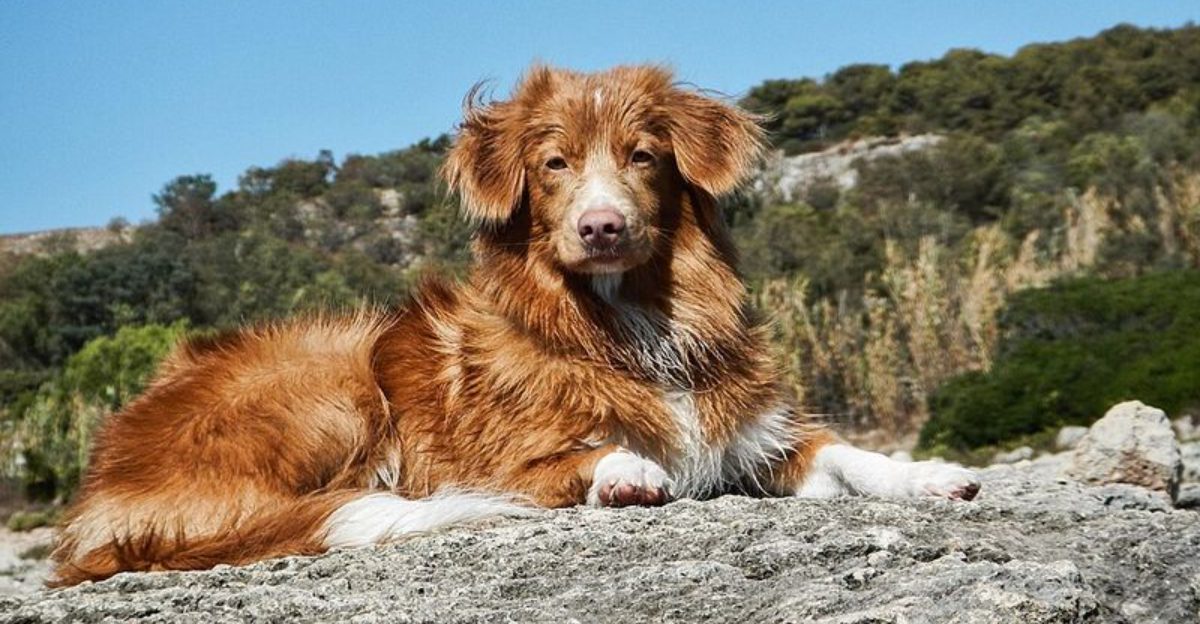
Certain dog breeds are known to get a bit mouthy when their excitement levels soar. This behavior, often seen as playful, can sometimes become a training challenge. Here’s a detailed look at 14 breeds that exhibit this trait, along with insights into why trainers favor them and how you can manage their enthusiastic tendencies.
Nova Scotia Duck Tolling Retriever
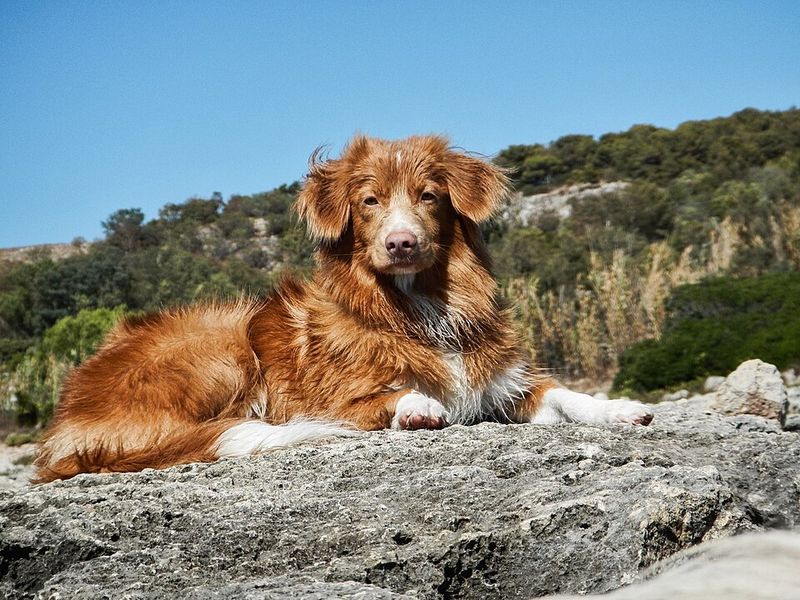
The Nova Scotia Duck Tolling Retriever exudes boundless enthusiasm. Known for their unique role in luring ducks, these dogs have a mouthy play style. They often express excitement with gentle nibbles or by carrying objects around.
Their playful antics make them a favorite among families who appreciate an active companion. Their intelligence and eagerness to please simplify training but require patience.
Fun Fact: Tollers have a distinctive red coat with white markings, making them not just spirited companions but also strikingly beautiful. With guidance, their mouthiness can become endearing rather than overwhelming.
Flat-Coated Retriever
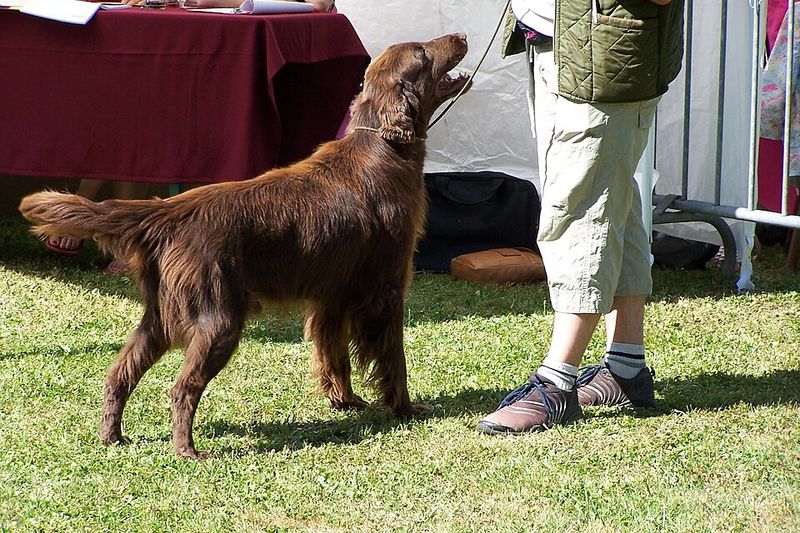
Often called the ‘Peter Pan’ of dogs, the Flat-Coated Retriever never seems to outgrow its playful nature. This breed’s zest for life is evident when it uses its mouth to explore its environment.
Their unyielding cheerfulness often results in delightfully mouthy greetings. Adequate training and socialization help manage this trait, fostering a rewarding companionship.
With dark, glistening coats and bright eyes, Flat-Coats are as charming as they are boisterous. Historically, they were bred for retrieving, a skill reflected in their fondness for carrying things. Their mouthy behavior is a nod to their heritage.
Curly-Coated Retriever
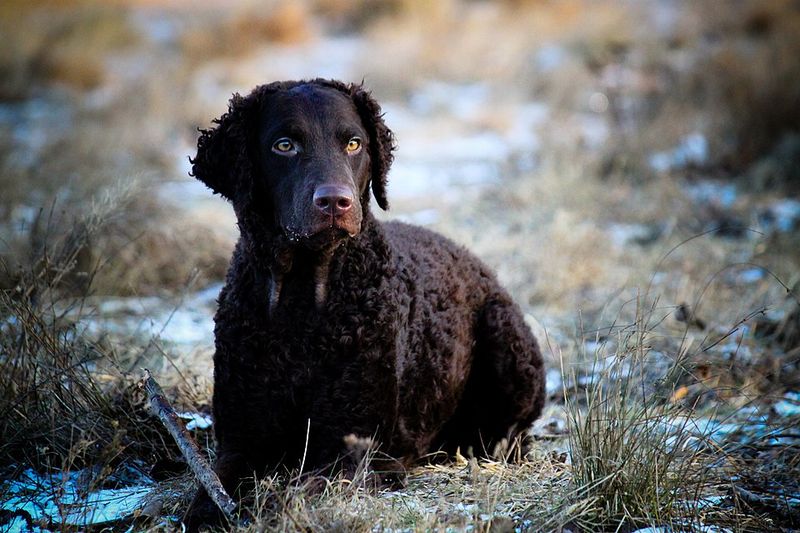
Possessing a distinctive curly coat, the Curly-Coated Retriever stands out not just for its appearance but also for its spirited mouthiness. These retrievers are renowned for their playful interactions, often using their mouths to express joy.
Their intelligent and independent nature requires patient training to manage their excitability. Yet, they thrive on mental and physical challenges.
Historically, these dogs were used for retrieving game, a task they performed with great enthusiasm. Their penchant for mouthy play is a testament to their working roots, making them both entertaining and loyal companions.
English Setter
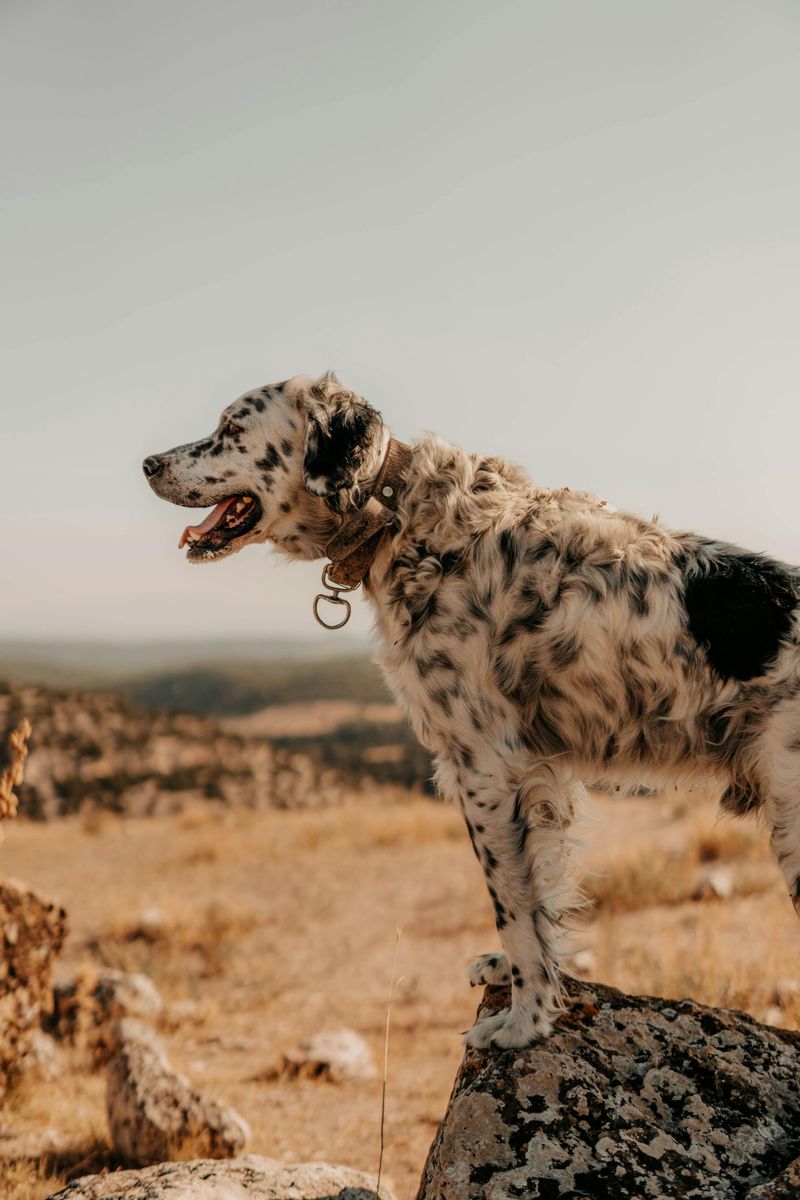
The English Setter combines elegance with an infectious zest for life. This breed’s exuberance often manifests through mouthing, especially during play. Known for their hunting prowess, they have a natural inclination to use their mouths.
English Setters are gentle souls, and with consistent training, their mouthy behavior can be harnessed positively. Their affectionate nature makes them wonderful family pets.
A symbol of grace, the English Setter’s speckled coat adds to its allure. Their mouthiness is a playful expression of their vibrant personalities, rooted in a rich history of working alongside humans.
Irish Red and White Setter
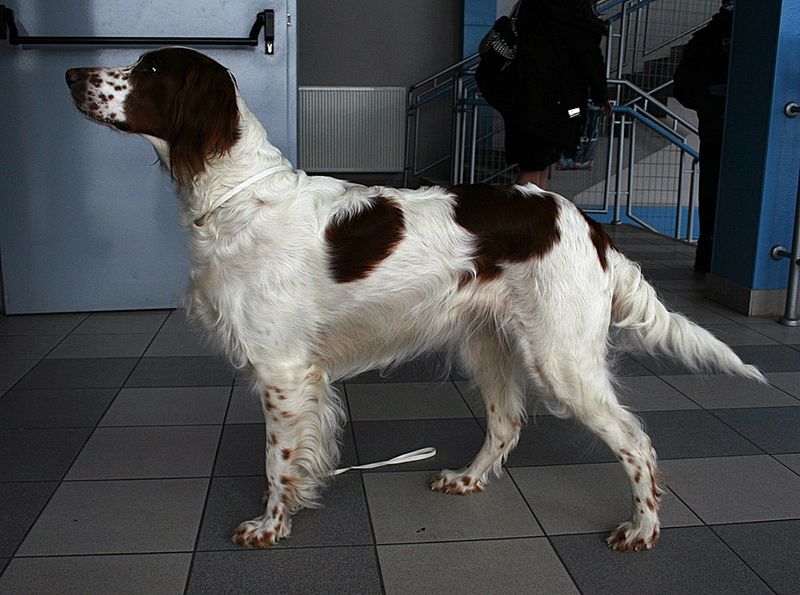
Radiating warmth and friendliness, the Irish Red and White Setter is known for its spirited demeanor. This breed’s mouthiness is part of its playful charm, often seen during games of fetch or tug.
Training this breed involves balancing their energy with discipline, a rewarding endeavor given their desire to please. Their people-oriented nature enhances their role as family pets.
These dogs are not just lively; they are visually striking with their distinct red and white coats. Their history as hunting companions is reflected in their energetic and mouthy play, bringing joy to any household.
German Wirehaired Pointer
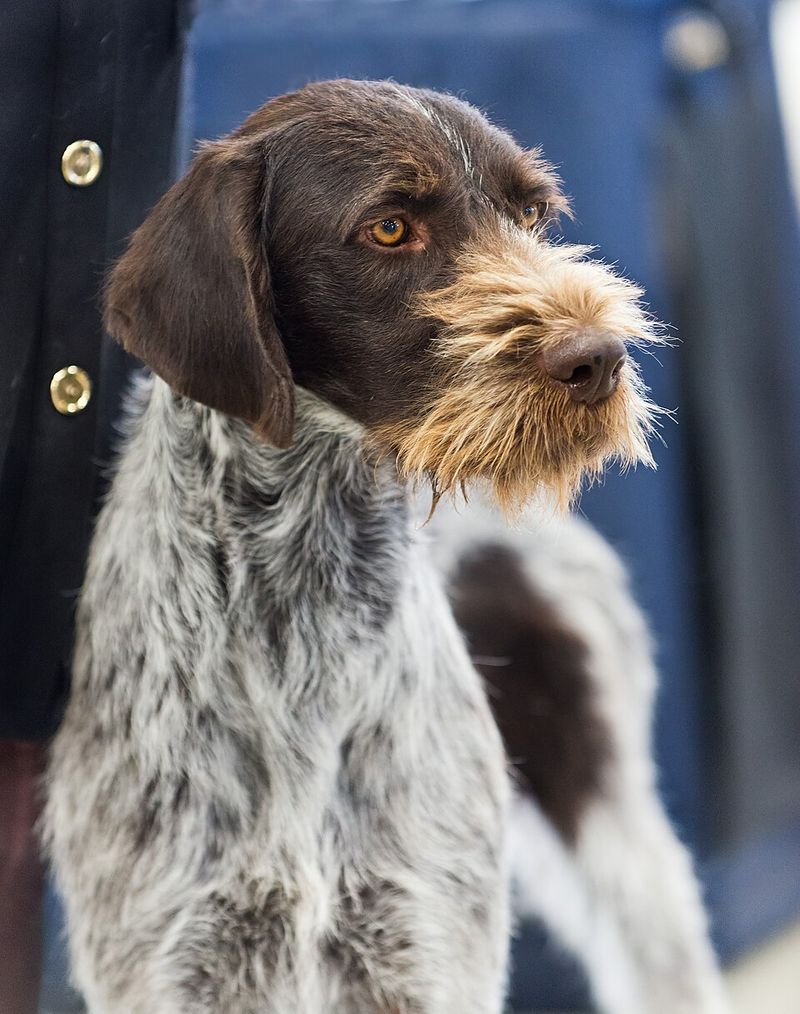
An embodiment of rugged sturdiness, the German Wirehaired Pointer is as energetic as it is mouthy. This breed’s curiosity often leads to playful nibbles and a penchant for carrying objects.
Their robust nature requires firm but fair training, ensuring their mouthy tendencies remain manageable. Their intelligence aids in quick learning, making them versatile companions.
With a history rooted in hunting, these dogs possess an indomitable spirit. Their wiry coats and expressive personalities make them unique. Bring out their potential through structured activities, channeling their mouthiness into productive play.
Wirehaired Pointing Griffon
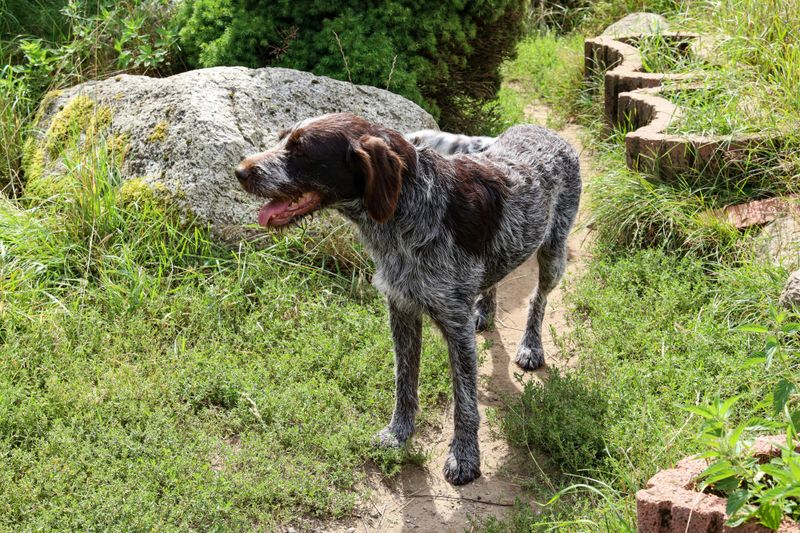
The Wirehaired Pointing Griffon wears its whiskery face with pride, a hallmark of its distinctive charm. This breed’s zest for life often results in mouthy play, a reflection of its active nature.
Though independent, Griffons respond well to positive reinforcement. Their enthusiasm for retrieving is matched by an equal love for their families, making them devoted pets.
They were bred for hunting in varied terrains, a background that explains their tenacity and mouthiness. With their unique coats and spirited personalities, Griffons are both endearing and entertaining companions.
Small Munsterlander
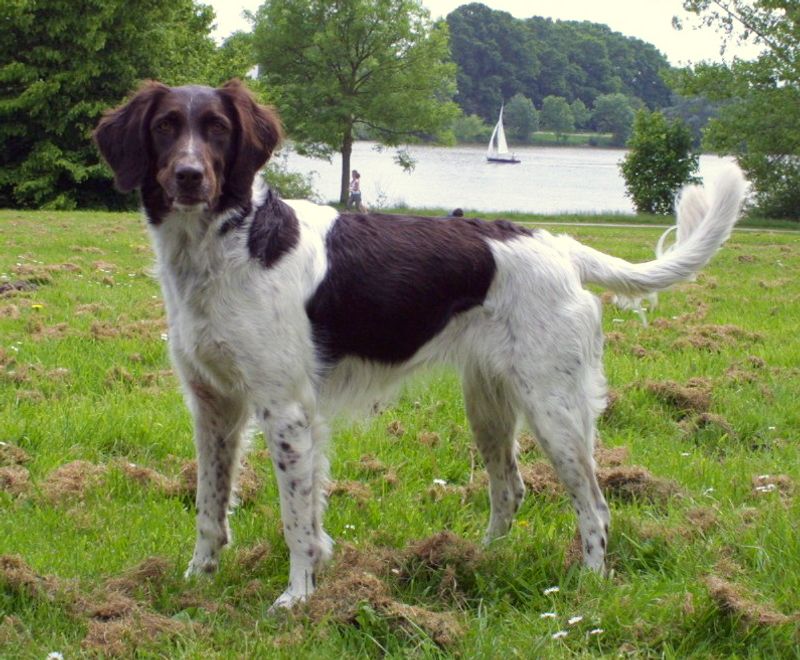
Compact yet full of energy, the Small Munsterlander is known for its lively spirit and mouthy playfulness. This breed’s inquisitive nature often results in playful mouthing during exploration.
Training these dogs involves channeling their energy into constructive activities. Their eagerness to learn makes them ideal candidates for interactive play.
Originally bred for hunting, Munsterlanders thrive on challenges. Their striking, multicolored coats and enthusiastic demeanor make them a joy to have around. Their mouthiness is a reflection of their curious and sociable nature, bringing vibrancy to their surroundings.
Lagotto Romagnolo
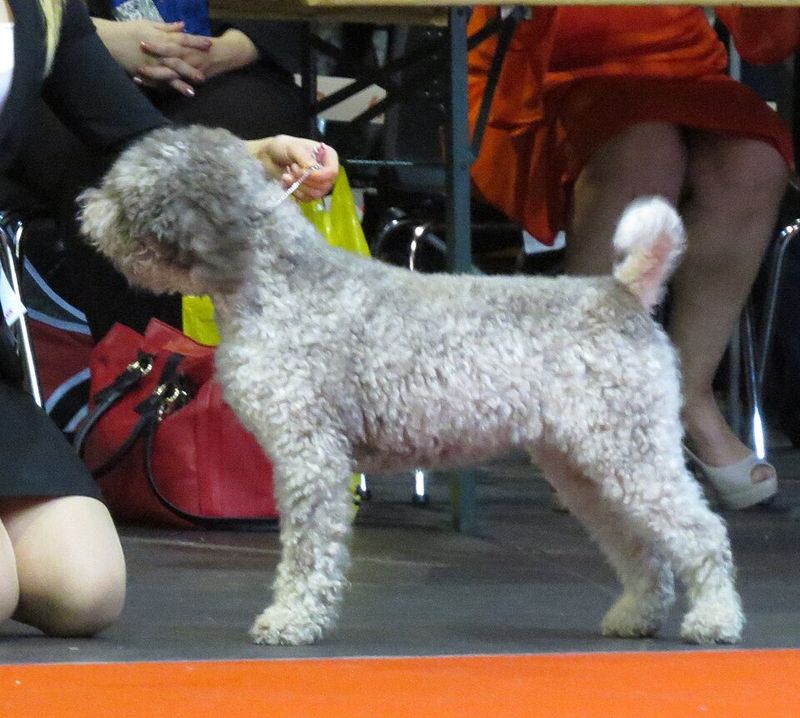
Known as a truffle hunter, the Lagotto Romagnolo is both industrious and mouthy. Their keen sense of smell is matched by a playful mouthiness, often seen during interactive play.
Training these dogs involves nurturing their intelligence and channeling their energy. Their loyal nature makes them wonderful family companions.
With a distinctive curly coat, the Lagotto has an appearance as unique as its history. Their mouthy behavior reflects their working roots and vibrant spirit. Engaging them in tasks that stimulate their mind ensures their exuberance remains positive and controlled.
Spanish Water Dog

With a vibrant personality, the Spanish Water Dog is known for its love of play, often expressed through mouthy antics. Their energy and enthusiasm make them lively companions, especially near water.
Training involves harnessing their intelligence through engaging activities. Their loyalty and protectiveness endear them to families.
Bred for herding and retrieving, their history is reflected in their spirited interactions. Their curly coats and energetic nature make them both unique and entertaining. The Spanish Water Dog’s mouthiness is a testament to their zest for life, bringing joy to those around them.
Portuguese Water Dog
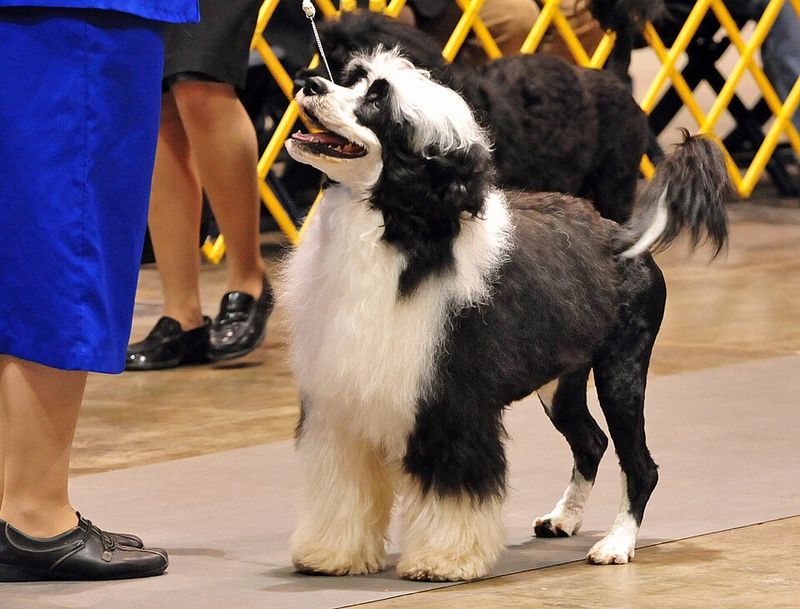
Lively and intelligent, the Portuguese Water Dog is known for its mouthy play. Their love for water is matched by a playful demeanor, often expressed through gentle mouthing.
Training these dogs involves channeling their energy towards productive activities. Their loyalty and affection make them beloved family pets.
Historically used by fishermen, their skills are reflected in their enthusiastic play. Their curly coats and spirited personalities make them captivating companions. Whether on land or at sea, their mouthiness is a playful expression of their lively spirit, ready to entertain.
Boykin Spaniel
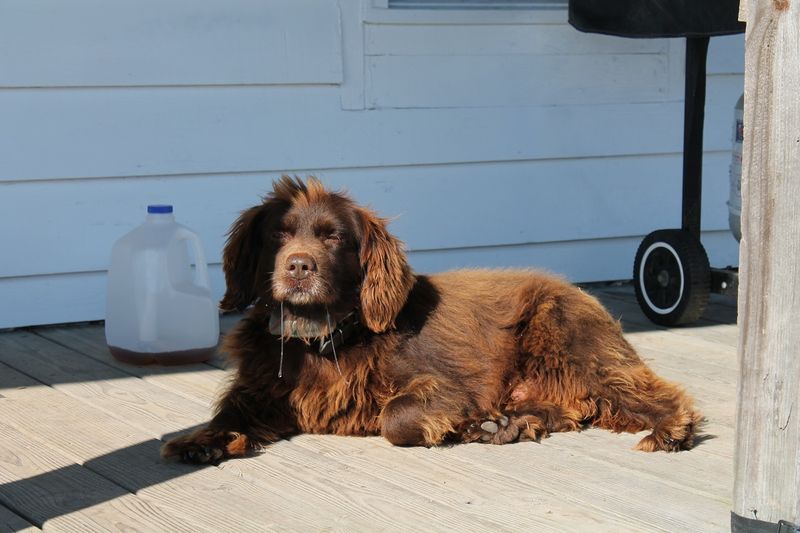
Affectionate and eager, the Boykin Spaniel is known for its lively spirit and mouthy playfulness. Their love for retrieving is often expressed through gentle mouthing during play.
Training this breed involves patience and consistency, rewarding their enthusiastic efforts. Their friendly nature makes them excellent companions for active families.
Bred for hunting in South Carolina, their history is reflected in their energetic demeanor. Their charming appearance and engaging personalities make them a delight to have around. Their mouthiness is an expression of their joy and zest for life, ready to bring smiles to all.
Nederlandse Kooikerhondje

Full of charm and playfulness, the Nederlandse Kooikerhondje is known for its lively and mouthy interactions. This breed’s enthusiasm is often expressed through playful mouthing, especially during games.
Training requires channeling their energy and curiosity into structured activities. Their affectionate nature endears them to families seeking lively companions.
Historically used for duck hunting, their agility and spirit are reflected in their animated play. With distinctive markings and a joyful demeanor, they bring vibrancy to their surroundings. Their mouthiness is a playful nod to their heritage, ready to entertain and engage.
American Water Spaniel
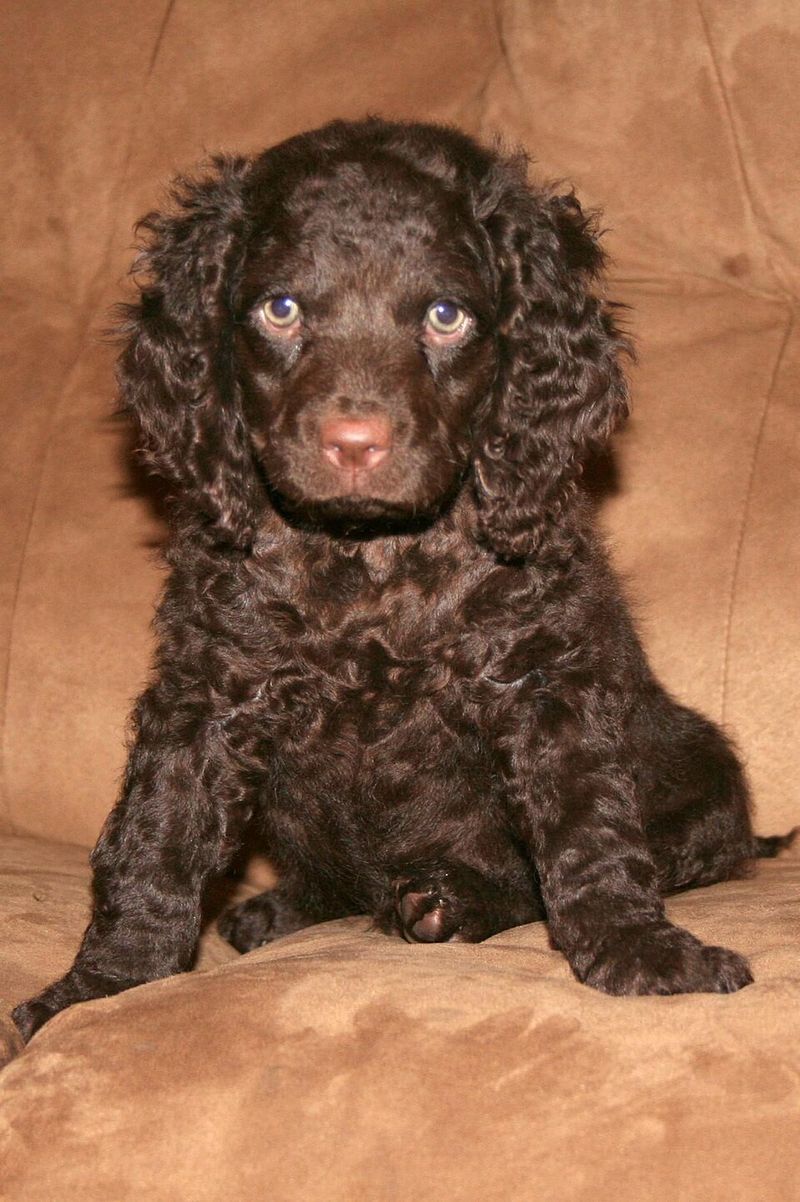
The American Water Spaniel exudes enthusiasm and energy, traits often seen in their mouthy play. Known for their love of water, these dogs express excitement with playful mouthing.
Training involves engaging their minds and channeling their energy positively. Their loyalty and eagerness to please make them rewarding companions.
Bred for retrieving in water, their history is reflected in their spirited demeanor. With curly coats and lively personalities, they are both unique and delightful. Their mouthy behavior is a playful expression of their zest for adventure, bringing joy to every interaction.