
Some dogs surprise you with how calmly they handle solo time. While no pup should be left alone all day, certain breeds are naturally more independent and content to chill between your comings and goings.
If you work hybrid hours or run quick errands, these companions tend to adapt without drama. Let us explore the breeds that do best with thoughtful routines, mental enrichment, and realistic expectations.
Basenji
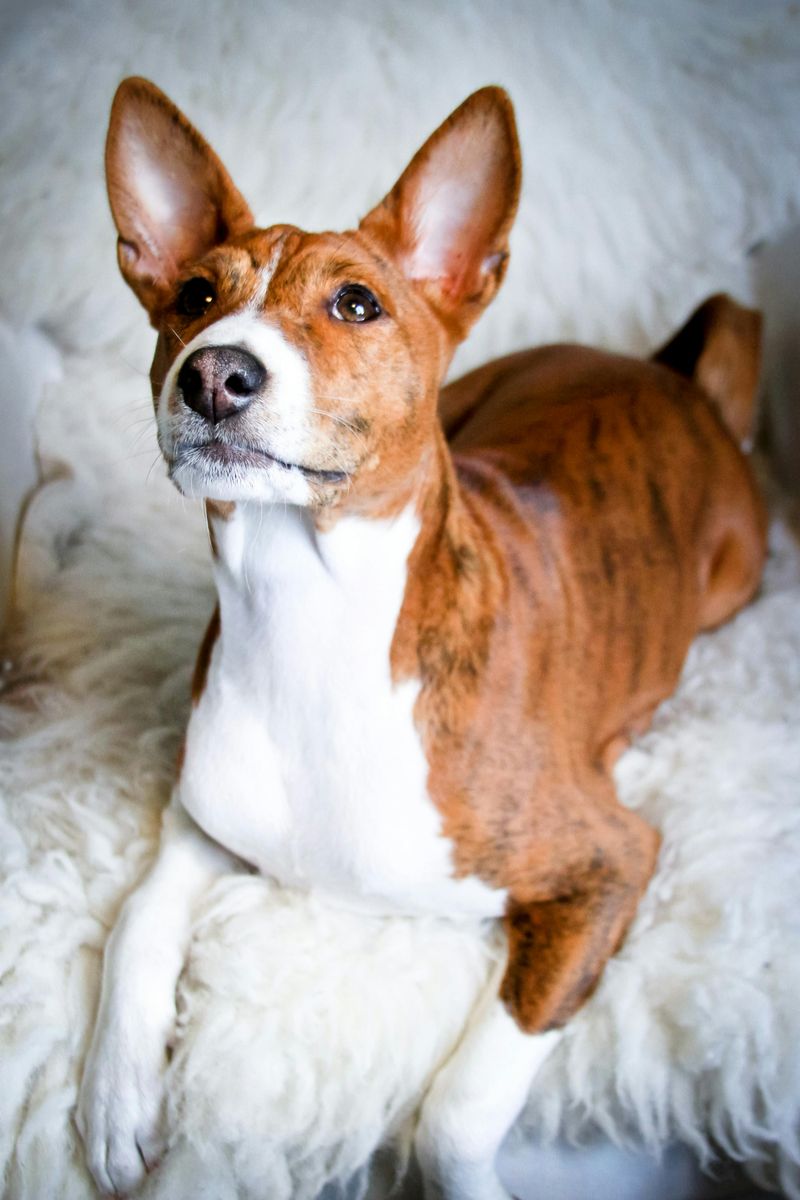
Basenjis are famously catlike, and that independent streak helps them handle short stretches alone. They enjoy surveying the room from a comfy perch and can self-entertain with puzzle toys when guided properly.
Quiet by nature, their yodel replaces barking, which neighbors appreciate.
Structure still matters. A consistent routine, morning exercise, and a satisfying sniff walk set them up for calm downtime.
Rotate chews and use food puzzles to keep their agile minds busy.
They are tidy and often fastidious about their space, which makes apartment living doable. Still, avoid marathon absences.
Think quality time when you return, plus training that reinforces confidence. With boundaries and enrichment, Basenjis prove surprisingly low-drama when you step out.
Shiba Inu
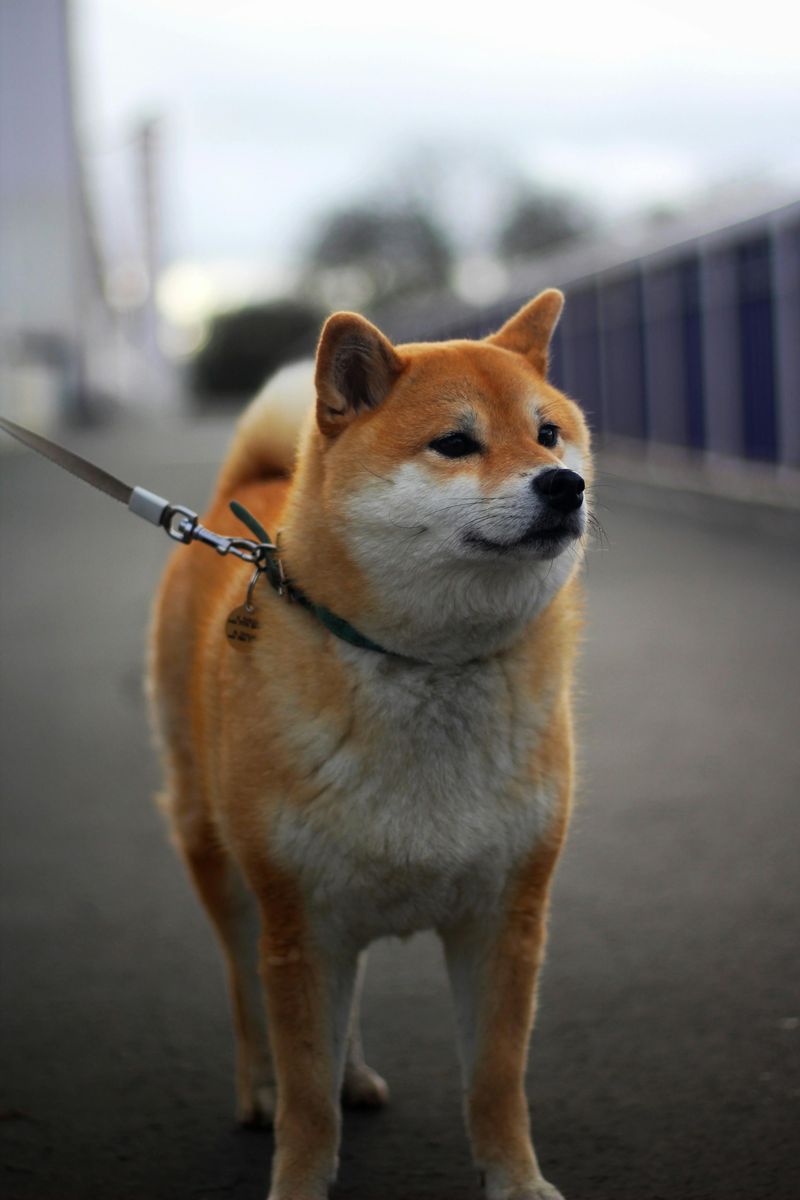
Shiba Inus are independent thinkers that often nap peacefully when you are away. Their foxlike confidence means they do not cling, but they do appreciate predictable comings and goings.
A brisk morning walk and brief training session before leaving works wonders.
Provide sturdy chew options and a window perch to watch the world go by. Shibas love routine and clear house rules to prevent mischief.
Use crate or pen training positively so alone time feels safe, not isolating.
Because they are clever, mental games like snuffle mats help prevent boredom. Keep sessions short and rewarding.
With respectful boundaries and consistent outlets for energy, Shiba Inus handle solo hours better than many expect, returning to you with calm composure.
Chow Chow
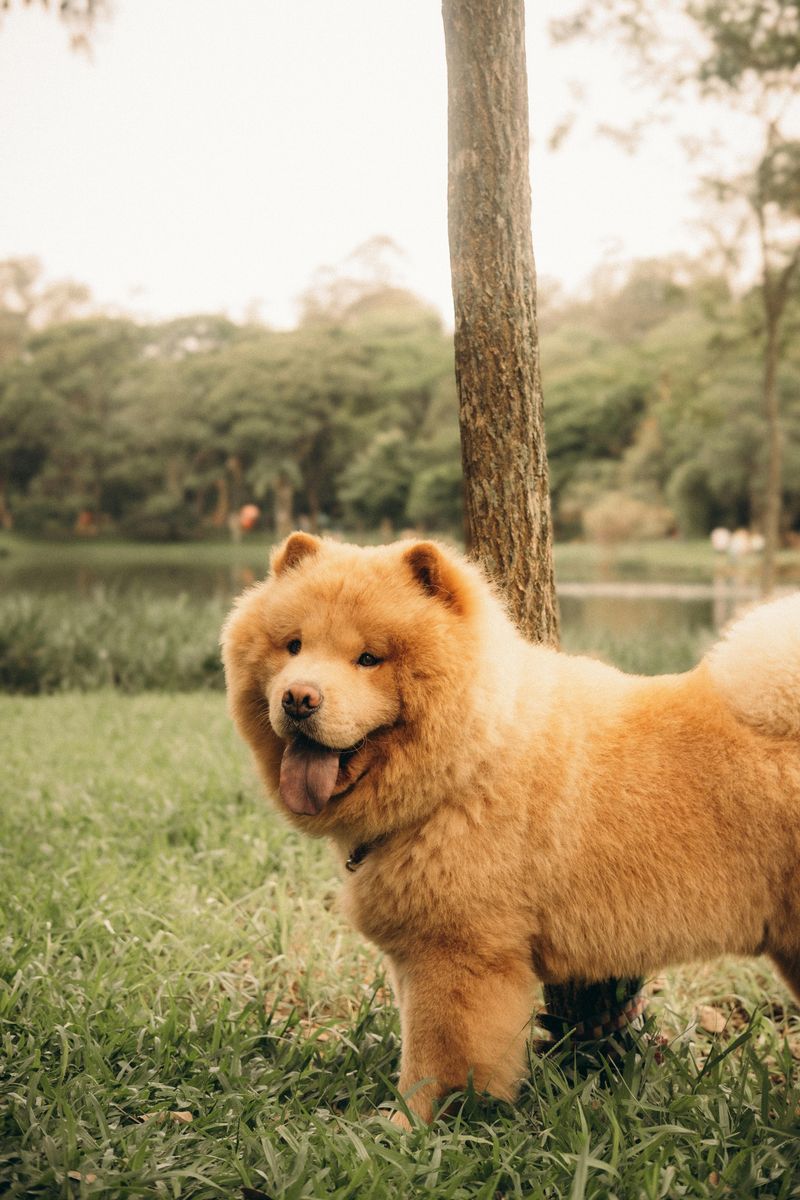
Chow Chows are dignified and reserved, often content to relax in quiet spaces. Their independent temperament means they do not demand constant attention, provided their needs are met.
A long, steady walk and brushing session before you leave supports calm rest.
These dogs appreciate a cool, comfortable spot due to their dense coats. Offer enrichment like frozen stuffed toys and slow feeders to occupy their minds.
Consistency helps them settle into a predictable rhythm.
Socialization remains essential to prevent aloofness from tipping into reactivity. Keep departures neutral and returns low-key to avoid anxiety spikes.
With patient training, respectful handling, and daily structure, Chow Chows manage alone time gracefully and greet you with quiet, composed affection.
Greyhound
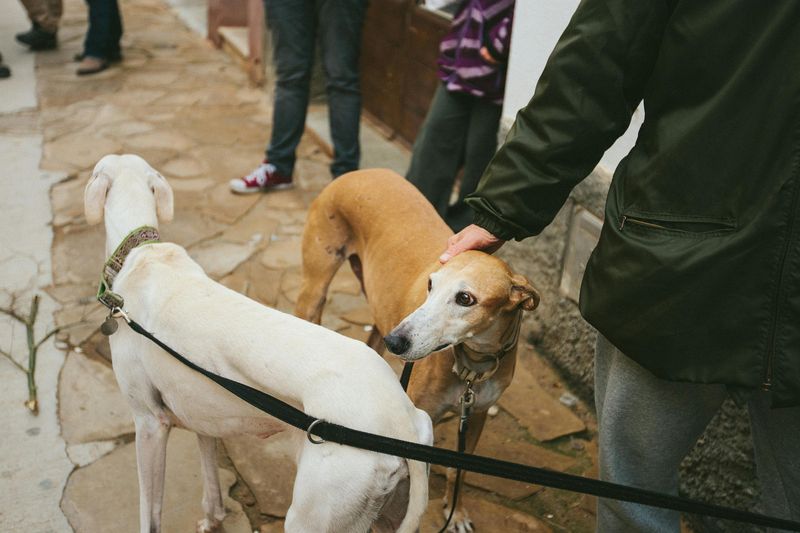
Greyhounds are champion nappers, which makes alone time surprisingly drama free when their exercise needs are met. A brisk walk or short sprint session lets them settle into couch potato mode.
Many thrive in apartments and enjoy peaceful environments.
Provide a supportive bed for those bony elbows and a quiet corner to snooze. Food puzzles and gentle chews keep them engaged without revving energy too high.
They generally prefer calm routines and understated affection.
Though sensitive, they are not typically clingy. Keep departures casual, and return with soothing praise rather than frenzy.
With humane training, comfy rest options, and predictable schedules, Greyhounds handle solo hours gracefully, then melt onto the sofa beside you when you are home.
Whippet
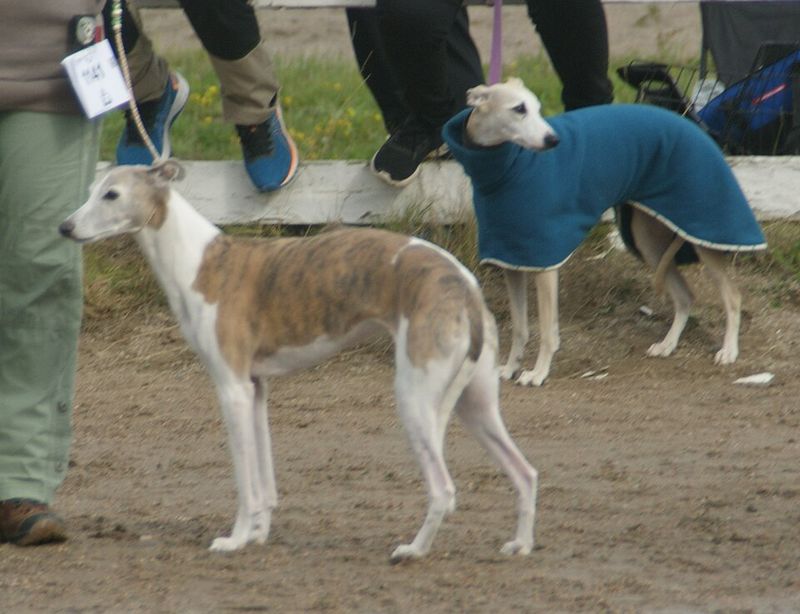
Whippets share the couch potato spirit of Greyhounds, thriving on short sprints followed by long naps. After a morning zoom and sniff session, many settle quietly while you handle errands or meetings.
Their gentle nature aligns with calm, cozy homes.
Because they are sensitive to cold, provide blankets and a draft free spot. They enjoy soft chews and snuffle games that do not overstimulate.
Routine is key, along with neutral goodbyes to prevent anticipation.
Whippets can be velcro at times, but thoughtful independence training builds confidence. Use scatter feeding, foraging toys, and brief alone practice.
With balanced exercise and soothing environments, Whippets handle alone time better than people assume, greeting you with soft, whispery enthusiasm.
Basset Hound
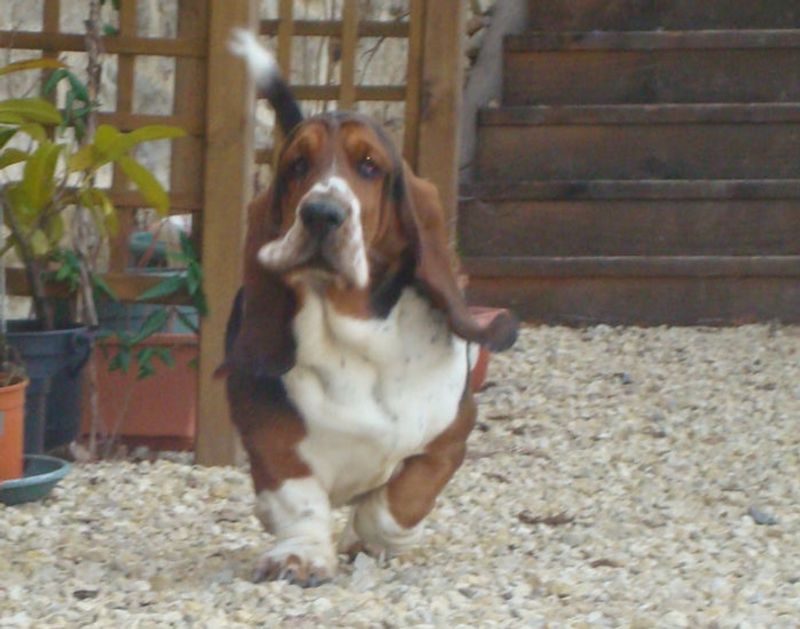
Basset Hounds bring laid back charm that often suits solo hours, especially after a sniff heavy walk. Their noses love scent games, so hide treats and offer puzzle feeders to occupy downtime.
Calm, sturdy personalities make them surprisingly easygoing indoors.
Because of their long backs, choose supportive bedding and avoid jumping on furniture. Keep water available and a comfy, quiet nook for naps.
Consistency in feeding and potty breaks helps prevent accidents.
They can be vocal, so pre-departure enrichment reduces howling. Practice brief separations and reward relaxed behavior.
With patience, routine, and gentle training, Bassets handle alone time well, then happily amble over for cuddles when you return with that bag of crunchy snacks.
Shar Pei
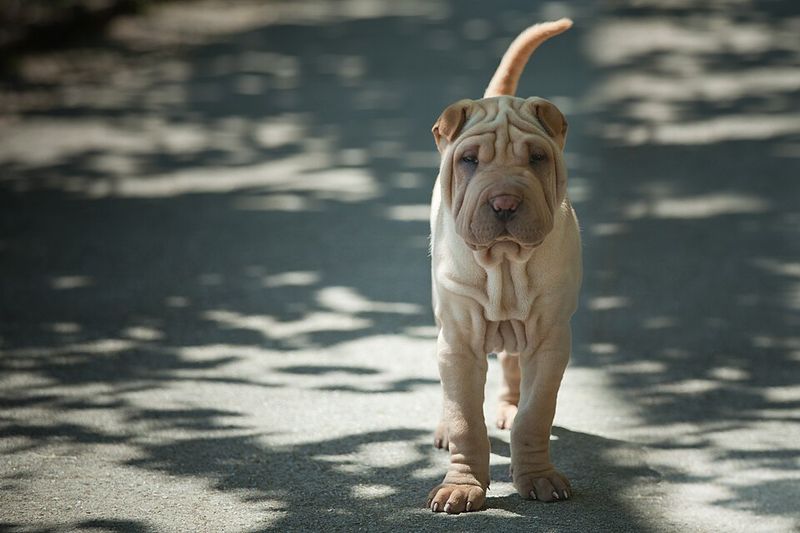
Shar Pei dogs are independent, thoughtful companions that appreciate quiet routines. They bond closely yet often enjoy personal space, which can translate to calm alone time.
A solid exercise session and nose work before leaving encourages restful naps.
Because of skin folds, keep bedding clean and comfortable. Offer enrichment like lick mats and freeze stuffed toys to reduce boredom.
Training should be clear, consistent, and respectful of their dignified nature.
They can be watchful, so manage windows if barking becomes a habit. Practice relaxed departures and low key reunions to keep emotions balanced.
With structure, hygiene care, and mental challenges, Shar Pei handle solo stretches better than expected, greeting you with steady, understated affection afterward.
Lhasa Apso
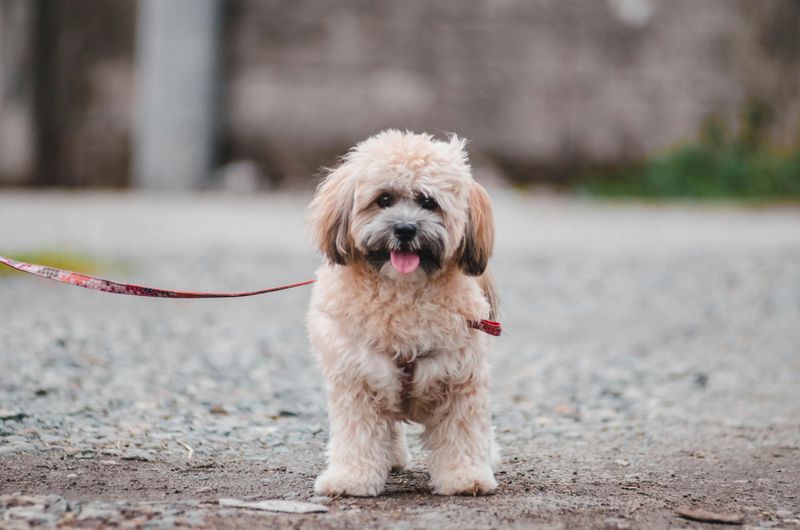
Lhasa Apsos were once monastery watchdogs, a role that fostered independence and calm vigilance. Today, they can rest contentedly during short absences if exercise and enrichment needs are met.
A brisk walk and a quick training game help them relax.
Keep grooming consistent so coats stay comfortable and do not mat during naps. Provide puzzle feeders, snuffle mats, and small chews sized appropriately.
Crate or pen training builds a safe, predictable routine.
Because they can be vocal guardians, reduce window triggers and offer white noise if needed. Keep greetings neutral to avoid excitement spirals.
With structure, gentle leadership, and mental stimulation, Lhasas handle alone time gracefully, welcoming you back with poised, cheerful confidence.
Tibetan Terrier
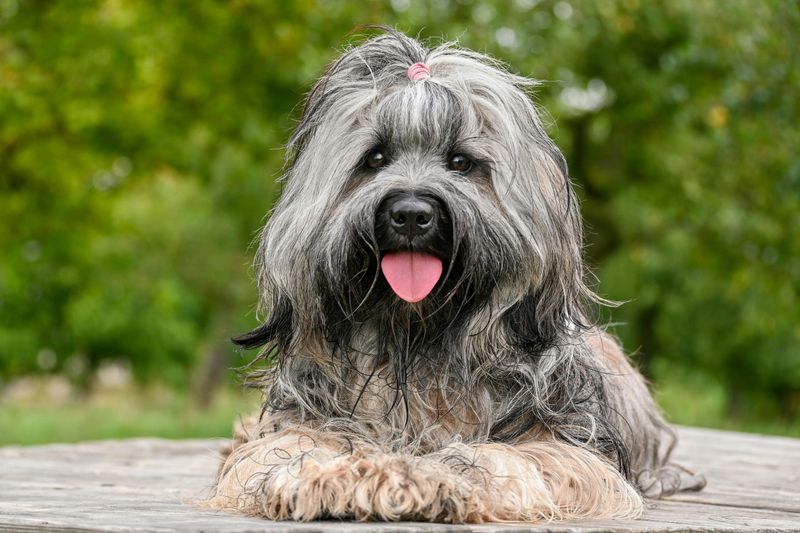
Tibetan Terriers are adaptable companions with an even keel, making them decent at handling short absences. They thrive on predictability, comfy resting spots, and engaging brain games.
A morning walk plus a quick trick session prepares them to settle.
Because their coats can tangle, routine grooming keeps downtime comfortable. Rotate puzzle feeders, foraging boxes, and scent trails to prevent boredom.
Many enjoy cozy dens or covered beds that feel cave like and secure.
Guarding tendencies can appear, so block stimulating views and use calm music. Keep comings and goings low key to maintain balance.
With loving structure, steady exercise, and thoughtful enrichment, Tibetan Terriers weather solo time better than expected, saving their sparkle for when you return.
French Bulldog
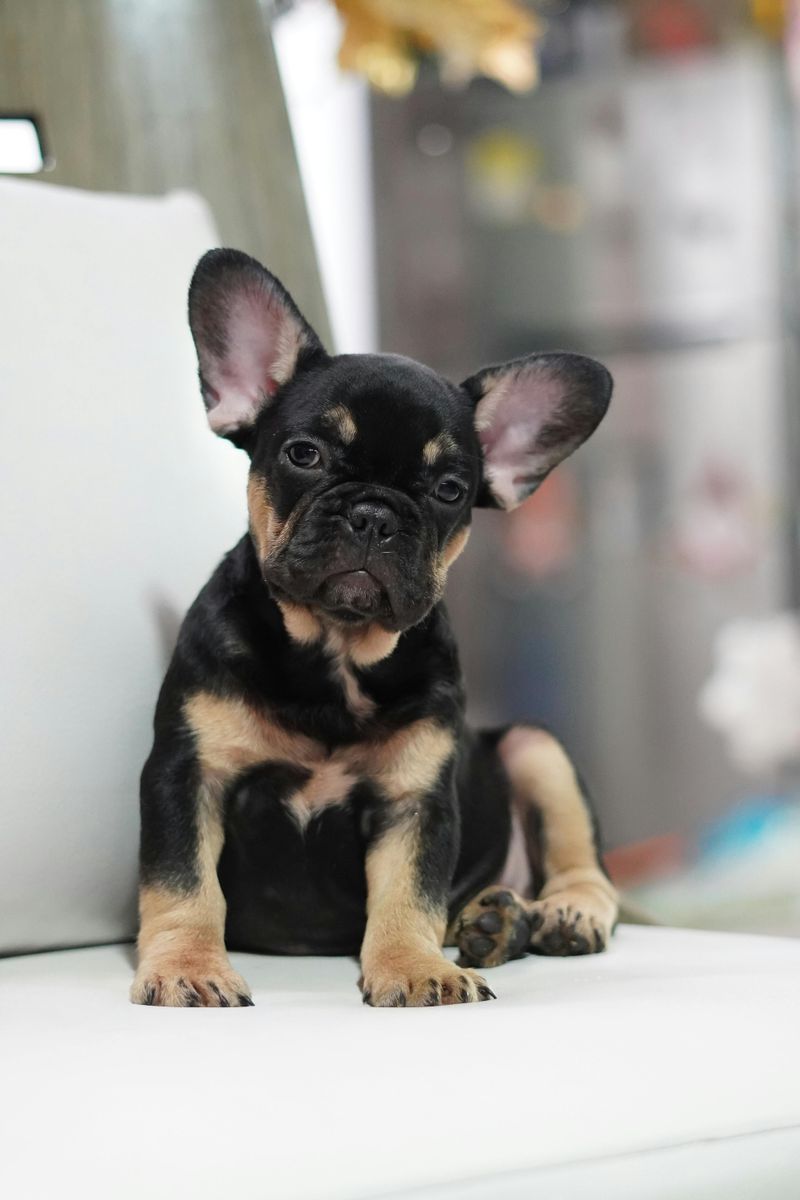
French Bulldogs adore companionship but can handle short alone stretches when routines are solid. A playful burst of fetch and a sniffy walk helps them settle afterward.
Because of brachycephalic features, keep rooms cool and avoid strenuous exercise before departures.
Offer gentle enrichment like lick mats, stuffed toys, and easy puzzles. They love comfort, so provide a supportive bed in a quiet spot.
Crate training, done kindly, creates a denlike retreat.
They can be attention seeking, so keep goodbyes casual and reunions calm. Watch for signs of boredom chewing and redirect with safe options.
With temperature awareness, moderate activity, and consistent schedules, Frenchies nap peacefully, then greet you with wiggles and soft snorts when you return.
Bull Terrier
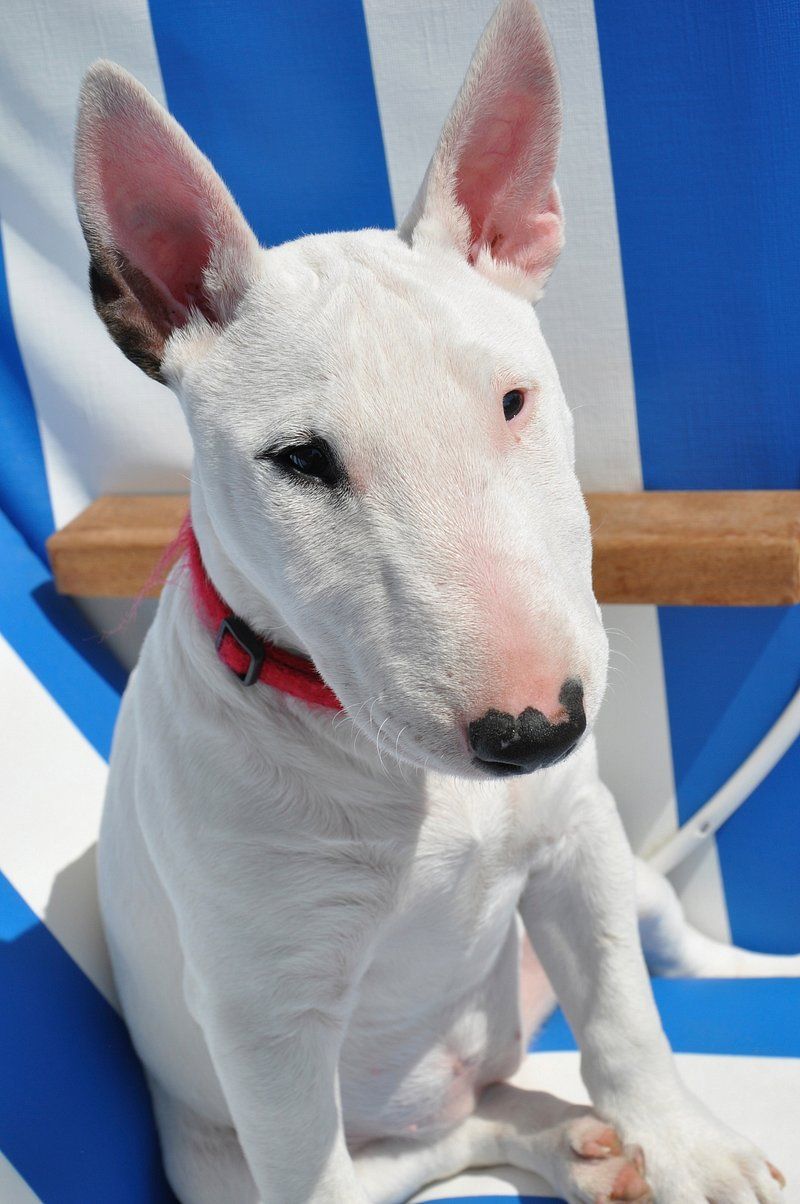
Bull Terriers are clowns with surprising off switches when well exercised. A structured morning including tug, obedience, and sniff walks sets them up to relax.
Provide heavy duty chew toys to satisfy that powerful jaw without damaging furniture.
Because they are people oriented, practice gradual alone training with short increments. Use food puzzles that reward persistence and keep sessions engaging.
Rotate toys to keep novelty high and boredom low.
They thrive on clear boundaries and consistent routines. Keep departures matter of fact and returns composed.
With ample physical outlets, mental games, and sturdy enrichment, Bull Terriers can handle solo time better than many assume, saving their goofball energy for your focused play later.
Scottish Terrier
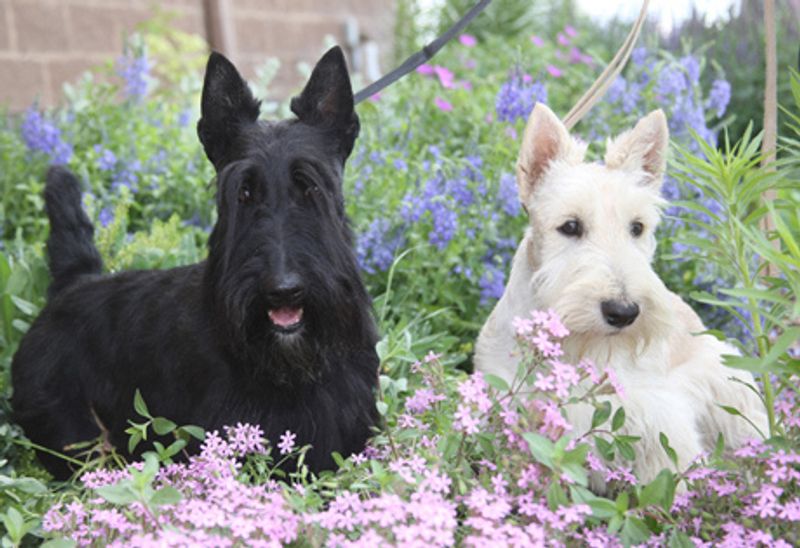
Scottish Terriers possess a sturdy independence that lends itself to calm alone time. Give them a brisk walk, a sniffy route, and a quick rally obedience burst before leaving.
They appreciate a defined territory, like a pen or favored bench.
Offer puzzle feeders and durable chews to channel determination productively. Keep grooming regular so the coat stays comfortable during naps.
They enjoy predictable routines and understated greetings that avoid excess excitement.
Because they can be alert barkers, manage window views and deliver enrichment before triggers arise. Use positive reinforcement for quiet behavior.
With structure, outlets for terrier tenacity, and mental games, Scotties handle solo stretches well, greeting you later with dignified, tail-forward satisfaction.
Akita
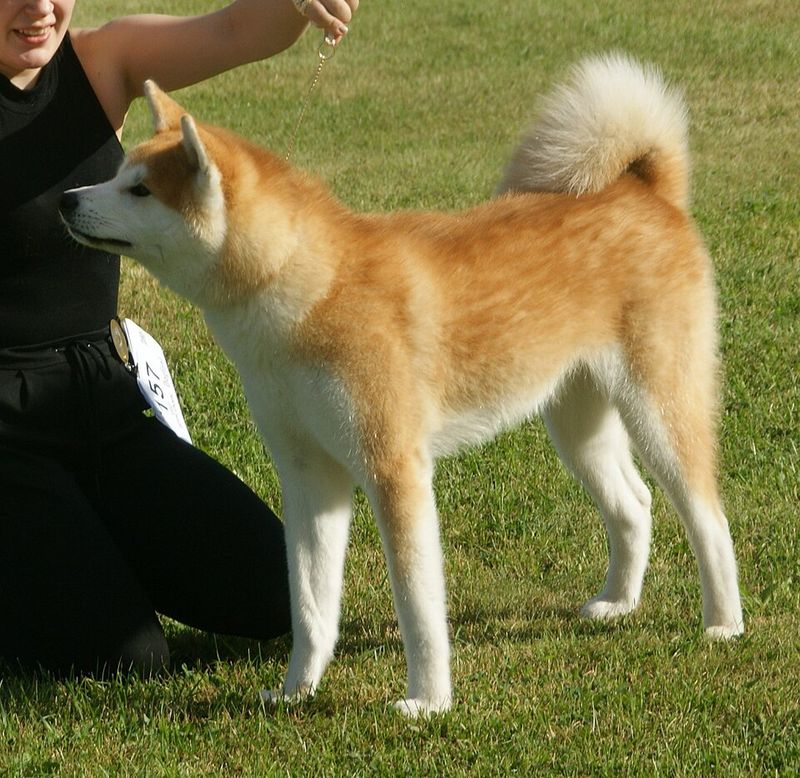
Akitas are dignified and self possessed, often content to rest quietly after proper exercise. They value routine and clear leadership, which helps them handle alone time without fuss.
A long, purposeful walk and short training session builds focus and calm.
Because of their double coats, keep the environment cool and offer a spacious, quiet resting area. Use heavy duty chews and puzzle feeders sized for strong jaws.
Maintain grooming to reduce shedding and maintain comfort.
They can be reserved, so practice neutral departures and composed returns. Socialization and impulse control training remain essential.
With structure, consistency, and thoughtful enrichment, Akitas manage solo hours well, meeting you afterward with steady eyes and quiet loyalty.
Saluki
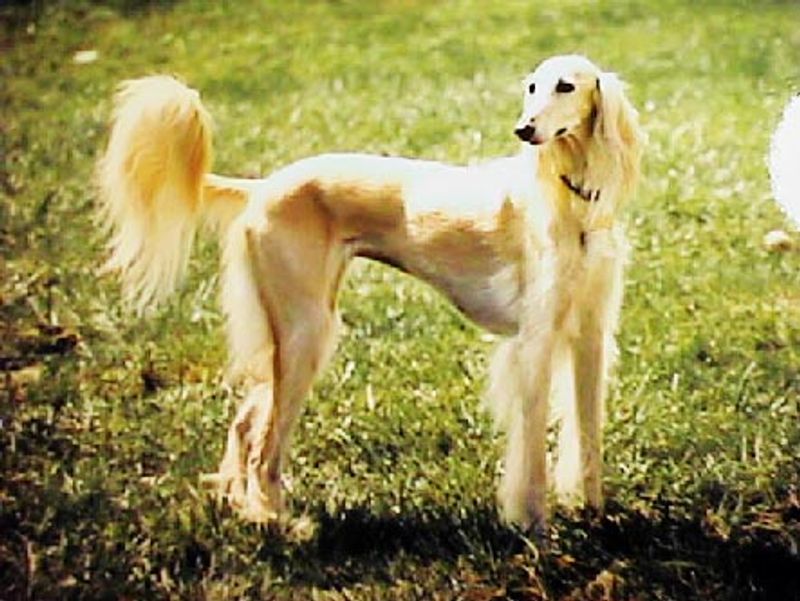
Salukis combine athletic bursts with serene downtime, making them surprisingly peaceful when alone. After a controlled sprint or long walk, they slip into meditative rest.
Their gentle sensitivity benefits from calm, predictable routines and soft bedding.
Because they are sighthounds, secure the environment and avoid leaving tempting windows uncurtained if wildlife passes by. Offer snuffle mats, light puzzle feeders, and soothing chew options.
Keep temperatures comfortable for their lean frames.
Departures should be neutral, with quiet returns that reinforce composure. Practice short solo sessions and gradually extend.
With balanced exercise, minimal overstimulation, and consistent structure, Salukis handle alone time gracefully, then float to your side like silk when you come home.