
Dogs are wonderful, but some breeds come with hidden challenges that glossy social posts never mention. If you are choosing based on looks or hype, you might end up overwhelmed, overbudget, or simply mismatched.
The right dog should fit your lifestyle, not force a total daily overhaul. Let’s talk honestly so you can avoid painful surprises and make a choice you will love long term.
Dalmatian

Spots are charming, but a Dalmatian is not an effortless family mascot. This breed was built for endurance, so daily vigorous exercise is non negotiable.
Without it, you may see chewing, digging, and constant pacing.
They shed heavily year round, need firm training, and can be aloof with strangers. Dalmatians also have a high risk of deafness and sensitivity to certain foods due to uric acid issues.
If you want a laid back couch buddy, this energetic, sometimes stubborn dog may frustrate you.
Grooming seems easy, yet those short hairs weave into fabric and never stop appearing. Apartment living works only with serious mental games and long, brisk outings.
Choose this breed if you crave structure, miles, and a partner for ambitious activities.
Chow Chow

A Chow Chow looks like a plush lion, but cuddly is rarely accurate. Many are naturally aloof, territorial, and suspicious with strangers, so early socialization is vital.
Without it, you risk reactivity that makes daily life stressful.
The thick coat mats quickly and requires frequent brushing, line combing, and professional grooming. Heat is tough on this breed, and exercise must be carefully timed in warm weather.
Chows can be stubborn, so training needs patience and consistency rather than force.
They are not a great fit for busy households craving constant affection. Expect strong guarding instincts, potential same sex conflict, and firm boundaries.
If you want an independent, dignified companion, a Chow can work, but impulse buyers often struggle.
Afghan Hound
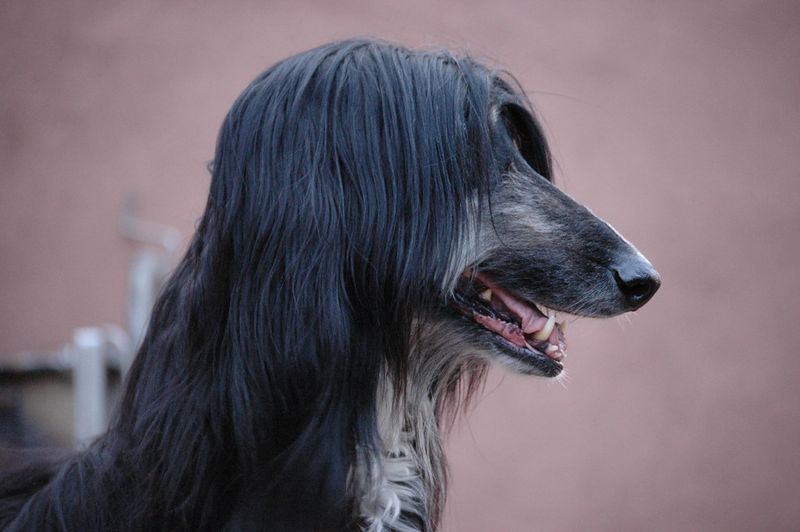
The Afghan Hound looks glamorous, yet maintenance and mindset are intense. That silky coat tangles fast, demanding careful bathing, blow drying, and detangling sessions you cannot skip.
Skimp, and the result is matting that hurts and costs a fortune to fix.
Afghans are sight hounds with serious prey drive, so off leash freedom is risky. They are independent thinkers who may ignore repetitive drills, making training feel frustrating.
Sensitivity means harsh methods backfire, while boredom breeds mischief, escapes, and shredding.
Apartment life is possible with structured exercise and sprint opportunities in secure areas. Expect aloofness with strangers and selective affection on the dog’s terms.
Choose this breed for beauty and grace only if your schedule and budget truly match.
English Bulldog
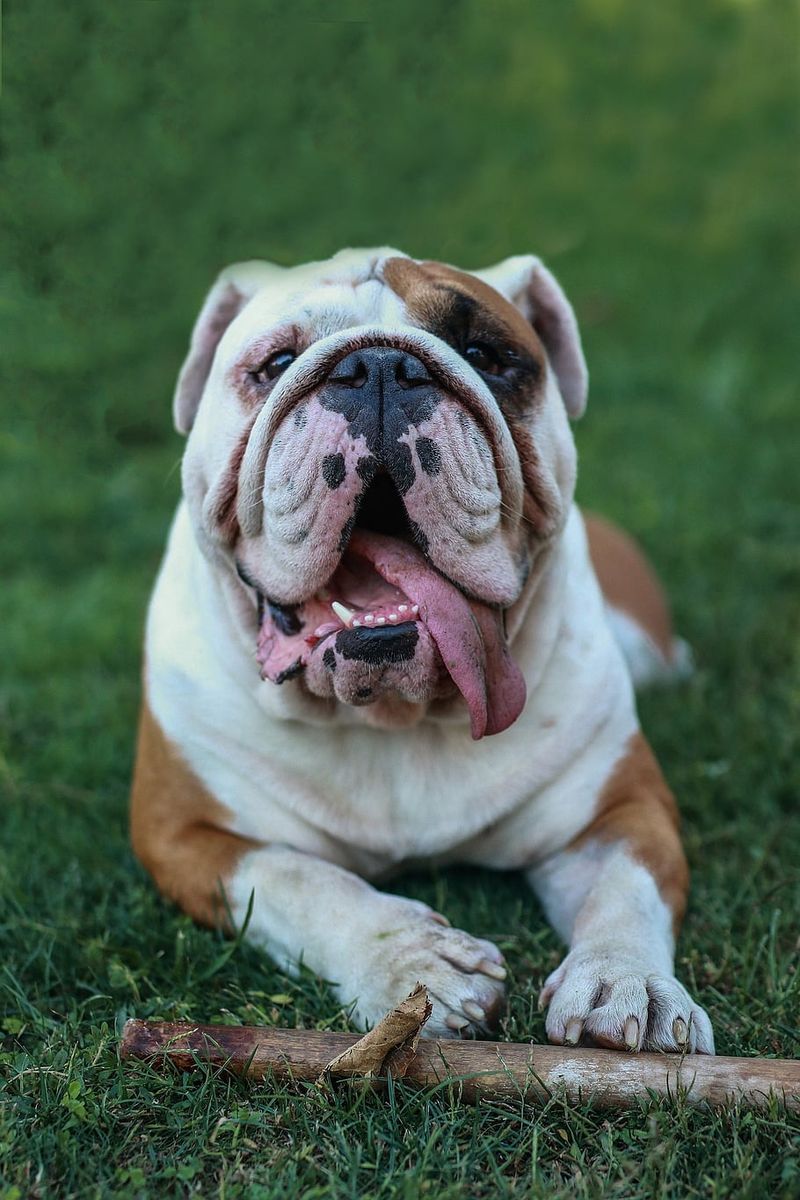
The Bulldog’s charm hides serious costs and management. Many struggle with breathing, heat tolerance, skin fold infections, and chronic orthopedic issues.
Short walks, climate control, and frequent vet care are not optional for responsible owners.
Apartment friendly does not equal low maintenance, because medical bills can be eye watering. Bulldogs often need careful diet management, wrinkle cleaning, ear checks, and tail pocket hygiene.
Some individuals snore loudly and tire quickly, which disappoints active families.
Training should be upbeat and brief, since stubbornness appears if sessions drag. Swimming is risky due to body structure, so supervision is essential around water.
If you love this breed, budget generously, pick a reputable breeder, and prioritize health testing above everything.
Siberian Husky
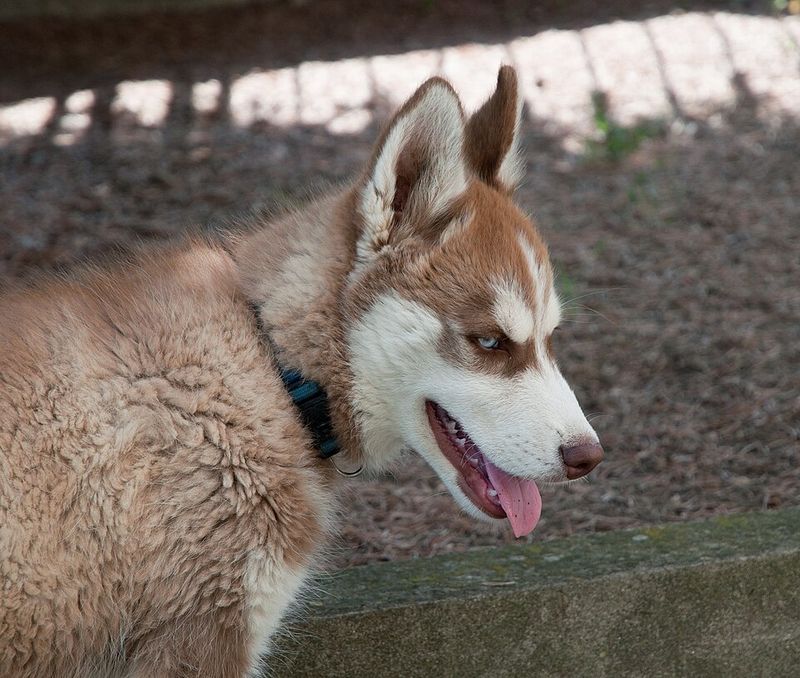
Huskies are gorgeous, but their need for movement is relentless. Built to run, they treat fences like puzzles and doors like opportunities.
Without heavy exercise and secure containment, expect escapes, howling, and shredded couches.
This breed sheds dramatically twice a year and sprinkles hair constantly otherwise. Prey drive can complicate homes with small pets, and off leash reliability is rare.
They are social butterflies who hate boredom, so you must provide jobs, games, and miles.
Climate matters, since heat drains them quickly and demands careful management. Training should be positive and clever, because bland drills bore them fast.
If you crave a cooperative marathon buddy with personality and volume, a Husky can thrill you or exhaust you.
Jack Russell Terrier

Tiny body, massive engine. A Jack Russell is a working terrier that chases, digs, and problem solves nonstop.
Under exercised and under trained, this dog will redecorate your yard and outsmart flimsy barriers.
Prey drive runs high, and peaceful cohabitation with small pets is not guaranteed. Barking can escalate when bored, and jumping on guests becomes a sport.
Smart training, scent games, and structured play are essential to channel the fire productively.
Grooming is easy, but energy management is not. Long hikes, agility, and puzzle toys are your daily reality if you want sanity.
Choose this breed for drive and humor, not a couch accessory, and you will appreciate the brilliance without burnout.
Akita
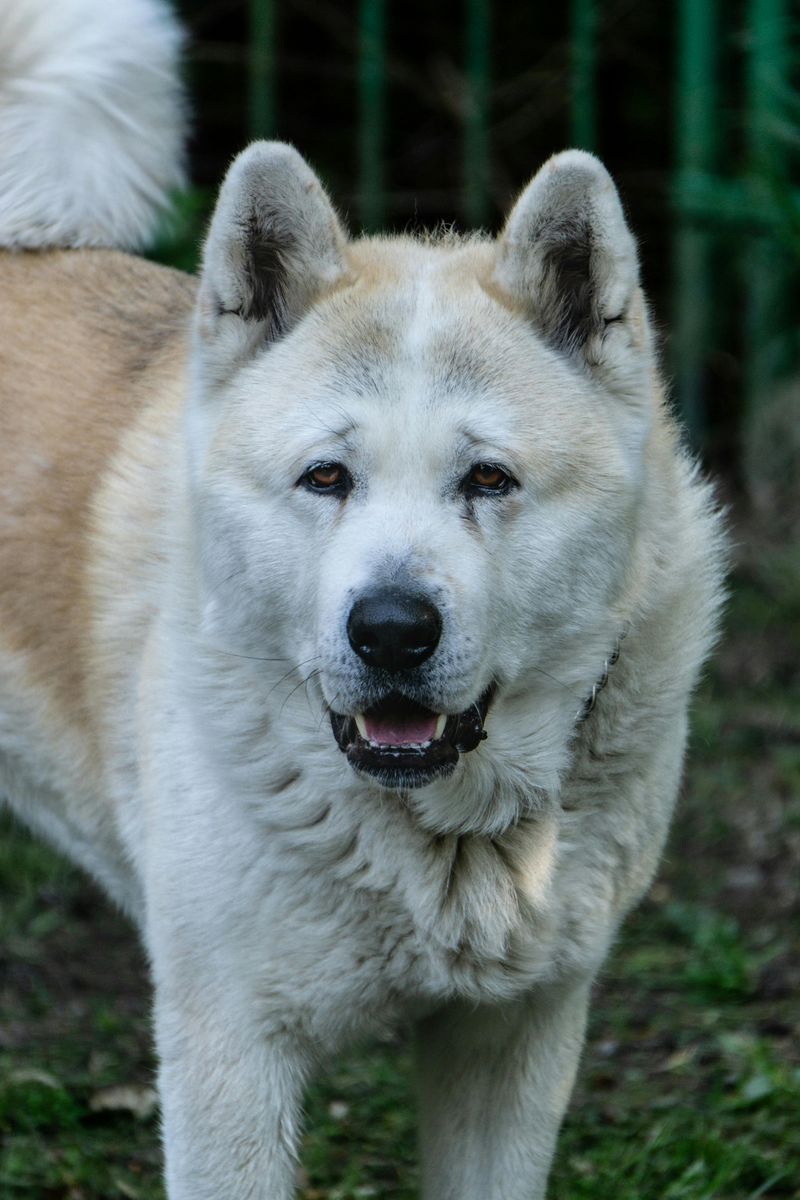
The Akita is impressive, but not a casual companion. Strong guarding instincts, same sex aggression risk, and a serious presence require experienced handling.
Early, extensive socialization and respectful training are absolutely necessary to prevent problems.
They are independent, clean, and dignified, which can feel distant if you expect clingy affection. Off leash reliability is limited, and careful introductions with other dogs are wise.
Akitas shed seasonally in dramatic bursts, filling your home with drifting clumps of fluff.
Space, structure, and calm leadership help this breed thrive. Roughhousing kids, chaotic dog parks, and pushy strangers are poor fits.
If you want a thoughtful protector with quiet loyalty, prepare for responsibility, boundaries, and consistent work every single week.
Chihuahua

Chihuahuas are portable, but they are not toys. Without training, they develop big dog attitudes in tiny bodies, including resource guarding and nipping.
Many dislike rough handling and may feel unsafe around boisterous kids.
House training can be challenging, especially in cold or rainy weather that discourages quick potty trips. Barking happens when boredom and fear collide, so socialization is key.
Fragile bones mean jumps from furniture or rough play can cause expensive injuries.
They thrive with gentle structure, warm clothing in winter, and safe steps off high furniture. Expect a shadow that prefers one person and resents chaos.
Choose this breed if you enjoy close companionship, clear boundaries, and consistent routines rather than novelty.
Beagle
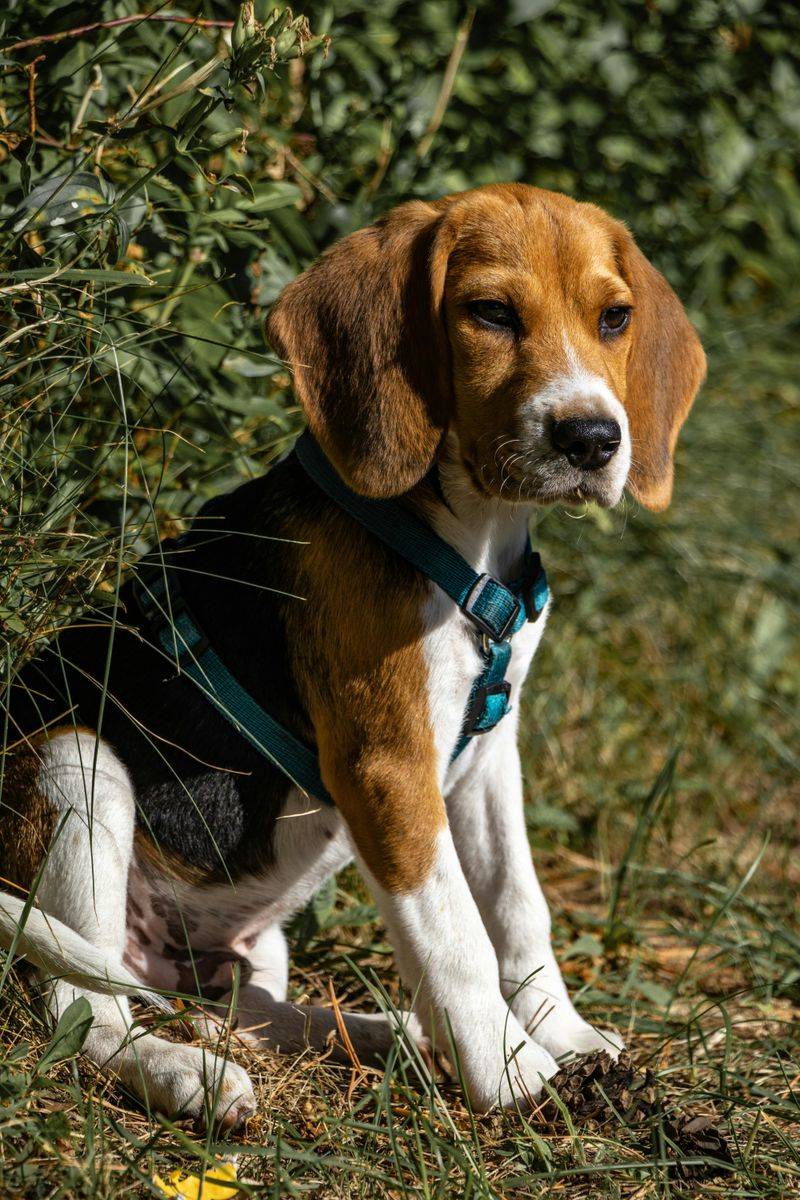
A Beagle’s sweetness masks a detective nose that never clocks out. Once a scent hits, recall becomes optional, and off leash time gets risky.
Apartment walls will hear classic baying if exercise and enrichment are skipped.
Beagles love company and may struggle with long alone hours, leading to vocal protests. Food motivation helps training, but counter surfing and trash raids become daily battles.
They shed more than many expect and track outdoor smells straight into your rugs.
Fenced yards, slow sniff walks, and puzzle feeders are your friends. Keep boredom at bay with nose work or you will hear complaints.
Choose a Beagle if you embrace patient guidance, secure containment, and a life ruled by scent.
Great Dane
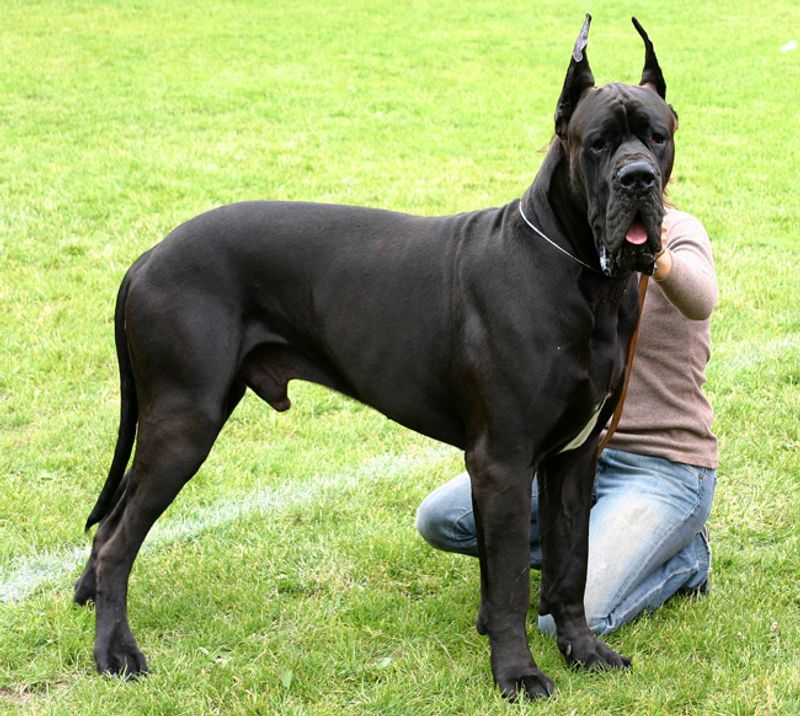
Great Danes are gentle giants, but size multiplies every challenge. Vet care, medication doses, orthopedic beds, and high quality food get expensive fast.
Life expectancy is shorter than many breeds, and bloat risk requires emergency awareness.
Space matters, because tails clear coffee tables and hips need supportive flooring. Exercise must be moderate to protect growing joints, which frustrates thrill seekers.
Training and early socialization are essential, since an untrained 150 pound dog is not cute.
Expect drool, couch domination, and travel logistics that complicate spontaneous plans. Stairs, tiny cars, and fragile decor are not ideal.
If you crave a calm, people loving companion and accept costs and size realities, a Great Dane can shine.
Weimaraner
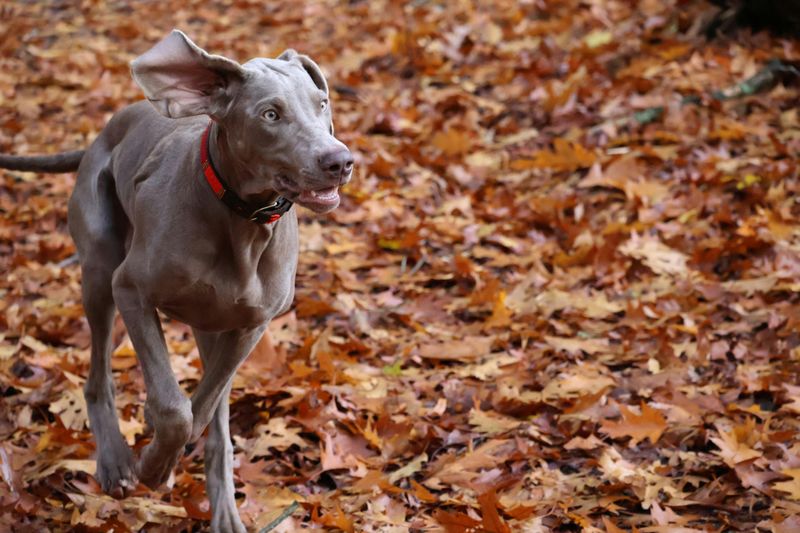
The Weimaraner is gorgeous and intense. High energy, separation sensitivity, and a sharp mind can mean destruction if needs are ignored.
Many do poorly with long workdays, becoming vocal, clingy, and inventive chewers.
They excel when given purposeful exercise like field work, running, or advanced obedience. Prey drive and exuberance can overwhelm small pets and timid visitors.
Training must be consistent and upbeat, because heavy handed methods backfire with these sensitive athletes.
Shedding is moderate, but muddy adventures leave silver hair and prints everywhere. Expect daily activity, mental puzzles, and supervision through adolescence.
If you want a sleek shadow that works hard and plays harder, plan your schedule around this dog’s engine.
Shar Pei
Shar Pei wrinkles look adorable, but they demand vigilant care. Skin folds trap moisture, leading to infections if cleaning routines slip.
Some lines are prone to entropion, where eyelashes rub eyes and require surgery.
This breed can be reserved, protective, and sensitive to rough handling or chaotic environments. Early, gentle socialization and fair leadership are essential to prevent reactivity.
Allergy issues and ear infections may appear, increasing vet visits and monthly costs.
Exercise needs are moderate, but heat management and skin checks matter year round. Training should be calm and clear, because harsh methods break trust quickly.
If you admire quiet confidence and accept the skincare workload, a Shar Pei can be rewarding yet demanding.
Border Collie
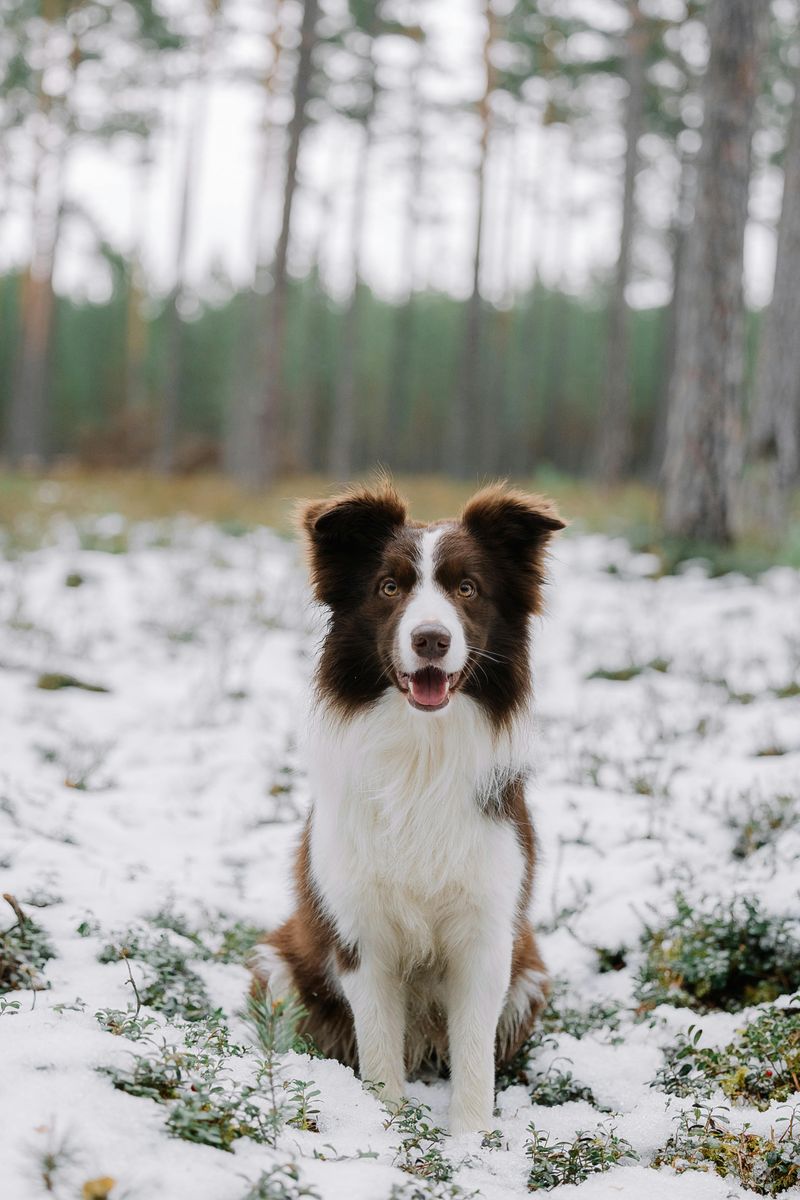
Border Collies are brilliance on legs, which is amazing and exhausting. They notice everything, invent jobs, and herd motion, including kids and bikes.
Without real work, you will get neurotic behaviors, nipping, and relentless demands.
Regular fetch is not enough. They thrive on structured training, stock work, agility, or complex obedience that taxes the brain.
Apartment life is possible only with serious time investments and daily mental workouts.
Sensitivity means chaotic homes can fry their circuits, creating stress and compulsive patterns. Calm leadership, clear cues, and variety prevent meltdown mode.
Choose this breed if you love teaching, training, and planning, not if you simply want a smart dog that entertains itself.
Cocker Spaniel

Cocker Spaniels look sweet, yet maintenance and temperament vary widely. That silky coat mats quickly and needs regular brushing plus professional grooming.
Ear canals are deep and trap moisture, inviting infections without careful drying and checks.
Some lines are sensitive or snappy when stressed, so socialization and gentle handling matter. They enjoy activity, but obesity sneaks in if food and exercise slip.
Training should be upbeat to keep enthusiasm high and prevent stubbornness.
Expect grooming bills, ear care routines, and time for play and walks. Kids must respect boundaries, especially around food and naps.
If you want a soft companion who shines with consistent care, a well bred, well trained Cocker can truly delight.