
Some dog breeds are notably sensitive to sudden handling, which can lead to stress or anxiety. Understanding these breeds and using effective training methods, like touch-training, can help foster trust and improve interactions. Here are fourteen breeds that may require a gentle approach.
Kai Ken
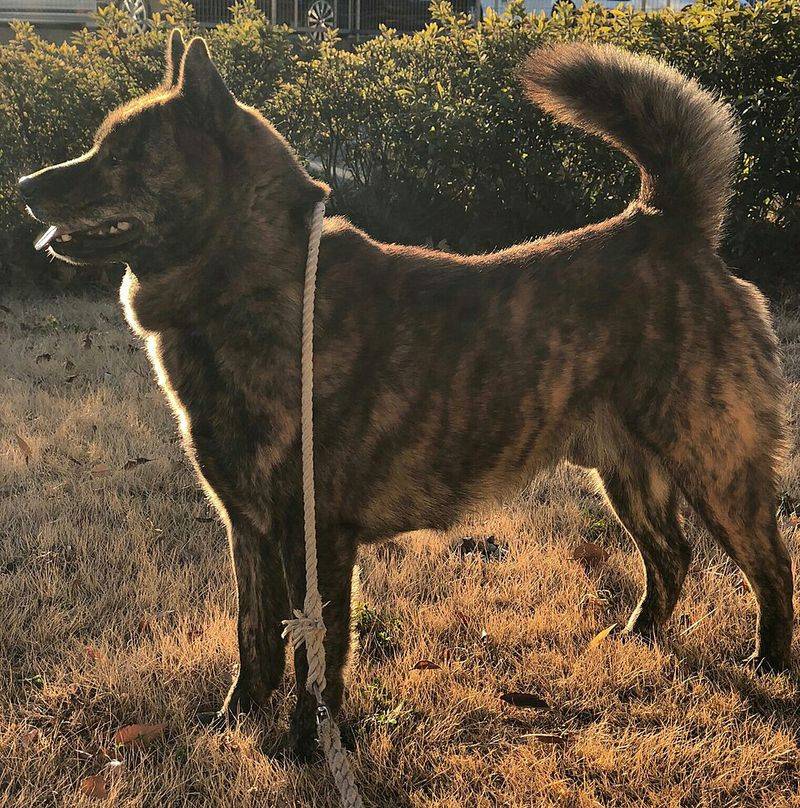
The Kai Ken, often called the “Tiger Dog” for its striking brindle coat, is a rare breed from Japan. Known for their loyalty and intelligence, they are excellent hunters.
Despite their keen senses, Kai Kens may dislike sudden handling due to their strong, independent nature. They prefer a predictable environment where they can feel secure.
With proper touch-training, these dogs can learn to be more comfortable with unexpected touches. Their loyal nature makes them highly trainable, provided they are treated with respect and patience.
Shikoku
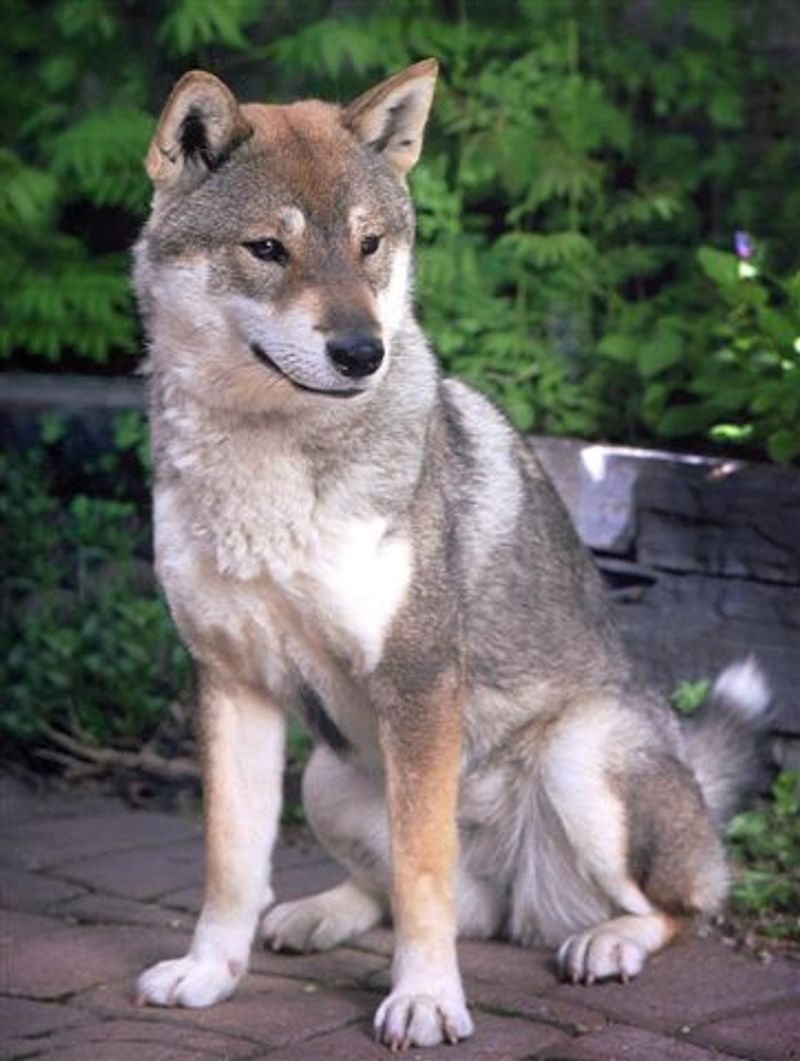
The Shikoku, another Japanese treasure, is spirited and adventurous. Originating from the mountainous regions, they carry an aura of independence.
They can be wary of unfamiliar touches, reflecting their instinctual caution. This characteristic requires a gentle approach to handling and socialization.
Employing touch-training helps build trust, enabling these keen hunters to feel more at ease with human interaction. Their adventurous spirit makes them a rewarding companion for those who appreciate their unique charm.
Kintamani-Bali Dog
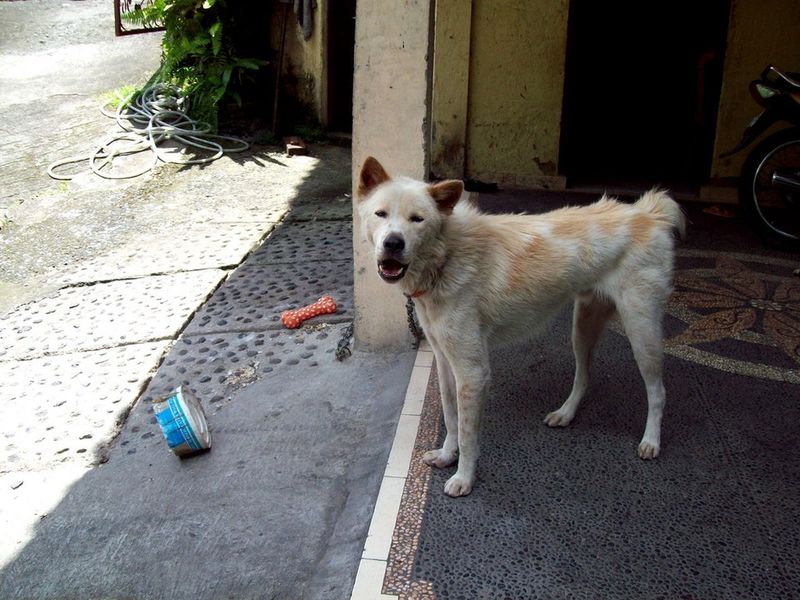
Hailing from the enchanting island of Bali, the Kintamani-Bali Dog is both a guardian and a free spirit. Known for their loyalty, they often form strong bonds with their families.
Their aloofness towards strangers can lead to discomfort with sudden handling. They thrive on consistent routines and gentle introductions to new experiences.
Touch-training can ease their wariness, encouraging them to accept handling with calmness. Their protective nature is balanced by a gentle demeanor, making them an intriguing companion.
Telomian

The Telomian, a rare breed from Malaysia, is known for its unique climbing abilities. Living in elevated homes, they developed impressive agility.
Sensitive to abrupt handling, they require gradual exposure to touch to feel comfortable. Their intelligence allows them to adapt well to structured training techniques.
Touch-training enhances their confidence, making them more approachable. Curious and intelligent, they enjoy challenges that engage both their bodies and minds.
New Guinea Singing Dog
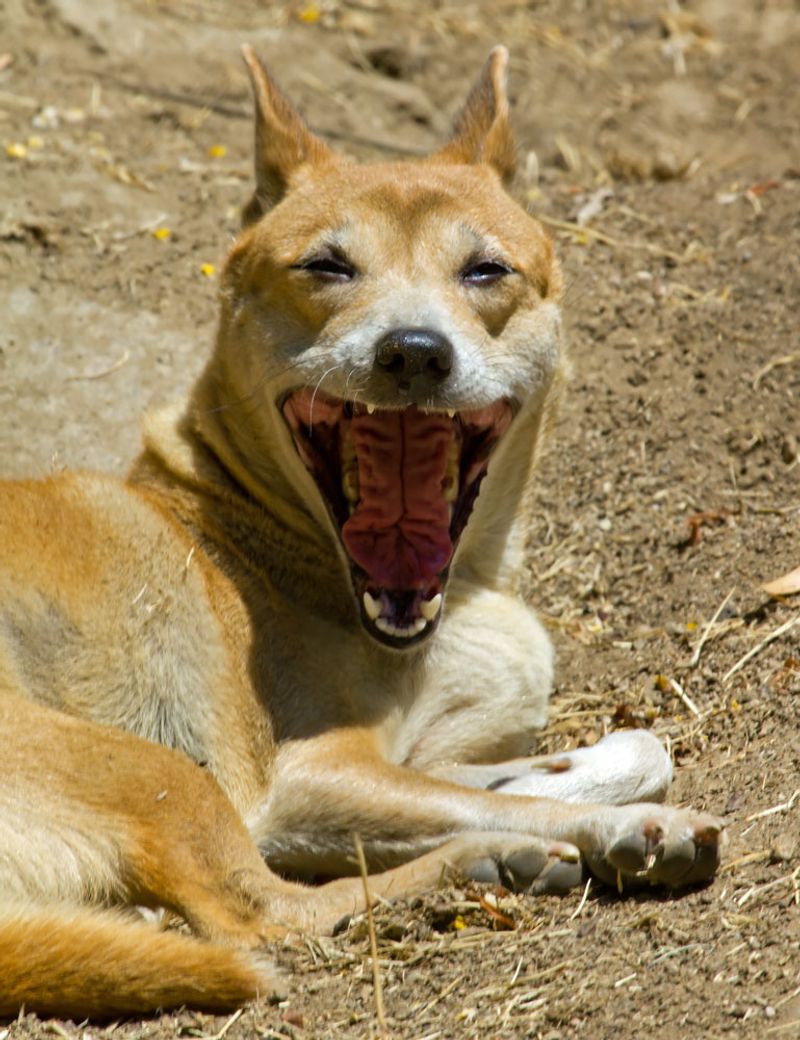
The New Guinea Singing Dog is a fascinating breed known for its melodious vocalizations. Living in remote highlands, they are adapted to wild environments.
With a reserved nature, they often find sudden handling unsettling. Their sensitive disposition requires a thoughtful approach to interaction.
Touch-training can build their trust, allowing them to enjoy human companionship. Despite their wild origins, they possess a gentle charm and captivating presence.
Carolina Dog
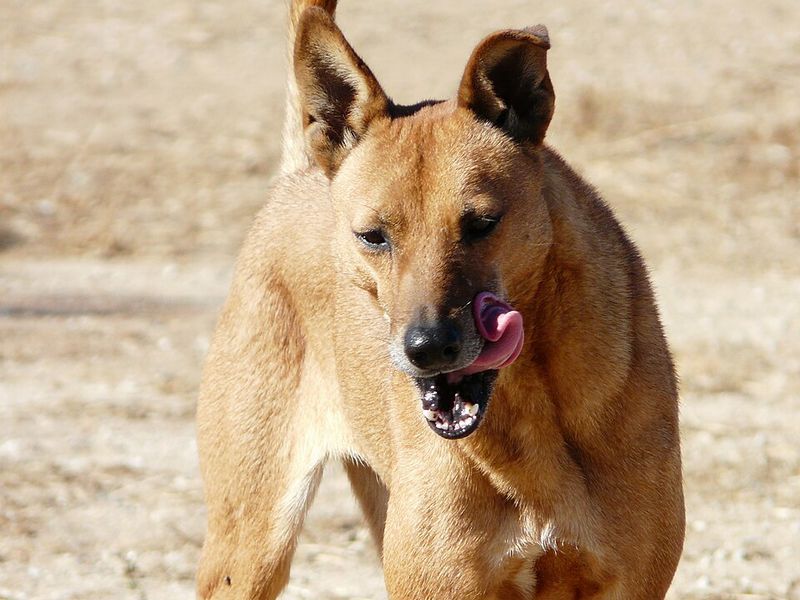
The Carolina Dog, sometimes called the “American Dingo,” is a primitive breed with a rich history in the southeastern United States. Intelligent and observant, they thrive in natural settings.
Their cautious nature can make them apprehensive about sudden touch. Establishing trust through gradual interaction is essential.
Touch-training provides structure, helping them to accept handling. Their natural instincts and loyalty make them intriguing companions for those who appreciate their wild roots.
Taigan
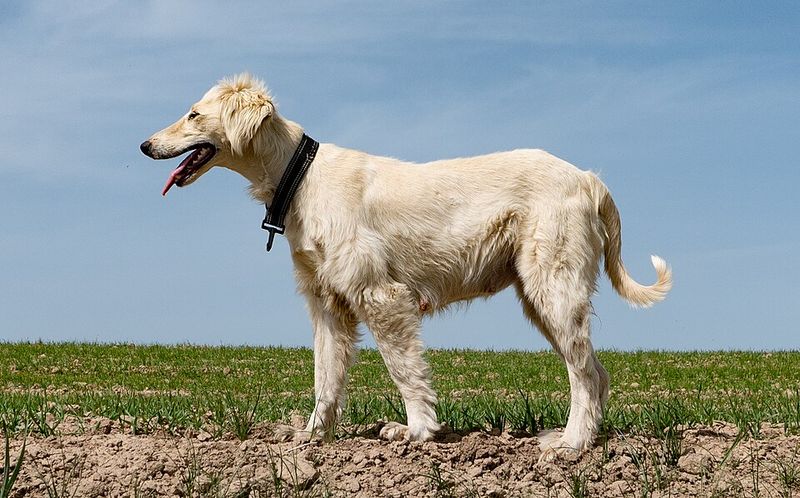
The Taigan, a sighthound from Kyrgyzstan, is renowned for its speed and endurance. Often used for hunting in mountainous regions, they possess both grace and tenacity.
Sensitive to sudden handling, they prefer a gradual approach to physical contact. Their regal demeanor demands respect from their handlers.
Touch-training can help them adapt to human touch, fostering a deeper bond. Their noble appearance and spirited nature make them a captivating breed.
Hortaya Borzaya
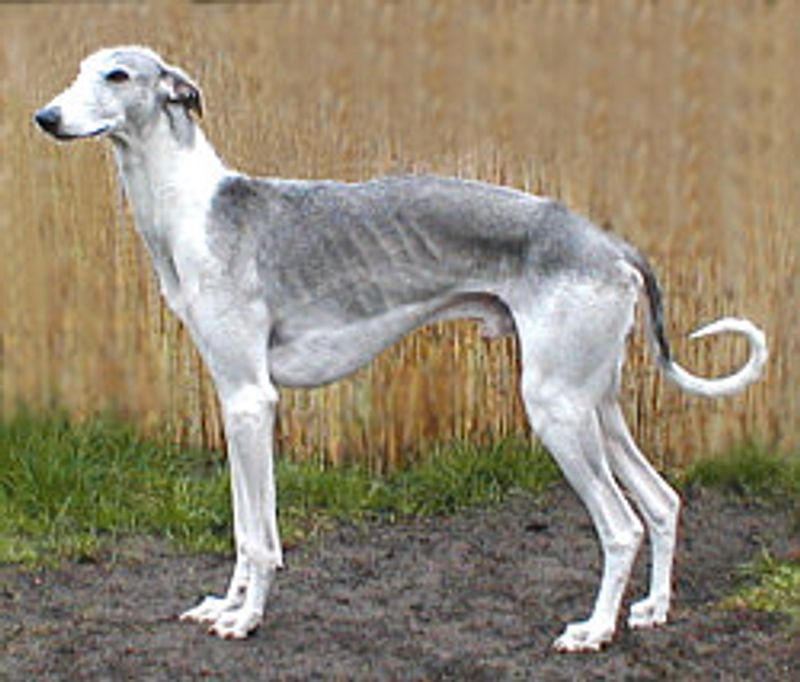
The Hortaya Borzaya, a Russian sighthound, is built for speed and agility. Known for their hunting prowess, they are both independent and affectionate.
Sudden handling may unsettle them, reflecting their need for personal space. They value gentle introductions to new experiences.
Through touch-training, they can learn to be more at ease with human touch. Their combination of grace and strength is truly impressive, making them a unique companion.
Cesky Terrier
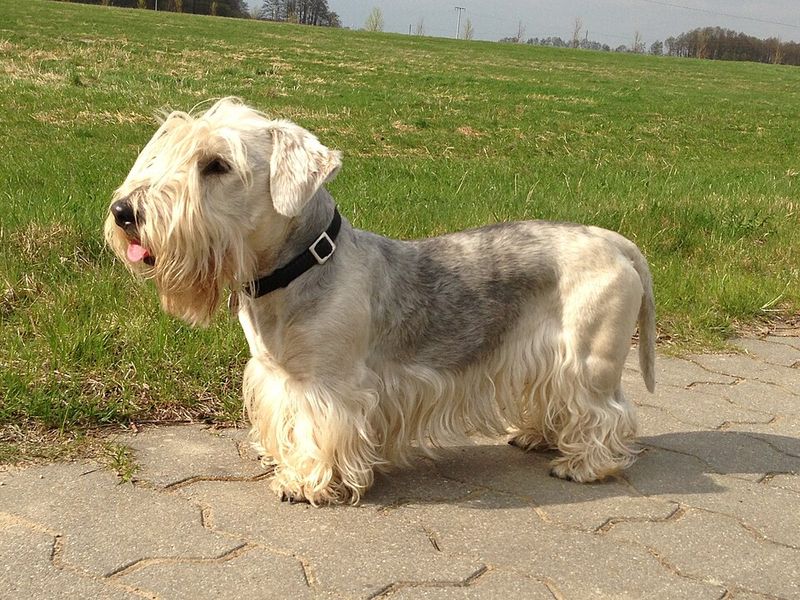
The Cesky Terrier, a charming breed from the Czech Republic, is known for its playful and curious nature. Bred for hunting, they are lively and intelligent.
Despite their friendly demeanor, sudden handling can startle them. They appreciate a calm and consistent approach to interaction.
Touch-training can help them grow more comfortable with touch, enhancing their sociability. Their jovial personality and distinctive appearance make them an endearing choice for families.
Glen of Imaal Terrier

The Glen of Imaal Terrier, hailing from Ireland, is robust and spirited. Known for their working dog heritage, they possess both courage and charm.
Their strong-willed nature can translate into a dislike for sudden handling. They thrive in environments where they feel respected and understood.
With touch-training, they can become more adaptable to handling. Their unique blend of tenacity and affection makes them a delightful companion.
Patterdale Terrier
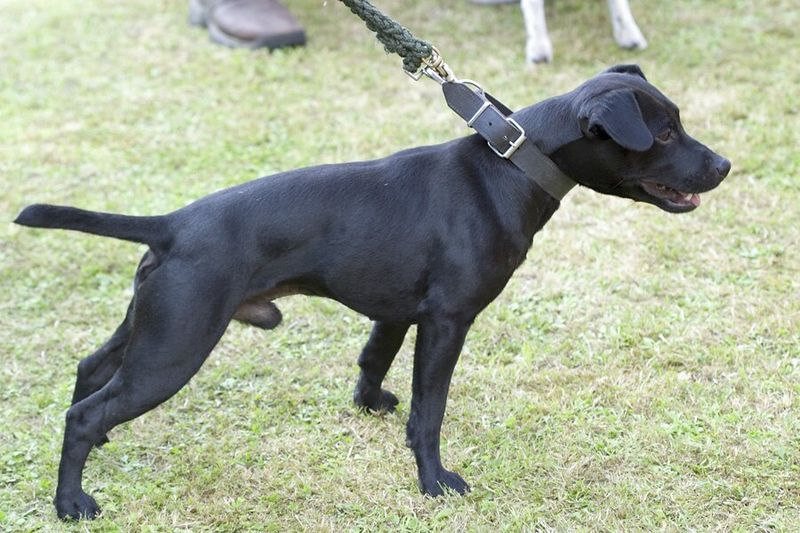
The Patterdale Terrier, a dynamic breed from England, is known for its boundless energy and determination. Often used in hunting, they are fearless and independent.
Sensitive to abrupt handling, they need time to adjust to new touch. Consistency and patience are key in their interaction.
Touch-training can enhance their ability to accept handling, promoting a better bond with their owners. Their spirited nature and unwavering loyalty make them a captivating choice.
Alpine Dachsbracke
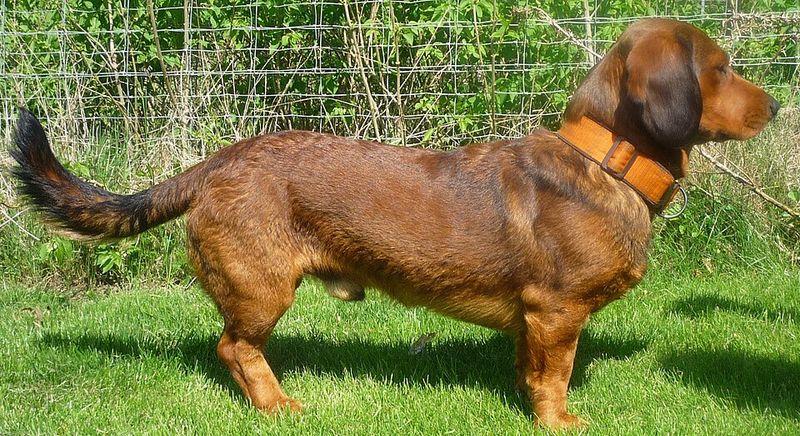
The Alpine Dachsbracke, a versatile hunter from Austria, is known for its tracking abilities. Compact and sturdy, they are well-suited for mountainous terrain.
Sudden handling can be unsettling, given their strong instincts and alert nature. They benefit from a steady and calm approach.
Through touch-training, they can become more accepting of human interaction. Their determination and agility make them an exciting companion for outdoor enthusiasts.
Black Forest Hound (Schwarzwälder Bracke)
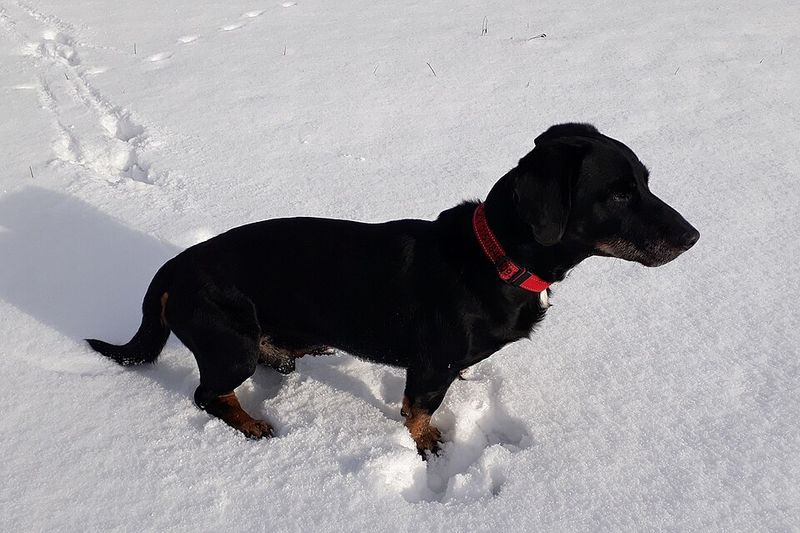
The Black Forest Hound, or Schwarzwälder Bracke, hails from Germany and is known for its exceptional scent-tracking skills. Gentle and determined, they are excellent hunters.
Their reserved character can make sudden handling stressful. They respond well to gentle and gradual interaction.
Touch-training helps them become more comfortable with touch, enhancing their connectivity with humans. Their loyalty and keen senses make them a fascinating breed to explore.
Styrian Rough-Haired Mountain Dog

The Styrian Rough-Haired Mountain Dog, originating from Austria, is tenacious and resilient. Bred for hunting, they are known for their endurance and grit.
Sudden handling may cause discomfort due to their strong independent streak. They value a gradual introduction to physical contact.
With touch-training, they can learn to embrace handling with ease. Their robust nature and loyalty make them a compelling companion for active lifestyles.