
Some dogs live for pack life, and others are perfectly happy ruling their own cozy kingdom. If you have ever wondered whether your pup needs a friend or would rather enjoy peaceful solo time, this guide will help you decide.
You will find friendly extroverts who blossom with a playmate and thoughtful introverts who prefer space and quiet. Let’s match your lifestyle and your dog’s personality so everyone feels secure, content, and understood.
Labrador Retriever

Labradors are the classic friendly extroverts, happiest when a buddy shares their adventures. You see it on walks, where they seek playmates and trade toys without fuss.
Left solo too long, their bright minds invent mischief, from counter surfing to backyard excavation. Pairing a Lab with another dog channels energy into chase games, cuddle piles, and calmer downtime.
Training becomes easier too because social modeling helps reinforce polite greetings and impulse control. If you work full time, a compatible companion reduces boredom, separation stress, and vocal complaints.
Choose a buddy with similar size and play style to avoid collisions and resource squabbles. Daily joint fetch, sniff walks, and puzzle toys keep your Labrador satisfied, confident, and beautifully balanced.
Golden Retriever
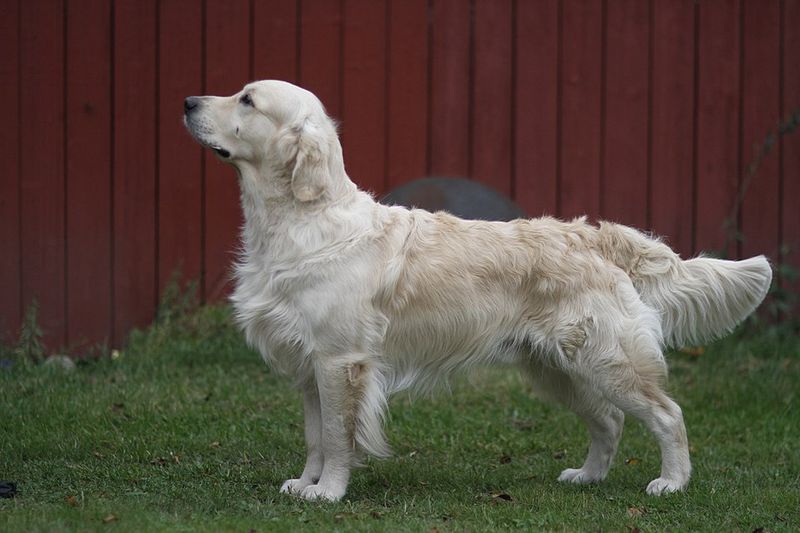
Goldens thrive on connection and routine, lighting up when another dog mirrors their sunny mood. You will notice softer settling after play, fewer mouthy antics, and quicker recovery from excitement.
Without company, some Goldens pace, whine, or raid laundry baskets for comfort. A gentle buddy gives them a job to do, whether sharing toys, matching paces, or curling together.
Training benefits show up fast because peer modeling sharpens recall, stay, and loose leash manners. If you rescue, pairing a confident resident Golden with a newcomer speeds trust.
Match energy levels and coat care needs so grooming and play remain enjoyable. With tandem retrieves, group hikes, and shared naps, your Golden feels purposeful, secure, and wonderfully at ease.
Beagle
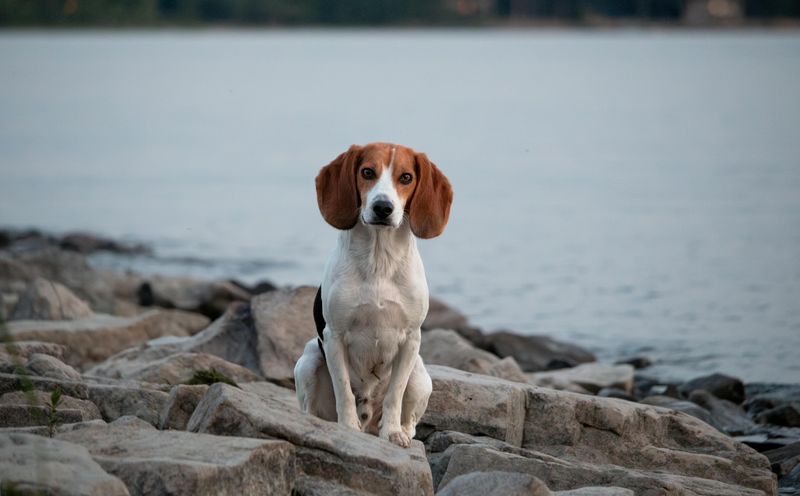
Beagles are social scent sleuths, happiest following noses alongside a friend. You will hear musical baying harmonize and see brave exploration grow when a buddy leads.
Alone, many Beagles turn to excavating, escape artistry, or serenading squirrels. A compatible companion channels that hound drive into team tracking, yard zoomies, and post adventure naps that actually stick.
Consider pairing with another Beagle or similarly sized, merry dog to match stamina and play style. Reinforce recalls with dual rewards and rotate sniff games so competition stays friendly.
If you work long hours, two hounds tire each other mentally and physically. Expect fewer complaints from neighbors and a calmer evening cuddle while your Beagles dream of countryside trails.
Boxer
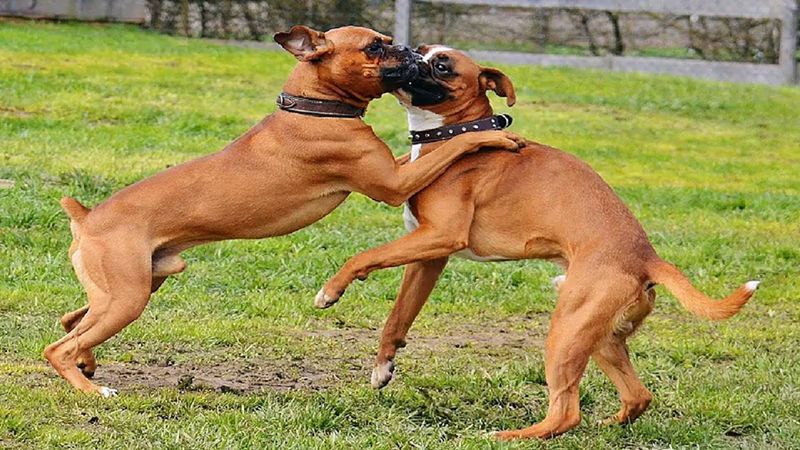
Boxers are bouncy comedians built for buddyhood, happiest trading play bows and shoulder bumps. Without company, their exuberance can spill into shoe collecting, counter scouting, or nonstop shadowing.
A similarly robust friend absorbs that energy safely and teaches softer landings. You will see improved patience, gentler mouthing, and easier crate settling after a good wrestle and chase.
Choose a companion with matching size, durable joints, and a playful communication style to prevent misunderstandings. Rotate tug toys, supervise early, and reinforce breaks so enthusiasm never tips into conflict.
Joint obedience sessions help channel focus, while tandem jogs satisfy athletic needs. With a buddy, your Boxer matures into a loyal clown who naps hard and loves harder.
Havanese
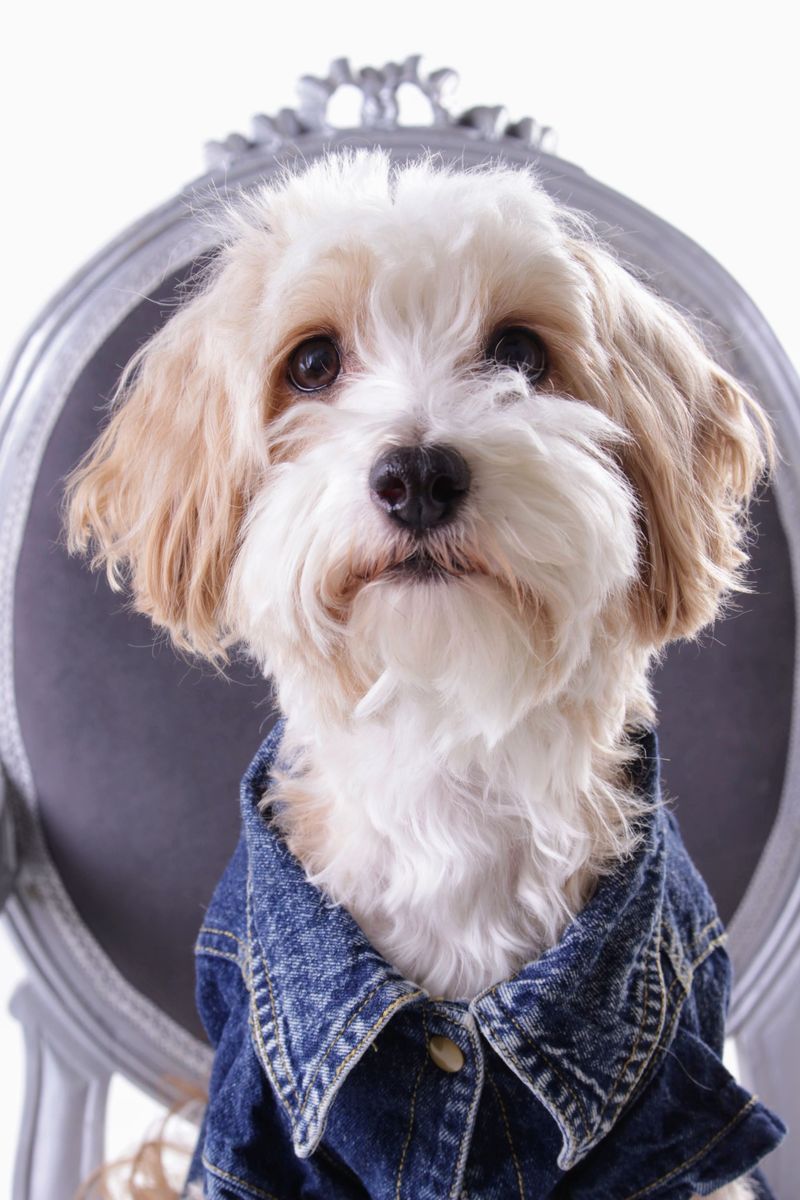
Havanese are velcro charmers who blossom with a canine confidant nearby. Their cheerful chatter and silky prance mellow after shared play and sunlit window watching.
Left alone too often, they may protest vocally or invent lap stealing strategies. Pairing with another small, gentle companion builds confidence, reduces clinginess, and keeps brains busy through toy trading and hallway sprints.
Match grooming schedules and sensitivity levels, since roughhouse partners can overwhelm this tender breed. You will appreciate easier crate time, fewer separation complaints, and smoother polite greetings.
Practice cooperative cues like settle, wait, and share during snacky enrichment. With two Havanese or compatible friends, afternoons turn into silly parades, and evenings become blissful cuddles that leave you smiling.
Cavalier King Charles Spaniel
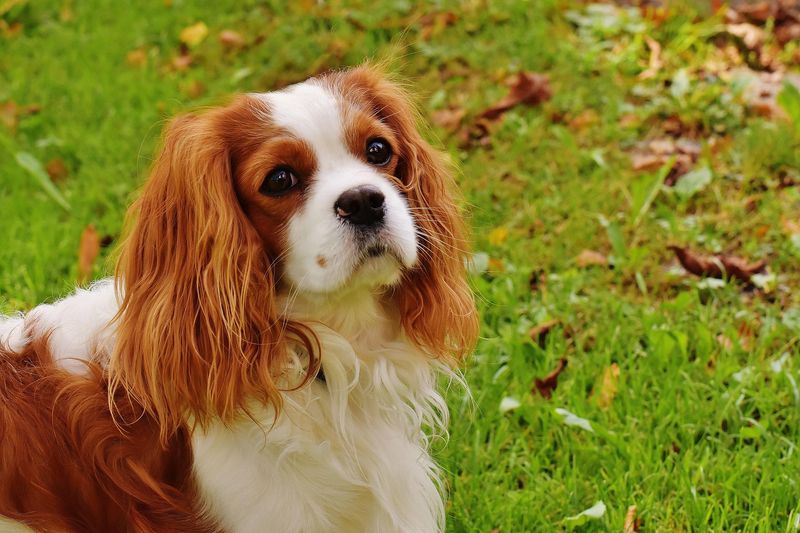
Cavaliers adore companionship, human and canine, and seem most content sharing sofas and strolls. You can almost hear their sigh of relief when a gentle buddy is nearby.
Alone too long, some become clingy, vocal, or anxious. A steady friend eases transitions, models bravery at the vet, and encourages playful zoomies followed by synchronized nap times.
Choose companions with similar softness and moderate energy, avoiding rough partners that might startle sensitive hearts. Keep grooming gentle, ears clean, and play brief but frequent.
Two Cavaliers learn house manners faster through mimicry and share warmth beautifully in cool weather. With a buddy, your Cavalier gains confidence, balances affection needs, and glows with that signature gentle sparkle today.
Cocker Spaniel
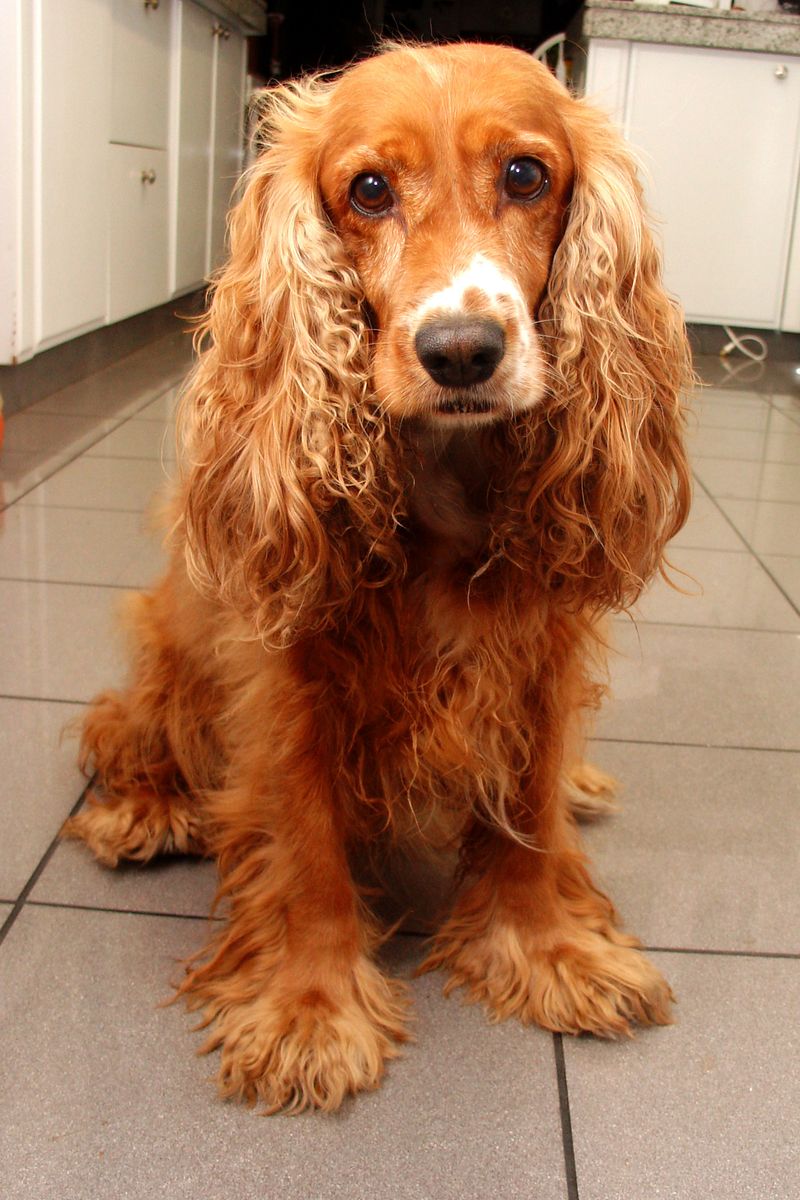
Cockers wear their hearts outward and generally welcome a furry co star. When paired thoughtfully, they trade retrieves, share sun patches, and nap easier after walks.
Left solo, some Cockers become vocal decorators, relocating socks and pillows with artistic flair. A friendly companion channels that busy brain into collaboration, easing transitions and making grooming breaks far smoother.
Match temperaments and coat care schedules so brushing, ear checks, and bath routines stay manageable. You will notice faster progress on impulse control and calmer greetings at the door.
Rotate toys, add scent games, and teach settle together after play. With a good buddy, your Cocker sparkles with confidence, warmth, and delightful enthusiasm that brightens daily life beautifully.
Border Collie
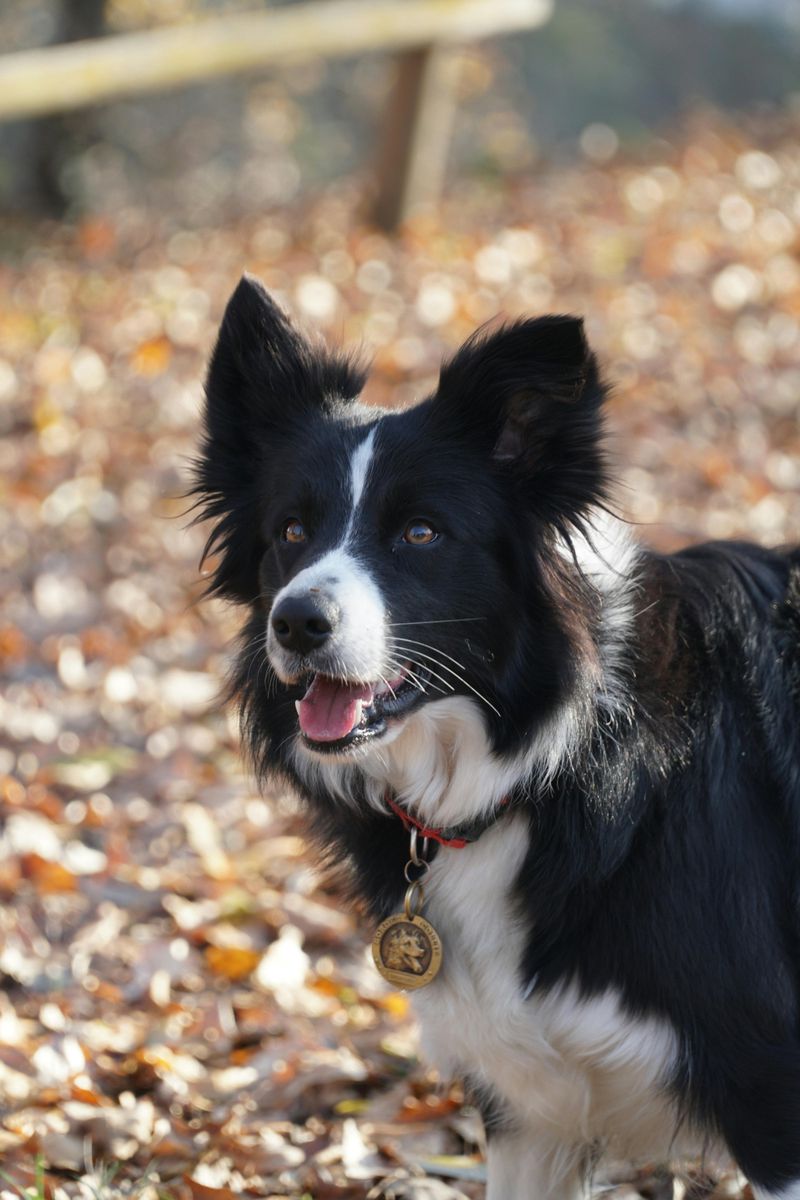
Border Collies crave work and partnership, so a canine teammate helps direct that brilliant intensity. Together they invent herding style games, swap roles, and tire each other mentally.
Solo boredom often becomes fence running, obsessive shadow chasing, or household micromanaging. A balanced buddy offers pressure relief, practices off switches, and models relaxed behavior between training sessions.
Pair with a dog who enjoys structured play and can handle eye contact without worry. Alternate focus games, cooperative downs, and recall relays to keep arousal in check.
If you work long hours, two Collies share tasks and rest more predictably. With the right friend, your Border Collie thrives, learns faster, and finally enjoys genuine, guilt free relaxation today.
Australian Shepherd
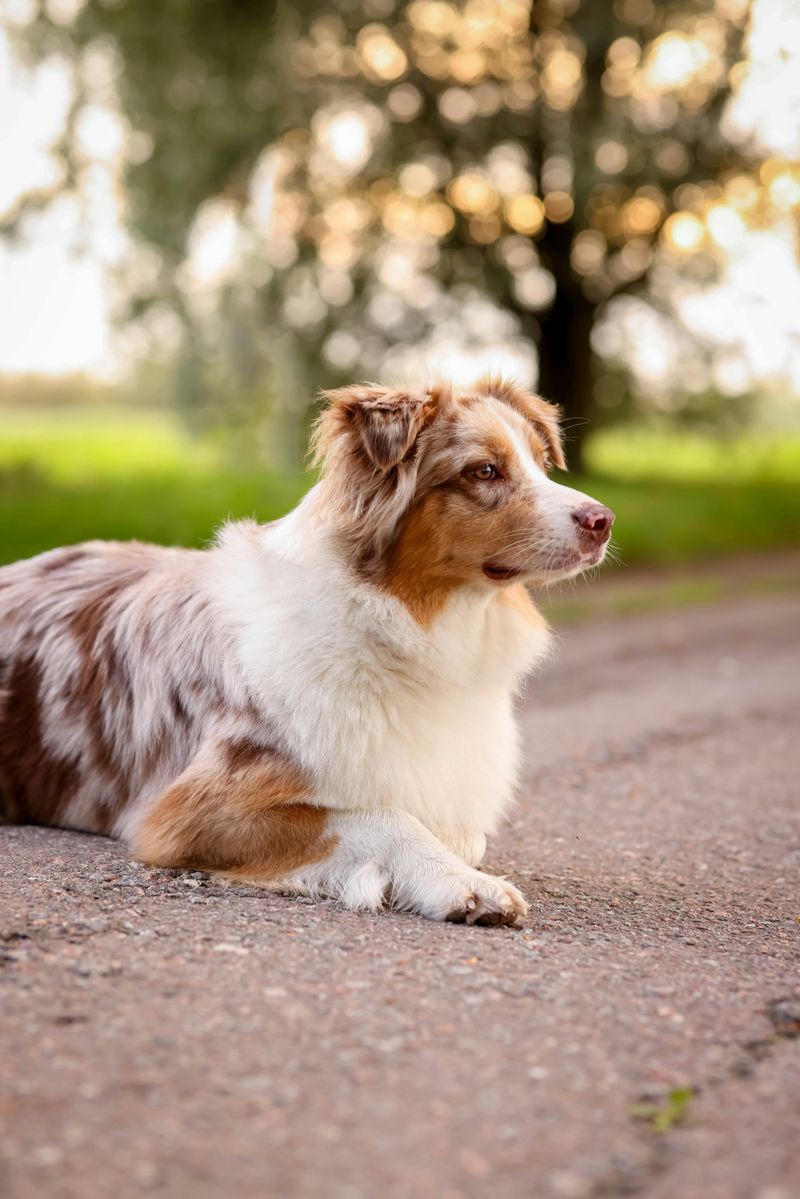
Aussies are social problem solvers who relax best after cooperative work. A compatible buddy joins their circuit patrols, ball fetching shifts, and afternoon yard audits.
Alone too long, some develop doorway herding, vocal commentary, or obsessive toy guarding. With a friend, that drive funnels into clever team games, then softer snuggles once the yard is declared secure.
Choose partners confident with motion and body language, since stare heavy play can rattle sensitive dogs. Rotate jobs, practice settle mats, and reward shared check ins during distractions.
Two Aussies polish cues through mimicry and tire each other without overdoing sprints. With companionship, your Australian Shepherd balances brilliance with contentment and greets evenings with peaceful, satisfied eyes daily.
English Springer Spaniel
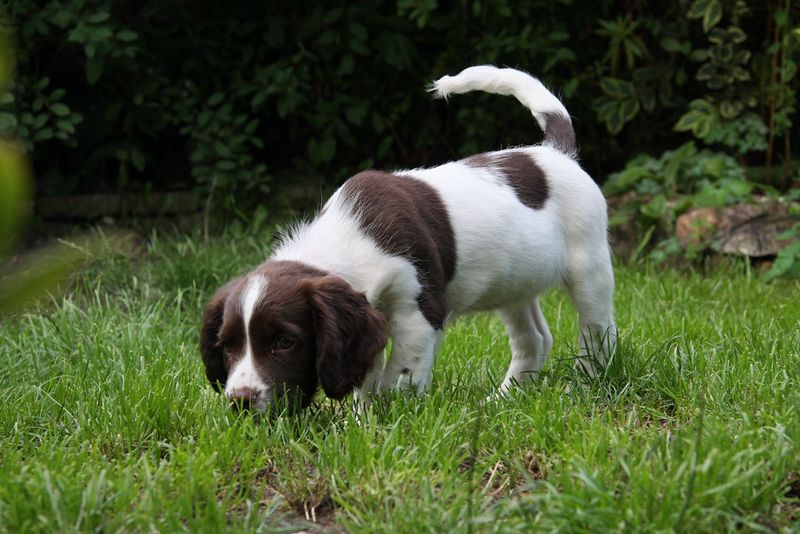
Springers bring merry energy and hunting heritage, which shines brightest with a friend. Together they quarter fields, swap retrieves, and nap as a matching floof pile.
Without company, some become vocal sentries or practice unauthorized sock retrieval. A compatible buddy provides feedback on arousal, encourages softer greetings, and shares exploratory sniffs that leave everyone happily worn out.
Match similar endurance and sociability, and introduce calmly to prevent overexuberant wrestling. Practice tandem recalls, heel bursts, and settle on blankets after play bursts.
If you hunt, pairing an experienced Springer with a novice quickly transfers field wisdom. With a buddy, your Springer gains confidence, burns energy productively, and returns home ready for sweetness and sleep each night.
Newfoundland
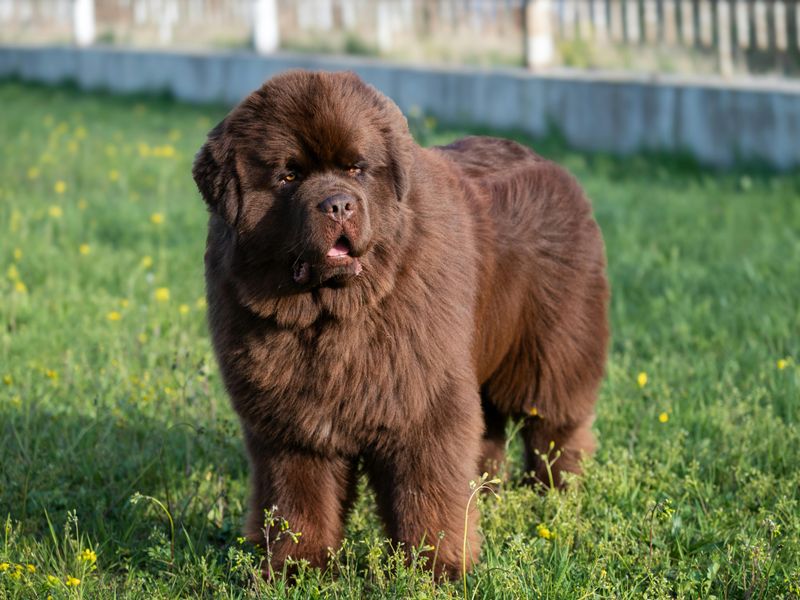
Newfoundlands are gentle giants who flourish with a calm companion sharing space and slobbery smiles. Company reduces anxiety during alone time and encourages appropriate play for such big frames.
Without a buddy, some Newfies shadow closely or worry during thunderstorms. A steady friend models confidence near water, elevators, and crowds, then shares cooling naps on tile floors.
Seek partners with gentle manners and sturdy bodies to prevent accidental bumps. Keep joint friendly games, short swims, and stroller like walks that match endurance.
Two Newfoundlands learn house rhythms together and soothe each other through loud moments. With companionship, your Newfoundland becomes calmer, kinder, and proudly helpful, embodying the breed’s legendary nanny dog spirit in daily life.
Bichon Frise
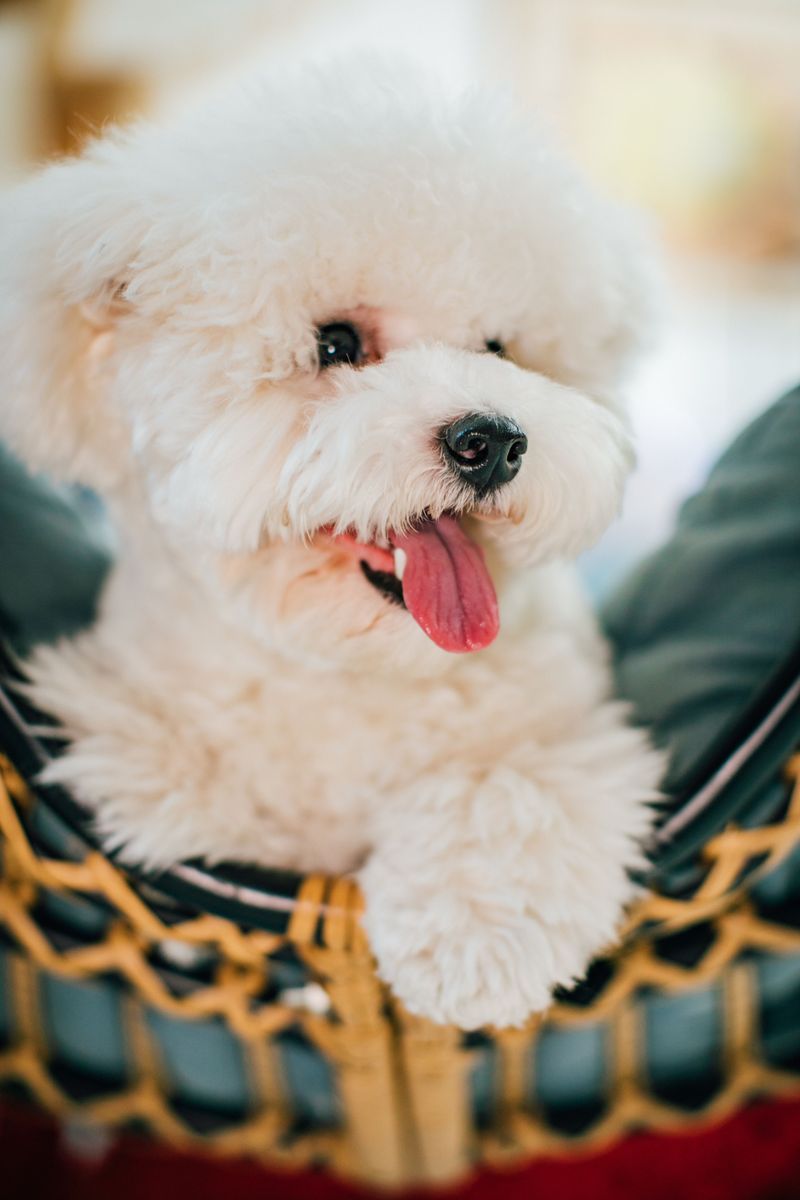
Bichons sparkle with sociable charm and tend to thrive with a fluffy sidekick. You will see brighter confidence on walks and calmer behavior when visitors arrive.
Without companionship, some practice loud commentary or creative redecorating with tissue confetti. A playful friend shares zoomies, teaches patient toy sharing, and joins window watch duty until the mail hero appears.
Choose companions with gentle mouths and similar size to keep play safe. Rotate grooming sessions, reinforce settle cues, and use puzzle feeders during downtime.
Two Bichons tend to synchronize naps and follow each other’s polite routines. With the right buddy, your Bichon grows bolder, barks less, and offers that irresistible, cloud like cheer from morning to bedtime always.
Samoyed
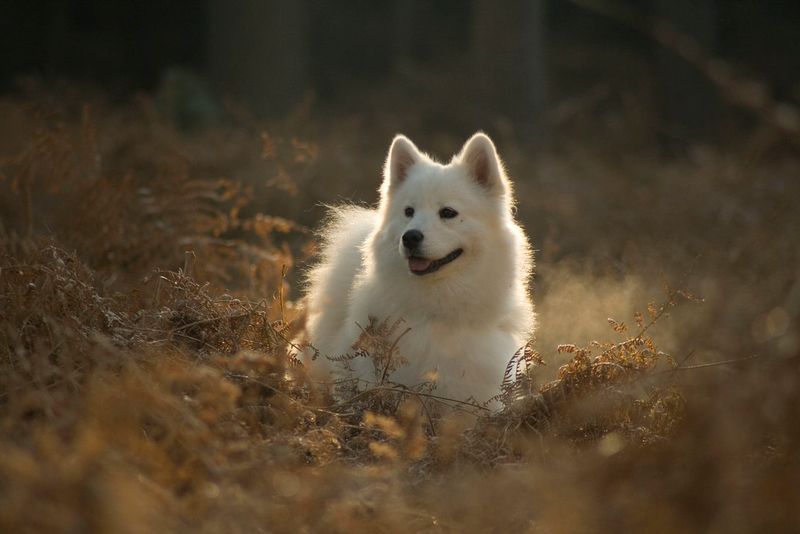
Samoyeds are social, vocal snow angels who enjoy teamwork and shared patrols. When paired, they romp, grin, and settle more quickly after adventures.
Alone, many become chatty or invent landscaping projects. A sturdy friend absorbs boisterous greetings, models calmer moments, and joins cooperative tasks like carrying packs, practicing postures, and posing regally for neighborhood admirers together.
Choose companions that tolerate fluffy coats and enthusiastic play, and supervise early to shape manners. Reinforce quiet cues, rotate long chews, and plan snowy hikes that satisfy instincts.
Two Sammies split mischief and return home pleasantly tired. With a buddy, your Samoyed beams brighter, sheds stress, and channels that famous smile into everyday harmony at home for your family.
Vizsla
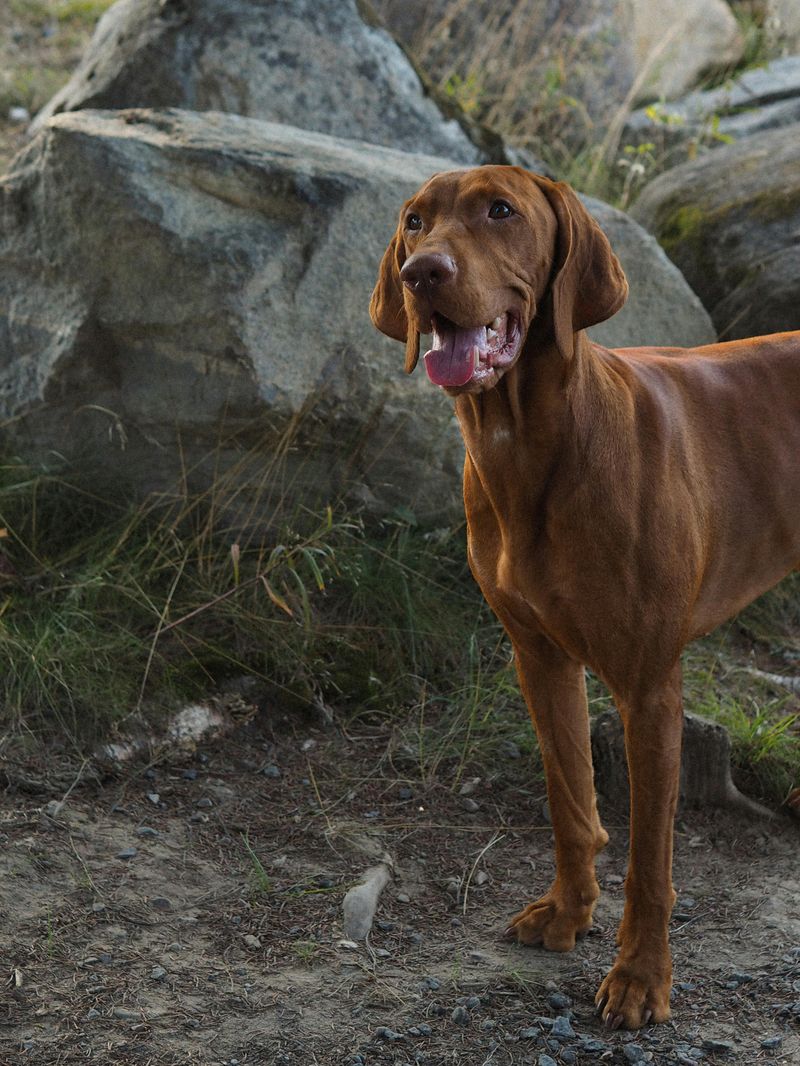
Vizslas are Velcro athletes who regulate best with a like minded companion. Side by side, they run trails, trade retrieves, and practice quieter decompressing afterward.
Left solo, many become mouthy, restless, or vocal about neighborhood squirrels. A buddy captures that intensity, offers mutual grooming, and encourages gentler greetings so you can actually pour coffee without acrobatics.
Match athleticism and softness, avoid harsh players, and build routines that include cuddle time. Tandem recalls, bikejoring practice, and shareable scent puzzles keep brains happy.
If travel is frequent, two Vizslas adapt together and settle in hotel rooms faster. With companionship, your Vizsla leans, sighs, and finally rests, delivering the affectionate balance you wished for on busy modern days.
Chow Chow
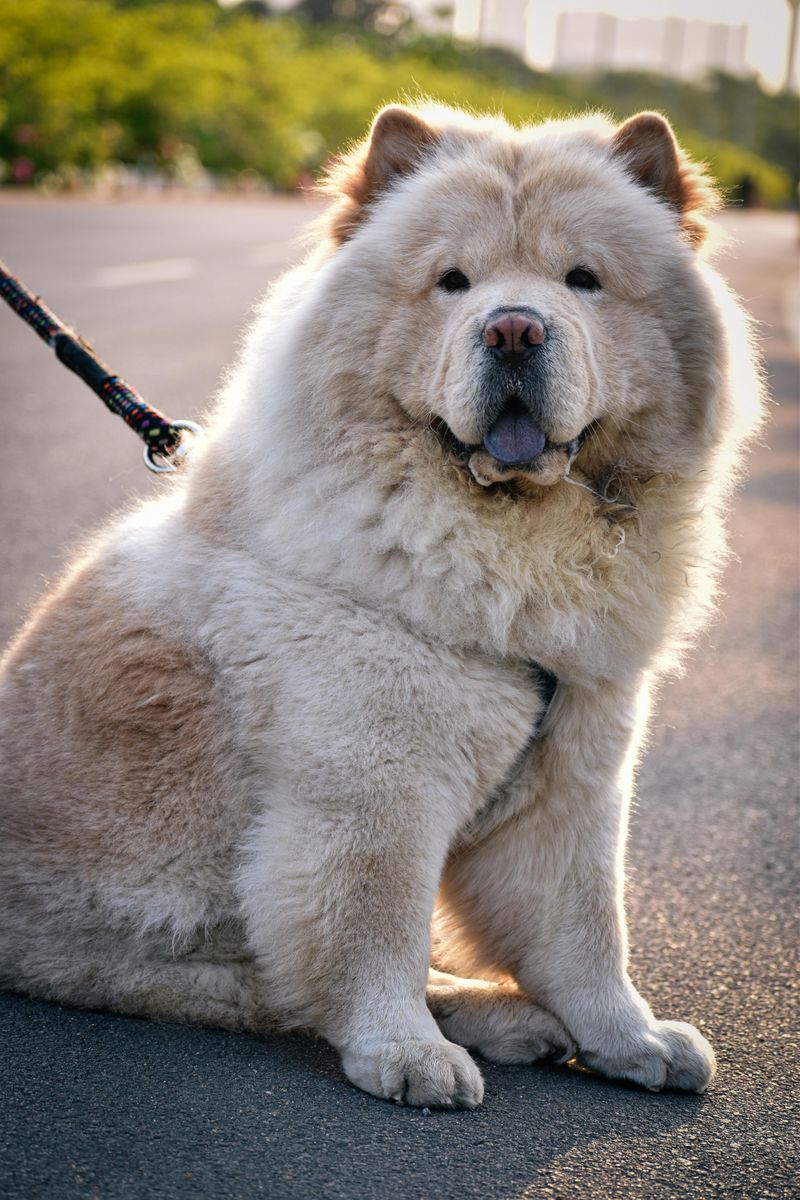
Chow Chows often prefer independence, forming deep bonds with family while keeping canine acquaintances at arm’s length. You may notice dignified aloofness and thoughtful observation during dog park chaos.
Forced playdates risk friction, so respectful distance matters. A single dog household often suits them, with structured walks, enrichment, and calm routines that honor their reserved nature and boundaries.
Socialization still counts, but quality over quantity is key. Introduce neutral spaces, slow approaches, and reward quiet curiosity.
Focus on cooperative tasks with you, like nosework, platform games, and peaceful neighborhood surveys. With your steady leadership, a Chow blossoms without needing a live in canine buddy, maintaining serenity, confidence, and that leonine composure admirers cherish at home.
Shiba Inu
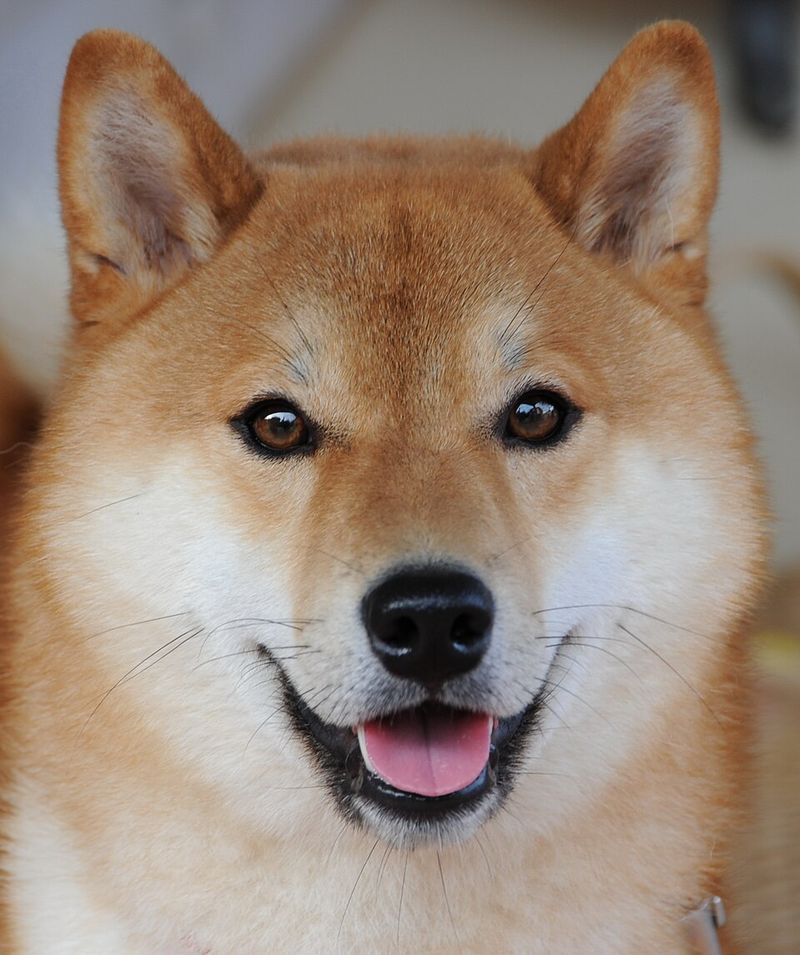
Shibas are famously independent, catlike strategists who enjoy choice and personal space. Many are selective about canine friends and dislike rough invitations.
You will see confident solo exploration, toy caching, and dignified check ins. Pushing constant togetherness can backfire, so thoughtful parallel walks, sniff sessions, and predictable routines nurture trust without crowding their tidy priorities.
Prioritize training games that reward autonomy, like stationing, targeting, and polite greetings on cue. Controlled introductions with well mannered dogs help, but one reliable human friend often suffices.
Offer climbable perches, puzzle feeders, and quiet decompression zones. With respect for boundaries, your Shiba thrives, showing humor, brilliance, and loyalty while keeping roommate rosters blissfully minimal in most everyday home settings.
Basenji
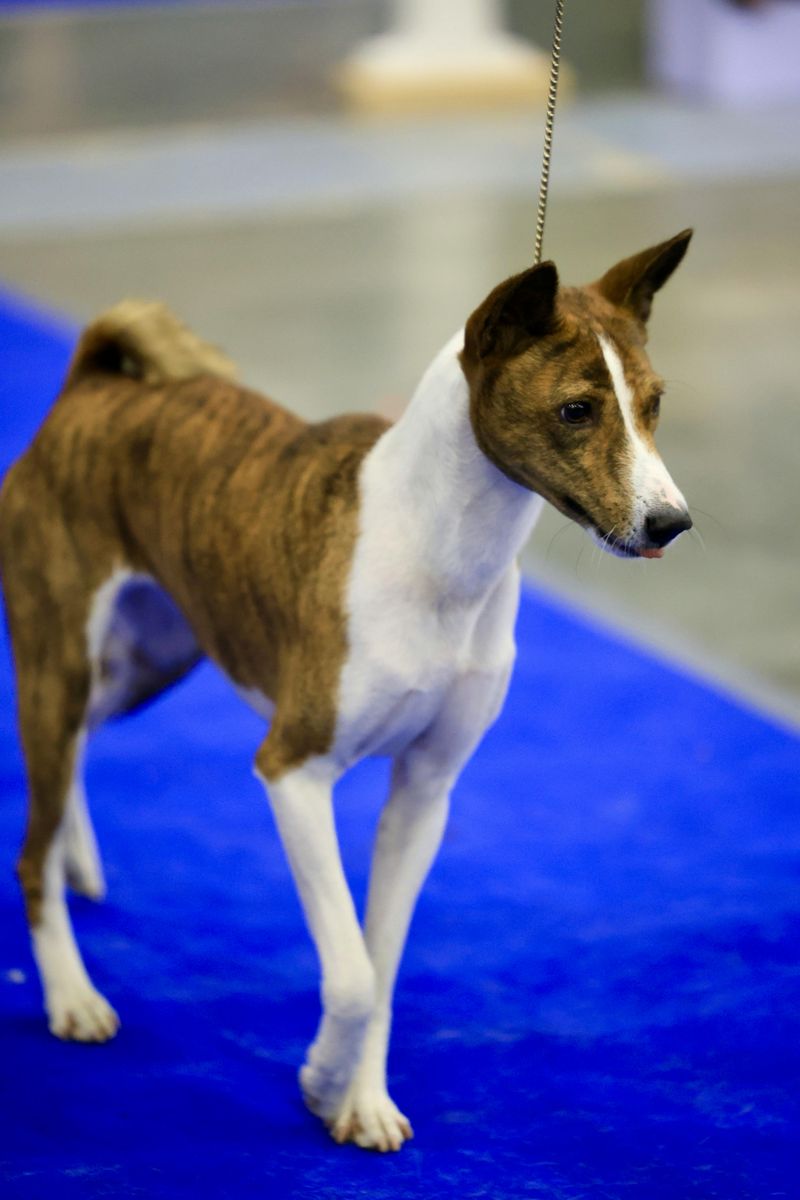
Basenjis are thoughtful, self directed hunters who value choice and quiet. Many prefer one on one canine relationships rather than nonstop group play.
You will notice independent scouting on trails and a tidy approach to home life. Crowded environments can overwhelm, so parallel adventures and respectful greetings help them relax without sacrificing their confident, ancient style.
Training focuses on cooperation, not control, with games that build curiosity and voluntary engagement. Slow introductions with steady dogs can succeed, but a peaceful solo setup often shines.
Provide climbing options, chew projects, and scent puzzles for contentment. With patience, your Basenji bonds deeply with you while keeping canine roommate requirements light, calm, and highly negotiable in many households.