Some dogs roll with life’s changes, but others feel every shift in your routine like a plot twist. If your schedule, home, or primary caregiver changes, these breeds may take it to heart and need extra support.
Knowing who struggles most helps you prepare comfort routines before anxiety shows up. Let’s walk through the breeds that bond deeply and feel wobbly when their favorite person changes.
Vizsla
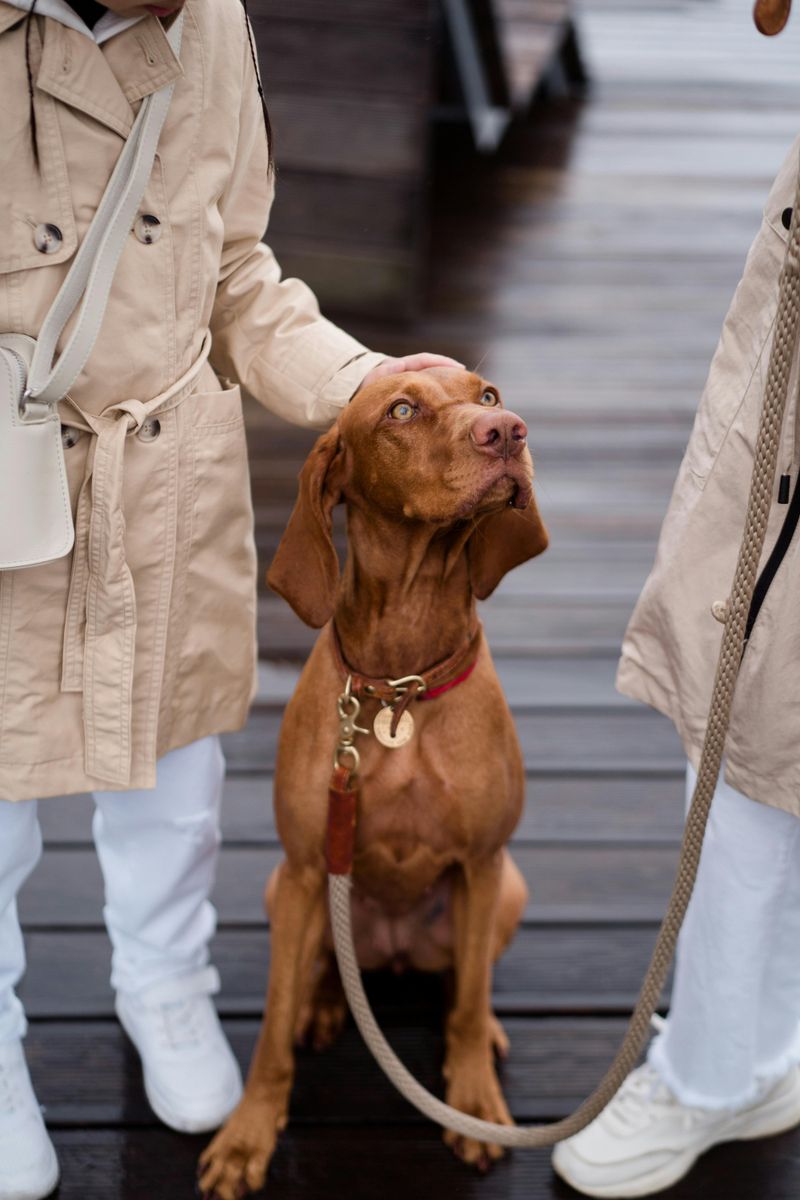
Vizslas are famously velcro dogs, shadowing one person from room to room. When that favorite human changes, they can become restless, pacing or whining as they search for familiar cues.
You will notice clingy behavior spike, especially during transitions like new jobs or roommates.
They thrive on predictable touch, eye contact, and shared routines like morning runs. To ease the shift, keep feeding times steady, schedule short training bursts, and offer scent items from the previous caregiver.
Calm enrichment, like snuffle mats and chew sessions, helps settle nerves.
Gradual handoffs work best. You can rotate who cues sit, stay, and recall, then layer longer absences.
With patience, Vizslas transfer trust, but consistency is everything.
Weimaraner
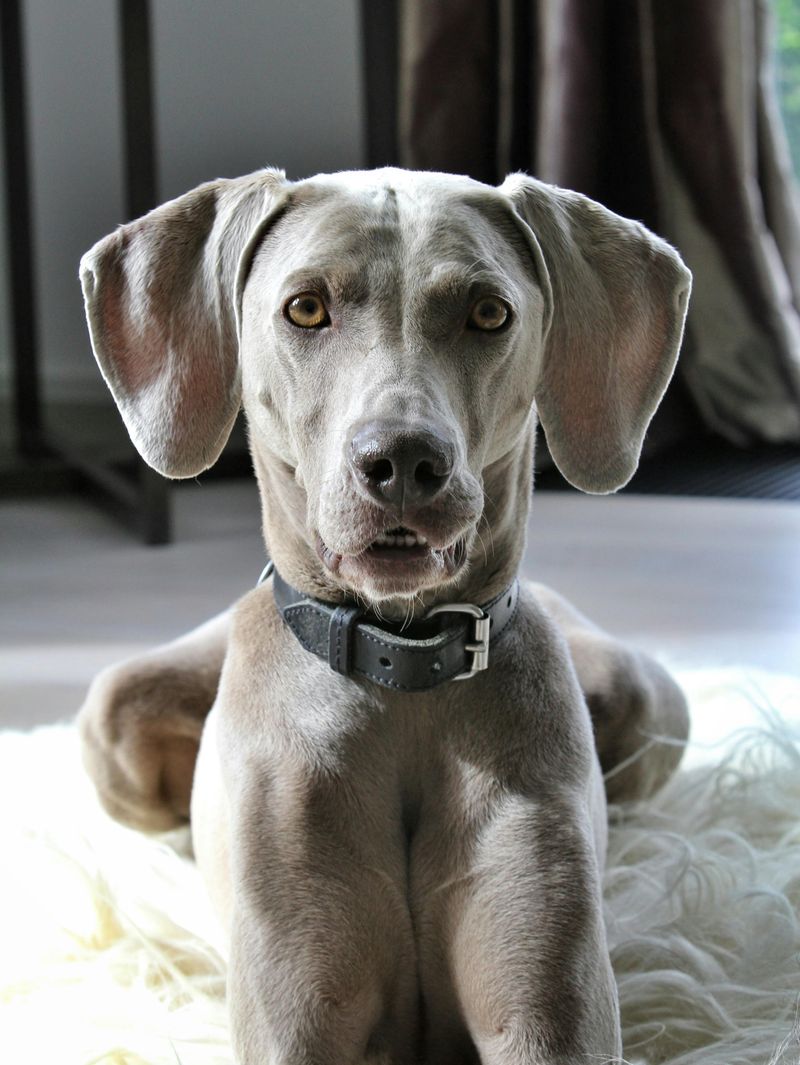
Weimaraners bond intensely and read human micro-moods like subtitles. A sudden change in their person can trigger shadowing, door-watching, and vocal protest.
You might see stress behaviors like counter-surfing or attention-seeking zoomies when predictability drops.
Structure brings relief. Keep exercise high and mental tasks higher, like scent games or hide-and-seek retrieves.
Rotate responsibility for walks and cues so the new human becomes the source of good things. Feed in puzzle toys during departures to build positive associations with separation.
Crate training with calm entries, plus white noise, cuts reactivity. Practice mini departures under threshold and reward quiet.
Over a few weeks, their loyalty can re-anchor, provided the relationship is built through daily, reliable engagement.
German Shepherd
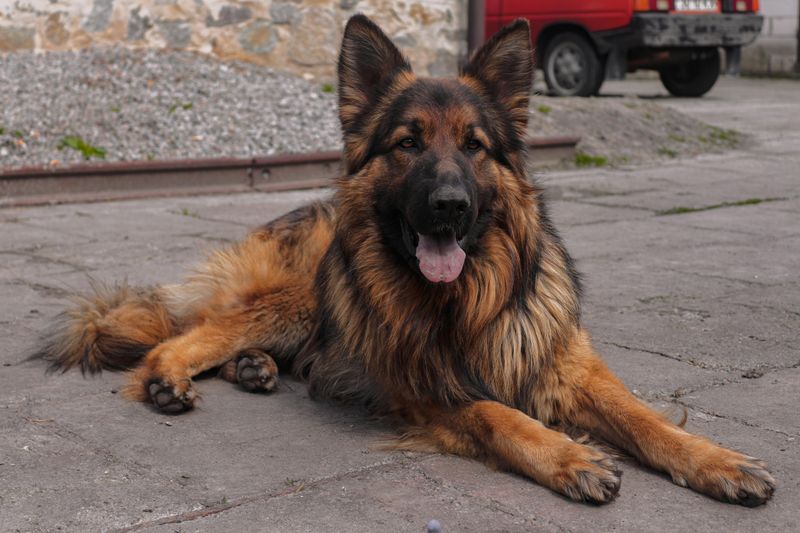
German Shepherds are guardians first, and their loyalty often centers on one person. When that anchor changes, confusion may look like hypervigilance, doorway guarding, or checking windows repeatedly.
They need a job to metabolize stress and redefine purpose with the new handler.
Short, clear training sessions reset communication. Practice heel, place, and focused engagement games to bond through work.
Keep criteria consistent and posture calm, using predictable cues and rewards. Controlled exposure to new routines helps them map safety.
Balanced exercise matters: structured walks, obedience drills, and decompression sniffing. Avoid chaotic dog parks during transitions.
With firm but kind leadership, they quickly recalibrate, channeling their intensity into trust rather than uncertainty.
Chihuahua
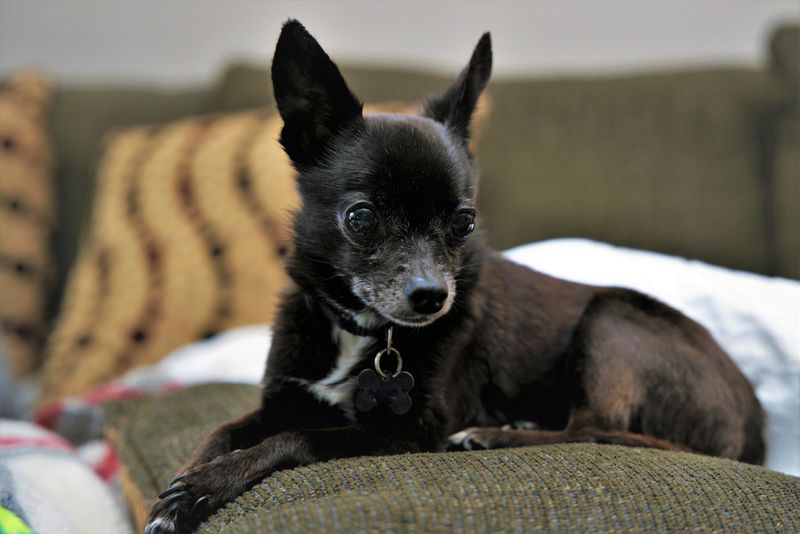
Chihuahuas pick favorites with laser precision, often staking claim to one lap. When that person changes, you might see trembling, hiding, or sudden snippiness.
Small stature means big feelings, and they need gentle handling to avoid defensive displays.
Build trust slowly. Offer hand-delivered treats, low-pressure proximity, and predictable routines.
Let the dog choose to approach instead of scooping them up. Daily, brief training for touch, sit, and hand targeting creates positive associations with the new person.
Keep visitors calm and reduce startle triggers. Use soft bedding infused with a familiar scent to bridge comfort.
With patience, Chihuahuas expand their circle, but security must come on their terms, not rushed.
Italian Greyhound
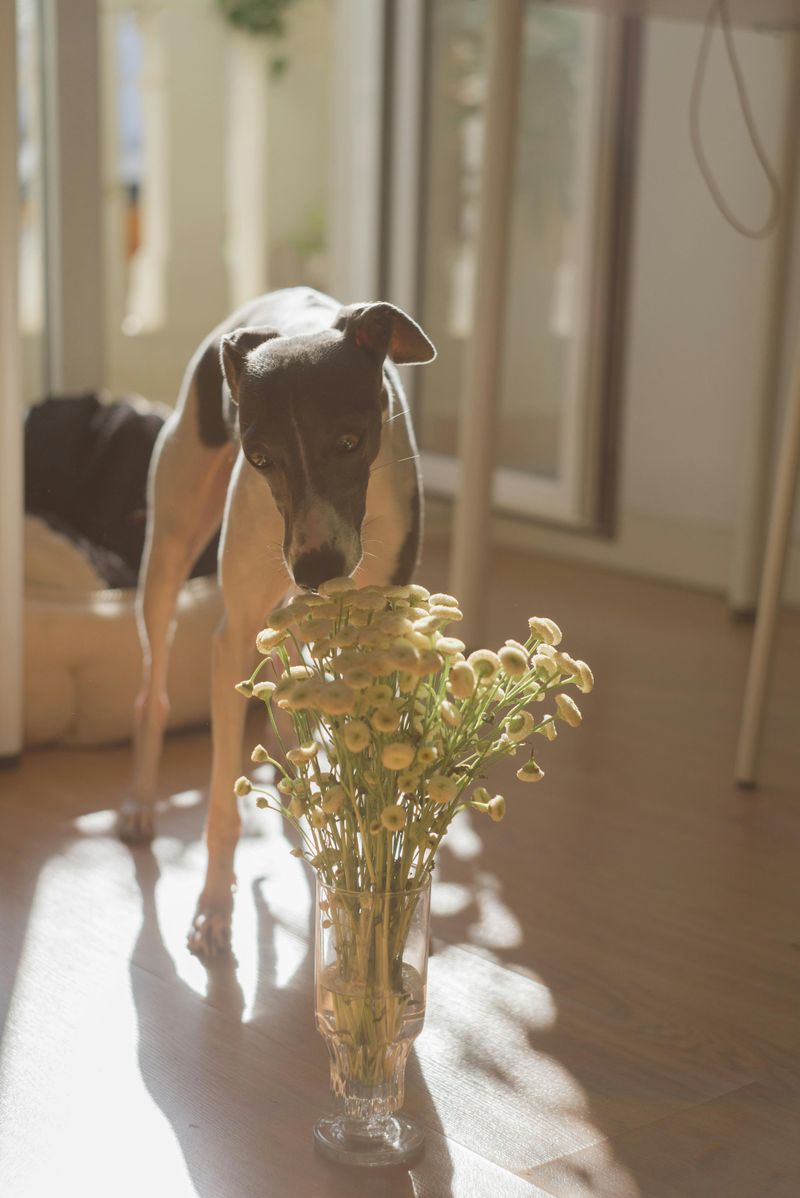
Italian Greyhounds are sensitive souls, reacting to change like a draft of cold air. A new favorite human can unsettle them, prompting shivers, clinginess, or house training backslides.
They flourish with warmth, gentle tone, and unhurried routines.
Focus on quiet bonding moments: sunlit naps, calm petting, and short training with high-value rewards. Keep them warm with sweaters and cozy beds, cutting environmental stress that compounds anxiety.
Use consistent potty schedules and celebrate successes lavishly.
Practice brief separations paired with snuggly blankets and chewies. Avoid raised voices or chaotic environments during the transition.
Given softness and predictability, Italian Greyhounds reattach gracefully and reward you with tender devotion.
Cocker Spaniel
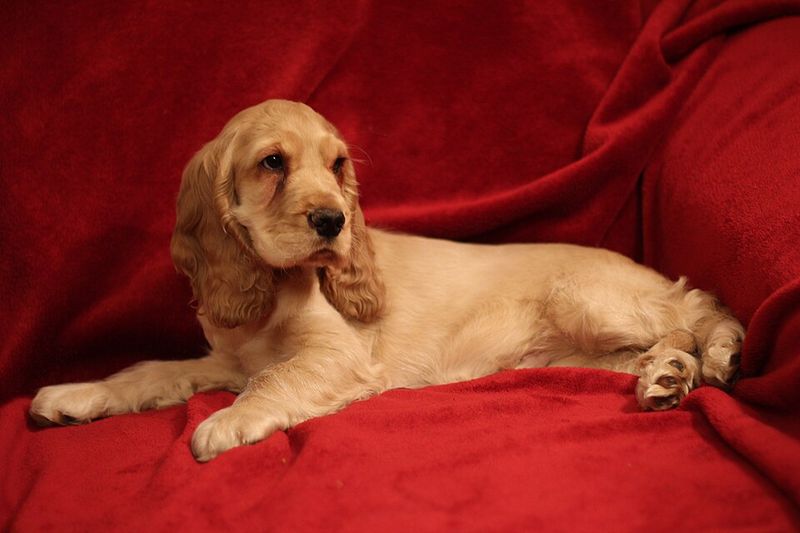
Cocker Spaniels crave closeness and routine, often keying into one family member. A change in that bond can lead to whining, pawing, or pacing between rooms.
Sensitive by nature, they respond strongly to tone and consistency.
Build security with gentle grooming rituals and scentwork games that tap their spaniel heritage. Keep walks rhythmic and training upbeat, using cheerful markers and food rewards.
Rotate who brushes, feeds, and cues sit to transfer value to the new person.
Manage alone time with stuffed Kongs and soft music. Watch ears and coat for stress-related neglect, maintaining comfort.
With patient reassurance and daily engagement, Cockers settle and return to their merry, affectionate selves.
Border Collie
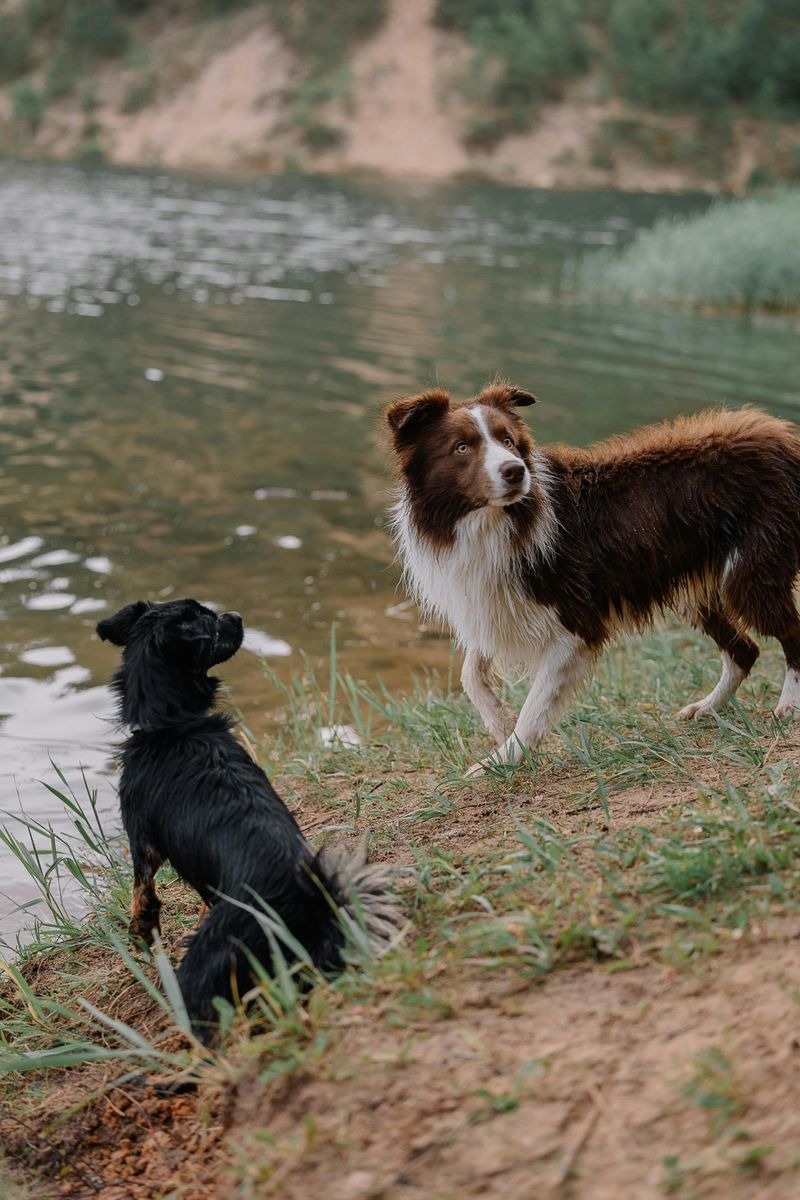
Border Collies map people to jobs, so switching their favorite human scrambles the work chart. Expect hyperfocus, herding attempts, and pacing as they search for structure.
Without clear tasks, stress can become mischief or obsessive patterns.
Redirect that brainpower. Daily obedience drills, trick training, and scent games provide cognitive anchors.
Assign specific tasks like mat work during meals or toy tidy-ups. The new person should become the gateway to meaningful work and rewards.
Balanced outlets matter: fetch with rules, decompression sniff walks, and controlled agility. Keep cues crisp and criteria consistent.
With mental workloads and reliable leadership, Border Collies rewire quickly, channeling intensity into collaboration.
Australian Shepherd
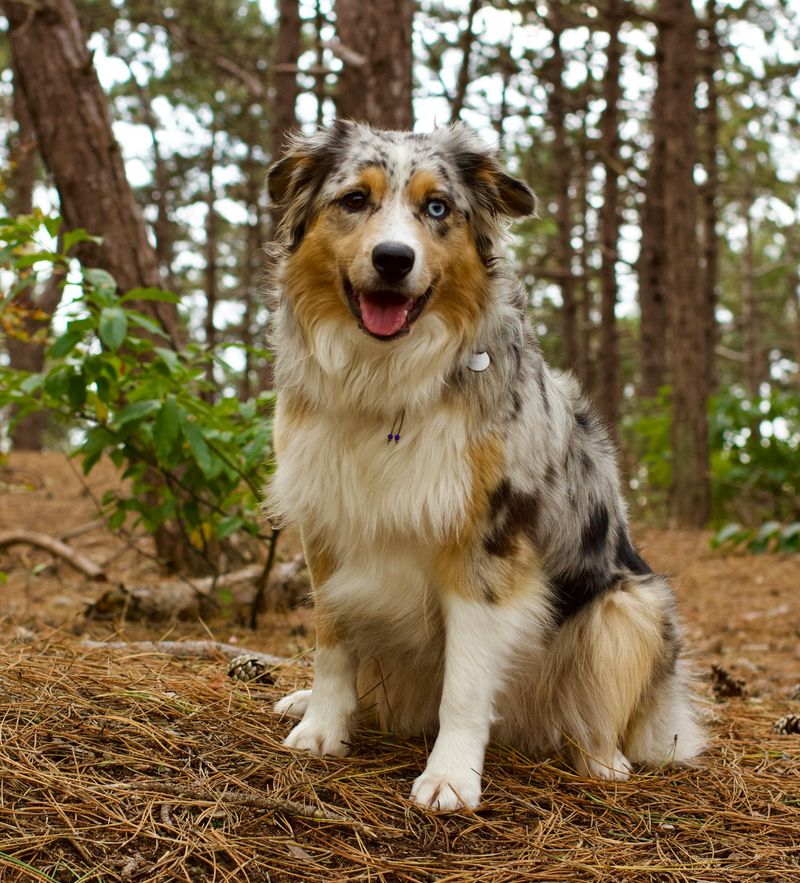
Australian Shepherds are team-driven and bond tightly with their handler. A change can spark restlessness, vocalizing, or door monitoring.
They cope best when the new person immediately offers structure, jobs, and fair boundaries.
Use clear routines: morning obedience, afternoon enrichment, and evening decompression walks. Teach impulse control with place, stay, and pattern games.
Reward thoughtful choices, not frantic energy. Rotate chores like feeding and grooming to shift attachment gradually.
Provide herding-safe outlets, like treibball or structured fetch. Avoid overstimulation at chaotic parks during the transition.
With consistency and daily purpose, Aussies retune quickly, offering the same bright loyalty to their updated person.
Doberman Pinscher
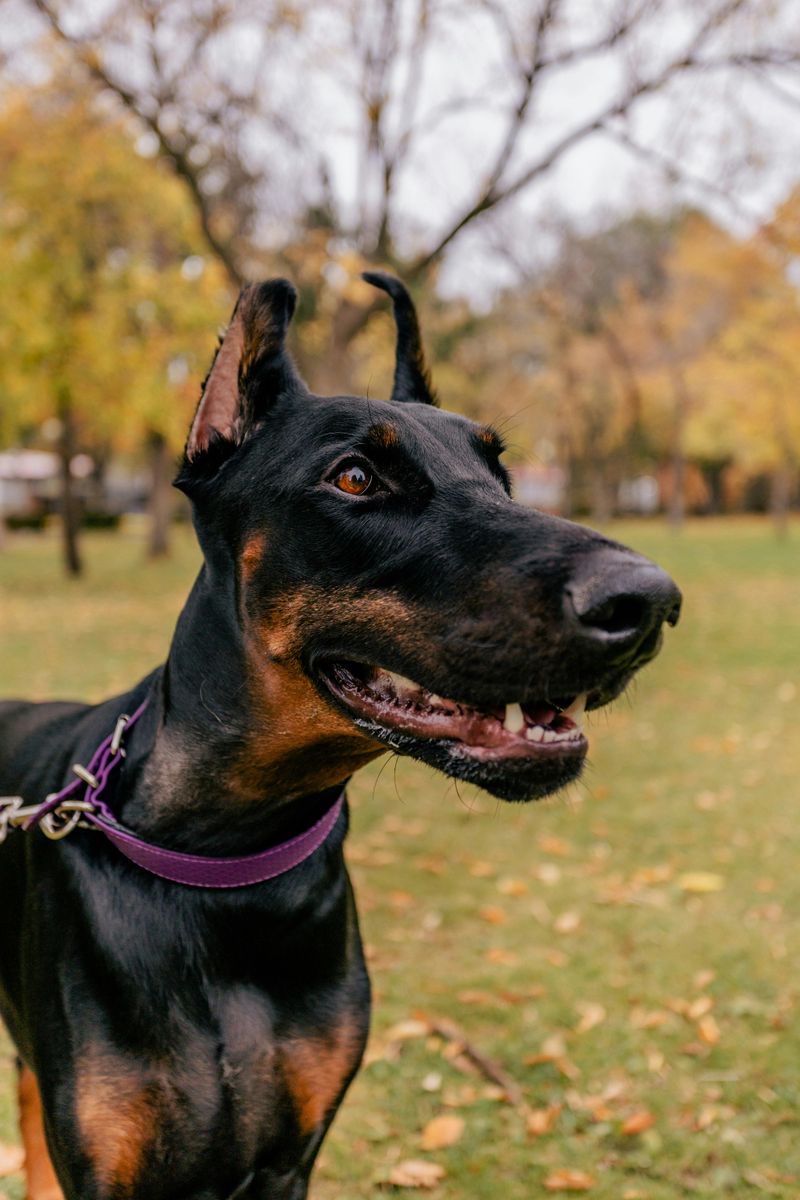
Dobermans are affectionate shadows, often sleeping where their person breathes. When that person changes, their vigilance can spike, with door checking and restless pacing.
They need confident, calm leadership and predictable affection to ground their emotions.
Establish rituals: leash on, sit, door open, release. Practice engagement heeling and hand targets to build focus.
Use food and play, but keep criteria steady and cues clean. The new handler should be the source of safety, not just excitement.
Crate as a sanctuary, not punishment. Layer short absences with chew rewards and soft music.
With clear expectations and daily closeness, Dobermans transfer loyalty and settle into protective serenity.
Shetland Sheepdog
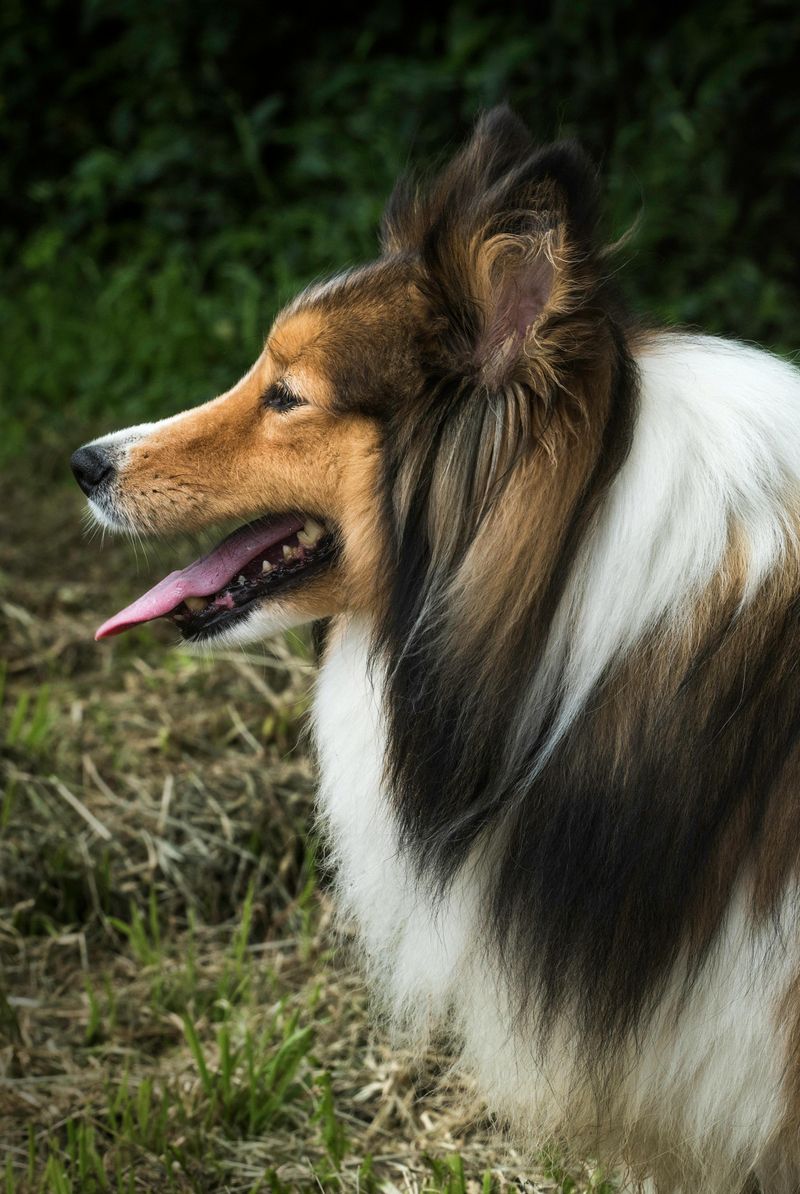
Shetland Sheepdogs are sensitive, observant, and often attach to one quiet leader. A shift in that role can bring skittishness, increased barking, or avoidance.
They flourish with gentle voices and predictable rhythms.
Let trust bloom through low-pressure training and trick sessions. Use soft markers, tiny treats, and slow blinks.
Encourage proximity without forcing touch. The new person should cue calm behaviors and celebrate small wins.
Maintain grooming routines as bonding time. Provide decompression walks in quiet areas and limit chaotic encounters.
With kindness, patience, and routine, Shelties re-center and refocus their brilliant attention on their new human partner.
Labrador Retriever
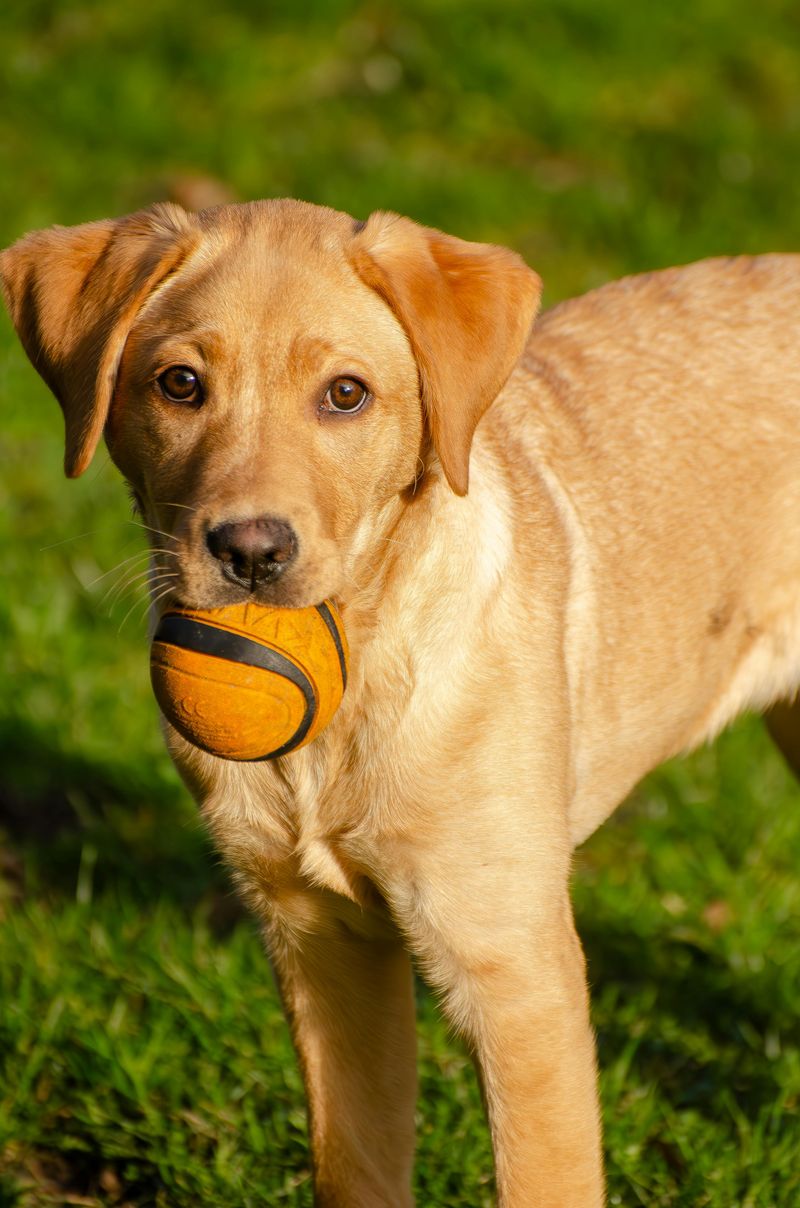
Labradors are socially flexible, but a favorite human shift can still unsettle them. You may notice door-watching, toy carrying without settling, or clingy follows.
They find comfort in activity blended with affection.
Keep exercise steady: long walks, fetch with rules, and brief obedience between reps. Rotate who feeds, plays, and cues sit to transfer value smoothly.
Food puzzles during departures build calm independence. Avoid overexciting greetings, which can amplify worry.
Teach settle on a mat, rewarding deep breaths and relaxed posture. Keep nights predictable and bedrooms consistent.
Labs recalibrate quickly when their world stays fun, fair, and reliably structured.
Akita
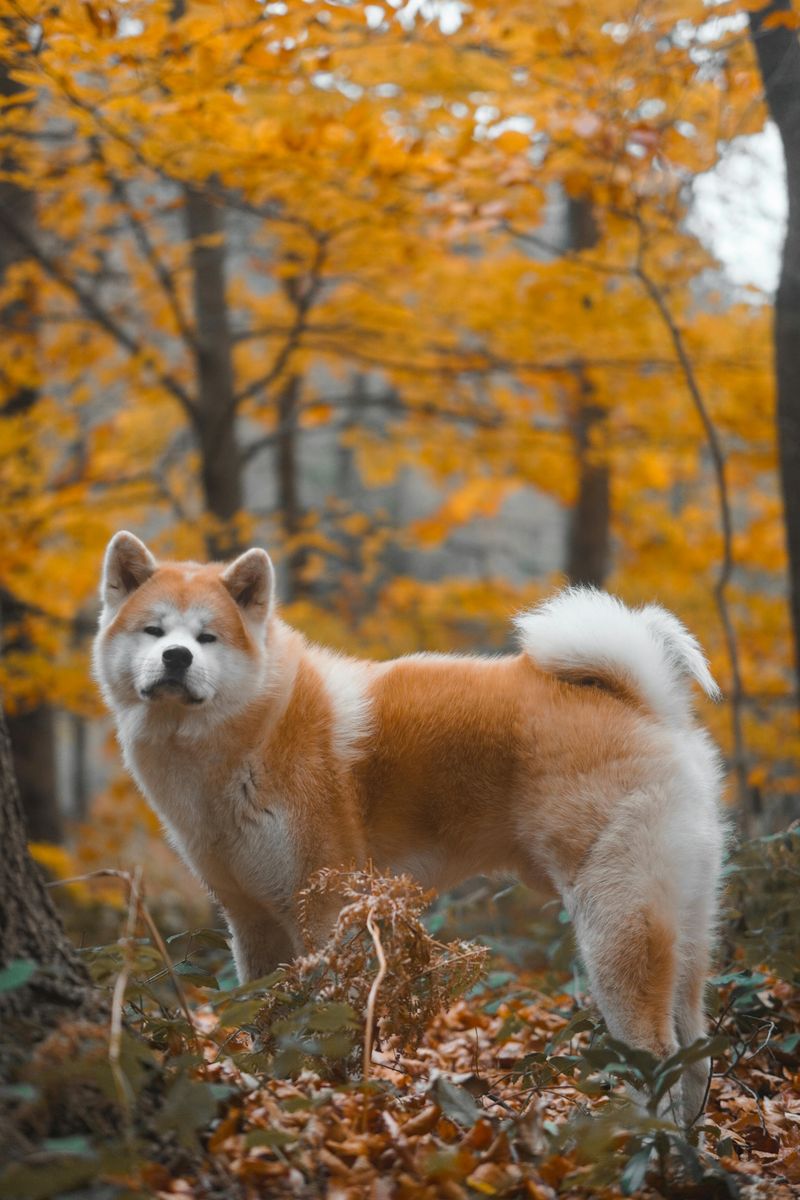
Akitas are loyal, independent thinkers that choose their person with gravity. When that person changes, they may grow aloof or hypervigilant.
Respect, not pressure, is the bridge to trust.
Use calm structure: clear boundaries, consistent routines, and dignified interactions. Food rewards help, but fairness matters more.
Short, purposeful training with place, recall, and cooperative care lays groundwork. Avoid crowding or forcing affection, letting proximity build naturally.
Provide quiet walks and low-drama environments during transition. Predictable leadership and emotional steadiness are essential.
With time and mutual respect, Akitas accept the new bond and stand steadfast alongside their updated human.
Dachshund
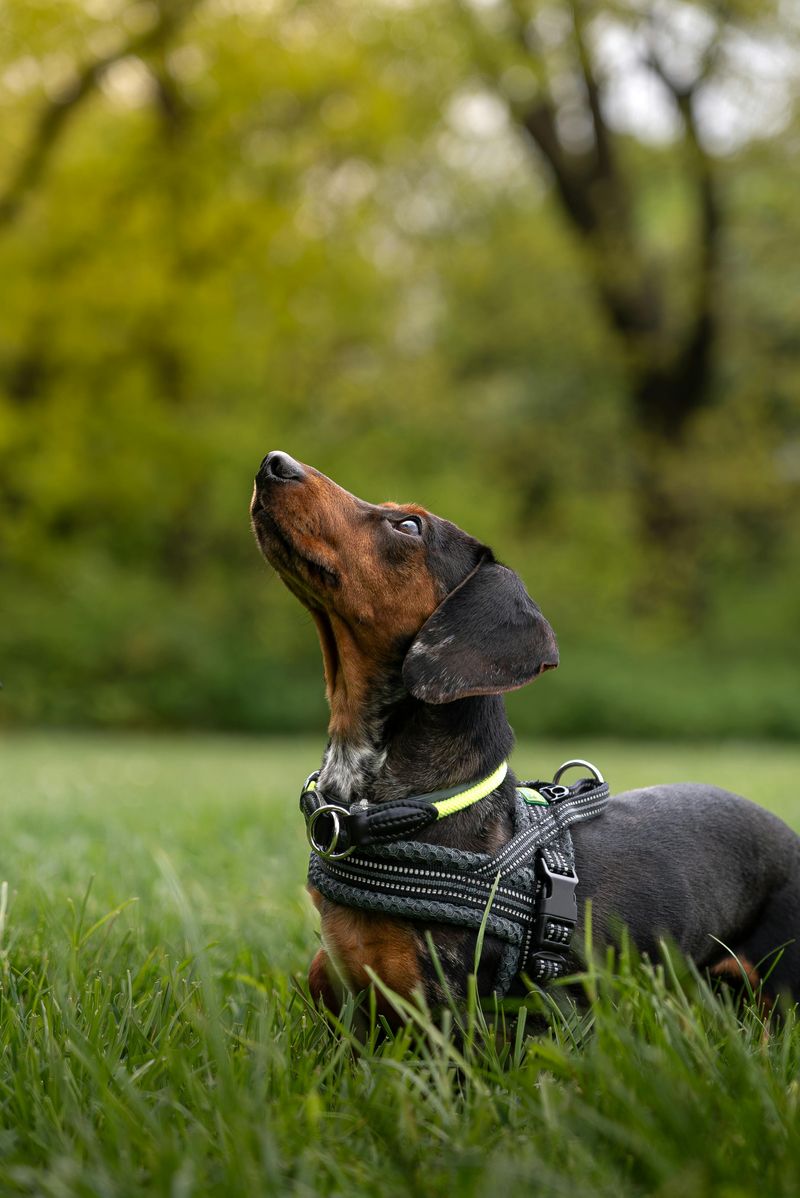
Dachshunds imprint strongly and can protest change with barking or stubbornness. When their favorite person shifts, house routines may wobble, and potty timing can slide.
They thrive with playful structure and confident guidance.
Use short, fun training bursts: nosework, tunnels, and gentle tug with rules. Keep potty schedules strict and celebrate successes exuberantly.
Rotate who delivers meals and cues basic behaviors, making the new human predictably rewarding.
Offer warm dens and chew projects to soothe transitions. Avoid excessive stairs and jumping to prevent stress injuries.
With patience and humor, Dachshunds adapt, channeling big-dog courage into new loyalty.
Cavalier King Charles Spaniel

Cavaliers are devoted companions, tuned to your heartbeat and schedule. A change in their favorite person can bring quiet sadness, clinginess, or mild refusal to eat.
They do best with tenderness and routine-rich days.
Maintain gentle walks, cuddle rituals, and predictable feeding. Teach simple tricks that win easy praise, transferring warmth to the new human.
Use scent items on beds and offer calm enrichment like lick mats for self-soothing.
Monitor for stress-related ear or eye issues and keep grooming comforting. Avoid leaving them alone for long new stretches too soon.
With consistent affection and steady rhythms, Cavaliers transfer their soft loyalty beautifully.