
Some dogs need crystal clear communication to feel safe, and when those signals get muddy, tension can rise fast. If you share life with a strong, independent, or high-drive breed, knowing how to guide them can prevent scary moments.
This list highlights dogs that often demand structure, predictability, and thoughtful handling. Learn the cues they read best so you can keep everyone calm, confident, and connected.
Akita
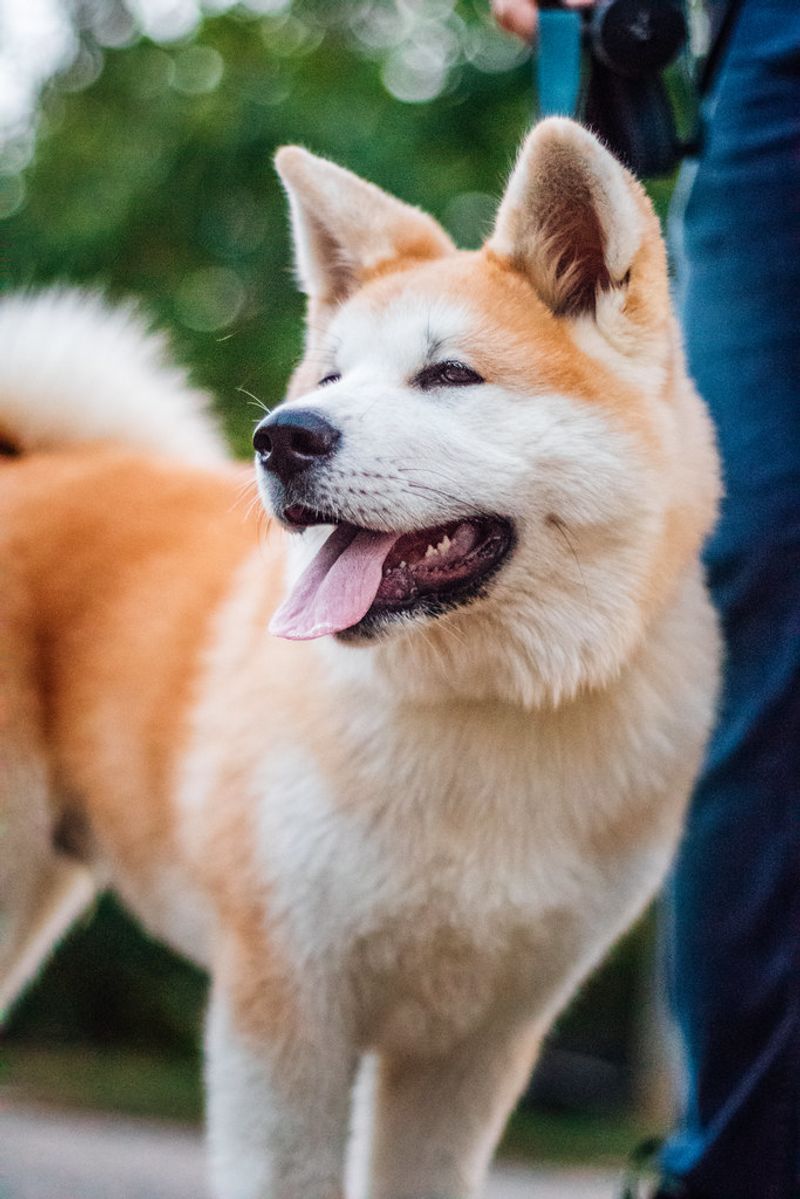
Akitas are dignified guardians with a strong sense of territory, and they often wait for crystal clear direction before relaxing. Without steady guidance, they may misread fast movements or tense voices as challenges.
You can reduce risk by teaching clear release cues, practicing calm greetings, and keeping routines predictable. Socialization must be thoughtful, pairing novel people and places with space, sniffing time, and high value treats.
Use a secure leash and body blocking to manage doorways, and reward check ins during distractions. Supervise around prized resources like food, toys, and resting spots.
When in doubt, increase distance, give a simple cue, then mark and pay for the choice you want, so the dog learns that clarity always pays.
Chow Chow
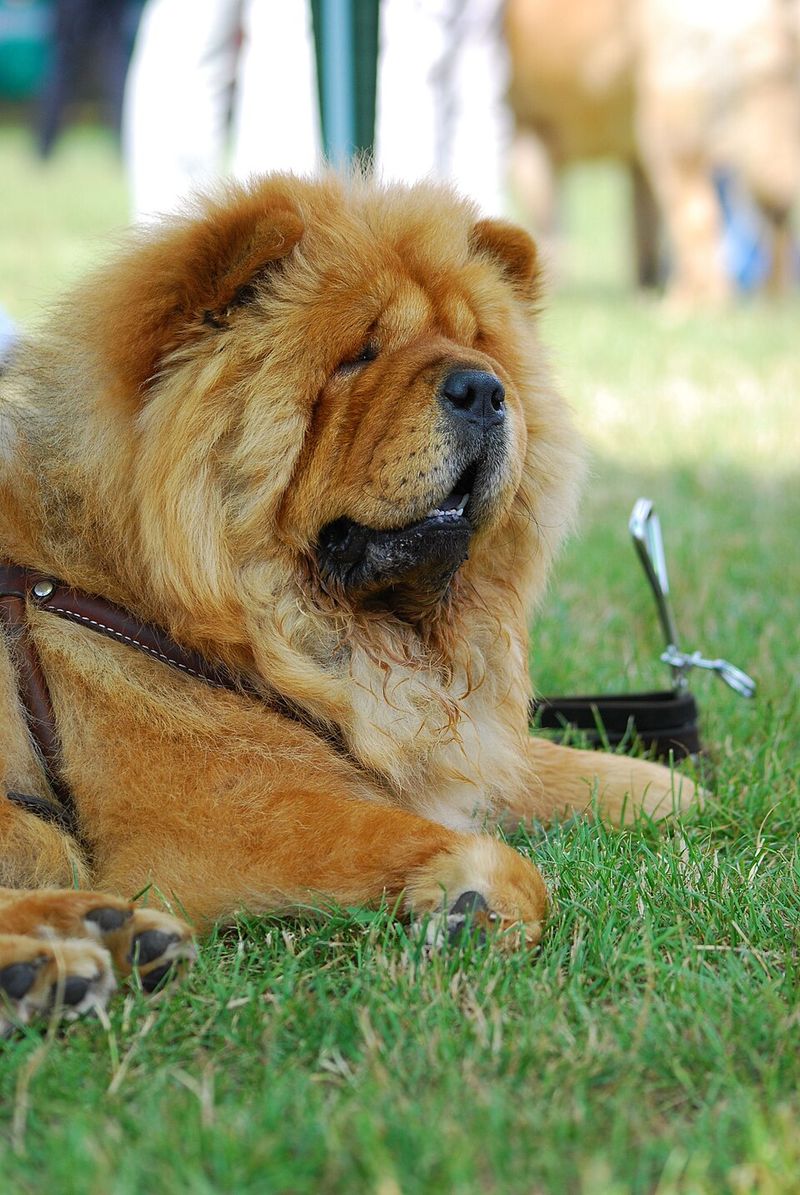
Chow Chows are independent, catlike dogs that prefer clear boundaries and quiet handling. Mixed signals during grooming or greetings can create defensive reactions, especially if a stranger leans in.
Teach cooperative care behaviors like chin rest, paw target, and consent cues to give the dog a predictable voice. Use slow approaches and let the dog choose contact.
Keep a short, loose leash and position the body at an angle instead of head on. Reward soft eyes, relaxed ears, and weight shifts away from tension.
If stiffness appears, pause, breathe, step sideways, and reset the picture so the Chow can understand exactly what earns safety and rewards. Groom in tiny sessions with frequent treats and planned breaks.
Shiba Inu
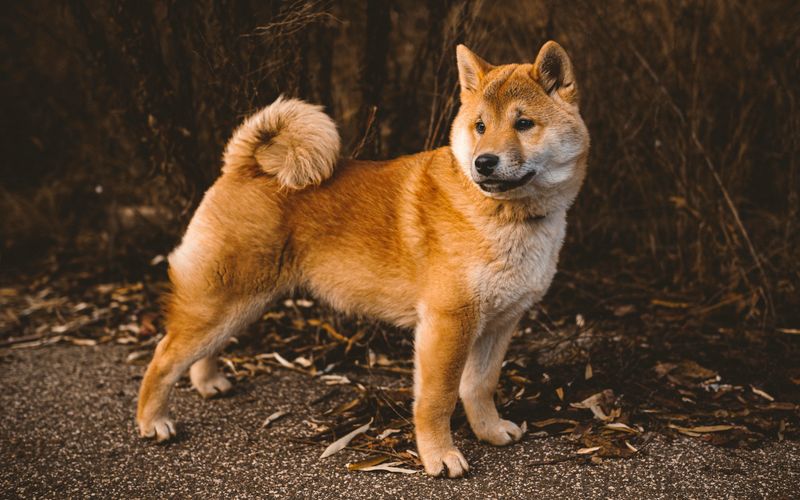
Shibas value autonomy and can get frustrated when grabbed or rushed without warning. Sudden reaches for collars or harnesses may spark resistance that looks sharp.
Build predictability by teaching collar touches, hand targets, and a smooth countdown routine before lifting or moving the dog. Pair every step with soft voice and payment.
Use lightweight lines indoors, guide with food magnets, and avoid cornering. Let the dog approach sideways, sniff first, and retreat if needed.
Clear choices plus calm exits help prevent escalation, and you will see more cooperation when pressure drops and reinforcement stays steady. Practice trade games for objects, name the behavior you want, and celebrate small wins daily.
Consistency turns big feelings into manageable choices.
Basenji
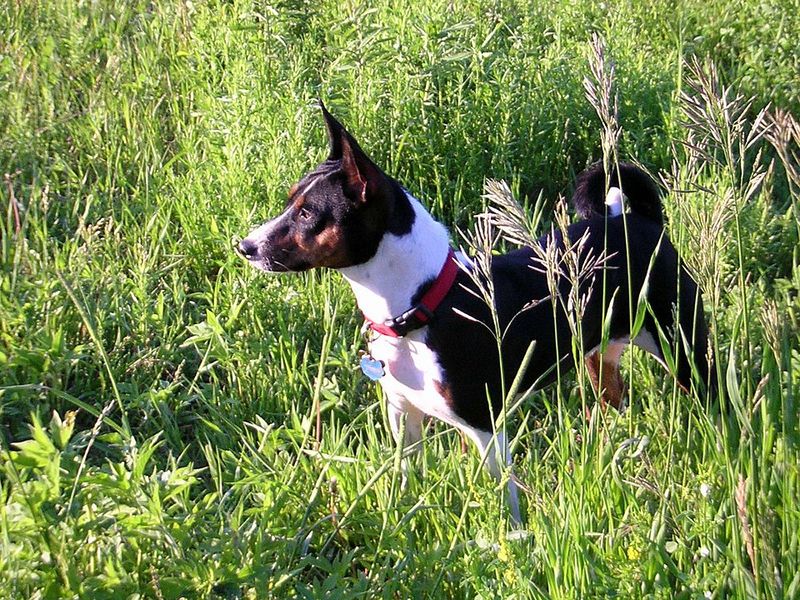
Basenjis are alert, quick thinkers that notice tiny environmental shifts. If your signals are muddy, these dogs may fill the gap with self assigned decisions.
Clarify expectations by reinforcing stationing on a mat, practicing start button behaviors, and using clear end cues for play and handling. Less noise and more structure will keep arousal in a healthy lane.
Leash skills matter because quick chases can trigger conflict when space is tight. Reward check ins, pattern games, and nose work to channel energy.
If tension rises, turn together, increase distance, and cue a known behavior so the Basenji can predict what earns safety, clarity, and good stuff. Tiny, frequent sessions beat marathon drills and keep communication crisp.
Afghan Hound
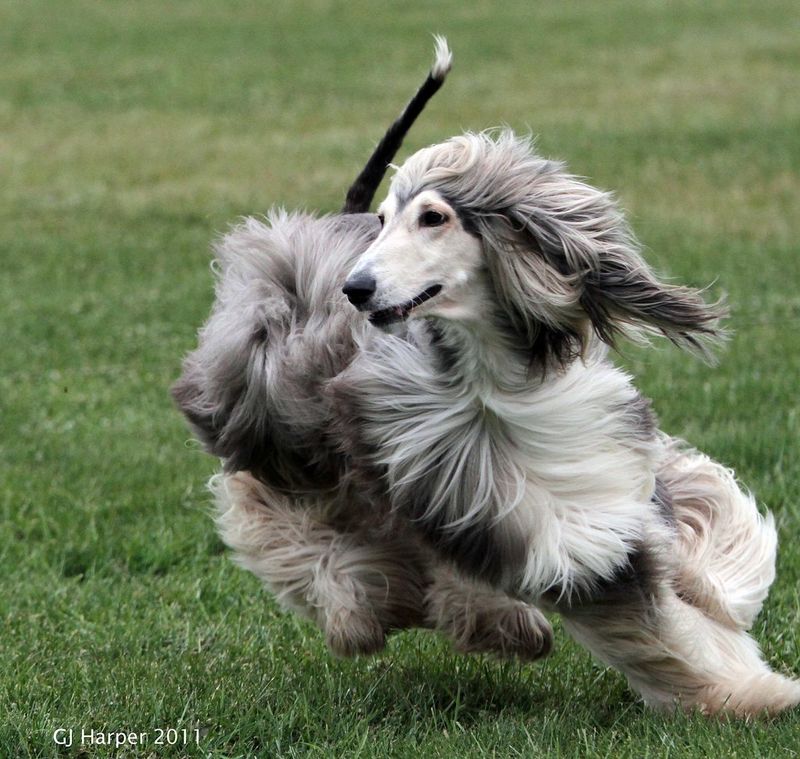
Afghan Hounds are sensitive sighthounds that read posture and motion far better than chatter. If you loom or grab, they can panic or snap defensively.
Shift to cooperative handling by teaching chin targets, harness slips on cue, and a release word that always predicts space and payment. Keep greetings brief and sideways, never straight on.
Use long lines in open areas to satisfy movement needs without chaos. Reinforce stillness before attaching gear, and reward following body language like a dance.
When stress spikes, breathe, soften the eyes, turn away slightly, and invite the dog to reengage so the hound feels seen and safe. Short, predictable sessions build trust faster than force, and they prevent confusing confrontations.
Belgian Malinois
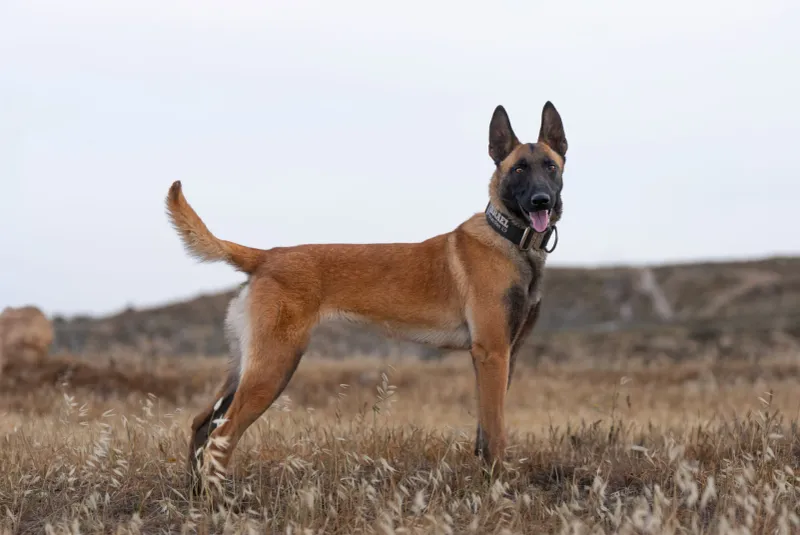
Belgian Malinois are high drive workers that thrive on precise instruction and purposeful outlets. If communication gets sloppy, that intensity can redirect quickly.
Protect everyone by installing impulse skills like out, place, and leave it, and by rehearsing clear start and stop markers for tug and bite games. Structured decompression walks help the brain settle between efforts.
Use equipment fit checks, double clips, and body position to prevent lunges. Reward neutrality to strangers and dogs as much as flashy obedience.
If arousal spikes, pivot to pattern games, reduce criteria, and pay for breathing, so the Malinois learns that clarity and control of reinforcement turn the dial down. Clarity plus outlets keeps power pointed at the right jobs.
Cane Corso
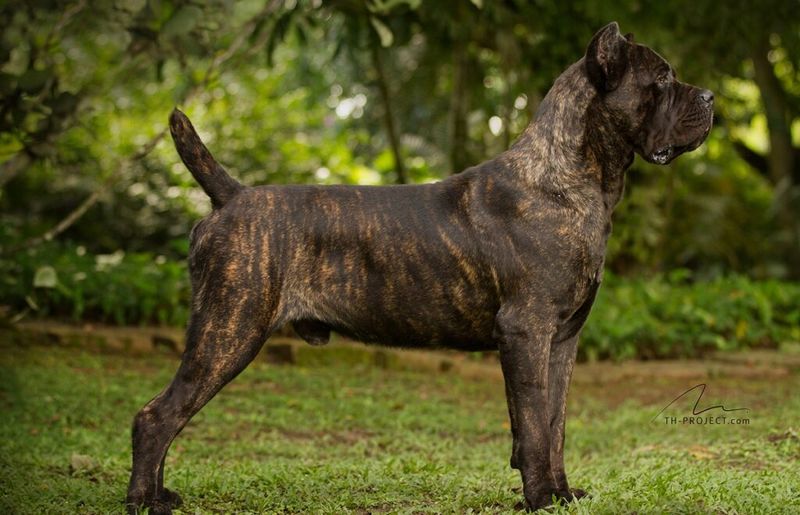
Cane Corsos are imposing guardians that scan constantly for meaning. If you hesitate or send mixed messages, they may decide to handle the situation themselves.
Give them a plan by teaching default sit to greet, go to place for door traffic, and a rock solid out from high value items. Consistent, fair leadership prevents uncertainty from hardening into pushy behavior.
Use strong management while training, like gates, tethers, and muzzles when appropriate. Reinforce neutrality and stationing before asking for closer engagement.
If tension builds, remove the audience, widen space, and give a simple cue you can jackpot, showing the Corso that calm choices are the clearest path forward. Predictability lowers pressure and reduces defensive reactions.
Presa Canario
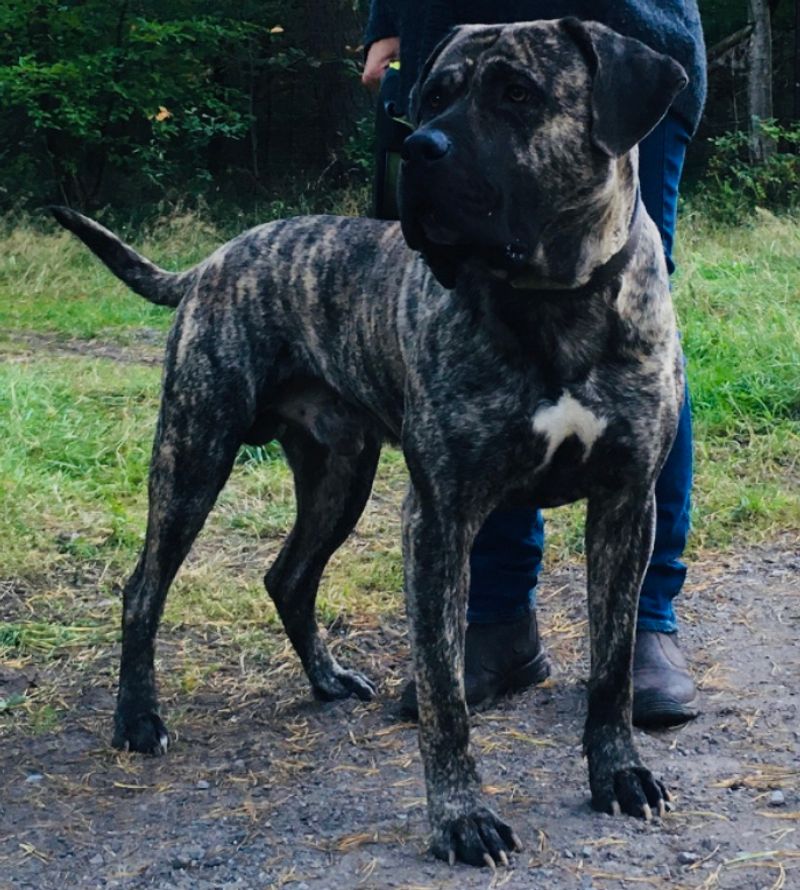
Presa Canarios are serious, powerful dogs bred for decisiveness. Ambiguous handling can feel like a test they must solve with muscle.
Build fluency with clear markers, leash pressure releases, and rehearsed greetings that keep people at an angle while you reward stillness and soft eyes. Practice calm exits as often as entrances.
Start with distance from triggers and close the gap only when body language stays loose. Pair structured work with decompression, sniffing, and conditioned relaxation.
If the dog hardens, pivot, breathe, and cue a known behavior, then pay generously, showing the Presa that clear, gentle guidance beats pressure every time. Small, frequent reps build trust faster than big confrontations.
Your timing and neutrality matter most.
Dogo Argentino
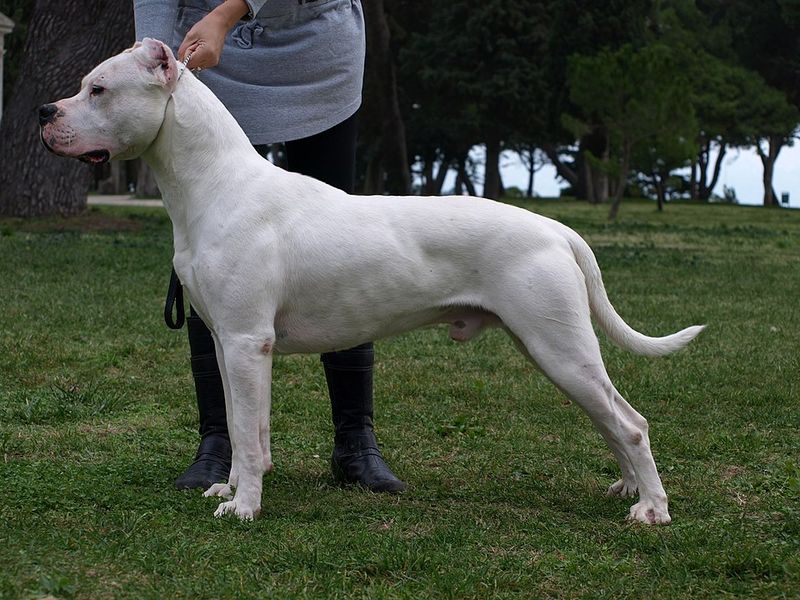
Dogo Argentinos are athletic hunters with strong prey drive and bold confidence. Without explicit direction, they may surge into conflicts they think need solving.
Teach reliable recalls, emergency downs, and out cues, and rehearse neutrality drills so the dog learns that clarity brings access to meaningful work. Manage arousal like a valve, not a switch.
Use long lines and secure equipment, reinforcing check ins and head turns around distractions. Build stillness before gear on and off to prevent rude grabs.
If intensity spikes, step away, cue a simple behavior, and pay generously, showing the Dogo that understanding the picture is safer than guessing fast. Short, rewarding reps beat pressure and keep communication clear for both of you.
Fila Brasileiro
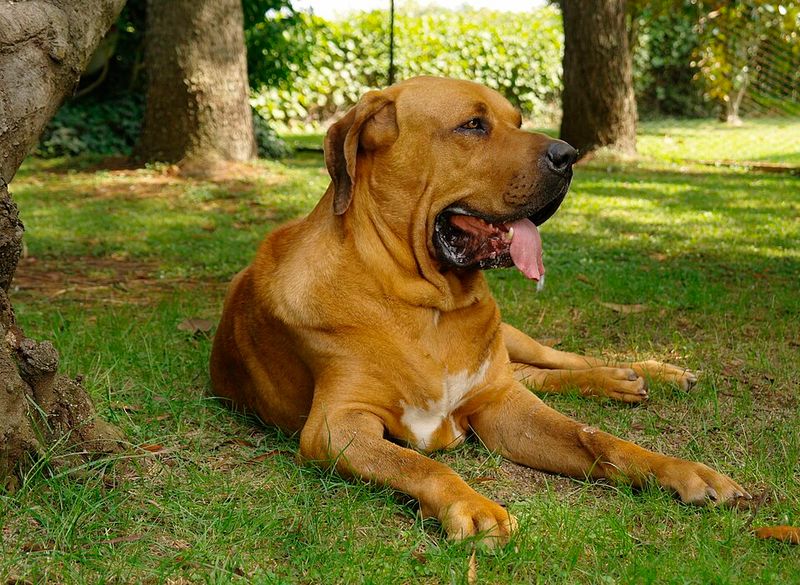
Fila Brasileiros are intensely loyal and naturally suspicious of strangers. They require crystal clear management and training plans to navigate modern life.
Start by installing rock solid place, muzzle conditioning, and cooperative care so you can communicate rules without conflict and protect everyone during necessary handling. This breed needs structure and distance choices more than casual petting.
Avoid crowded spaces, coach guests carefully, and keep sessions short. Reinforce calm observation from safe spots and release before arousal rises.
If pressure appears, create space, reset the picture, and pay for orienting back to you, teaching the Fila that clarity and choice deliver security and peace. Predictable routines and respectful handling prevent misunderstandings from ever gaining momentum.
Alaskan Malamute
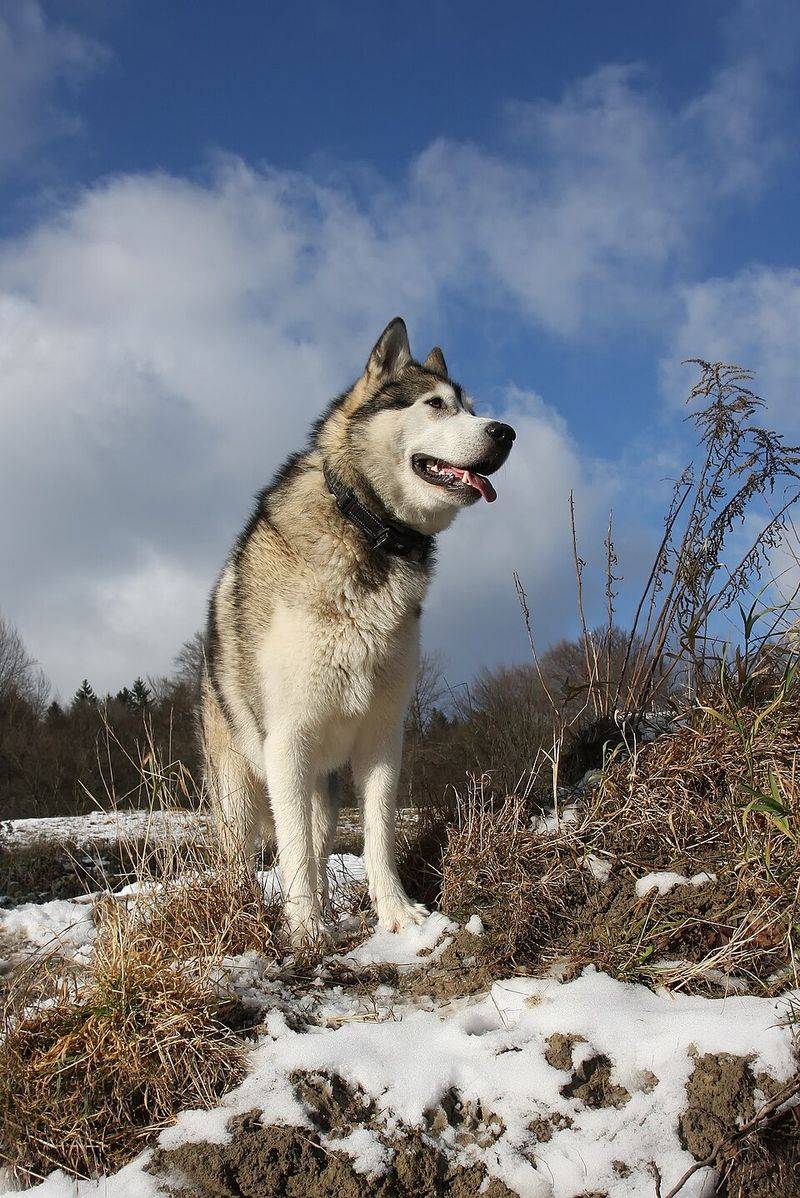
Alaskan Malamutes are social, powerful sled dogs that communicate with movement and posture. Mixed signals during play or resource moments can spark clashes.
Build clear routines for greetings, implement drop cues, and practice hand feeding so the dog learns that polite behavior makes good things happen reliably. Use calm voices and avoid rough grabs around collars.
Harness energy with sledding outlets or structured pulls, then follow with decompression. Reinforce check ins during dog encounters and give space generously.
If tension grows, step to the side, ask for a simple cue, then reward heavily, teaching the Malamute that clarity, not force, unlocks what they want. Clear signals turn big power into friendly teamwork.
Practice neutrality daily.
Siberian Husky
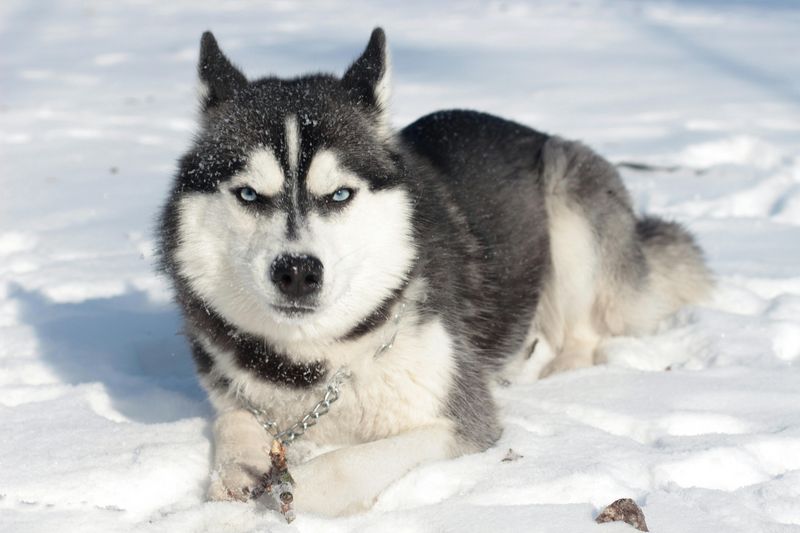
Siberian Huskies are enthusiastic, vocal, and easily overstimulated by motion. When cues are late or inconsistent, arousal can explode into rude or defensive reactions.
Create reliability with pattern games, start and stop words for play, and stationing so the dog understands exactly when to go and when to chill. Use clear body language and quiet timing.
Provide heavy exercise and sniffing, then practice calm leashes in busy places. Reinforce eye contact and head turns away from triggers.
If excitement spikes, pivot out, cue a known behavior, and pay generously, teaching the Husky that listening closely unlocks access to movement, people, and adventures. Clarity turns volume down.
Short breaks between reps keep the thinking brain online.
Australian Cattle Dog
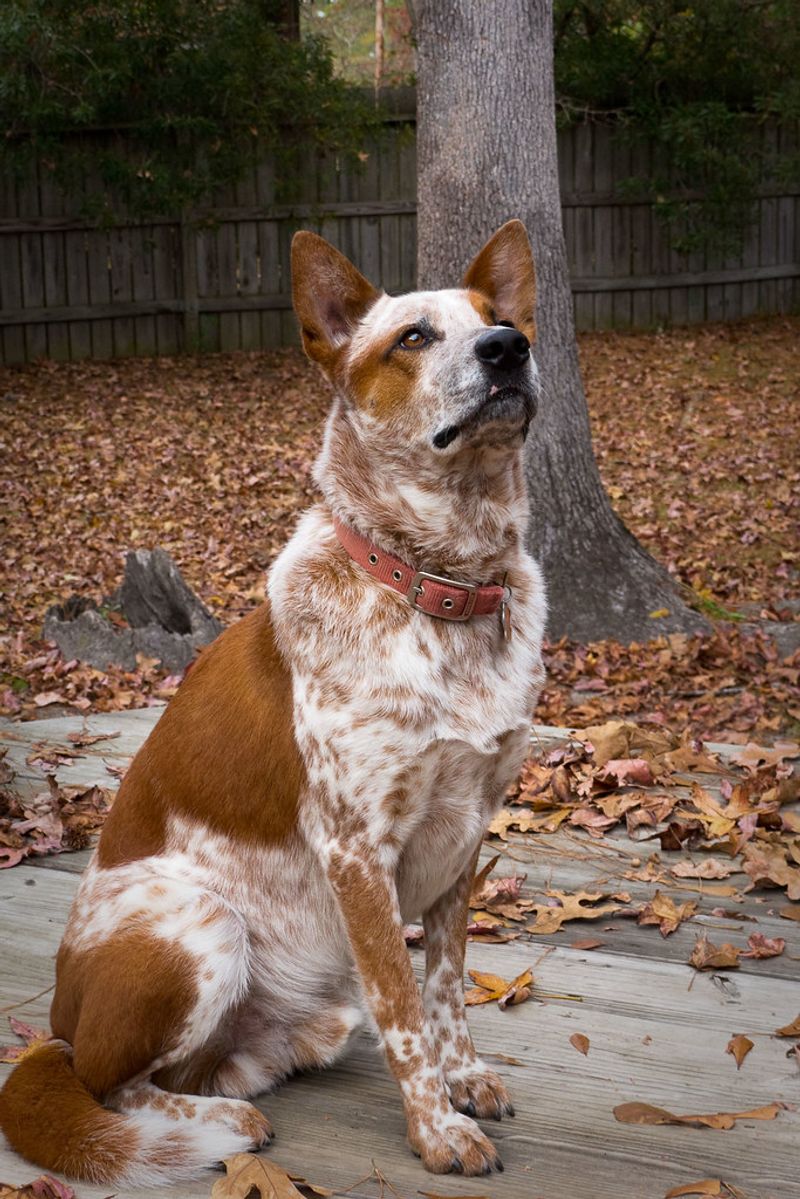
Australian Cattle Dogs are intense problem solvers with strong heel nipping heritage. Vague instructions can look like a job opening to control movement.
Give purpose with tug on cue, herding style games, and precise markers, while teaching off switch behaviors that guide the dog from work to rest. Clear boundaries beat constant corrections.
Use enrichment and scent work between high arousal tasks. Reinforce calm stands for handling, and teach a default down at your feet.
If pushiness appears, reset the picture, reduce criteria, pay for quiet choices, and you will see a dog that channels grit into cooperation instead of conflict. Predictable games make clarity feel fun.
Small wins stack into real reliability. Keep sessions short.
Shar Pei
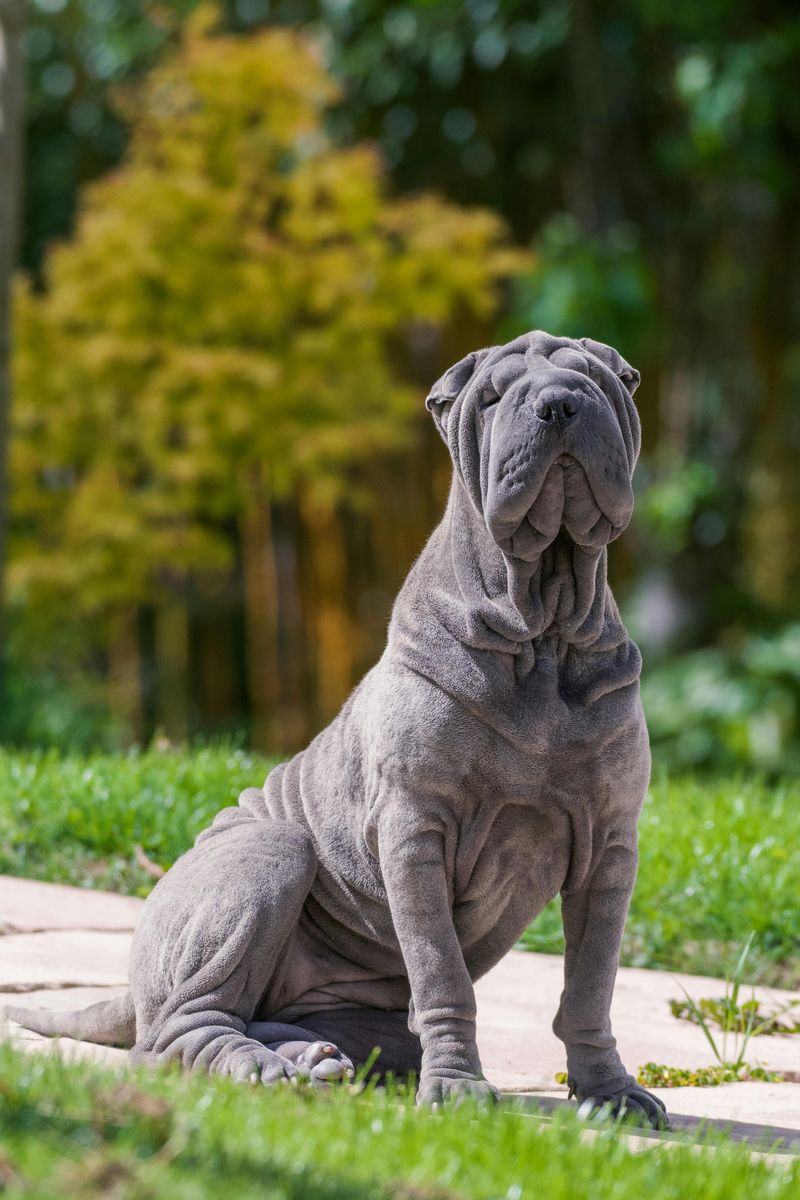
Shar Pei can be stoic and wary, so unclear approaches can feel threatening. Tight hugs or face to face greetings may trigger discomfort.
Teach consent based handling, slow touch, and predictable gear routines so the dog understands what is coming and how to say yes or not now. Honor personal space and read subtle shifts carefully.
Use food trails to invite movement instead of pulling. Reinforce soft eyes, relaxed mouths, and loose bodies during encounters.
If stiffness appears, pause, arc away, breathe, then cue a simple behavior and pay, showing the Shar Pei that clarity and patience turn pressure into predictable, safe interactions. Short, cheerful sessions prevent overwhelm.
Plan breaks and keep expectations gentle. Slow is smooth.