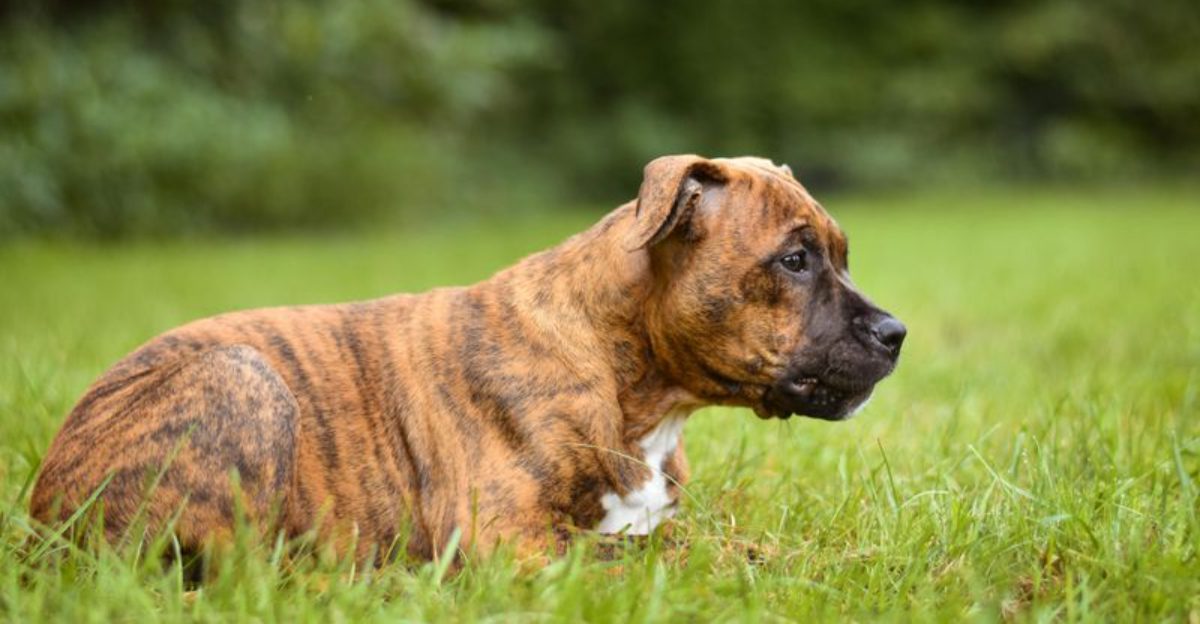
If you have ever wished your dog would stay calm and focused while you practice new cues, you are in the right place. Some breeds naturally bring a cool head, steady nerves, and a love for learning to every session.
With the right approach, these dogs happily settle into longer practice without losing interest. Let’s explore the patient pros who make training feel smooth, rewarding, and fun for both of you.
Labrador Retriever
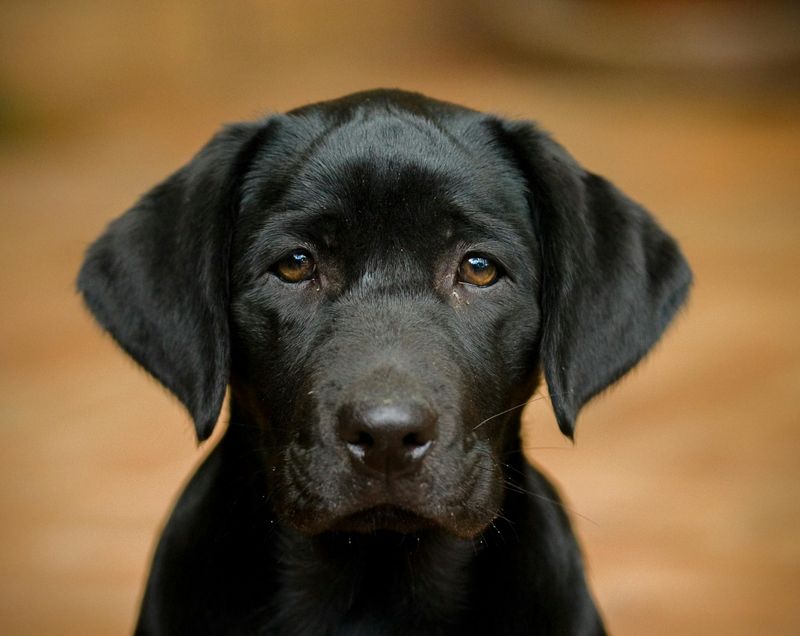
Labradors are famous for their easygoing patience and eager cooperation, which makes long sessions feel smooth. You will notice their soft eye contact and willingness to wait between reps, especially with positive reinforcement.
Keep treats small and frequent, and you will see steady focus without frustration.
Because Labs love people, they thrive on clear structure and calm, upbeat cues. Break complex behaviors into bite-sized steps and celebrate small wins, and they will lean into the process.
Add short play breaks, like a quick fetch, to reset enthusiasm while keeping arousal controlled.
Consistency matters with this breed’s upbeat energy. Rotate skills to prevent boredom and end on a simple success.
With patience mirrored back to them, Labradors deliver reliable progress over time.
Golden Retriever
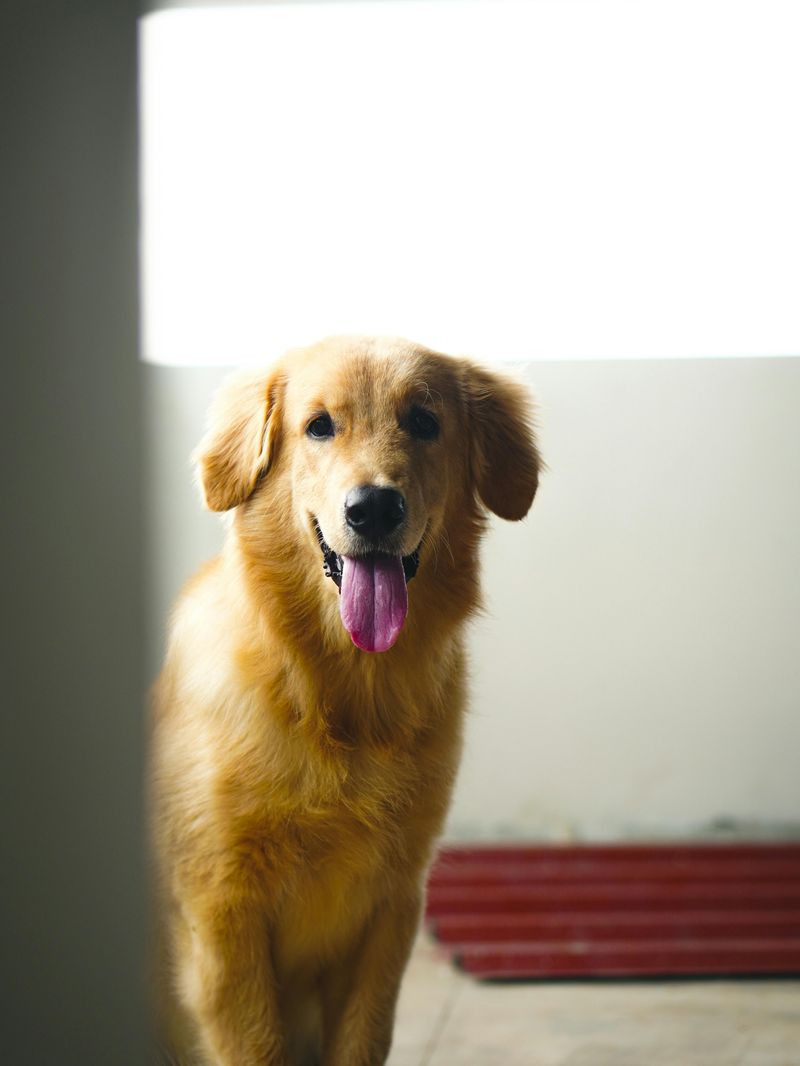
Golden Retrievers blend a gentle temperament with sincere eagerness to please, perfect for extended training. Their patient nature shines when cues are delivered warmly and consistently.
Use calm praise and light-touch luring, and you will see a soft tail wag that never distracts from the task.
They respond beautifully to marker training and variable rewards. Sprinkle in life rewards, like greeting a friend after a solid stay, to reinforce impulse control.
Keep the tone friendly and you will notice their attention deepen rather than fade.
Goldens are sensitive, so avoid harsh corrections that disrupt trust. Structure sessions with clear beginnings and endings, plus restorative sniff breaks.
Over time, their steadiness becomes a dependable anchor for complex behaviors.
Standard Poodle
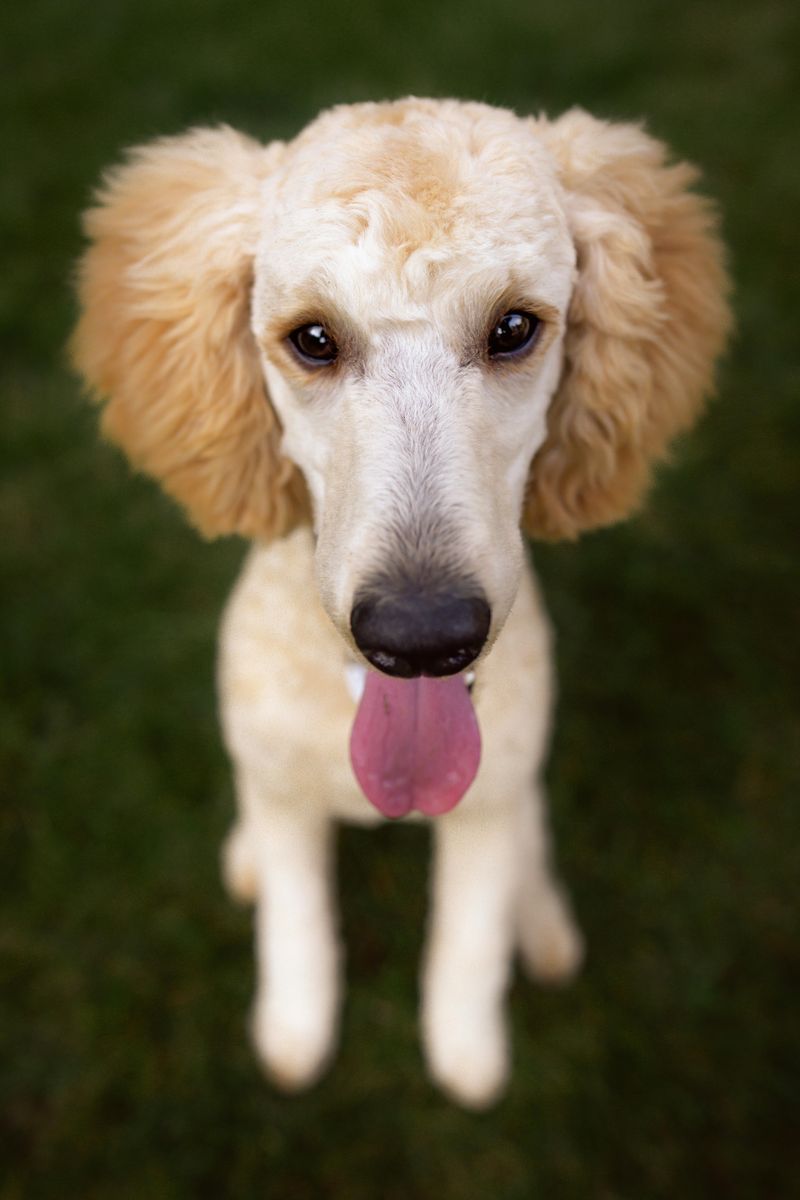
Standard Poodles pair sharp intelligence with remarkable composure, making them natural study buddies. You can stretch sessions longer by varying criteria and reinforcing thoughtfully.
Their curiosity invites problem-solving, so shaping games keep minds engaged without raising stress.
Because Poodles read micro-cues, keep body language calm and consistent. Rotate between precision tasks and pattern games to prevent mental fatigue.
A quiet pause paired with a soft praise word often restores focus beautifully.
They appreciate predictable routines and fair feedback. Mix food rewards with play or permission to explore, and they will linger willingly in training mode.
With clear objectives and gentle pacing, Standard Poodles sustain attention and polish details gracefully.
German Shepherd Dog
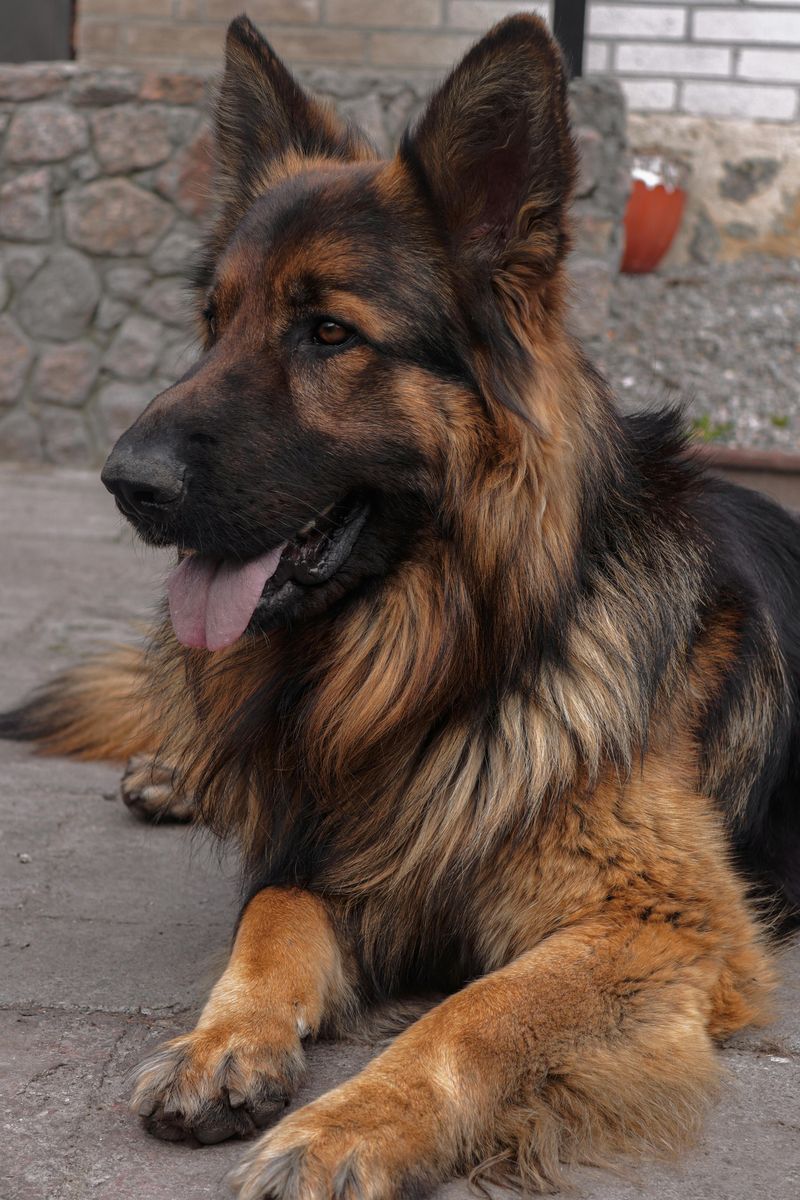
German Shepherd Dogs bring strong work ethic and impressive patience when engagement is built thoughtfully. Start with a warm-up routine that channels energy into focus, like engagement games and hand targets.
Clear markers and fair criteria help them settle into sustained effort.
Use short chains of behaviors followed by meaningful rewards to keep momentum. Balance precision heeling with decompression walks to lower arousal between drills.
You will notice steady eyes and calm breathing develop across reps.
Because they are handler oriented, your timing matters. Keep feedback predictable and avoid nagging corrections that blur communication.
With trust and structure, German Shepherds stay composed during long sessions and progress confidently through advanced skills.
Doberman Pinscher
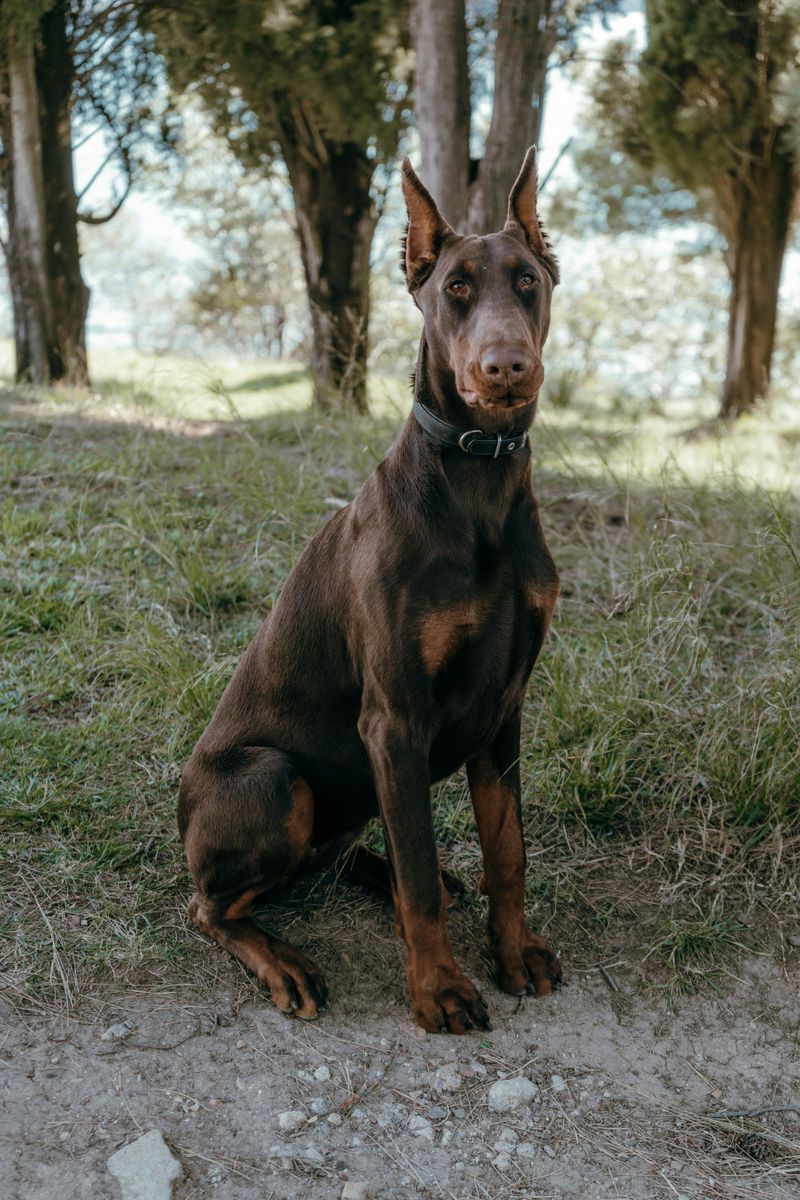
Dobermans are intensely bonded companions who can show surprising patience when training feels purposeful. Begin with clear engagement, then flow into short precision blocks.
Reward generously for impulse control, like remaining steady while distractions pass.
Their athleticism benefits from alternating mental tasks and brief movement breaks. A quick tug reward followed by a calm settle keeps arousal balanced.
You will find that consistency in criteria prevents frustration and supports longer focus windows.
Maintain a confident, low-drama tone. Mark small improvements in duration and difficulty, not just perfect reps.
Over time, Dobermans learn that waiting pays incredibly well, which unlocks impressive steadiness across extended sessions.
Shetland Sheepdog
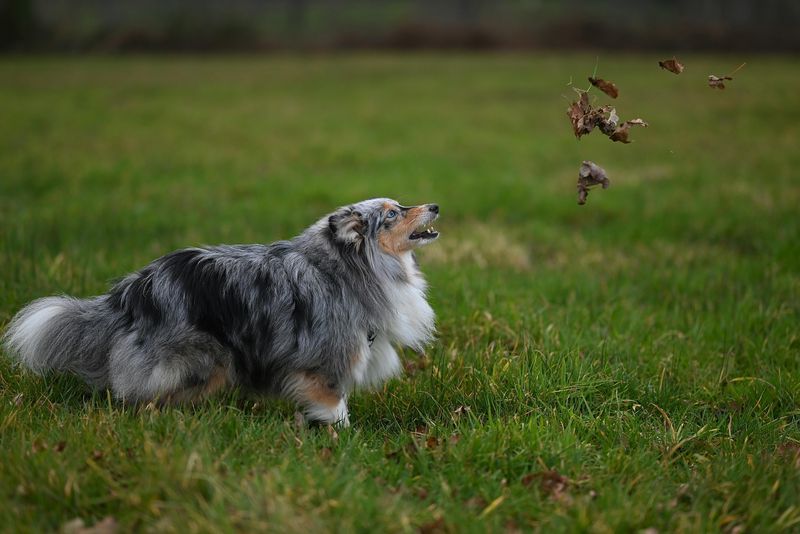
Shetland Sheepdogs mix sensitivity with a strong desire to cooperate, which suits patient practice. Use gentle markers and tiny criteria steps to maintain confidence.
You will see them bloom when reinforced for staying engaged through mild distractions.
Shelties can be sound sensitive, so keep environments predictable at first. Build duration on stays and positions with quiet praise and micro-rewards.
Short sniff breaks help reset focus without losing momentum.
Vary positions and footwork patterns to keep their clever minds satisfied. Because they track your emotions closely, keep your demeanor steady and encouraging.
With empathetic coaching, Shelties settle into long sessions gracefully, stacking reliable behaviors while staying cheerful and attentive.
English Springer Spaniel
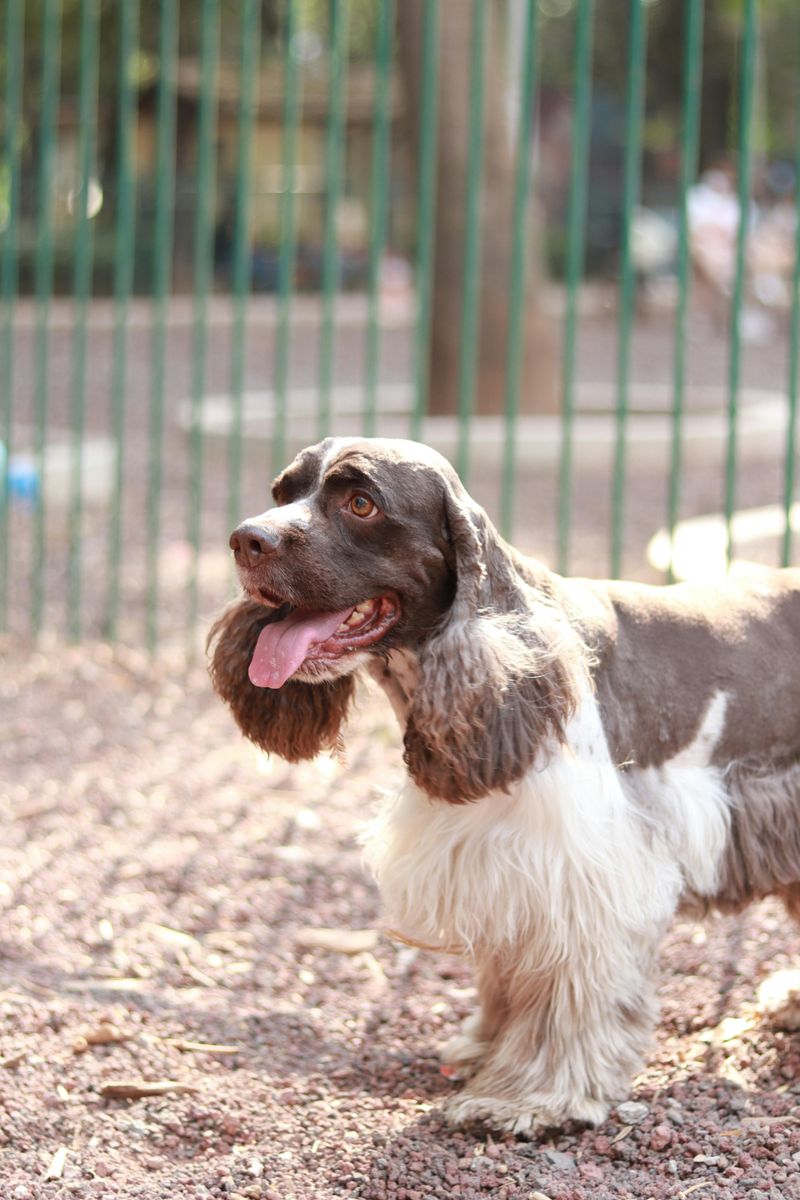
English Springer Spaniels bring a biddable spirit that, when guided, turns into lasting patience. Start with scent and pattern games that harness their field instincts without overexciting them.
Reinforce calmly for holding positions while birds, noises, or people pass.
They thrive on clear structure and upbeat encouragement. Alternate brief retrieves with steady sits to balance motion and stillness.
You will notice their eyes stay soft when rewards are predictable and pressure stays low.
Use a mix of food, play, and real-life field access as reinforcement. Keep criteria fair and increment slowly to protect confidence.
Over time, Springers develop a relaxed, dependable rhythm that carries long training sessions effortlessly.
Papillon
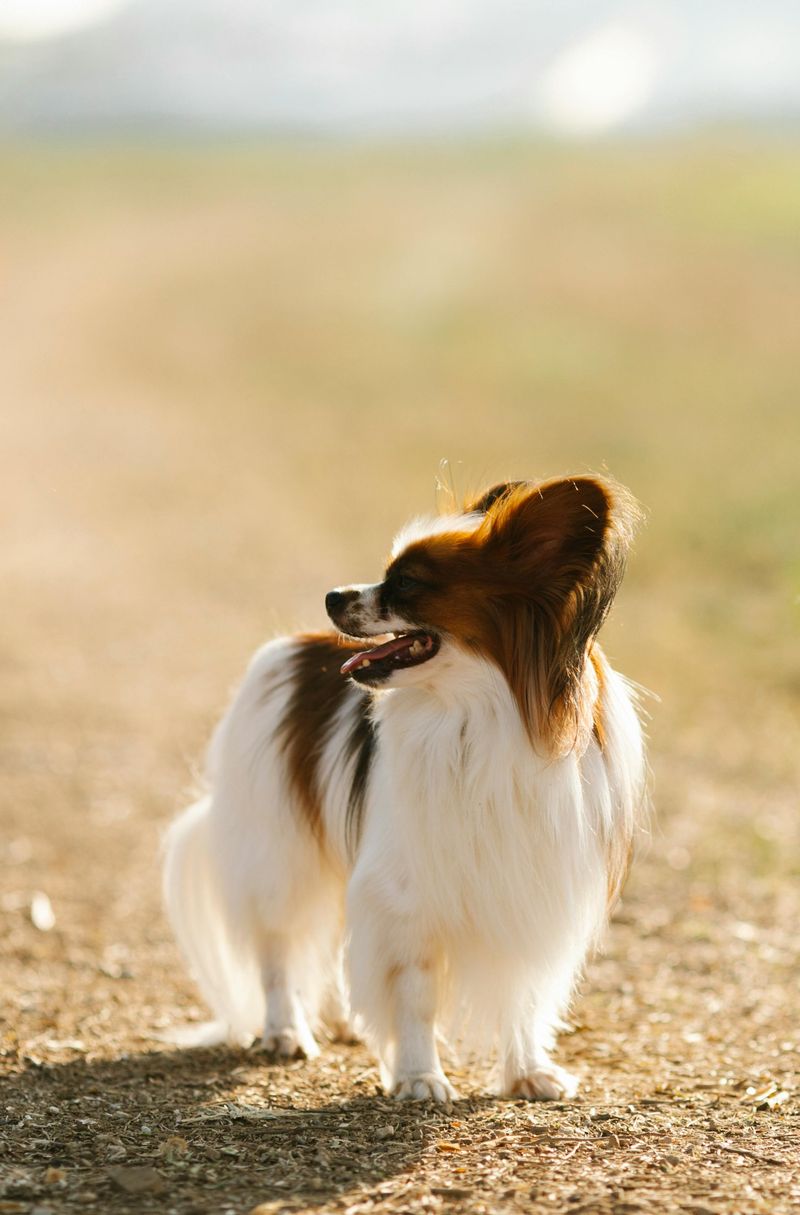
Papillons are tiny powerhouses with big patience when training is playful and precise. Use very small treats and frequent marks to keep engagement high without overfeeding.
You will see sparkling focus as they learn to wait calmly for the next cue.
Because they are agile and quick, alternate micro-movement tricks with stationary holds. Short, frequent breaks prevent mental fatigue in longer sessions.
Keep your voice light and cues crisp to avoid confusion.
They excel at shaping and target work that rewards thoughtful stillness. Build duration slowly and celebrate tiny wins.
With a supportive tone and smart pacing, Papillons stay eager and steady far longer than their size suggests.
Border Collie
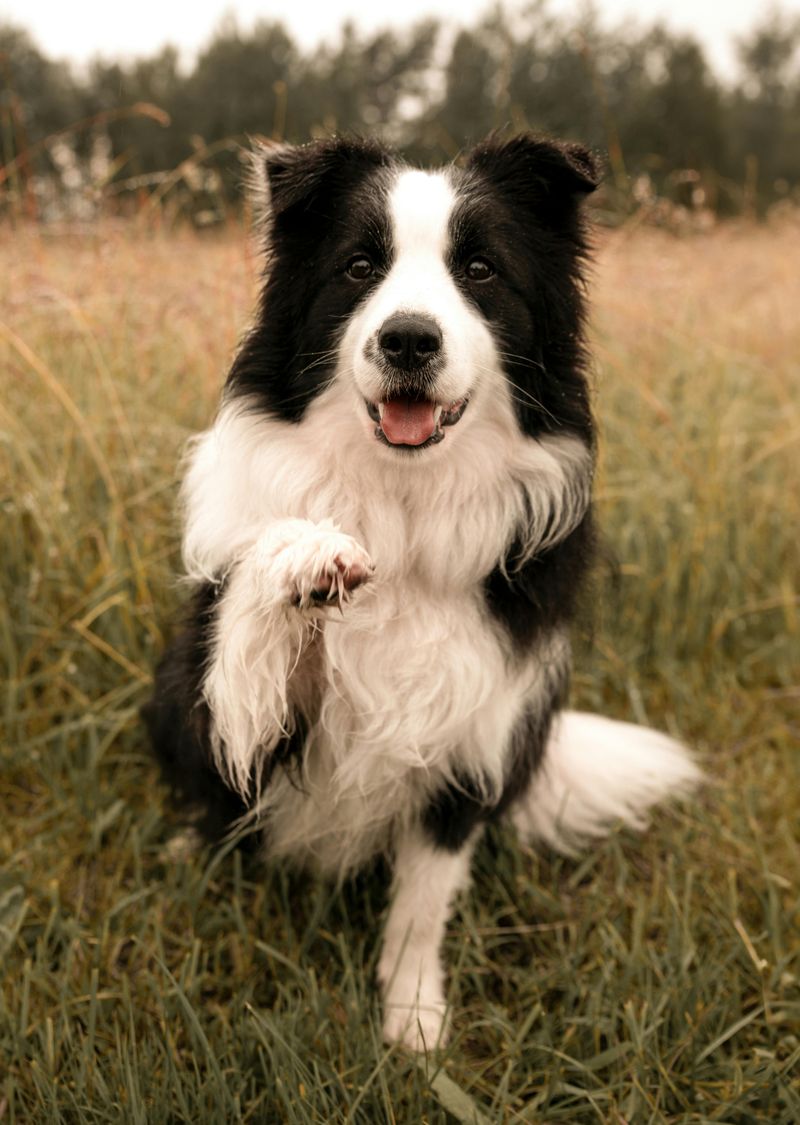
Border Collies channel intensity into remarkable patience when given clear jobs. Begin sessions with engagement games, then settle into duration holds and precision work.
Reward for thoughtful stillness, not just speed, to balance their drive.
Rotate tasks to satisfy their analytical nature. Add impulse control challenges, like waiting before a release to herd a toy.
You will feel their focus deepen when criteria are consistent and feedback is timely.
Incorporate decompression walks and sniffing to regulate arousal. Keep instructions simple and avoid over-cueing.
With structure that honors their work ethic, Border Collies sustain long sessions gracefully and deliver meticulous, repeatable performance.
Australian Shepherd
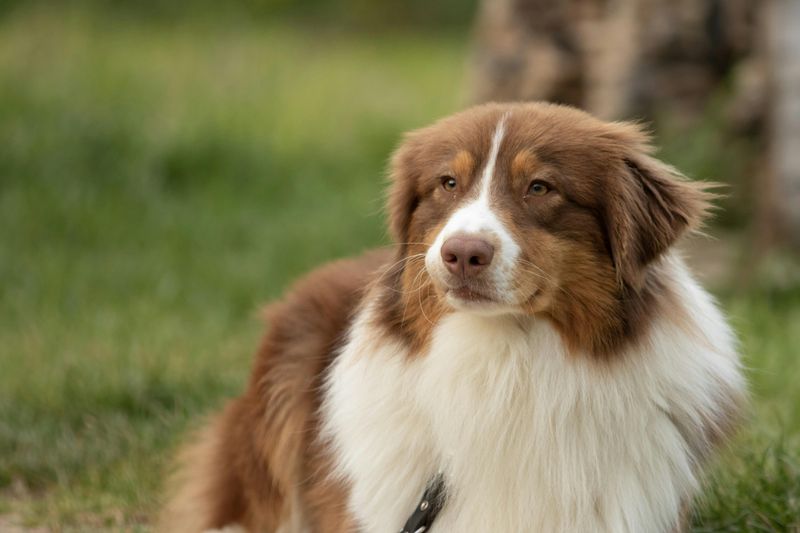
Australian Shepherds are thinkers with stamina, and patience grows when you guide their energy. Start with pattern games to establish rhythm, then layer in duration tasks.
Reinforce generously for calm choices, like holding position while joggers pass.
They benefit from movement breaks that do not spike arousal. Use gentle tug or a short heel pattern, then return to stillness cues.
You will notice steadier breathing and smoother transitions as consistency builds.
Make criteria transparent and advance in small increments. Mix rewards, including food, play, and permission to explore, to keep motivation balanced.
With fair structure and trust, Aussies lean into long sessions and deliver thoughtful, polished responses.
Belgian Tervuren
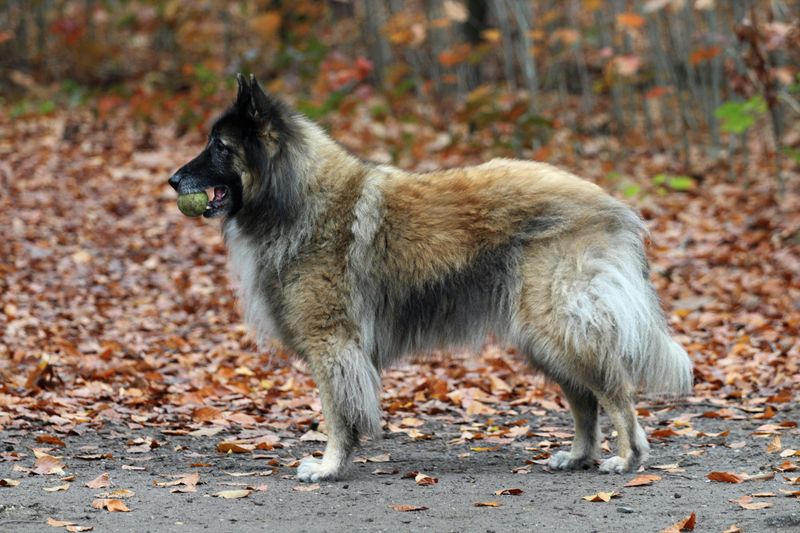
Belgian Tervurens are keen and sensitive, but they settle beautifully when expectations are clear. Begin with short focus drills that reward steady eye contact.
Shape quiet stillness and reinforce heavily for holding criteria under mild distractions.
Balance intense work, like heeling, with decompression to maintain patience. You will see elegant self-control when your timing is precise and your tone stays calm.
Keep sessions predictable, with structured warm-ups and cool-downs.
Use layered difficulty rather than big leaps to protect confidence. Rotate high-value rewards to keep motivation fresh without overstimulation.
Over time, Tervurens learn that measured waiting is part of the game, enabling long, composed training blocks.
Cocker Spaniel
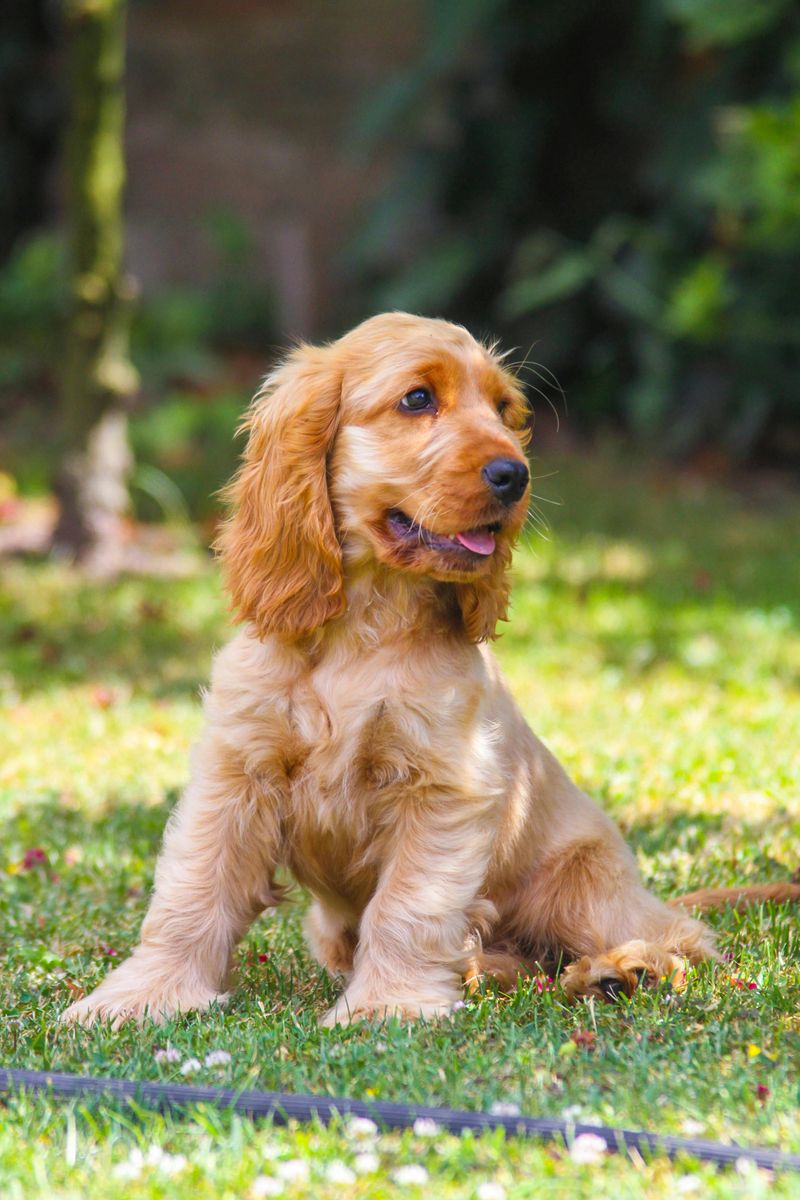
Cocker Spaniels thrive with gentle guidance and predictable structure, which nurtures patience. Start with mat training to create a restful anchor between reps.
Mark and reward for calm postures and quiet eye contact.
Because they can be sensitive, keep feedback soft and upbeat. Use tiny criteria steps and celebrate small durations.
You will find they offer steadier behavior when the environment is tidy and distractions introduced gradually.
Alternate simple scent games with stillness cues to balance curiosity and calm. Mix food with affectionate praise to keep spirits high.
With fair pacing and kind communication, Cockers maintain attention longer and build durable, relaxed training endurance.
Boxer
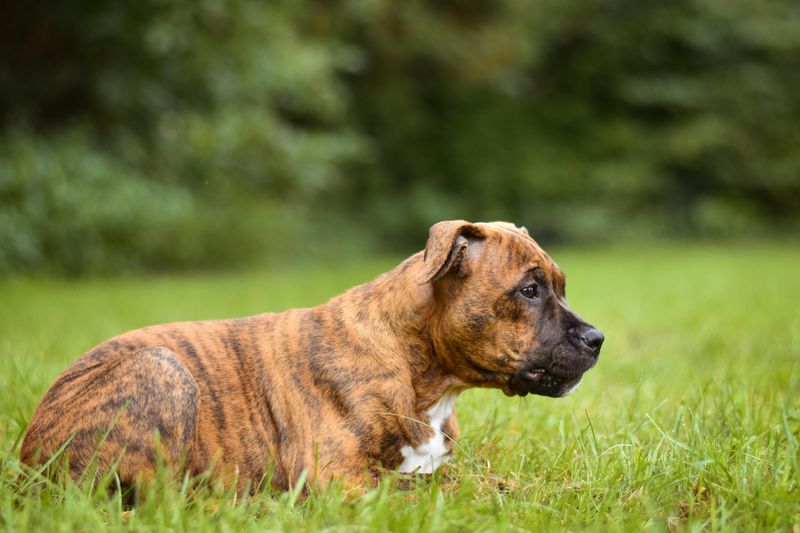
Boxers are playful athletes, yet they can surprise you with patience when arousal is managed. Start with brief focus bursts, then reinforce generously for stillness between activities.
Keep cues simple and your tone relaxed to prevent overexcitement.
Use movement rewards like short trots, then return to a sit or down. You will see better endurance when sessions alternate energy and calm.
Marker training with small treats sustains attention without overload.
Maintain clear criteria and end on achievable wins. Gradually extend duration holds and add mild distractions only when the dog remains loose and happy.
With steady structure, Boxers settle into longer sessions and deliver thoughtful, reliable responses.
Miniature Schnauzer
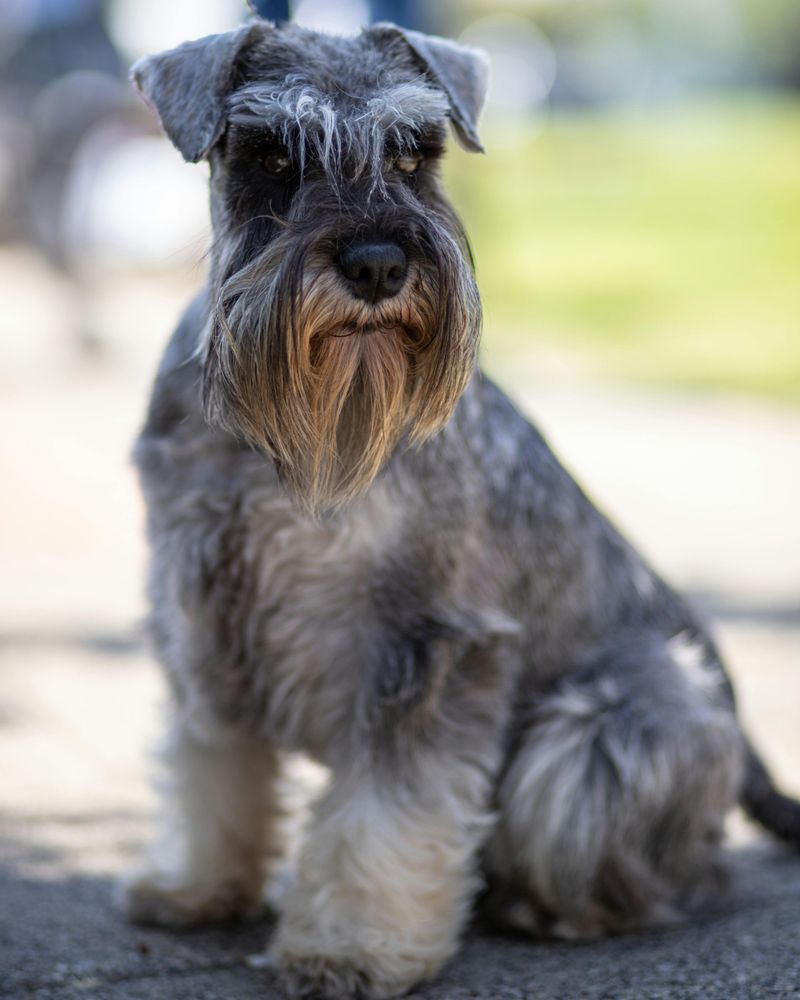
Miniature Schnauzers are sharp and spirited, yet they handle long training when expectations are precise. Establish a place board routine to anchor calm behavior.
Mark quietly for staying put as you move around, then pay generously.
They love puzzles, so shaping and targeting keep their minds engaged without blowing past patience. Short sniff breaks and a little play help reset focus.
You will notice steadier attention when criteria advance in tiny, predictable steps.
Keep your cues consistent and avoid repeating commands. Rotate rewards to maintain interest while preventing overstimulation.
With clear structure and upbeat communication, Miniature Schnauzers deliver composed, reliable work across extended sessions.