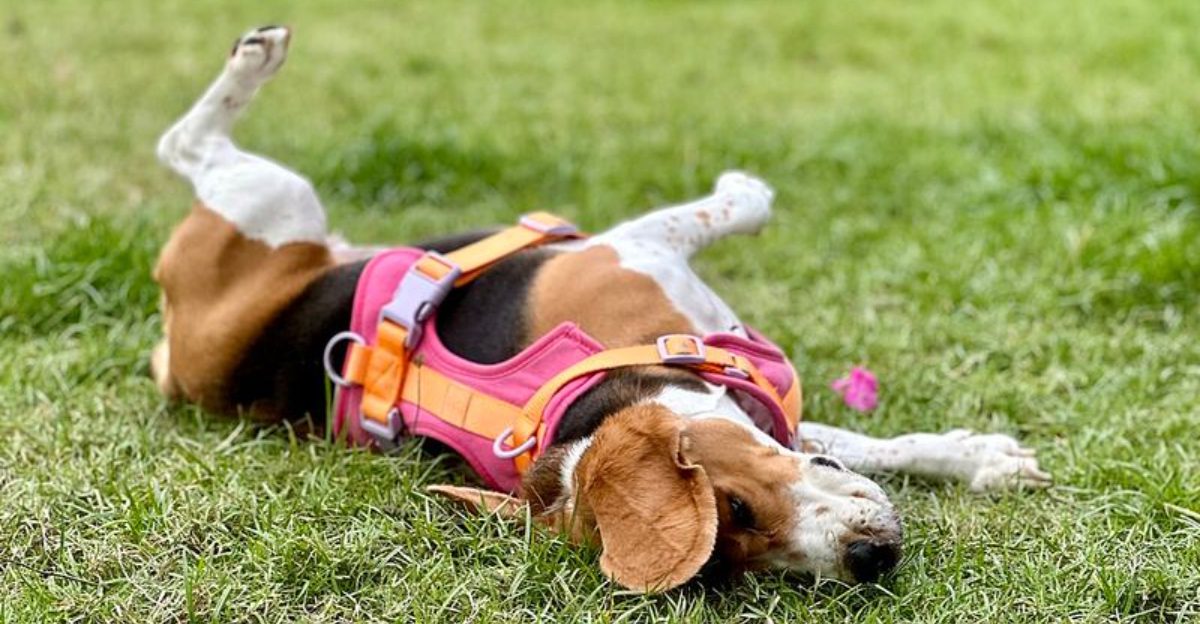
Walk past the kennels, and you will see so many good dogs waiting quietly for a second chance. Some carry unfair labels or big energy that looks overwhelming at first glance.
Yet with patience and the right match, these overlooked pups become unforgettable companions. If your heart is open, one of these faces could be your next best friend.
Pit Bull Terrier
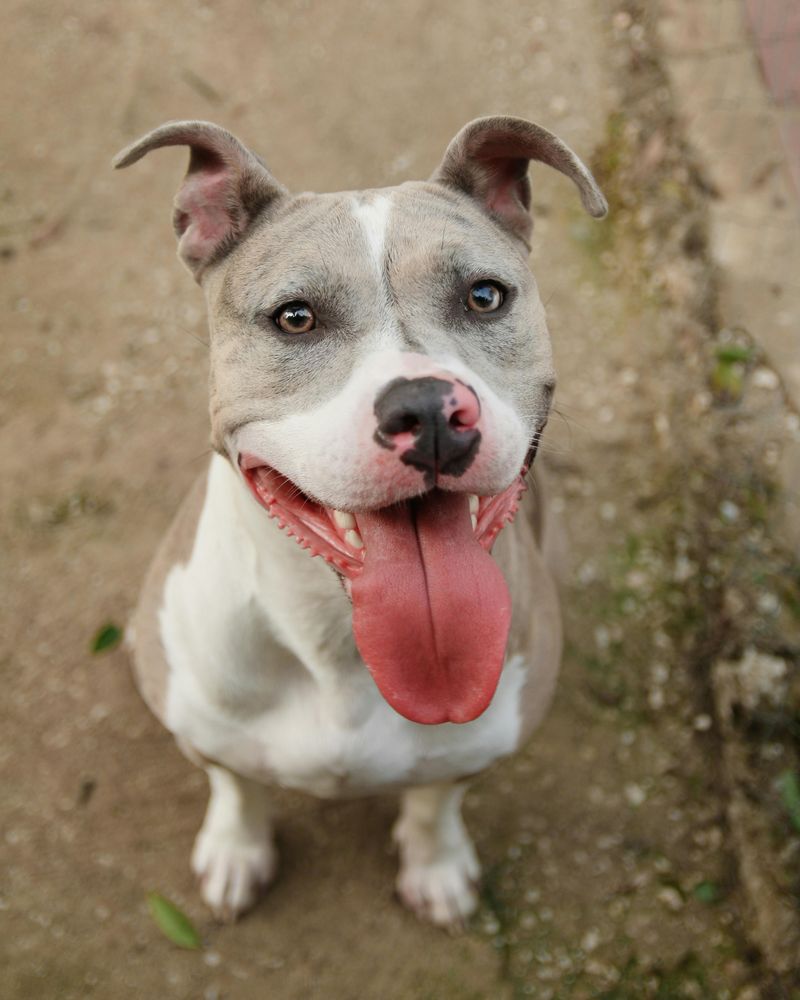
Pit Bull Terriers are affectionate, goofy companions who often face unfair stereotypes. In shelters, they wait longest because people fear headlines rather than real behavior.
Many are gentle couch cuddlers with resilient hearts and eager to please. Shelter life can amplify their energy, making them seem tougher than they are.
With structure, positive training, and daily exercise, they blossom into steady family dogs. You will get loyalty, laughter, and a dog who learns your routines quickly.
Ask the shelter for a playgroup video and meet them outside noisy kennels. Bring patience, sturdy toys, and an open mind, and a best friend follows.
Commit to kind boundaries, slow introductions with neighbors, and you will watch confidence bloom beautifully over time together.
American Staffordshire Terrier
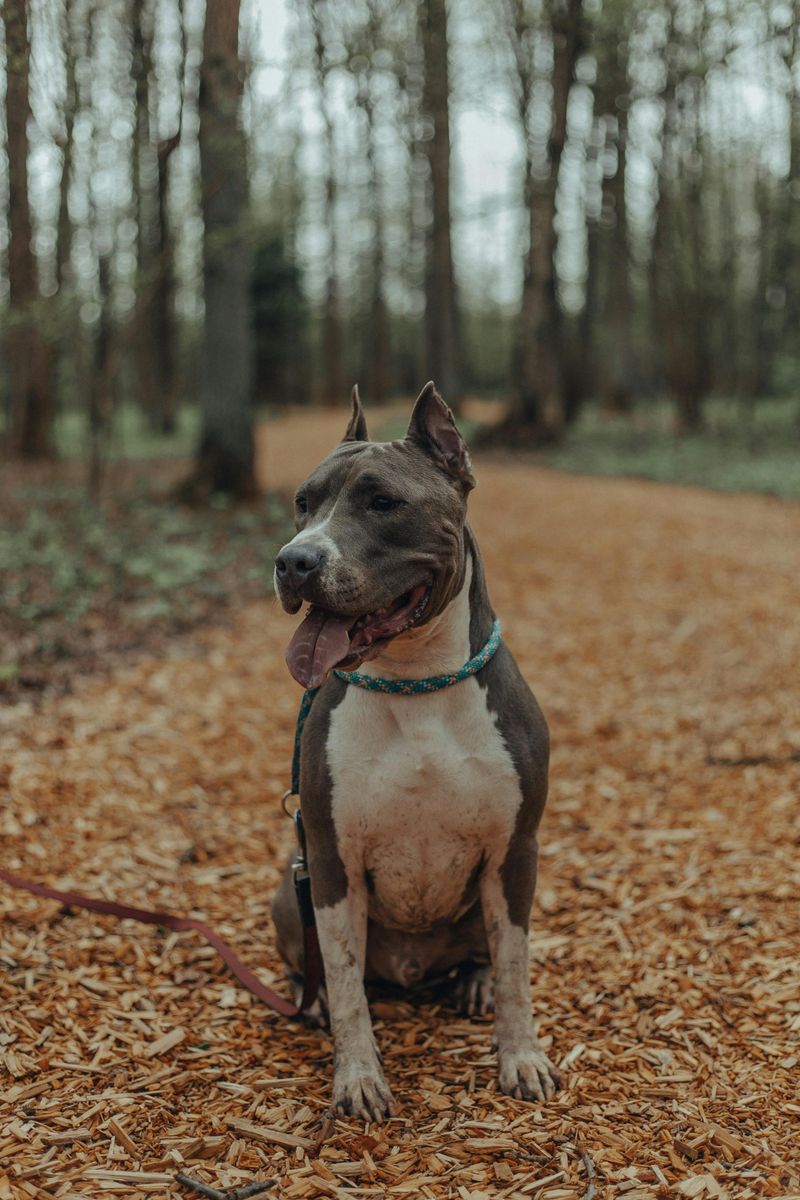
American Staffordshire Terriers share many Pit Bull traits, like loyalty and clownish charm. Unfortunately, they are frequently mislabeled and judged before anyone meets them.
In crowded shelters, stress can make them look too bouncy or loud. Underneath, there is often a snuggly, people focused dog craving routine.
Give them clear rules, enrichment puzzles, and daily walks, and watch calm appear. They thrive with consistent praise, fair boundaries, and time to decompress.
You will appreciate their eagerness to learn simple cues and household manners. Ask for a yard meet, a quiet walk, and trainer notes.
With measured introductions, sturdy leashes, and patience, you can build trust and discover a devoted, joyful companion for everyday adventures.
German Shepherd
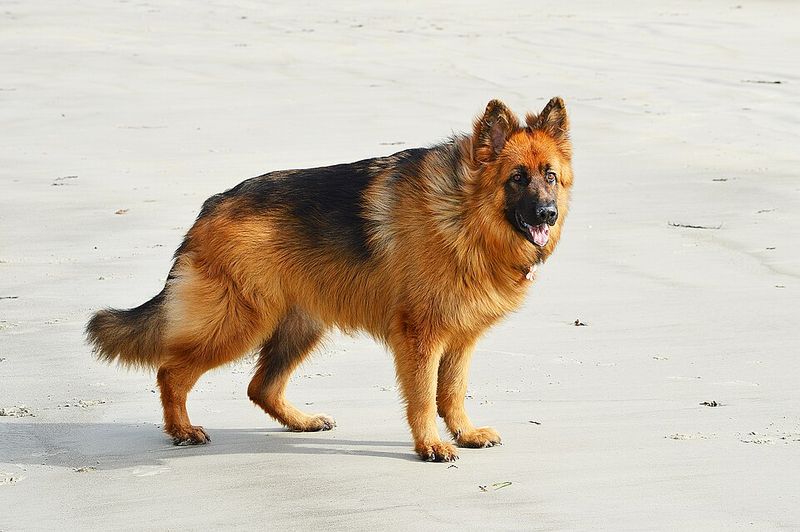
German Shepherds land in shelters when their big brains and energy overwhelm busy families. Without guidance, they can herd kids, guard doorways, and become vocal.
Stressy kennels amplify anxiety, which reads as reactivity to passersby. What they truly need is structure, mental work, and a confident handler.
Daily training games, scent work, and long walks unlock their brilliance. You will see focus bloom with fair leadership and predictable routines.
Ask for a decompression period and enrichment plan before adoption. A fitted harness, steady exercise schedule, and patient socialization make life smoother.
In return, expect a devoted partner who reads your mood, watches your back, and loves purposeful jobs around home.
Boxer
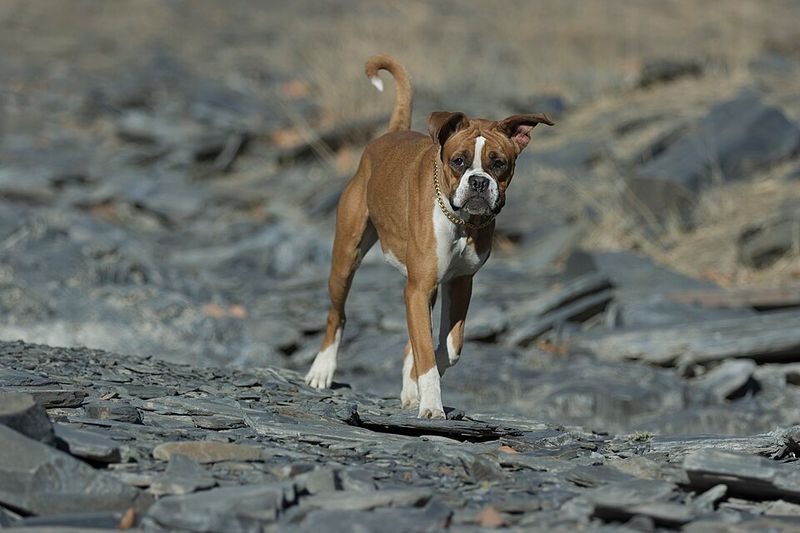
Boxers are eternal teenagers, bursting with wiggles, kisses, and comedic zoomies. That energy can look like chaos in a kennel row.
Some families underestimate their exercise needs and goofy strength. Add drool and occasional stubborn streaks, and they get overlooked by quieter breeds.
Give a Boxer structured play, puzzle feeders, and brisk walks, and balance returns. They are silly, affectionate shadows who want to join everything you do.
Positive training turns that clownish energy into delightful tricks and manners. Ask the shelter to show you yard play or playgroup notes.
With patience, durable toys, and clear boundaries, you will gain a loyal athlete who naps hard, loves harder, and keeps spirits bright.
Labrador Retriever
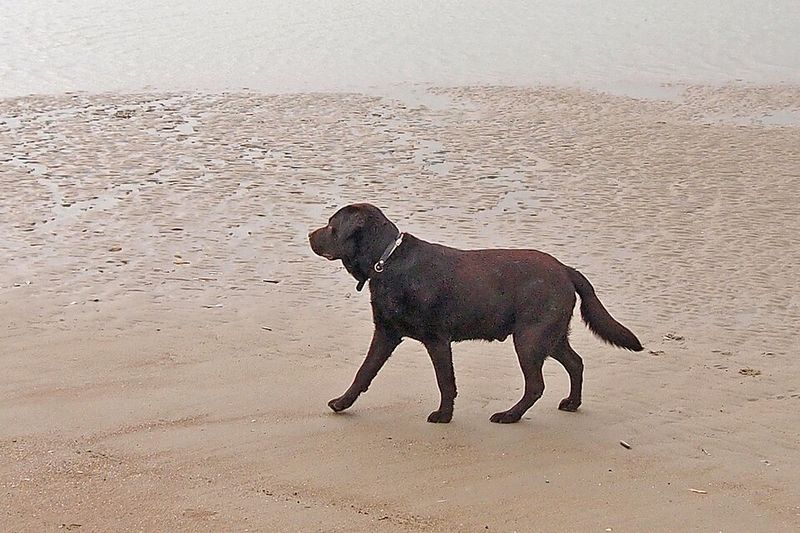
It surprises people to see Labradors in shelters, but it happens often. Young Labs can be mouthy, jumpy, and wildly energetic without outlets.
Boredom leads to counter surfing, chewing shoes, and backyard excavation. In a noisy kennel, their enthusiasm can read as unruly rather than eager.
Channel that gusto with fetch sessions, training games, and chew rotations. You will soon meet a reliable companion driven by food and praise.
Ask volunteers for a calm meet outside and a decompression plan. Use baby gates, stuffed Kongs, and short training bursts to build success.
With consistency and activity, your Lab will settle beautifully, becoming the easygoing, goofy best friend everyone imagines on weekend adventures.
Chihuahua
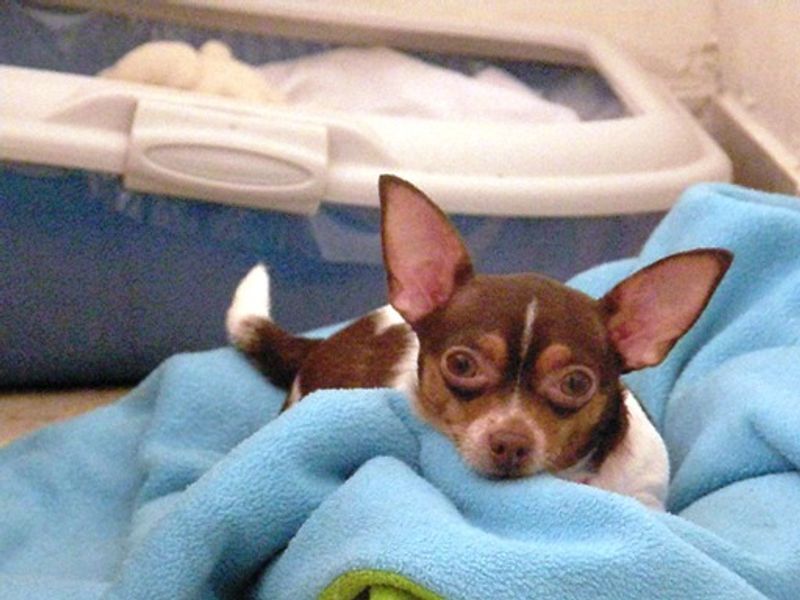
Chihuahuas are small, but their feelings are huge and easily misunderstood. In shelters, they can tremble, bark, and guard beds from strange hands.
Many simply need time, warmth, and respectful handling to feel safe. Loud rooms and fast approaches make them look spicy to adopters.
Slow blinking, treats, and quiet sits work magic on trust. Ask to meet in a calm office or outdoor bench.
You will see a devoted pocket companion who loves routines and cozy naps. Use harnesses instead of collars, and practice patient introductions with friends.
With kindness, secure handling, and predictable days, a timid Chihuahua blossoms into a brave, hilarious sidekick who follows you everywhere and warms every lap.
Dachshund
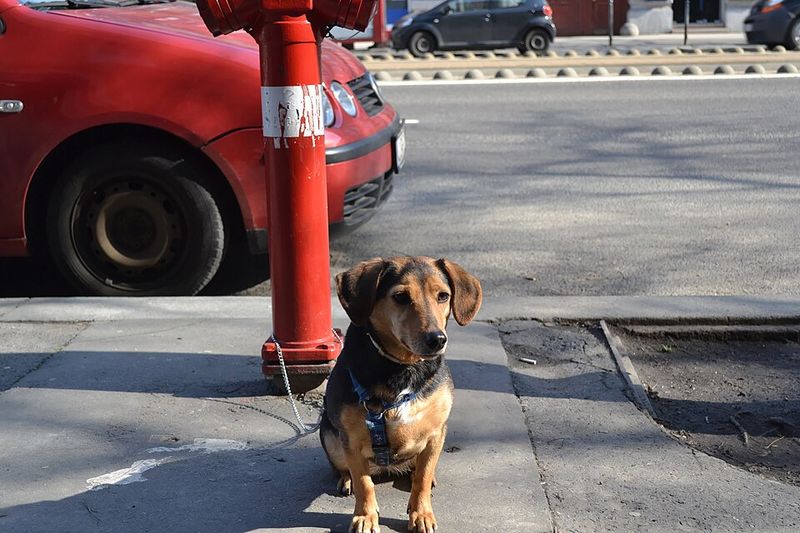
Dachshunds are determined hunters in tiny packages, which surprises first time adopters. Their noses and independence can make recalls unreliable without training.
Back sensitivity means stairs and jumping require management. In shelters, they may bark in protest and guard favorite beds or toys.
Gentle handling, ramp access, and patient leash work create success. You will appreciate their humor, loyalty, and brave spirits on short adventures.
Ask for a vet discussion about back care and ideal weight. Provide snuffle mats, puzzle toys, and cozy tunnels to satisfy instincts.
With consistent boundaries, secure yards, and careful lifting, a Dachshund becomes a cuddly comedian who patrols windows proudly, then burrows under blankets for movie night.
Beagle
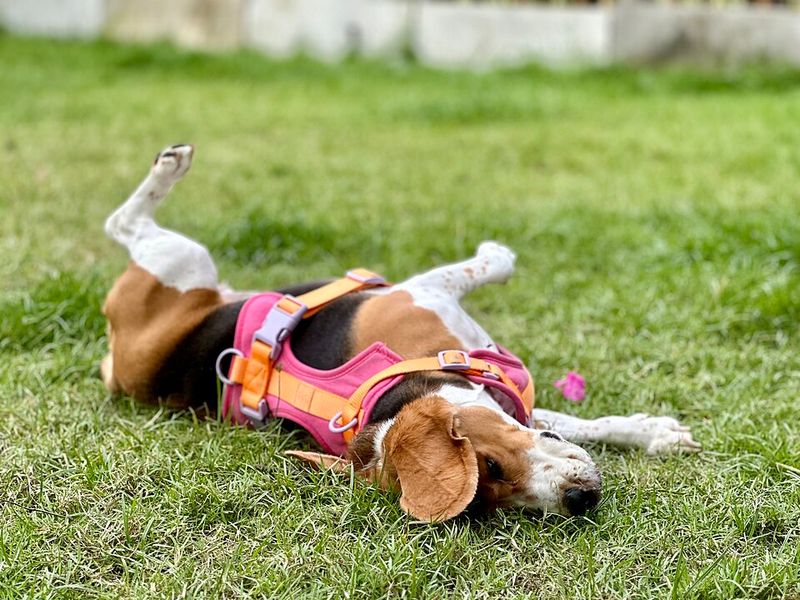
Beagles follow their noses straight into trouble without meaning to. In shelters, they may howl from boredom and pace for sniffing time.
Apartments can be tough if neighbors dislike melodic voices. Their charm shines when you give their senses a job and routine.
Daily scent games and long sniffaris transform restlessness into happy focus. You will laugh at their comic timing and love of snacks.
Ask for a harness fit and enrichment plan before adopting. Secure fences, ID tags, and recall practice keep adventures safe.
With patience, consistent walks, and puzzle feeders, a Beagle becomes the sweetest kitchen helper, curling at your feet after proudly investigating every leaf and breeze outside.
Rottweiler
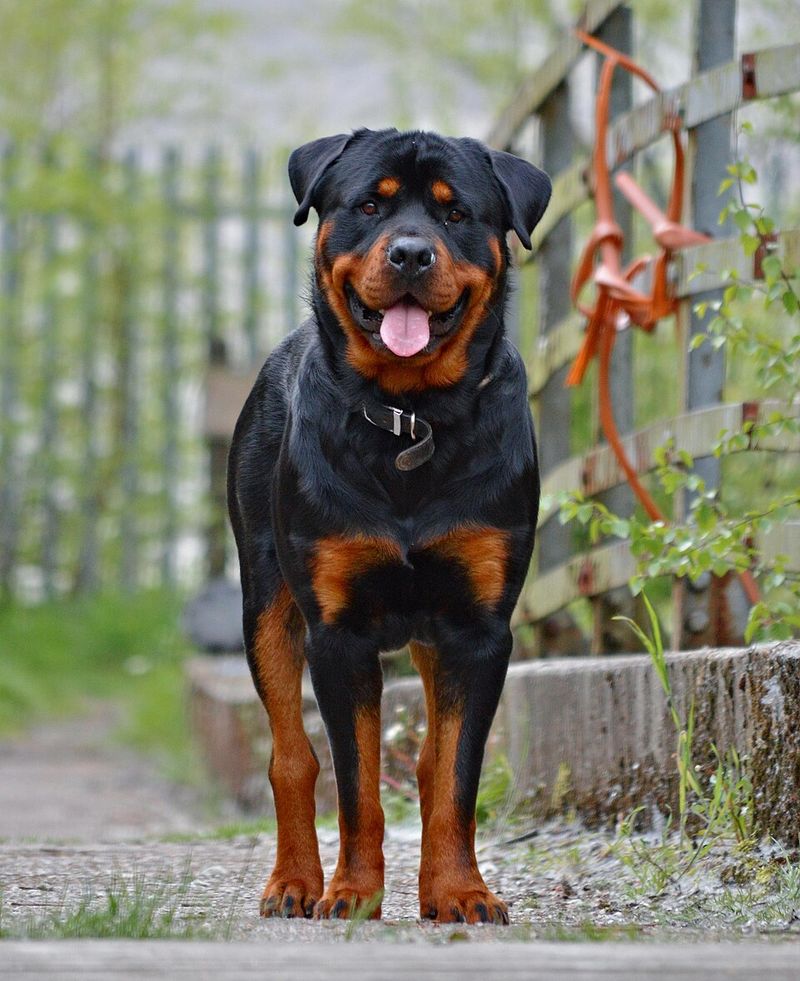
Rottweilers are often judged by size and reputation before anyone greets them kindly. In shelters, stress can look like guarding or deep barking.
Many are actually sensitive, people oriented dogs craving clarity and calm. They thrive when given purposeful routines and patient introductions.
Short training sessions, steady exercise, and fair boundaries build trust quickly. You will earn a deeply loyal shadow who watches quietly and loves hard.
Ask for behavior notes, slow meets, and a decompression timeline. Invest in good equipment, consistent cues, and predictable schedules at home.
With thoughtful leadership and affection, a Rottweiler becomes an easygoing partner, equally happy hiking trails or napping nearby while you cook dinner.
Siberian Husky
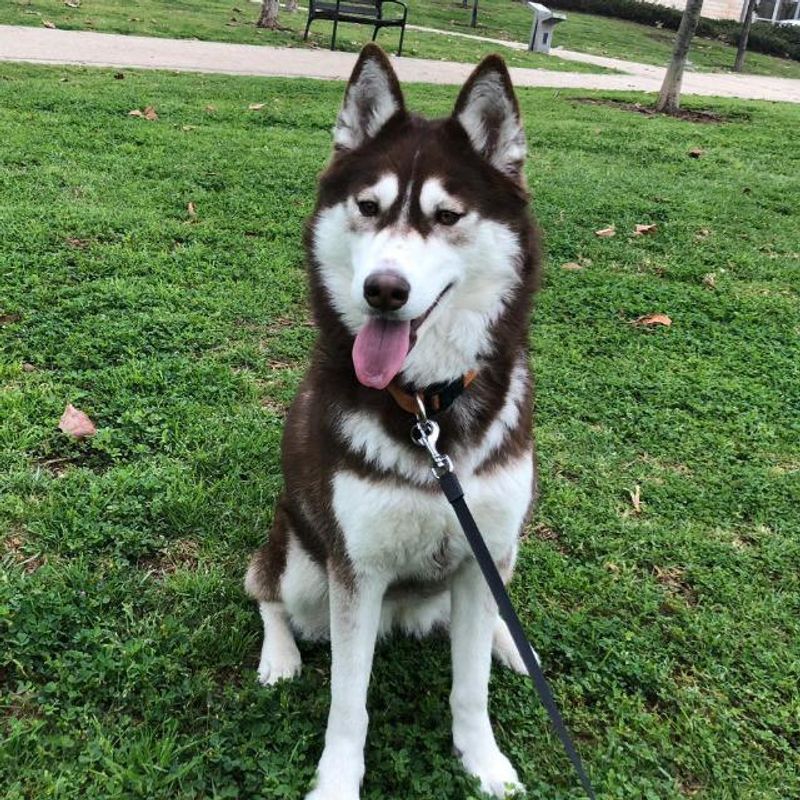
Huskies are escape artists with endless stamina and strong opinions about boredom. In shelters, they may yodel, dig, and pace the fence line.
Many arrive because city life cannot match their exercise needs. Their beauty draws adopters who underestimate training and containment.
Commit to long walks, secure fences, and brainy jobs like canicross or nosework. You will be rewarded with humor, song, and dazzling companionship.
Ask for a trial hike and equipment checklist, including double leashes. Rotate enrichment, manage heat, and dry those glorious coats after adventures.
With outlets and patience, a Husky becomes a hilarious teammate who steals mittens, shares joy, and collapses happily at your feet after miles.
Doberman Pinscher
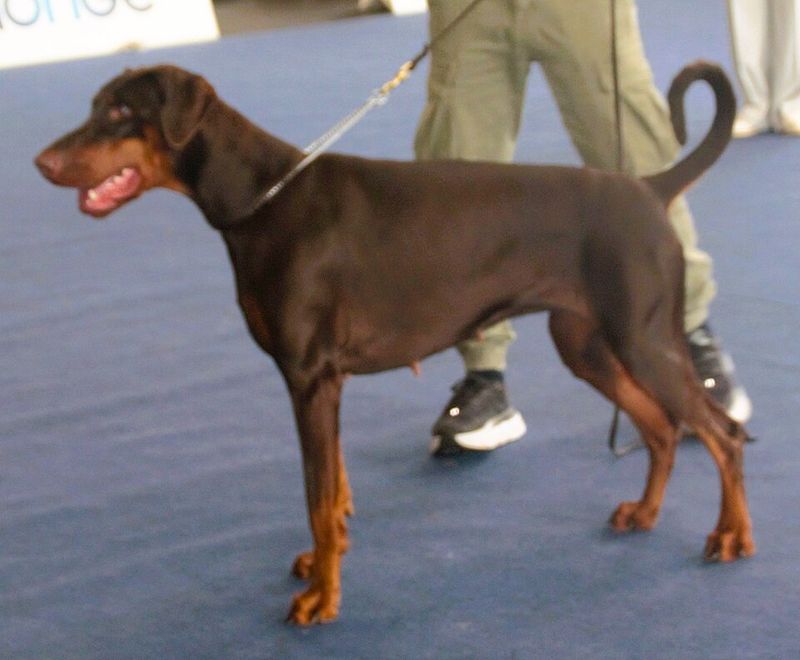
Dobermans are sensitive, people focused athletes who bond intensely with their families. Shelter stress can make them appear edgy or aloof at first.
Many simply need decompression, fair training, and a job to do. Their reputation sometimes scares adopters away prematurely.
Use gentle guidance, structured play, and consistent cues to build confidence. You will feel their famous velcro affection as routines settle.
Ask for trainer notes, health checks, and quiet meeting spaces. Provide mental work like obedience games and place training daily.
With patience, predictability, and kind leadership, a Doberman becomes a graceful partner, equally happy trotting beside you or curling close during late night movies.
Great Dane
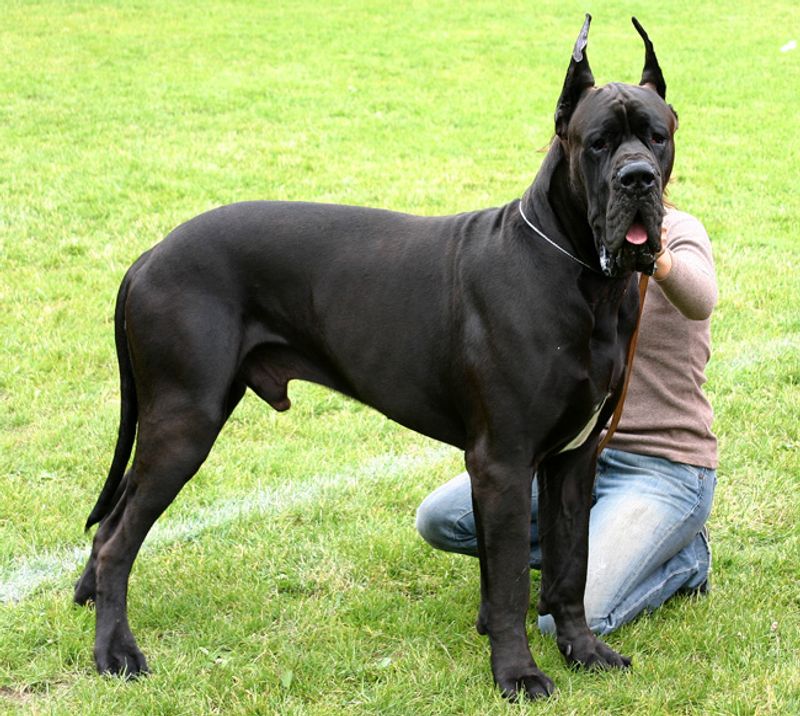
Great Danes turn heads, yet their size can scare off potential adopters. Shelters are tough on these gentle giants because space is limited.
Stress can show as clumsiness or anxious pacing. Many Danes are affectionate couch ornaments who want soft beds and predictable days.
Plan for big equipment, quality food, and slow transitions at home. You will gain a tender soul who leans in for reassurance.
Ask about bloat prevention, proper feeding routines, and calm exercise. Provide rugs for traction and a quiet corner for deep naps.
With simple structure and kind handling, a Great Dane becomes a serene housemate, towering in size but incredibly delicate in spirit and love.
Mastiff
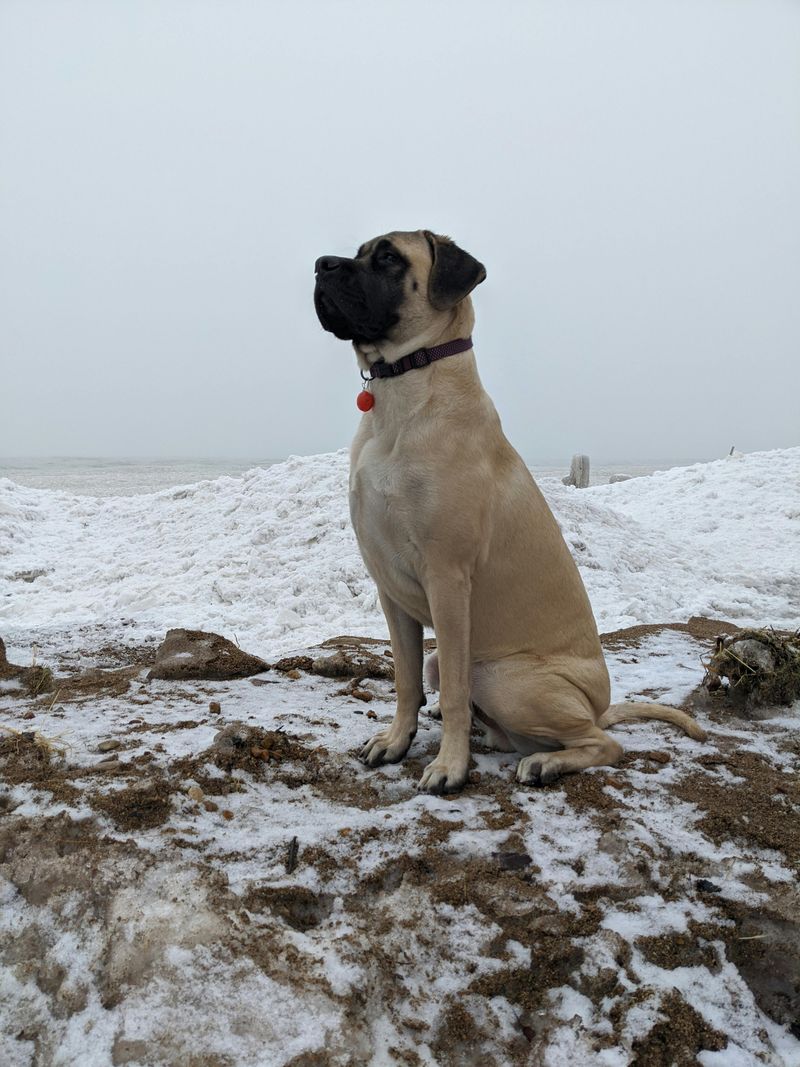
Mastiffs are colossal sweethearts whose size and slobber can intimidate visitors. In shelters, cramped quarters and noise can make them shut down.
They often appear aloof when actually overwhelmed. Underneath is a calm, affectionate dog who values peace and gentle people.
Short strolls, soft beds, and patient routines help confidence return. You will enjoy a quiet guardian who chooses closeness over chaos.
Ask about joint care, weight management, and harness options. Keep greetings slow, surfaces non slippery, and expectations realistic.
With thoughtful care and respect for their bodies, a Mastiff becomes an easygoing couch companion, drooling on your slippers while offering steadfast comfort through every stormy day.
Bulldog
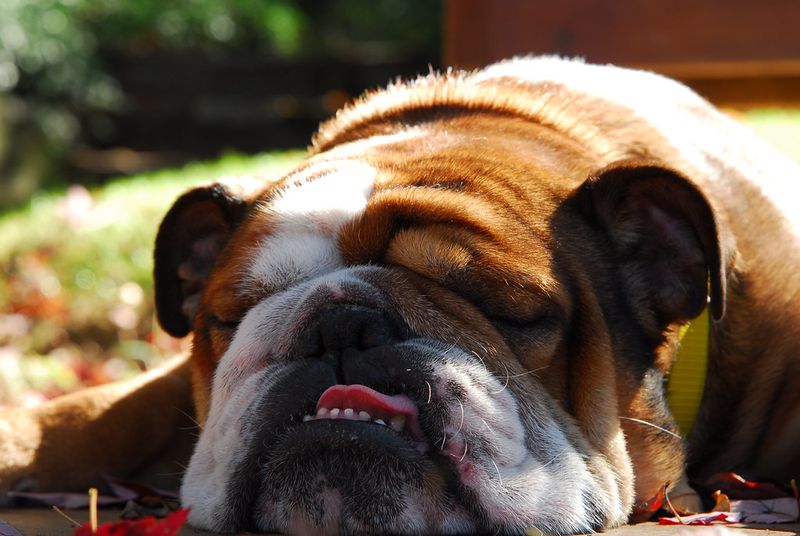
Bulldogs often end up in shelters due to health needs and mismatched expectations. Their adorable wrinkles require cleaning, and hot weather is tough.
Snoring, gas, and stubborn streaks can surprise first timers. In kennels, they may seem uninterested when they are simply tired.
Gentle walks, temperature awareness, and routine vet care keep them thriving. You will adore their comedic timing and deep loyalty.
Ask about breathing history, skin care, and weight goals. Provide cool resting spots, slow introductions, and patient training with tasty rewards.
With mindful management and plenty of affection, a Bulldog becomes a charming roommate who nuzzles close, snores softly, and makes every cozy evening feel complete.