
Loving a powerful dog means respecting what that power can do. Some breeds are incredible companions but need thoughtful training, structure, and management to prevent biting risks.
If you understand triggers, plan ahead, and build impulse control, you set both of you up for calmer, safer days. Let’s walk through the breeds that call for extra caution and how to handle them confidently.
Cane Corso
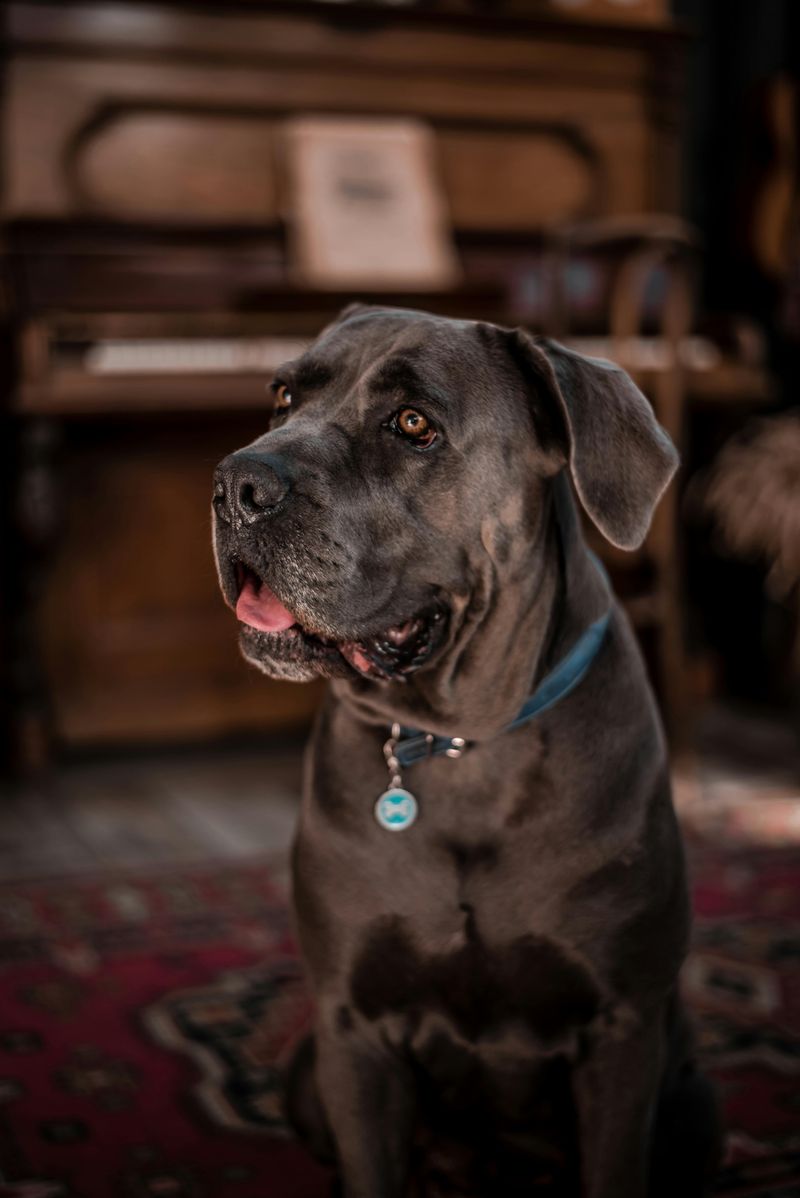
The Cane Corso is powerful, territorial, and intensely loyal, which can make bites serious if boundaries are unclear. You will need confident handling, early socialization, and consistent structure to keep arousal in check.
Protective instincts are strong around property and family, so manage introductions carefully and avoid crowded off leash scenarios.
Provide firm rules paired with calm affection, not punishment. Daily outlets for working drives matter, like obedience, nosework, or controlled tug, because frustration can spill into nipping.
Use a crate, gates, and reliable recall to reduce risky moments. If you feel overmatched, bring in a qualified behavior professional early to build safety plans.
Routine muzzle training adds options during vet visits and busy places. It helps everyone stay calm.
Rottweiler
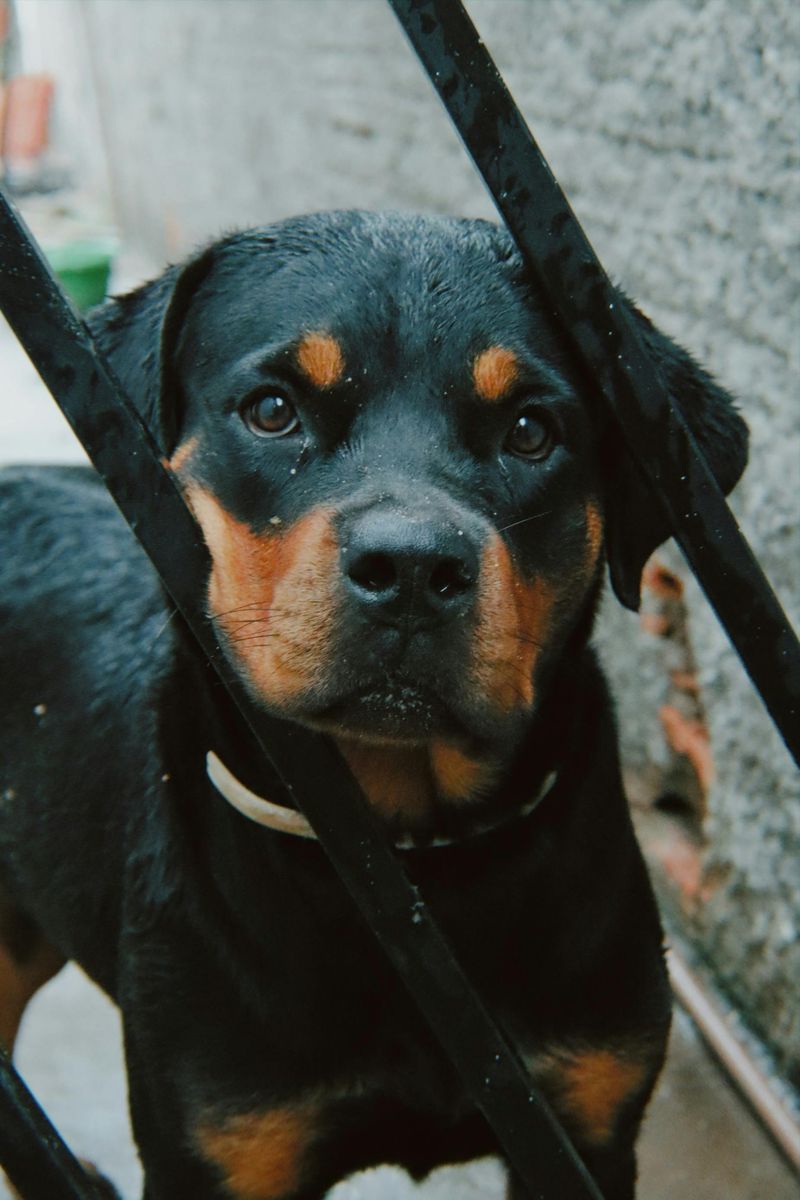
Rottweilers are confident guardians with impressive jaw strength, so unmanaged arousal can escalate quickly. You should supervise around visitors, deliveries, and doorways where territorial triggers are common.
Socialize early to neutralize reactivity, pairing strangers and novel sounds with calm rewards. Avoid rough play that teaches body checking, and keep leashes short in tight spaces.
Clear rules around thresholds, food, and toys reduce conflict. Daily obedience, scent games, and cart style conditioning burn energy while building impulse control.
Teach a solid place command and relaxed downs for guests. If tensions rise, step back, breathe, and reset the environment.
Pro help is smart if you feel uncertain, especially with adolescents. Muzzle conditioning offers insurance during vet handling and busy urban sidewalks everywhere.
Akita
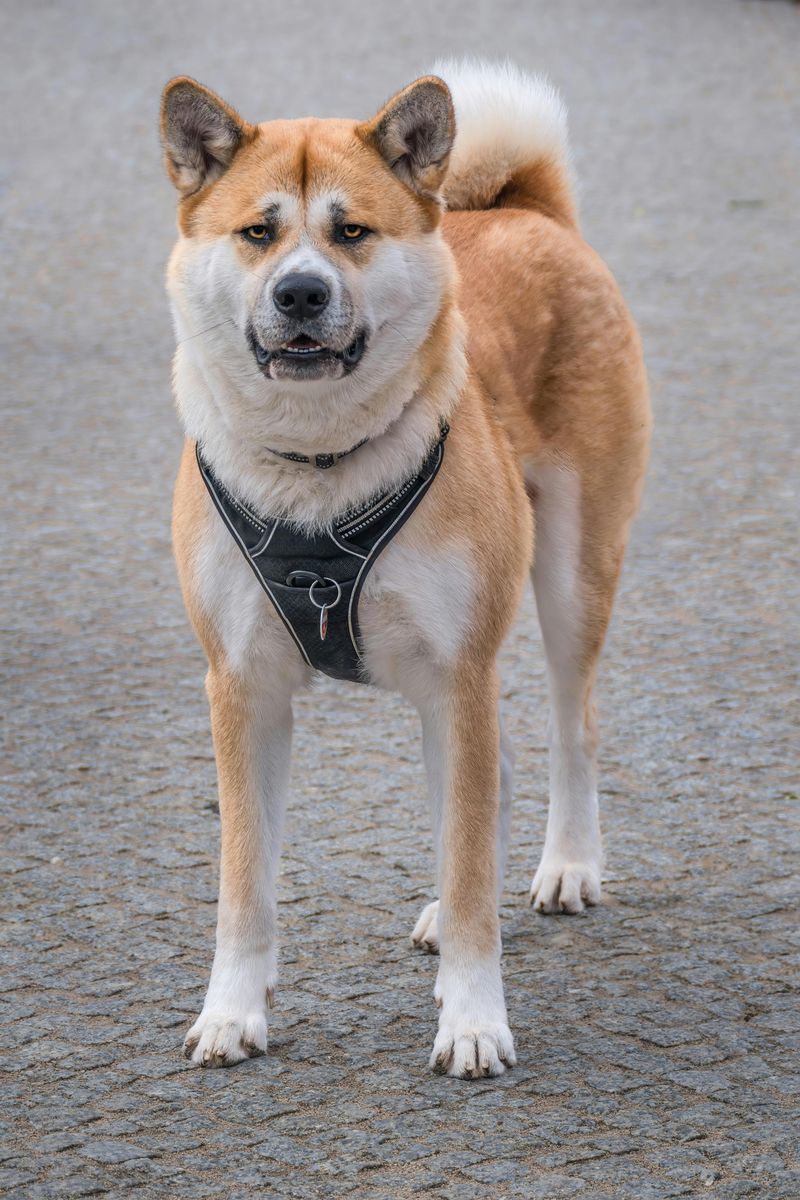
Akitas are dignified, independent, and often intolerant of rude dogs, which can lead to sharp corrections. Expect strong prey drive and resource guarding tendencies if structure is loose.
Early, thoughtful socialization matters, but avoid forcing interactions. Keep greetings short, neutral, and on leash, choosing calm partners.
Their size means even small mistakes can hurt.
Focus on quiet engagement like pattern games, chin targets, and cooperative care. Teach a reliable leave it and call away from tension.
Rotate high value chews, feed separately, and supervise doorways. If conflict history exists, create distance, use barriers, and practice muzzle training kindly.
A skilled behaviorist can tailor a plan that preserves safety. Patience, predictable routines, and ample exercise help keep arousal levels manageable daily.
Chow Chow
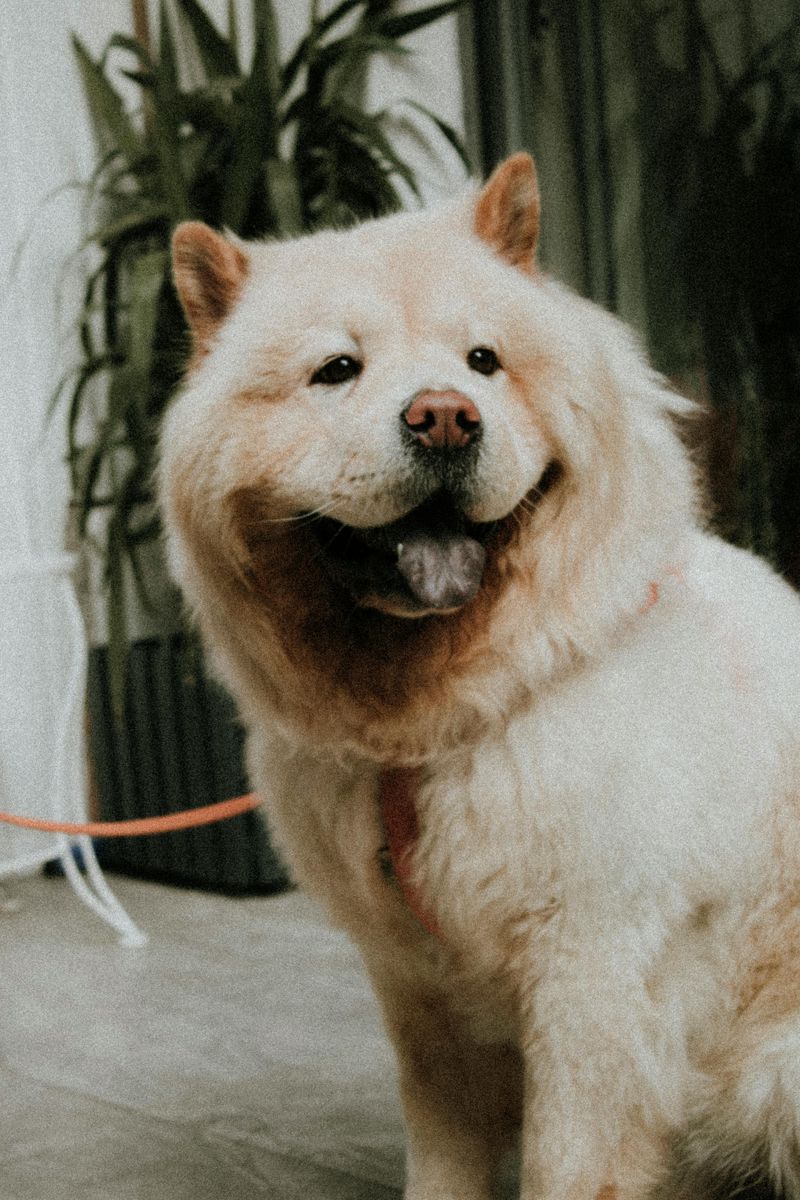
Chow Chows can be aloof, territorial, and sensitive to handling, so sudden reaches may provoke a bite. Teach consent cues for petting and grooming, moving slowly.
Socialize to people wearing hats, umbrellas, and bulky coats to reduce surprises. Keep children at a respectful distance and let the dog choose contact.
Work on chin rests, brush desensitization, and cooperative nail care. Reward calm stands and relaxed downs instead of restraint wrestling.
Use baby gates, tethers, and quiet zones when guests visit. A fitted muzzle is useful for vet exams and clipper sessions.
If nerves run high, pause, reset, and call a positive, experienced trainer. Short, predictable sessions build trust and reduce startle responses during everyday care routines over time for everyone.
Belgian Malinois
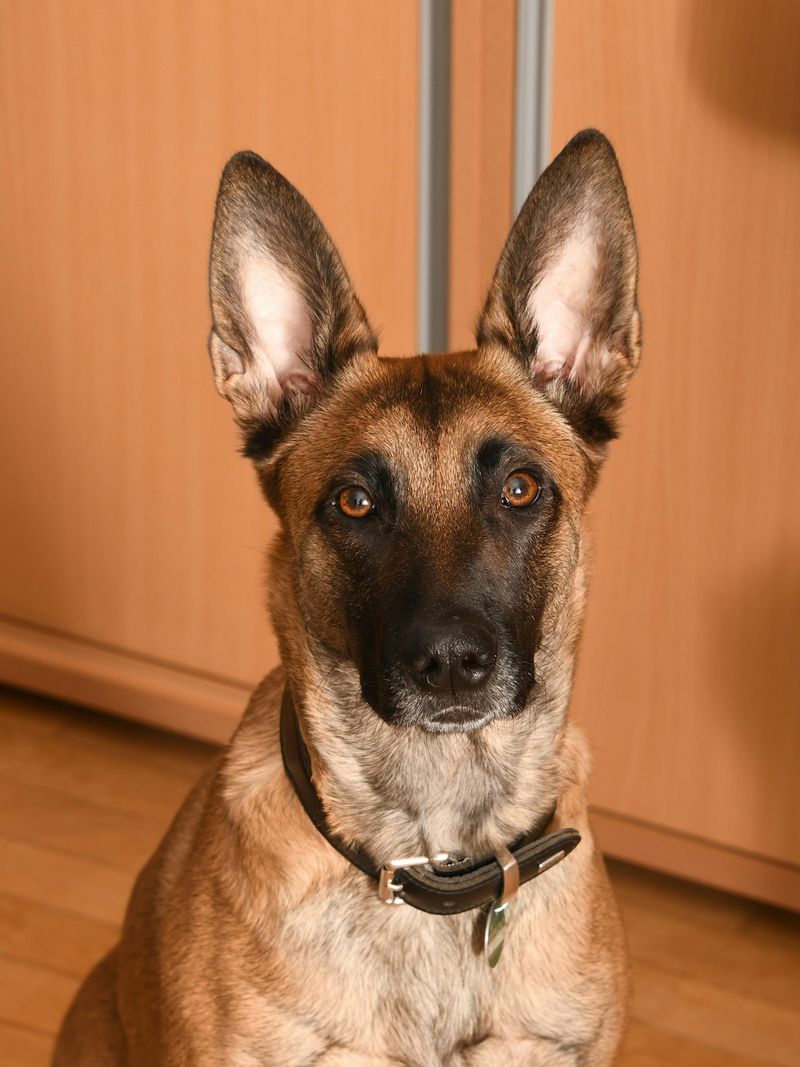
Belgian Malinois are electric athletes with quick mouths, so overstimulation can become biting fast. They excel at work, yet struggle when under exercised or without structure.
Channel energy into directed tasks instead of chaotic play. Avoid frantic fetch marathons that spike arousal.
Teach off switches, calm leash walking, and thoughtful decompression after training.
Use obedience, grips on tugs with clean releases, scent work, and place duration. Rotate tasks to prevent frustration.
Supervise around kids and small pets, using barriers and clear rules. Practice neutral exposures in public with focus games.
If you feel overwhelmed, hire a sport savvy trainer to build impulse control and safety habits. Muzzle conditioning and calm car loading add layers of management during busy outings too.
German Shepherd
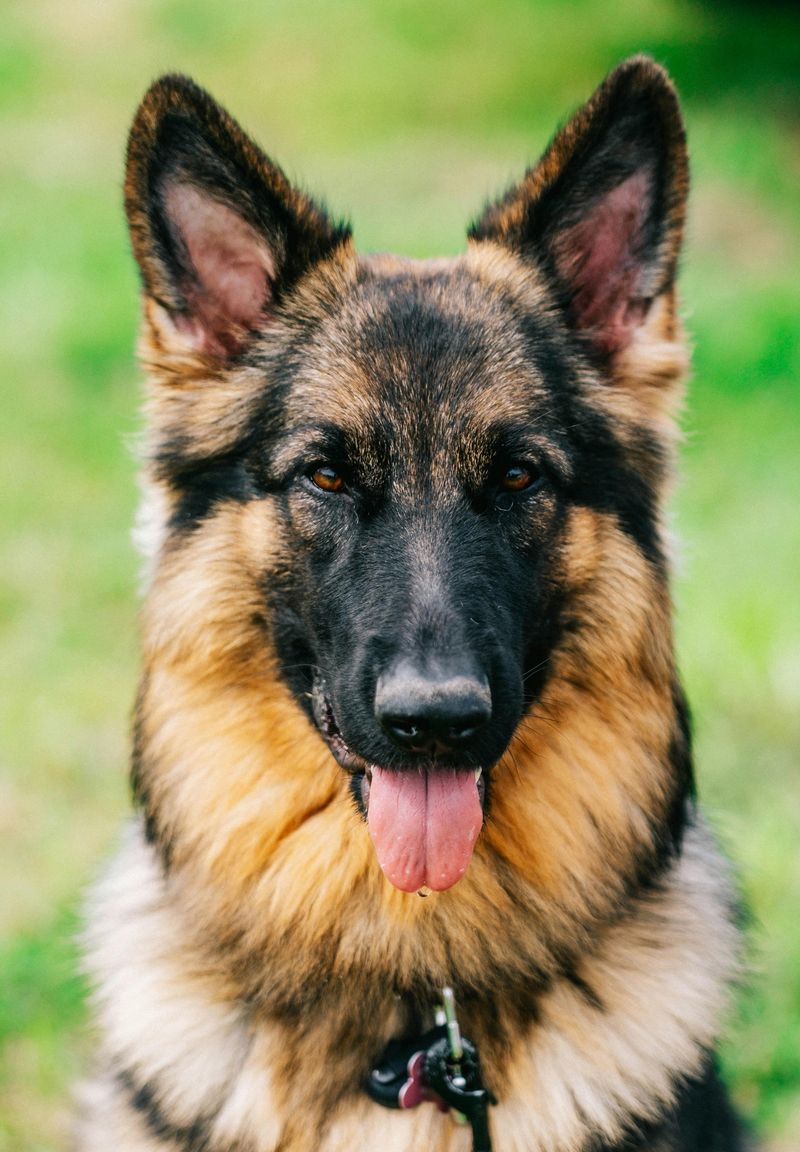
German Shepherds are intelligent guardians with big feelings about territory and movement, which can lead to nips. Herding style chasing and heel nipping appear when impulse control is thin.
Socialize early to surfaces, crowds, and equipment noises, pairing calm with food. Keep greetings structured and brief, rewarding neutrality over excitement.
Teach place, down, and quiet alongside loose leash walking. Use decompression walks, sniffing, and thoughtful play to drain tension.
Manage fences and windows where reactivity builds. If alert barking spirals, create distance, reset, and practice pattern games.
A qualified trainer can help you build reliable recalls, muzzle skills, and safer guest routines. Consistent sleep, clear household rules, and fair corrections prevent boiling over during exciting deliveries and visitors at home.
Dogo Argentino
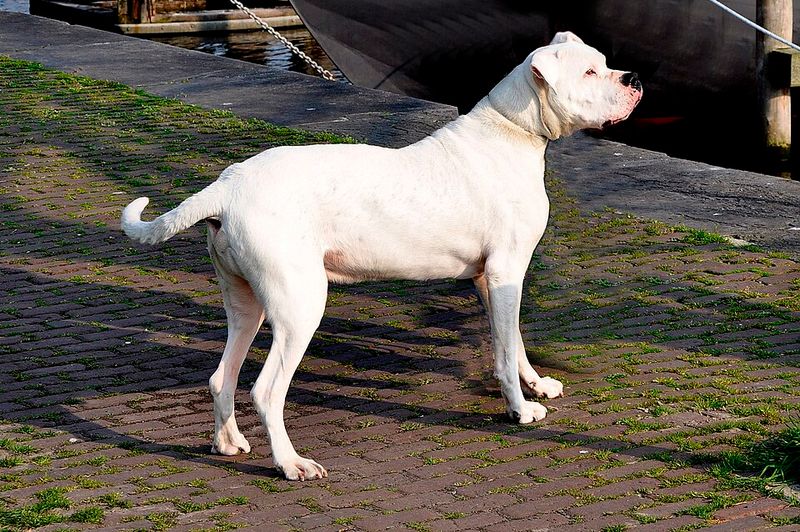
The Dogo Argentino is athletic, driven, and historically bred for serious tasks, so mistakes carry weight. You should prioritize impulse control, neutrality around other dogs, and careful management in public.
Socialization must be thoughtful, not chaotic flooding. Keep leashes short, greetings limited, and exits planned.
Supervise around small animals due to strong prey drive.
Build skills through obedience, long line recalls, scent games, and calm place work. Rotate enrichment that satisfies chewing without guarding.
Use crates and gates to reduce conflict points at doors and hallways. Practice muzzle training before you need it.
If pressure rises, step away, decompress, and call a behavior professional for customized support. Clear routines and steady exercise help keep arousal lower during busy neighborhood walks.
Presa Canario
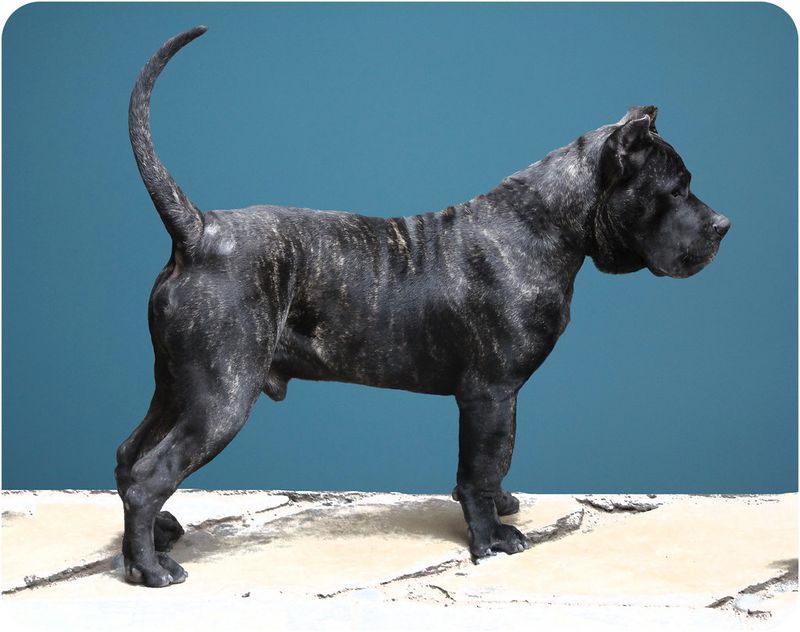
The Presa Canario is imposing, confident, and highly territorial, so proactive management is essential. Expect big feelings at doorways, in vehicles, and around property lines.
Socialize early to neutral people and controlled dogs, but avoid crowded off leash parks. Reward calm observation over engagement.
Keep tools ready and practice exits before inviting guests.
Teach strong boundaries, place duration, and quiet on cue. Add scent work and obedience drills to drain energy thoughtfully.
Use sturdy gates, secure fencing, and tethers to prevent door rushing. Introduce a comfortable muzzle well in advance.
If you feel outmatched, bring in an experienced trainer to build layered safety systems for everyone. Routine decompression walks and predictable schedules help reduce trigger stacking after busy days significantly.
Tosa Inu
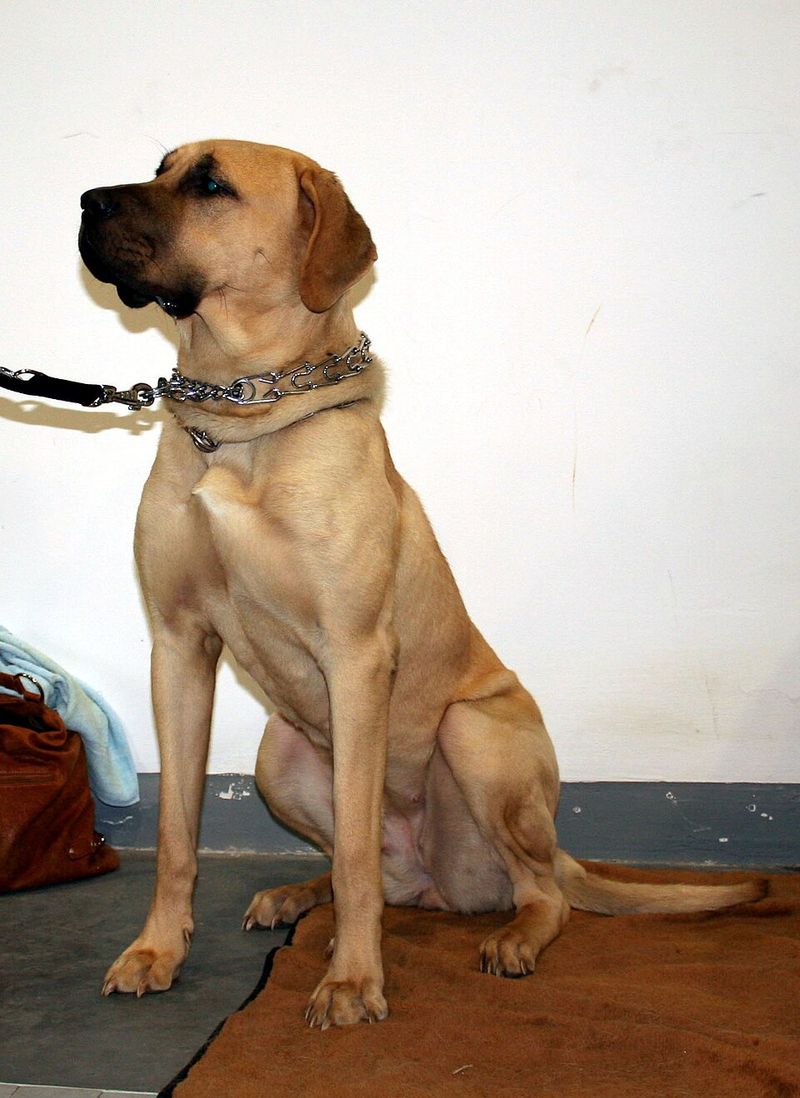
The Tosa Inu is calm, massive, and bred for control, yet mishandled arousal can result in dangerous bites. Prioritize neutrality training around dogs and strangers.
Keep greetings minimal and always on leash. Socialize to city sounds, surfaces, and handling equipment patiently.
Their size multiplies force, so double check fit on collars and muzzles.
Build impulse control with place work, food manners, and slow, precise obedience. Use barriers and steady routines to reduce decision points.
Rotate durable chews to prevent guarding. Teach cooperative care for vet visits and baths.
If stress spikes, step back, breathe, and bring in a seasoned behavior professional to design safeguards. Well timed decompression walks and mat training help keep arousal low during visitor arrivals at home.
Boerboel
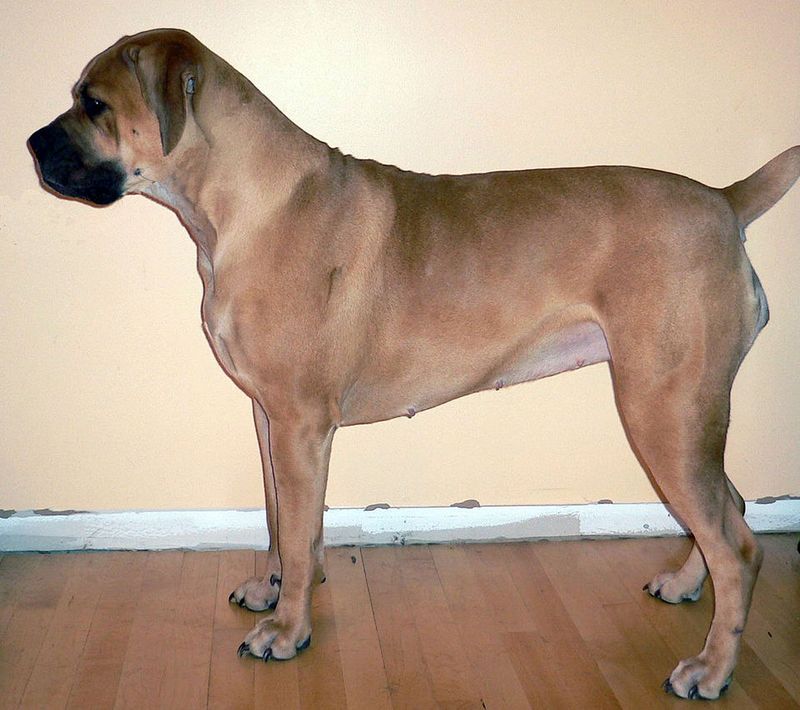
Boerboels are powerful farm guardians with intense territorial instincts, so plan management before problems start. Supervise gates, driveways, and doorways where motion triggers chasing.
Socialize to neutral people and vehicles from a distance, paying generously for calm. Keep off leash time limited and only in secure spaces.
Your voice should stay firm, friendly, and clear.
Teach stationing on place when deliveries arrive. Add obedience, tracking games, and tug with rules to burn energy.
Use strong fences, baby gates, and tethers to prevent crowding guests. Introduce muzzle skills early.
If you feel stressed, pause training, create space, and call a professional who understands guardian breeds and layered safety planning. Calm decompression walks afterward help everyone reset and keep arousal lower consistently.
American Bulldog
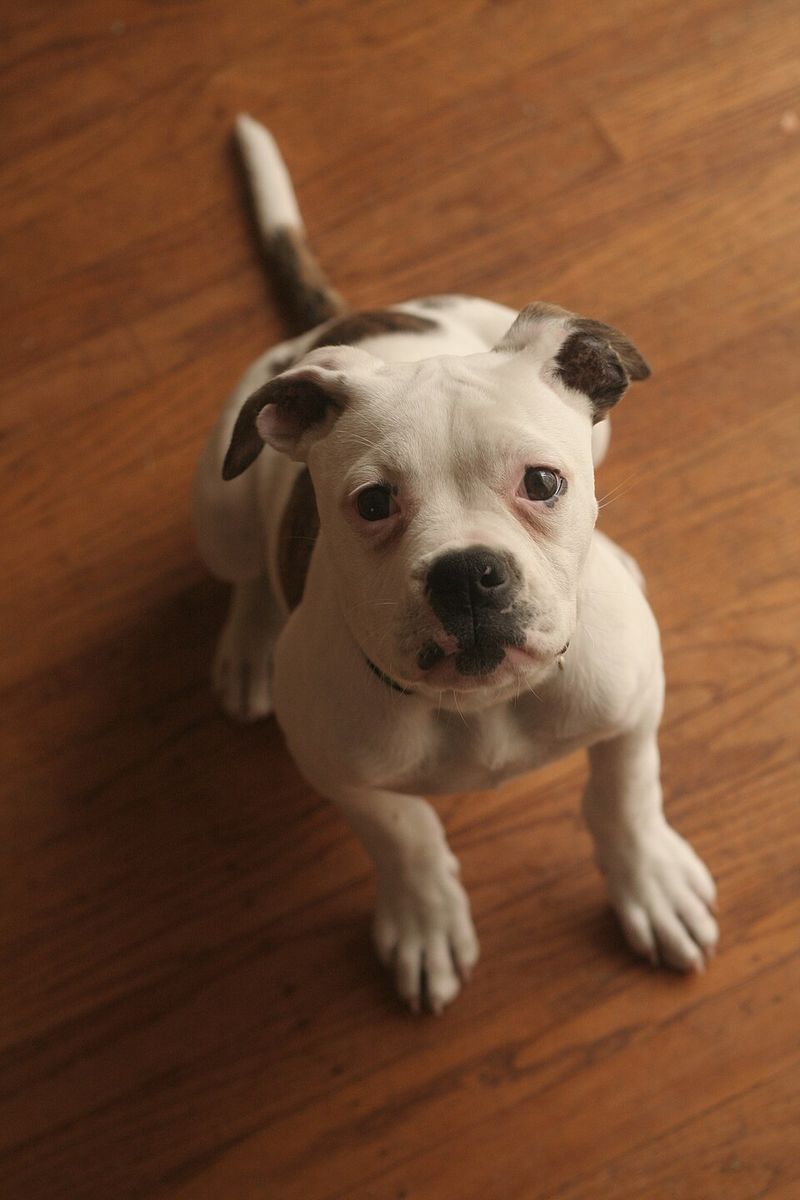
American Bulldogs are muscular, determined, and mouthy by nature, so channeling impulses is vital. Rough play can turn pushy quickly without rules.
Socialize to people carrying bags, scooters, and loud tools from a safe distance. Reward neutrality and eye contact.
Keep leashes short in crowds and manage entrances where excitement spikes hard.
Teach drop, leave it, and calm tugs with clean outs. Use puzzle feeders, scent work, and obedience to tire the brain.
Rotate chews to reduce guarding. Crates, gates, and place pads help prevent door charging.
If frustration rises, take breaks, reset, and consult a trainer to solidify impulse control and safer greetings. Muzzle conditioning adds insurance during vet care, nail trims, and crowded community events for your dog.
Staffordshire Bull Terrier
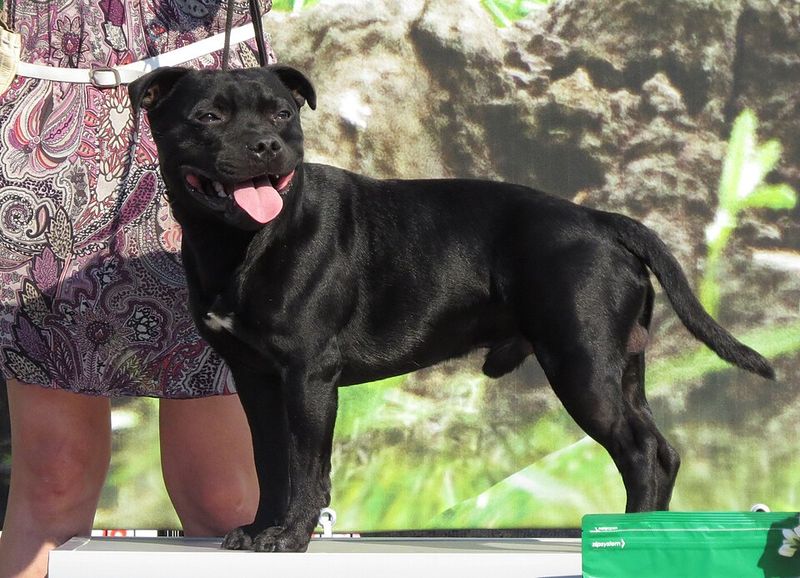
The Staffordshire Bull Terrier is affectionate with people but can be intense with toys and play. Mouths are quick, so teach gentle rules early.
Socialize to controlled dogs and calm environments, avoiding chaotic parks. Keep leashes short during greetings.
Supervise kids closely and separate high value items when arousal runs hot.
Build impulse control with tug rules, drop cues, and scatter feeds. Use trick training, nosework, and place to tire the brain.
Reward stillness and soft mouths. If frustration flares, pause, reset, and lower difficulty.
A friendly trainer can help you balance fun with safety, including muzzle skills for busy events and vet handling. Consistent schedules and decompression walks after play keep arousal controlled and recoveries faster for most households.
Alaskan Malamute
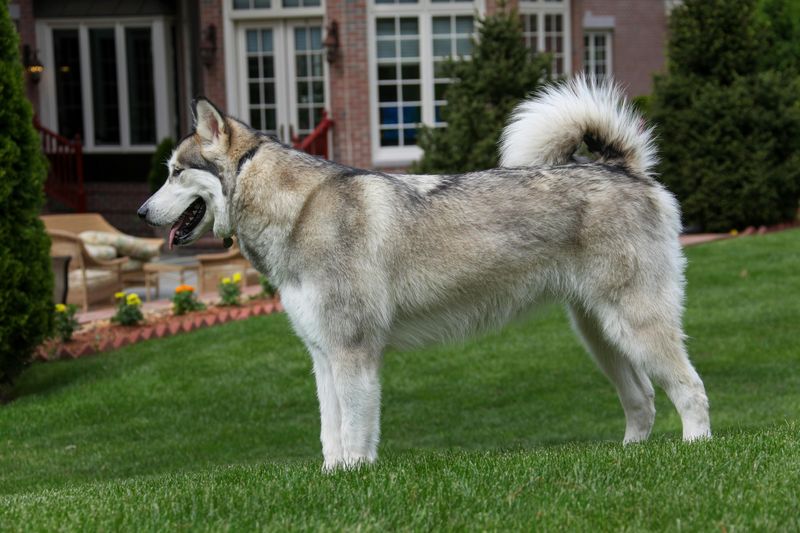
Alaskan Malamutes are strong, independent, and highly prey driven, so small animals can trigger chase and grabs. They are less biddable than some breeds, making impulse control practice essential.
Socialize early to crowds, grooming, and handling. Keep greetings brief and on leash.
Secure fencing matters because pulling strength and curiosity can defeat flimsy setups.
Focus on structured exercise like sledding style conditioning, hikes, and obedience with food. Teach reliable recalls on long lines and strong leave its.
Use barriers indoors to manage doorways and kitchen traffic. Muzzle condition for vet care and emergencies.
A skilled trainer can help translate working drives into safer outlets around neighborhoods. Daily decompression and consistent sleep help keep arousal and frustration from spiking unexpectedly outdoors.
Siberian Husky
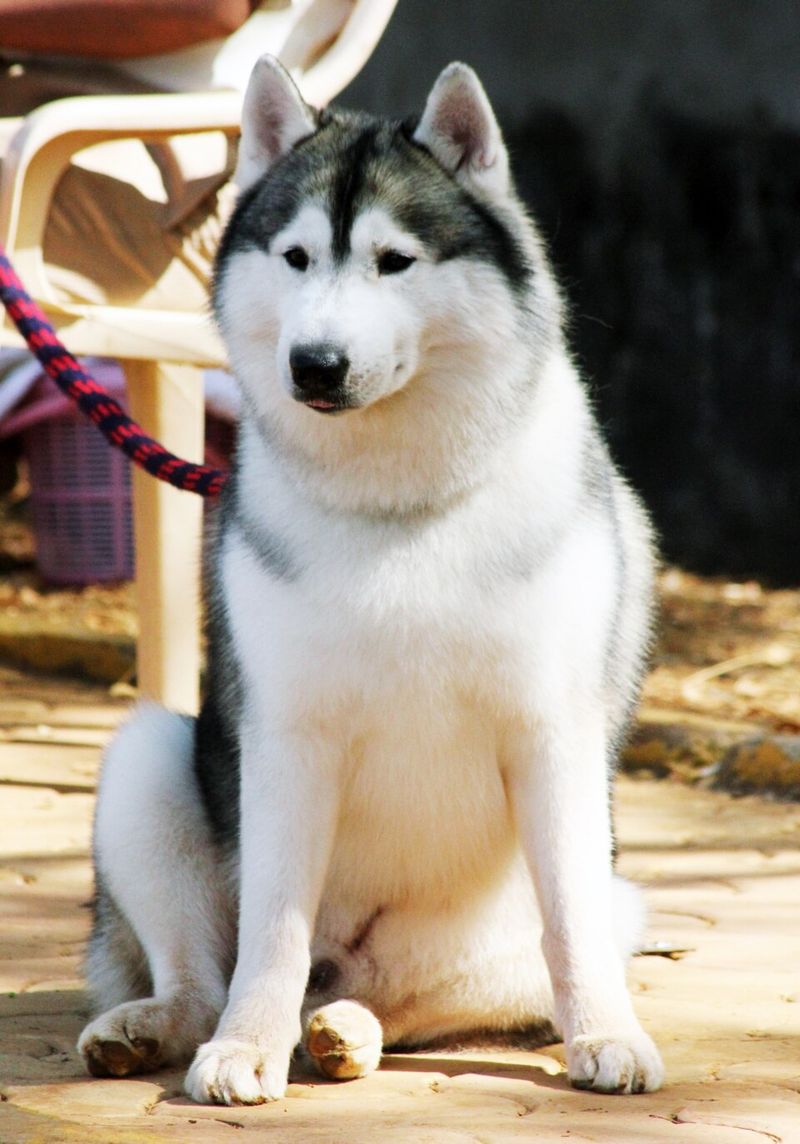
Siberian Huskies are energetic, vocal, and escape savvy, which can lead to risky encounters and nips. High prey drive and chase games raise arousal fast.
Socialize to handling, grooming, and crowds, but keep greetings short. Use secure fencing and locked gates.
Avoid off leash areas unless recall is bulletproof, which is rare for many.
Channel energy into canicross, flirt pole with rules, and obedience sprinkled through walks. Teach strong leave its and emergency downs.
Rotate chews and feed separately to reduce guarding. Muzzle training adds a safety net for emergencies.
If frustration appears, slow down, add distance, and work with a trainer to build calmer habits. Daily decompression walks and adequate sleep keep arousal manageable during busy urban errands too.