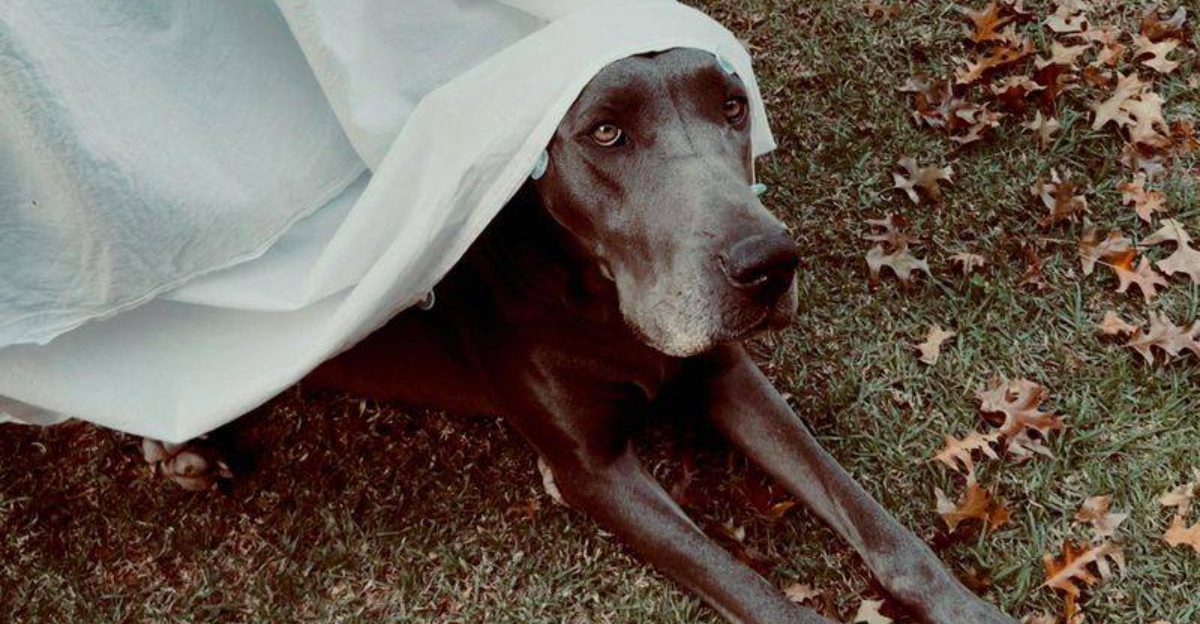
Ready to teach your dog some fun, simple tricks that build confidence and strengthen your bond? These beginner friendly moves are perfect for short training bursts that leave tails wagging and you smiling.
You will get clear steps, pro tips, and ways to keep sessions upbeat without frustration. Grab a few treats, find a quiet spot, and let’s make training your dog the highlight of the day.
Sit
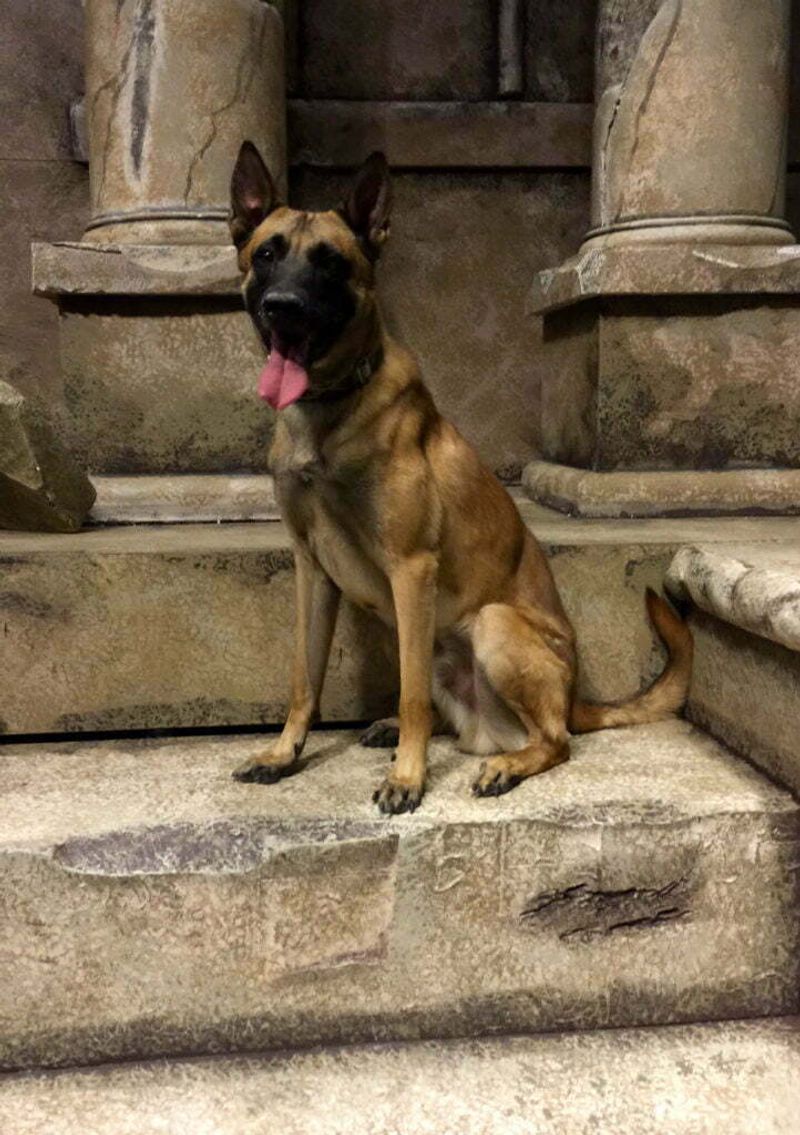
Start with your dog standing and a small treat held just above the nose. Slowly move the treat backward over the head so the hips naturally lower.
The moment your dog’s rear touches the ground, say “sit,” then reward and praise warmly.
Keep sessions short and upbeat to prevent boredom. If your dog hops back, lower the lure a bit and move slower.
Fade the treat lure by using an empty hand motion, then reward from the other hand.
Practice in different rooms and gradually add mild distractions. Avoid pushing the hips down, which can feel uncomfortable.
With consistency, sit becomes your go to reset button that helps your dog focus anywhere.
Down
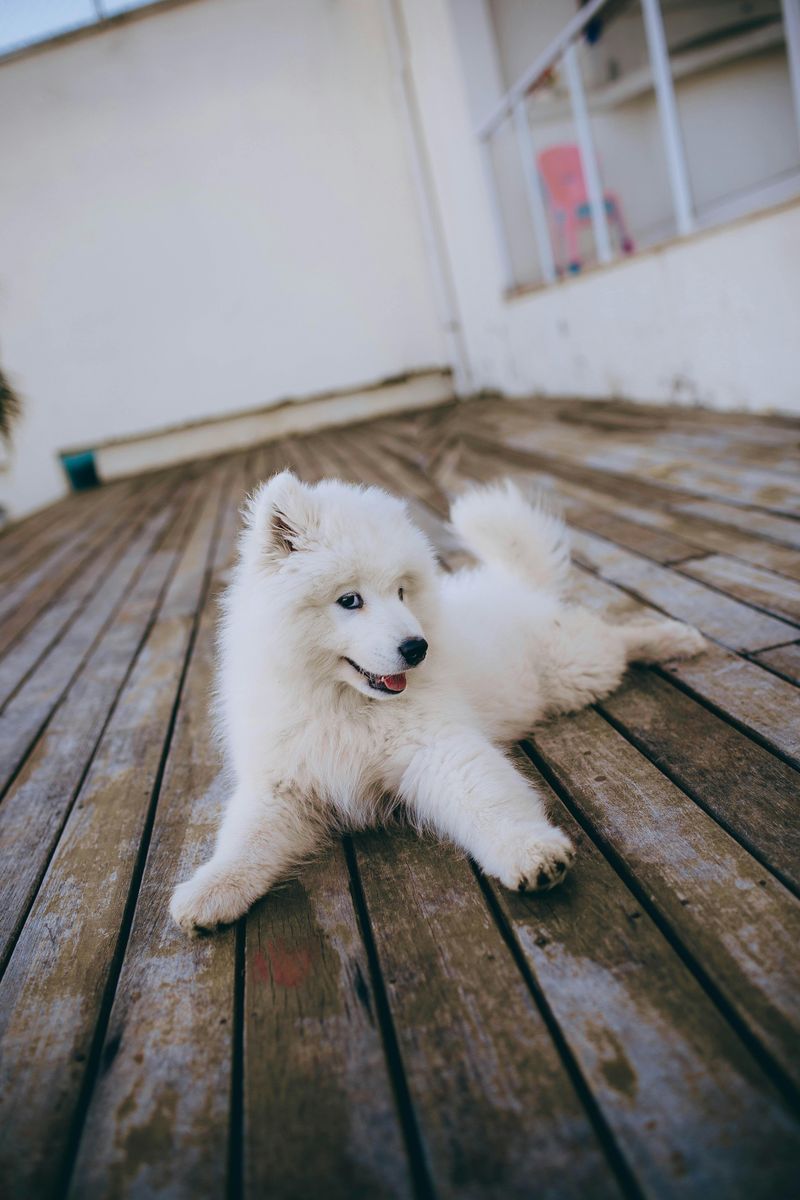
Begin with your dog in a sit. Place a treat at the nose, then slowly lower it straight down to the floor and slightly forward.
As the elbows touch, calmly say “down,” then deliver the treat right between the paws for a relaxed posture.
If your dog pops up, bring the lure closer to the chest and go slower. Try luring under your bent knee to encourage the fold.
Reward several times while lying down to build duration and calmness.
Practice on soft, nonslip surfaces so it feels comfortable. Add a release word like “free” to keep the position clear.
Over time, increase distractions and distance until your dog can lie down reliably in any setting.
Stay
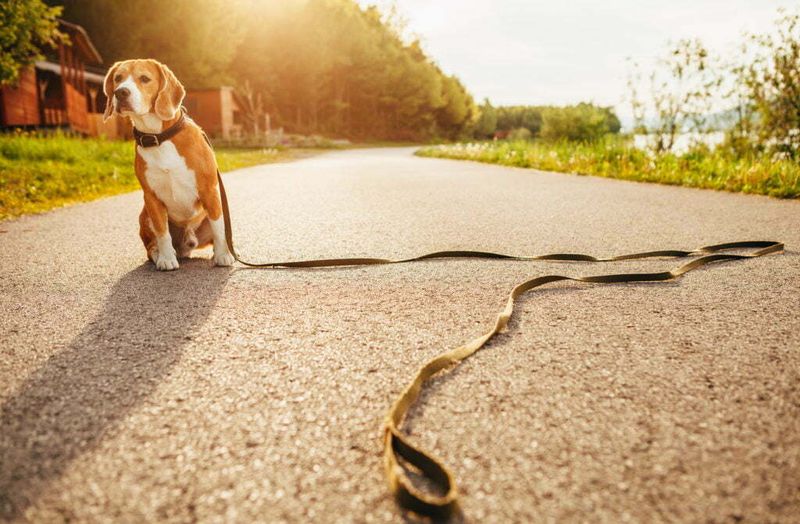
Ask for a sit or down, then show a flat palm as your stay cue. Count one second, mark with “yes,” and reward.
Gradually increase time, then add distance and distractions separately so your dog always wins.
Return to your dog to deliver the treat at first, building the habit of holding position. If they break, calmly reset with an easier version rather than repeating “stay.” Keep your tone relaxed and predictable.
Use a release word like “okay” so your dog knows when the stay ends. Practice around mild distractions like a dropped toy before trying tougher ones.
A reliable stay builds impulse control and makes real life easier.
Come (Recall)
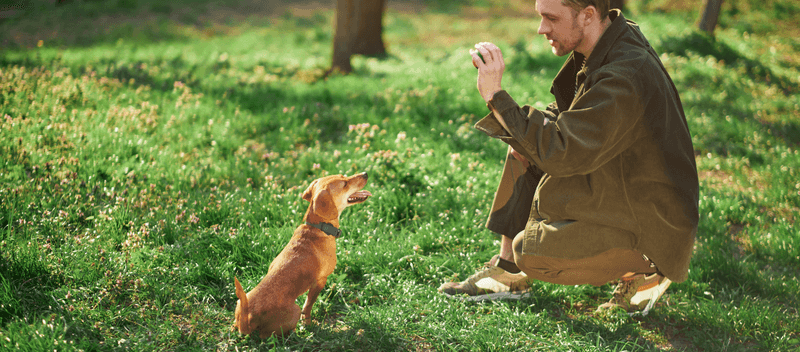
Start indoors with short distances. Say your dog’s name, then “come” in a cheerful tone, and back away as they approach.
Mark success and reward generously with treats and play, so returning becomes the best party ever.
Never call to punish or end fun abruptly. Instead, release back to play often to keep recalls rewarding.
Use a long line outside for safety while you practice around light distractions.
Gradually increase distance and difficulty. Add a recall whistle for a clear, consistent sound in noisy environments.
Build a jackpot reward sometimes to keep motivation high, and you will have a recall you can trust.
Touch (Hand Target)
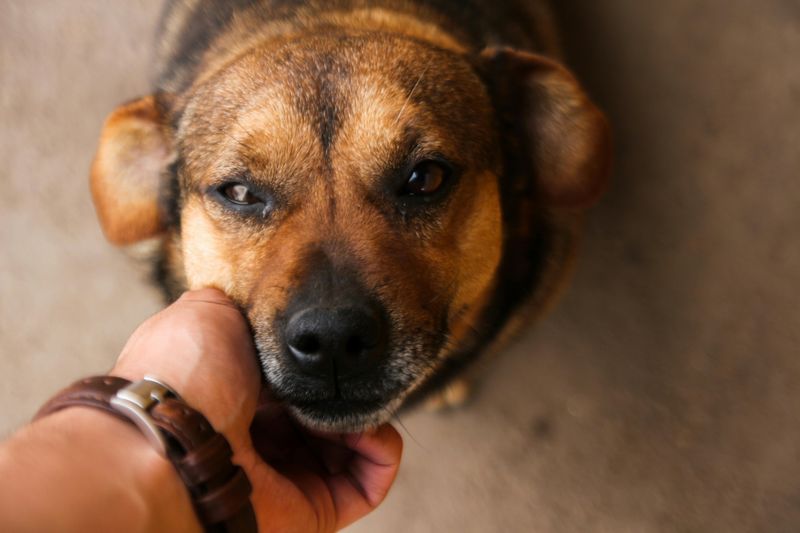
Present an open hand a few inches from your dog’s nose. Most dogs investigate naturally, so the instant the nose touches, mark and reward.
Add the cue “touch” after a few easy successes to label the behavior.
Hand targeting builds confidence and focus without pressure. Use it to guide polite greetings, position your dog, or interrupt jumping.
Vary hand positions slowly to generalize the skill.
If your dog hesitates, scent your palm lightly with a treat first. Keep repetitions brisk and fun.
This simple trick becomes a handy communication tool that feels like a friendly game you both enjoy anywhere.
Spin
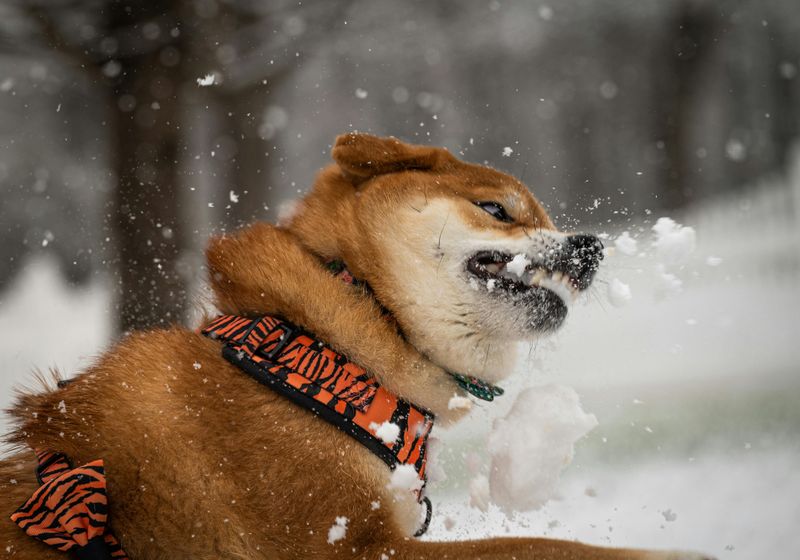
Hold a treat at your dog’s nose and draw a small circle. As your dog follows, complete the loop and mark at the finish, then reward.
Add the cue “spin” once the movement feels smooth, keeping arcs tight for clarity.
Teach both directions for balance by labeling the opposite way “twirl” or “reverse.” Keep pace light and surfaces nonslip to prevent slipping. If your dog stalls, shrink the circle and pay for partial turns.
Turn the trick into a quick warm up before walks. It boosts body awareness and enthusiasm.
Soon, a simple hand signal will cue a joyful, tidy spin that looks adorable and feels great.
Shake (Paw)
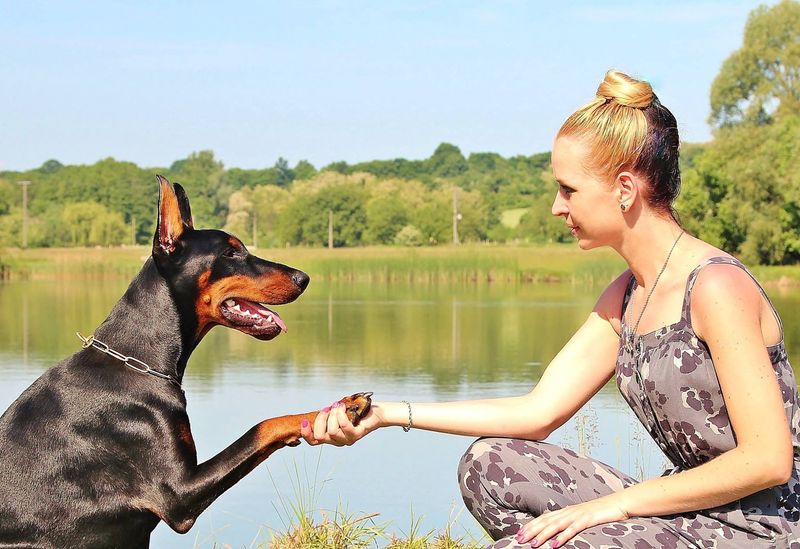
Have your dog sit, then present your hand low and close. Many dogs naturally lift a paw when you tickle the back of it gently.
Mark the lift, support the paw briefly, then reward and release with calm praise.
Add the cue “shake” or “paw” after a couple of successes. Keep sessions short to avoid paw swatting.
Gradually increase duration before rewarding so your dog learns to hold a polite handshake.
If your dog resists handling, pair gentle touches with tasty rewards to build trust. Avoid squeezing the paw.
With patience, shake becomes a sweet, photo ready trick that wins hearts everywhere.
Play Dead
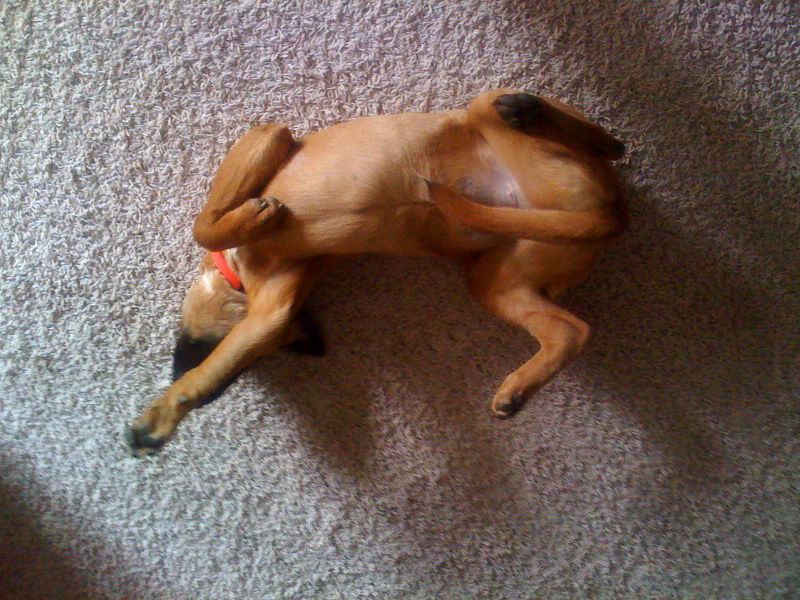
Start from a down. Lure your dog’s nose toward the shoulder, then slowly up and over so the body tilts onto one side.
As the hip drops and the head rests, say “bang” or “play dead,” mark, and reward calmly.
Keep it silly and lighthearted rather than dramatic. Reward several times while your dog holds the position to build duration.
Add a release word to avoid confusion with a normal down.
If rolling is hard, pay for small weight shifts first. Practice on a soft mat for comfort and stability.
This crowd pleaser teaches body awareness and makes for hilarious photos with friends.
Roll Over
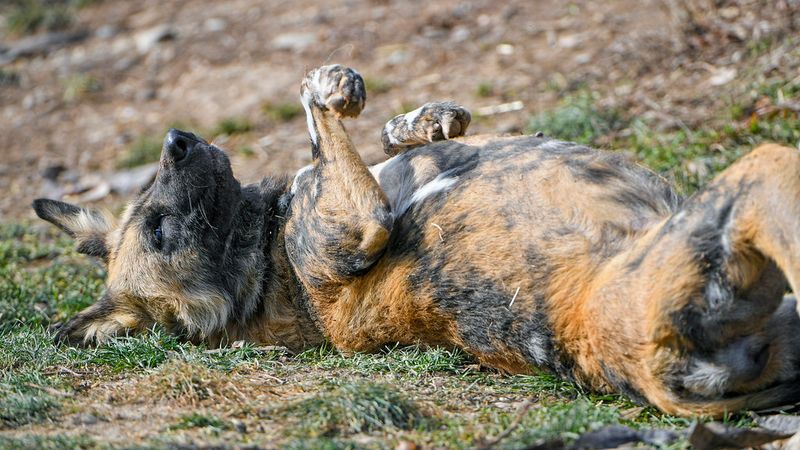
From a down, lure your dog’s nose toward the shoulder, then in a gentle arc over the spine so the hips follow. Mark and reward once the full roll completes.
Keep motion slow and surfaces soft to protect the back.
If your dog stalls halfway, pay for partial rolls and build gradually. Use a calm tone and avoid forcing the movement.
Add the cue “roll over” when the sequence flows smoothly and happily.
Practice a few reps, then end on a win. Mix easy tricks between attempts to keep momentum fun.
This classic move boosts flexibility and looks delightfully theatrical when performed on cue.
Leave It
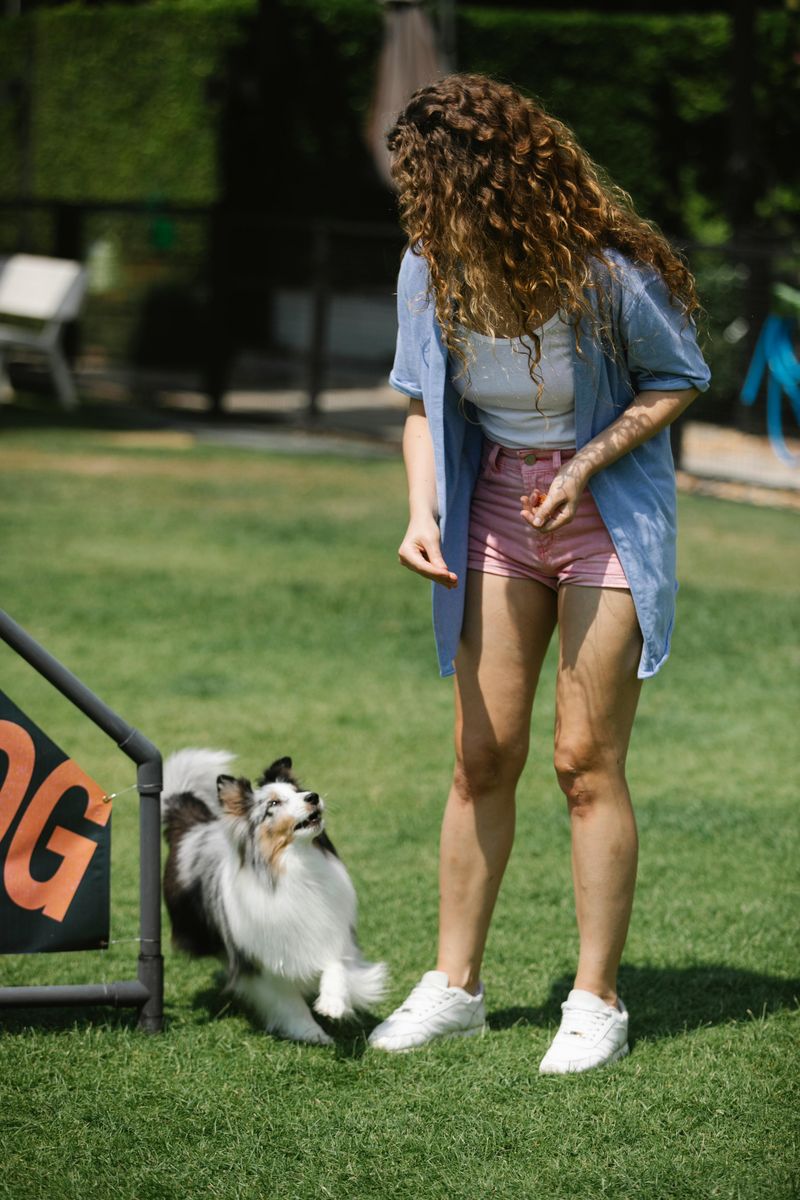
Place a treat in a closed fist and let your dog investigate. The moment they back off, mark and reward with a different treat from your other hand.
Add the cue “leave it” as they learn backing away pays better.
Progress to an uncovered treat on the floor while you guard it with your foot if needed. Reward eye contact and choosing you over temptation.
Keep rewards frequent so your dog feels successful.
Generalize with safe, low value items before tougher distractions. Avoid scolding, which creates confusion.
A solid leave it becomes real life magic for dropped snacks, sidewalk surprises, and respectful manners.
Place (Go to Mat)
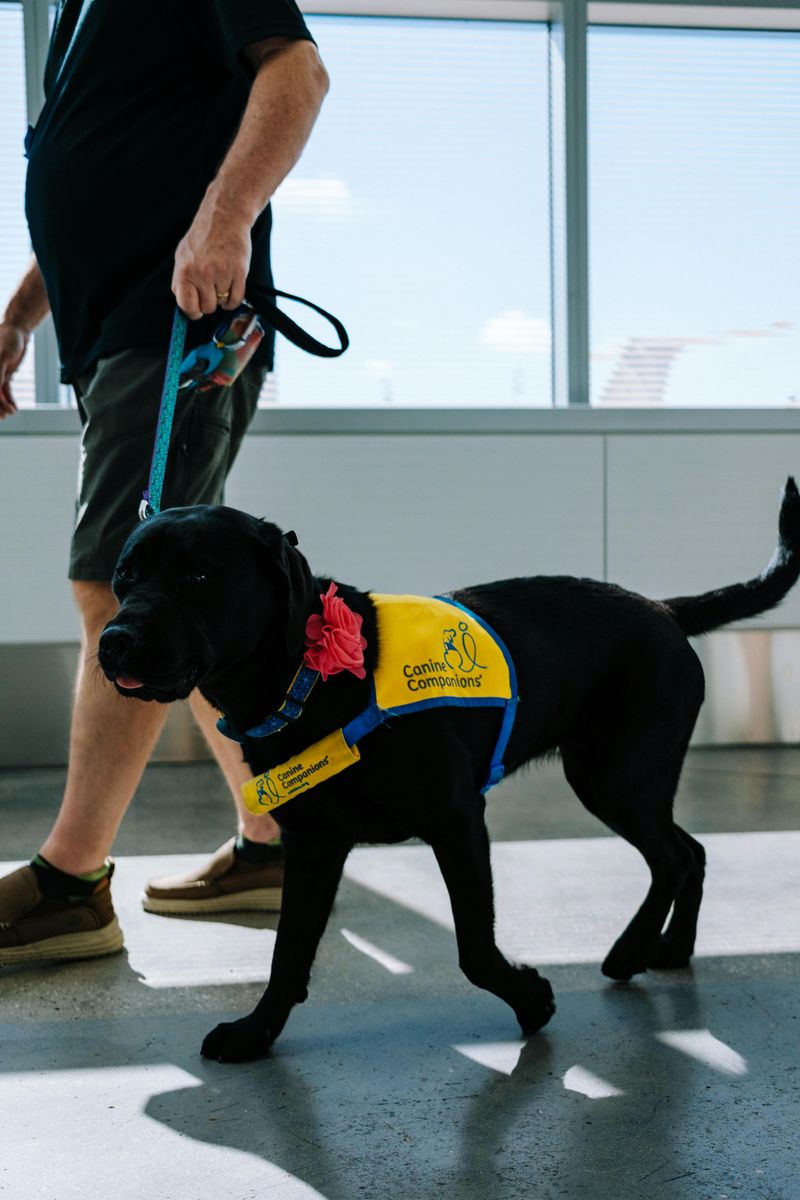
Introduce a comfy mat and toss a treat onto it. When paws land, mark and reward right on the mat.
Add a down and a calm jackpot to make it a relaxing, fabulous spot.
Label it “place” once your dog races to the mat happily. Build duration by feeding small treats at intervals while your dog settles.
Add a release word so leaving the mat is clear and controlled.
Practice near the door, dinner table, and couch. This trick becomes a household superpower that channels energy into chill time.
Guests will be impressed when your dog parks themselves politely on cue.
Peekaboo (Through the Legs)
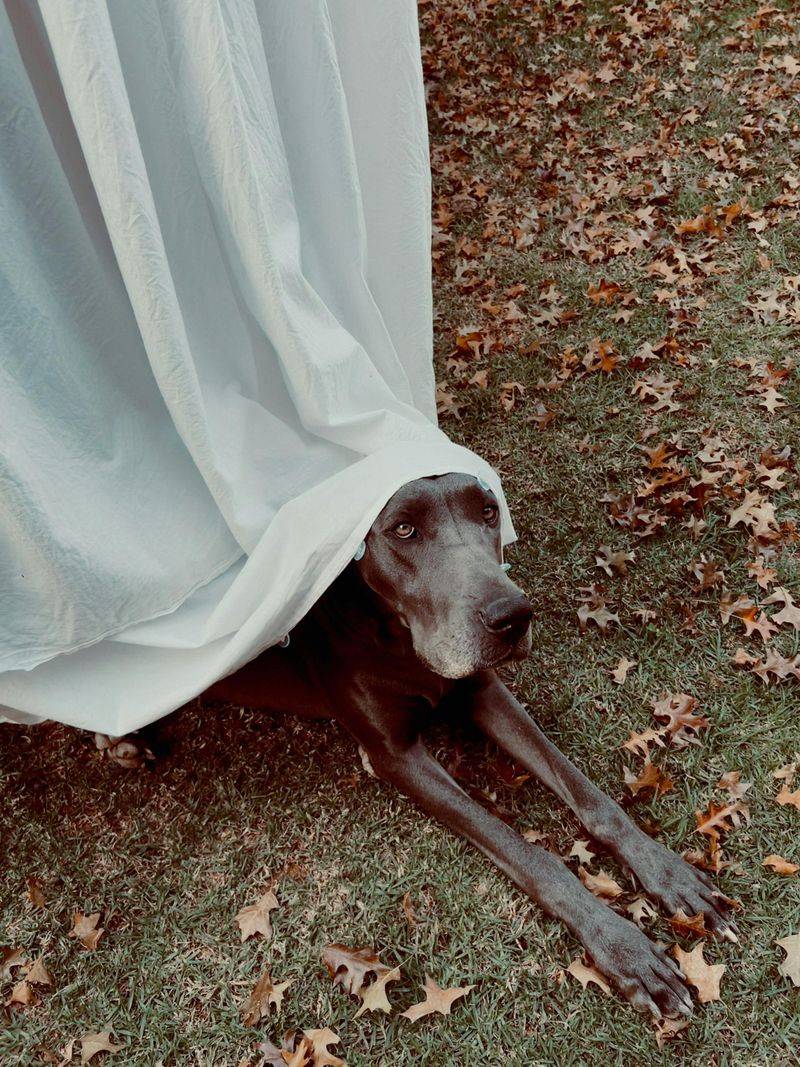
Stand with feet shoulder width apart and lure your dog to step between your legs from behind. Mark and treat when they pause centered beneath you.
Add the cue “peekaboo” or “through” as confidence grows.
Reward calm stillness first, then add a sit between your legs for extra cuteness. Keep sessions short if your dog seems unsure, and widen your stance to make space inviting.
Always use a nonslip surface.
Transition to a hand signal by pointing and tapping your thigh. This trick is great for busy sidewalks, keeping your dog close and focused.
It looks adorable while building trust and body awareness.
Bow
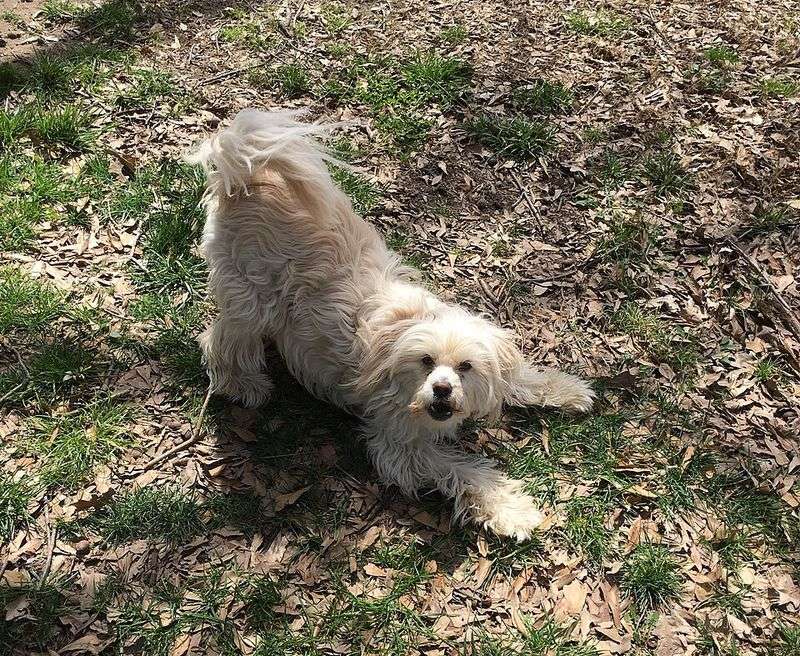
Catch a natural stretch after naps or lure from stand by bringing a treat down between the front paws. Support gently under the belly if needed to prevent a full down.
Mark the dipped elbows and reward with cheerful praise.
Add the cue “bow” once the movement becomes predictable. Keep reps light and playful to match the vibe.
Reward quickly at the lowest point so your dog understands the target posture.
Gradually fade your hand support and build duration. This photogenic trick doubles as a warm up that loosens the spine.
It communicates friendliness and looks charming in any routine.
Figure Eight Around Legs
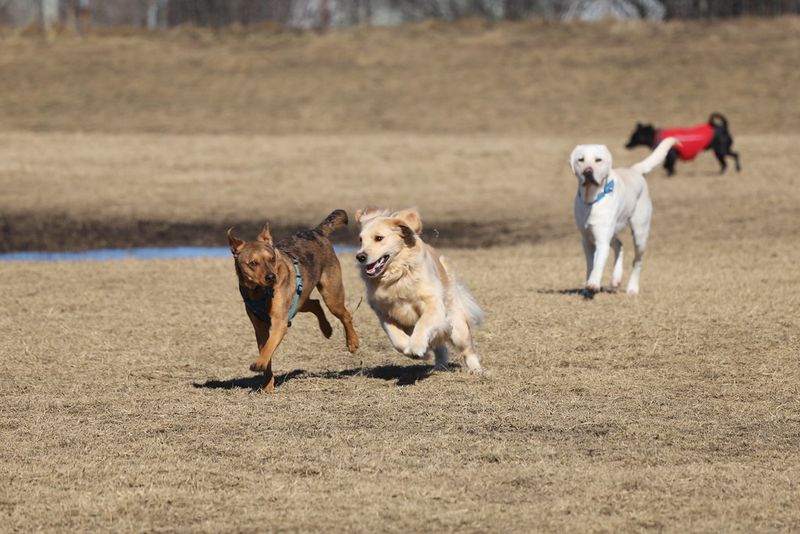
Stand with a comfortable stance and lure your dog around one leg, then back through and around the other to complete an eight. Mark and reward after each loop.
Keep the path tight and surfaces nonslip for smooth motion.
Add separate cues like “around” and “weave” to clarify direction changes. Gradually reduce the lure to a hand signal and intermittent rewards.
If your dog loses track, break the pattern into small chunks.
This trick builds focus and rear end awareness. Use it as an energetic warm up before training sessions.
With practice, the figure eight looks graceful and feels like a joyful dance together.
Take a Bow With Prop (Advanced Easy)
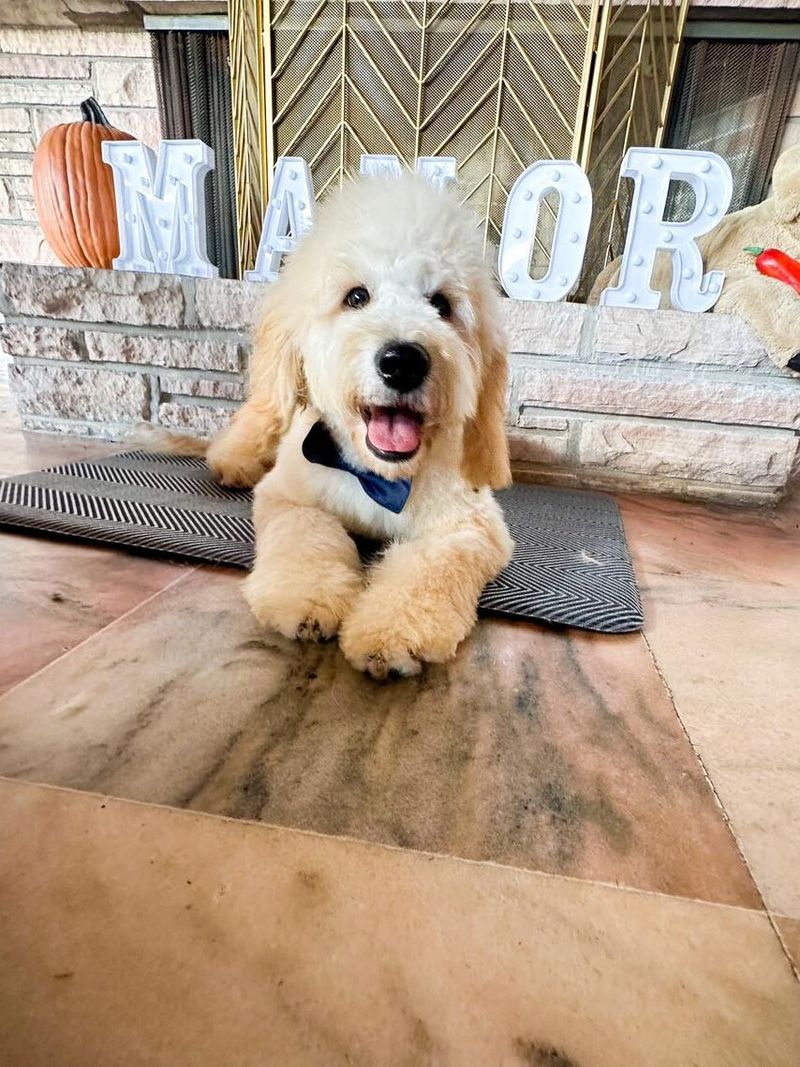
Level up bow by introducing a low platform for the front paws. Lure the head down so elbows lower while the rear stays high.
Mark the tidy posture and reward near the chest to maintain position.
The prop helps clarity and reduces sliding. Fade the platform gradually by using thinner books or mats.
Keep reps brief and upbeat, reinforcing at the lowest point for accuracy.
Pair a hand signal, like sweeping your arm forward, with the verbal cue. When fluent, remove the prop completely.
This polished variation photographs beautifully and reinforces body control without making training harder.