
Some dogs soak up your mood like a sponge and crumble when life gets too loud. If your home echoes with clatter and constant chatter, these gentle souls may struggle more than you realize.
The right calm routine can turn anxiety into confidence and connection. Let’s uncover the breeds that crave soft voices, steady rhythms, and a little bubble of peace.
Border Collie
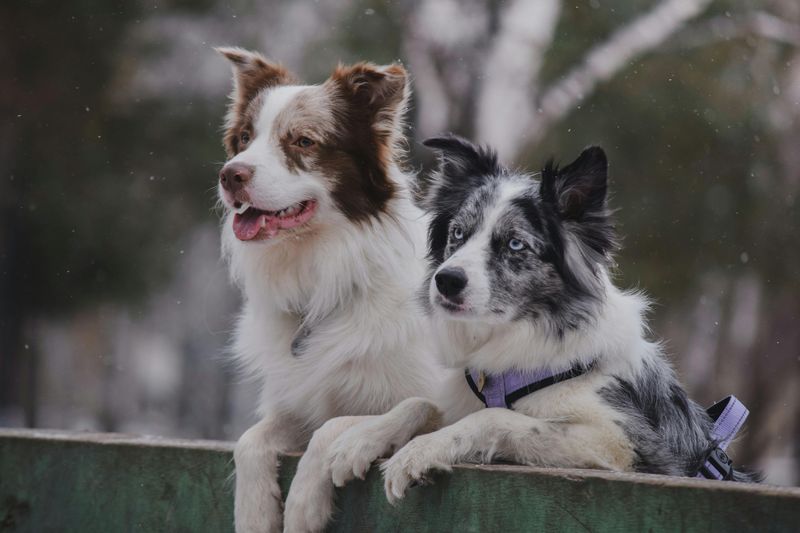
Border Collies are brilliant, sensitive souls that read rooms faster than most people. Sudden clatter, loud arguments, or chaotic play can send them spiraling into worry.
You will notice the ears pin, the eyes widen, and pacing begin when the environment feels unsafe. Provide predictable routines, soft voices, and decompression walks.
Mental games help, but high arousal can backfire without recovery time.
Teach a calm default by rewarding stillness and eye contact. Offer a quiet safe zone with a comfy bed and a chew to settle their busy brain.
If kids are around, create structured interactions and gentle cue words. On noisy days, choose nosework, scatter feeding, and slow sniffy hikes.
Your Collie will thrive when peace is normal, not a rare event.
Cavalier King Charles Spaniel

Cavaliers wear their hearts on their sleeves and your stress shows up in their eyes. Loud televisions, slamming doors, and excited greetings can overwhelm their soft nature.
You might see lip licking, panting, or clingy behavior that signals they need space. Keep greetings low key, dim the volume, and settle into slow mornings together.
Short sniff walks soothe nerves more than frantic fetch.
Set up a peaceful crate or covered bed where gentle music masks noise. Use predictable routines for meals, potty breaks, and training so they can relax.
Reward quiet settling next to you instead of constant petting. If visitors arrive, give a stuffed Kong in the bedroom.
Your Cavalier blossoms when life feels safe, cozy, and wonderfully unhurried.
Whippet

Whippets look elegant and act like emotional tuning forks. Sudden shouts or clanging pans can startle them into a trembling freeze.
You may notice tucked tails, careful steps, and a wish to disappear. Keep the environment predictable with quiet transitions between activities.
Warmth and soft bedding matter, because comfort reduces overall stress and reactivity.
Use gentle training games that build confidence, like shaping simple positions and rewarding calm. Choose low pressure exercise such as leash walks and zoomies in a secure, quiet field.
A snug sweater in cool weather helps them settle and sleep deeper. When guests visit, set a curtain or baby gate buffer.
Your Whippet thrives with soft tones, steady routines, and zero chaos.
Greyhound
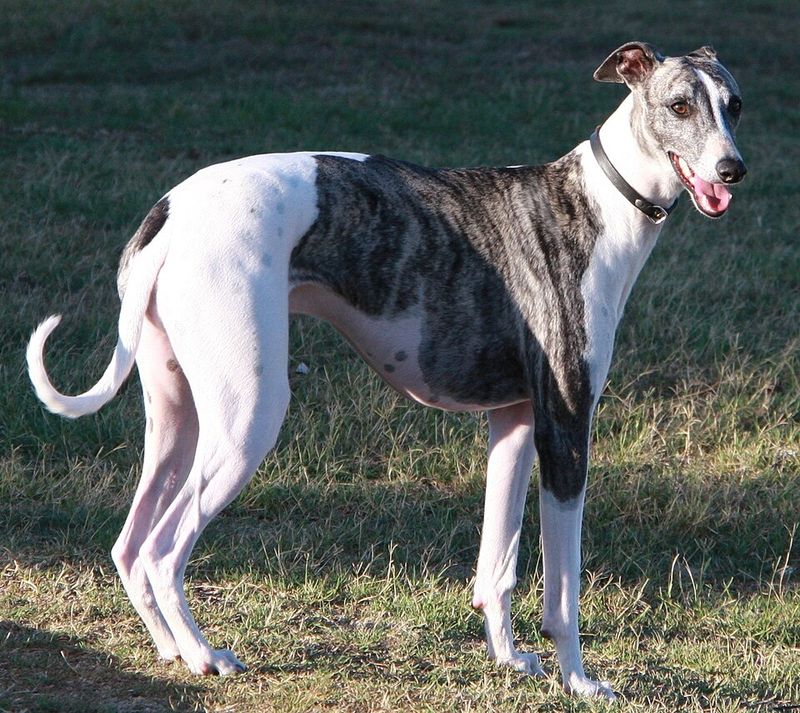
Greyhounds often carry a thoughtful stillness that shatters when noise spikes. Sudden excitement, loud games, or crowded rooms can send them to the far corner.
Look for whale eye, yawns, or slow, careful movement when stress builds. Offer a predictable day with gentle walks and lots of naps.
Avoid roughhousing and keep greetings soft so they feel safe.
Create a den-like zone with a thick bed and blankets to mute sounds. Reward calm behavior and give them permission to retreat whenever needed.
Structured sniff walks and puzzle feeders use the brain without flooding emotions. Use soft music or a fan to buffer street noise.
When peace is the norm, your Greyhound’s quiet courage and affectionate sweetness truly shine.
Shetland Sheepdog
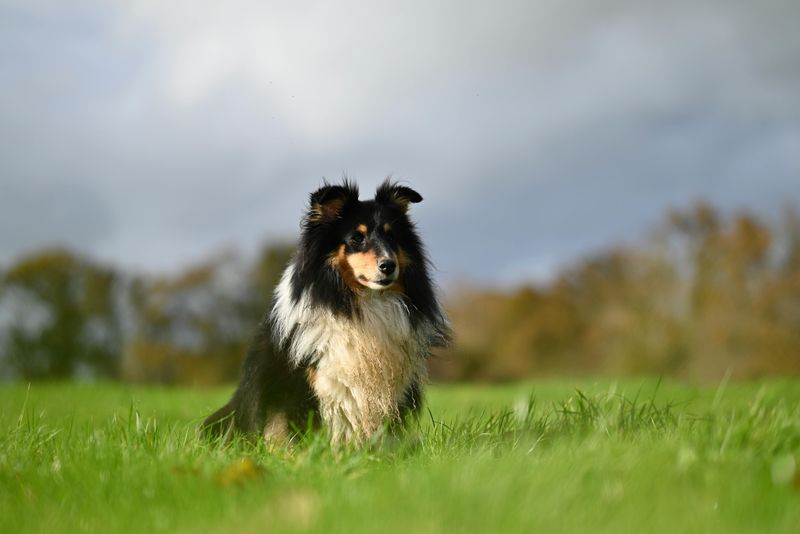
Shetland Sheepdogs are vigilant and exquisitely sensitive. A banging delivery, loud laughter, or kids sprinting past can tip them into reactivity.
You will hear alert barks and see restless prancing when stress rises. Replace unpredictability with gentle structure, clear cues, and quiet praise.
Decompression walks and easy scent games help their busy brains unwind gracefully.
Teach a go-to mat behavior and reward long exhales. Provide a gated calm zone during parties, paired with a chew or lick mat.
Avoid repetitive fetch that spikes arousal without recovery. If your home runs loud, schedule quiet windows each day.
Your Sheltie will feel safer when the rhythm slows, your voice softens, and relaxation becomes a practiced habit.
Vizsla

Vizslas are velcro by nature and feel everything intensely. Boisterous gatherings and abrupt noises can leave them pacing, whining, or seeking constant reassurance.
You might notice pawing, sticky closeness, and restless sleep after busy days. Ground them with calm touch, predictable training sessions, and long, easy sniff walks.
Keep excitement bouts short, then follow with downtime.
Build confidence through cooperative care, like consent-based nail trims and gentle handling. Use a settle cue on a cushy mat and pay generously for relaxed body language.
White noise or soft playlists help buffer neighborhood clatter. During visits, give distance and a stuffed chew in a separate room.
Your Vizsla thrives when connection is steady, voices are soft, and routines whisper safety.
Australian Shepherd
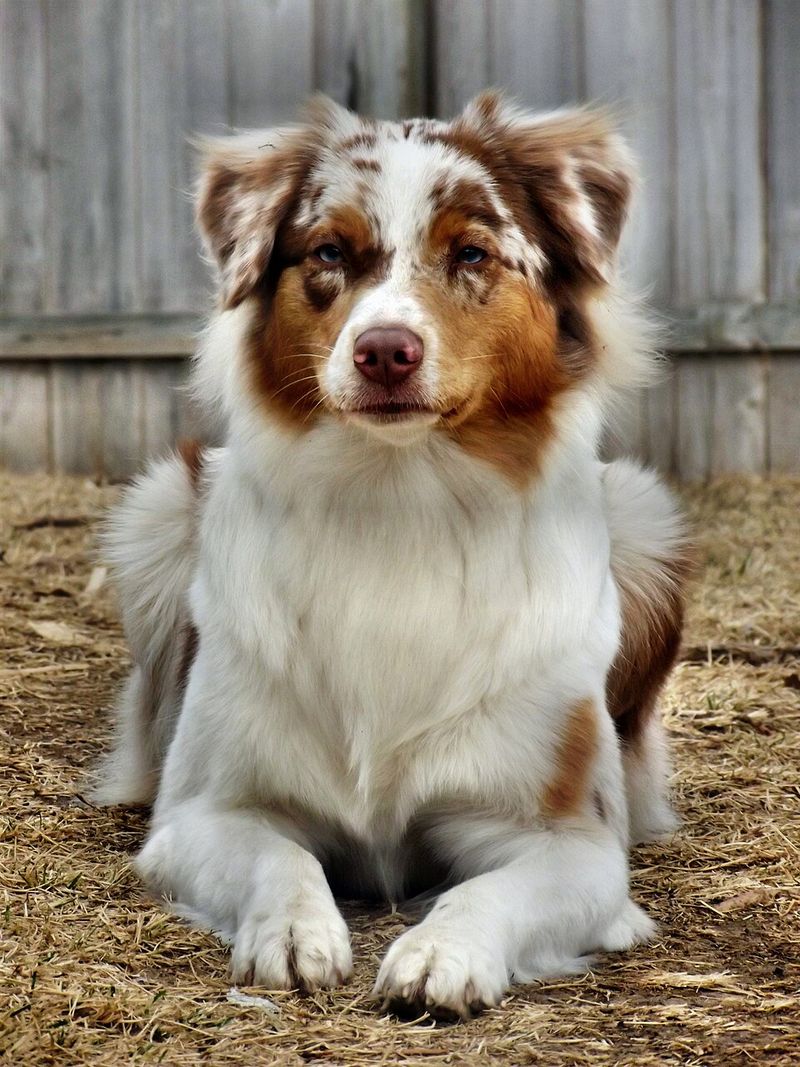
Australian Shepherds scan everything and react fast. Loud play, doorbells, or chaotic schedules can flip them into overdrive.
You might see herding nudges, vocalizing, and frantic motion when the room erupts. Slow the tempo with purposeful routines and calm outlets.
Think nosework lines, pattern games, and structured decompression walks to ease their alert minds.
Teach a station cue and reinforce deep breaths and stillness. Use barriers during parties so they can relax away from the action.
Skip relentless fetch that spikes arousal, and add settle time after training. Soft, clear communication beats repetition shouted over noise.
Your Aussie becomes thoughtful and beautifully connected when life trades constant stimulation for predictable peace.
Cocker Spaniel
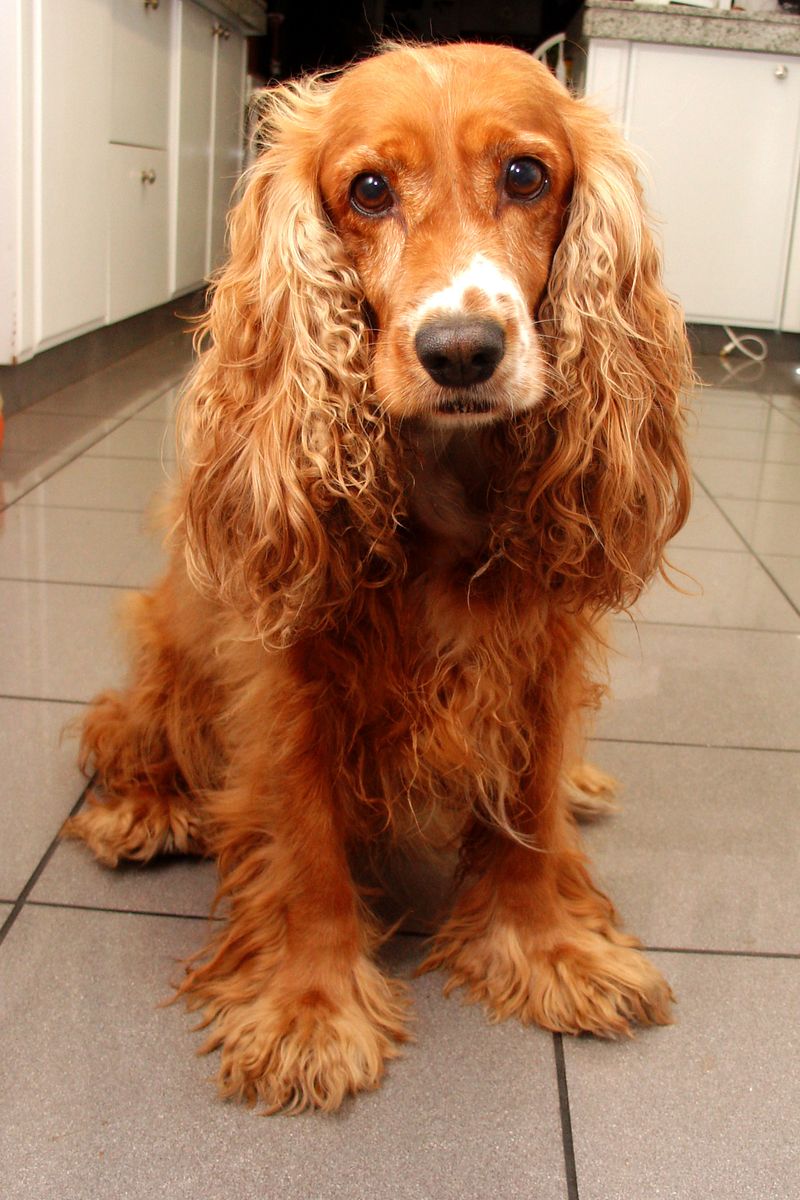
Cocker Spaniels wear their emotions openly and can wilt under noise. Clattering dishes, raucous play, or intense training can overwhelm their gentle nature.
Notice the lowered head, soft whine, or slow approach when they feel unsure. Choose calm routines, kind voices, and short training bursts with generous breaks.
Sniffy ambles relax more than fast, frantic exercise.
Create a cozy retreat with a plush bed and soothing background sounds. Reward self-soothing, like choosing to lie down away from commotion.
Offer lick mats, snuffle boxes, and quiet tug to channel energy thoughtfully. During gatherings, give distance, chews, and predictable check-ins.
Your Cocker will glow with confidence when peace is the baseline and pressure melts into patience.
Havanese
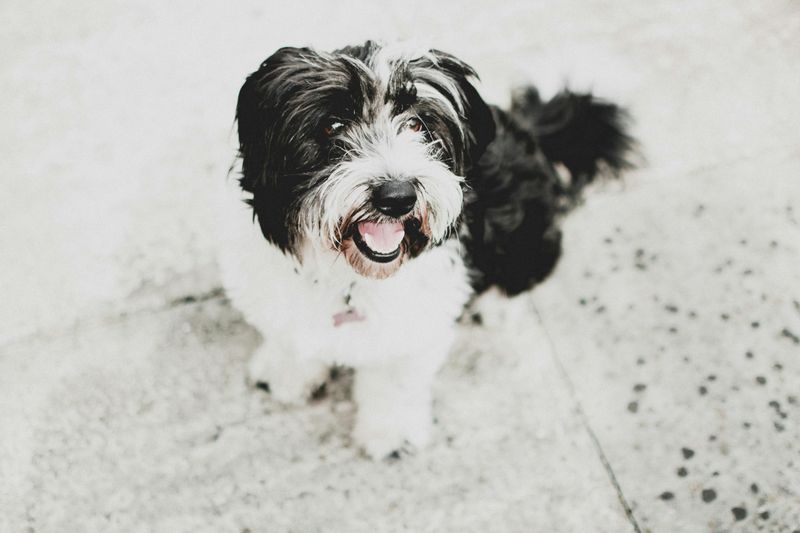
Havanese are cheerful charmers with tender feelings. Big noises and hectic motion can fray their nerves fast.
You will see clinginess, yawning, or appeasing behaviors when the vibe turns loud. Keep play gentle, transitions slow, and voice volume low.
Short training sprinkled through the day works better than one intense session.
Designate a snug hideaway with a covered crate and calming music. Pair visitors with distance, food scatters, and choice-based interactions.
Reward curiosity but avoid flooding with nonstop handling. Sniff walks, trick training, and quiet cuddle breaks build resilience without overload.
Your Havanese shines brightest when daily life feels kind, predictable, and sweetly calm.
Maltese
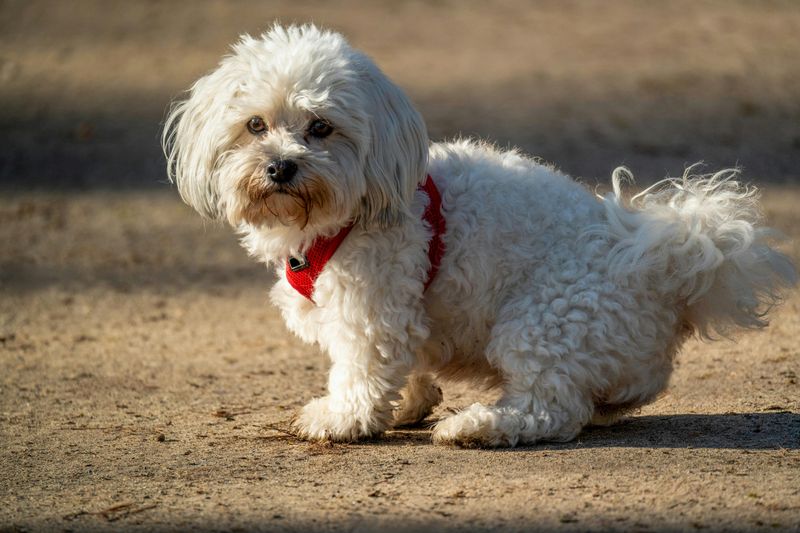
The Maltese heart is tender and tuned to your mood. Sudden bursts of noise, rough play, or busy hallways can spark trembling or hiding.
Watch for paw lifts, lip licks, and a hesitant step toward you. Lower the soundtrack, slow the pace, and build safety with routines.
Gentle grooming rituals and slow, happy walks help them exhale.
Create a quiet corner with cozy blankets and a favorite chew. Train a relax cue and pay for deep sighs and loose muscles.
During gatherings, set distance and let them opt in at their own speed. Choose puzzle toys and scent games over high arousal fetch.
Your Maltese will bloom when quiet kindness guides every day.
Italian Greyhound
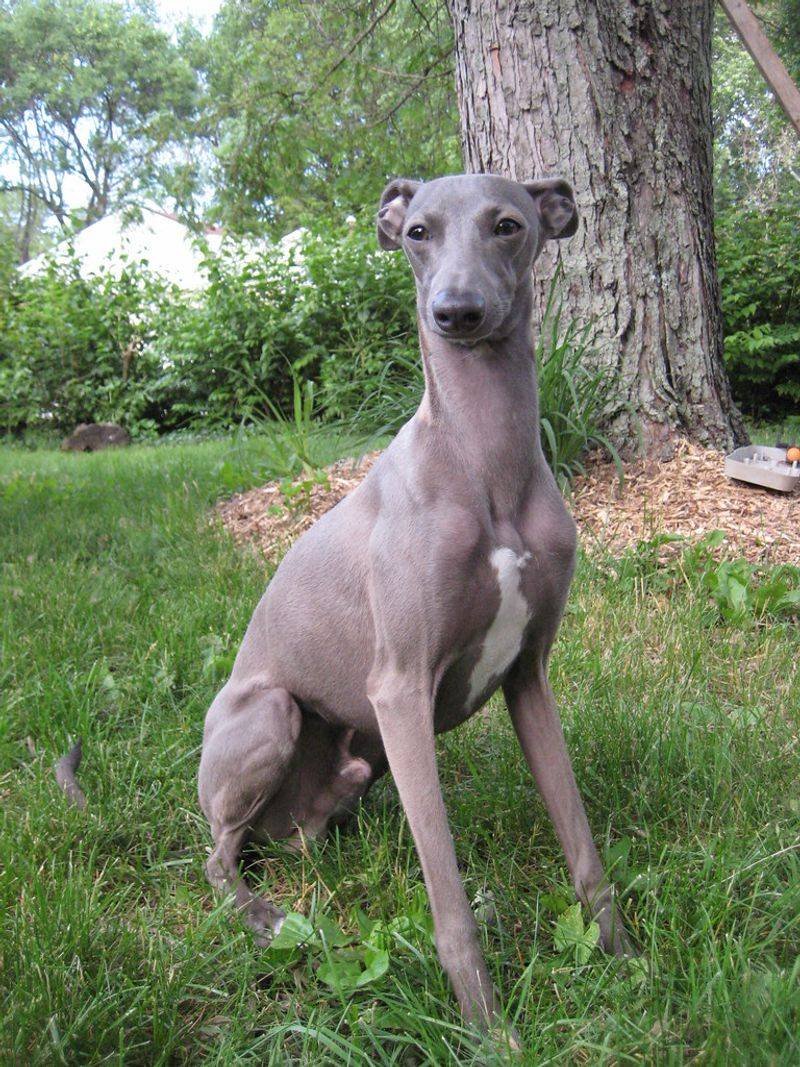
Italian Greyhounds are porcelain-fragile in body and emotion. Loud surprises and bustling rooms can send them quivering under blankets.
Expect careful steps, tucked posture, and a wish to be held when tension rises. Keep your voice soft, your movements smooth, and your plans predictable.
Warmth, routine, and gentle touch are their anchors.
Teach a cozy wrap or sweater as part of a calming ritual. Reinforce quiet resting on a mat and offer lick mats during stressful moments.
Use slow sniff walks and shaping games to build confidence without pressure. Set up a retreat room for visitors and deliveries.
Your Iggy will find bravery in safety, softness, and unhurried days.
Shih Tzu
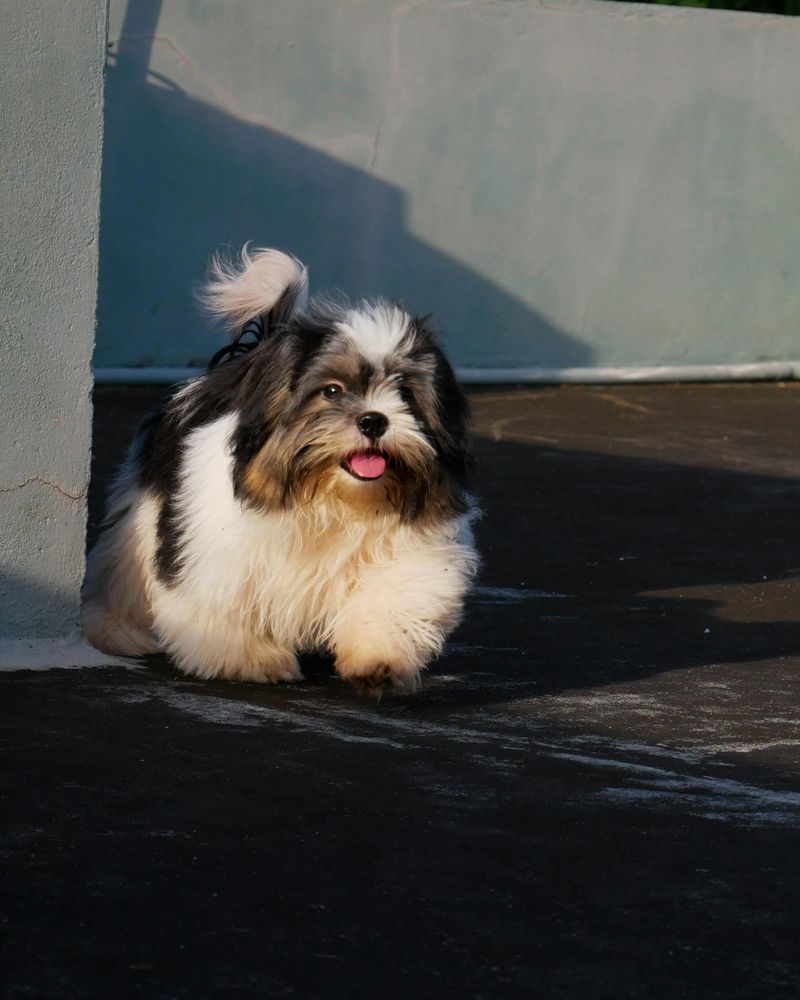
Shih Tzus love companionship but dislike chaos. Bursts of shouting, slamming cupboards, or roughhousing can stir anxious fussing.
You may spot whale eye, slow blinks, and retreat to a corner when noise spikes. Keep days rhythmic, greetings gentle, and training simple.
Brush sessions can double as calming rituals when done slowly and kindly.
Reserve a peaceful nook with plush bedding and a white noise machine. Offer easy scent games and food puzzles that encourage relaxed problem solving.
Reward independent settling and quiet observation from a distance. During parties, create boundaries and provide chews in a separate room.
Your Shih Tzu blossoms when life is predictable, voices are soft, and touch is respectful.
Papillon
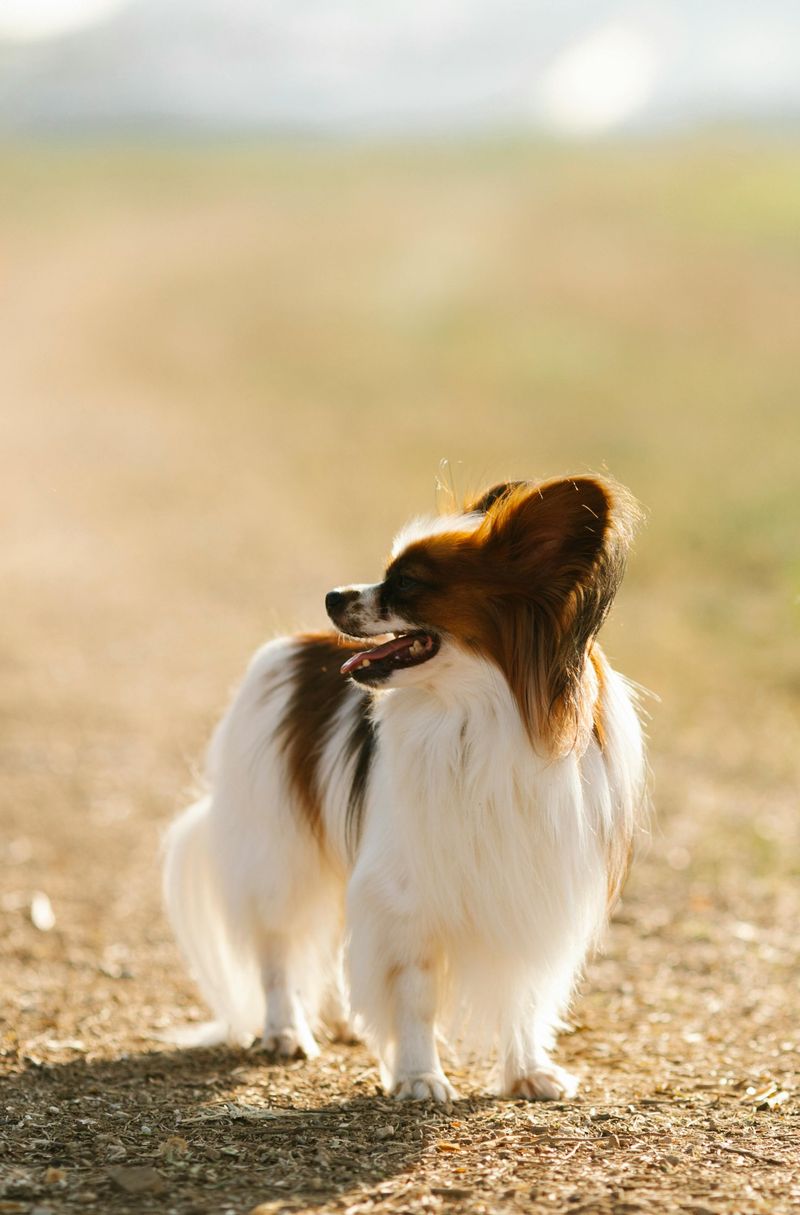
Papillons are bright and delicate, quick to notice every sound. Too much bustle turns curiosity into worry, then yappy alarms.
You will see scanning, prancing, and difficulty settling when arousal climbs. Ease the pace with structured play, short training bursts, and decompression walks.
Reward quiet moments so stillness becomes valuable.
Teach a park-it-on-the-mat behavior and reinforce steady breathing. Use gentle enrichment like snuffle mats and scatter feeding to settle the nervous system.
Buffer visitors with distance and choice instead of forced petting. Keep your tone friendly, your movements smooth, and your schedule predictable.
Your Papillon gains confidence when quiet patterns repeat and peace feels normal.
Golden Retriever
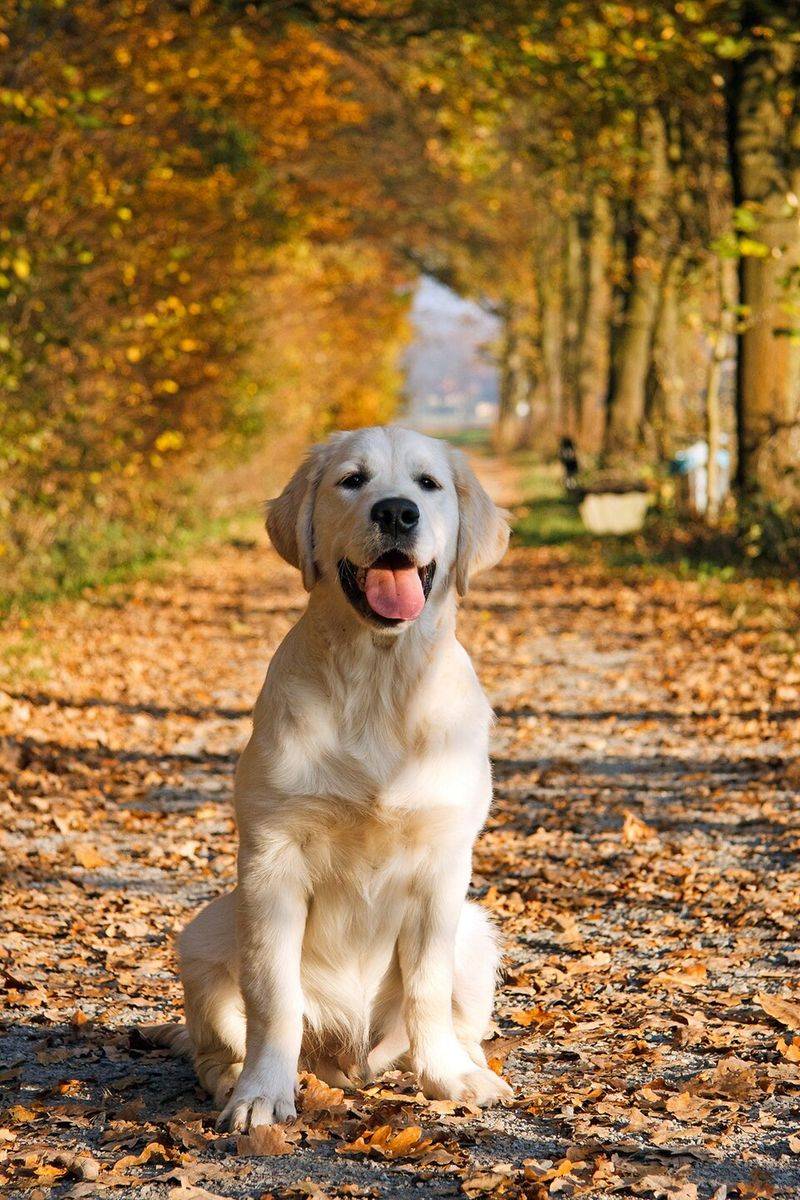
Golden Retrievers are gentle hearts who can absorb the household’s energy. Constant excitement, barking chaos, and loud media erode their easygoing nature.
You might notice over-arousal, drooly greetings, and trouble settling after busy days. Replace frenzy with predictable rhythms, calm training, and long sniffy walks.
Connection matters more than nonstop activity.
Teach a down-stay on a comfy mat and reward relaxed body language. Offer chew sessions after exercise to transition into rest.
During gatherings, give breaks in a quiet room with water and a puzzle. Keep voices friendly and avoid repetitive fetch that spikes adrenaline.
Your Golden will glow when peace, patience, and gentle structure guide the day.