
Small dogs look cute until their courage flips a switch you did not see coming. Many were bred for big jobs, and that grit still lives under the fluff.
If you understand the signals and needs, you can prevent those lightning fast outbursts. Let’s explore the bold little breeds that demand respect and smart handling.
Chihuahua
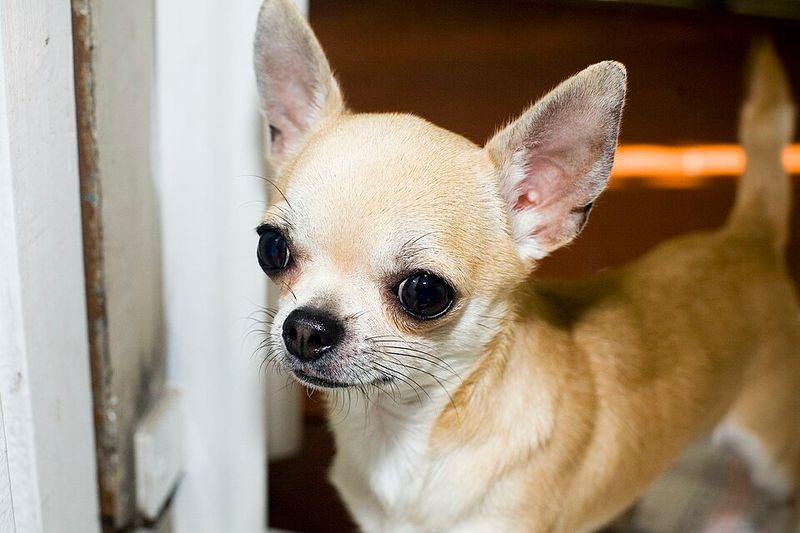
Tiny as they look, Chihuahuas carry a big dog attitude that surprises newcomers and intimidates careless, grabby hands in crowds. They bond fiercely, often guarding you, the couch, or a warm lap, then explode when rushed or cornered without escape.
Watch for stiff posture, hard eyes, tucked tail, and rapid lip licking, because those tiny warnings precede a quick bite.
You can curb reactivity with early socialization, gentle handling, predictable routines, and strict management around kids and visitors at home. Teach settle on a mat, reward calm watch me, use barriers during greetings, and practice short, frequent walks using harness.
Food puzzles, chews, and quiet hideaways burn energy, reduce frustration, and help this sparkplug relax before trouble even starts daily.
Jack Russell Terrier
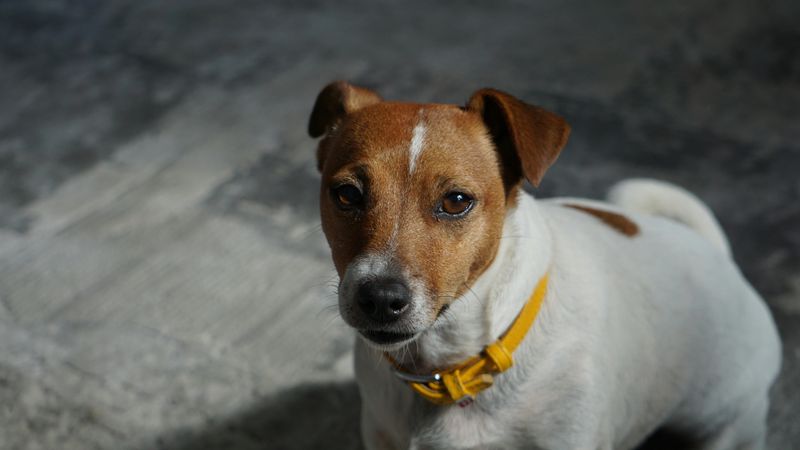
Jack Russell Terriers are compact rockets, bred for fox work, and they still challenge anything that scuttles, squeaks, or surprises. Without outlets, their intense prey drive and sharp brains turn into fence fighting, drilling barks, and redirected nips at ankles.
You will notice stillness before launch, laser eyes, taut whiskers, and vibrating muscles, then zooming chaos explodes across the yard.
Channel that power through scent games, flirt poles, bikejoring style trots, and structured digs using sandboxes or snuffle mats outside. Teach bulletproof recalls, solid leave it, and stationing on platforms, rewarding generously before intensity spikes past thoughtful decision making thresholds.
Respect their heritage, supervise tightly with small pets, and protect rest windows, because over arousal degrades impulse control very fast.
Dachshund
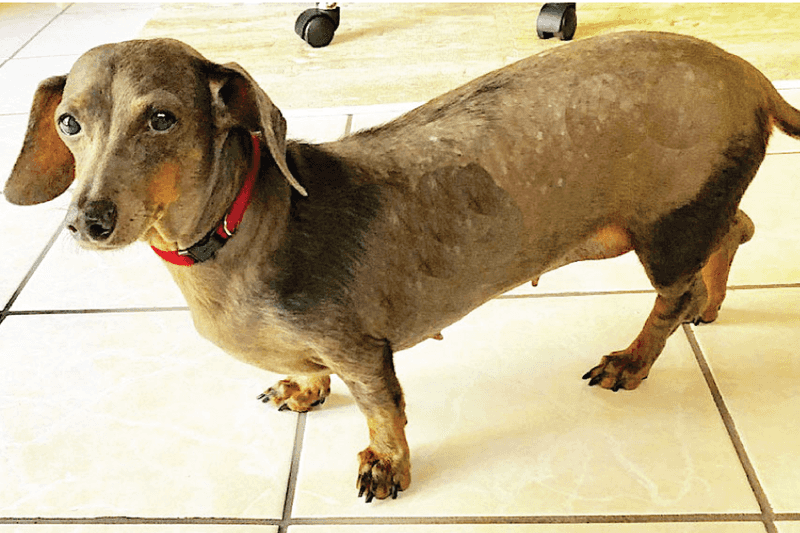
Bred for badger burrows, Dachshunds are fearless tunnelers with surprising persistence, loud voices, and little patience for rude handling whatsoever. Back sensitivity and short legs make sudden lifts painful, so snapping often follows when children scoop or strangers lean over.
You will catch early signals like freezing, whale eye, tucked ears, and rumbling growls before teeth flash in self protection.
Support the chest when lifting, invite rather than grab, and always provide stairs, ramps, and comfy beds near furniture edges. Satisfy instincts with tracking games, earthdog clubs, controlled dig boxes, and long sniffy walks using a secure, fitted harness daily.
Teach cooperative care, chin rests, and touch consent cues, so grooming and vet visits feel predictable, safe, and choice filled.
Miniature Pinscher
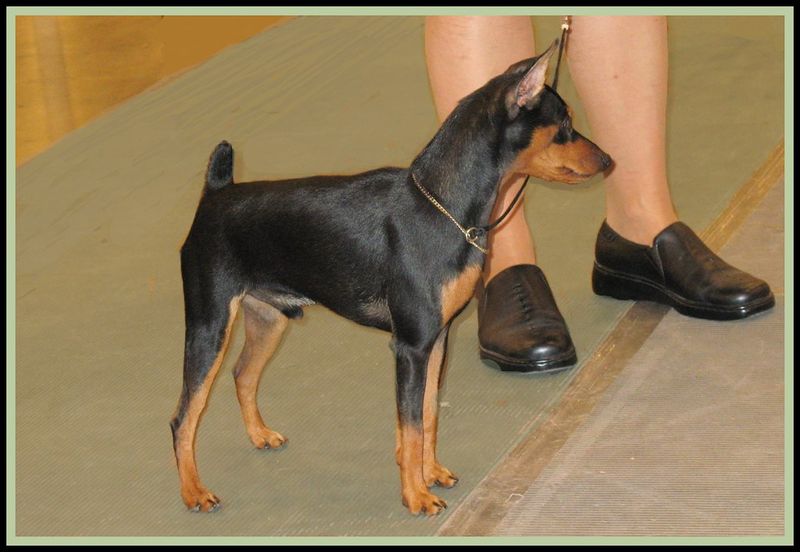
Miniature Pinschers strut like tiny generals, surveying territory, posturing boldly, and objecting loudly when boundaries feel breached by strangers nearby. Their quick reflexes, thin skin, and vigilant nature mean startle responses escalate into defensive nips if you ignore warning whispers.
Notice high tails, forward ears, tight mouths, and prancing steps, because that confidence can mask discomfort or brewing frustration underneath.
Protect their feelings by controlling introductions, offering retreat options, and rewarding curiosity while people toss treats from distance and patience. Teach quiet on cue, station behind a baby gate, and build a strong touch target to guide movement through guests.
Daily trick training, flirt poles, and window film reduce rehearsed barking, channel spark, and help this watchdog relax between activities.
Scottish Terrier
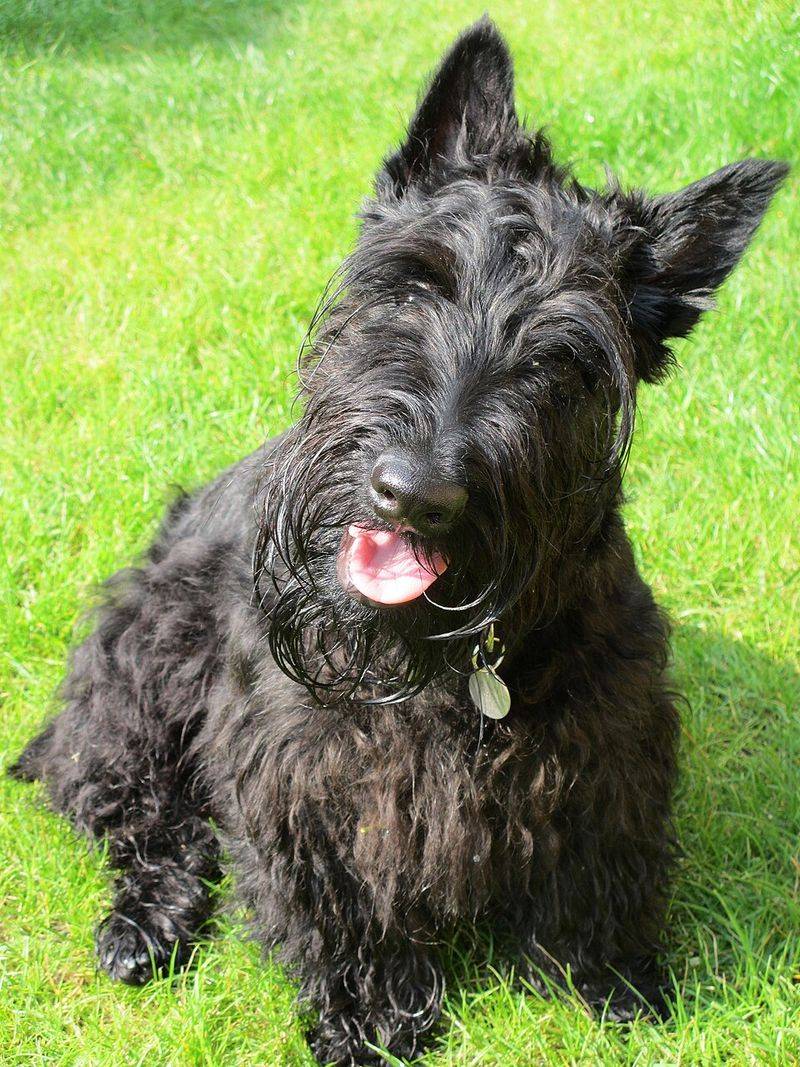
Scotties bring dignified grit, bred to confront vermin underground, and they still assess threats with serious eyes and decisive action. Pushy greetings, sudden grabs, or rough play can provoke stiffness, rumbling warnings, and swift corrections that surprise unprepared visitors badly.
Watch the beard lift, tail set like a mast, and body lean forward before that courageous engine decides to charge.
Balance instincts with structured games, nose work, and confident handling that gives choices rather than forcing uncomfortable proximity during introductions. Teach rock solid leave it, reinforce hand targets, and install a go to mat for calming resets between challenging encounters.
Short power walks, earthdog clubs, and sturdy chew projects drain tension, sharpening focus so thoughtful decisions beat knee jerk reactions.
Cairn Terrier
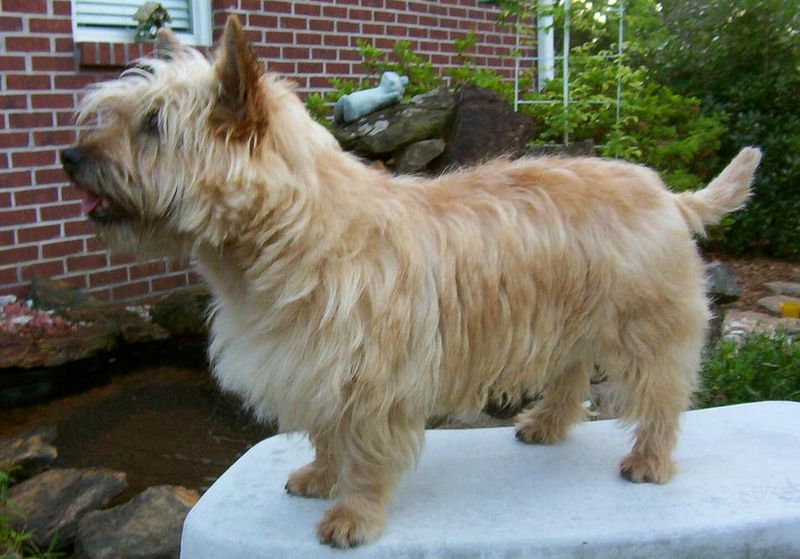
Cairns were built for hills, digging out pests, and barking boldly when anything suspicious rustled near stone walls or hedges. That courage sometimes becomes impatience with pushy dogs, bikes, or kids, leading to snaps and wrestling matches you never wanted.
Notice head tip, narrowed eyes, stiff shoulders, and anchored paws before the lunge replaces conversation with pure terrier determination entirely.
Tire them kindly using scent trails, dig pits, hide and seek, and patterned walks that pulse between sniffing and heeling. Practice reorientation games, emergency u turns, and calm check ins so your dog learns pivoting back to you brings reinforcement.
Respect thresholds, add space, and coach family to pause, toss treats, and invite rather than insist when greetings feel tricky.
Yorkshire Terrier
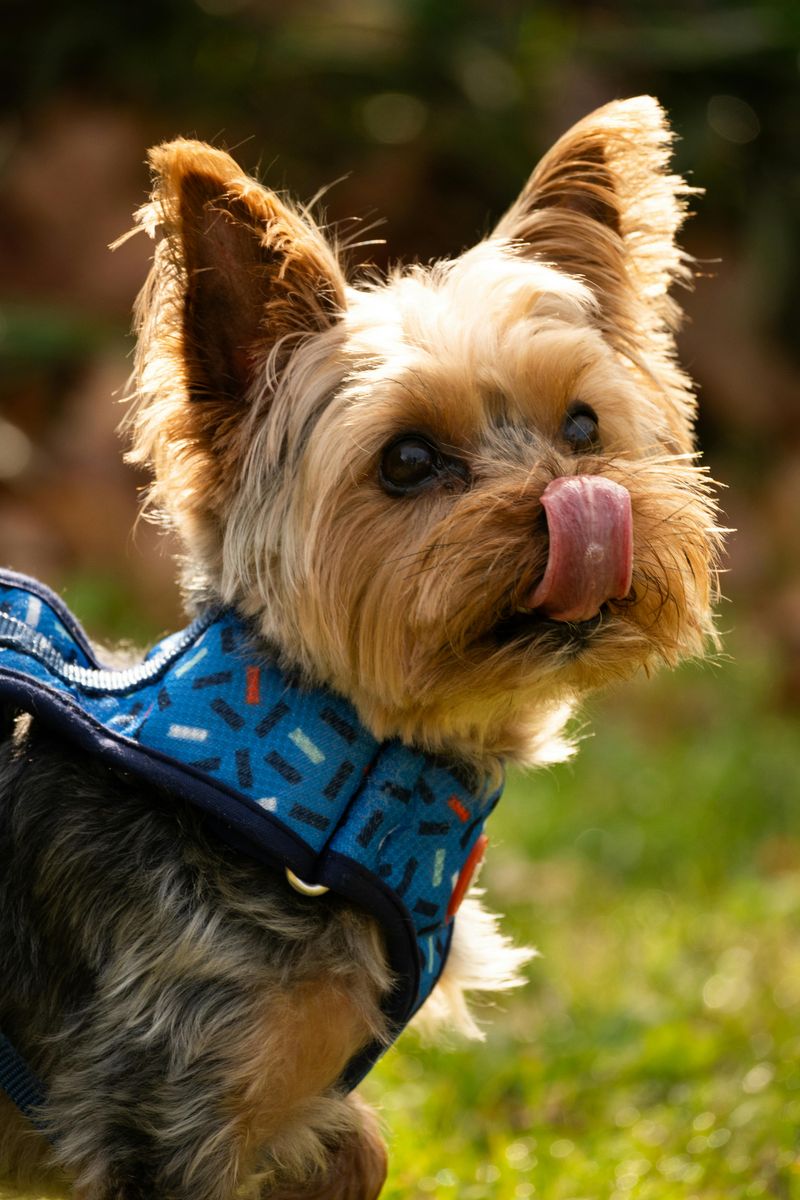
Yorkies sparkle with bravado, silk flowing, as they patrol doorways and furniture edges like sentries guarding a royal runway daily. Their tiny size invites rough grabs, yet their courage shouts back, sometimes escalating into fierce alarms and defensive snapping fits.
You will spot micro signals first, like paw lifts, pinned ears, quick freezes, then sudden lunges that shock unsuspecting guests.
Shape steadier confidence using predictable routines, soft body handling, decompression walks, and protected perches with safe escape routes at home. Teach speak and quiet, build a rock solid hand target, and reward checking in before barking spirals into neighborhood news.
Groom patiently, introduce tools slowly, and pair every touch with snacks, transforming brush time from battle to spa appointment vibes.
Pomeranian
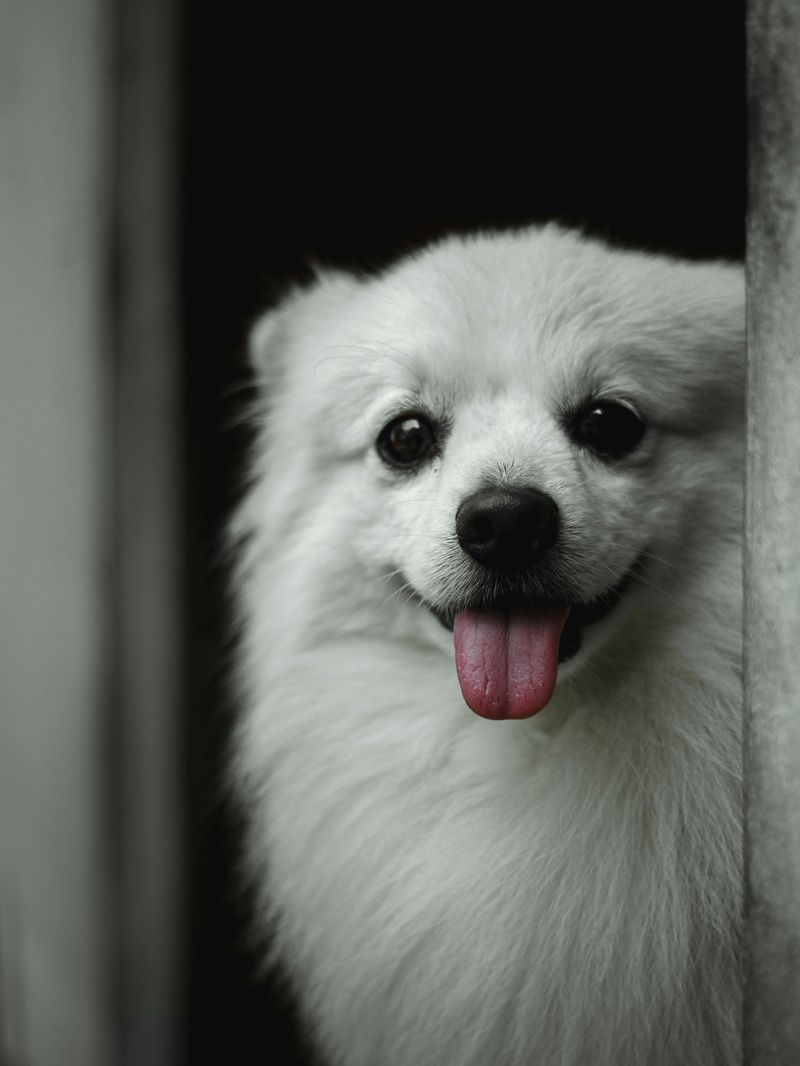
Pomeranians pack big drama into tiny frames, broadcasting alerts about footsteps, mail slots, and suspicious leaves with relentless enthusiasm daily. When strangers loom or hands dive toward fluff, that bold watchdog instinct can jump into snapping if boundaries are ignored.
Look for puffed coat, tight mouth corners, stiff tail, and front feet planted, then decide to add space and snacks.
Give an outlet with platform games, trick training, cooperative care, and stroller rides when crowds overwhelm tiny legs or confidence. Teach chin rest, place, and go say hi, rewarding brief sniffs, then retreating to reset before arousal heats beyond thinking.
Brush regularly, trim feathers, and manage coat comfort, since mats tug skin and make tolerance for touch plummet without warning.
Shiba Inu
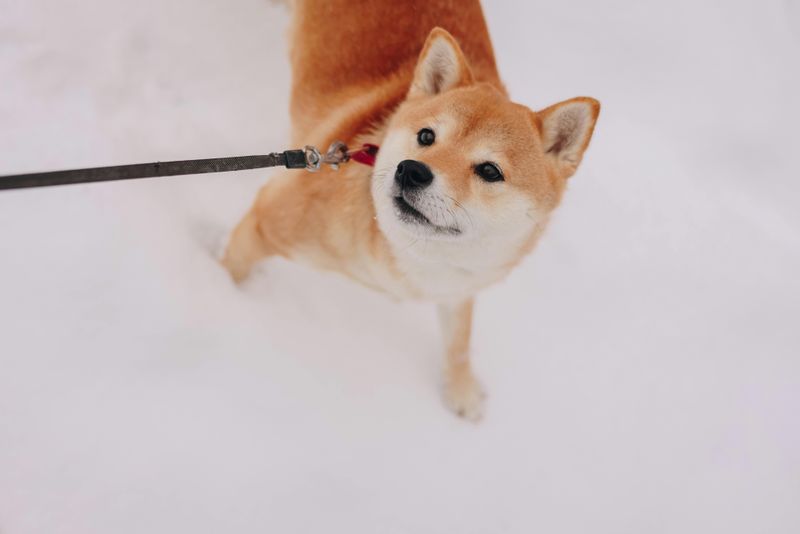
Shibas are independent strategists, catlike and calculating, who tolerate nonsense poorly and protest restraint with theatrical, echoing screams when cornered. They can resource guard space, food, or people, then lunge when pressure continues, especially during grooming, nail trims, or vetting.
Early signals include stillness, head turn, closed mouth, and a dismissive glance, followed by explosive motion if you ignore boundaries.
Respect autonomy by teaching consent cues, cooperative harnessing, and trade games, letting the dog choose reengagement after brief breaks outside. Reinforce recall with long lines, practice zen doorways, and build value for muzzles, creating safety nets for unpredictable urban surprises.
Satisfy instincts with scent work, uphill hikes, and puzzle feeders, then prioritize decompression so emotions never boil past thoughtful choices.
Lhasa Apso
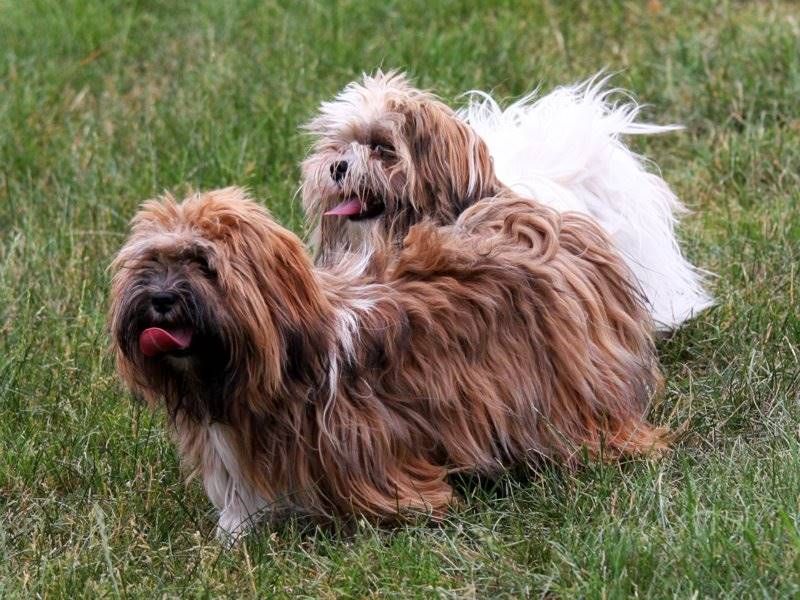
Lhasas guarded monasteries, surveying entries with regal calm, and still take doorway protocols seriously inside small apartments and houses today. Persistent staring, sudden hugs, or loud surprises can push them over threshold, triggering sharp corrections that sound far bigger outside.
You will notice narrowed eyes, tight lips, a lifted paw, then a powerful bark before tension flips into snappy defense.
Use curtain bangs or head ties to improve vision, since impaired sight makes startles frequent and handling feel unfair often. Teach go to bed, park behind you, and accept a soft muzzle, building calm habits for grooming or crowded elevators.
Daily brushing, gentle comb outs, and patient nail care preserve comfort, increasing tolerance for life while protecting that magnificent coat.
Pekingese
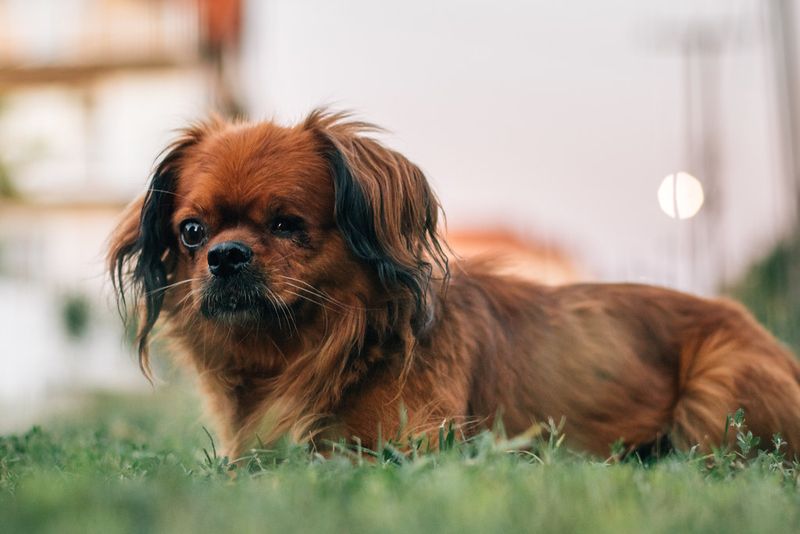
Pekingese carry royal confidence, low and lion maned, and they dislike rude greetings that disrespect space, fur, or face boundaries. Their flat faces complicate breathing and grooming, so restraint or heavy hands can flip defensive quickly when oxygen feels scarce.
Watch for whale eye, lifted lip, and a lion pose, then add room, time, and snacks before boredom becomes backlash.
Lower conflict by inviting, not insisting, and teach a chin target so you can handle eyes, ears, and face kindly. Prioritize cool rooms, airflow harnesses, and short sessions, because overheating steals patience and pushes behavior past reason quickly during summer.
Short, dignified walks, scent games, and perch rests build confidence without jostling, helping this noble companion choose cooperation over confrontation.
Papillon
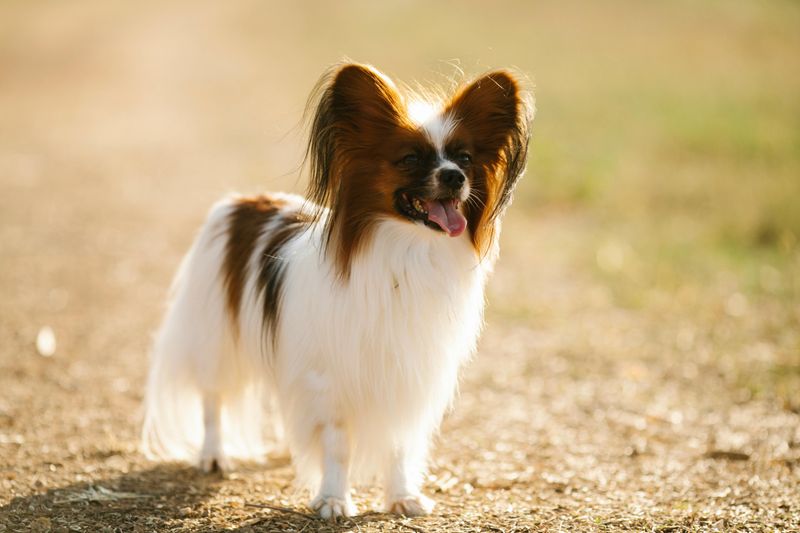
Papillons look delicate, yet their drive and brains fire hot, which can spark pushy barking and startlingly bold protests sometimes. They notice everything, from flicking squirrels to jangling keys, and may redirect frustration onto leashes, sleeves, or nearby shoes unfortunately.
Look for a tight grin, high ears, stiff prance, and squeaky yips, then intervene before velocity outruns good choices entirely.
Engage their minds with rally patterns, platform pivots, and scent work, then build off switches that cue relaxation and stillness. Teach settle on go to mat, reward quiet observation, and practice calm handling so touch stops predicting fireworks or chaos.
Frequent sniff walks, trick sessions, and soft crates provide healthy outlets, reducing frantic rehearsals that make reactivity seem like identity.
Toy Fox Terrier
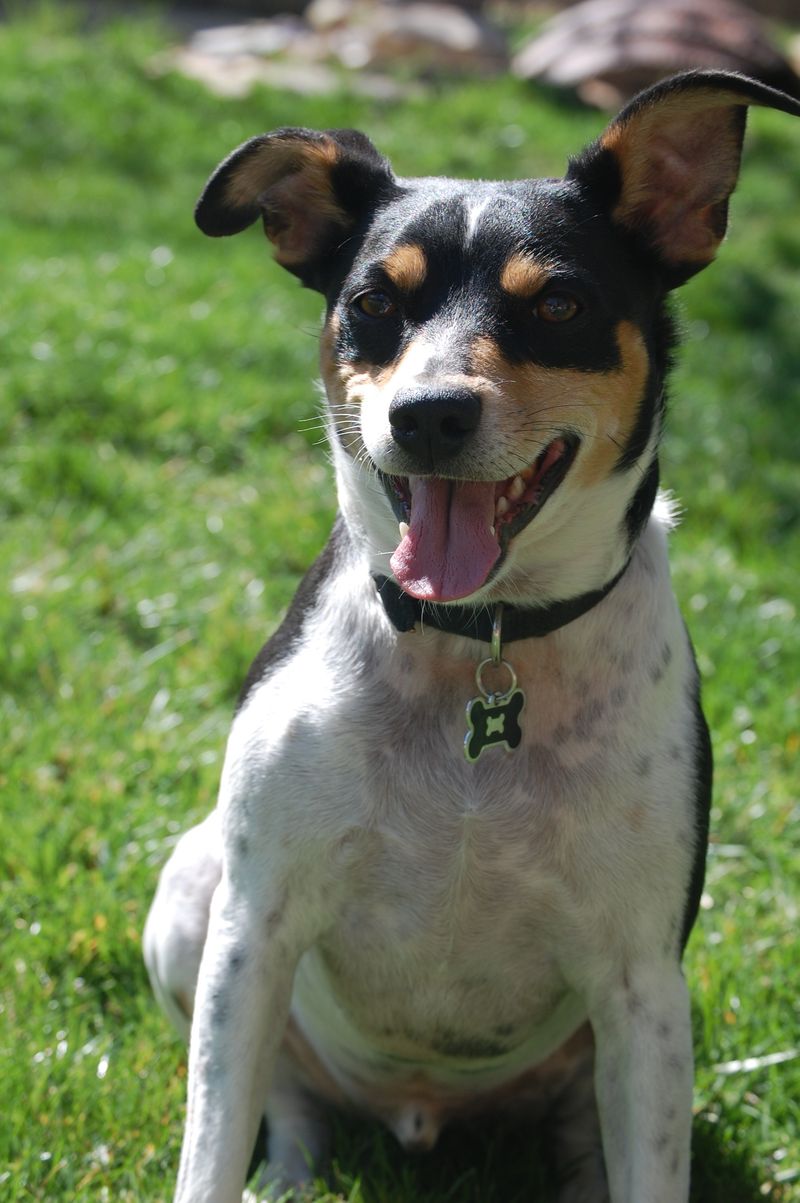
Toy Fox Terriers are pocket athletes with vintage varmint instincts, quick to challenge motion, noise, and boundary pushers around home. They learn patterns fast, including the bad ones, so rehearsed barking and lunging become habits unless you redirect early consistently.
Notice that still stare, tight tail, forward weight, and quivering toes, then pivot before excitement tips into combative commentary territory.
Play tug with rules, sprint fetch sets, and sprinkle nose games so arousal cycles up and down under your guidance. Teach cheerful interrupts like this way, then feed heavily for turning away from doorbells, skateboards, or barking neighbors outside daily.
Keep sessions brief, naps protected, and handling polite, because exhaustion and pain make tempers short and choices predictably worse inevitably.
West Highland White Terrier
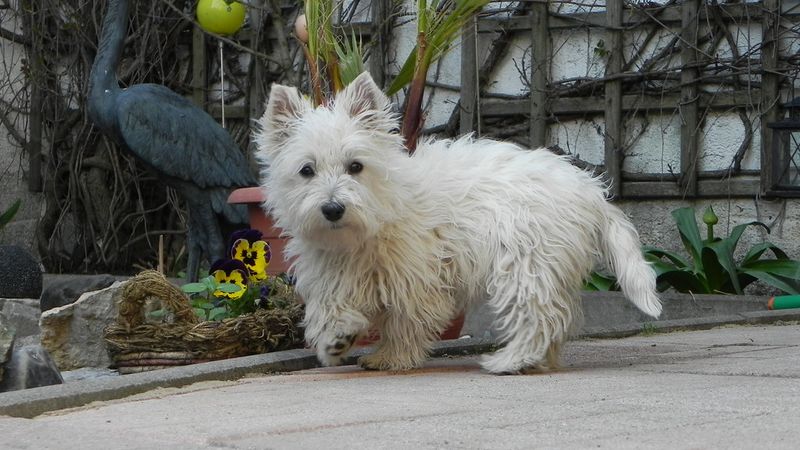
Westies beam confidence, snow coats glowing, built to flush vermin, and still ready to challenge rude dogs crowding their space. They may bark furiously, body block, and launch forward when pressure continues, especially near fences, leashes, or prized resting spots.
Micro signs include whisker twitches, anchored paws, scanning eyes, and a high tail flag, then boom, the engine engages suddenly.
Meet needs with structured digging, barn hunt practice, and sturdy tug, plus decompression walks where sniffing outranks fancy obedience drills. Install an excellent drop, shape stepping off paths, and teach a look at that routine for passing triggers calmly together.
Respect their backbone, reward thoughtful pauses, and keep grooming painless, because confident terriers choose cooperation when outcomes feel fair consistently.