
Border collies are incredible, but the internet highlight reel leaves out a lot of reality. If you have ever wondered why the smart dog you brought home is suddenly bouncing off walls, you are not alone.
This guide unpacks the biggest misconceptions and replaces them with practical truth you can use today. Read on to set clear expectations and build a calmer, happier partnership.
They are not easy for beginners
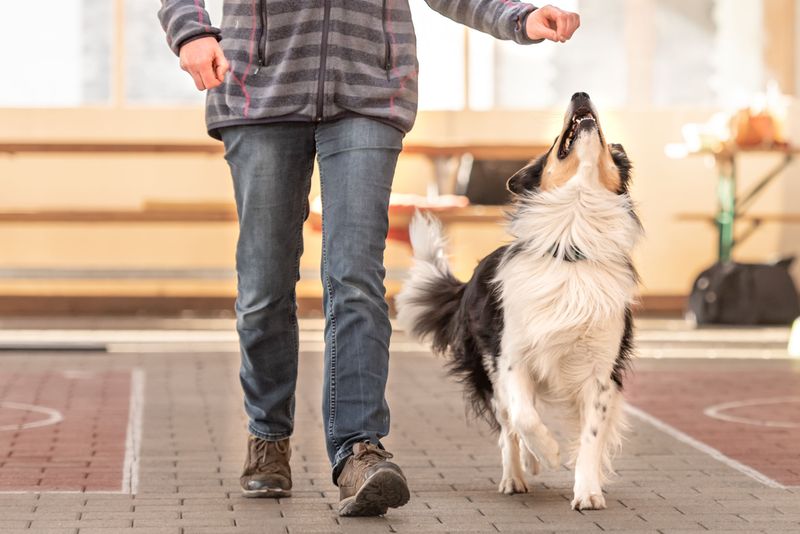
Border collies look dreamy in videos, but beginner owners often feel overwhelmed by reality. These dogs read tiny cues, anticipate routines, and outsmart casual training with startling speed.
If you are just starting out, the pace and precision they expect can feel like too much, especially when energy spikes at inconvenient times. Add in motion sensitivity and herding instincts, and simple walks suddenly become complex learning moments.
Success comes from structure, not guesswork or wishful thinking. You will need a plan for short daily training, brain games, supervised play, and predictable calm downtime.
With mentorship, reward based methods, and realistic goals, a first timer can absolutely thrive. The truth is clear: beginners can succeed when they respect the breed and prepare.
They need constant mental stimulation

People assume constant stimulation means nonstop puzzles, but balance beats noise. Border collies crave meaningful thinking, not chaotic entertainment.
Short problem solving bursts work best, like scent games, shaping tricks, and pattern recalls. Rotate challenges so the brain stays curious without tipping into frantic overarousal.
Quality choices build confidence and prevent the nagging restlessness that shows up as nipping or pacing.
Plan a mental menu you can actually maintain. Five minutes of targeting before breakfast, a snuffle mat at lunch, and a novel fetch rule at dusk add up beautifully.
Sprinkle in rest on purpose, because recovery locks in learning. When you guide the mind in small doses, you meet the need without burning yourself out.
Exercise alone is not enough
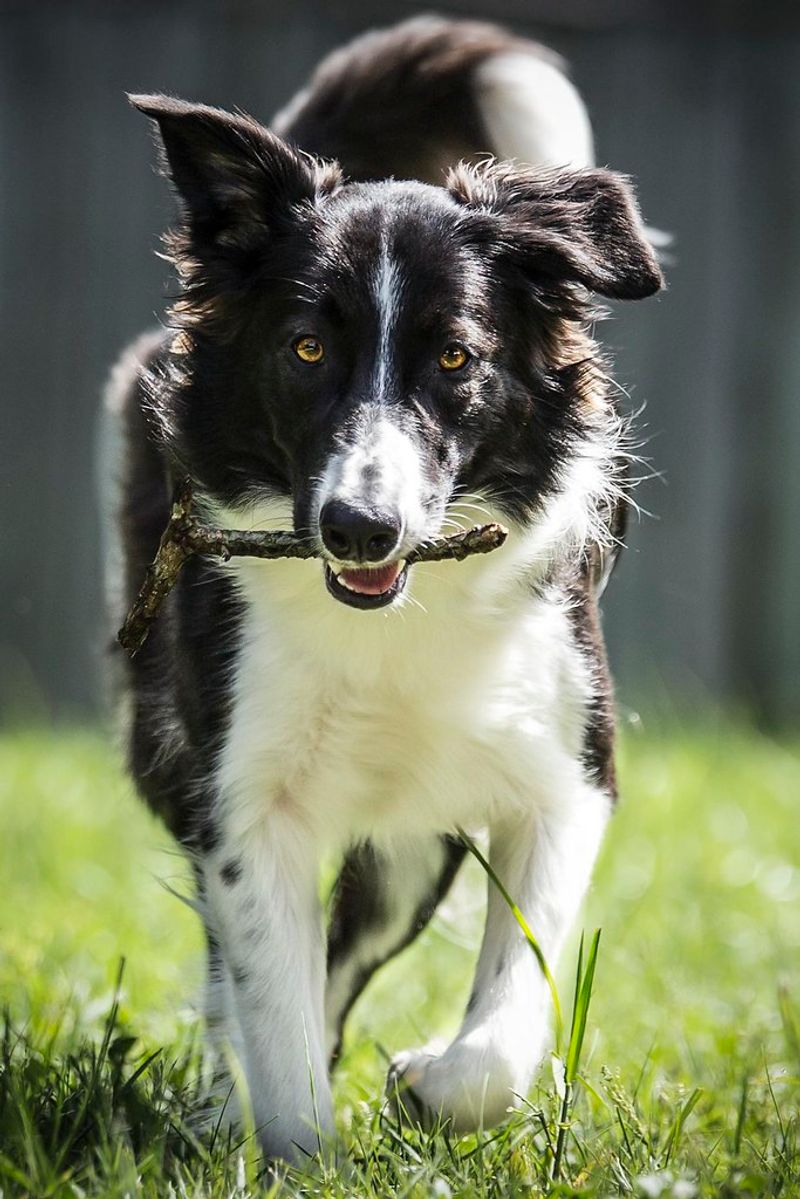
Many owners try to outrun boredom with miles, but the engine just gets fitter. Border collies adapt to physical routines quickly, then ask for more with sharper intensity.
Chasing balls for an hour may calm the body, yet the mind keeps spinning, rehearsing patterns and scanning for jobs. Without thought filled work, exercise becomes fuel for frustration.
That is when problem behaviors creep in at home.
Mix movement with thinking. Try interval walks that include middle positions, loose leash swings, and check ins at landmarks.
Trade twenty throws for five clever retrieves with impulse control. End sessions with decompression sniffing and a structured settle on a mat.
When body and brain train together, everything lands softer and behavior improves.
They can become destructive if bored

Boredom is not petty mischief. For a border collie, idle hours feel like unfinished work buzzing in the background.
Chewed furniture, cratered gardens, and shredded toys are communication, not spite. The dog is saying the day lacked clarity, novelty, or a safe outlet for intensity.
When brains simmer without direction, teeth and paws try to solve the itch.
Prevention beats punishment every time. Rotate durable chews, puzzle feeders, and supervised dig zones.
Schedule training micro sessions, controlled social time, and decompression walks in quiet areas. Secure the environment, then meet needs proactively.
A busy mind in a managed space keeps your home intact and your relationship stronger. If boredom slips in, interrupt early and redirect with purpose.
Not all are naturally obedient
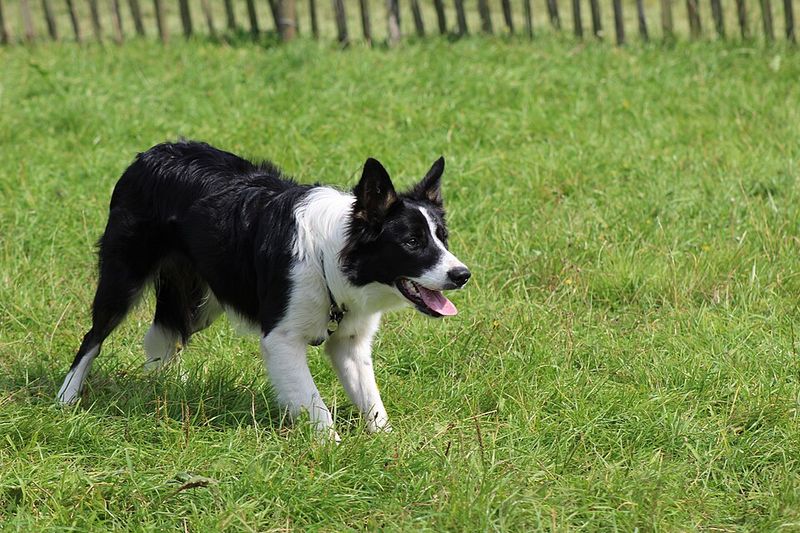
Smart does not equal submissive. Many border collies question unclear instructions, improvise solutions, or prioritize self selected tasks.
That curiosity built their working excellence, but it can clash with household expectations. A dog that reads livestock independently will test you during loose leash practice.
Obedience happens when you communicate goals precisely and reward choices consistently.
Teach skills in layers and proof them in real life. Start simple in the living room, then add distance, duration, and distractions outdoors.
Use clear markers, generous paychecks, and honest criteria you actually enforce. Over time, your collie learns that following direction is predictable, fair, and genuinely worth it.
That is the real obedience many people picture. Day after day.
They may herd people or pets
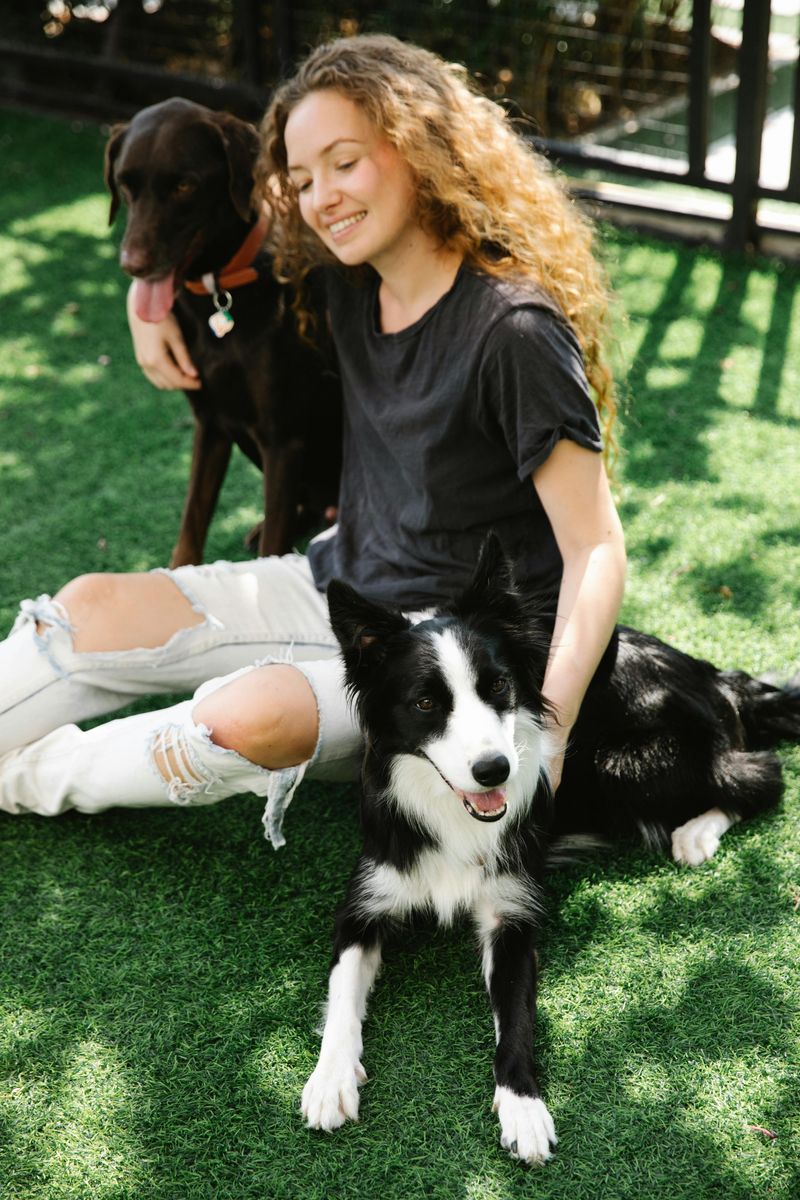
Herding is movement control, not domination, and your collie may apply it everywhere. Kids running, cats darting, or cyclists passing can switch on eye, stalk, and heel nips.
The dog is not being mean but practicing instincts that once saved flocks. Left unmanaged, those patterns become rehearsed habits that feel irresistible.
Create structure around motion. Use long lines, parallel walks, pattern games, and impulse control before greeting.
Reinforce heel or middle positions near triggers, then release to appropriate outlets like fetch or herding classes. The goal is choice, not suppression.
When the need is met thoughtfully, nipping fades and confidence grows. Teach a solid recall and pay it lavishly whenever movement heats up.
Practice daily.
They don’t relax easily indoors

Many border collies struggle to switch off at home. Windows, doorbells, and tiny household patterns keep the brain scanning for the next cue.
Pacing, squeaking toys, and policing family movement are common signs. Without a taught off switch, living rooms become mini training fields, and rest never truly arrives.
Guided relaxation must become part of the daily routine. Schedule it intentionally.
Every day.
Teach calm like any behavior. Use a mat, capture quiet moments, and reinforce soft eyes and deep breaths.
Pair gentle chewing with low music and dim lights. After exercise and training, cue settle, then reward duration.
Over days, the house transforms, and your dog learns that peace is safe, earned, and deeply satisfying.
Training must be consistent
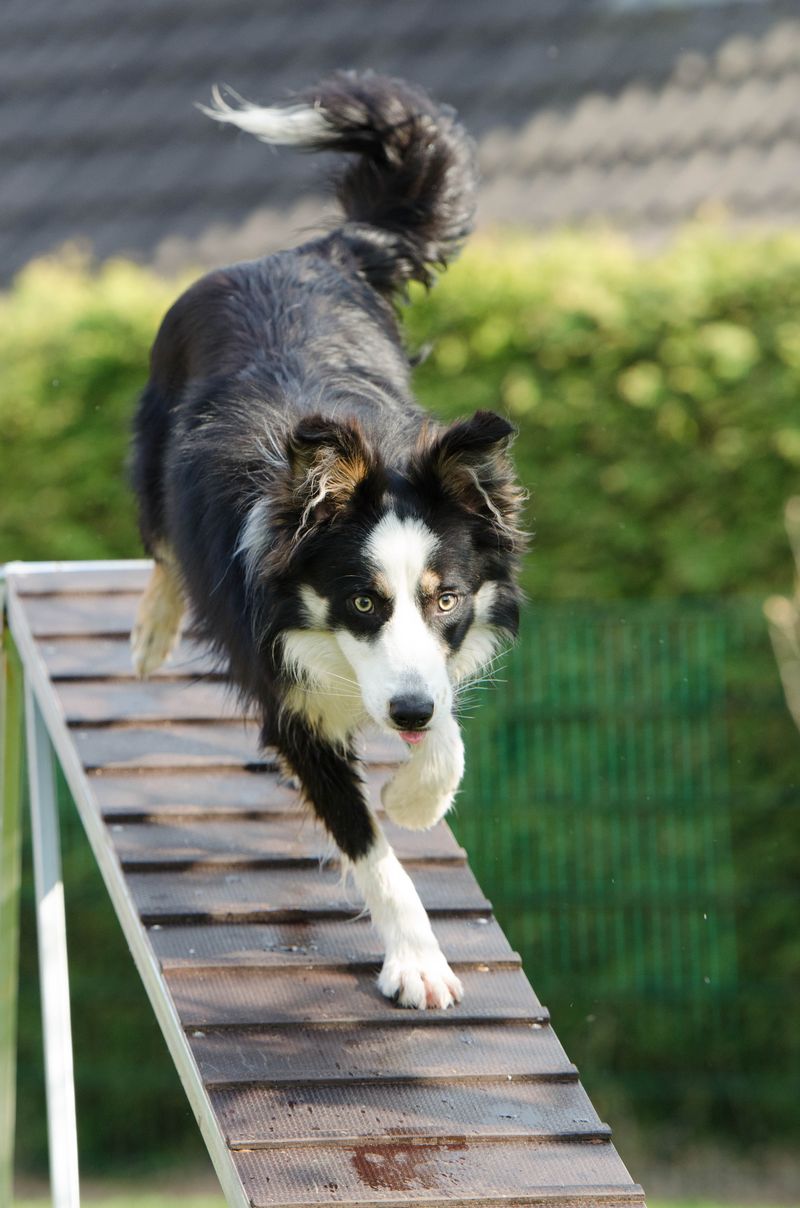
Inconsistent rules confuse a border collie faster than you think. One day jumping is cute, the next it is scolded, and soon the dog hesitates or doubles down.
Clarity builds speed and reliability because patterns become safe. When cues, rewards, and boundaries match across people and places, behavior locks in.
Build routines you can repeat on sleepy days. Use the same marker, the same release, and fair criteria.
Keep sessions short, end on a win, and record progress so adjustments are thoughtful. Ask family and friends to follow the plan.
Consistency is a kindness that turns talent into everyday manners. If you slip, reset the pattern quickly and move on.
Tomorrow brings another repetition opportunity.
They are highly sensitive

Border collies notice everything, including your mood and posture. Sharp tones, rushed handling, or chaotic spaces can shut down learning or spark frantic behavior.
Sensitivity is not weakness, it is fine tuning that once guided difficult livestock. When you treat that sensitivity like a feature, training becomes faster, kinder, and more reliable.
Build trust through predictable choices. Use soft voices, clear timing, and gradual exposure to novelty.
Let your dog opt out, then invite re engagement with generous rewards. Protect rest, nutrition, and medical comfort.
A sensitive dog led with respect blossoms into a partner who tries hard and loves the work. Small wins, celebrated often, stack into big confidence.
Keep criteria truly achievable daily.
They need purpose and tasks
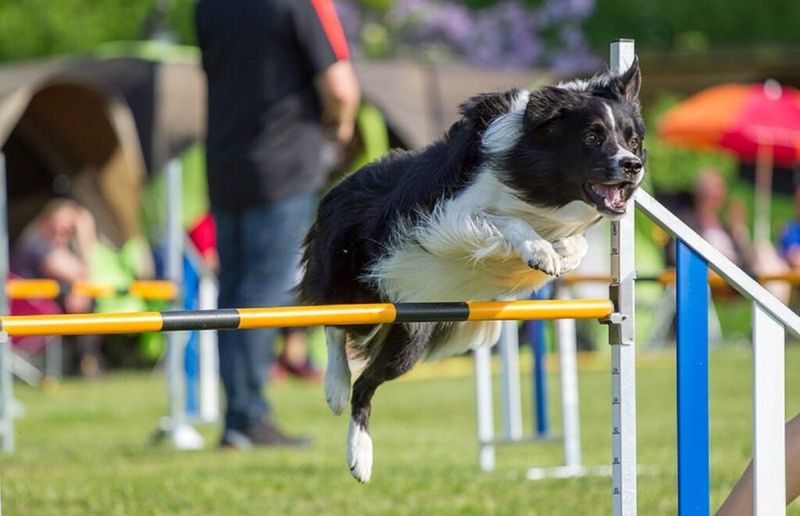
Purpose calms pressure. Border collies were bred to manage complexity, so vague days feel uncomfortable.
Jobs can be formal like agility, scentwork, and herding lessons, or simple like toy pickup, door manners, and family check ins. The label matters less than the meaning.
When there is a clear role, behavior organizes and stress eases.
Create tiny roles that repeat. Ask for a sit before meals, a hand target to start walks, and a search cue to find keys.
Add weekly sport classes or backyard courses to channel drive. Track what your dog loves and build rituals around it.
Purpose does not tire them out, it settles the heart. You will both feel the difference daily.
They can develop anxiety

High awareness can slide into worry if life feels unpredictable. Border collies may show noise sensitivity, separation struggles, or obsessive checking of windows and doors.
Anxiety creeps in when needs are unmet, routines wobble, or punishment confuses choices. Left alone, it often generalizes, touching walks, visitors, and even bedtime.
Address it early with compassion and evidence based help. Build predictable schedules, teach independent settling, and reduce trigger intensity.
Pair scary sounds with snacks, practice short absences, and involve a qualified professional when needed. Veterinary guidance matters too.
With patient, layered work, most dogs regain comfort and resilience. You are not alone, and progress can be steady.
Measure tiny gains and celebrate them. Keep going kindly.
Not ideal for small spaces

Border collies can live in apartments, yet it is not easy. Hallways amplify sound, elevators limit decompression, and neighbors may not love early training sessions.
The breed thrives on movement variety and outdoor access. Without planned outings and brain work, cramped spaces magnify frustration for everyone.
Some dogs struggle mightily without yards to decompress and watch the world. Plan honestly before committing for this breed.
Make the most of what you have. Choose quiet routes, schedule off peak park trips, and use indoor games that fold away.
Teach polite lobby manners, elevator positions, and calm greetings at doors. If space is tiny, time investment must be big.
That trade can work, but it demands commitment.
They require time commitment

This is not a set and forget breed. Training, enrichment, grooming, and thoughtful exercise take real hours each week.
Skipping days shows up fast as unruly behavior, reactivity, or sleepless nights. If your schedule is packed, a border collie may add stress rather than joy.
Time well spent pays you back. Plan daily micro sessions, weekly classes, and relaxed nature walks.
Batch food prep, recharge equipment, and set alarms for short training breaks. Ask for help when life gets chaotic.
When you protect time for the dog, you protect harmony at home and in public. Consistency is built on calendars, not wishes.
Put it on the schedule and keep it sacred. Set reminders everywhere daily.
Intelligence comes with responsibility

Border collie smarts feel magical until they outpace your plan. Problem solving dogs open cabinets, pattern your routines, and invent games you never sanctioned.
Intelligence amplifies whatever you reinforce, good or bad. Without guidance, clever becomes crafty, and crafty becomes chaos.
Smart dogs need smarter plans from you. That partnership starts with intention and continues with daily follow through.
Lead with clarity.
Give brains a job description. Teach skills that matter, proof them, and hold the line with fair consequences like removing access or resetting the rep.
Offer novelty under rules, not free for alls. Celebrate creativity when it fits the assignment.
When you honor their minds with responsibility, you get brilliance without the blowback.