
Wondering how deeply your dog trusts you? The sweetest clues are often quiet, everyday moments you might be overlooking.
From soft eye blinks to relaxed snores nearby, these behaviors reveal an incredible bond built on safety and consistency. Let’s decode the subtle signs that say you are your dog’s favorite person.
Relaxes their body when you approach
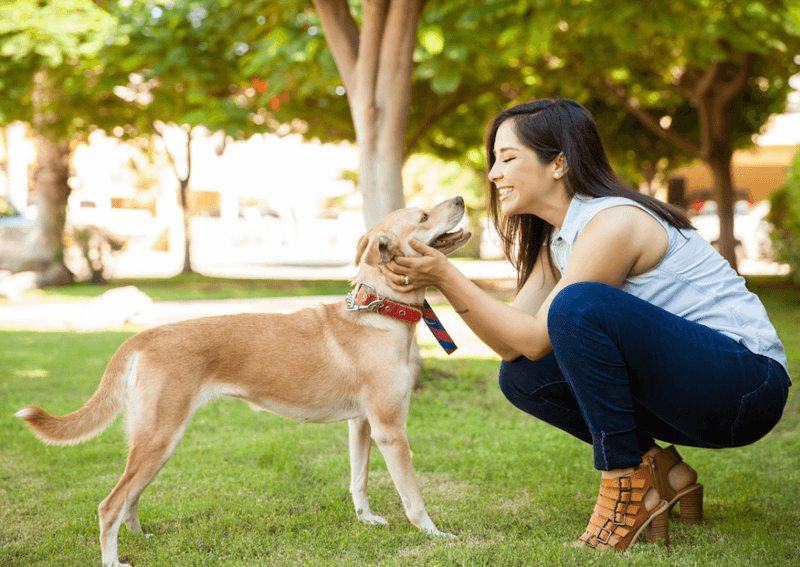
When you walk in and your dog’s body softens, that is trust speaking. Muscles loosen, the tail settles into an easy rhythm, and the face looks smooth rather than tense.
You might notice they sigh, stretch, or shift to make room for you beside them.
This calm acceptance shows your presence means safety, not uncertainty. Dogs read people fast, and a relaxed body says you consistently meet their needs.
Approach slowly, speak softly, and let them choose contact.
Over time, they will anticipate comfort when you near. If tension returns, reassess pace, tone, and environment.
Keep greetings predictable and kind, and you will see relaxation bloom into deeper confidence.
Shows their belly without tension
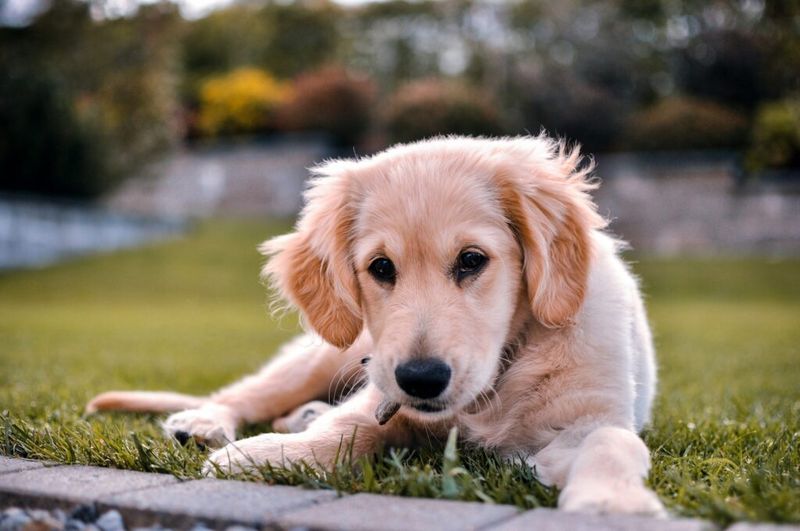
A belly reveal can mean pure trust when the body is loose, not stiff. Look for floppy paws, a soft mouth, and no tightness around the eyes.
If your dog wiggles or invites gentle rubs, they are saying this space with you feels safe.
Still, ask for consent with a pause and a calm hand. Some dogs prefer belly-adjacent scratches instead.
Honor the signal they give in that moment.
Reward relaxed exposure with quiet praise and choice. If the belly is tight, tail tucked, or head turned away, skip touching.
Build confidence through predictable routines, positive handling, and letting your dog move away whenever they want.
Makes soft eye contact and blinks slowly
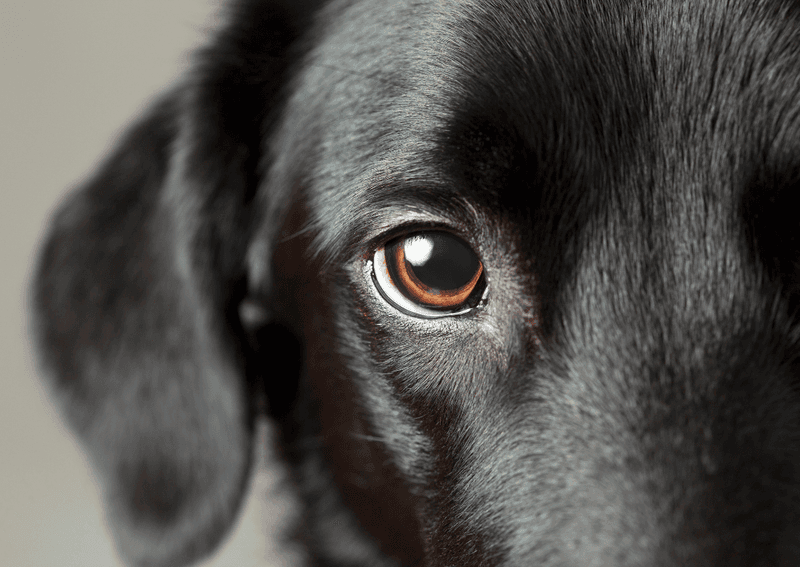
Soft eye contact feels like a quiet conversation. The eyes look round and gentle, blinks come slowly, and the brow stays smooth.
Your dog might glance away then back, signaling friendliness and comfort rather than challenge.
Hold eye contact briefly, then soften your gaze. Pair it with calm praise or a relaxed smile.
This encourages connection without pressure.
If their stare hardens or they freeze, break the moment kindly and create space. Trust thrives where choice exists.
Practice gentle look-at-me games with treats, marking quick glances and releasing. Over time, those slow blinks become your private language for safety and understanding.
Follows you from room to room calmly
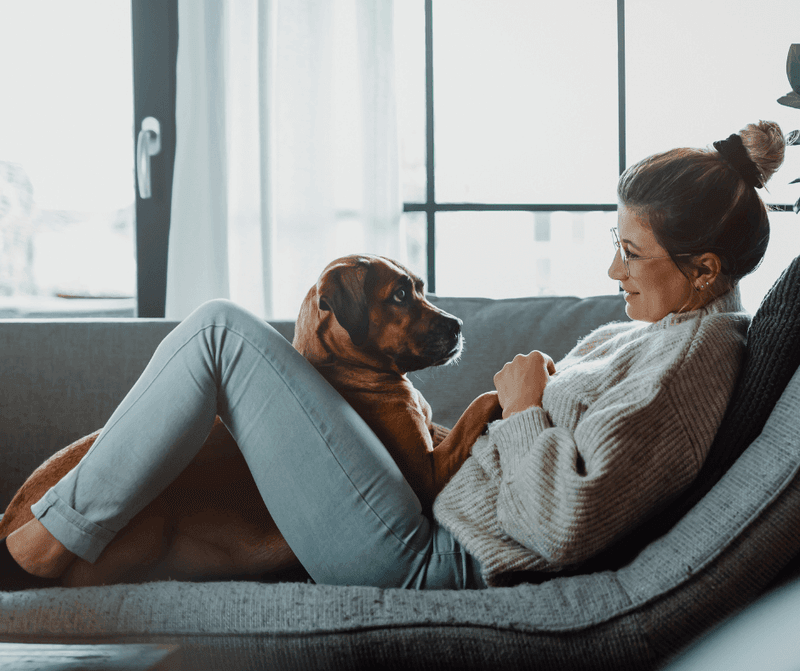
A calm shadow is a sweet compliment. When your dog follows at an easy pace, not anxiously glued, they simply enjoy your company.
The tail swings softly, nails click lightly, and they settle nearby without demanding constant touch.
This measured following says you are a safe base worth keeping in sight. Encourage it with predictable routines and restful hangouts.
Avoid rewarding frantic clinginess; model calm exits and returns.
Offer comfy spots in each room so they can choose closeness without crowding. If pacing appears, add enrichment, walks, and decompression time.
Balanced proximity shows trust and independence growing together.
Checks in with you during walks
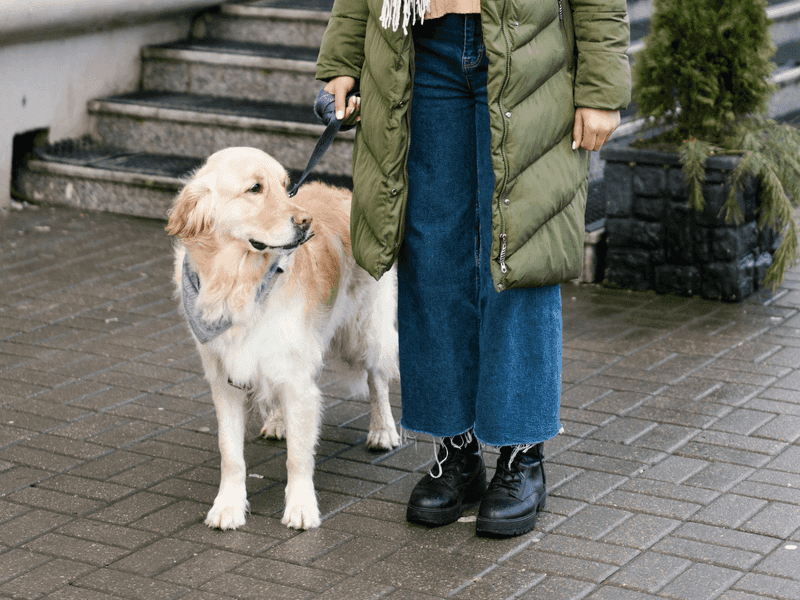
On a walk, those quick glances back are like little text messages: you good? A trusting dog orients to you between sniffs, syncing pace and mood.
The leash stays loose, and decisions feel like a team effort.
Mark those check-ins with a cheerful yes and sometimes a treat. Reinforce the habit without interrupting curiosity.
You become the reliable anchor in a world of scents.
If your dog ignores you, reduce distractions, shorten distance, and practice attention games. Use predictable cues and generous reinforcement.
As communication grows, so does trust, and the walk transforms from tug-of-war into an easy conversation.
Accepts handling of paws, ears, and mouth
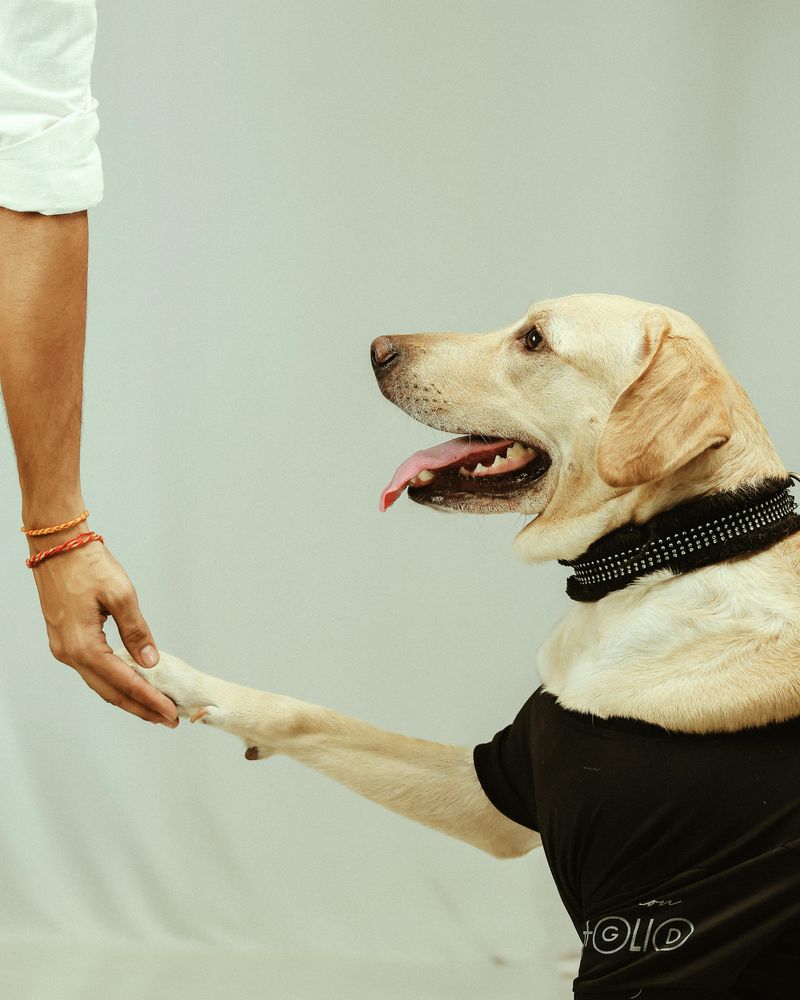
Trust shows up during care routines. When your dog allows gentle paw lifts, ear checks, or lip lifts, they believe you will be kind and brief.
They may lick, breathe steadily, or lean closer as you handle sensitive spots.
Pair every touch with calm words and tiny treats. Keep sessions short and predictable.
Your consistency turns handling into a routine instead of a surprise.
If they pull away, pause and lower criteria. Teach cooperative care with start buttons like a chin rest.
Respecting no thank you today often earns more yes tomorrow. Over time, vet visits and grooming feel simpler because your dog trusts your hands.
Eats or chews normally in your presence
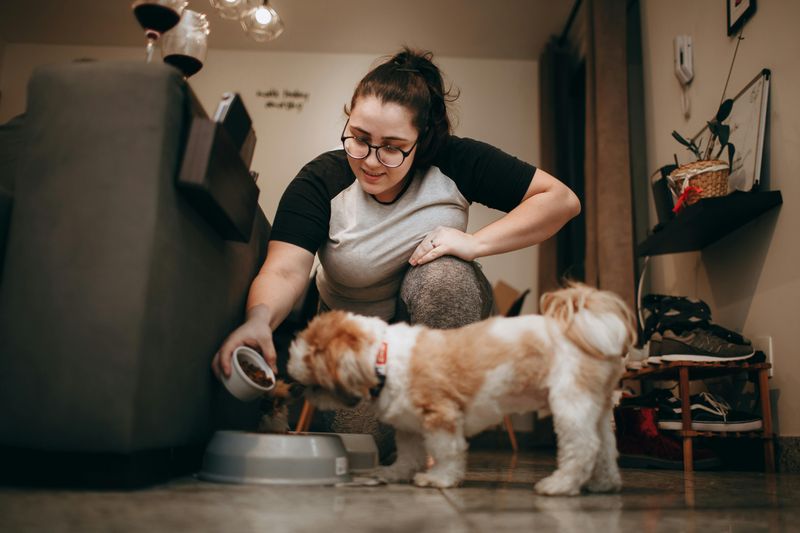
Eating is vulnerable for dogs. When yours munches kibble, works a chew, or enjoys a stuffed toy near you, it signals comfort.
They do not feel the need to guard or hide because your presence predicts peace.
Support this trust by giving space while they eat. Avoid hovering, reaching into bowls, or surprising them.
Trade up kindly if you must take something.
For resource guarding, consult a trainer and implement predictable exchanges. Build positive associations with approach and distance.
Over time, your calm nearness becomes part of their mealtime routine, and chewing beside you feels like the safest way to unwind.
Sleeps with their back turned to you
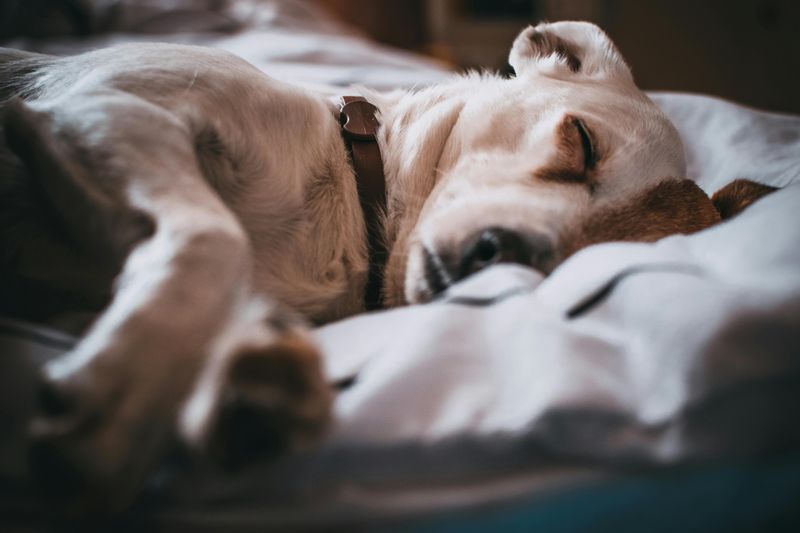
Turning their back while sleeping is a bold vote of confidence. It means your dog does not need eyes on you to feel safe.
The body sprawls, breathing slows, and little dream twitches flutter their paws.
Do not startle them awake. Instead, move gently and keep the room calm.
Offer a comfy bed near your spot so closeness stays optional.
If they bolt up at every sound, add white noise, predictable schedules, and more daytime enrichment. Restful sleep reflects a regulated nervous system nurtured by your consistency.
That quiet back turned toward you says you are trusted to keep watch.
Brings you toys or treasures
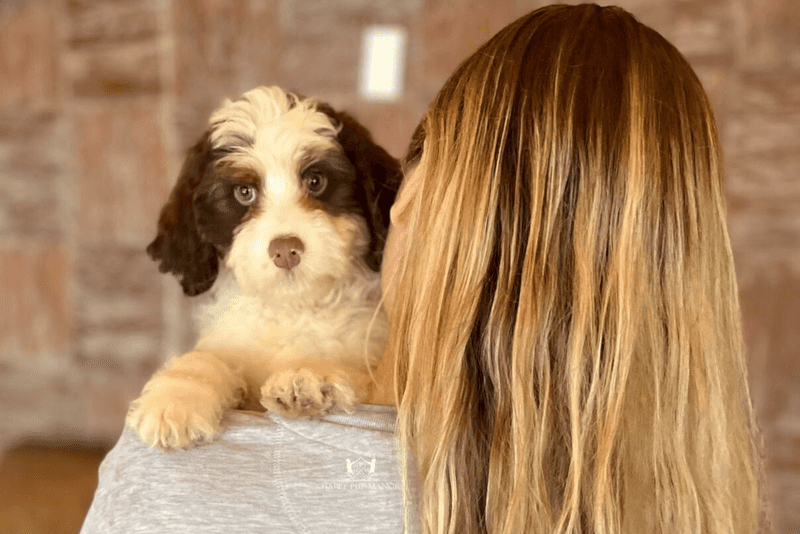
When your dog drops a toy at your feet, it is more than play. It is sharing and inviting connection.
The body is bouncy but relaxed, tail easy, and eyes bright with expectation.
Respond with a brief game or a cheerful thank you. Use trades to keep arousal balanced.
Let them win often so the game feels safe and fun.
If items are non toys, manage the environment and teach give with tasty swaps. Celebrate the instinct to share rather than scold.
That offering says you are the partner worth bringing discoveries to.
Responds to your voice quickly
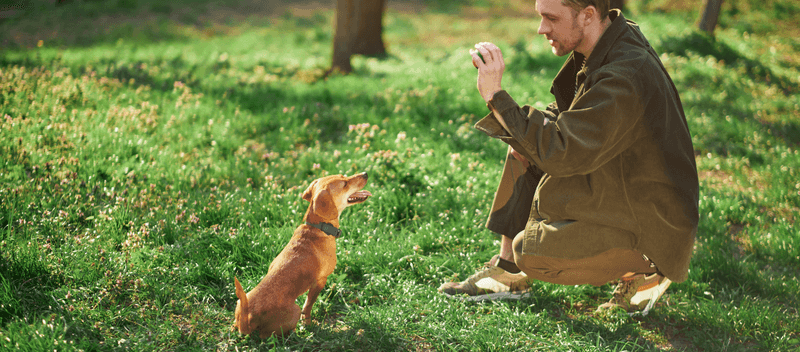
Your voice becomes a lighthouse when trust is strong. Watch for quick head turns, soft ears, and a ready trot your way.
Even in mild distractions, your cue rises above the noise.
Keep cues consistent and warm. Reward generously when they answer, especially in busy places.
That reliability builds a feedback loop of confidence.
If response lags, reduce distance, simplify the ask, and reinforce more. Avoid repeating cues endlessly.
Instead, make listening easy to win. Soon, your voice equals clarity, and your dog settles into the comfort of knowing what to do next.
Leans into you or rests their head on you
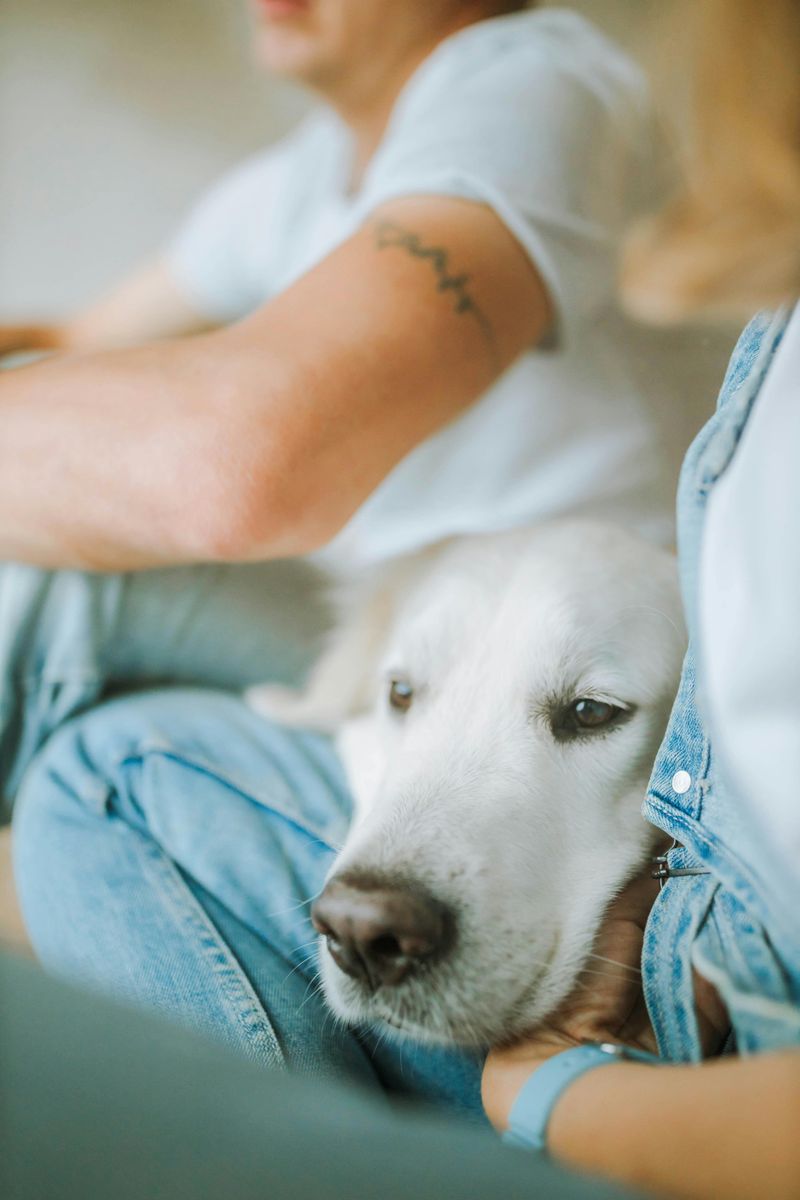
A gentle lean or a warm head on your knee says I feel safe with you. It is not pushy, just grounding.
Breathing slows, shoulders drop, and the world gets quieter together.
Meet this trust with stillness or soft strokes. Avoid over petting if they simply want contact.
Let the moment be restful.
If leaning becomes constant, increase enrichment and teach settle on a mat for balance. Trust thrives with both closeness and autonomy.
When your dog chooses your leg as their anchor, they are telling you that your presence regulates them.
Lets you take them away from distractions
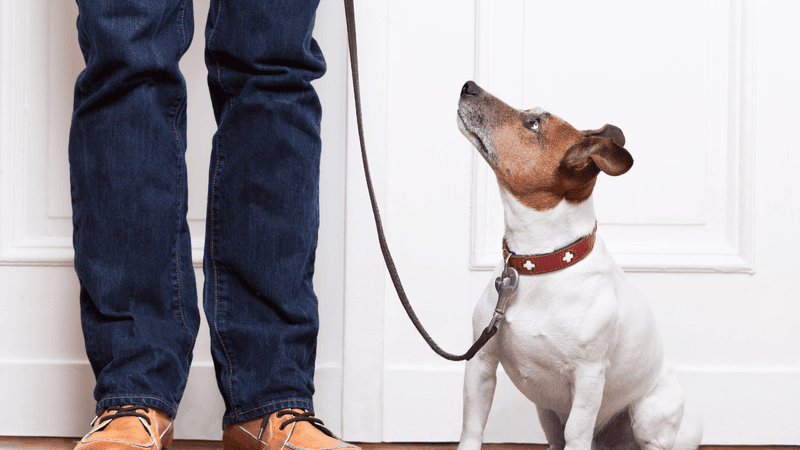
In exciting spaces, a trusting dog will leave the action with you. A small cue, a step backward, and they choose your direction.
The leash stays slack, and tension drains as you create distance.
Practice turn with me games and reinforce the first step. Pair movement with calm praise and sometimes a treat.
You become the safe exit door from overwhelm.
If they dig in, reduce intensity, add space, and build the skill in quiet areas first. Respect thresholds.
Over time, your guidance will feel like relief, not restriction, because they trust your judgment.
Comes back to you after being startled
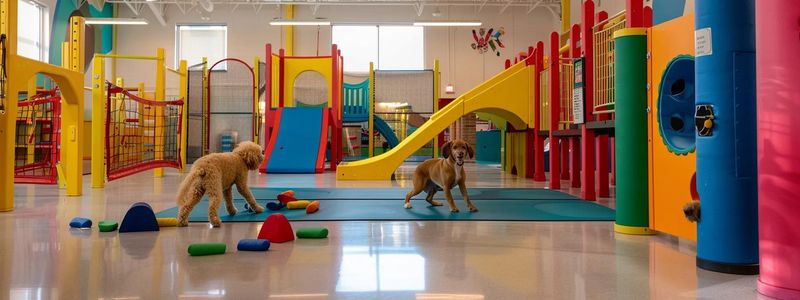
Startle happens. What matters is where your dog seeks recovery.
When they hop back to you for a quick check-in, it means you are their safest shelter.
Meet them with calm breath, soft words, and perhaps a treat. Do not fuss too long.
Model steady energy so regulation returns quickly.
Practice pattern games that predict comfort after surprises. If they bolt or freeze, increase distance from triggers and build resilience slowly.
Trust grows each time your presence turns a jolt into just a blip.
Stays calm when you leave and return
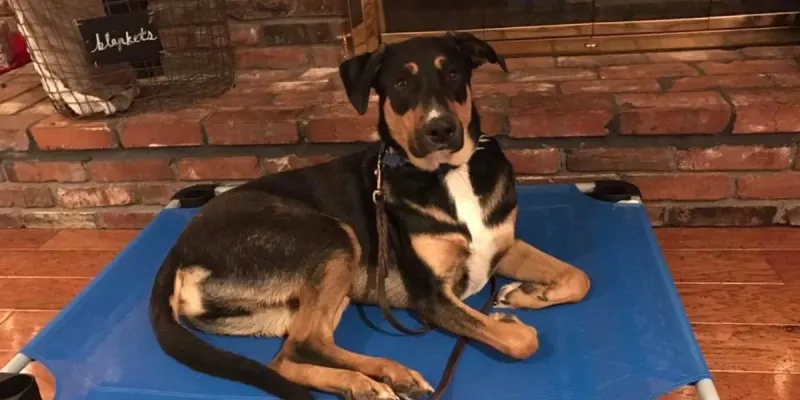
Confidence shows when comings and goings feel uneventful. Your dog lounges as you leave and greets you without frantic jumps when you return.
They have learned that departures are temporary and reunions predictable.
Keep exits low key, scatter a chew or enrichment toy, and vary cues so keys do not mean panic. On return, pause, breathe, and reward calm.
If anxiety appears, shorten absences, use gradual departures, and consult a professional for separation work. Trust flourishes when you consistently show up and keep promises, turning the doorway into just another normal moment.