
Some dogs are born to be part of a pack, and leaving them solo can feel like taking the sparkle out of their day. If you are thinking about adding a second pup, certain breeds will absolutely thank you for the built-in best friend.
From high-energy playmates to gentle snugglers, these social butterflies love company. Let’s help you find the perfect sibling-ready breed that fits your home and heart.
Labrador Retriever
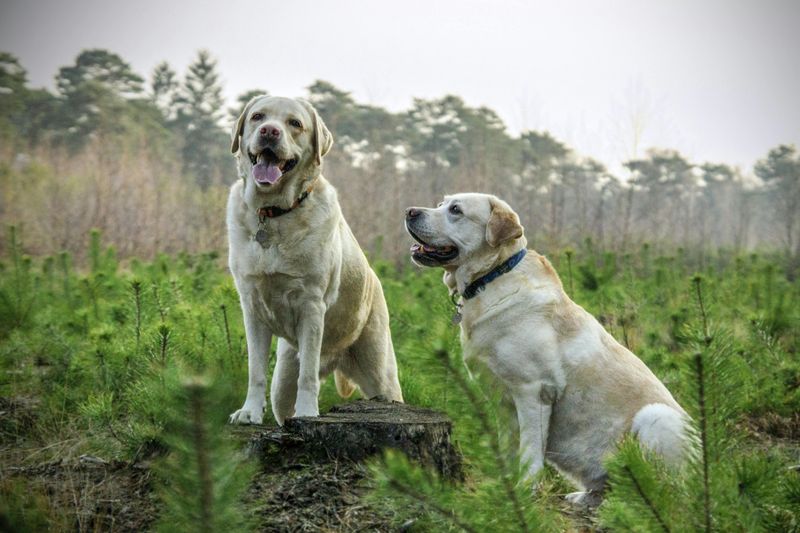
Labradors are classic extroverts, bred to work alongside people and other dogs. Their friendly, adaptable nature makes them thrive in busy households with multiple pets.
Leave a Lab alone too long and you will likely see boredom zoomies, chewed toys, or a soulful protest at the door.
A canine sibling gives them an outlet for play, exercise, and constant communication. You will notice the classic Labrador diplomacy during tug, fetch, and couch cuddles, where sharing comes naturally.
If you add structure with training, puzzle feeders, and synchronized walks, two Labs or a Lab mix can balance energy beautifully. Just be ready for hair, hearty appetites, and an unwavering desire to be by your side always.
Golden Retriever

Goldens are sunshine in dog form, and they practically radiate when a canine buddy is around. Bred for cooperative retrieving, they read other dogs beautifully and love group games of fetch.
Alone time can make them mopey, mouthy, or restless, especially during adolescence.
With a sibling, their social battery charges quickly through play bows, soft wrestling, and synchronized naps. You will appreciate their gentle mouths, patient sharing, and how easily they welcome new friends.
Keep their brains busy with training, nose work, and alternating retrieves to prevent resource guarding. Regular grooming, structured downtime, and consistent cues help two Goldens live smoothly together.
Expect sparkling eyes, goofy grins, and constant companionship that warms every room.
Beagle
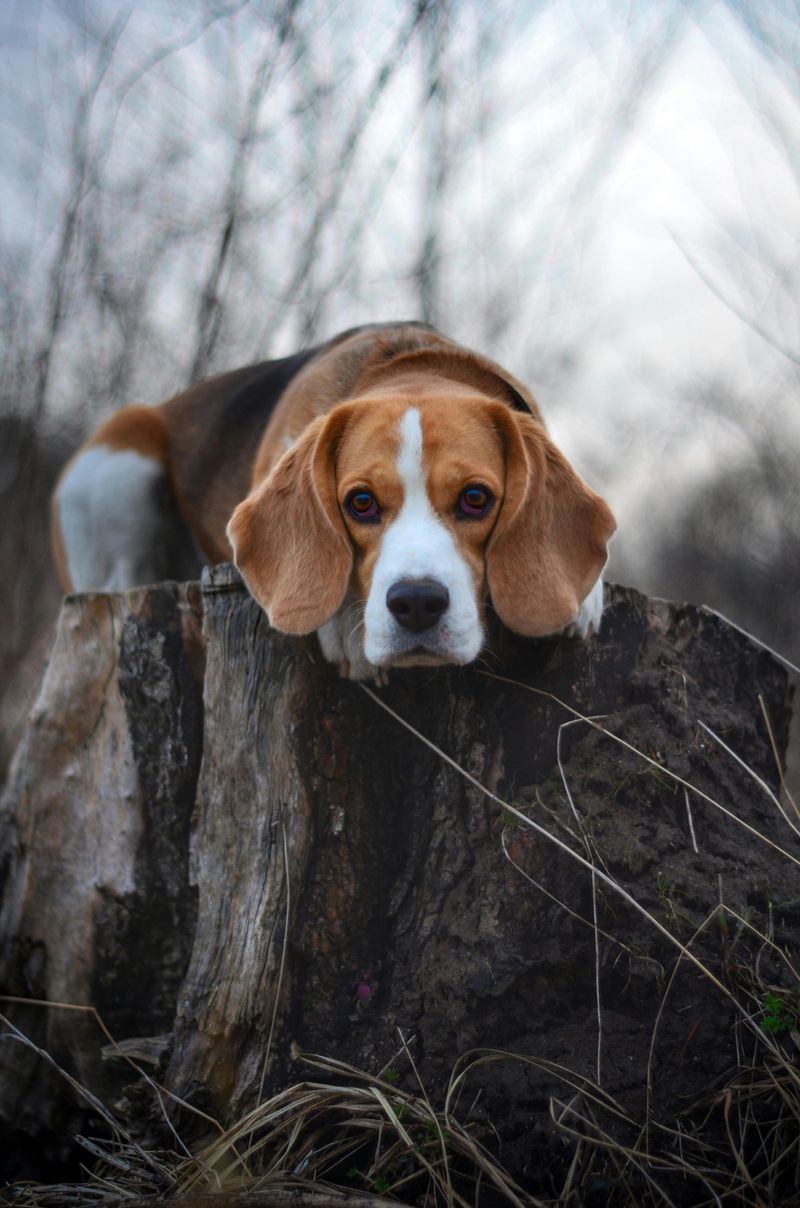
Beagles are pack hounds at heart, wired to track scents with a team. That instinct makes them crave company and vocalize when lonely.
Without a buddy, you might hear extended howling or find creative escape attempts that would impress a magician.
Give a Beagle a sibling, and you unlock joyful chorus barks, trail teamwork, and shared naps after big sniffs. They communicate constantly, so training consistent recall and sniff breaks for both is key.
Rotate enrichment like scent boxes, food hides, and long-line adventures to keep harmony. Crate training and gates help manage energy spikes and prevent door dashes.
With structure, two Beagles can be delightful detectives who entertain each other and keep your home lively.
Boxer
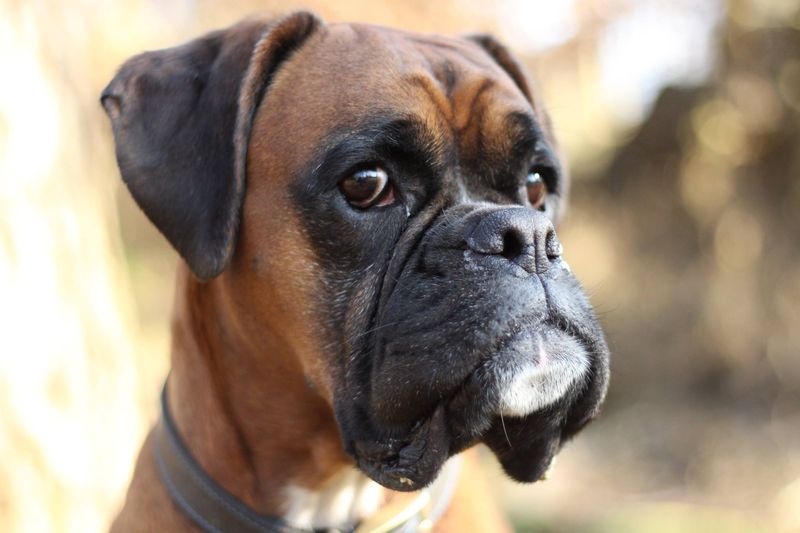
Boxers are hilarious clowns with hearts the size of their chests. Their play style is bouncy, pawsy, and wonderfully social, which shines with a similarly energetic sibling.
Leave a Boxer solo too long and furniture can become a toy, while zoomies turn into home parkour.
With a buddy, they channel that spring-loaded joy into chase, tug, and cuddle piles. Daily cardio is essential, so plan joint walks, flirt pole sessions, and structured decompression.
Teach calm greetings, impulse control, and soft mouths to keep rough play friendly. Because they are sensitive, keep training upbeat and consistent.
Two Boxers can become the happiest goofball duo, offering endless laughter, watchdog teamwork, and a surprising amount of sweet-natured snuggling.
Border Collie
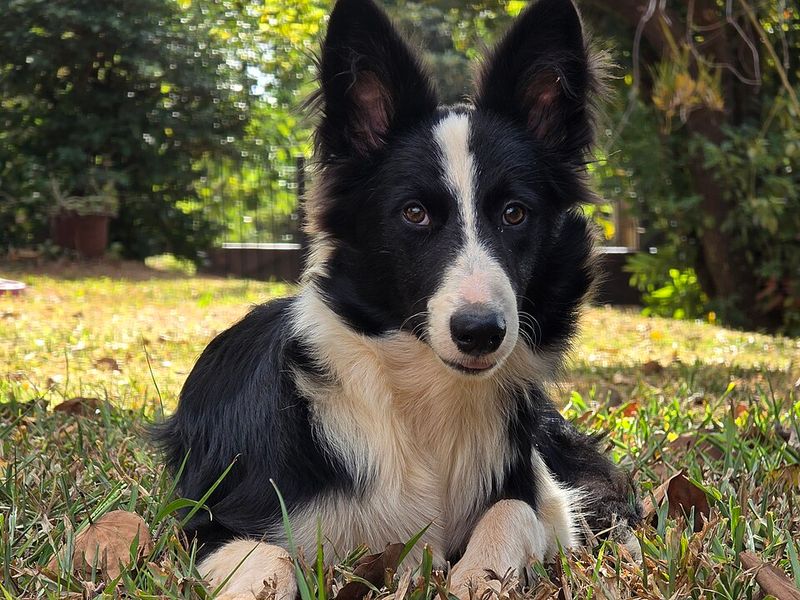
Border Collies are brilliant, sensitive, and bred for teamwork. When left alone with idle genius, they may herd children, chase shadows, or redesign your throw pillows.
A compatible dog gives them a thinking partner and a healthier outlet for eye, crouch, and chase behaviors.
Pair them with a dog that appreciates structured play and mental games. You will see beautiful turn-taking during tug, tricks, and nosework, plus synchronized recalls.
Daily training, off-switch practice, and decompression walks are essential for a stable duo. Provide puzzle toys, target work, and herding balls to prevent fixation.
When their minds and bodies are engaged, two Border Collies form a breathtaking partnership that feels like living with a tiny, agile sports team.
Australian Shepherd
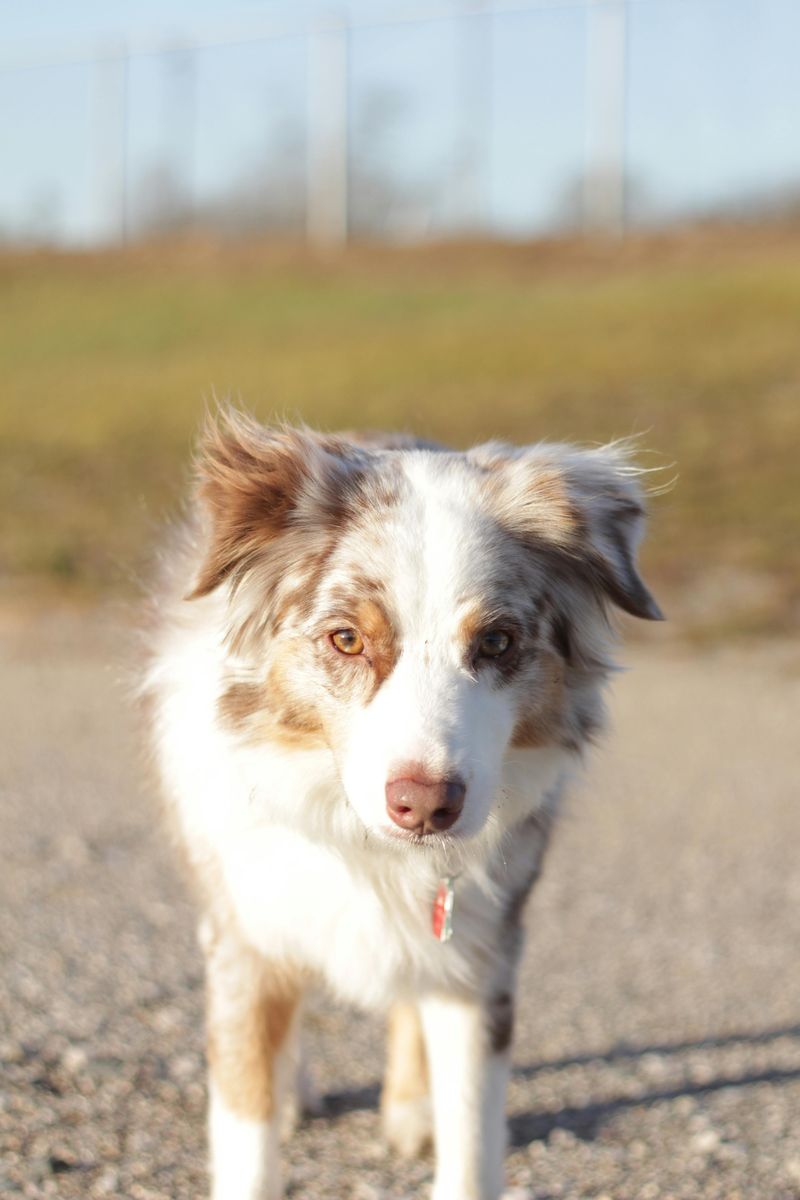
Australian Shepherds are velcro athletes who bond hard and observe everything. Bred for cooperative work, they flourish with a canine teammate to share jobs, games, and zoom circuits.
Solo life can lead to frustration barking, herding heels, or creative landscaping in your yard.
Give them a sibling and channel energy into fetch rotations, rally practice, and trail adventures. Train clear start and stop cues, plus mat settles for both dogs.
Their smarts shine with trick chains, agility foundations, and nosework puzzles you can run together. Keep coats brushed, minds engaged, and routines steady to prevent overstimulation.
When you meet their exercise and brain needs, a pair of Aussies becomes a loyal, dazzling duet that thrives in motion and in quiet.
Siberian Husky
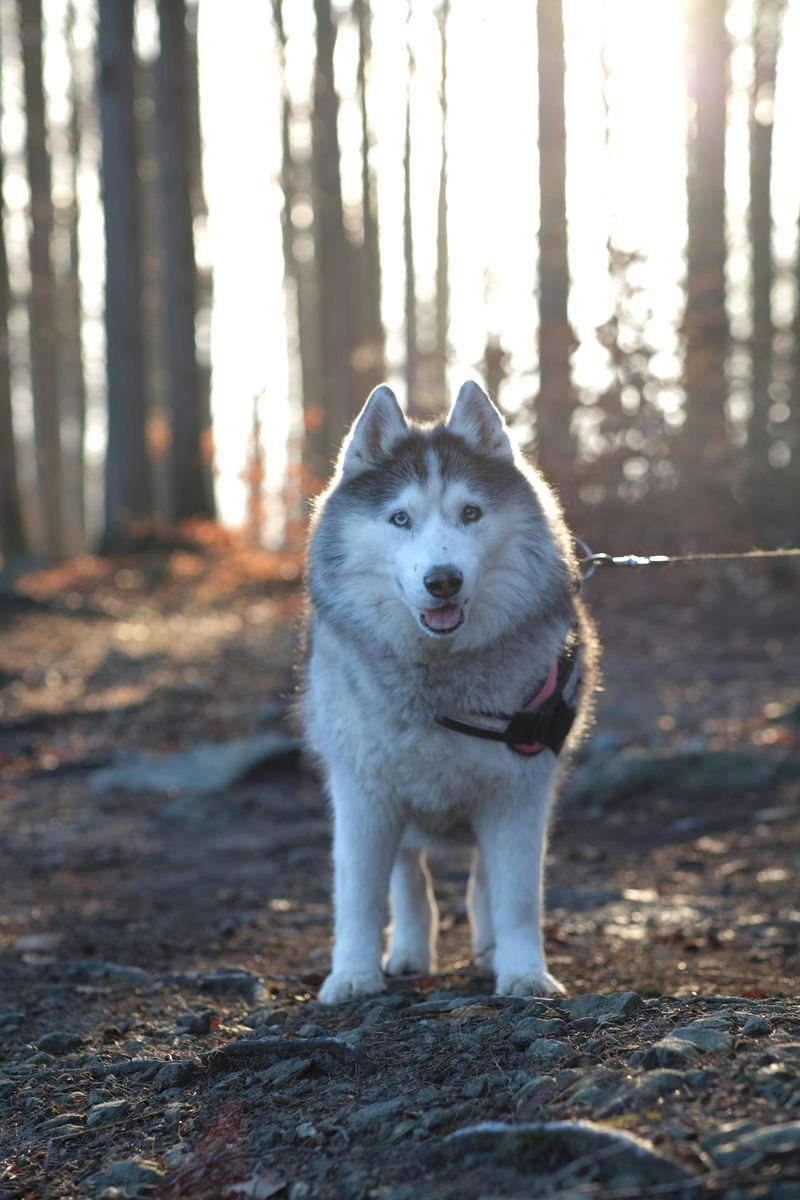
Huskies are social sled dogs, bred to travel miles side by side. Isolation can spark operatic complaints, escape artistry, and redecorating that involves pillows.
A canine partner satisfies their need for movement, conversation, and cooperative play that humans cannot always match.
With a sibling, they sprint, wrestle, and nap like synchronized winter wolves. Secure fencing, long-line hikes, and canicross sessions keep the duo content.
Teach loose leash walking, polite greetings, and calm crate time to balance their exuberance. Plenty of chew outlets and routine grooming help too.
When their physical and social needs are met, two Huskies become an enchanting snow team at home, trading goofy chatter for peaceful snuggles after every epic run.
Dachshund
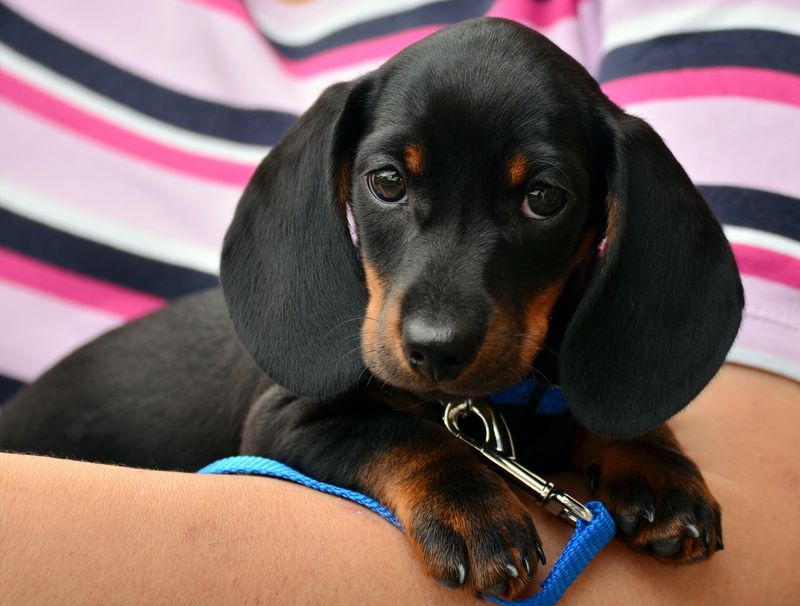
Dachshunds are bold little hunters with big opinions. Alone too long, they may guard windows, redecorate blankets, or stage a squeaky-toy opera.
A compatible sibling gives them confidence, play outlets, and a cuddle buddy for those famous burrowed naps.
Pair carefully because some Doxies can be selective. Match energy levels, supervise introductions, and reinforce calm sharing around high-value chews.
Short adventures, scent games, and ramp training protect backs while satisfying curiosity. Teach cooperative settles and side-by-side leash skills to keep harmony.
With patience and structure, two Dachshunds become an adorable comedy duo, trading investigative patrols for tunnel snuggles and synchronized sunbathing that melts stress the second you sit down.
Cocker Spaniel
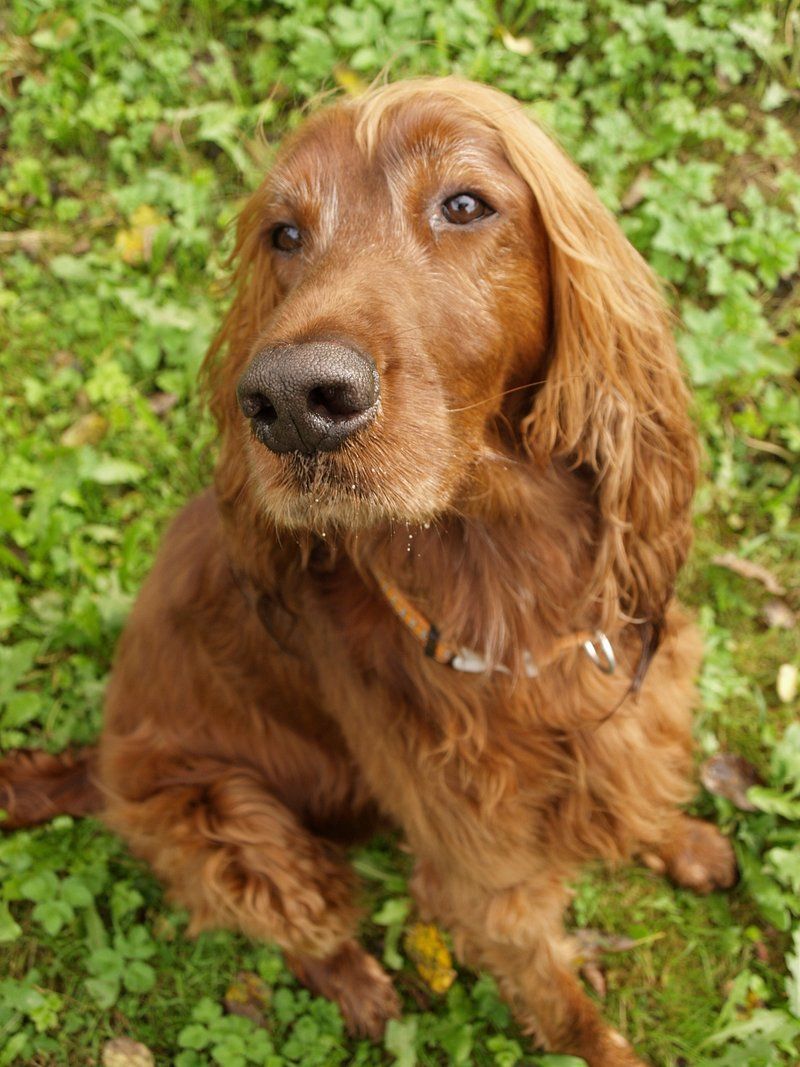
Cocker Spaniels are sweet, people-focused companions who also enjoy polite canine conversation. Left solo, they can get clingy or vocal, especially if their daily enrichment dips.
A friendly sibling helps balance emotions and provides steady play that prevents boredom nibbling.
Keep grooming regular and eyes on ears, since playtime can tangle their beautiful coats. You will love their gentle fetch, soft tug, and couch cuddles shared without fuss.
Add impulse control games, nosework, and short training bursts to keep two Cockers content. Rotate toys, plan calm decompression walks, and teach boundary cues for doorways.
A well-matched pair offers cozy companionship and steady cheer, greeting you with feathered tails and sparkling eyes every single day.
Bichon Frise
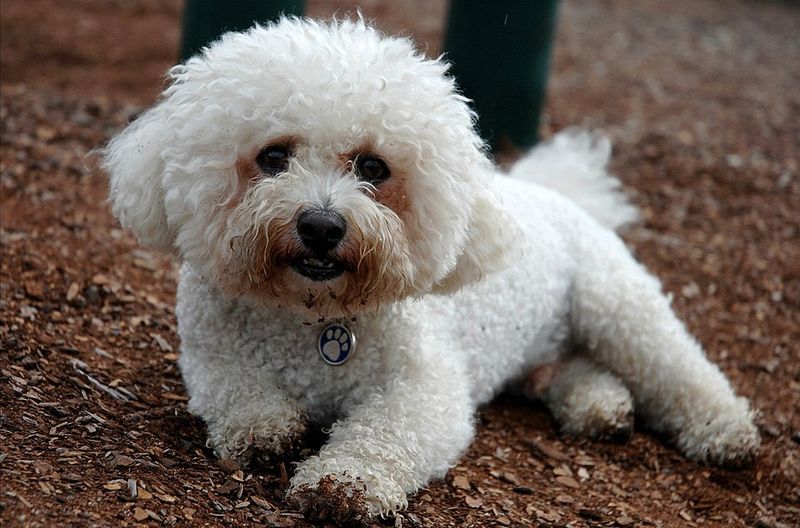
Bichons are social charmers who hate being left out of the fun. They thrive on togetherness and can become anxious if isolated too often.
A canine sibling gives them cheerful play, comfort during naps, and a confident buddy for new experiences.
These little clouds are adaptable, so match them with gentle, playful dogs. Maintain grooming, keep training upbeat, and use short enrichment bursts to burn energy indoors.
Teach quiet cues and reward calm cuddles to avoid nonstop yapping. Regular walks, puzzle feeders, and toy rotation keep a duo happy without chaos.
With the right routine, two Bichons transform your home into a soft, silly sitcom where giggles, zooms, and synchronized head tilts are the daily soundtrack.
Havanese
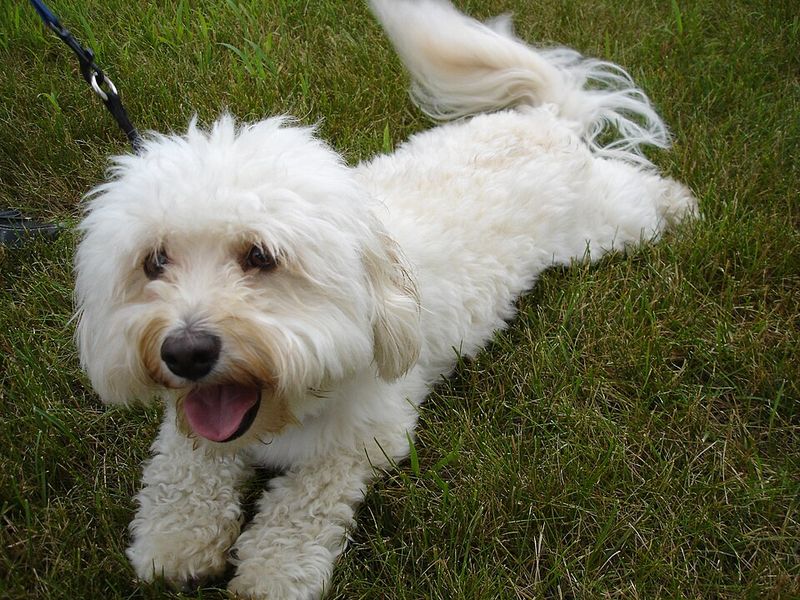
Havanese are velcro companions that excel at reading social cues. They often prefer staying close to you and another friendly dog rather than hanging out alone.
When bored, they can become barky or clingy, but a sibling gives them play, reassurance, and cozy snuggle breaks.
They are quick learners, so teach shared mat settles and polite door manners for both pups. Short training games, trick sessions, and indoor fetch keep energy humming without chaos.
Regular grooming and gentle exercise protect joints and coats. With structure and affection, a Havanese pair becomes a delightful house crew, greeting neighbors like tiny ambassadors.
Expect affectionate comedy, soft paw taps, and loving glances that make everyday moments feel special.
Samoyed
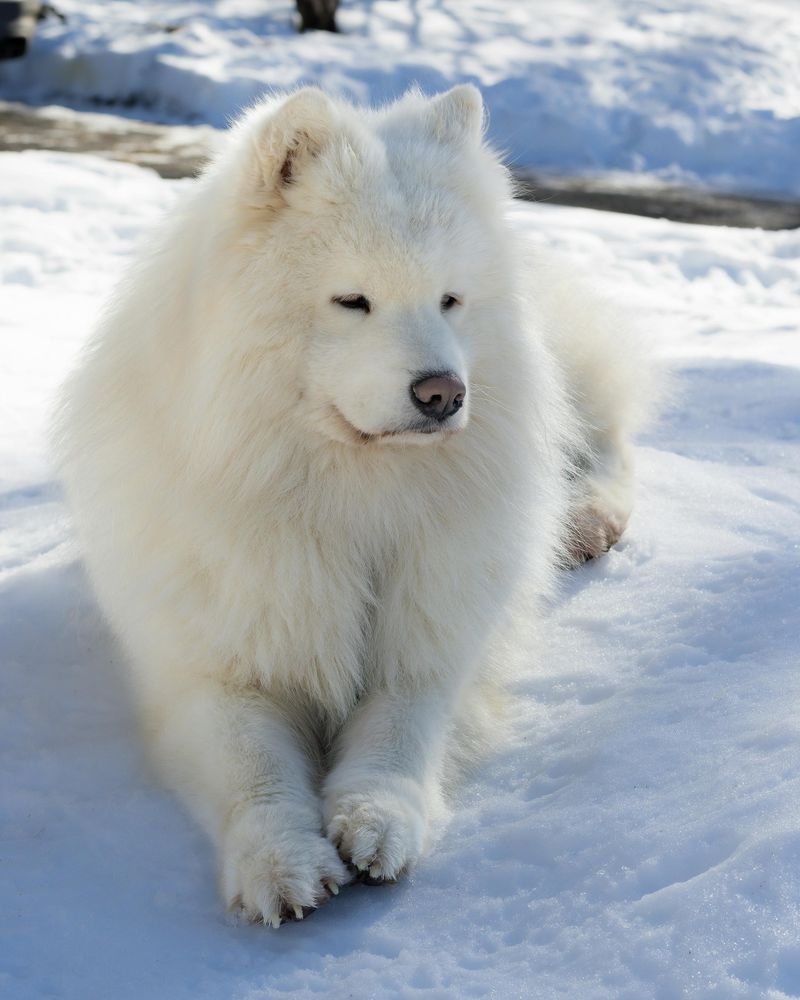
Samoyeds are friendly working dogs bred for teamwork in harsh climates. Alone too long, they can sing the song of their people and redesign snow-like couch stuffing.
A canine partner matches their cheer, play drive, and need for constant social contact.
With a sibling, they romp, wrestle, and then melt into cuddly snowballs. Plan regular brushing parties, high-protein meals, and structured walks to channel energy.
Teach calm greetings, loose leash skills, and place cues to balance excitement. Enrichment like flirt poles, nosework, and hikes keeps the pair happy.
When their social and exercise needs are met, two Samoyeds light up a home with smiles, sparkling eyes, and a steady blizzard of affectionate fluff.
Irish Setter
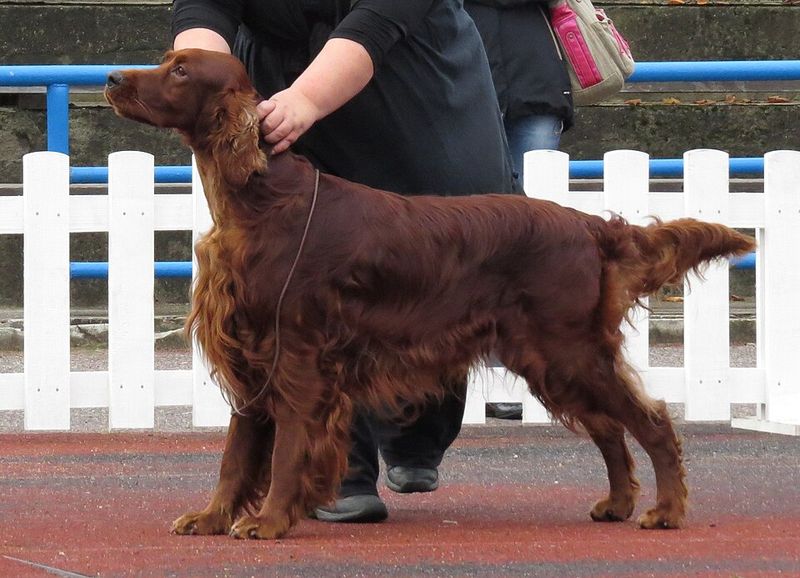
Irish Setters are joyful athletes with hearts as big as their zooms. Loneliness can turn that enthusiasm into frustration or mischief.
A similarly spirited sibling helps them burn energy, build confidence, and maintain a happy rhythm from run to cuddle.
Daily exercise is nonnegotiable, so plan joint runs, long hikes, or field fetch. Teach impulse control, recall, and calm crate time for both dogs.
Rotate enrichment like snuffle mats and scent trails to prevent overstimulation. Regular brushing and nail care keep those elegant athletes comfortable.
With patience and consistency, a pair of Setters becomes a gorgeous, loving duet, turning open spaces into playgrounds and living rooms into peaceful, drowsy hearths.
Cavalier King Charles Spaniel

Cavaliers are tender-hearted companions who dislike solitude. They bond deeply and blossom with a gentle canine friend to share naps, toys, and quiet companionship.
If left alone often, they may become anxious, vocal, or overly clingy when you return.
A sibling offers steady comfort and calm play that suits their soft nature. Keep activity moderate with short walks, relaxed fetch, and puzzle toys.
Prioritize heart health checks and maintain a peaceful routine for both dogs. Teach shared settles and polite mealtime manners.
With thoughtful care, two Cavaliers create a serene, affectionate atmosphere, following you from room to room like velvet-footed shadows, then curling together in perfect, contented symmetry.