
Bringing a new dog into your home is an exciting yet delicate time. Ensuring their comfort can set the stage for a happy and harmonious relationship. Here are 14 ways to help your new furry friend feel safe and at ease in their first week with you.
Let Them Explore at Their Own Pace
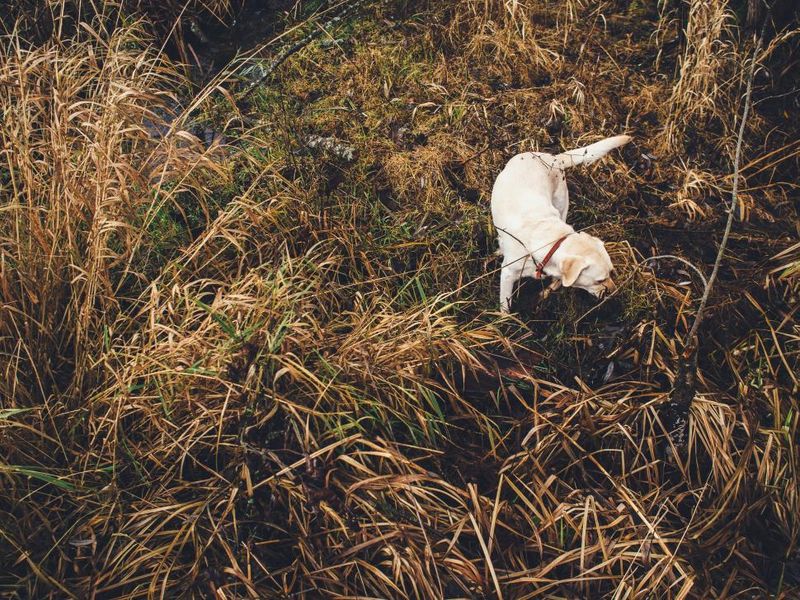
Imagine stepping into a new world where everything is unfamiliar. Let your dog take their time to explore their new environment. Allowing them to sniff and roam freely helps them gather information and feel more secure.
Avoid rushing them through this process. Let them discover cozy nooks and crannies in the house. Encourage exploration but always keep safety in mind.
This gentle introduction helps them adjust without feeling overwhelmed. They’ll start associating their new home with positive, stress-free experiences. A gradual approach paves the way for lasting comfort.
Keep the First Days Quiet and Predictable

A serene atmosphere can work wonders for a dog finding its place. Minimize loud noises, such as TV or music, and avoid major changes during the initial days. Create a calm environment that allows your dog to relax.
Predictability offers comfort, so maintain a consistent routine. Feed them, walk them, and play with them at similar times each day.
This stability helps build trust and assurance. Your dog will feel more at ease, knowing what to expect. A tranquil start sets the tone for a harmonious future.
Create One Safe Spot Just for Them

Every dog needs a safe haven. Designate a quiet area in your home as their personal retreat. Place a comfortable bed, some toys, and a soft blanket there.
This spot should be away from heavy foot traffic and noise. Encourage your dog to retreat here when they want time alone.
By having a specific place of their own, your dog learns they have a sanctuary to escape to. It provides a sense of security and belonging, crucial for their emotional well-being.
Stick to a Simple Feeding Schedule

Consistency is comforting. Establish a regular feeding schedule to help your dog understand what to expect. Feed them the same type of food at the same times each day.
This routine reassures them and aids in digestion. It also helps in building trust, as they’ll look forward to meal times.
Don’t forget to provide plenty of water. A dependable feeding schedule fosters a sense of normalcy and stability for your new companion.
Use Calm Voices and Slow Movements
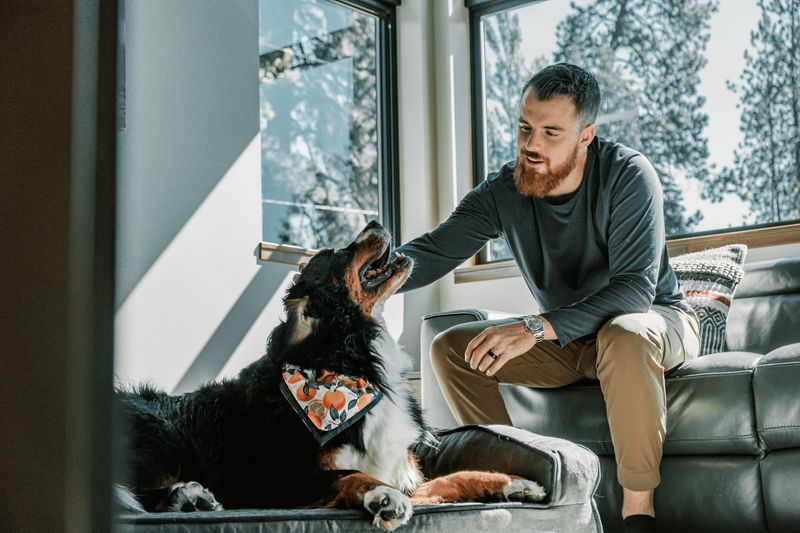
Dogs are highly sensitive to human emotions and actions. When interacting, use a calm voice and slow movements to avoid startling them.
This approach helps in building rapport and trust. Avoid sudden gestures which might be perceived as threatening.
Your gentle demeanor will encourage your dog to relax and feel safe. This creates a foundation for a positive and understanding relationship.
Limit Visitors in the Beginning
The initial days are about bonding and trust-building. Limit the number of visitors to keep stress levels low for your new dog.
Too many unfamiliar faces can be overwhelming. Focus on creating a bond with immediate family members first.
Gradually introduce new people as your dog becomes more comfortable. This careful introduction helps them feel secure and loved.
Avoid Overhandling and Forced Affection

Respect your dog’s personal space. While it may be tempting to shower them with hugs and attention, overhandling can be overwhelming.
Let them approach you when they feel ready. This allows them to set the pace for physical interaction.
Understanding their boundaries fosters trust and mutual respect. It ensures they feel safe and loved without feeling pressured.
Establish a Short, Gentle Walking Routine

Physical activity is essential, but start slow. Establish a short, gentle walking routine to help them acclimate to their new surroundings.
This routine offers a chance for exploration and exercise without overwhelming them. Choose quiet areas to walk in.
Regular walks help burn off energy and provide mental stimulation. They also reinforce a sense of routine and security.
Keep Training Light and Pressure-Free
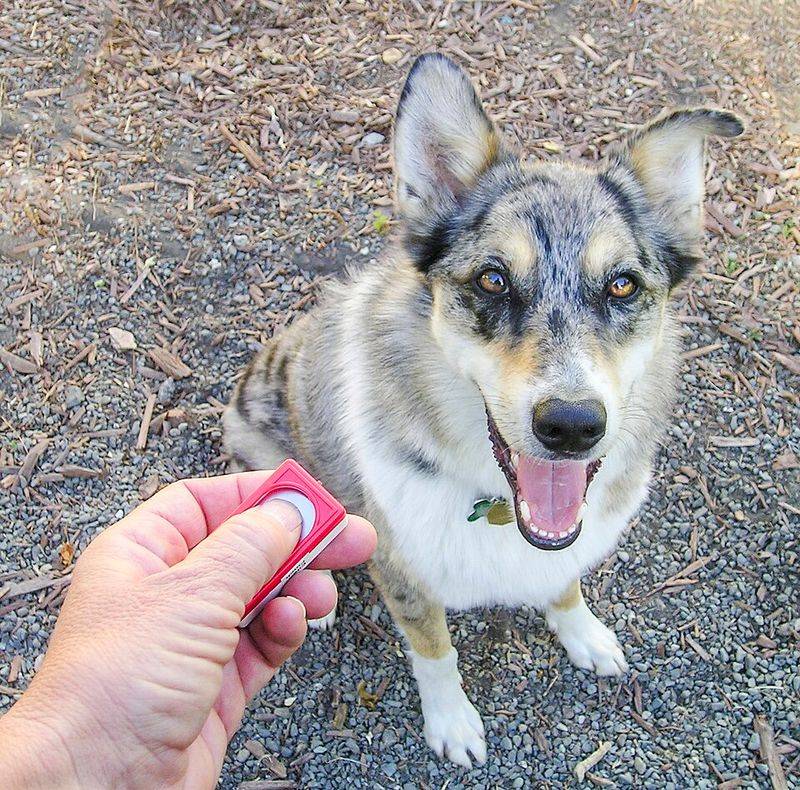
Training is vital, but it should remain light-hearted in the first week. Focus on simple commands and positive reinforcement.
Use treats and praise to encourage good behavior without putting too much pressure on them. Avoid harsh corrections.
This approach strengthens your bond while fostering a positive learning environment. Patience and understanding are key during this period.
Watch Body Language Instead of Pushing Confidence
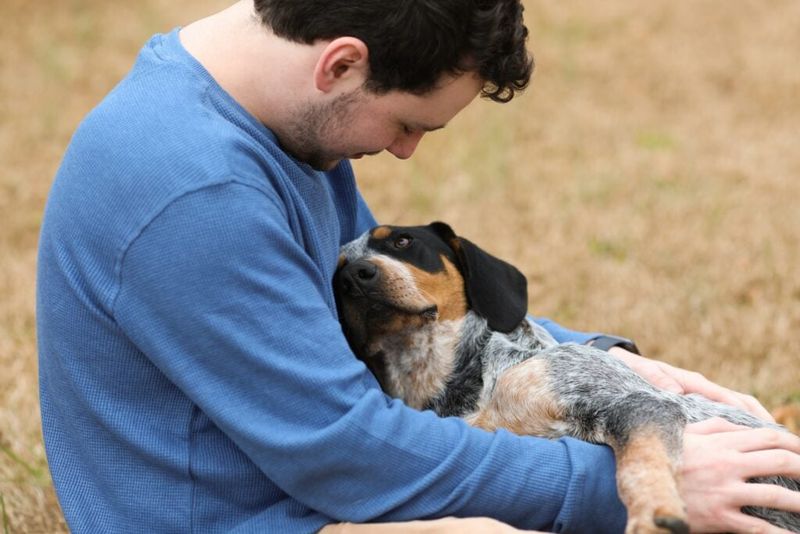
Learning to interpret your dog’s body language is vital. Instead of pushing them into uncomfortable situations, observe their signals.
A tense body or tucked tail indicates discomfort. Respond by giving them space and time to adjust.
Respecting their non-verbal cues fosters trust and emotional safety. It allows you to support them without force.
Maintain a Consistent Sleep Area

Sleep is crucial for a new dog’s adjustment. Maintain a consistent sleep area to provide stability and security.
Choose a quiet spot with a comfortable bed. Ensure they have access to this space at all times.
Consistency in their sleep environment helps them feel secure and well-rested. It’s a small step with a significant impact on their comfort.
Avoid Too Many New Experiences at Once

Introducing too many new experiences can be overwhelming. Gradually expose your dog to different activities and environments.
Start with simple experiences, like short car rides or backyard play. Avoid overwhelming them with crowded places.
This gradual exposure helps build their confidence without causing stress. It’s all about balancing curiosity with comfort.
Build Trust Through Routine, Not Rewards
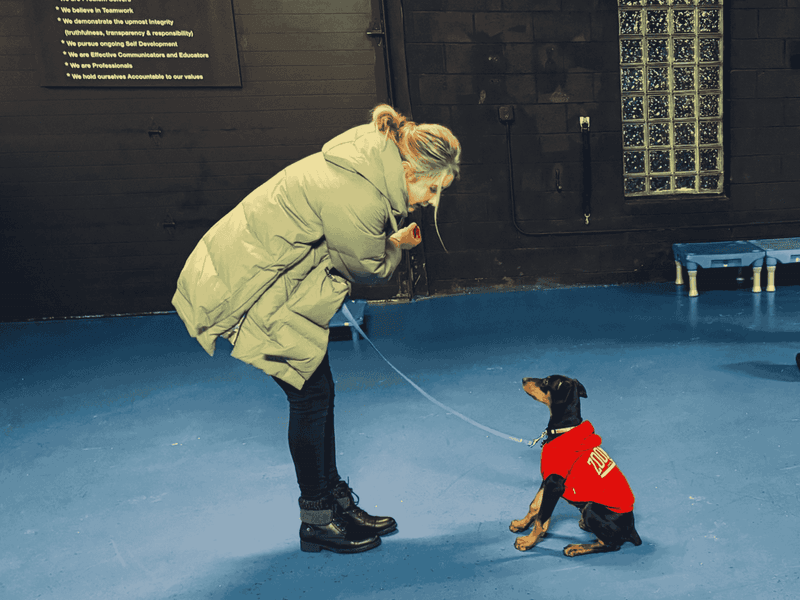
Routine offers reassurance. Build trust with your dog through consistent daily activities rather than relying solely on treats.
Regular feeding, play, and walk times create a comforting structure. While rewards are nice, predictability is key.
This consistency helps your dog feel secure and understood, reinforcing a stable emotional connection. Trust forms naturally over time.
End Each Day with Calm, Familiar Moments

Ending the day on a calm note is a perfect way to reinforce security. Spend quiet time together before bedtime.
Whether it’s gentle petting or simply sitting nearby, these moments create a soothing atmosphere. Avoid stimulating activities late in the evening.
This routine helps establish a sense of peace and safety, ensuring your dog feels loved and content before sleeping.