
If you have a dog that lives nose first, you already know obedience drills are just the warm up. Real connection happens when you tap into that primal joy of following scent, working the wind, and solving invisible puzzles together.
These breeds were born to track, search, and hunt with their noses, turning every outing into a team mission. Ready to build deeper trust by letting your dog lead with their superpower?
Lagotto romagnolo
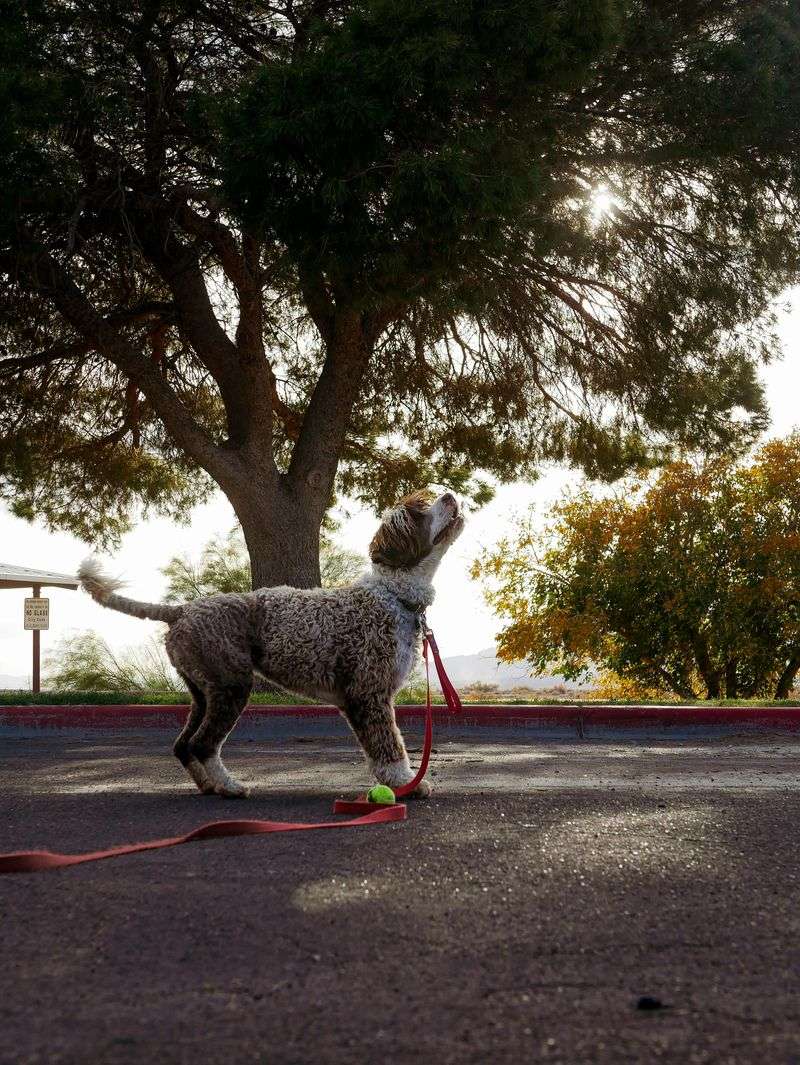
The Lagotto Romagnolo bonds beautifully when you let that nose work. Historically a truffle hunter, this curly companion thrives on searching leaf litter and damp soil for hidden treasures.
You guide the pattern, they drive the mission, and together you celebrate the find with a joyful party. Obedience matters, but scent games unlock the magic.
Start easy with paired odors, then build blind hides along forest paths. Use natural reinforcers like tug or a special snack at source.
Keep sessions short, upbeat, and creative to prevent frustration. You will watch confidence bloom as the dog learns problem solving.
Soon, you are moving as one.
Wirehaired pointing griffon
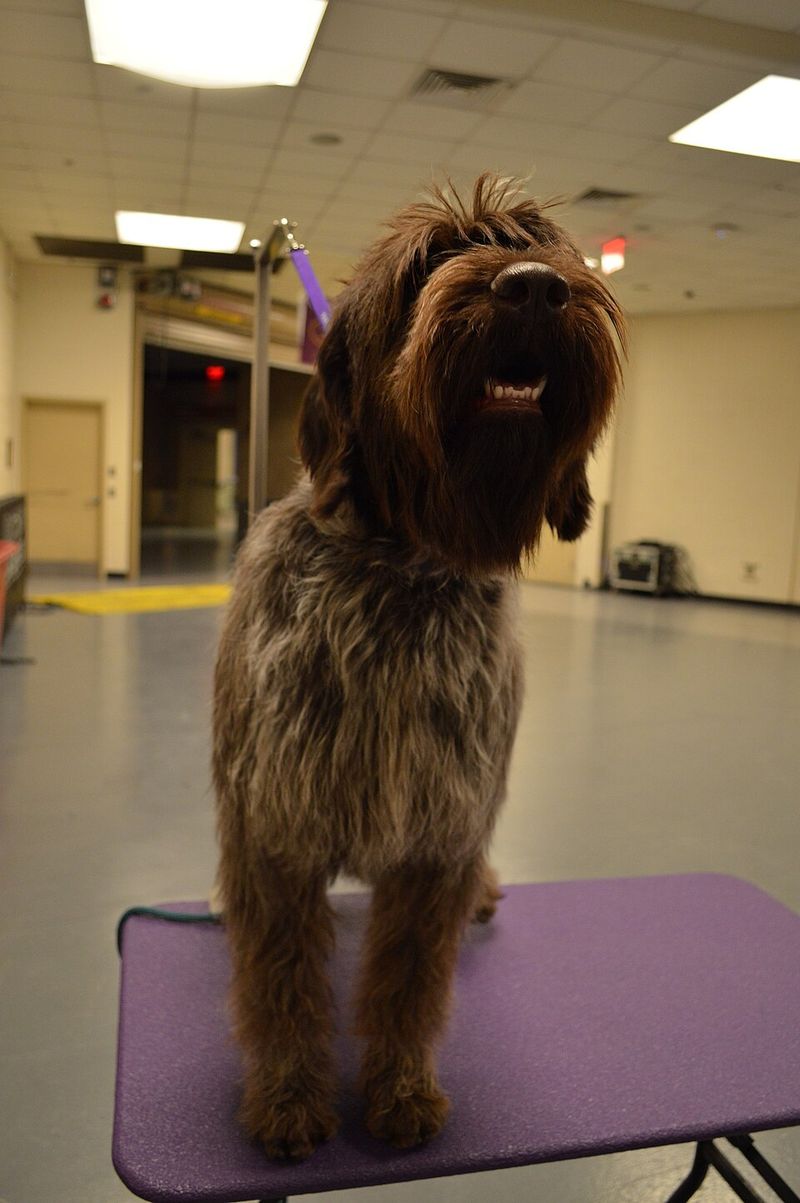
The Wirehaired Pointing Griffon loves a job, especially one powered by scent. Air scenting across fields, casting into wind, and locking on odor teaches elegant teamwork.
Instead of endless sits, build connection by shaping confident searches and clean indications. You provide structure, the dog brings drive and grit.
Work quartering patterns on light crosswinds, then hide birds or scent tins. Reward calm, precise points and a solid nose freeze at source.
Keep criteria clear and fair. Mix terrain like stubble, hedgerows, and light woodland to stretch skills.
You will see steadiness grow naturally when their instincts are respected and channeled.
Spinone italiano
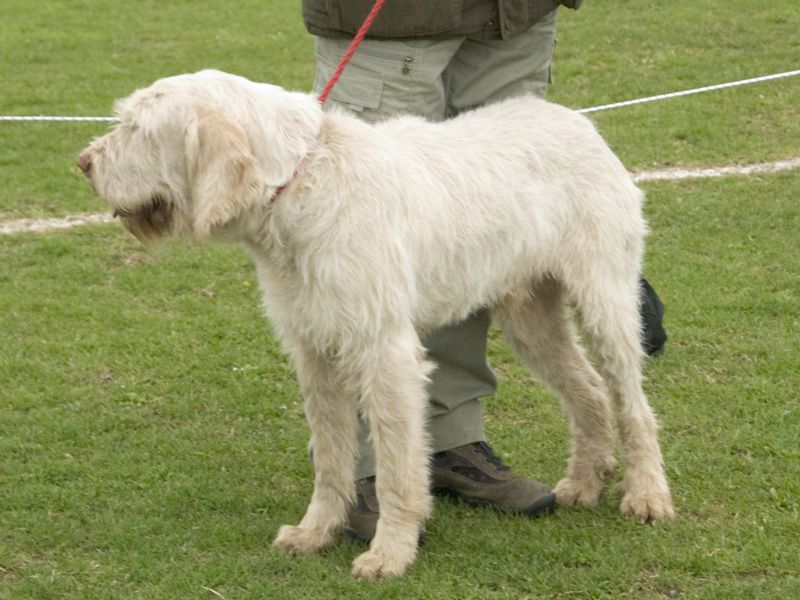
The Spinone Italiano is methodical, affectionate, and wonderfully nose driven. These shaggy workers excel when given patient, thoughtful search problems.
March through marsh edges, follow scent drifts, and let them puzzle without pressure. Obedience gains meaning when tied to the job at hand, not drills for drills sake.
Set up low, medium, and high hides along cattails and brush lines. Reinforce persistence, not speed.
Break complex puzzles into stages, letting the dog reengage after distractions. Use calm praise and tactile rewards.
Over time, trust deepens as you learn to read micro signals in their beardy face and tail, turning quiet communication into a shared language.
Bracco italiano
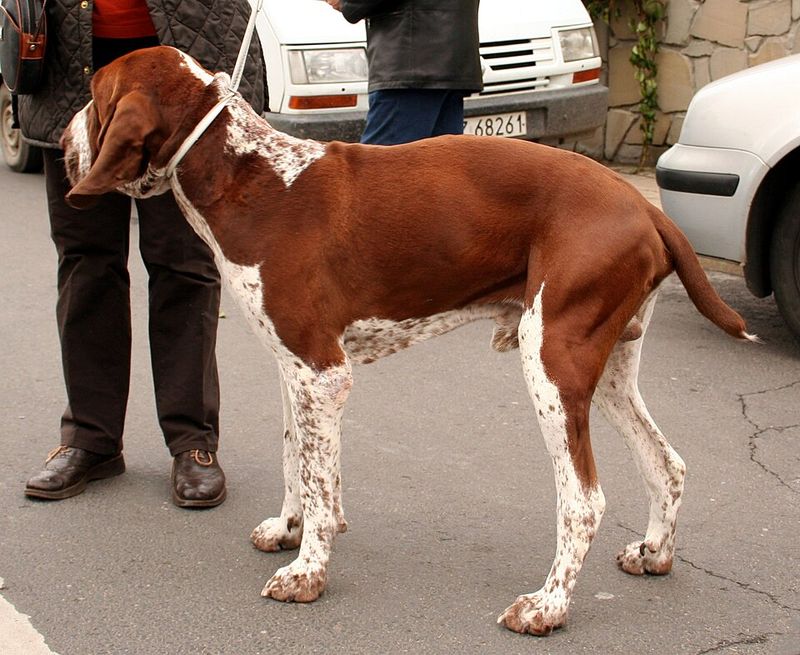
The Bracco Italiano brings poise and power to scent work. Their distinctive trot covers ground efficiently while they sample currents for odor.
Skip repetitive heel patterns and invest in thoughtful search setups that reward balance and focus. You will feel the bond tighten as the Bracco checks in, then surges forward with purpose.
Practice windward approaches, angled casts, and corridor searches between hedges. Reward clear head snaps and decisive turns toward source.
Keep your cues minimal and trust the dog to commit. Mix up rewards, from a joyous retrieve to a simple hand delivered treat.
The Bracco thrives when allowed to problem solve with style and sensitivity.
German wirehaired pointer
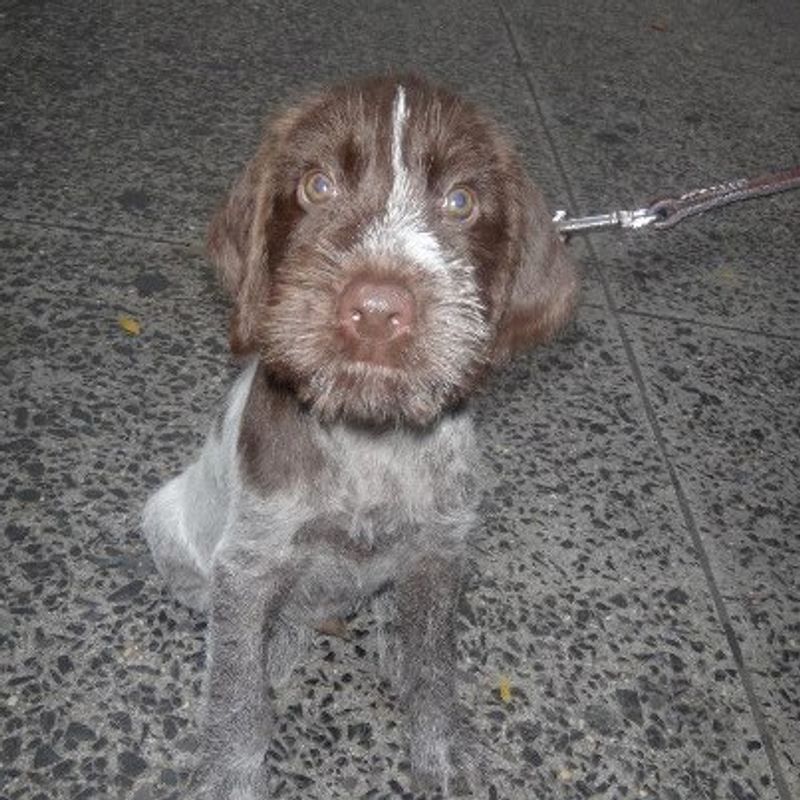
The German Wirehaired Pointer channels serious drive into scent tasks. Rather than drilling sits, build reliability through layered search challenges.
Start with simple hides, then add wind shifts, elevation changes, and distractions. You will see resilience grow as the dog learns to work through complexity, not just follow commands.
Use long lines to shape range and check ins without stifling initiative. Reward at source with a tug or quick retrieve, then reset confidently.
Rotate environments, from rocky cuts to open heather, to generalize skills. Emphasize impulse control only where it serves the search.
The partnership becomes athletic, respectful, and thrilling.
Basset hound
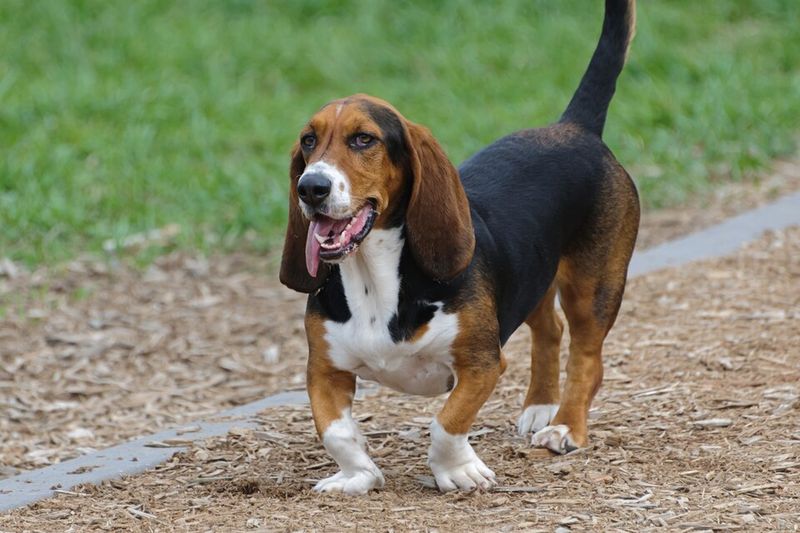
The Basset Hound is a scent magnet with comedic charm and real grit. Short legs keep the nose close, making ground scent puzzles incredibly satisfying.
Forget endless heelwork. Build connection by following that glorious nose, marking changes of behavior, and celebrating every tiny breakthrough.
Lay short track lines with gentle turns, then lengthen and add aging. Use food drops sparingly to teach commitment to odor over treats.
Keep pace relaxed so the dog can settle into rhythm. Your job is to manage line, read the tail, and trust the process.
The result is a steady, joyful tracker who chooses you as partner.
Bloodhound
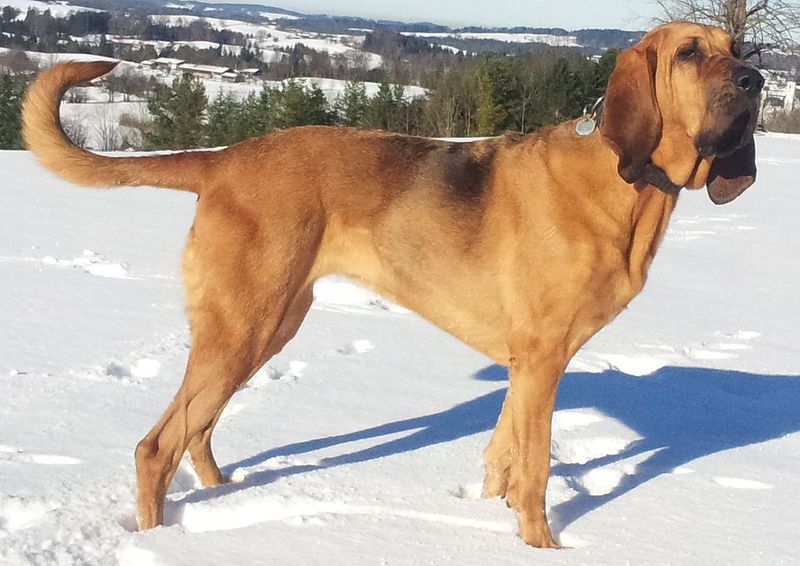
Bloodhounds redefine teamwork through mantrailing. Their legendary noses pull hard, but true connection happens when you guide strategy, not speed.
Set scent articles, plan start lines, and manage line tension while the dog solves the trail. Obedience sits back, letting the hunt drive engagement and clarity.
Train on varied substrates like asphalt, grass, and leaf litter with changing contamination. Age trails gradually and add corners, scent pools, and cross tracks.
Reward big at the find with praise and a favorite toy or food. Keep debriefs calm so the dog ends confident.
You will feel that shared victory at the find, every single time.
Beagle
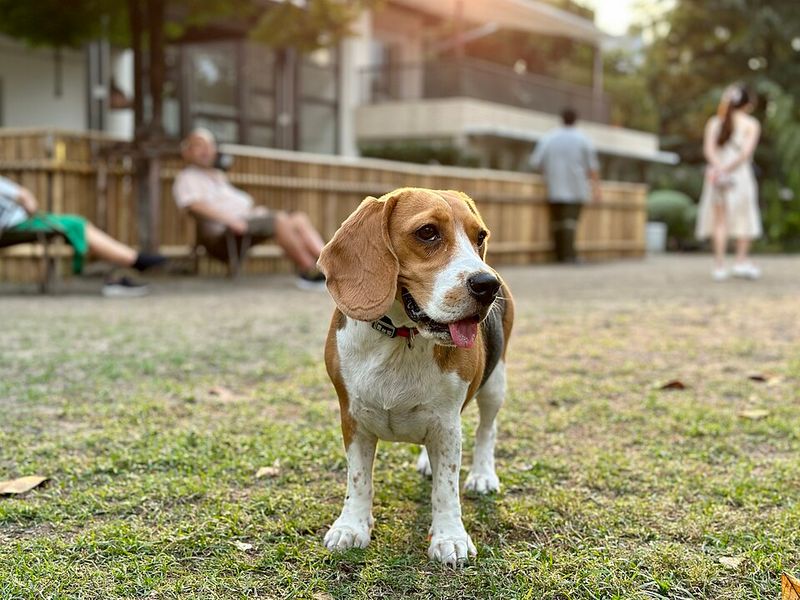
Beagles flourish when scent work takes center stage. Their independence becomes an asset in structured searches.
Replace repetitive sits with nose driven games that pay generously at source. Build simple hide to source patterns, then add distractions like food bowls or toys that reward only after the find.
Use short, confidence building tracks and indoor searches to keep arousal manageable. Reinforce check ins between hides to keep teamwork tight.
Rotate rewards so the find is always worth it. Keep sessions brisk and end on wins.
You will watch a cheerful hunter channel energy into focused problem solving, and your relationship will feel lighter and more fun.
Otterhound
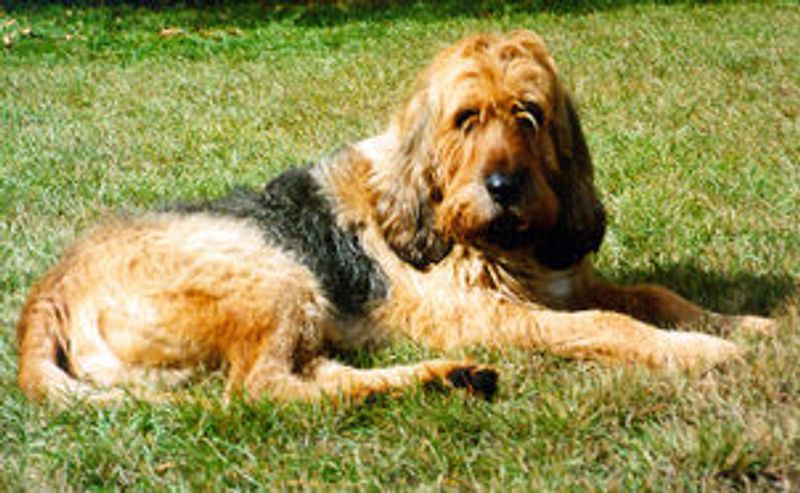
The Otterhound brings water savvy and a rich nose to the party. Bonding soars when you blend scent with aquatic environments.
Practice shoreline searches, water blown odor, and transition hides from dry land to wet edges. Obedience slots in as safety, not the star.
Set hides along stones, driftwood, and reed clumps, rewarding persistence against water turbulence. Teach clear indications like a nose press or sit at source.
Keep sessions short to protect joints and energy. Use soft praise, a towel rub, and a favorite toy as part of the ritual.
Over time, the team rhythm becomes calm, competent, and deeply connected.
Treeing walker coonhound
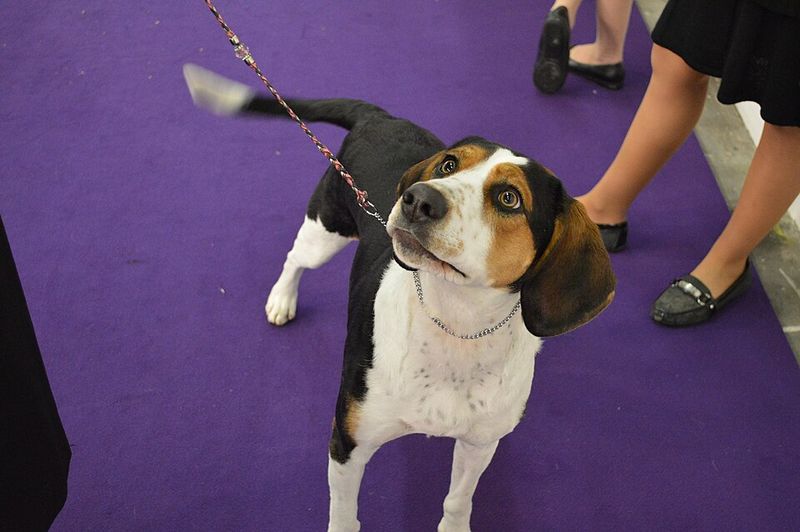
The Treeing Walker Coonhound is built for tracking and locating with authority. Lean into that purpose.
Set track lines that end in elevated sources, teaching the dog to pinpoint and indicate at trees or posts. Obedience supports safety, but the real conversation happens in the search.
Use progressive difficulty: warm tracks, then colder ages and longer legs. Reinforce a steady tree indication without frantic pawing.
Reward quickly, then reset to another hide to keep momentum high. Night searches under headlamp add authenticity and focus.
You will witness finesse replace chaos as the dog learns to channel drive into clarity.
Bluetick coonhound
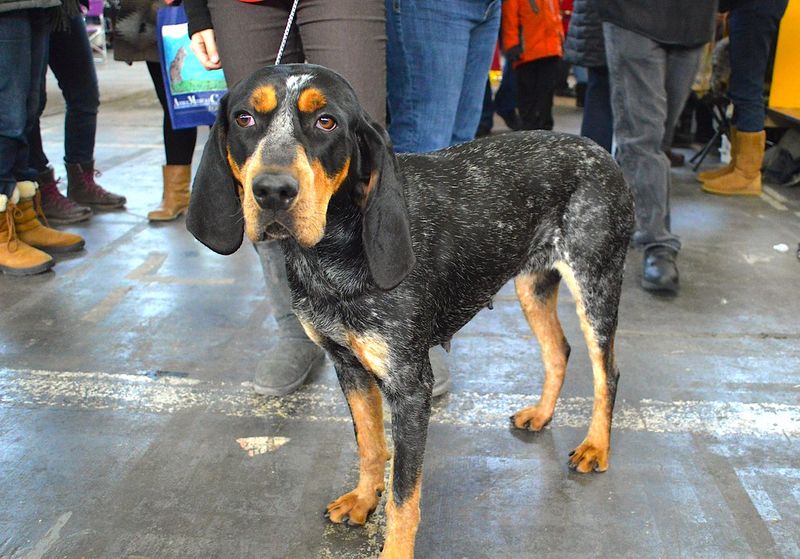
The Bluetick Coonhound thrives when scent puzzles stretch both nose and brain. Build tracks that lift from ground to air, teaching shifts as odor rises along trunks or rocks.
Skip rote obedience in favor of quiet handling, strategic resets, and generous rewards at source. The bond strengthens through shared problem solving.
Introduce cross tracks and light contamination to teach commitment. Maintain consistent indication behavior so you can read success instantly.
Keep arousal balanced with short pauses and breathy praise. Rotate environments from pine stands to creek bottoms.
Over time, the dog will offer beautiful, deliberate work that feels like a shared secret.
Redbone coonhound
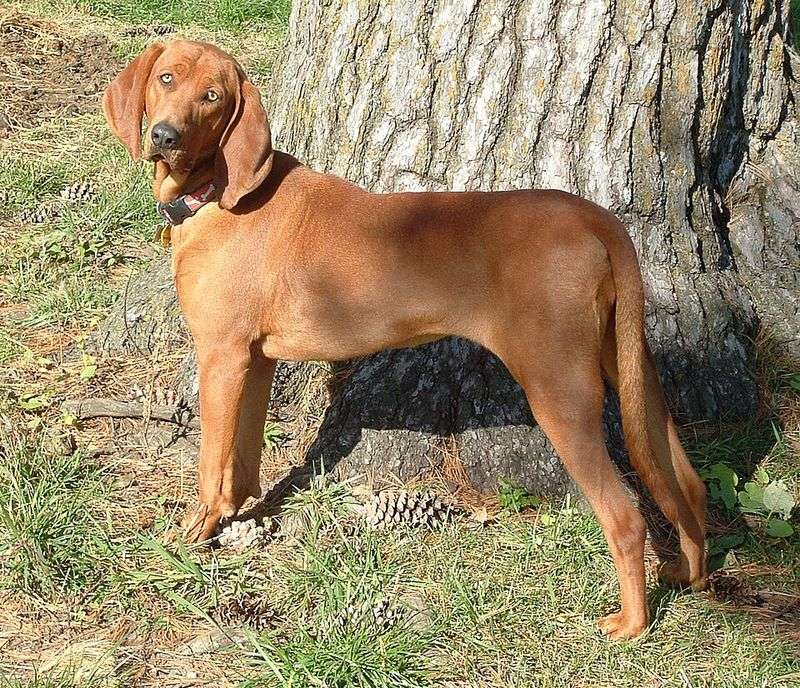
The Redbone Coonhound brings smooth drive and heart to scent work. Build your connection with purposeful tracks, patient problem solving, and clear celebrations at source.
Rather than drilling fronts and finishes, invest time in reading changes of behavior, honoring pauses, and letting the dog work.
Set hides that favor air currents along logs and low branches. Reinforce a calm, sustained indication like a stand and stare.
Keep sessions varied in length to prevent patterning. Use a favorite toy or food jackpot right at source.
Soon, the dog will hunt for joy and partnership, not just reinforcement, and your teamwork will shine.
Plott hound
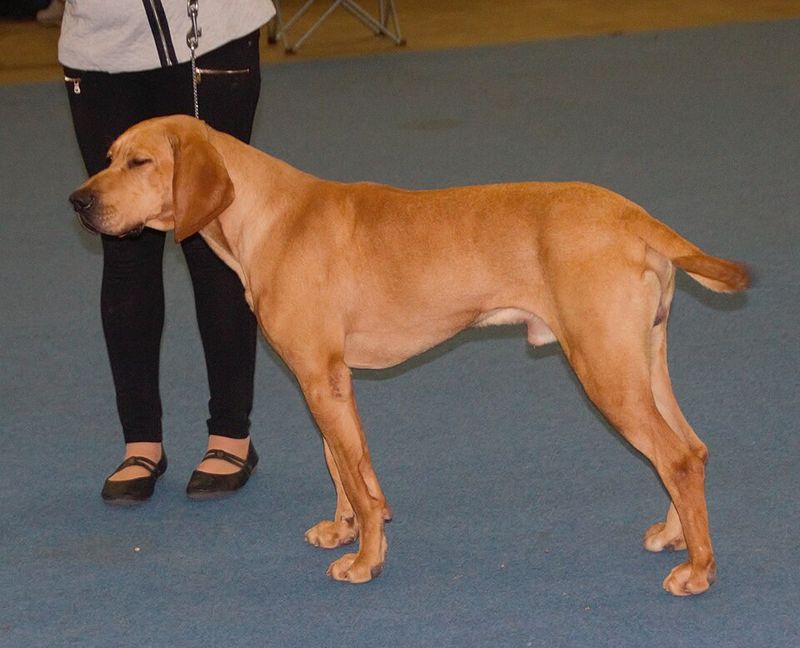
The Plott Hound is gritty, athletic, and honest in scent work. They respond best when the job is real and the criteria are fair.
Trade repetitive obedience for tracks that challenge stamina and decision making. You provide structure and safety, the dog brings relentless effort.
Design longer trails with intentional corners, elevation changes, and scent pools in hollows. Reward at key problem solving moments, not only at the final find.
Keep your handling quiet to let the nose lead. Rotate rest days and short fun searches to protect motivation.
The partnership becomes a tough, trusting duo ready for any terrain.
Petit basset griffon vendéen
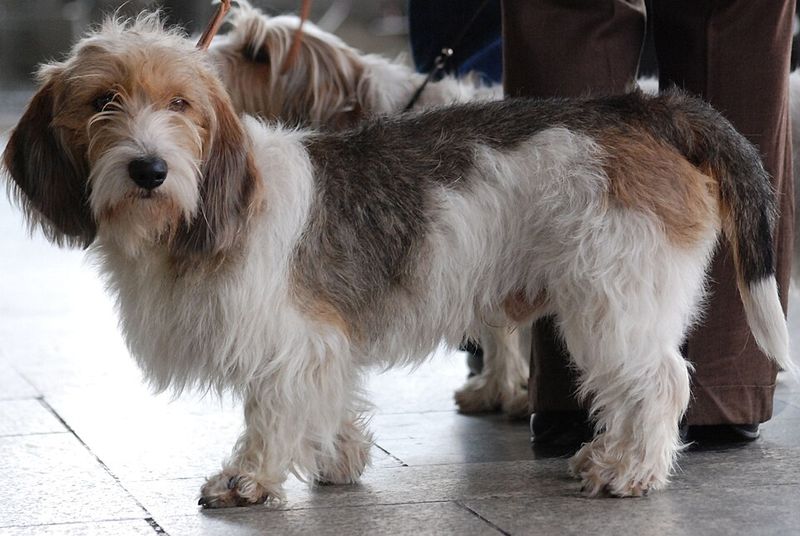
The Petit Basset Griffon Vendéen is cheerful and stubborn in the best way. Scent work turns that independence into teamwork.
Create playful searches along hedges, rock piles, and dune grass, mixing ground and light air scent. Skip fussy heel drills and lean into hunts that end with big celebrations at source.
Use short tracks that zigzag, rewarding reorientation and persistence. Teach a clear indication like a nose hold or down, then pay generously.
Keep the pace zippy to match their spark, but insert brief pauses for check ins. With variety and laughter, you will see a savvy little hunter who chooses partnership every time.
Harrier
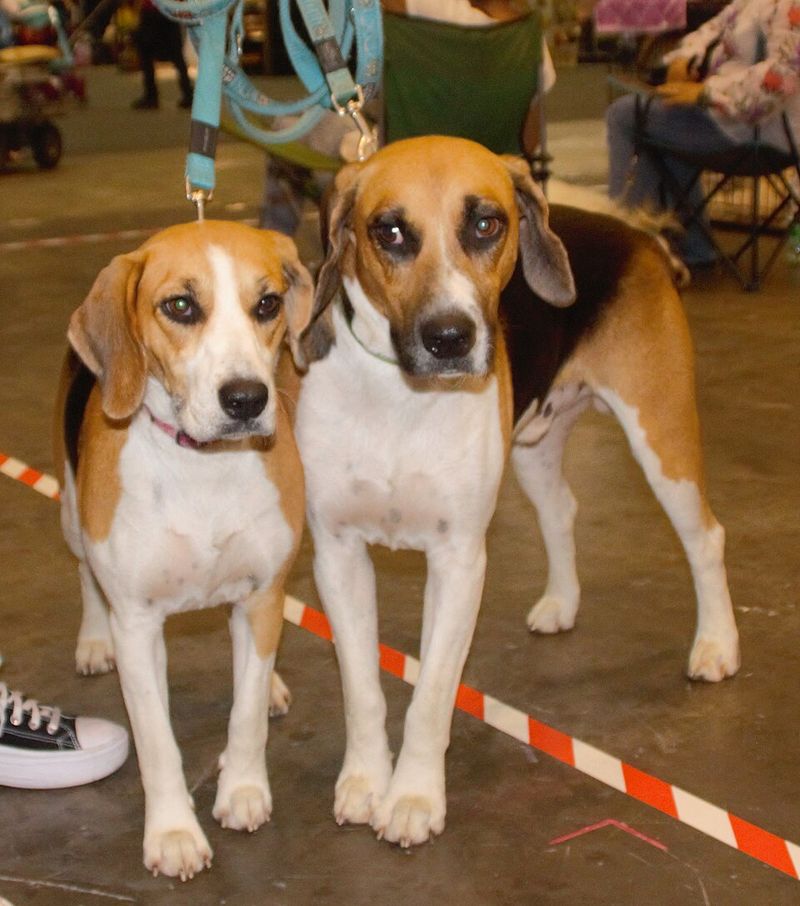
The Harrier blends stamina with a joyous nose. Bond through sustained search patterns across fields and hedgerows, not sit stay marathons.
Teach quartering and recontacts so the dog learns to loop back without prompting. You will feel like teammates on a long, satisfying run fueled by scent and trust.
Lay parallel tracks with occasional intersections to build discrimination. Reward at source and on smart checkpoints.
Keep cues minimal, using body position and wind to guide. Rotate longer efforts with short, high value hides to keep spirits high.
Over time, you will get rhythmic teamwork that feels effortless and connected.