
Some dogs do not just whine, they hold full conversations that make you pause and answer back. If you have ever felt like your pup is giving running commentary on life, you are in the right place.
These breeds turn little noises into clear opinions, questions, and affectionate check-ins. Get ready to meet the furry chatterboxes who keep the dialogue lively and your heart engaged.
Samoyed
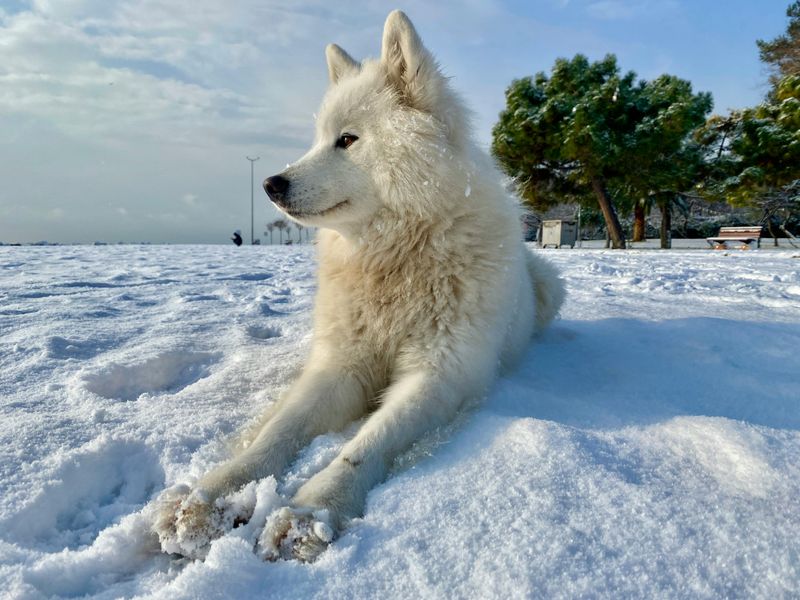
Samoyeds seem to sing their thoughts, pairing soft whines with that famous smile. You will hear rising tones when they want attention, and quick, breathy murmurs when they are excited to play.
They thrive on closeness, so their voices often ask, Are you coming along?
Because they were bred to live closely with people, their commentary is affectionate and frequent. Expect gentle woo-woos, questioning sighs, and purposefully placed paw taps to underline each point.
They learn your routines and announce schedule changes like tiny newscasters.
Channel the chatter with daily exercise, puzzle toys, and short training bursts. Reward quiet check-ins, and redirect persistent serenades to a task.
With structure, their expressive language becomes charming conversation rather than nonstop broadcast.
Siberian Husky
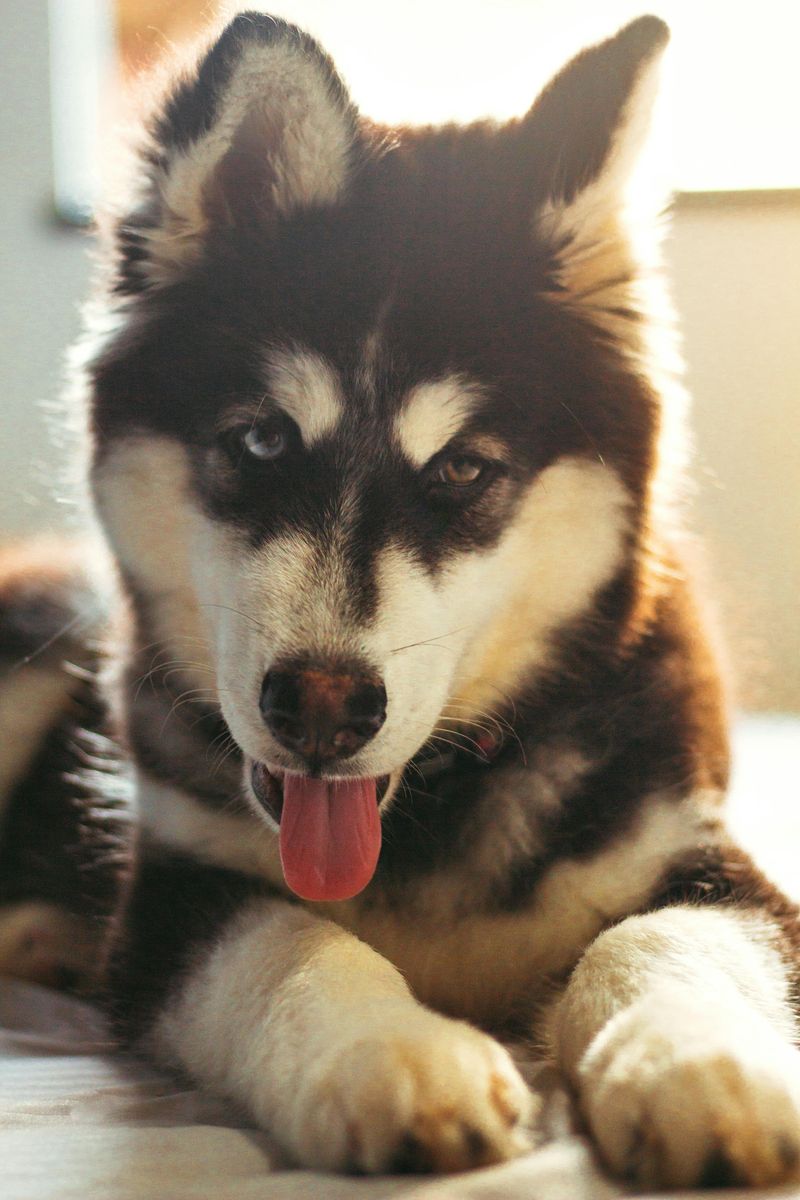
Huskies are legendary talkers, blending whines, howls, and yodels into dramatic monologues. They use sliding pitches like question marks, plus drawn-out vowels for complaints.
You will hear a quick whine for attention, then a theatrical howl to escalate negotiations.
Their vocal range comes from sled dog teamwork, where sound coordinated effort across distance. Expect commentary about everything: leashes, dinner, and your choice of socks.
They also mirror your tone, which can be hilarious if you debate back.
Meet their needs with long runs, nose work, and jobs that burn energy. Train a Speak and a Quiet cue to create boundaries.
With consistency, that famous woo-woo transforms into cooperative dialogue instead of constant protest.
Alaskan Malamute
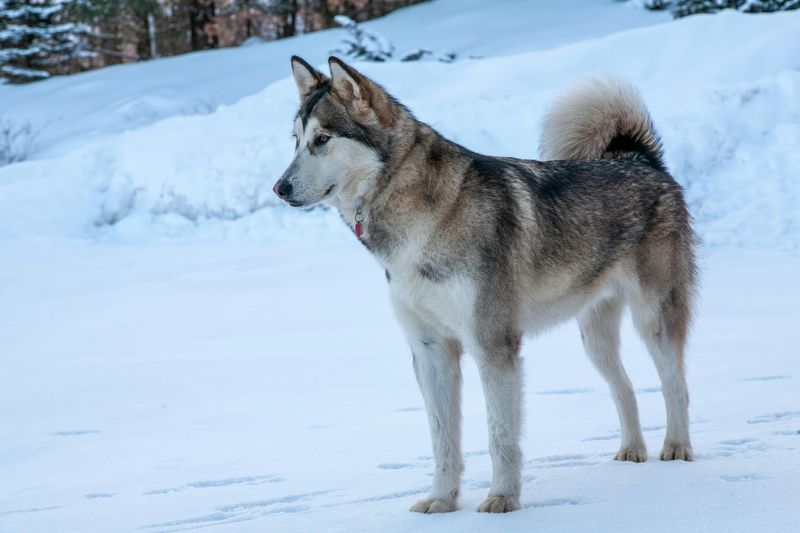
Malamutes communicate with resonant woo-woos, rumbling whines, and patient sighs that feel like sentences. They are purposeful, using specific tones for greetings, requests, and mild disagreements.
You will notice a soft, low whine when they want companionship more than treats.
As team dogs, they value clarity, so they repeat key messages calmly. They may vocalize to rally you for a hike or to report an empty water bowl.
Their restraint reads as wisdom, but the commentary remains steady and sincere.
Give them jobs like carting practice, backpacking, or scent games. Reinforce calm check-ins and interrupt nagging with a cue to settle on a mat.
With structure, their gravelly language becomes a grounding family soundtrack.
American Eskimo Dog
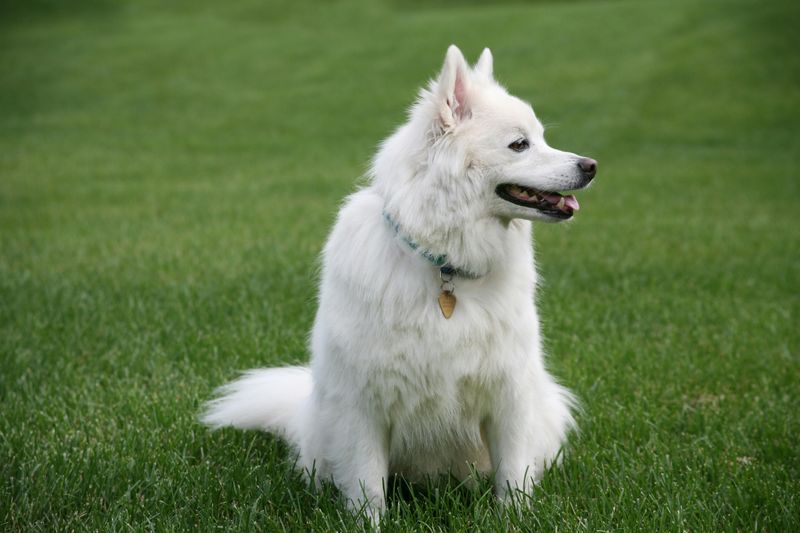
American Eskimo Dogs deliver rapid whines that feel like punctuation marks between thoughts. They narrate the doorbell, the dishwasher, and your snacks with crisp, high notes.
You will hear bright, hopeful tones when they anticipate play, and softer murmurs when they need reassurance.
Bred as alert companions, they are keen observers who love two-way conversation. They often pause, make eye contact, and add a tiny whimper to ask, Your turn?
This feedback loop can become adorable or relentless depending on boundaries.
Teach a Place cue and reward quiet before attention. Use puzzle feeders, trick training, and brisk walks to channel their sparkle.
With predictable routines, their chatter becomes helpful commentary instead of constant editorializing.
Keeshond
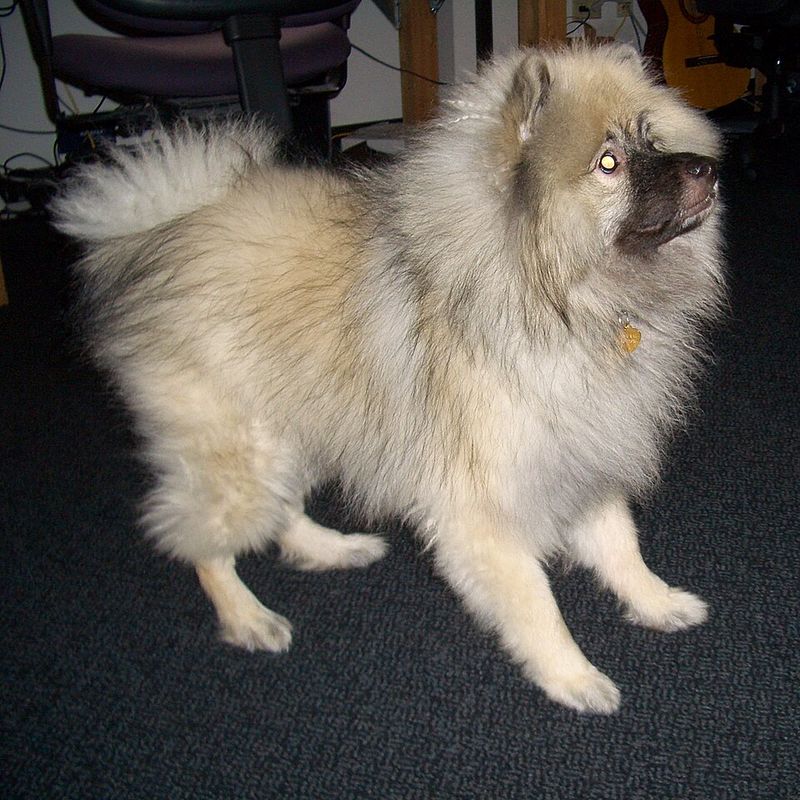
Keeshonden are social narrators, offering soft whines that blend seamlessly with expressive eyebrows. They often report neighborhood news from the window, then check back with a questioning chirp.
You will hear gentle, rising notes when they want to reunite the household.
Historically known as barge companions, they thrive on togetherness and dialogue. Their whines are affectionate nudges, not pushy demands.
They listen closely and adjust tone based on your response, which makes training collaborative.
Provide daily enrichment walks, scenting games, and short obedience sessions. Reinforce calm greetings and teach an Off-duty cue for downtime.
When engagement is consistent, their soft commentary becomes a comforting soundtrack rather than a nonstop neighborhood report.
Finnish Spitz
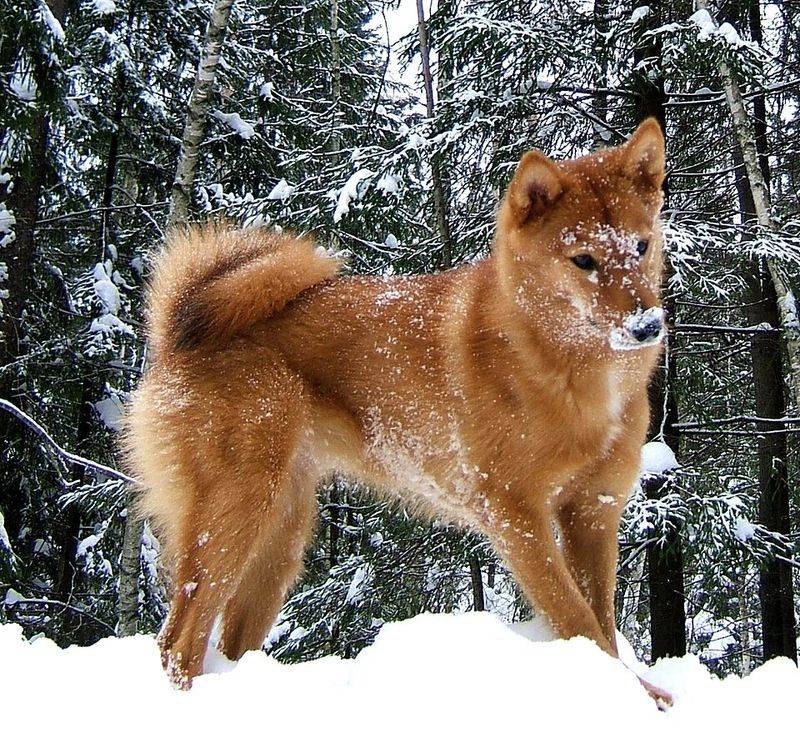
The Finnish Spitz is a natural talker with bright, staccato whines and chirps that punctuate their famous bark. They will announce wildlife, shifting breezes, and your snack wrapper with conscientious precision.
You will hear inquisitive, birdlike whimpers when they want guidance.
Bred as a vocal hunting partner, they use sound to mark attention and confirm teamwork. Their commentary is cheerful rather than needy, but it arrives often.
They flourish when you answer back with structure and clear cues.
Offer scent trails, recall games, and frequent micro-training. Teach Speak and Hush to create useful on-off switches.
When their instincts have outlets, their chatty whines become purposeful updates you actually appreciate instead of background noise.
Bearded Collie
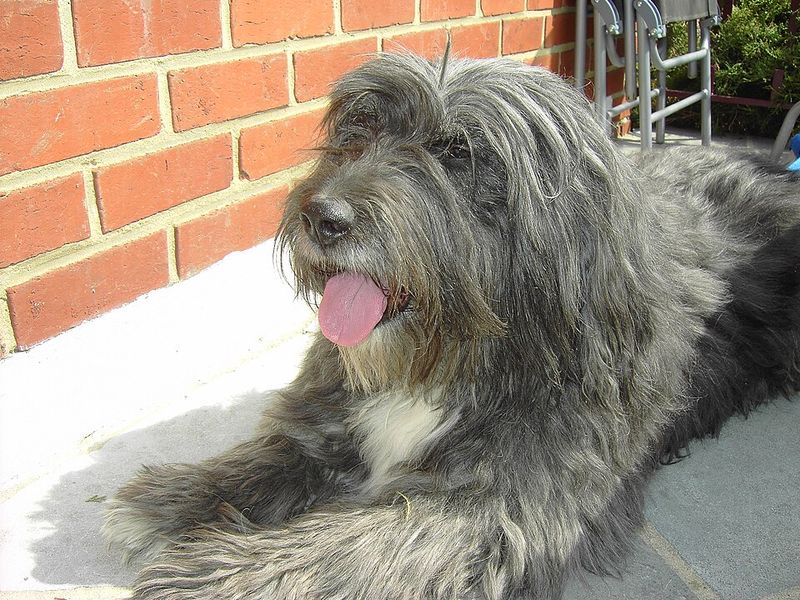
Bearded Collies hum, whine, and mumble through their feelings like animated coworkers. They narrate transitions, from putting on shoes to opening the yard gate.
You will hear elastic, conversational whines when they negotiate one more toss of the ball.
As energetic herders, they crave tasks and social input. Their voices check your availability and rally team spirit.
They also mirror mood, offering softer tones when you are calm and peppier chatter during play.
Give them agility, freestyle tricks, and brain games that invite dialogue. Mark and reward quiet moments to balance their enthusiasm.
With channels for both movement and conversation, their gentle commentary becomes productive guidance rather than fidgety fussing.
Shetland Sheepdog
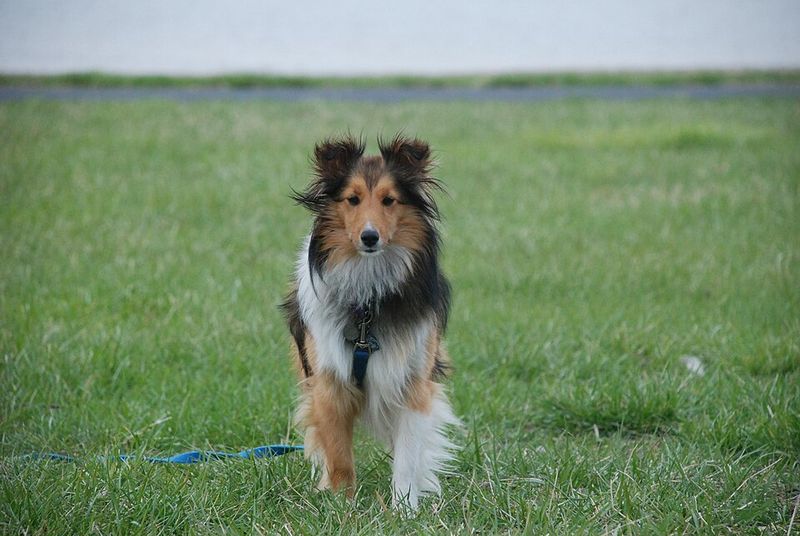
Shetland Sheepdogs express themselves with delicate whines, excited squeaks, and strategic barks. They manage household flow like tiny supervisors, using rising tones to cue motion.
You will notice a soft pre-whine when they anticipate your next step.
As sensitive herders, they love two-way communication and learn vocabulary quickly. They often check in with eye contact, then add a whispery whine to underline requests.
This nuance makes training rewarding if you keep sessions short and upbeat.
Provide puzzle toys, obedience drills, and gentle herding-style games. Reinforce quiet eye contact before treats or doors.
With predictable outlets, their chatty tendencies turn into thoughtful conversation rather than endless micromanagement.
Schipperke
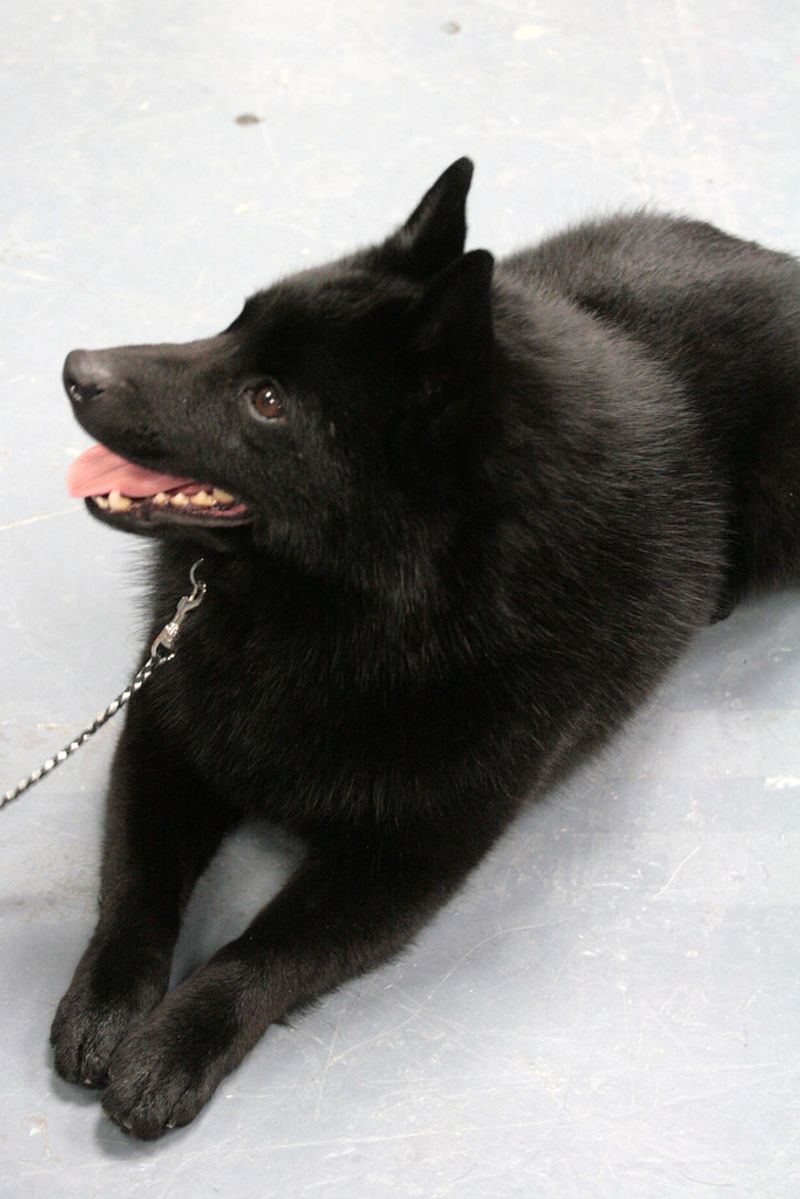
Schipperkes deliver eager, high whines that sound like quick questions. They are vigilant little captains who monitor every ripple of activity.
You will hear curious, rising notes when they spot movement and softer murmurs when they want in on plans.
Bred for barge duty, they combine alertness with amusing commentary. They love puzzles and thrive on responsibilities, which channel their vocal spark.
Without structure, the questions can become a rapid-fire interview.
Teach Place, Look, and Quiet cues, pairing them with engaging jobs like scent searches or trick chains. Reward calm observation.
With their brains and voice aligned, Schipperke chatter turns into helpful updates that keep you smiling instead of scrambling.
Miniature Schnauzer
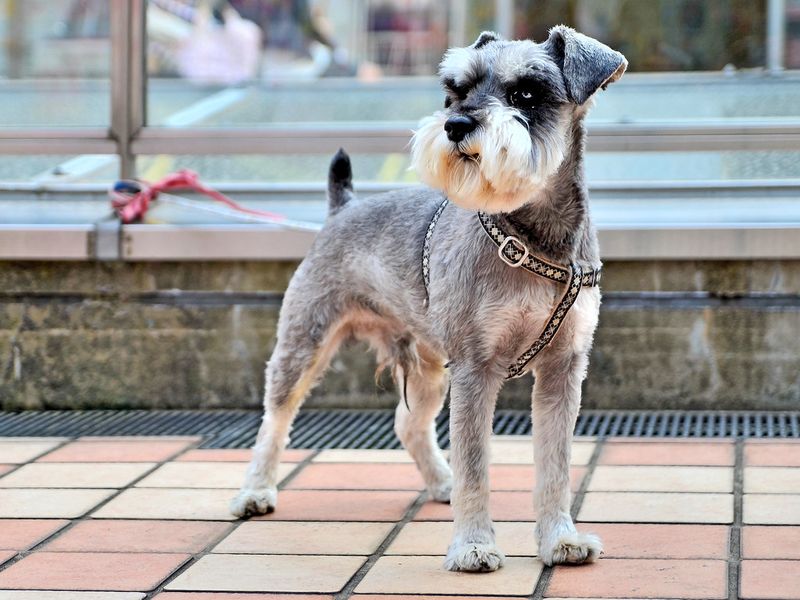
Miniature Schnauzers whirl through emotions with quick, purposeful whines and pointed looks. They love to brief you on neighborhood events, mail deliveries, and dinner timing.
You will catch crisp, questioning tones that invite negotiation.
Their watchdog heritage means they take communication seriously. They present their case, wait for your verdict, then add a softer follow-up if needed.
Because they are clever, they learn routines and predict windows of opportunity.
Offer daily walks, rally obedience, and scent games to occupy their bright minds. Reinforce quiet before access to windows or doors.
With consistent rules, their spirited commentary becomes a cooperative dialogue instead of constant cross-examination.
West Highland White Terrier
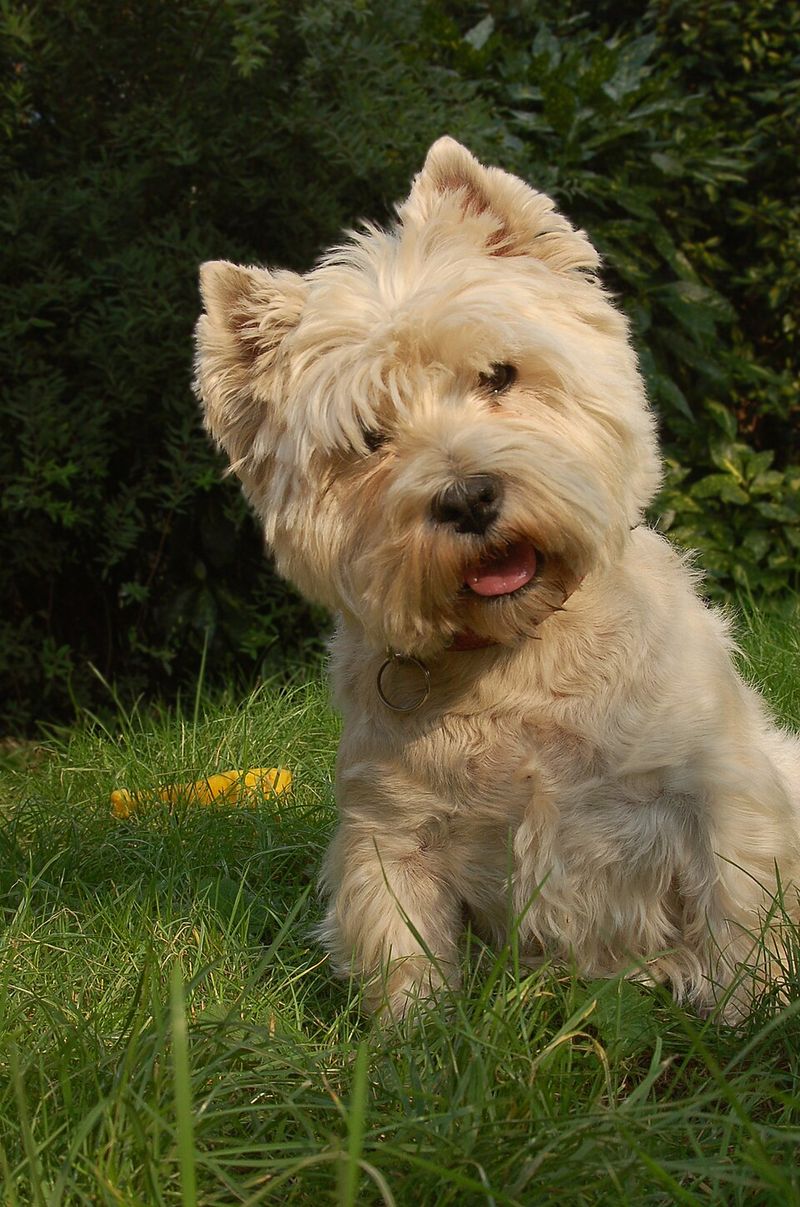
Westies bring confident, chirpy whines that feel like calendar reminders. They punctuate routines with upbeat nudges, from walk o clock to treat time.
You will hear cheerful, rising notes when plans align and a firmer tone when they lobby.
Originally bred for alert work, they like clarity and fairness. They appreciate quick acknowledgment, even if the answer is later.
Their insistence rarely feels needy, more like a polite project manager checking milestones.
Provide sturdy play, nose work, and quick training games. Reward quiet waiting and give choices, like toy A or B, to satisfy agency.
With engagement, their tidy commentary supports structure rather than steering the entire household.
Cairn Terrier
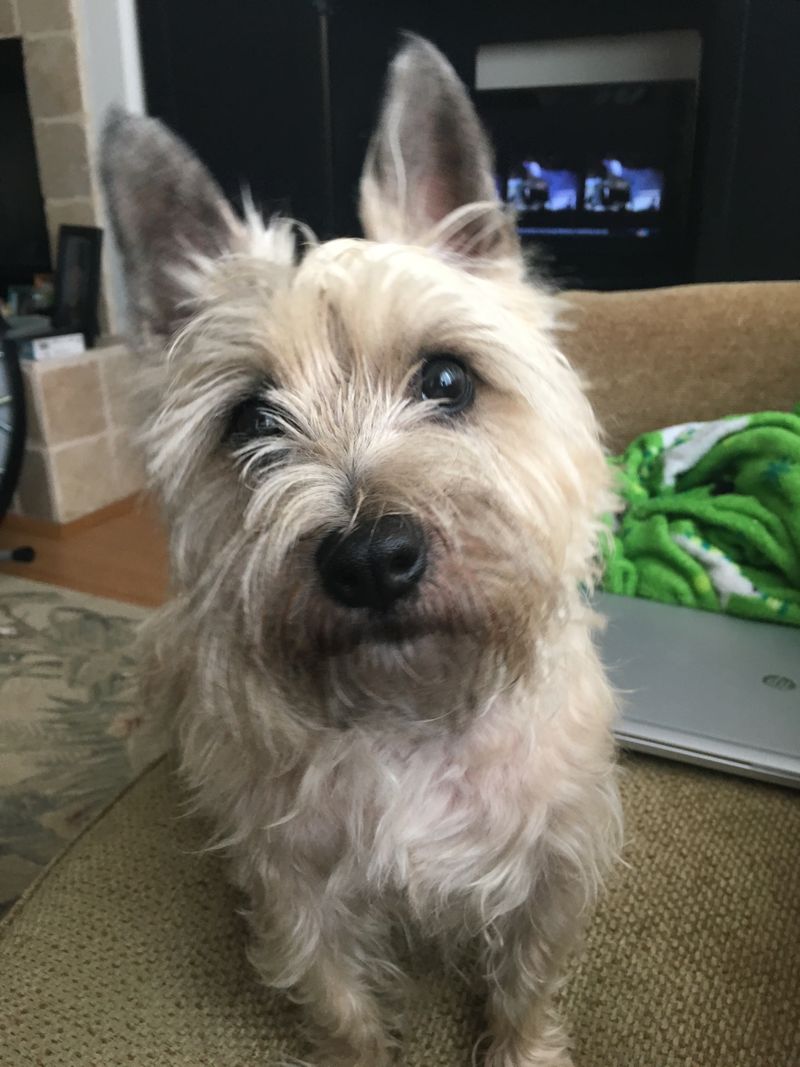
Cairn Terriers share spirited whines that bounce like questions. They are investigative storytellers who report rustling leaves, new scents, and your snack choices.
You will hear bright, poking notes when they want permission to explore.
Their earthdog roots give them bold curiosity and a persistent voice. They adore problem-solving and will negotiate for turns at the puzzle box.
They also appreciate clear stop and go signals that respect their drive.
Use dig boxes, scent work, and trick ladders to channel energy. Teach a Release cue and reinforce quiet sits before doors or gardens.
With structure, their lively commentary fuels partnership, turning commentary into collaboration instead of constant lobbying.
Norwich Terrier
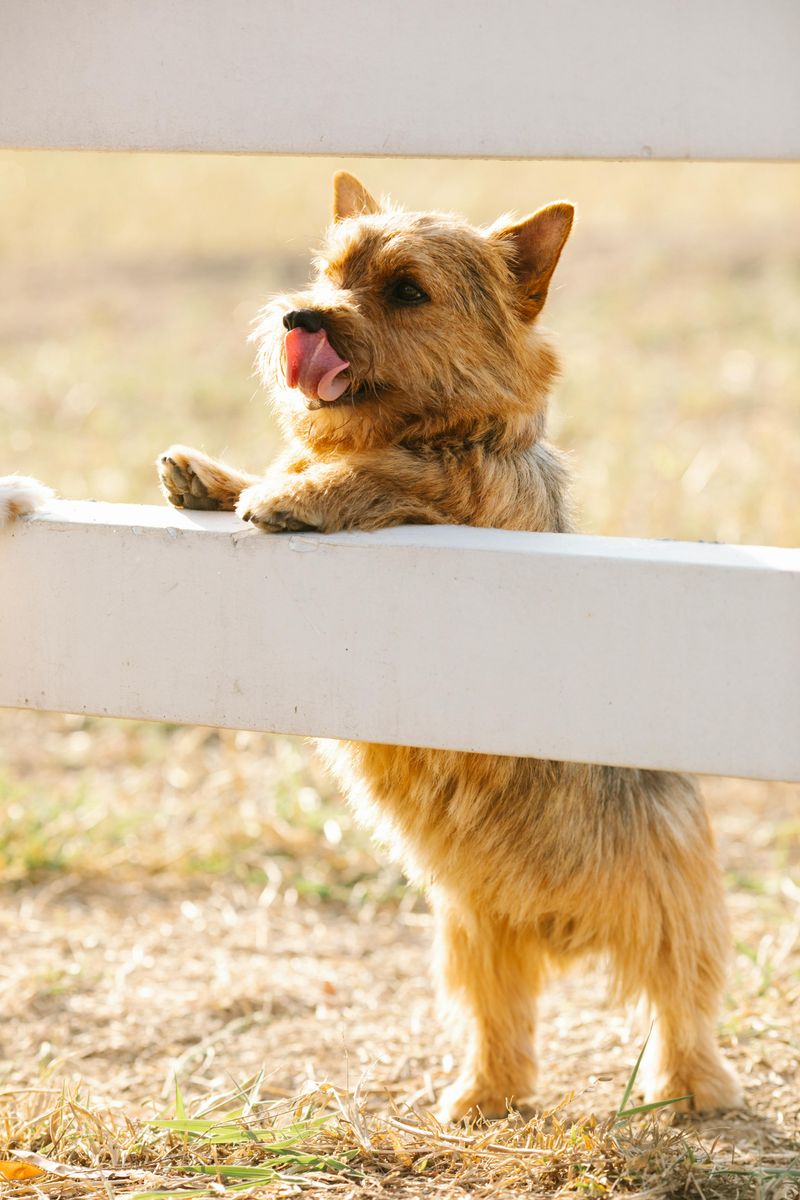
Norwich Terriers produce gentle, earnest whines that read like polite questions. They want in on the fun and ask with hopeful eyes.
You will hear a soft pre-whine before they bounce into action.
As small hunters turned companions, they balance courage with friendliness. Their commentary is brief but meaningful, like a nudge on your sleeve.
Short, focused training lets them contribute ideas and feel heard.
Offer mini agility, tug games with rules, and scatter feeding. Reinforce quiet check-ins and end sessions while enthusiasm peaks.
When needs are met, their tidy whisper-whines become sweet reminders rather than persistent appeals.
Norfolk Terrier
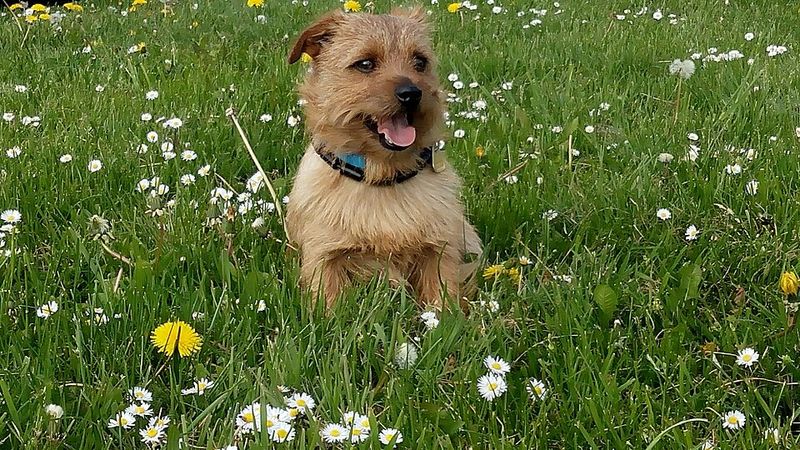
Norfolk Terriers speak in warm, low whines that feel companionable. They will sidle up with a soft sound that asks, Is there room for me?
You will hear rounded, soothing notes that invite shared activity.
They are steady, people-oriented hunters who appreciate teamwork. Their communication is less barky and more conversational hum.
They notice your rhythms and time their requests for maximum success.
Plan short training bursts, scent searches, and calm fetch sessions. Mark quiet proximity and provide chew breaks for self-regulation.
With a predictable routine, their friendly murmur becomes comfy background chat rather than repetitive nudging.
Beagle
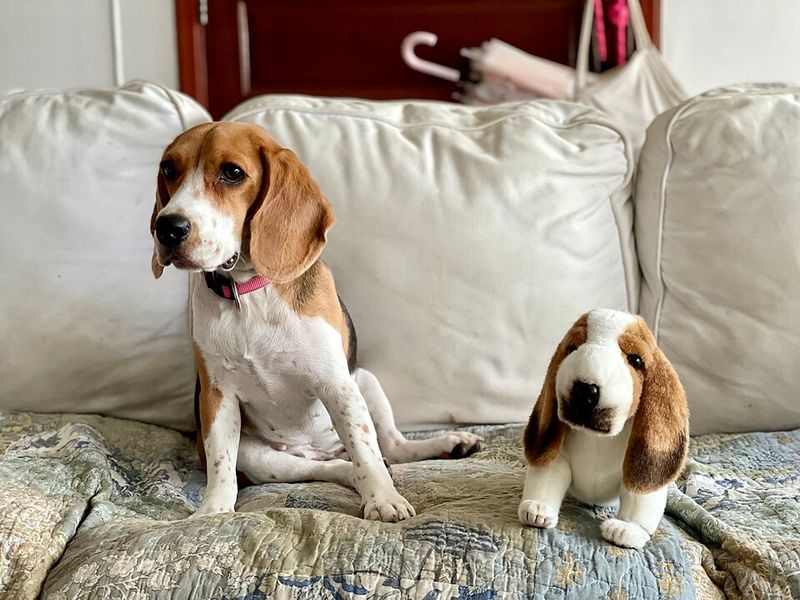
Beagles compose entire messages out of whines, bays, and excited trills. Their pre-bay whine is a headline: Something interesting awaits.
You will hear investigative murmurs when they parse scent stories on the breeze.
As scent hounds, they use voice to rally the team and mark discoveries. Indoors, the same language becomes cheerful updates about meals and mail.
They love acknowledgment and clear jobs that tap their supernose.
Build scent trails, practice search games, and teach a Quiet cue. Reward calm check-ins and redirect lobbying to tasks like find it.
When their nose and voice work together, the soundtrack becomes purposeful adventure instead of nonstop commentary.