
Some dogs wear a cool, aloof mask, but their hearts are whispering please stay close. If your pup struts like a lone wolf yet shadows you from room to room, you know the vibe.
These breeds often act self sufficient in public, then seek eye contact, touch, and quiet praise at home. Let’s decode that mysterious mix of independence and needy sweetness so you can support your dog with confident calm.
Shiba Inu
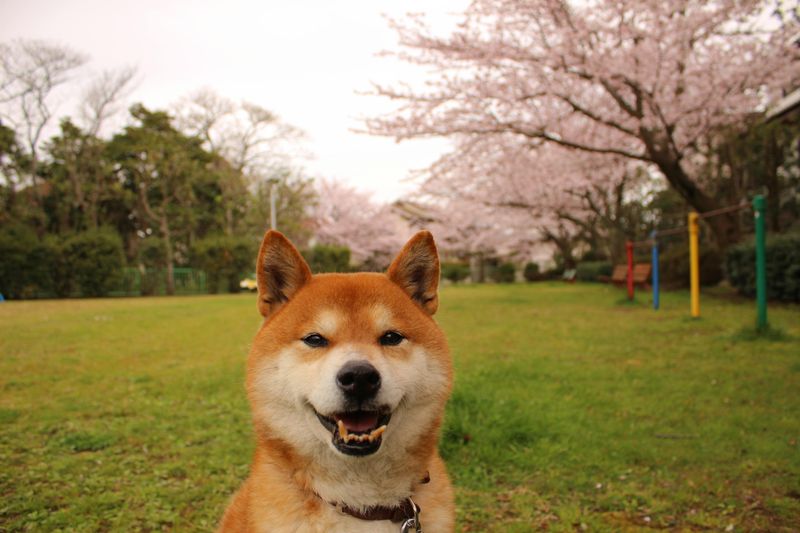
Shibas look like tiny foxes with boss energy, yet emotions run deeper than that aloof stare. They thrive on your calm presence and predictable routines, pretending not to care while tracking your every move.
Offer quiet praise, gentle touch, and short training bursts to feed their confidence without crowding them.
These independent thinkers get overstimulated by chaotic spaces, then cling like Velcro once home. Use hand targets, place training, and eye contact games to help them self soothe.
When they lean slightly or side sit beside you, that is the cue they are checking in.
Respect their space, but be consistent. A steady voice, puzzle feeders, and decompression walks reassure their sensitive core.
Invisible threads, strong bond.
Basenji
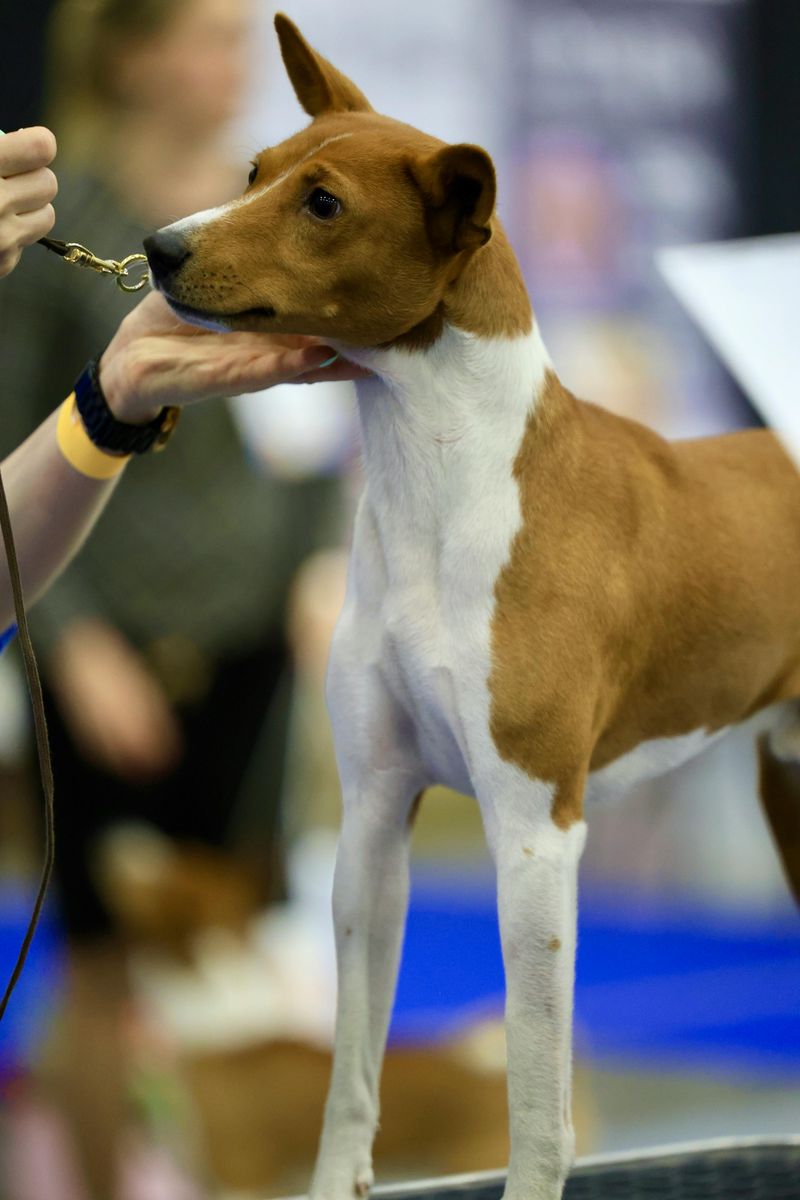
Basenjis carry cat vibes, quiet and elegant, but they read your moods like poetry. They rarely bark, yet seek reassurance through proximity, leaning lightly or curling at your feet.
Predictable rituals help: morning sniff walks, structured play, and calm decompression after excitement.
Because they bottle stress, subtle signals matter. A soft yodel, half glance, or paw hover means hey, I need you.
Train focus with name recognition games and scent work, building trust without pressure.
Offer choices: a cozy den, a perch by a window, and a routine that never surprises. Celebrate small check ins with calm praise.
Your steady energy is their anchor, even when they pretend they do not care.
Chow Chow
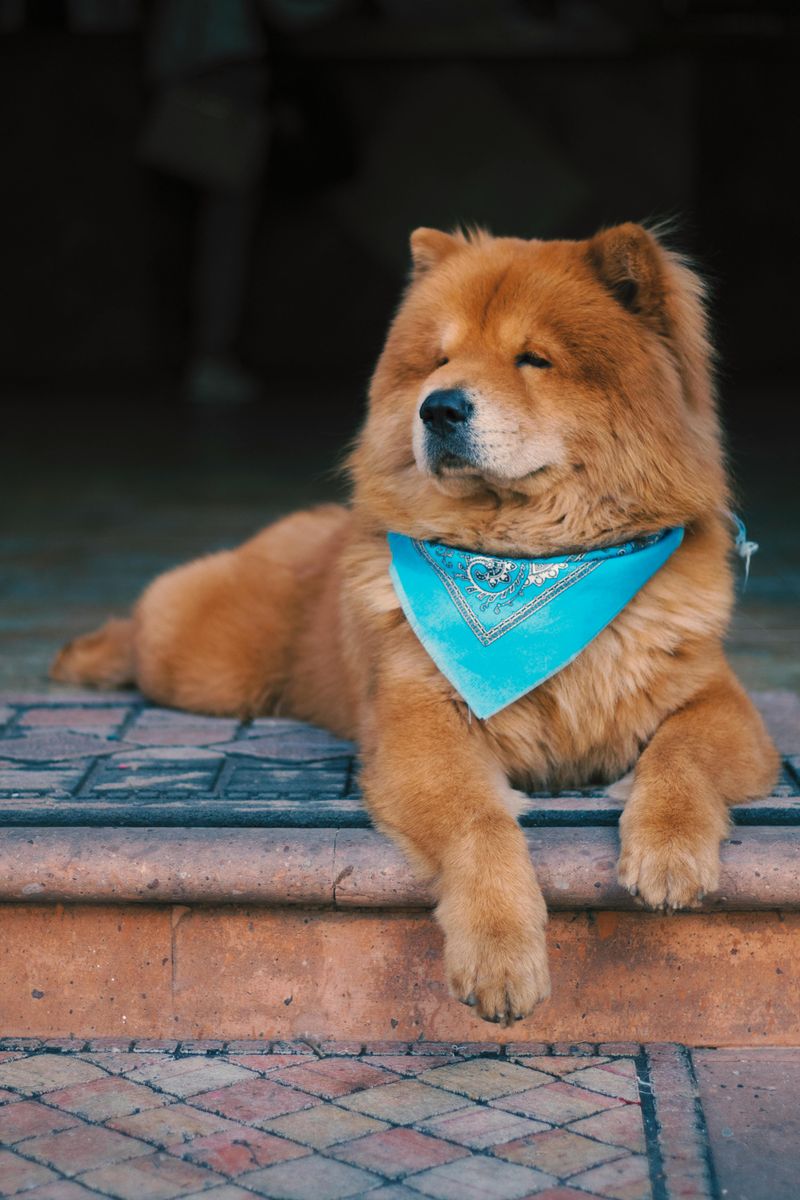
Chows project royalty, moving with deliberate grace and a do not bug me aura. Yet beneath the mane lives a sensitive, loyal heart seeking stability.
They relax when expectations are clear and praise is gentle, not gushy.
Watch for subtle reassurance asks: a calm lean, slow blink, or hovering near a doorway where you stand. Use marker words, slow petting, and structured routines to reduce social pressure.
Grooming can become a bonding ritual if introduced patiently with treats and breaks.
They guard their feelings almost as much as their space. Stay predictable, protect their rest time, and guide visitors respectfully.
Your calm leadership gives confidence, turning quiet pride into quiet trust.
Afghan Hound
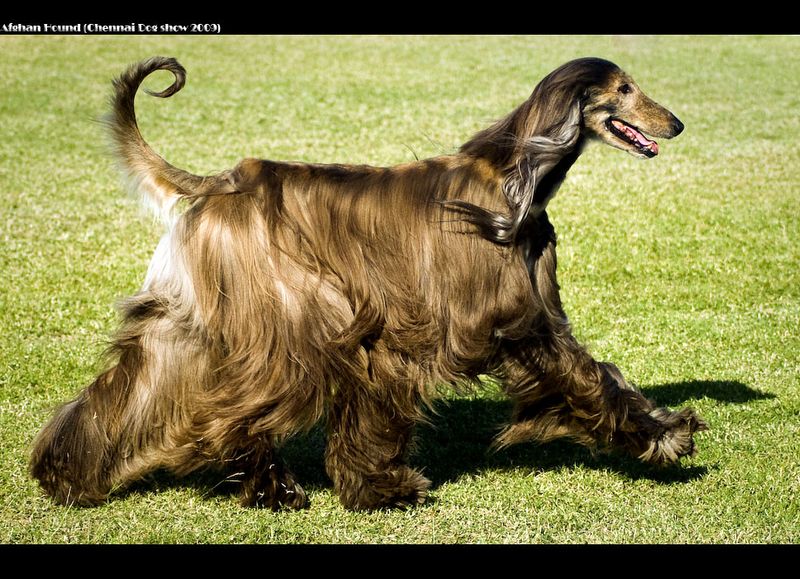
Afghans float like silk in motion, all drama and distance at first glance. But they crave subtle reassurance, especially after novel experiences.
Avoid overhandling and use calm eye contact, touch under the chin, and soft marker words to affirm.
Their sensitivity peaks with loud environments and rushed cues. Break training into graceful micro sessions, celebrate small wins, and end early.
Provide a quiet lounge spot with good sightlines so they can observe without pressure.
Grooming becomes therapy when paired with gentle rhythm and lots of patience. After sprints, they often check in with a soft lean or fleeting glance.
Honor that moment, reward calmly, and their confidence blooms under your steady presence.
Akita
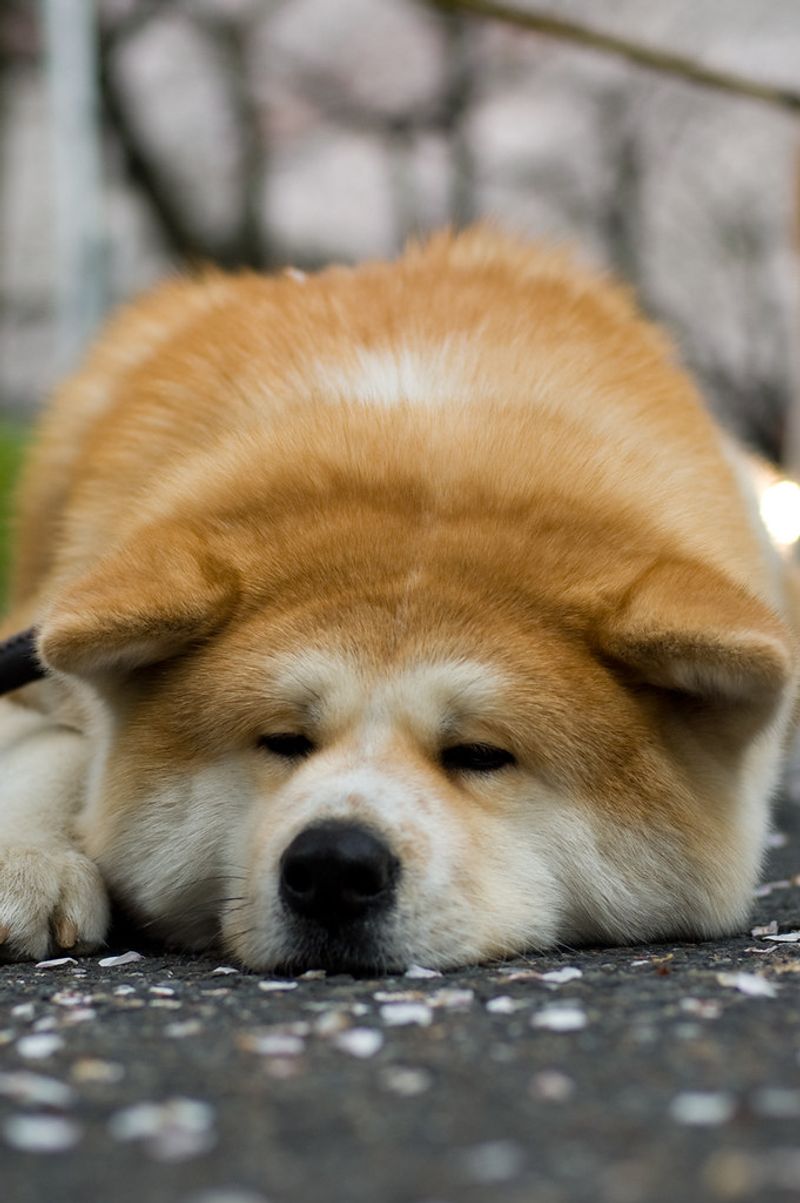
Akitas carry quiet dignity, assessing every scene like guardians. Independence is real, but so is the need for consistent, respectful guidance.
They take comfort in routines, steady rules, and calm body language more than gush.
Reassurance for Akitas looks like proximity permission and clear jobs to do. Use structured walks, obedience with strong boundaries, and predictable greetings.
They check in with brief eye contact or a shoulder lean, then pretend nothing happened.
Protect their thresholds around other dogs, advocate in crowds, and keep training fair. Reward with food, praise, and space.
When you lead with clarity and kindness, their guarded heart opens, revealing deep devotion that thrives on your dependable steadiness.
Greyhound
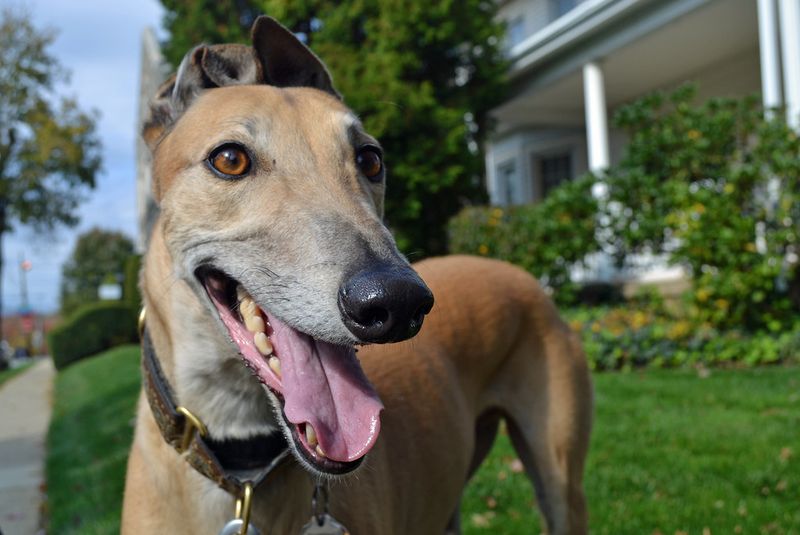
Greyhounds wear a serene poker face, but their sensitivity is profound. New sounds, slick floors, and busy streets can rattle them, leading to quiet shadowing of their person.
Reassure with calm routines, decompression walks, and cozy spots where they can tuck those long legs.
Counterconditioning helps: pair novel noises with treats and gentle praise. Short training bursts build confidence without pressure.
Many will ask for reassurance by pressing their head into your chest or leaning like a poem.
Teach a solid settle on a mat, and keep household energy soft. Snug pajamas or a well fitting vest can soothe.
When you honor their gentle nature, the independent veneer melts, revealing a goofy, affectionate companion.
Whippet
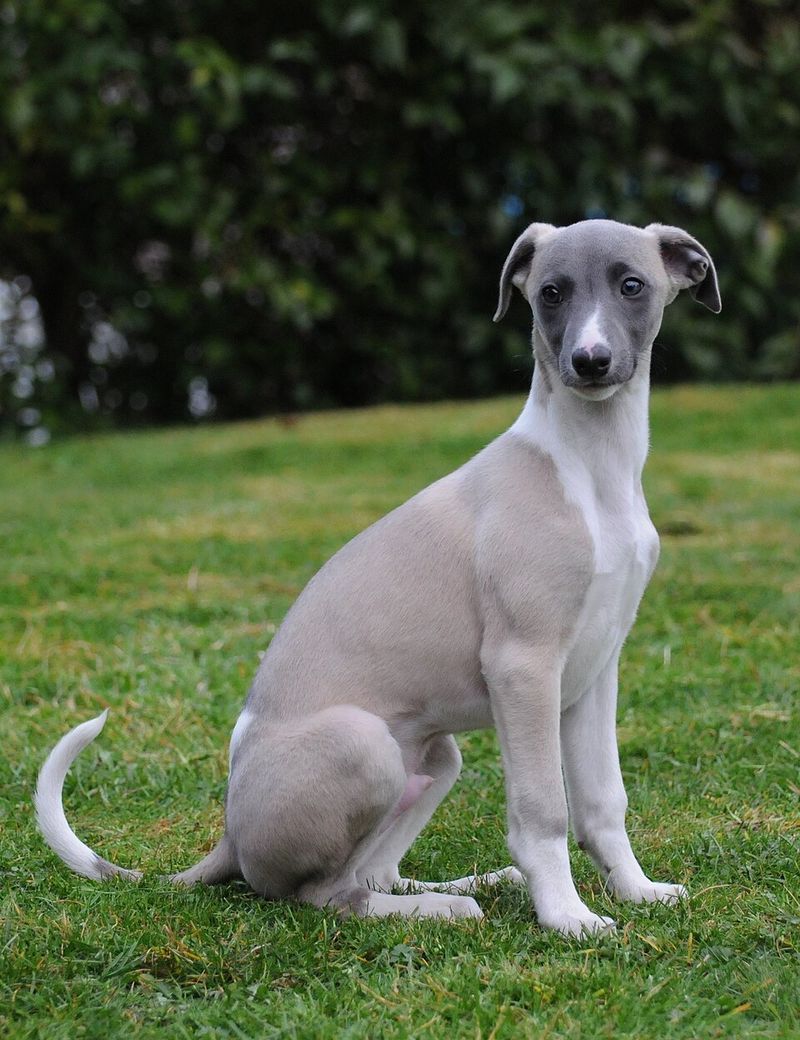
Whippets glide through life with minimalist elegance, but their emotional thermostat runs high. They love freedom to zoom, then seek your quiet approval afterward.
Keep things predictable: warm beds, soft blankets, and training that favors calm focus over repetition.
Reassurance often shows as a gentle paw over your ankle or a tucked curl beside you. Use soft markers, treat scatters for novelty, and mat training for safe landings after excitement.
Loud corrections crush confidence, so lean on neutral resets and body language.
They can spook at abrupt noises or unfamiliar floors. Practice confidence walks, introduce textures gradually, and celebrate micro bravery.
The independent act fades when they realize you are their safe harbor every time.
Shar Pei
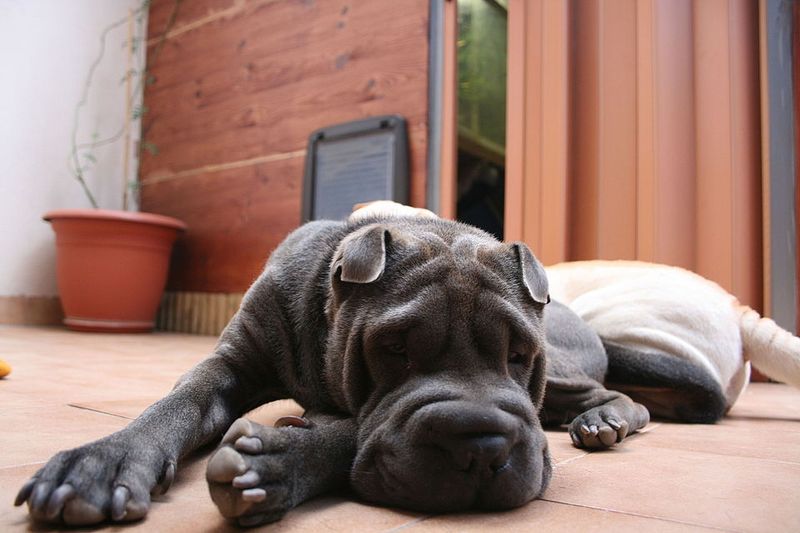
Shar Pei dogs look stoic, wrapped in thoughtful wrinkles, but their bond can be intensely loyal. They relax when communication stays consistent and calm.
Rituals like slow walks, predictable feeding, and gentle grooming reinforce trust.
Watch for quiet reassurance asks: standing close but sideways, slow tail sways, or a brief nose nudge. Use marker words and low key praise to avoid overstimulation.
Social introductions should be paced and respectful, protecting their space.
Training thrives on fairness and short sessions. Provide a comfy safe zone with good sightlines.
When you advocate for them, their guarded exterior softens, and they check in more often, proving that independence here means I choose you, again and again.
Dachshund
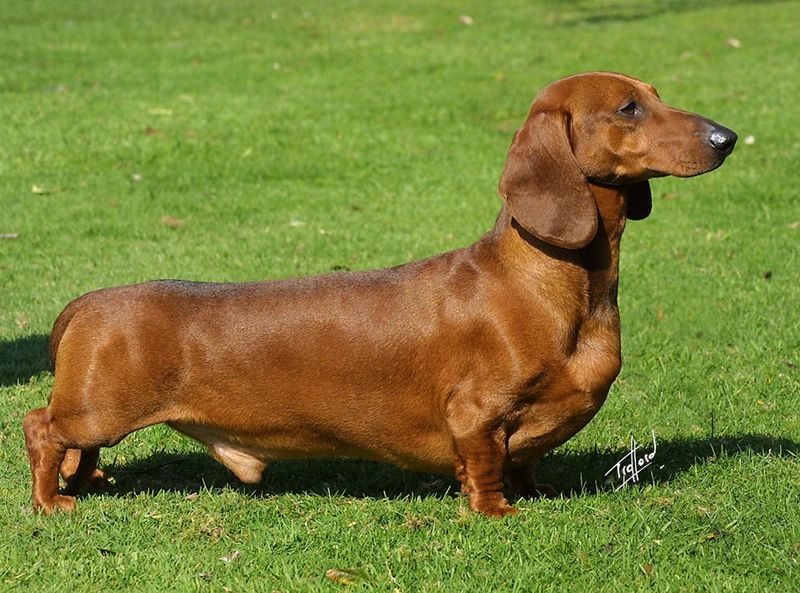
Dachshunds swagger like tiny adventurers, but big feelings ride under that long back. They crave reassurance through routine, clear boundaries, and touch they can predict.
Use scent games, short training bursts, and confident guidance on stairs to protect bodies and minds.
When overwhelmed, they seek lap landings or burrow into blankets. Answer with calm praise, a cue to settle, and decompression time.
Barking often means uncertain, so redirect to nose work and pattern games to restore focus.
They love choice points: tunnel bed, crate door open, or cuddle on cue. Fairness beats force every time.
The independent facade melts fast when they know you will advocate and listen to their tiny, mighty heart.
Scottish Terrier
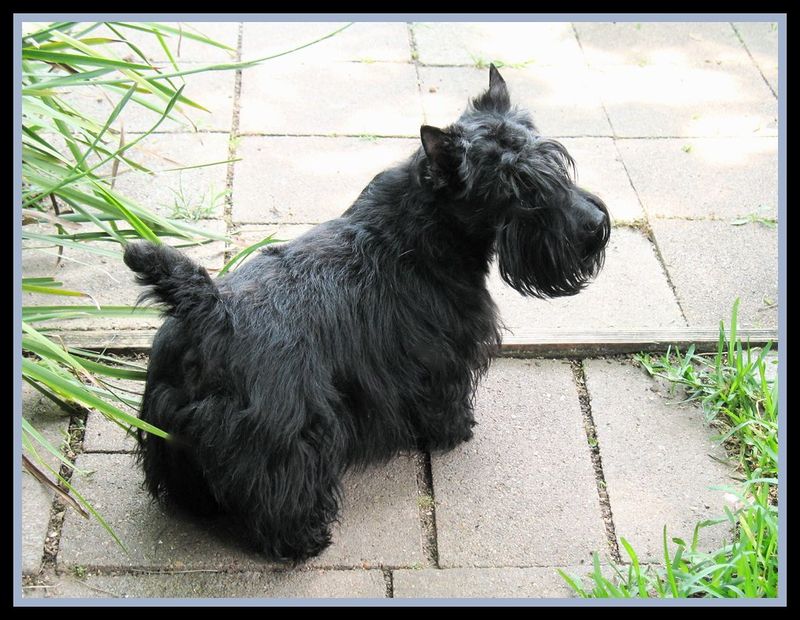
Scotties display dignified spunk, marching with purpose like tiny executives. Still, they check in more than they admit, especially in new settings.
Offer structure, clear jobs, and calm praise to settle that spirited independence.
They may hover near thresholds or plant beside your chair when unsure. Reinforce with marker words, treat placement to encourage bravery, and short shaped behaviors that let them win.
Keep grooming and handling respectful and predictable.
Noise sensitivity can spark watchdog vibes. Countercondition doorbells, practice place training, and add scent games to drain mental energy.
When they learn you will steer the ship, their confidence blooms, and the tough exterior gives way to sweet, steadfast closeness.
Alaskan Malamute
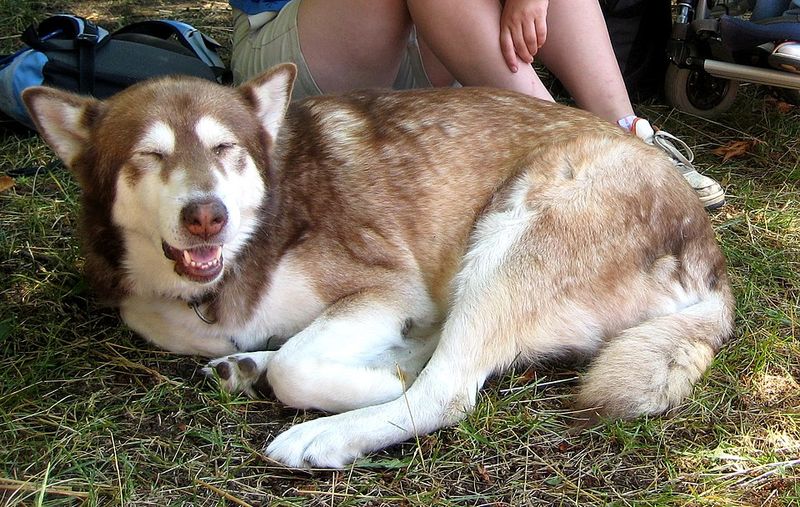
Malamutes look like polar explorers, full of grit and gusto. Yet they seek steady leadership and clear boundaries to feel safe.
Overstimulating environments can make them needy, shadowing you for direction.
Reassure with structured exercise, sled like jobs, and predictable routines. Teach impulse control through waits, downs, and leash manners.
Reward calmly with food and praise, and give them a solid place command at home.
They talk with woo sounds when uncertain, a cue to slow down and guide. Social introductions should be intentional and brief.
When you combine adventure with calm direction, their confident independence shines while the deeper need for connection is fully met.
Siberian Husky
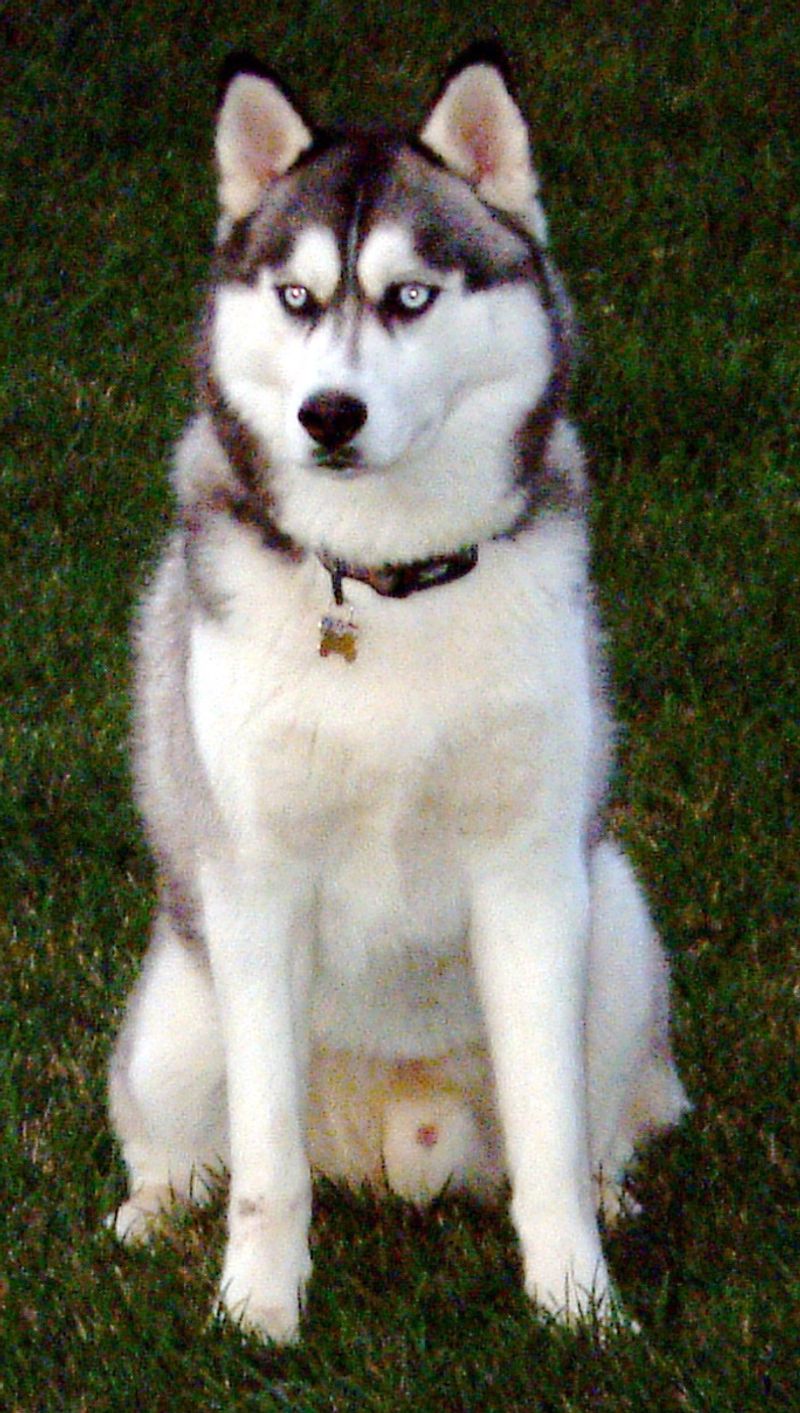
Huskies perform the stand back, I got this routine, but uncertainty pops up fast in chaos. They look to you for stable direction, not micromanagement.
Pair real exercise with clear rules and quiet check ins.
Reassurance shows as a soft woo, a nose bump, or shadowing your path. Practice place training, recall games, and calm handling for harnessing and paws.
Predictability and decompression curb dramatic meltdowns.
They thrive when you acknowledge emotions without fueling them. Use food, marker words, and neutral tone.
Once they trust your plan, the big energy becomes playful connection, and their hidden need for your steady presence finally relaxes into partnership.
Great Pyrenees
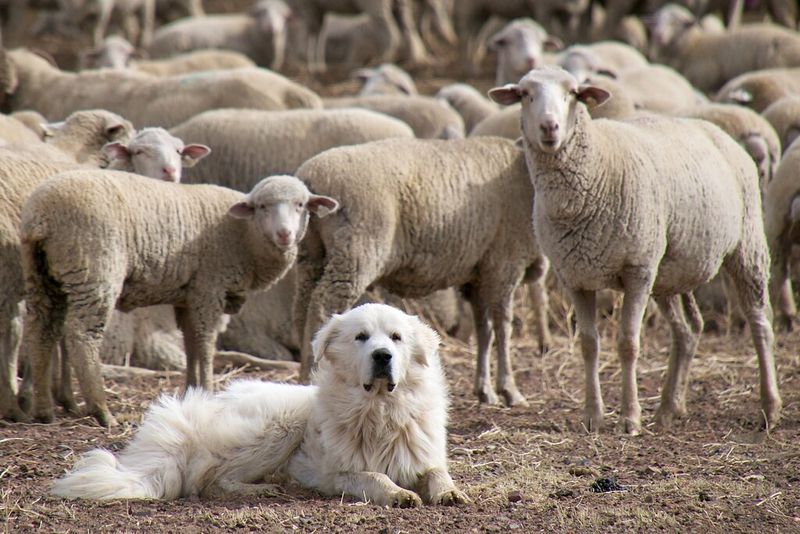
Pyrs are stoic guardians, bred to think independently on lonely hillsides. In modern homes, they still seek your calm endorsement before engaging.
They respond best to steady routines, soft praise, and patient guidance rather than crowding.
Reassurance looks like quiet closeness, a deep sigh near your feet, or positioning between you and the door. Teach predictable patterns, place training, and polite greetings.
Protect their need for low stimulus spaces where they can decompress.
Overcorrection backfires on these sensitive giants. Use fairness, food, and timing.
When you validate their instincts and provide direction, the brave exterior softens, revealing a gentle soul that checks in often for your grounding presence.
Rhodesian Ridgeback
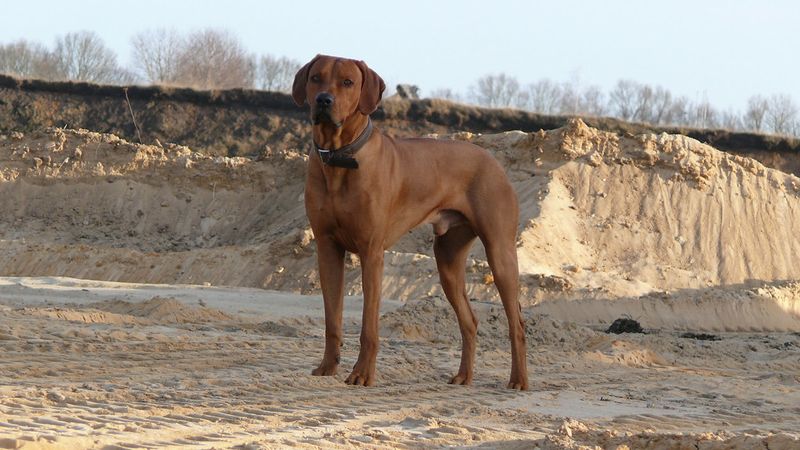
Ridgebacks stride forward like solo adventurers, but they want to know you are on the same team. They take cues from your calm confidence, not loud energy.
Keep training fair, brief, and purposeful.
Reassurance might be a backward glance on hikes or a shoulder press at home. Reward check ins with soft praise and release to move again.
Teach solid recalls and a reliable settle so freedom has a safe base.
They can bottle stress and then explode in zoomy antics. Offer decompression time, scent games, and low key handling.
When you lead with clarity, their independence transforms into partnership, and the need for your steady presence feels fully satisfied.
Saluki
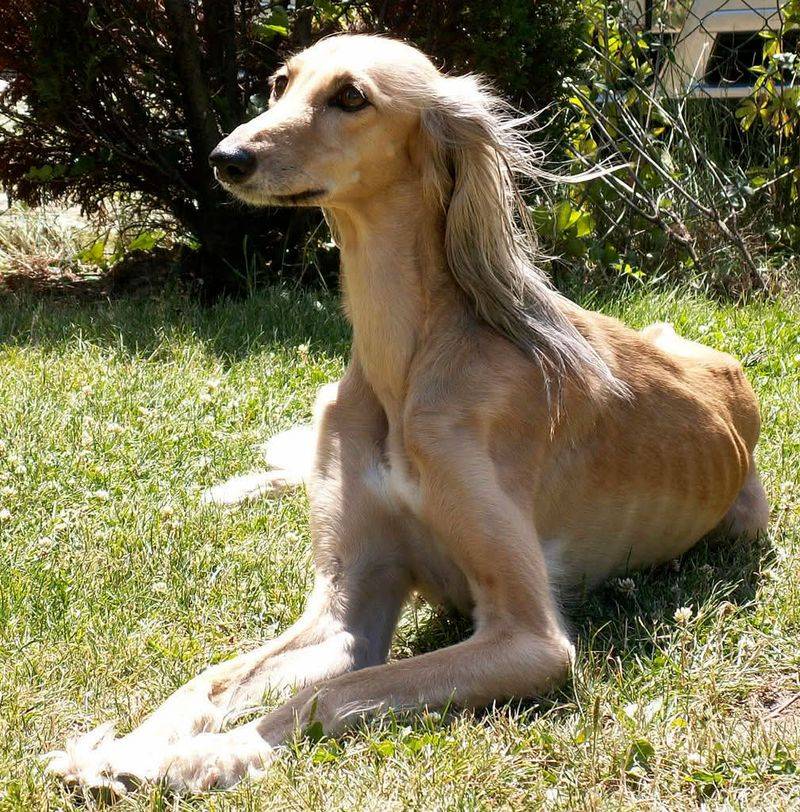
Salukis appear ethereal and self contained, yet they are exquisitely sensitive. They prefer gentle structure, predictable touch, and peaceful spaces.
After sprints, they often check back with soft eyes, asking for your calm acknowledgment.
Use low arousal training: hand targets, mat work, and scent games. Avoid repetitive drills that fray nerves.
Pair novel sounds with tiny treats to grow confidence without pressure.
They are intimacy minimalists: a brief lean, a quiet sit nearby, then space. Read those signals and respond with steady presence, not fuss.
When you honor their refined boundaries, attachment deepens, and the aloof facade reveals a loyal, tender connection.