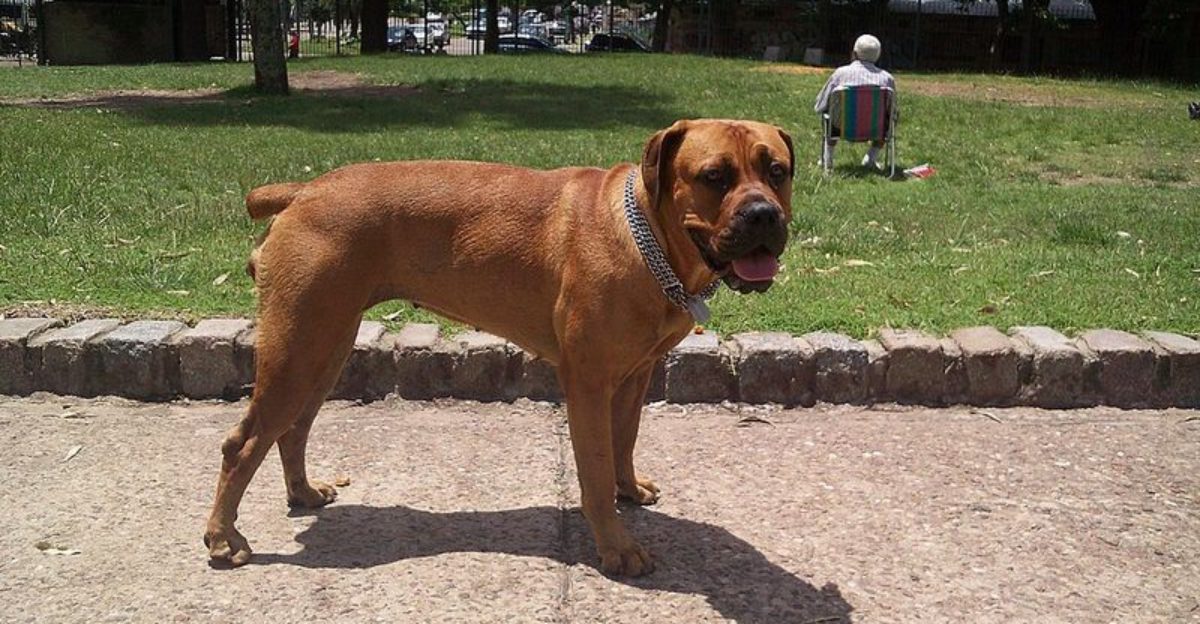
Resource guarding in dogs can be a challenging behavior. Understanding which breeds may be prone to this and how to approach training early can make a substantial difference. Here are 15 dog breeds known for resource guarding tendencies, along with suggested early training strategies.
Kuvasz

The Kuvasz, a majestic guardian breed from Hungary, has a deep-rooted instinct to protect. Known for its boldness, this breed can exhibit resource guarding if not properly socialized.
Early training should focus on positive reinforcement and exposure to different environments. Encourage gentle interactions with people and other pets to build trust.
Training should be consistent and patient, utilizing reward-based techniques. This helps the Kuvasz understand boundaries and fosters a sense of security.
Komondor
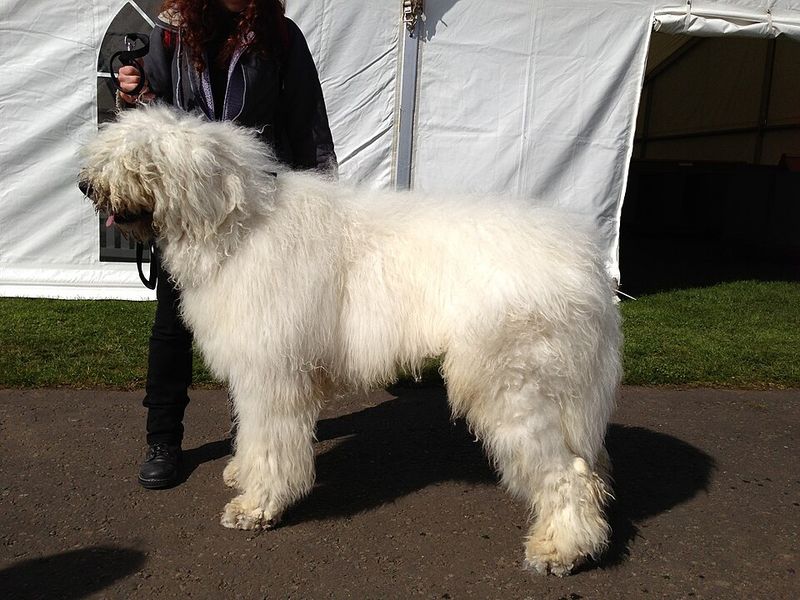
The Komondor, with its iconic corded coat, is a natural protector. Originating from Hungary, this breed can be wary of strangers and may guard resources.
Introduce the Komondor to diverse experiences early on through controlled social gatherings. Training should emphasize respecting personal space and sharing resources.
Use consistent, gentle commands and positive reinforcement to teach acceptable behaviors. This approach helps mitigate guarding tendencies while reinforcing trust.
Maremma Sheepdog
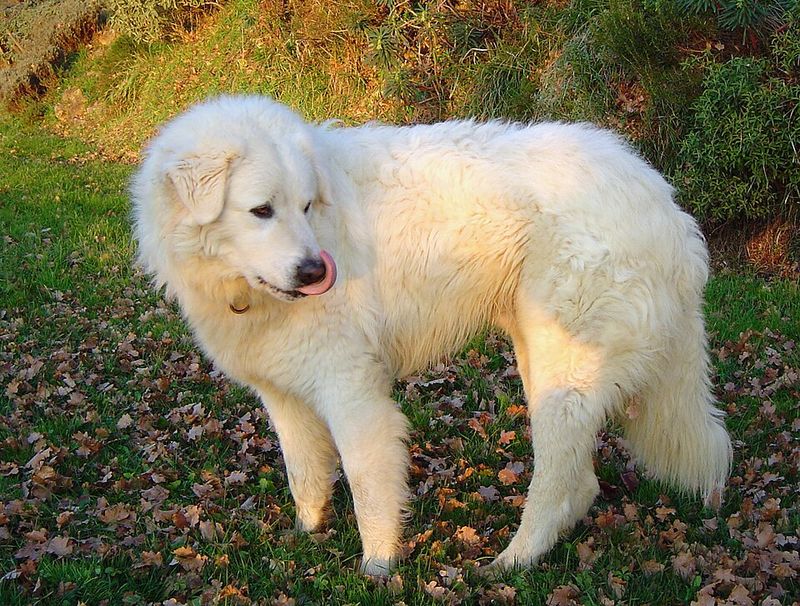
The Maremma Sheepdog, hailing from Italy, is renowned for its protective instincts. While gentle, it may guard resources, especially in unfamiliar settings.
Early exposure to various situations can reduce guarding behaviors. Engage the Maremma in interactive play sessions to foster sharing habits.
Employ reward-based training to reinforce positive interactions. Building a strong bond with this breed through trust and consistency is essential for managing guarding tendencies.
Estrela Mountain Dog
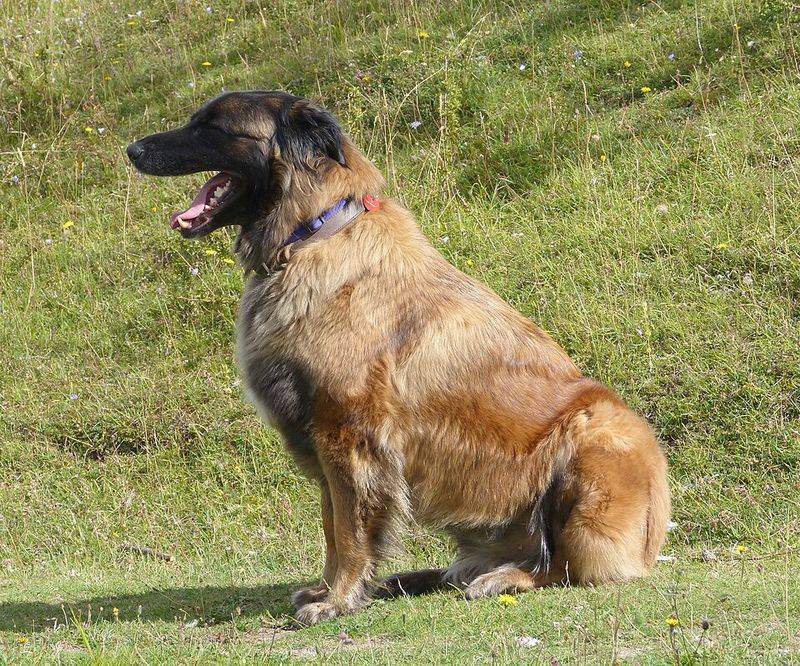
The Estrela Mountain Dog, a vigilant guardian from Portugal, is both loyal and independent. Resource guarding can occur if not addressed early.
Socialization and training should begin in puppyhood, with emphasis on shared play and interaction. Encourage calmness around food and toys.
Positive reinforcement techniques help build confidence and lessen possessive behaviors. Ensuring consistent leadership will foster a balanced relationship with this breed.
Pyrenean Mastiff
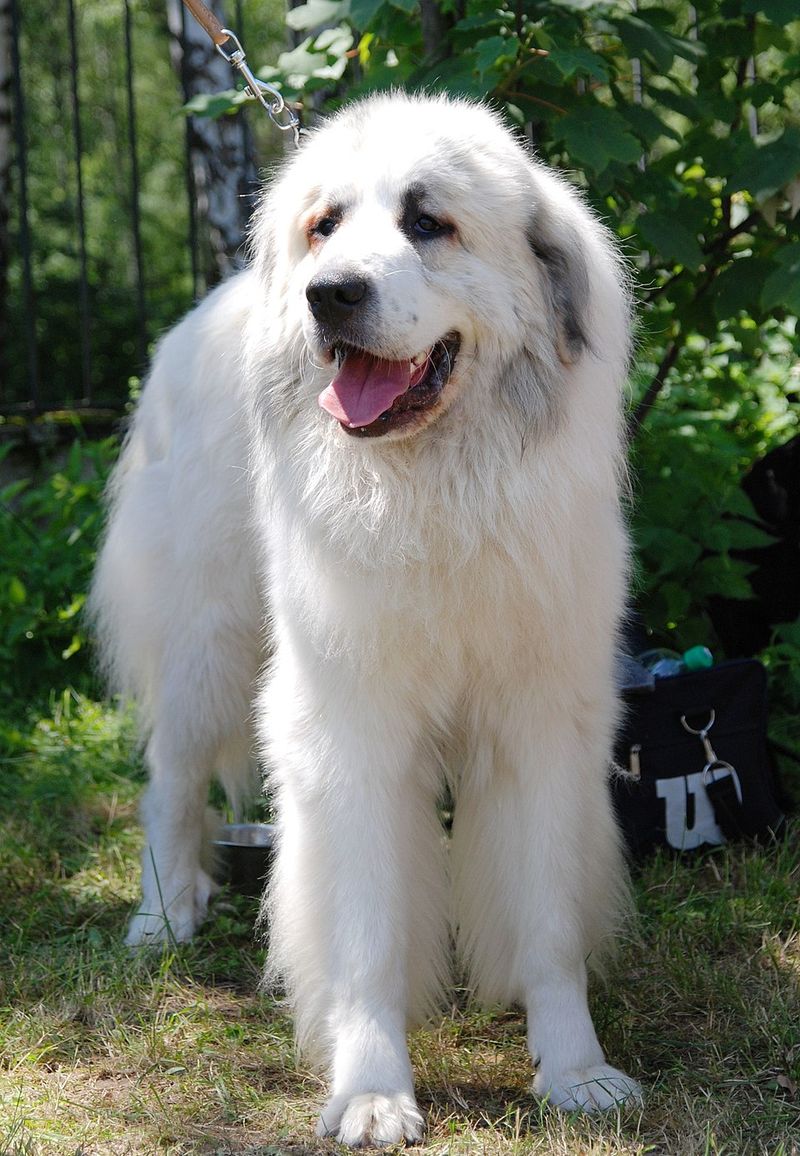
The Pyrenean Mastiff, a gentle giant from Spain, can develop possessive behavior without proper guidance. Though affectionate, resource guarding may arise.
Introduce this breed to various social settings early, focusing on sharing and cooperation. Reinforce calm behavior around meals and toys.
Consistency and patience in training promote a trusting environment. Rewarding good behavior helps diminish guarding instincts, encouraging an open, relaxed demeanor.
Spanish Mastiff

The Spanish Mastiff, a breed steeped in history, serves as a formidable guardian. While protective, it may display resource guarding.
Early socialization with diverse groups and environments is crucial. Encourage the sharing of space and resources through cooperative activities.
Use positive reinforcement to shape behavior, making sure the training is consistent and clear. This helps reduce guarding tendencies and fosters a balanced relationship.
Boerboel
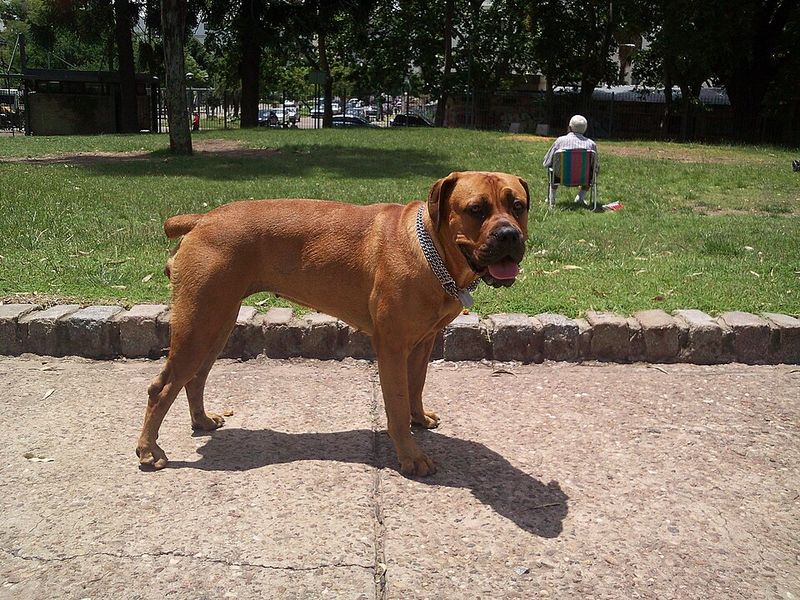
The Boerboel, a South African breed, is known for its protective nature. Resource guarding can be a concern if not managed early.
Introduce varied social experiences to this breed during puppyhood, focusing on sharing activities. Encourage calm interactions with people and pets.
Training should be patient, emphasizing positive reinforcement to build trust. Consistent boundaries help the Boerboel learn acceptable behaviors, reducing guarding instincts.
Presa Canario
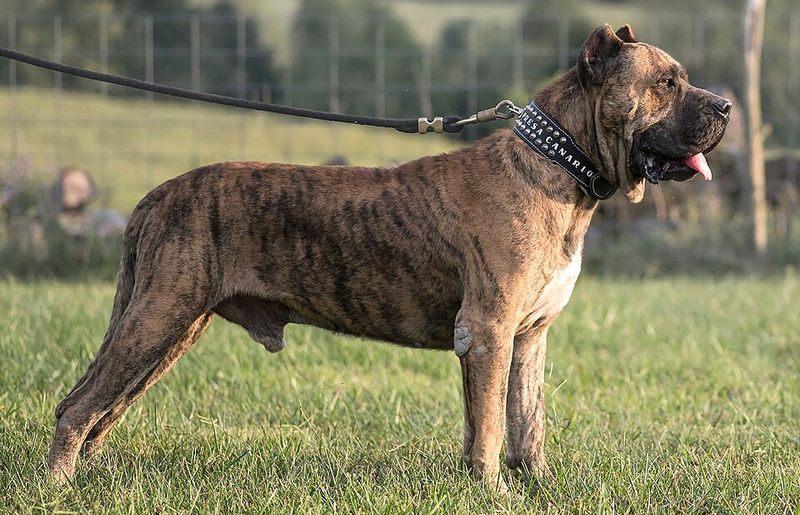
The Presa Canario, originating from the Canary Islands, is both powerful and protective. Resource guarding may surface if not addressed early.
Expose this breed to varied situations and people from a young age. Engage in training that focuses on sharing and cooperation.
Utilize reward-based techniques to reinforce positive behavior. Consistent training helps diminish guarding tendencies, creating a trusting relationship with the Presa Canario.
Fila Brasileiro

The Fila Brasileiro, from Brazil, is recognized for its loyalty and protective instincts. Resource guarding can develop if not properly trained.
Early socialization and exposure to different environments are vital. Focus on exercises that encourage sharing and relaxation around resources.
Implement consistent, positive reinforcement strategies to instill trust and reduce guarding behaviors. Building a strong bond through mutual respect is key.
Central Asian Shepherd Dog (Alabai)
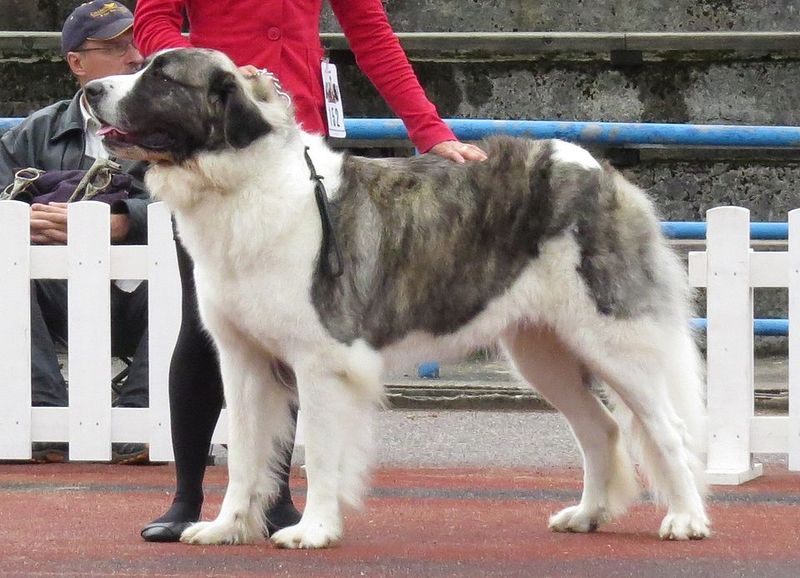
The Alabai, or Central Asian Shepherd Dog, is a steadfast guardian with deep protective instincts. Resource guarding may arise without early intervention.
Introduce this breed to various environments and social scenarios early on. Promote calm sharing of resources through interactive exercises.
Consistent training and positive reinforcement help build trust and reduce guarding tendencies. Establishing clear boundaries ensures a harmonious relationship with the Alabai.
Šarplaninac (Sarplaninac)
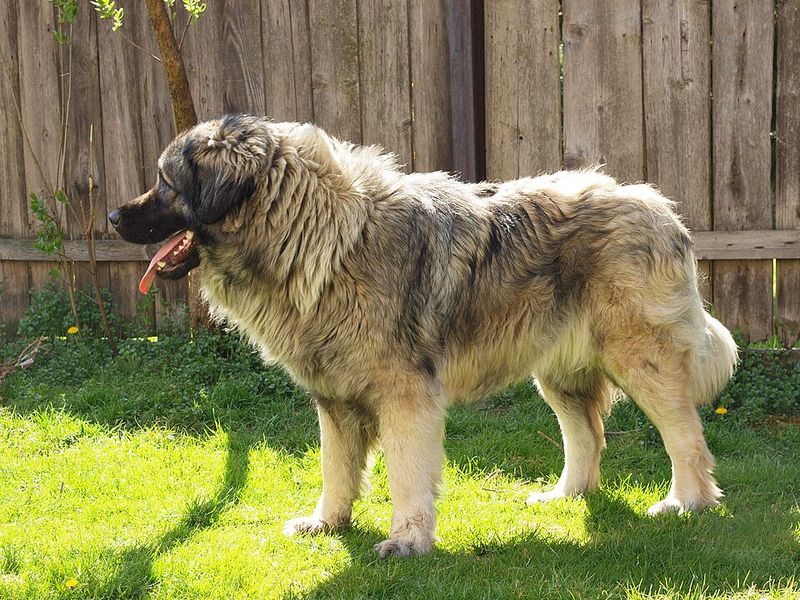
The Šarplaninac, hailing from the Balkans, is a natural protector. While loyal, it can exhibit resource guarding if not properly trained.
Early socialization focusing on sharing and cooperation is essential. Expose this breed to diverse environments and situations.
Reinforce positive behaviors with consistent and gentle training. Encouraging calmness around food and toys helps mitigate guarding instincts, promoting a balanced demeanor.
Karakachan Dog
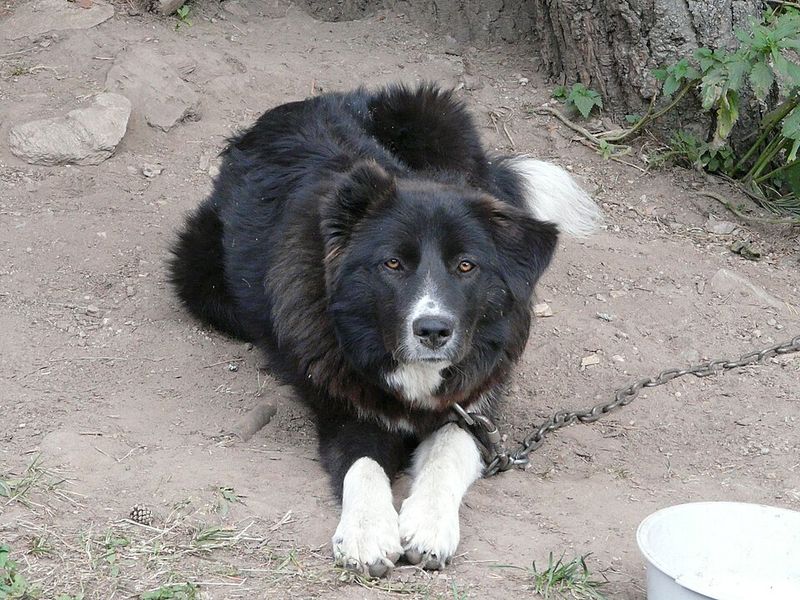
The Karakachan Dog, originating from Bulgaria, is a dedicated guardian. Resource guarding may develop if not addressed early.
Socialize this breed with people and other animals from a young age. Emphasize exercises that involve sharing and cooperative play.
Use consistent, reward-based training to reinforce positive interactions. This approach helps reduce guarding tendencies and fosters a trusting relationship.
Black Russian Terrier
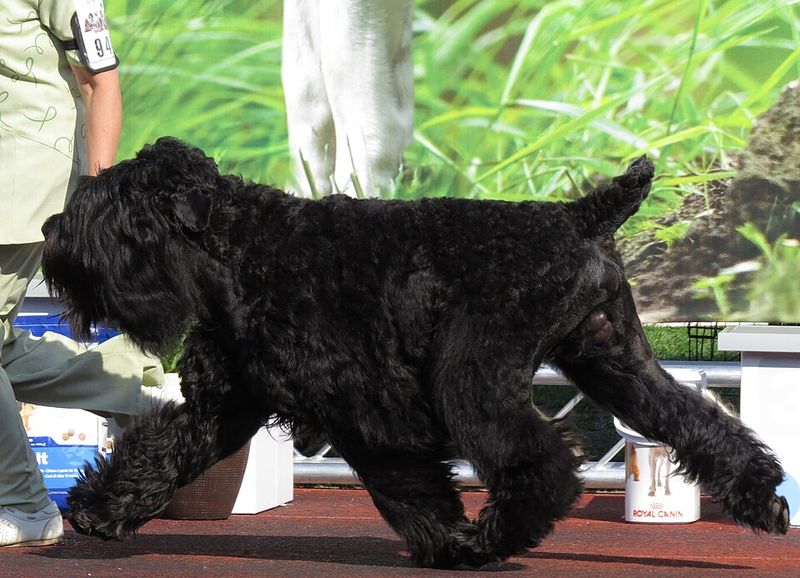
The Black Russian Terrier is known for its intelligence and protective nature. Despite its size and strength, resource guarding can be a concern.
Begin socialization early, exposing this breed to various environments and activities. Focus on games that promote sharing and cooperation.
Positive reinforcement and consistent training foster trust and reduce guarding behaviors. Building a strong bond with this breed helps ensure a harmonious relationship.
Akbash Dog
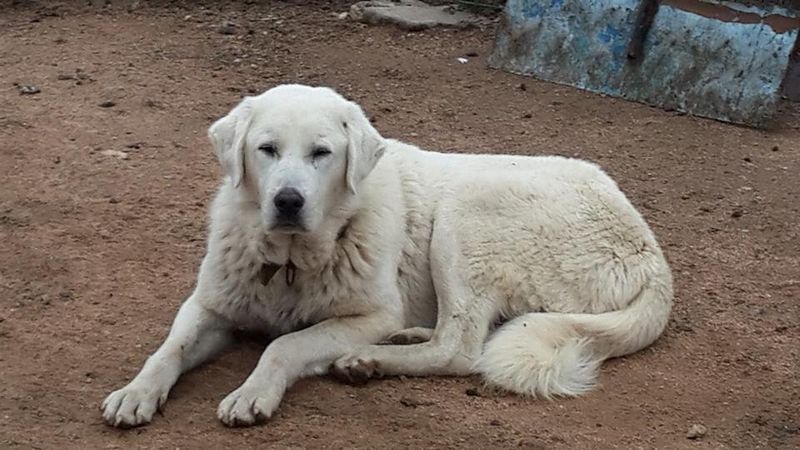
Originating from Turkey, the Akbash Dog is a devoted protector. Resource guarding can surface without proper training.
Introduce this breed to diverse social settings early on, focusing on sharing and cooperation. Encourage calmness around resources.
Employ consistent reward-based training to instill trust and reduce guarding tendencies. Establishing mutual respect helps foster a balanced, trusting relationship.
Tosa Inu
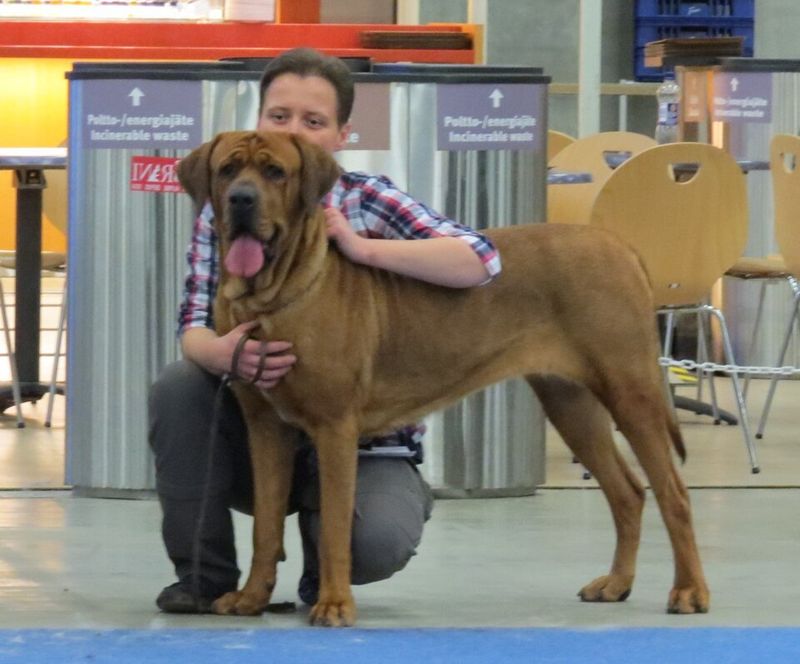
The Tosa Inu, a breed with a dignified presence, is known for its guarding instincts. Resource guarding can be an issue if not carefully managed.
Socialize this breed early with a variety of people and pets, focusing on shared activities. Encourage peaceful behavior around food and toys.
Consistent training with positive reinforcement helps mitigate guarding tendencies. Building trust through mutual respect is key to a harmonious relationship with the Tosa Inu.