
If your tiny dog sounds like a freight train at 2 a.m., you are not imagining things. Some breeds pack surprisingly huge snoring into very small bodies, and it can be both hilarious and a little alarming.
Understanding why they rumble at night helps you care for them and sleep better yourself. Let’s explore the cutest culprits behind those outsized snores and how you can help keep the peace.
Pug

Pugs are compact charmers whose flat faces make airways a little cramped, so snoring often sounds hilariously oversized. That signature curly tail and round head hide narrow nostrils and a soft palate that can vibrate when they relax.
If you share a room, you will hear the snorts, snuffles, and full-on rumbles.
You can help by keeping your Pug trim, using an elevated pillow, and running a humidifier to reduce dryness. A consistent bedtime routine and gentle evening walks may calm breathing.
If the noise suddenly worsens or they seem tired during the day, ask your vet about stenotic nares or palate issues. With small tweaks, you get the cuddles, and the snorefest becomes more manageable.
French Bulldog

French Bulldogs have that adorable smush-face that can turn bedtime into a surprising sound show. Their shortened muzzle, narrow nasal passages, and floppy soft palate mean airflow may flutter when they relax.
Add a heavy dinner or a warm room, and those snores level up fast.
You can trim the noise by keeping weight in check, offering a cool sleeping area, and choosing a supportive bed that props the neck. Some Frenchies benefit from a vet check for airway surgery, especially if breathing seems labored.
Try a white noise machine for your own sleep. With thoughtful care and regular exercise, the soundtrack softens, and you still get all the clownish charm without the freight train vibes.
English Bulldog
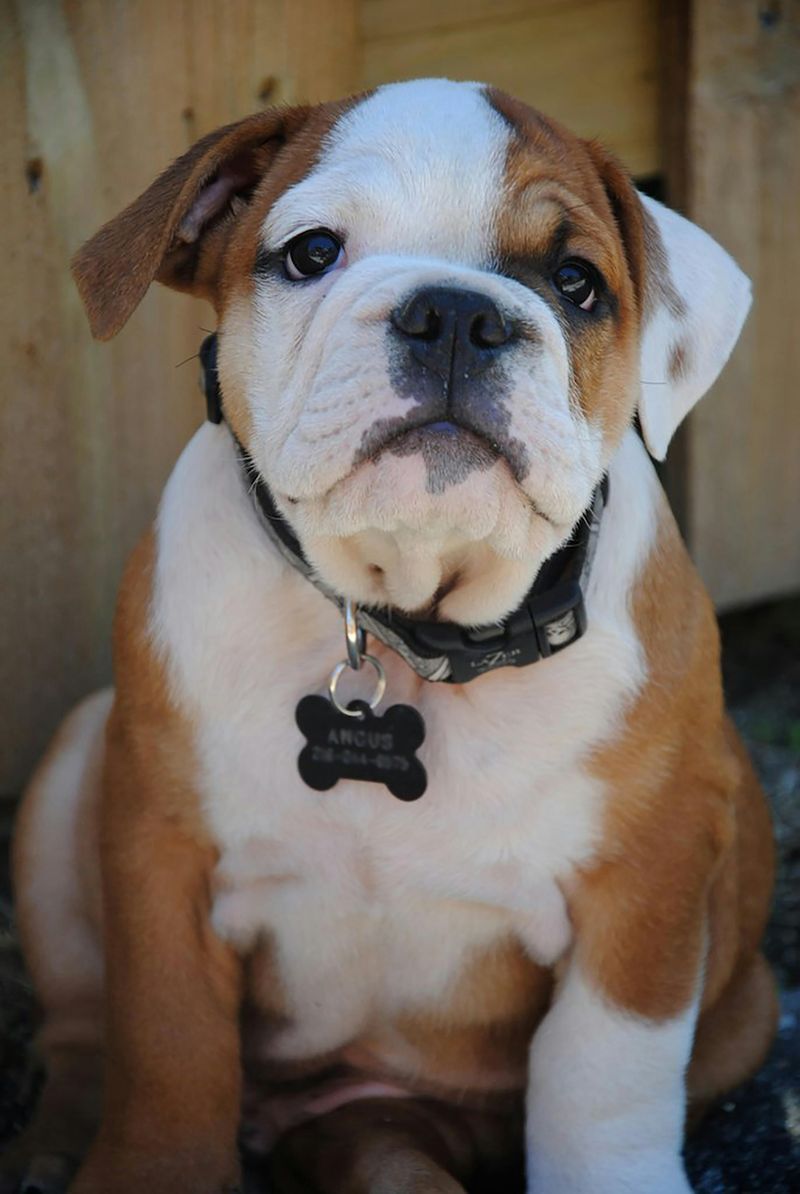
English Bulldogs are lovable lounge experts with airways that love to hum. Their broad heads, thick jowls, and shortened snouts can narrow breathing paths, especially when they sleep on their backs.
Those resonant vibrations make a small room feel like it holds a much bigger dog.
Practical fixes help. Keep your Bulldog lean, hydrate well, and elevate the head a bit with a supportive cushion.
A cool, well-ventilated bedroom reduces swelling and congestion. If snoring pairs with gagging, daytime fatigue, or blue gums, see your vet for airway assessment.
Gentle evening strolls and earlier dinners also reduce nighttime rumbling. With steady routines, your bulldog can snooze peacefully, and you can finally hear your own thoughts again.
Boston Terrier
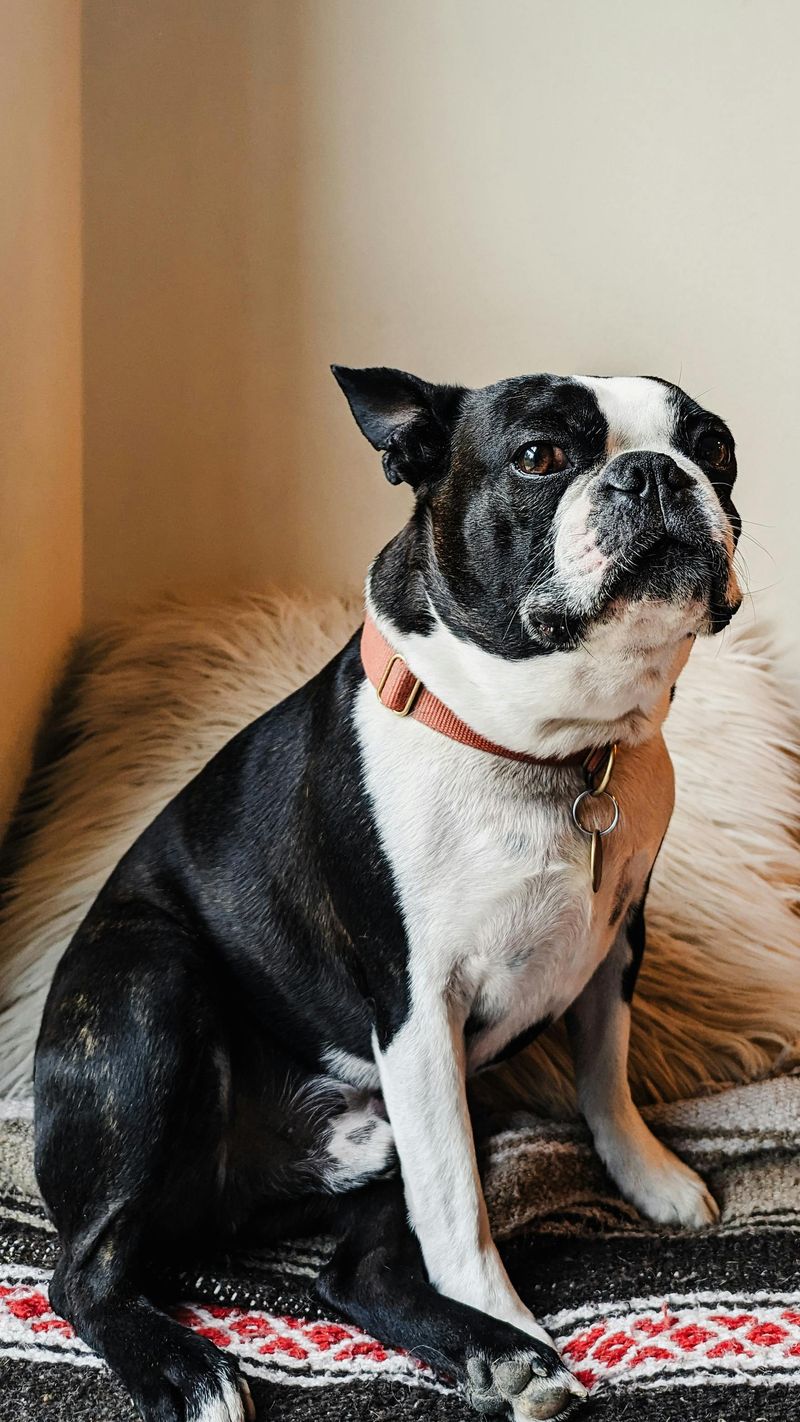
Boston Terriers bring big personality and occasionally big snoring in a small, polished package. Their short muzzle and compact throat invite soft tissue to flutter when they relax deeply.
You might notice louder sounds after an active day or when pollen counts are high.
Try a slightly elevated bed and keep the room cool to reduce airway swelling. Regular dental care matters because oral inflammation can worsen nighttime noise.
If breathing looks effortful or pauses occur, check with your vet. Many Bostons improve with weight control and humidity adjustments.
A calm pre-bed routine and gentle play help, too. With these tweaks, the Boston charm stays front and center, and the snore chorus fades into a softer lullaby.
Shih Tzu

Shih Tzus are sweet lap dogs whose compact muzzles can turn quiet nights into gentle rasping concerts. Those little airways, combined with a plush tongue, may vibrate when they flop into deep sleep.
Grooming also plays a role, since overgrown facial hair can tickle the nose and trigger louder breaths.
Keep the muzzle area tidy, manage healthy weight, and elevate the head slightly. A cool, clean room and a HEPA filter can reduce irritants.
Space out dinner from bedtime to limit reflux-related snoring. If you notice gasping, consult your vet about airway or palate concerns.
With steady care, you enjoy the affectionate snuggles, silky coat, and a bedtime soundtrack that feels more like a purr than a power tool.
Pekingese
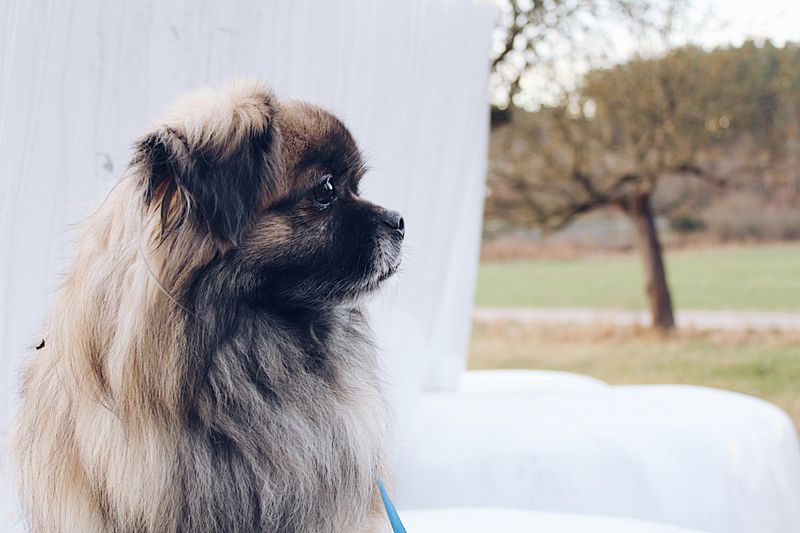
Pekingese carry a royal look and a surprisingly robust snore for their size. The short muzzle and thick neck ruff can create airflow resistance that hums when they fully relax.
Heat and humidity amplify the effect, so summer naps may sound extra impressive.
Help by trimming excess weight, providing a cool resting spot, and brushing to keep facial hair away from nostrils. Consider a slight pillow lift for the head and a humidifier in dry months.
If snoring comes with choking sounds, ask your vet about airway evaluation. A calm pre-sleep routine and earlier mealtimes also help.
With mindful care, your Pekingese will nap regally, and the nighttime orchestra becomes a softer chamber piece.
Cavalier King Charles Spaniel

Cavaliers are gentle companions with a tendency to snore louder than their angelic looks suggest. Their shortened muzzle and soft palate can flutter as they settle into deep sleep, especially on their backs.
Allergies may add congestion, turning whispers into bigger rumbles.
Keep bedding clean, manage weight, and consider a slightly elevated pillow to open the airway. A calm, cool room helps reduce swelling in the throat.
If snoring pairs with coughing or exercise intolerance, schedule a veterinary exam to rule out airway or cardiac concerns. Brush teeth regularly, since oral inflammation can amplify nighttime noise.
With balanced routines and tender care, you keep the Cavalier sweetness while quieting the midnight soundtrack.
Boxer
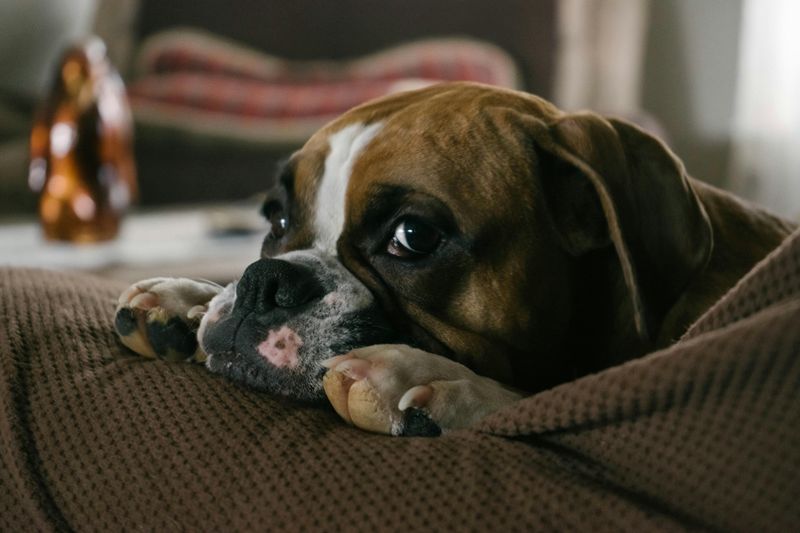
Boxers may look athletic, yet their slightly shortened muzzle and generous jowls can make a bedroom sound like a diesel engine. After a big dinner or hard workout, throat tissues can swell a bit, intensifying the snores.
Sleeping on their backs often turns quiet puffs into chesty rumbles.
To help, plan dinner earlier, keep weight in check, and offer a supportive bed that encourages side-sleeping. A cool, well-ventilated room reduces airway irritation.
If snoring couples with gagging or breath pauses, see your vet about airway or palate concerns. Daily exercise is great, but wind down before bed.
With simple adjustments, your high-spirited Boxer rests easier, and your nights feel way calmer.
Chihuahua
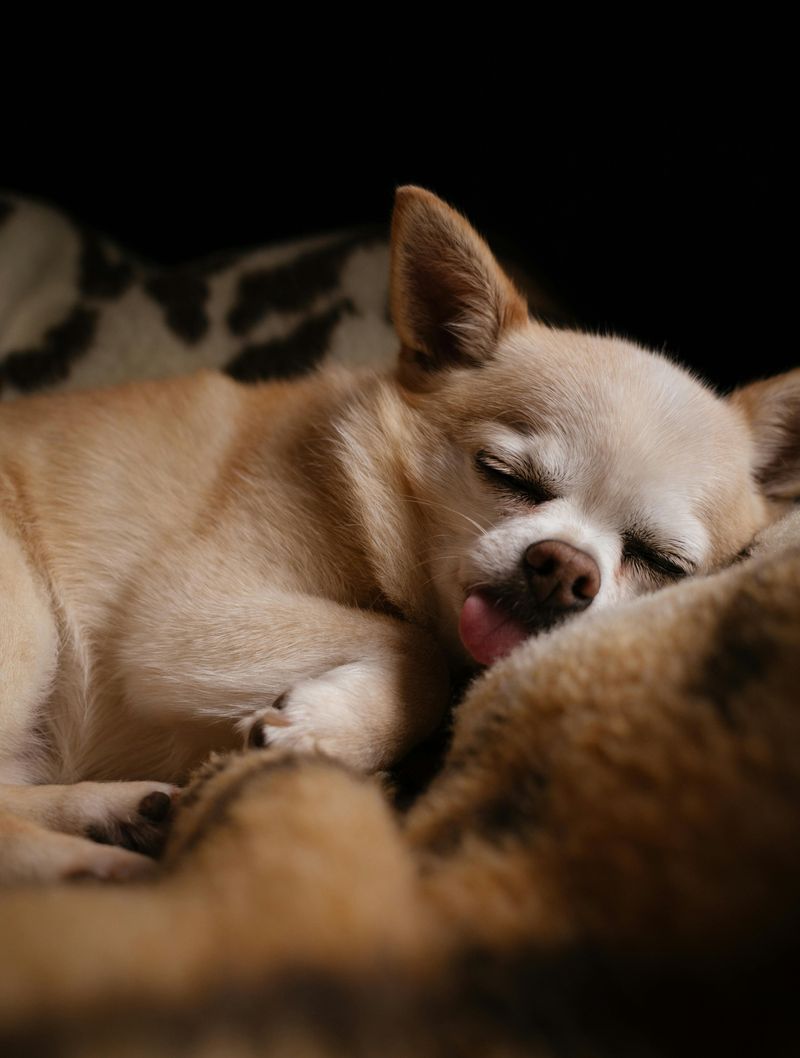
Chihuahuas may be tiny, but their nasal passages can still create unapologetically big snoring sounds. Some have slightly crowded oral anatomy, and even a touch of seasonal allergy can crank up the nighttime volume.
When they burrow under blankets, warmth may add to congestion.
You can keep the peace by maintaining a healthy weight, washing bedding frequently, and ensuring good room airflow. Try a small, contoured pillow to keep the head comfortably elevated.
If breathing looks strained or if they wake coughing, talk with your vet. A consistent routine and earlier mealtimes help a lot.
With a few tweaks, your little shadow sleeps quietly, and you enjoy all the sass without the midnight megaphone.
Brussels Griffon
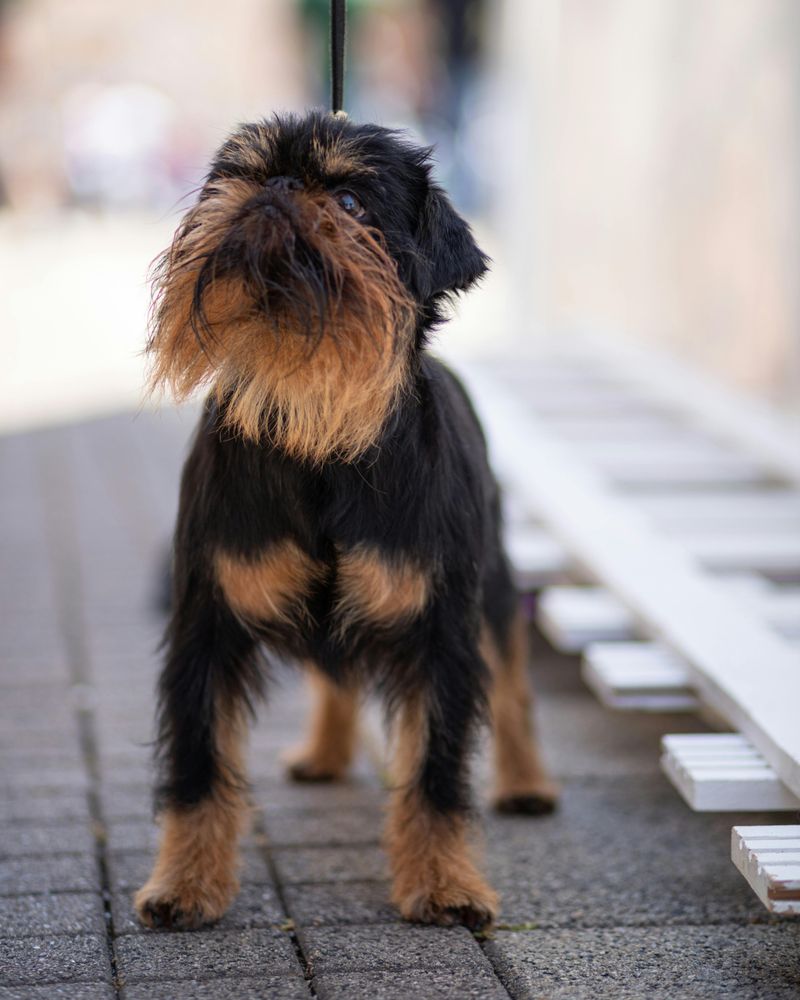
Brussels Griffons have expressive faces and endearing grumbles that can scale up at night. Their compact muzzles and sometimes narrow nostrils let soft tissues flutter while they dream.
Stress or overheating can quickly boost the volume, making that little body sound unreasonably large.
Offer a breathable bed, keep the room cool, and limit heavy snacks before sleep. Regular grooming keeps facial hair neat and clear of the nose.
If snoring seems sudden or harsh, schedule a vet visit to check airway health. You might use a white noise machine to reclaim your rest.
With attentive care and calm routines, your Griffon snoozes comfortably, and your bedroom finally sounds like a bedroom again.
Lhasa Apso
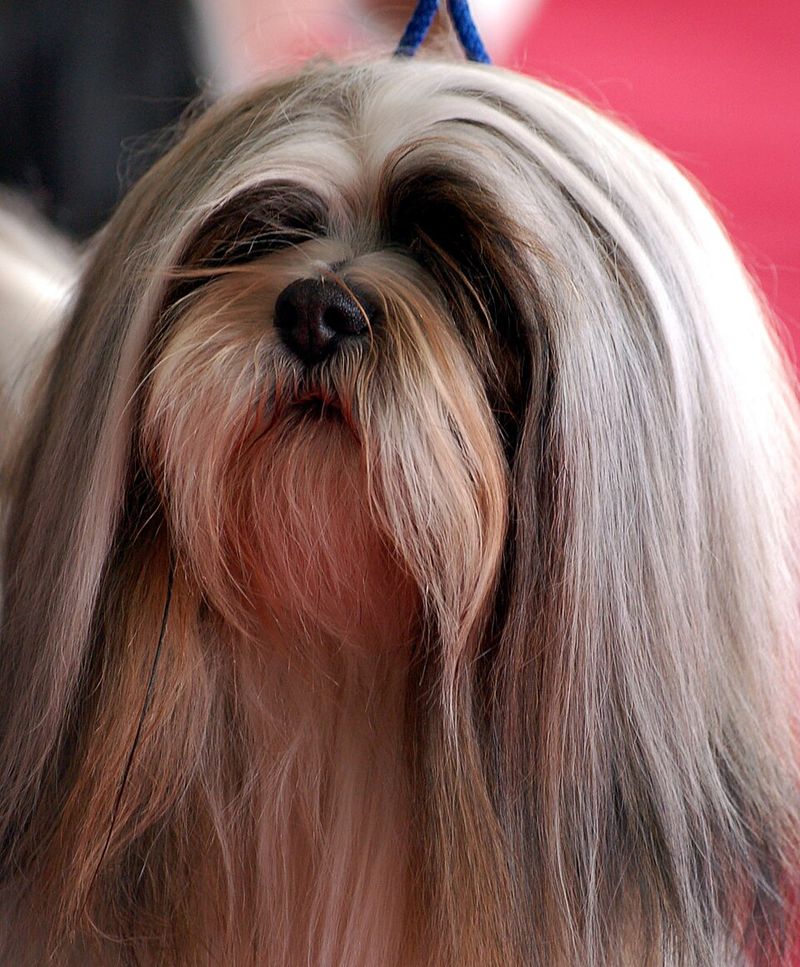
Lhasa Apsos combine a regal coat with a surprisingly assertive snore. Their shortened muzzle and thick tongue can cause nighttime vibrations, especially after a warm bath or on humid days.
A long fringe near the nose may tickle and trigger extra snuffling.
Keep facial hair trimmed, manage weight, and provide a slightly raised headrest. A cool, clean room with good airflow makes a noticeable difference.
If breathing looks labored or if daytime fatigue appears, consult your vet about potential airway concerns. Space meals away from bedtime to reduce reflux.
With consistent grooming and thoughtful routines, your Lhasa keeps the elegance while turning the midnight symphony into a gentle lull.
Basset Hound
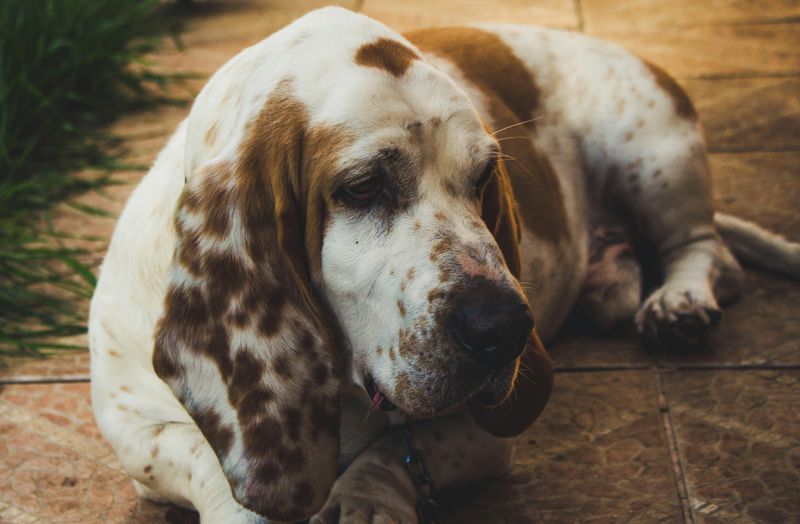
Basset Hounds have long ears and heavy jowls that help turn sleep into a resonant chorus. While not brachycephalic like some breeds, their loose tissues and deep chests can amplify vibrations.
A comfy back sleep can quickly graduate to room-filling snores.
Encourage side-sleeping with a contoured bed, keep weight healthy, and maintain a cool sleeping area. Clean ears regularly, since congestion and irritation can worsen nighttime noise.
If snoring changes suddenly or pairs with coughing, a vet check is smart. Gentle evening exercise followed by a light, early dinner often helps.
With these small choices, your mellow Basset dreams on, and the sound drops from thunder to distant rain.
Bullmastiff

Bullmastiffs are gentle giants whose sheer size and roomy jowls can supercharge snoring. Even minor throat tissue vibration becomes dramatic when scaled up to a massive head.
Warm rooms and back sleeping make the nighttime soundtrack even bigger.
Choose a supportive orthopedic bed that encourages side-sleeping and keeps the neck aligned. Keep weight in a healthy range, provide good hydration, and ventilate the bedroom.
If snoring comes with apneas or daytime lethargy, book a veterinary evaluation. Early dinners, calm wind-downs, and humidity control can help a lot.
With attentive care, your Bullmastiff keeps the guardian heart without shaking the walls every night.
Dogue de Bordeaux
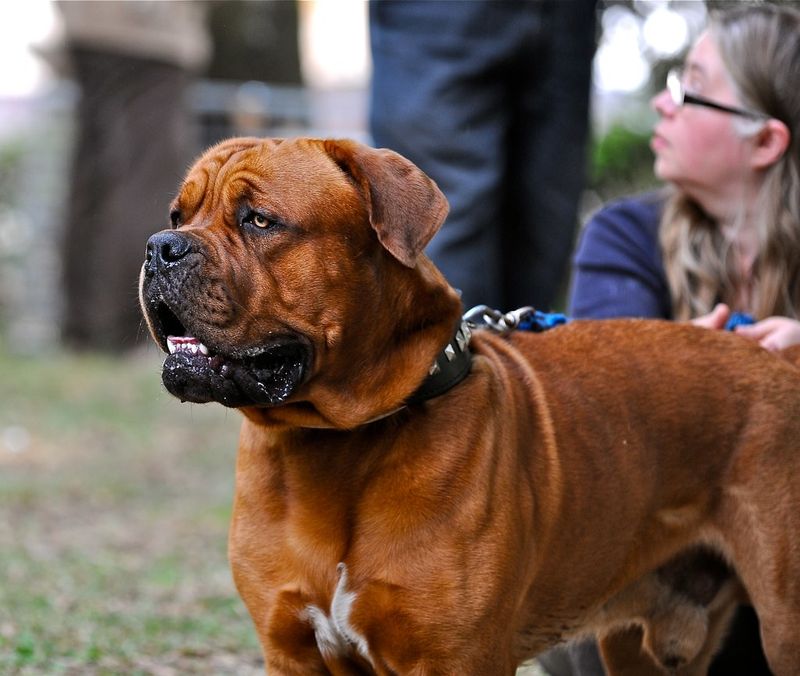
The Dogue de Bordeaux carries a colossal head and generous jowls that turn small vibrations into big-room noise. Their powerful build means even relaxed breathing can resonate.
Back sleeping or a hot room often pushes the snores from noticeable to legendary.
Offer a cool, well-ventilated space and an orthopedic bed that supports side-sleeping. Keep dinners early and portions balanced to limit reflux.
Hydration and routine vet checks are key, especially if pauses or gasps show up. A white noise machine might rescue your sleep on rough nights.
With steady care, your Bordeaux snoozes more quietly, and your home feels less like a train station after lights out.
Mastiff

Mastiffs can sound like an orchestra warming up when the lights go down. Their broad skulls and ample soft tissues create resonant snores that belie even the calmest nap.
Heat, heavy meals, and back sleeping make it louder.
Help by keeping weight in check, spacing dinner a few hours before bedtime, and providing a supportive, slightly elevated pillow. A cool, dry room reduces airway swelling, and routine vet checks catch issues early.
If you notice breath pauses or restless sleep, seek medical advice. With thoughtful routines and gentle exercise, your Mastiff rests deeper, and the nighttime rumble turns into a soothing hum.