
Think your favorite breed has always looked the same? Look back a century and many dogs were taller, leaner, and built with different jobs in mind.
Breeding trends, show standards, and modern lifestyles reshaped their faces, bodies, and even how they move. Here is how 15 beloved breeds transformed and what that means for you today.
English Bulldog
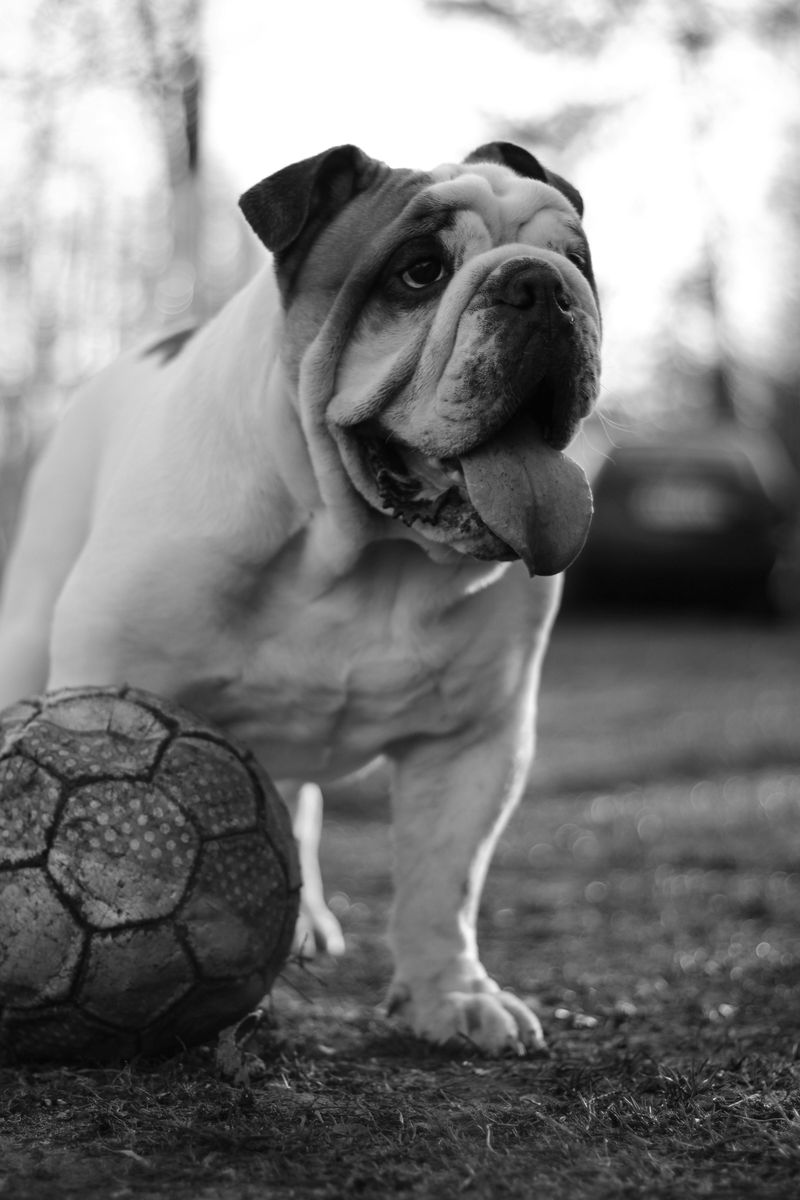
Look at old paintings of Bulldogs and you will barely recognize them. Early Bulldogs were taller, longer legged, and built for agility in brutal bull baiting arenas.
Over decades, selective breeding emphasized a massive head, ultra broad shoulders, and a compressed muzzle that created the iconic wrinkled face.
Modern Bulldogs charm you with clownish swagger, but the changes came with trade offs you should know. Shortened snouts reduce airflow, heavy bodies stress joints, and natural births often require veterinary help.
If you love this breed, seek responsible breeders focused on healthier noses, more athletic frames, and moderate wrinkles, and keep your Bulldog lean and fit. Regular exercise, cooling strategies, and proactive vet care make daily life safer.
Bull Terrier
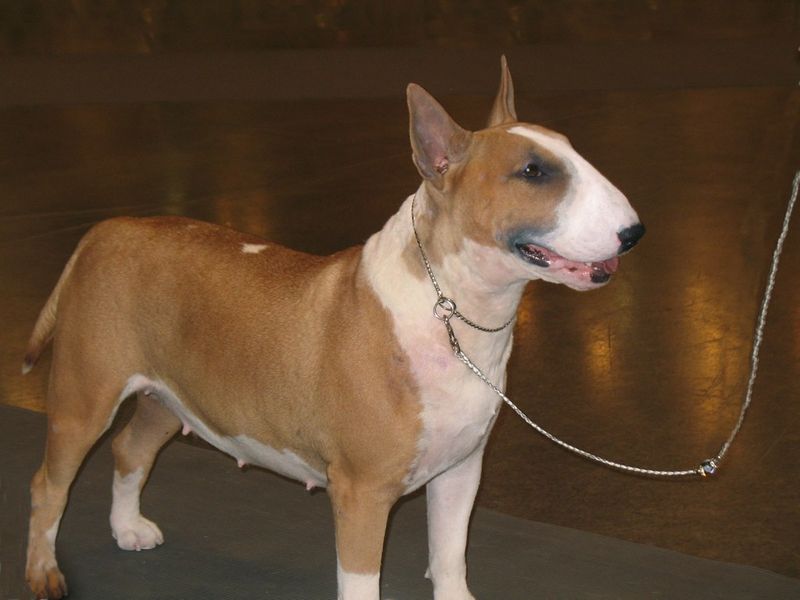
Early Bull Terriers looked quite different from the egg headed dogs you picture today. Nineteenth century versions had distinct stops, longer muzzles, and a more terrier like outline built for vermin control and sport.
Over time, show preferences sculpted the arched profile, muscular oval body, and glossy coat that define the modern silhouette.
You still get a playful comedian, but exaggerated features can invite issues you should watch. Narrow eyes may reduce field of view, dense muscle demands careful conditioning, and some lines battle skin allergies or deafness.
Choose breeders prioritizing clear breathing, sound bites, stable temperaments, and functional movement, then keep training fun and precise with plenty of mental games. That balance preserves the daring spirit while protecting long term health.
German Shepherd
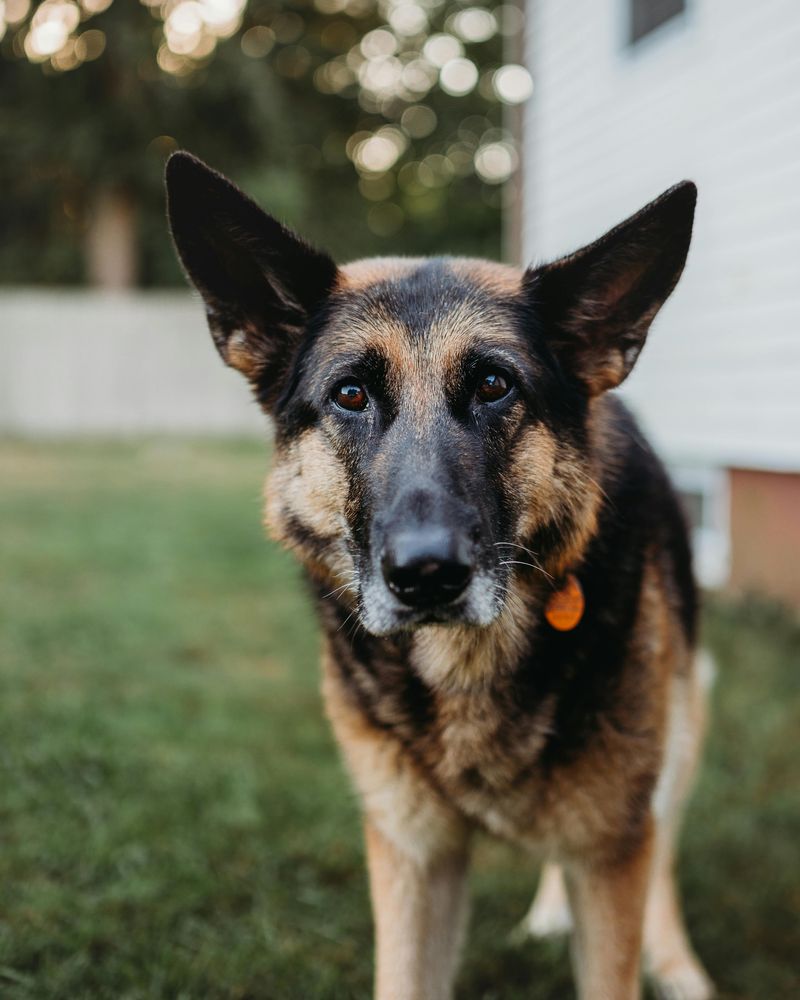
Early German Shepherds were moderate, wolfish herders built for all day trotting behind flocks. Bodies were level backed, hips strong, and angulation practical for endurance across rough fields.
As the breed rocketed in popularity, show trends in some regions favored extreme hind angulation and a sloping topline.
You still see brilliant workers, but structure matters for comfort and longevity. Over angulation can strain joints and backs, while oversized frames add orthopedic risk.
Seek lines bred for balanced movement, straight strong toplines, stable nerves, and serious health testing, and channel daily energy into tracking, nosework, or crisp obedience. Purposeful jobs keep minds sharp and bodies resilient.
Avoid constant jumping, manage weight, and build strength with thoughtful conditioning.
Dachshund
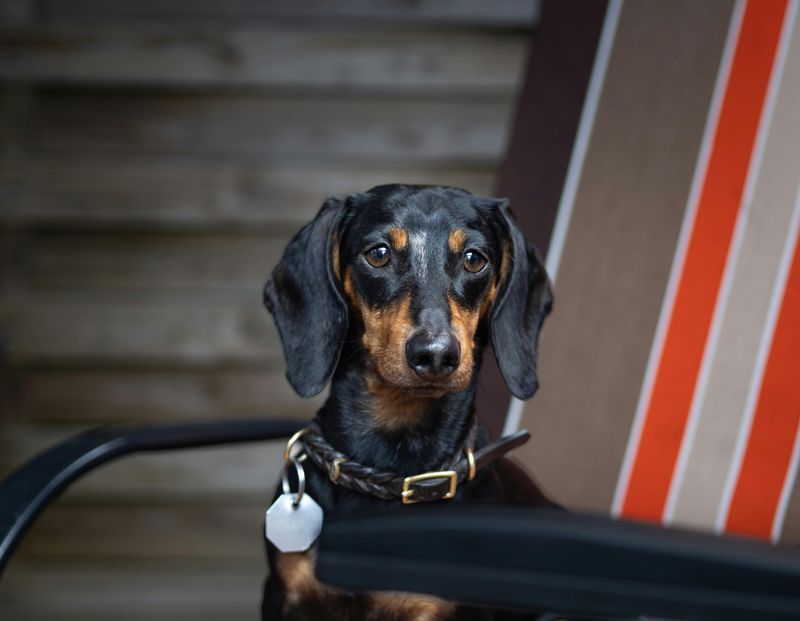
Original Dachshunds were sturdy earth dogs with slightly longer legs and less dramatic backs. They dug into badger dens using courage and function first, not extreme outlines.
Modern miniatures and standards often show longer spines, shorter limbs, and glamorous coats shaped by show rings and pet demand.
You can still enjoy that bold personality, but protect the back every day. Avoid stairs and couch diving, use ramps, and keep core muscles strong through controlled walks.
Seek breeders emphasizing moderate proportions, robust discs, and sound movement, then keep weight lean and enrich life with sniffari adventures. Smart management keeps that joyful tunneler playing comfortably for years.
Regular vet checks and harness walking further reduce risky strain.
Pug
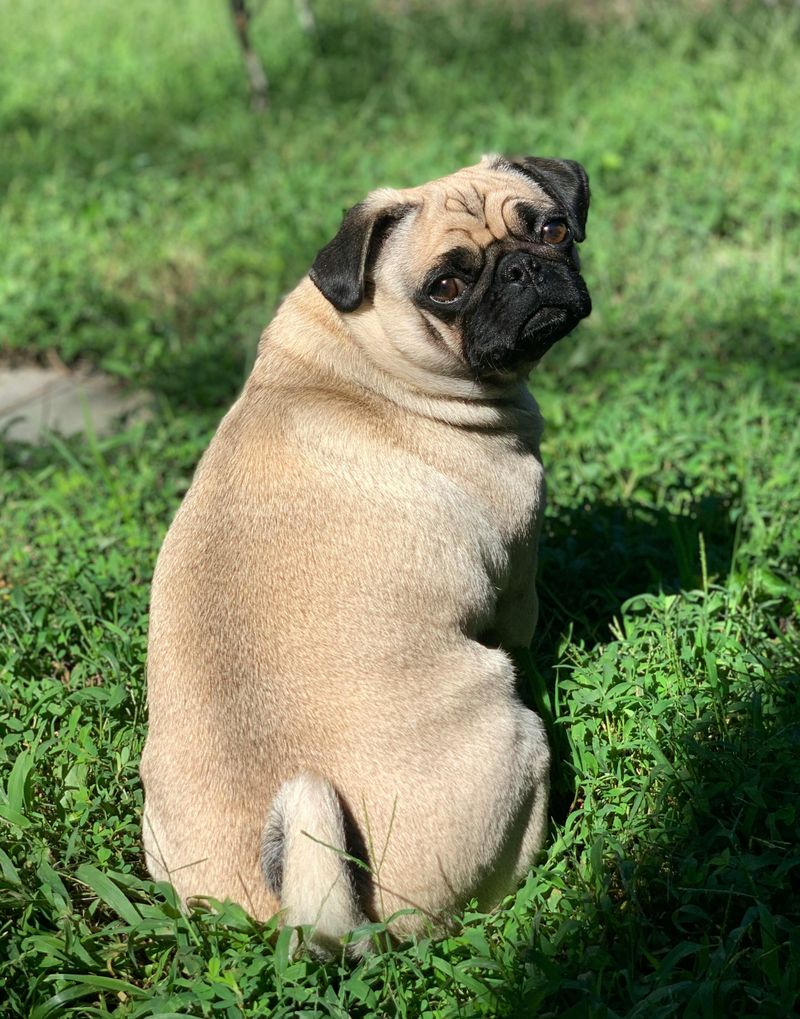
Ancient Pugs in Chinese courts had flatter faces than many breeds, yet still showed more muzzle than today. Early European depictions reveal leaner bodies and longer legs under their curled tails.
Popularity magnified the round head, enormous eyes, and ultra short nose that now define the breed.
You adore that charming snort, but breathing and eye safety require daily care. Keep them trim, avoid heat, choose harnesses, and ask about open nostrils and longer palates.
Prioritize responsible breeders aiming for clearer airways, tighter lids, and athletic shape, then keep enrichment playful with puzzles and cool morning strolls. Small changes make a huge difference in comfort and longevity.
Schedule eye checks, clean facial folds, and practice calm, low impact fitness.
Boxer
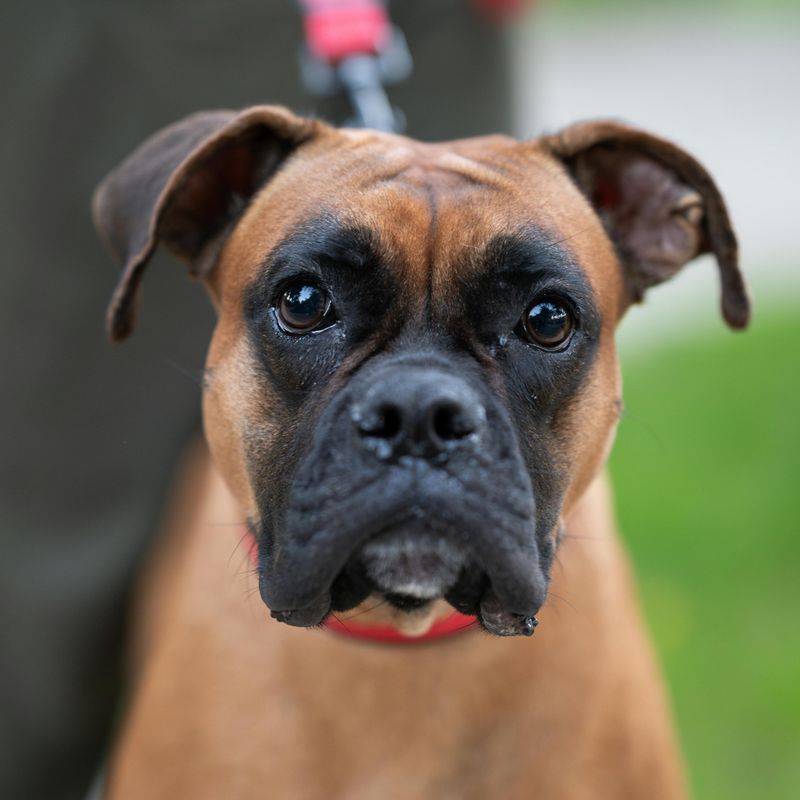
Early Boxers descended from agile bullenbeissers, used for hunting and gripping large game. They were rangier, with longer muzzles and less pronounced jowls than many show dogs today.
Over time, the head shortened, the chest deepened, and the overall outline became more square and muscular.
That look packs charisma, but you should manage health carefully. Shorter muzzles affect cooling, deep chests bring bloat risk, and energetic minds need structured outlets.
Work with breeders focused on heart screening, sturdy hips, and functional muzzles, then build a routine of scent games, interval walks, and thoughtful strength work. Balanced conditioning keeps Boxers powerful, silly, and sound for years.
Learn bloat signs, feed multiple meals, and avoid intense exercise after eating.
Doberman Pinscher
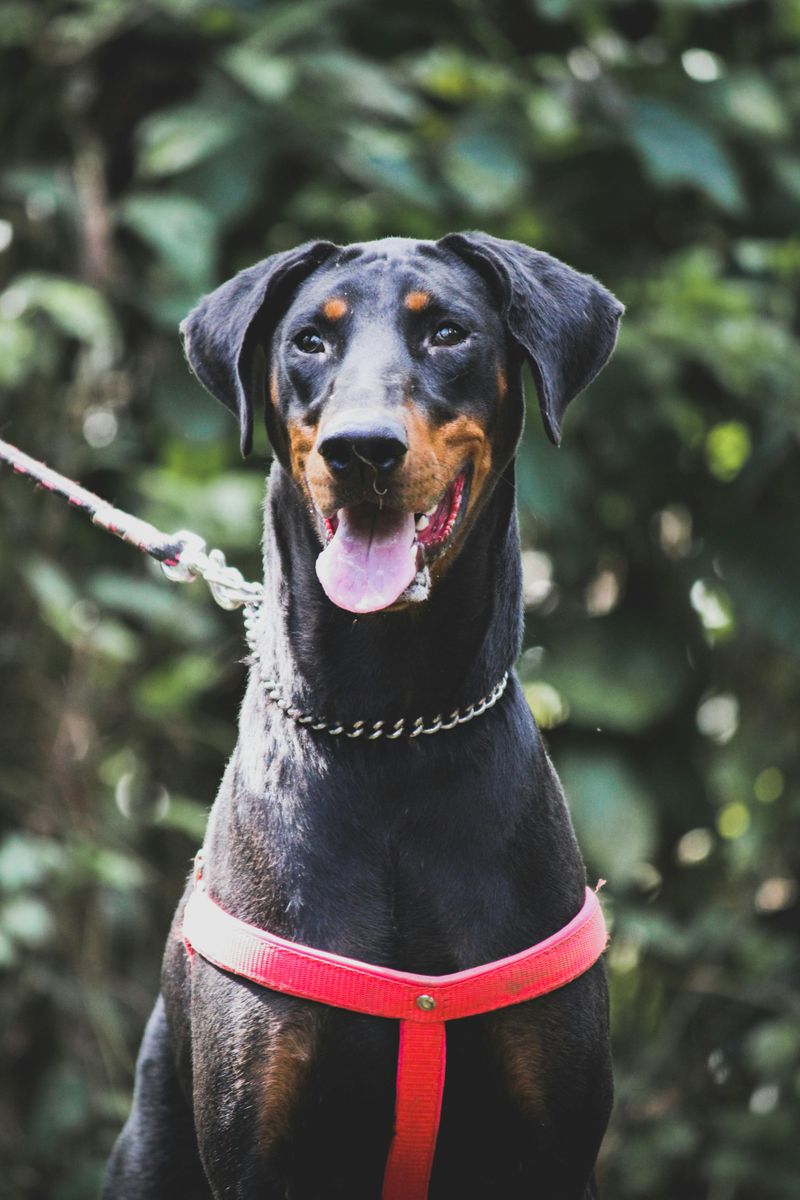
Early Dobermans were lean, medium framed protectors bred for tax collectors and night watchmen. They carried moderate angulation, longer muzzles, and tight coats built for speed and responsiveness.
Modern lines often emphasize heavier bone, deeper chests, and stylized outlines favored in some show rings.
You still get a brilliant partner, but focus on health and stable drives. Prioritize breeders who test for DCM, thyroid, hips, and eyes, and who breed for confident, biddable temperaments.
Keep training clear and fair, vary cardio with tracking or canicross, and maintain leanness to protect joints and the heart. Purpose driven exercise preserves the elegant athlete beneath the polish.
Regular echocardiograms and Holter monitoring catch concerns early with proactive plans.
Saint Bernard
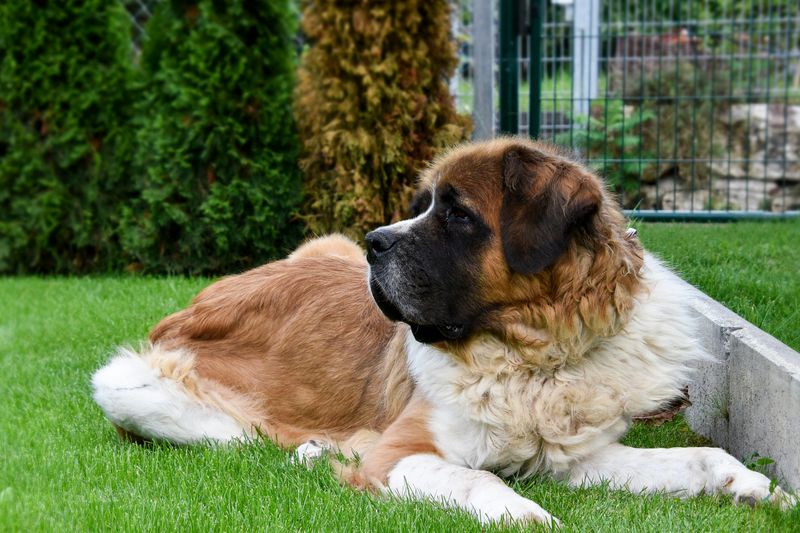
The earliest Saint Bernards assisting monks in the Alps were leaner mountain dogs with shorter coats. Historical images show athletic frames built for snow travel and rescue, not the giant, drooly teddy bear many imagine today.
As fame grew, breeders selected for size, heavier heads, and abundant coat.
That cuddly appeal hides practical needs you should plan for. Massive weight strains joints and hearts, heat is risky, and thick fur requires vigilant grooming.
Choose breeders favoring functional size, strong hips and elbows, and steady temperaments, then keep exercise low impact with swimming, soft trails, and careful nutrition. Cool rest spots and regular vet checks keep these gentle giants thriving.
Mind stairs, support growth, and monitor for bloat.
Basset Hound
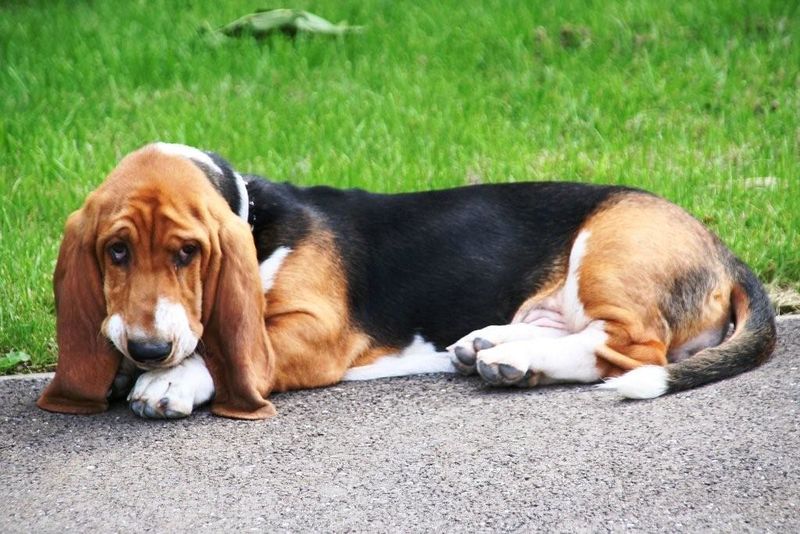
Original Bassets were practical scent hounds with shorter ears, lighter bone, and more ground clearance. They trailed game steadily, using functional proportions and strong feet for long days afield.
Over time, droopier skin, heavier bodies, and extremely long ears created a more exaggerated, endearing caricature.
You can still enjoy that mellow clown, but support joints and skin. Keep nails short, manage weight strictly, and clean ears routinely to prevent trouble.
Seek breeders who emphasize agile movement, moderate ear length, and firm eyelids, then enrich life with nose games and gentle hikes on forgiving surfaces. A little conditioning preserves stamina and keeps sniffing sessions happy.
Watch stairs, use ramps, and choose supportive, non slip flooring indoors.
Great Dane
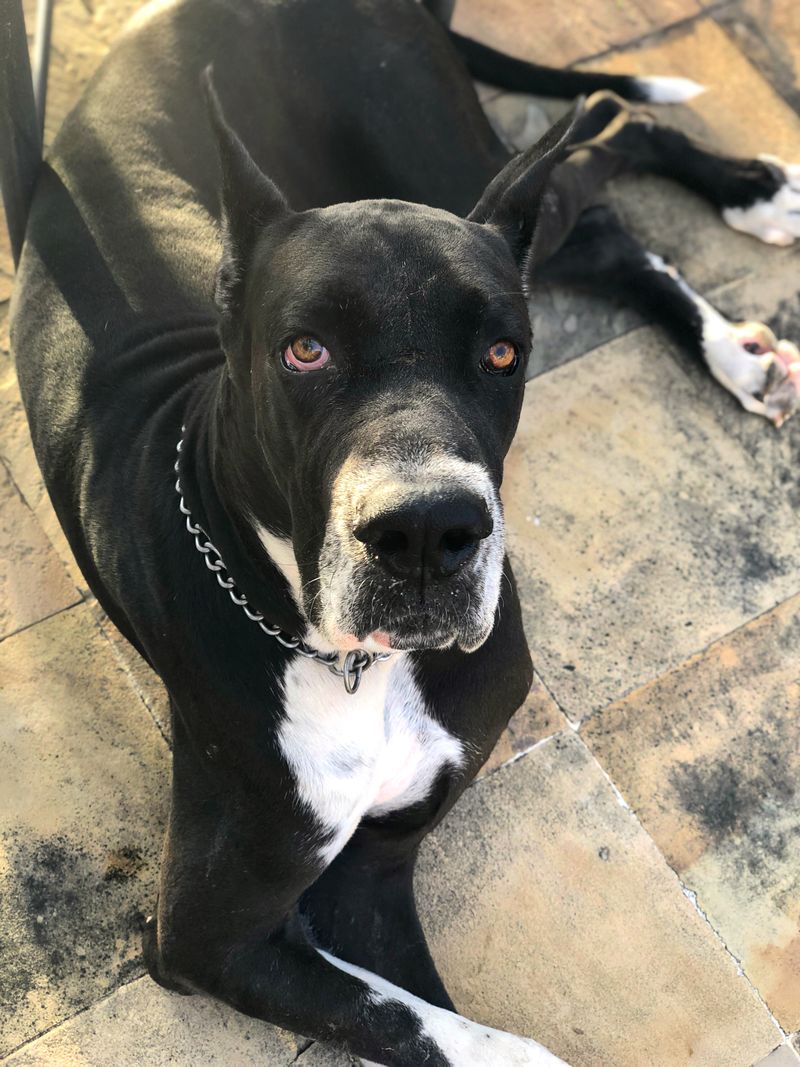
Historically, Great Danes hunted boar as athletic, intimidating catch dogs. Old prints show tighter skin, longer muzzles, and stronger hips than many modern giants.
Popular breeding increased height and mass, softened outlines, and produced the gentle, couch filling companions people adore today.
With size comes responsibility you must respect. Giant frames face joint stress, shorter lifespans, and bloat risk, so training, diet, and rest matter.
Choose breeders proving sound hearts and hips, then build habits like slow feeding, raised water, controlled growth, and steady, low impact exercise on soft ground. Mind temperatures, teach calm manners, and schedule regular wellness screens.
Support with orthopedic bedding, nail care, and thoughtful strength work for stability through every stage.
Collie
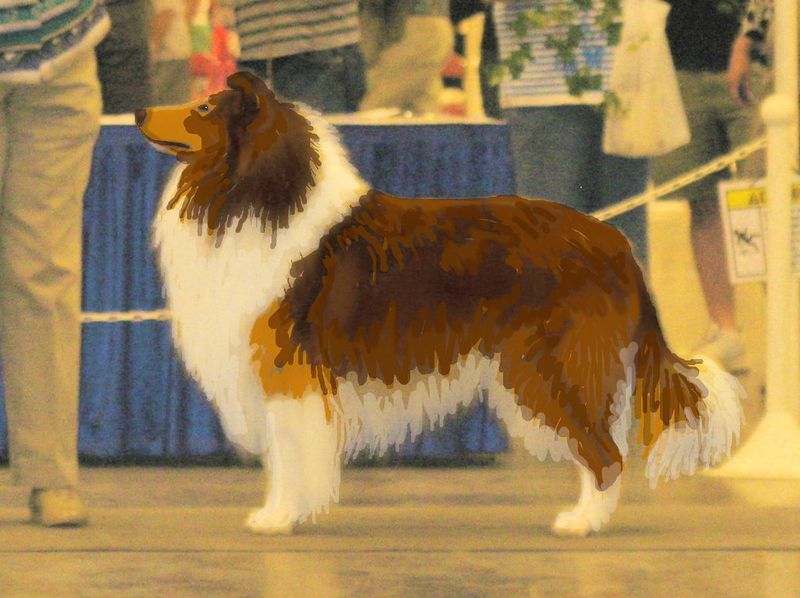
Early Collies were rugged Scottish herders with shorter muzzles and less luxurious coats than television stars. Function shaped them for wind, rain, and hill work beside shepherds.
As fame rose, show breeding lengthened coats, refined heads, and emphasized elegance over strictly utilitarian structure.
You still get sensitivity and smarts, but grooming and health deserve attention. Heavy coats mat without regular care, and some lines battle eye anomalies or drug sensitivities.
Choose breeders who screen eyes, respect MDR1 status, and protect structure, then keep your Collie mentally fulfilled with herding games, trick training, and thoughtful exercise. Moderation keeps that sweeping outline beautiful and capable.
Sun protection for light noses and gradual coat drying help too, immensely.
Shar Pei
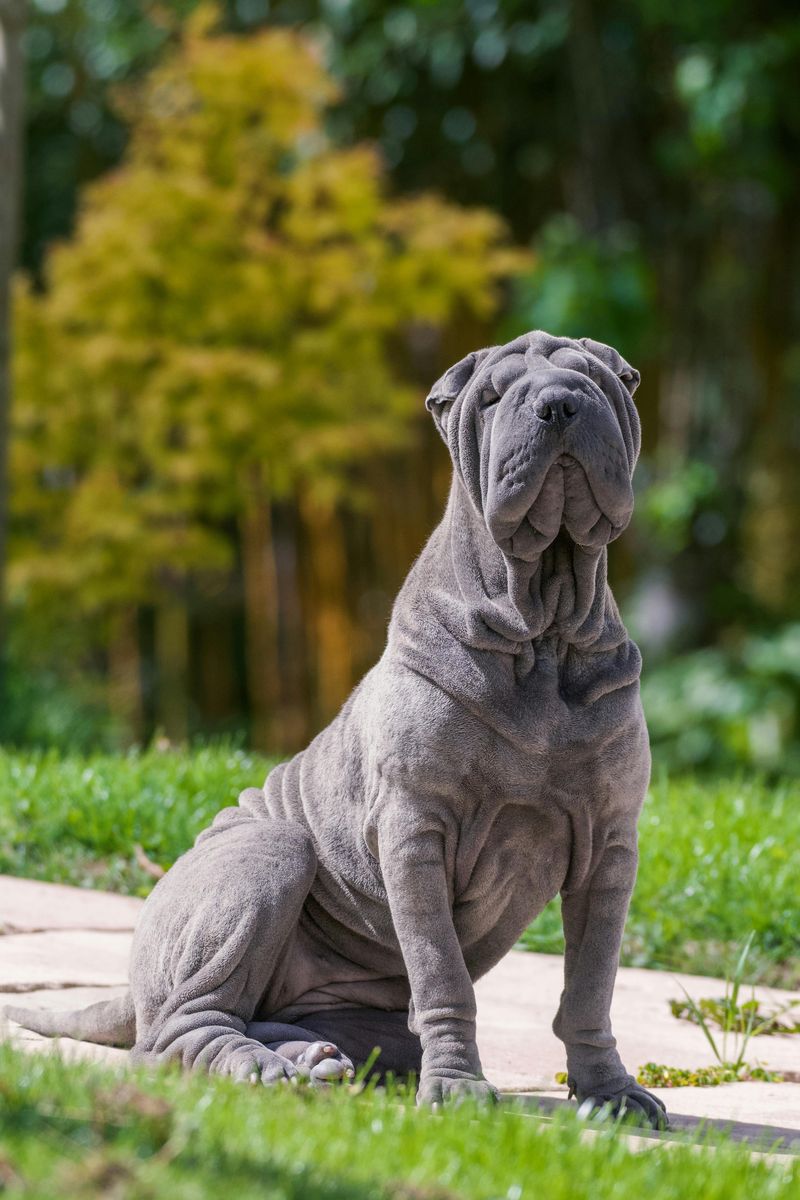
Historical Shar Pei were village multipurpose dogs, far less wrinkled and more athletic than many show examples. Photographs from the mid twentieth century show tighter skin, longer legs, and moderate muzzles.
As the breed gained novelty value, exaggerated wrinkles and heavy padding became more common.
Those folds look adorable, but you must care for skin and breathability. Trapped moisture triggers infections, tight muzzles affect airflow, and small ears need routine checks.
Work with breeders selecting for open nostrils, minimal entropion, and moderate wrinkling, then keep cleaning gentle, exercise timed for cool hours, and weight controlled. Comfortable movement should always outrank dramatic texture.
Use breathable harnesses, shade breaks, and medicated wipes when your vet recommends, regularly.
Cavalier King Charles Spaniel
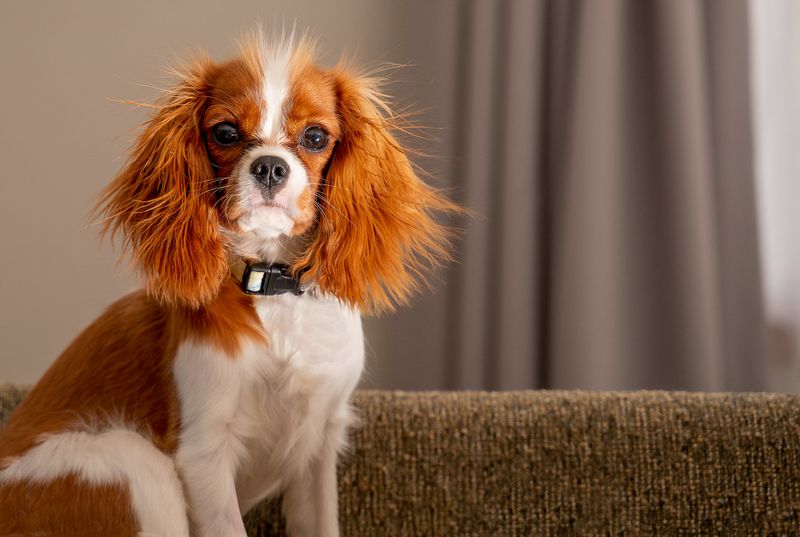
Historic toy spaniels in royal portraits had flatter skulls and longer muzzles than many Cavaliers today. The modern breed, revived in the twentieth century, gradually emphasized a domed head, larger eyes, and a shortened face.
Flowing ears and silken coats became hallmarks as companions replaced sporting roles.
That sweetness melts hearts, but health must lead your choices. Prioritize breeders who MRI scan for syringomyelia, test hearts early and often, and keep muzzles functional.
Keep weight trim, manage heat, and provide gentle cardio like sniffy walks and light fetch, avoiding hard landings from furniture. Daily dental care and regular checkups extend comfortable, joyful years.
Choose harnesses, protect necks, and schedule calm enrichment indoors during hotter months.
Rottweiler
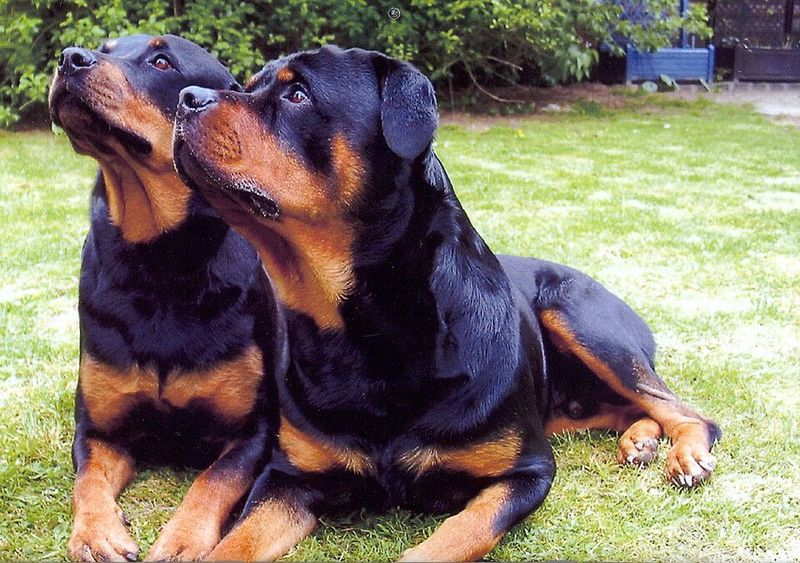
Earlier Rottweilers were versatile drovers and guardians, medium large and athletic with moderate heads. Vintage photos show dry mouths, longer legs, and a more open, agile outline built for work.
As demand rose, some lines moved toward heavier bone, broader skulls, and shorter muzzles.
You still meet a steady athlete, but balance matters. Prioritize health testing for hips, elbows, hearts, and JLPP, and insist on stable, confident temperaments.
Keep training purposeful with cart work, tracking, or obedience, maintain leanness, and monitor heat since dark coats soak sunshine quickly. Functional structure and clear minds make the breed shine.
Trim nails, build strength gradually, and socialize widely with calm, fair guidance from puppy through adulthood and maturity.
Irish Setter
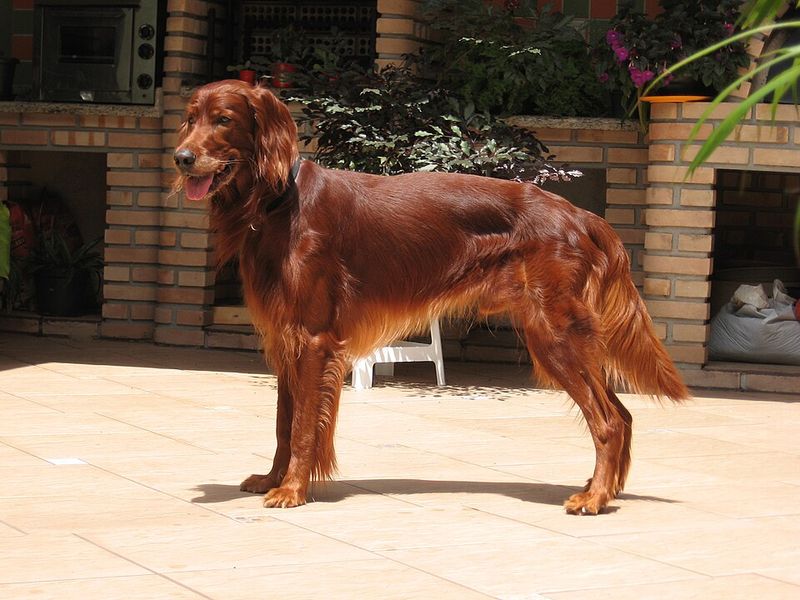
Early Irish Setters were red and white field dogs, lean and fast with shorter coats for thorny cover. Over time, solid red became dominant, coats lengthened, and outlines grew more dramatic in the show ring.
The working type stayed closer to practical proportions focused on stamina and bird sense.
You can still enjoy that joyful rocket if you plan for needs. Prioritize breeders proving hips, elbows, thyroid, and eyes, and choose temperaments suited to busy households.
Give daily aerobic outlets like field runs or long hikes, polish impulse control, and brush frequently to prevent mats and burrs. A purposeful routine keeps glamour and grit in healthy harmony.
Nosework games indoors help on stormy days too.