
Dog treats can be a delightful reward, but some breeds have sensitive stomachs that can lead to digestive upsets. Understanding the unique dietary needs of these breeds can help pet owners make informed choices, ensuring their furry friends remain healthy and happy.
Clumber Spaniel
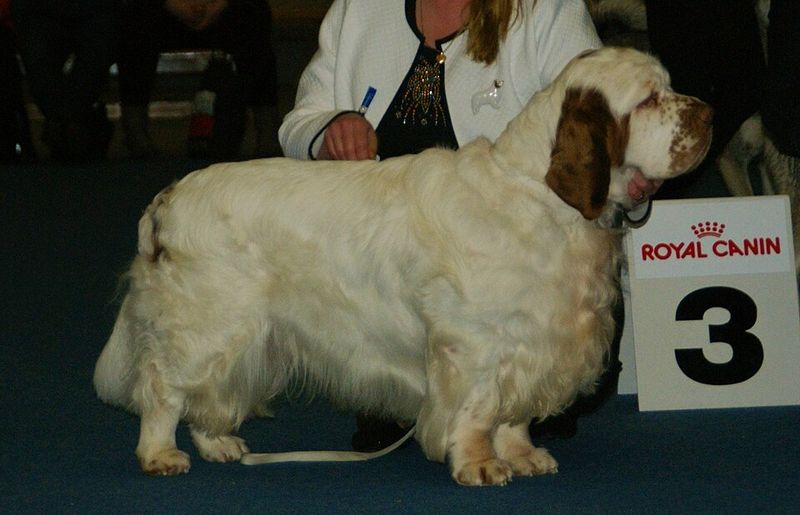
Big, lovable, and often mistaken for a teddy bear, the Clumber Spaniel has a sensitive stomach that requires attention. Their diet must be managed carefully to prevent digestive issues.
These dogs are prone to bloating and gas, which means treats should be chosen with caution. Opt for natural, low-fat options to keep them happy.
Known for their lazy demeanor, Clumber Spaniels can easily gain weight, making it crucial to monitor their treat intake. Always consult a vet for the best dietary plan tailored to their needs.
Sussex Spaniel
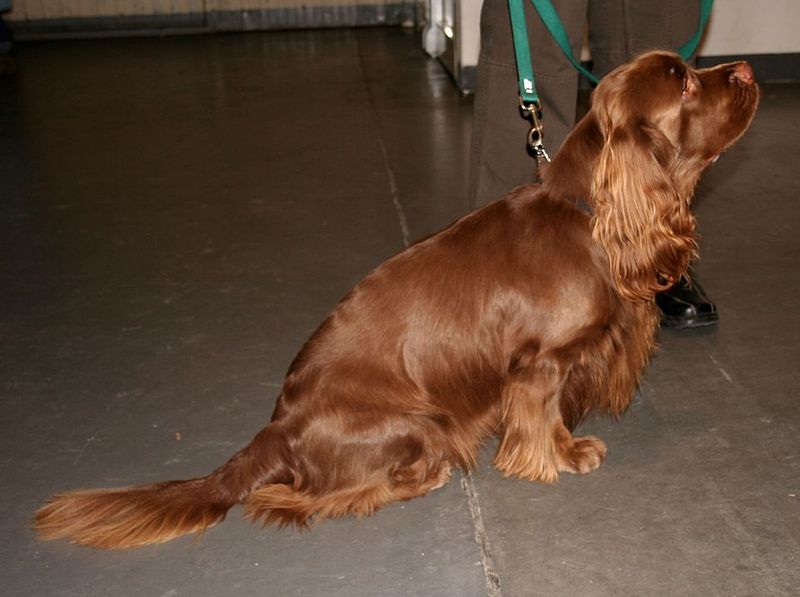
The Sussex Spaniel, with its golden coat and soulful eyes, has a tendency to experience stomach issues. These affable dogs need a balanced diet to maintain health.
Their slow metabolism makes them susceptible to weight gain, so treats should be given sparingly. Choose hypoallergenic options to minimize digestive disturbances.
With a history of hunting, they are energetic but require careful portion control. A specialized diet, overseen by a veterinarian, often works best for maintaining their digestive health.
Field Spaniel

Field Spaniels are known for their graceful agility, but their stomachs can be less robust. These dogs often face challenges digesting certain foods.
It’s advisable to select treats that are easily digestible and free from artificial ingredients. This helps avoid unnecessary digestive stress.
Despite their active nature, they are prone to weight issues. A diet that balances their energy needs with digestive care is essential. Consulting a vet for personalized advice is always a wise choice.
Sealyham Terrier

With their distinctive white coat and charming beard, Sealyham Terriers are a breed with specific dietary needs. Their digestive system can be sensitive to rich treats.
Opt for low-fat, natural treats to avoid upsetting their stomach. These little adventurers require careful monitoring of their diet.
Their active lifestyle and cheerful demeanor can be maintained with the right nutrition. A vet can provide insights into the most suitable dietary plan for Sealyhams.
Dandie Dinmont Terrier
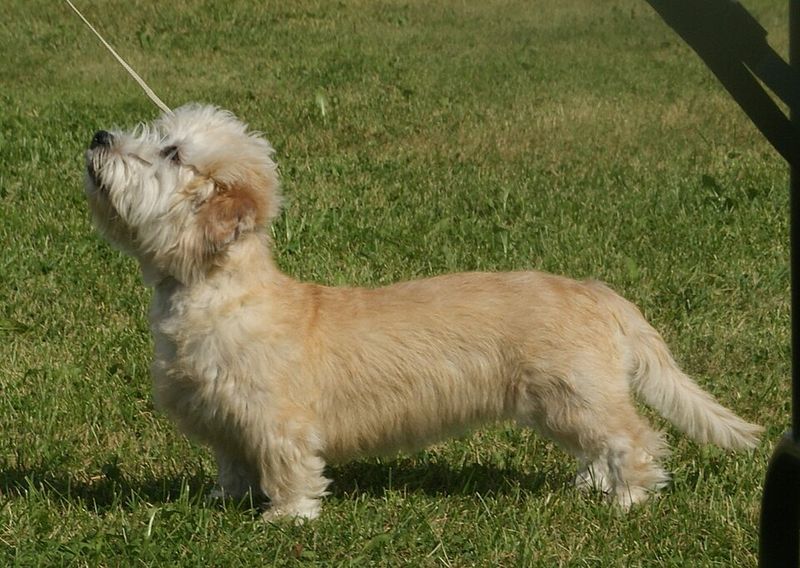
The Dandie Dinmont Terrier, with its unique topknot and soulful eyes, demands a careful dietary approach. These dogs have a delicate digestive system.
Treats that are low in additives and rich in natural ingredients are ideal. Their sensitive stomachs benefit from a simple and wholesome diet.
Despite their small size, Dandie Dinmont Terriers have a big appetite, so portion control is necessary. Regular veterinary advice ensures they stay healthy and content.
Bedlington Terrier
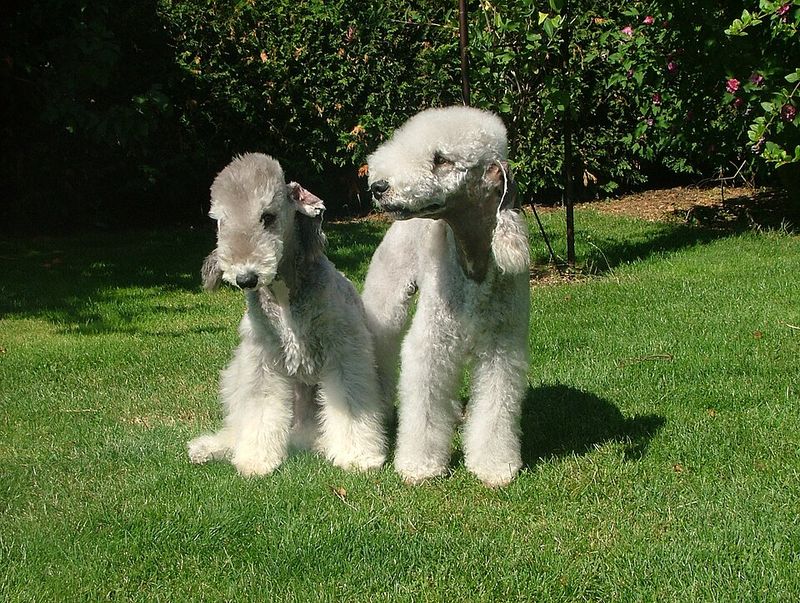
Often mistaken for little lambs, Bedlington Terriers have a playful nature and a sensitive stomach. Their unique appearance is matched by distinct dietary needs.
Sensitive to rich foods, they thrive on treats that are simple and nutritious. Avoiding additives can prevent digestive issues.
Active and intelligent, these terriers require a diet that supports their energy while being gentle on their stomach. A vet’s guidance will help tailor the best treat strategy for them.
Kromfohrländer
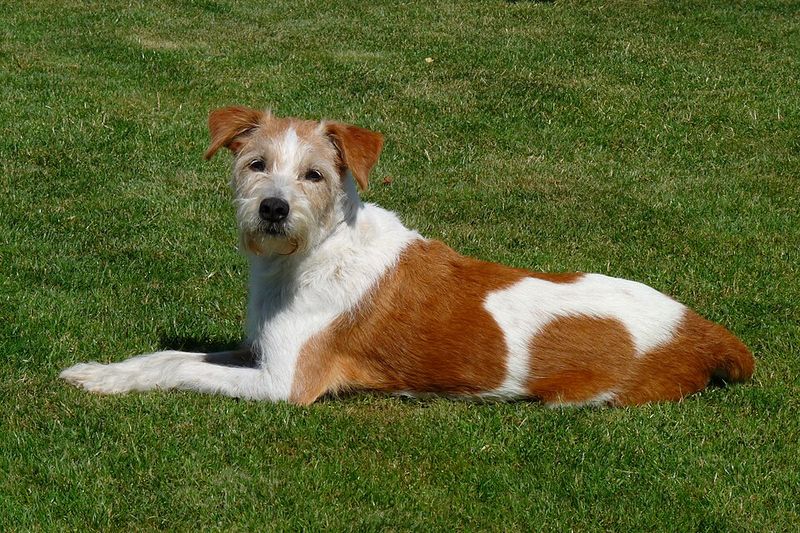
Known for their energetic and joyful demeanor, Kromfohrländers have specific dietary sensitivities. These rare dogs often struggle with digestive upsets.
Choosing treats that are hypoallergenic and easy to digest is crucial. Their active lifestyle requires balanced nutrition.
Despite their rarity, they have captured hearts with their friendly nature. Consulting a vet ensures their diet supports both health and happiness.
Nederlandse Schapendoes

The fluffy Nederlandse Schapendoes is known for its carefree spirit and lively antics. Their digestive system, however, can be quite sensitive.
Selecting treats that are gentle and natural can prevent discomfort. These dogs thrive on a diet that nourishes without causing upset.
Their playful nature and distinctive appearance make them a joy to behold. A well-managed diet ensures they remain healthy and vibrant.
Briard
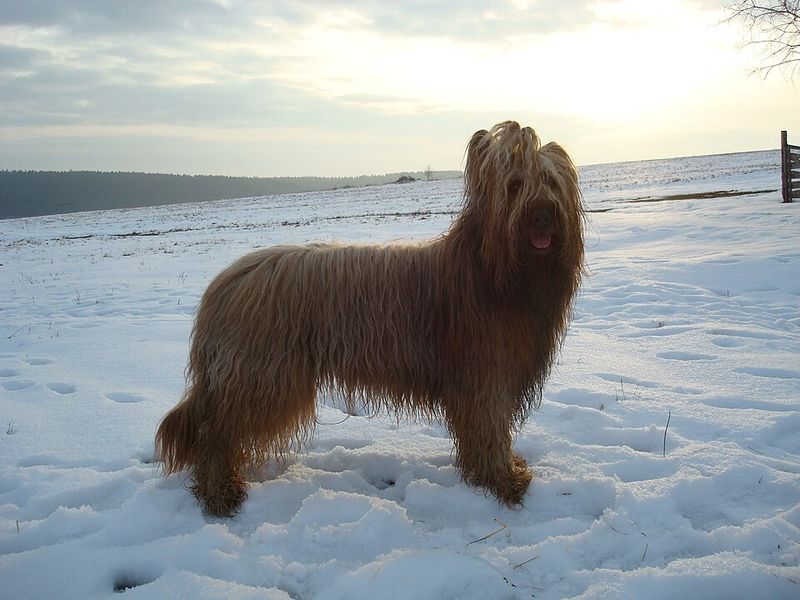
With their flowing coats and gentle gaze, Briards embody elegance and grace. However, their digestive systems can be sensitive.
Treats that are rich in natural ingredients and low in fat are ideal for these noble dogs. Careful dietary management is key.
Their courageous nature is matched by a need for a balanced diet. Vets often recommend specific treat strategies to maintain their digestive wellbeing.
Picardy Shepherd (Berger Picard)

The Picardy Shepherd, with its scruffy coat and alert demeanor, is both a skilled herder and a sensitive eater.
Their robust exterior hides a delicate stomach that benefits from gentle, natural treats. A balanced diet is essential for maintaining health.
Known for their intelligence and loyalty, Picardy Shepherds require dietary care that supports their active lifestyle without digestive discomfort.
Bergamasco Sheepdog
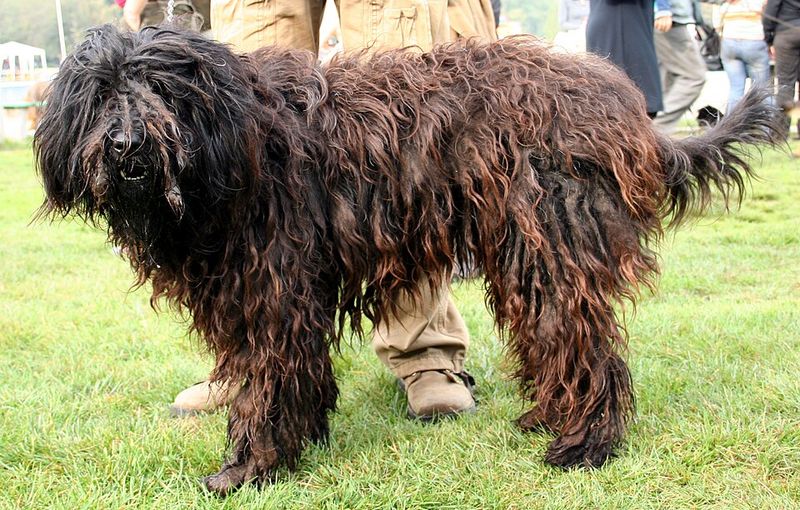
The Bergamasco Sheepdog, with its unique coat resembling dreadlocks, is a breed with specific nutritional needs.
Gentle on the inside, they require treats that won’t upset their digestive systems. Natural ingredients are often best.
Their serene nature and historical herding role are complemented by a diet that supports their health. Veterinary advice is invaluable for maintaining their wellbeing.
Polish Lowland Sheepdog
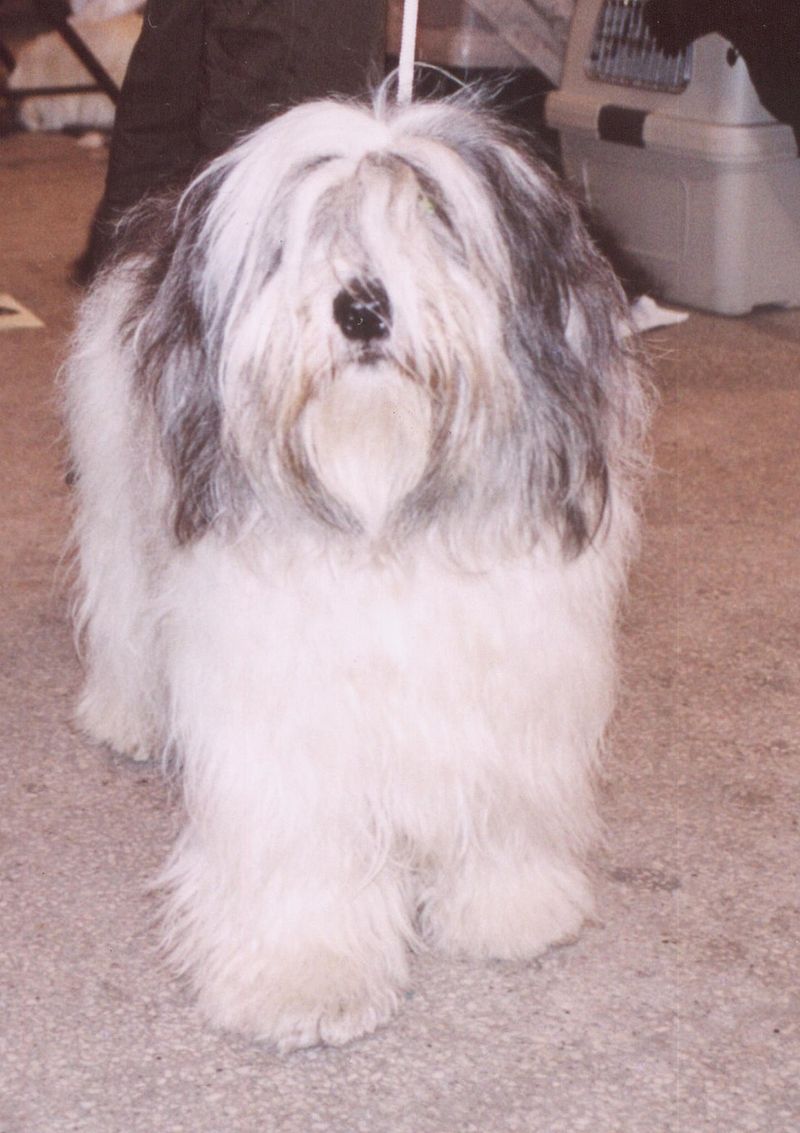
The Polish Lowland Sheepdog is known for its shaggy coat and lively disposition. However, their digestive health requires careful management.
Sensitive to rich treats, they thrive on simple, wholesome snacks. Ensuring their diet is balanced is key to avoiding digestive issues.
Their energetic nature and herding instincts require a diet that supports their activity levels. Consulting with a vet helps in crafting the perfect treat strategy.
Tibetan Terrier
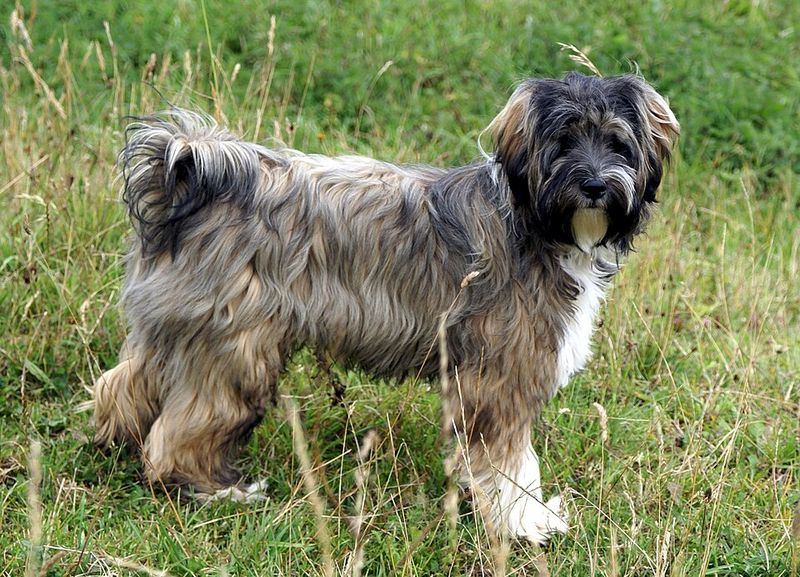
Despite their name, Tibetan Terriers aren’t true terriers but are known for their resilient nature and sensitive stomach.
Selecting treats that are easy to digest and free from artificial additives helps maintain their digestive health.
Their adaptability and cheerful personality are enhanced by a diet that meets their specific needs. A vet’s guidance ensures the best dietary choices are made.
Finnish Lapphund
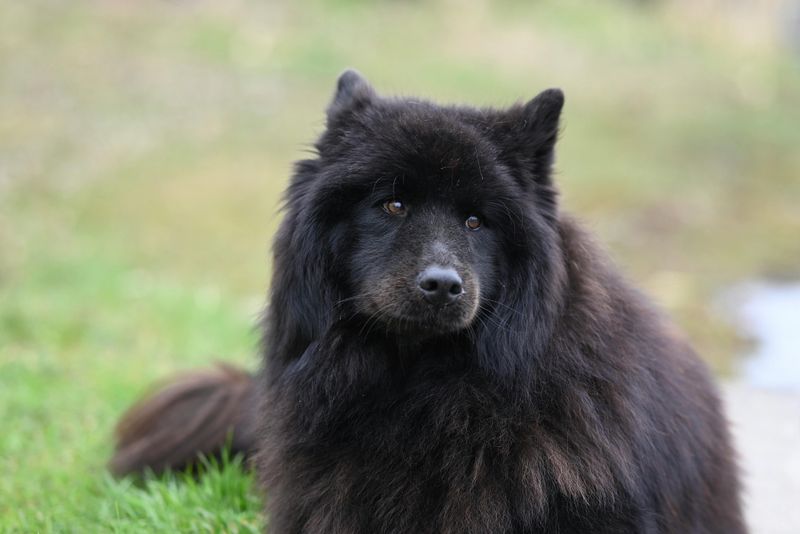
The Finnish Lapphund, with its thick coat and loving personality, often faces digestive challenges.
Their sensitive stomachs benefit from treats that are rich in natural ingredients and low in fat. Careful dietary management is essential.
Their playful nature and robust appearance are complemented by a diet that supports their health. Vets recommend specific treat strategies to maintain their wellbeing.
Hovawart

Known for their protective nature and striking appearance, Hovawarts have specific dietary needs due to their sensitive stomachs.
Opting for treats that are gentle and natural is crucial to avoid digestive upset. Their active lifestyle demands a balanced diet.
Their loyalty and courage are matched by a need for careful dietary planning. Regular vet consultations help ensure their digestive health is maintained.