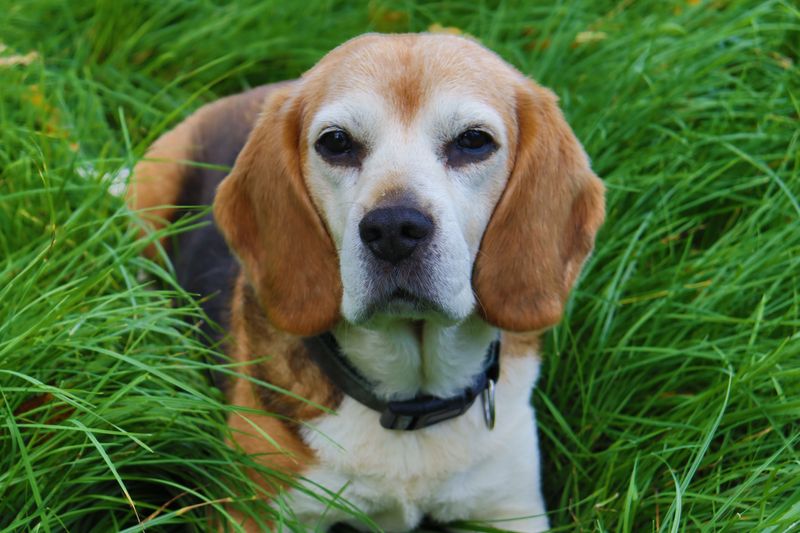
Step on a Basset Hound’s paw by accident, and there is a good chance its tail is wagging again before you finish saying sorry. Try the same thing with a Shiba Inu, and you may notice a little extra caution around your feet for a while.
Dogs do not hold grudges the way people do, but breeds really do differ in how quickly they bounce back from a rough moment, a scary vet visit, or a clumsy mistake. Knowing where your dog falls on that scale can help you choose the right breed, train with more patience, and avoid creating fears that are hard to undo.
Below are 15 breeds often described as resilient and quick to recover, plus 4 that tend to remember unpleasant experiences longer and need a gentler touch.
Labrador Retriever
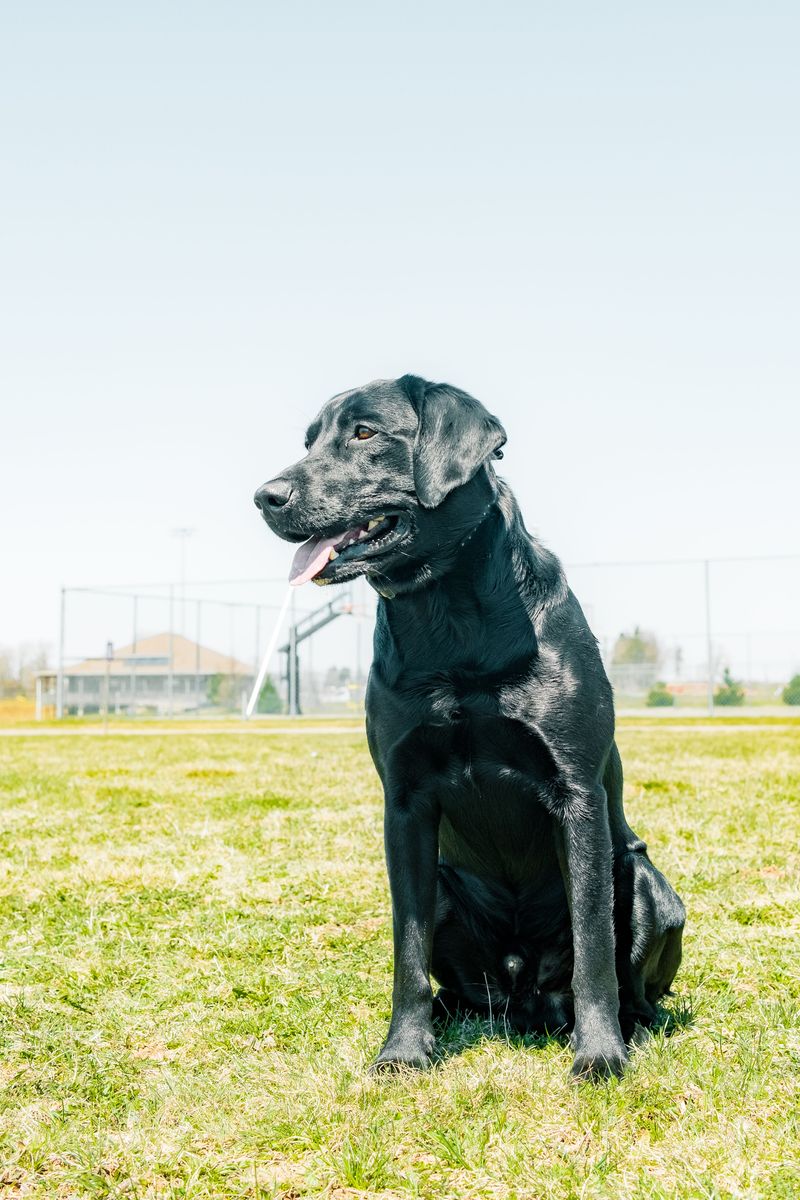
Ask a room of trainers which breed recovers fastest from a fumbled cue or a confusing training session, and the Labrador will come up early. Labs were developed to retrieve game for hunters in cold water, a job that rewarded dogs who stayed cheerful and cooperative even after a long, messy day.
That bred-in resilience shows up at home. A Lab who gets startled by a dropped pan usually checks it out, sniffs for crumbs, and moves on.
The catch is that easy forgiveness can hide confusion. A Lab may keep smiling while not understanding what you want, so clear, consistent reward-based training still matters.
Golden Retriever
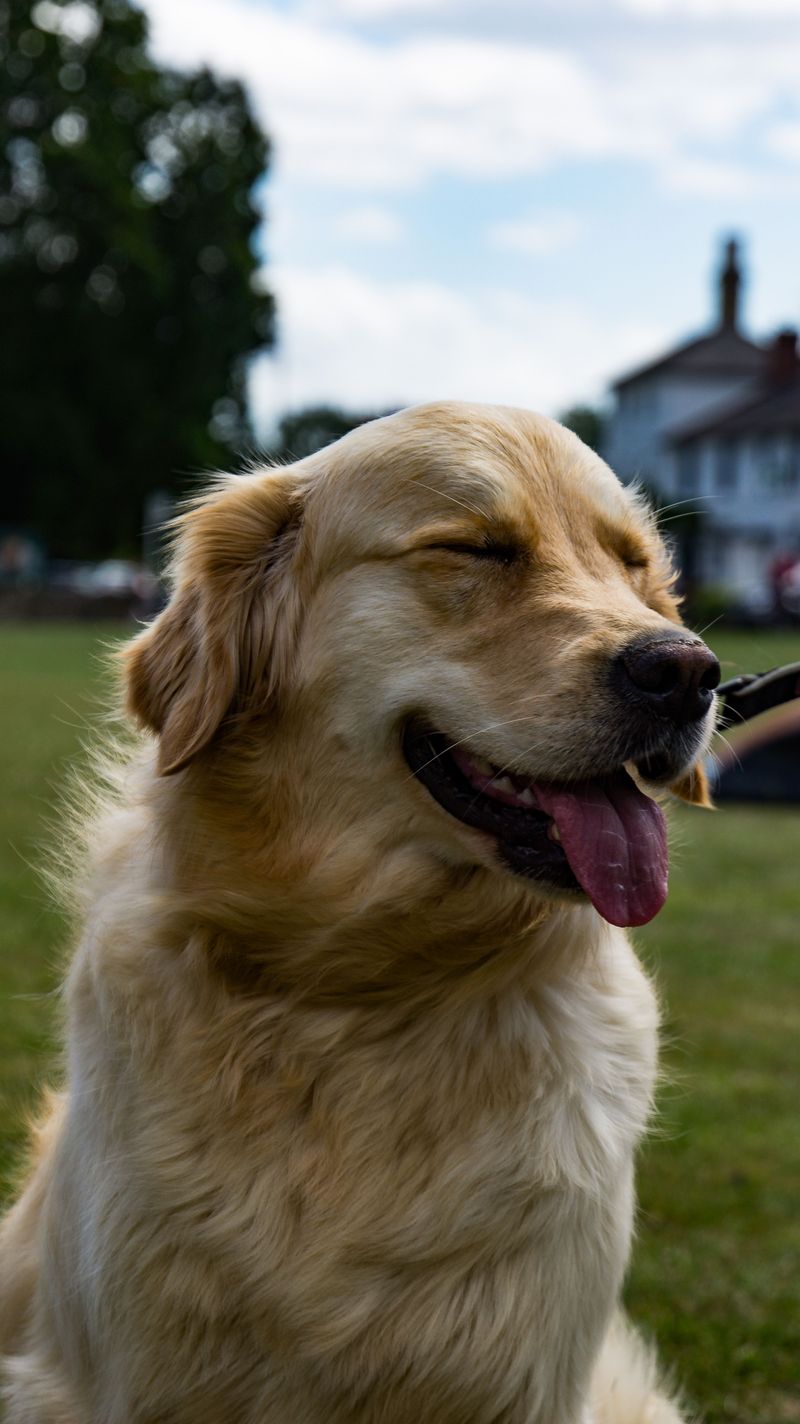
Soft-mouthed and soft-tempered, the Golden Retriever was bred in 19th-century Scotland to carry birds without crushing them. Selecting for that gentle grip also favored dogs with steady, forgiving temperaments.
Many Goldens tolerate the clumsy hugs, missed meal times, and household chaos that come with busy families. They tend to read a corrected moment as information rather than a lasting insult.
One thing owners sometimes miss: Goldens can be sensitive to harsh tone even when they bounce back quickly. Forgiving does not mean unaffected, so a kind voice gets better results than a loud one.
Cavalier King Charles Spaniel
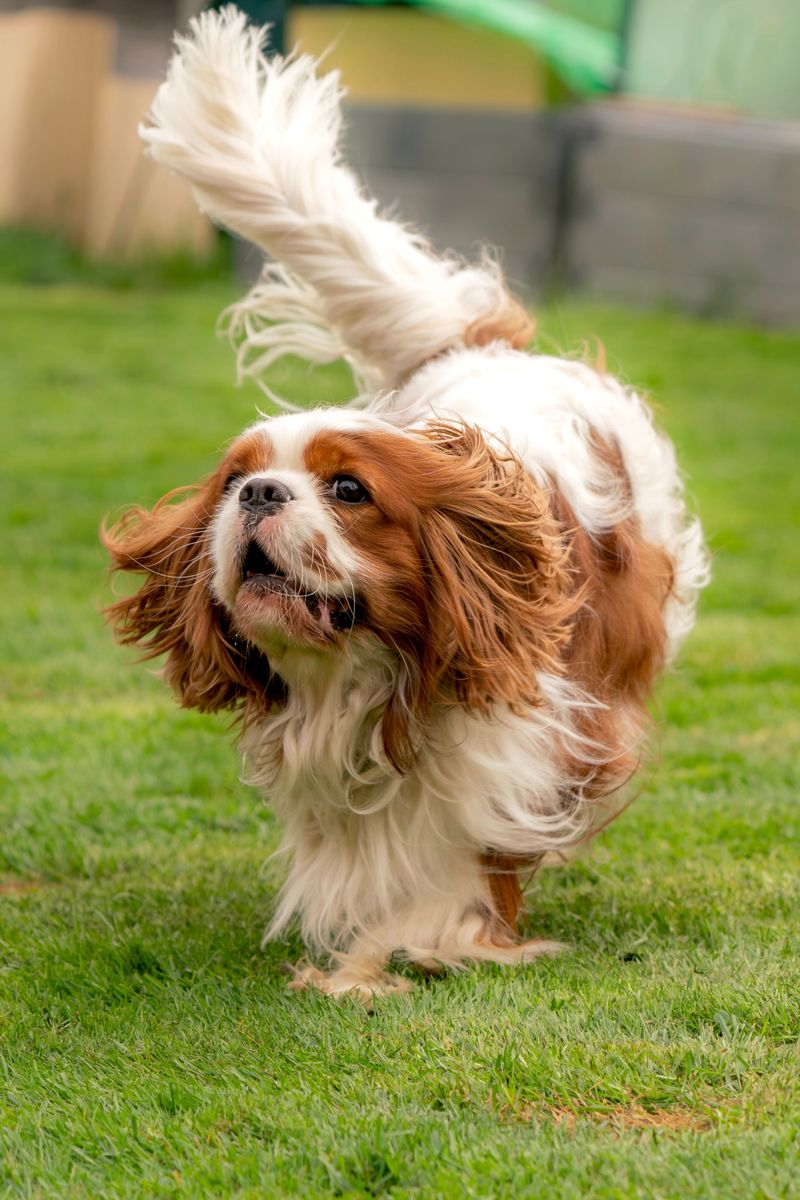
Few toy breeds are as relaxed about being handled as the Cavalier. Centuries spent as lapdogs for British nobility selected for a dog that welcomed touch and stayed calm through it.
A missed walk or a nail trim that ran long rarely leaves a Cavalier sulking. Most are ready for the next cuddle within minutes.
Their easy nature does come with a fair warning. Cavaliers are predisposed to mitral valve disease, so regular heart checks with a vet are a smart part of owning one.
Basset Hound
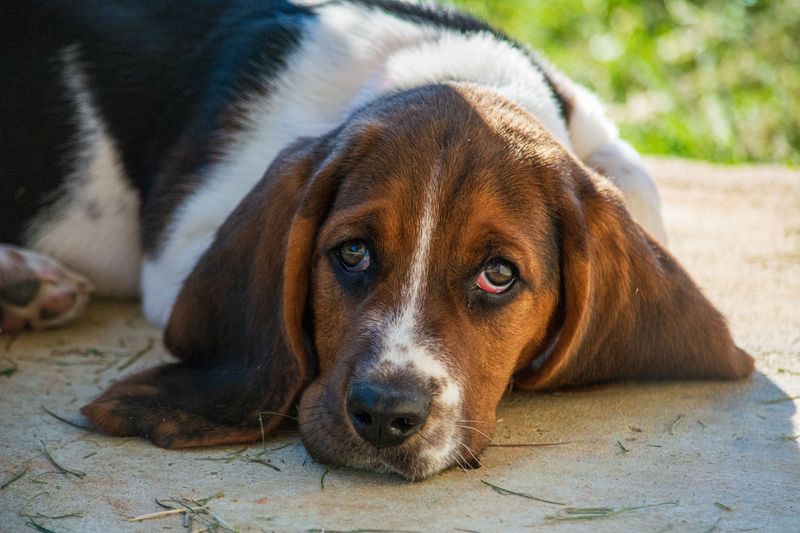
Bassets were built to follow scent slowly and patiently alongside hunters on foot, often in packs. Pack hounds that held grudges against each other did not make good teammates, so an easygoing outlook was part of the package.
The result is a dog that tends to shrug off life’s small annoyances. Bump into one, and you will probably get a mild glance and a return to napping.
Do not confuse that calm with eagerness to obey, though. A Basset may forgive you instantly and still ignore your recall if its nose finds something better.
Beagle
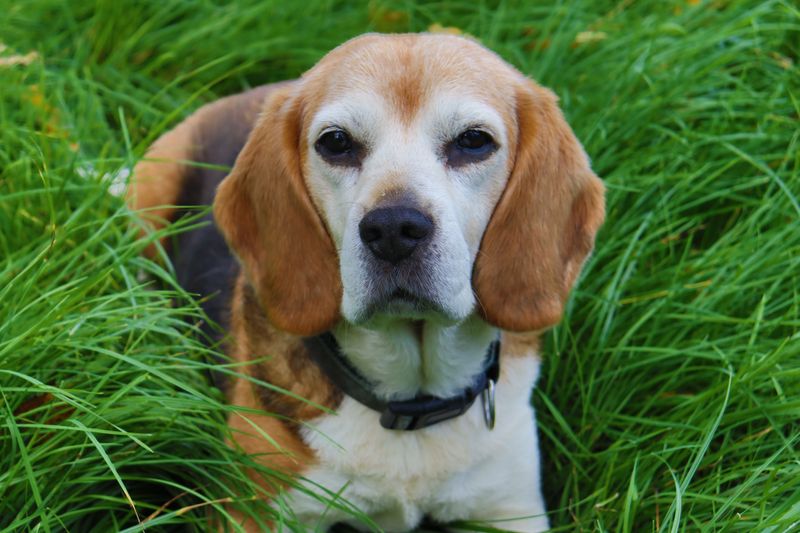
Here is a dog that will steal your sandwich, get scolded, and greet you like a long-lost friend ten seconds later. Beagles are classic pack scent hounds, selected to get along with dozens of other dogs and the people handling them.
That social flexibility makes most Beagles remarkably quick to reset after conflict. They rarely seem to file away small slights.
Their forgiveness has a flip side for training. Because scolding barely registers, food rewards and smart management, like keeping counters clear, work far better than corrections.
Newfoundland
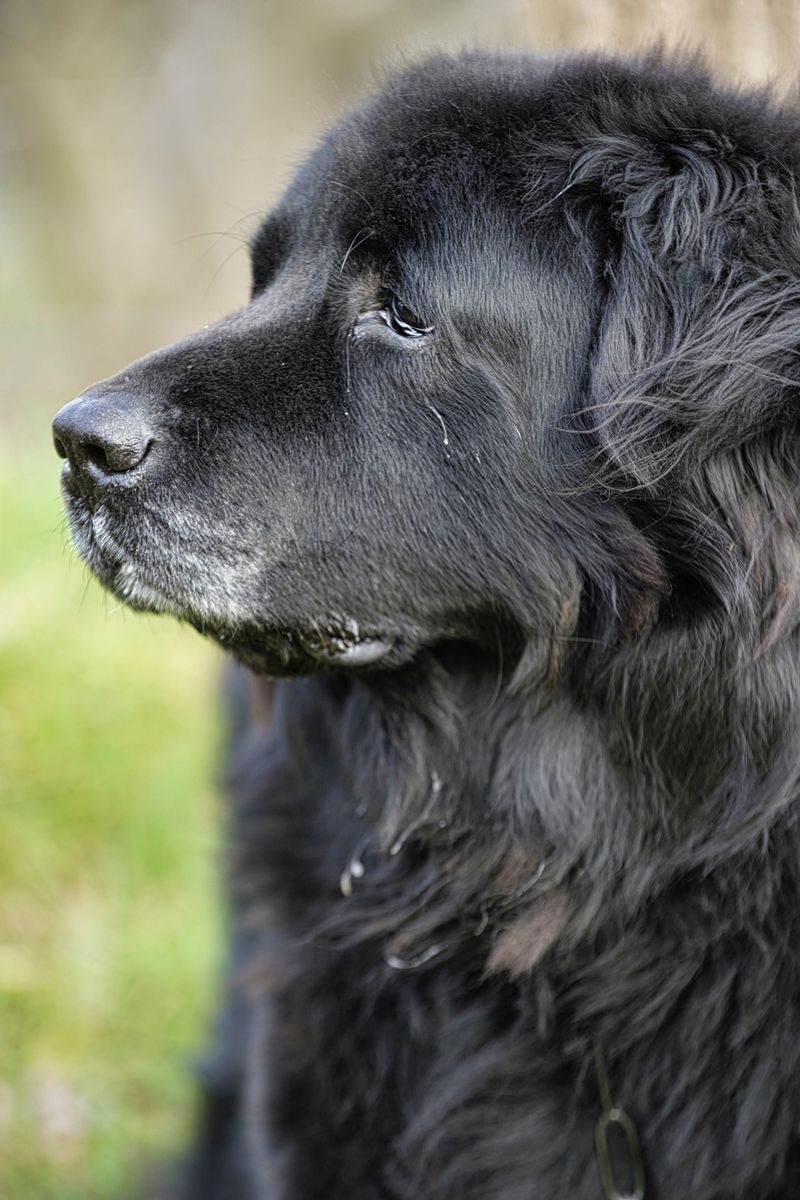
Weighing as much as 150 pounds, the Newfoundland could easily hold a grudge with authority. Instead, the breed is famous in its AKC standard for a sweet, gentle temperament.
Newfies were working dogs for fishermen, hauling nets and pulling people from rough water. A dog doing heavy, cooperative work alongside humans needed patience more than pride.
Many Newfoundlands tolerate toddlers, noisy households, and grooming sessions with impressive calm. Just be ready for drool, which no amount of forgiveness will stop.
Bernese Mountain Dog
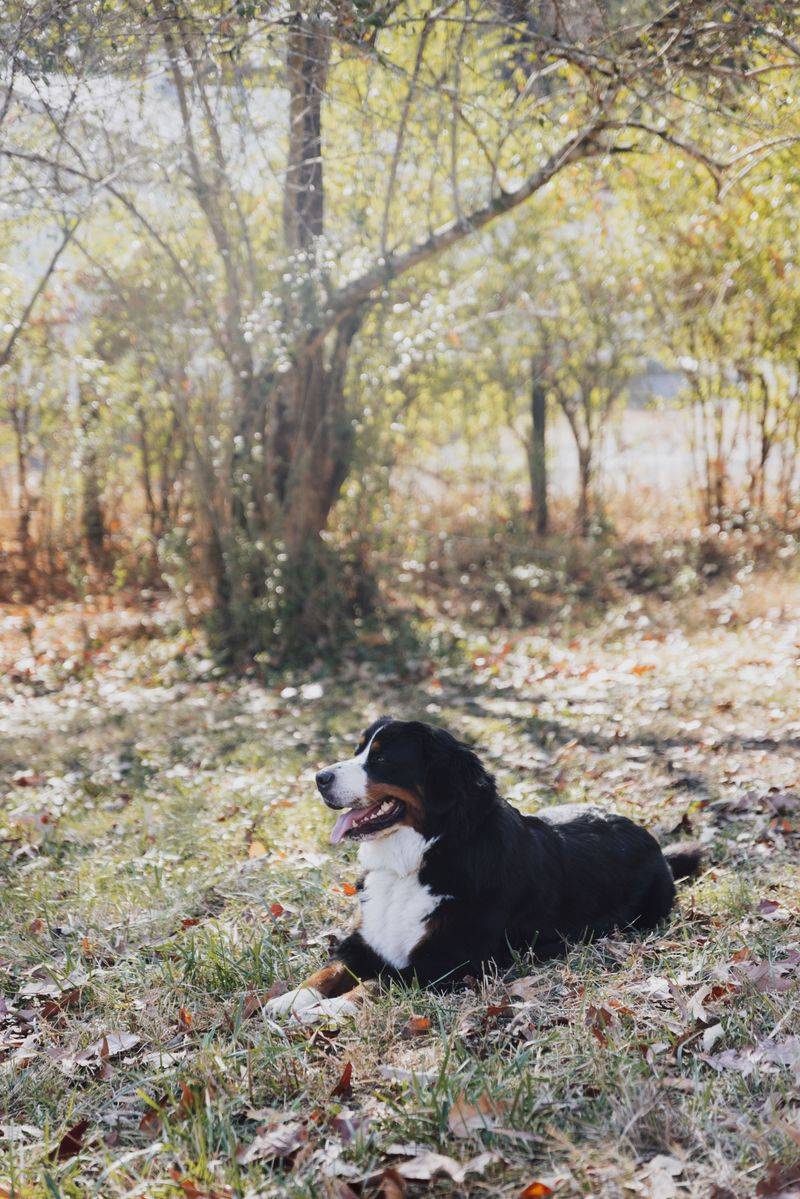
Swiss farmers needed a dog that could pull milk carts to market, watch the farm, and stay pleasant with everyone along the route. The Bernese Mountain Dog fit that role, and its steady, good-natured temperament remains a hallmark.
Berners often recover well from minor upsets like an accidental tail step or a bath they did not want. Many seem more interested in staying near their people than in staying offended.
Puppies can be a bit more sensitive, so gentle early handling and positive vet visits help that adult calm develop.
Boxer
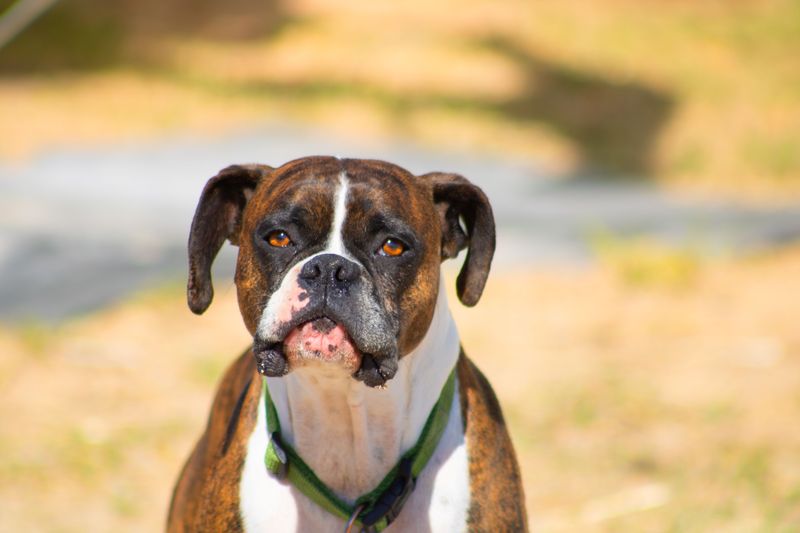
Bouncy, goofy, and slow to mature, Boxers often act like puppies until age three or so. That playful streak comes with a remarkably short memory for minor squabbles.
A Boxer who gets told off for jumping usually bounces right back, sometimes literally. Their emotional reset button is pressed often and quickly.
Under the clowning is a breed with a guarding history, so early socialization helps that confidence stay friendly. Once settled, many Boxers are patient and tolerant with the kids they know.
Pug
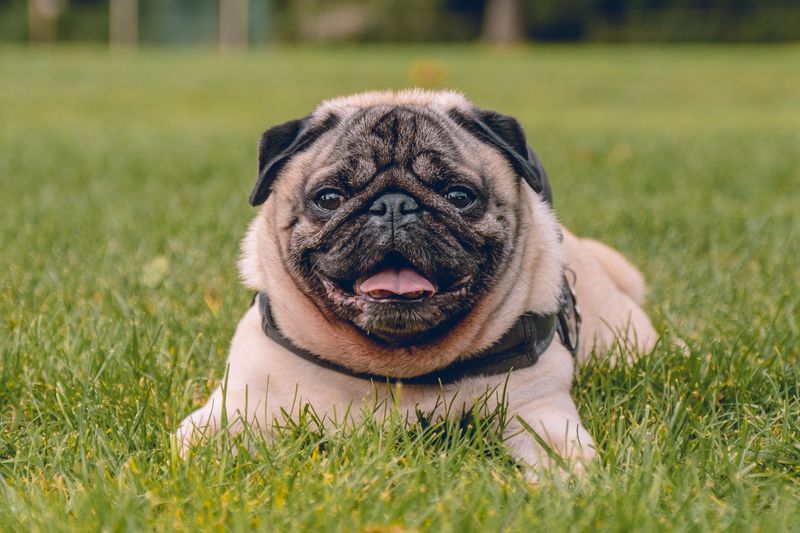
The Chinese saying multum in parvo, or a lot in a little, is the Pug’s official motto, and it fits their mood too. Bred purely as companions for emperors, Pugs have never had a job other than enjoying people.
Most Pugs do not dwell on minor annoyances. They are more likely to follow you to the next room than to hide after a mishap.
Their flat faces make them prone to breathing trouble and overheating, so what looks like sulking on a hot day may be fatigue. Keep walks cool and short in summer.
Bichon Frise
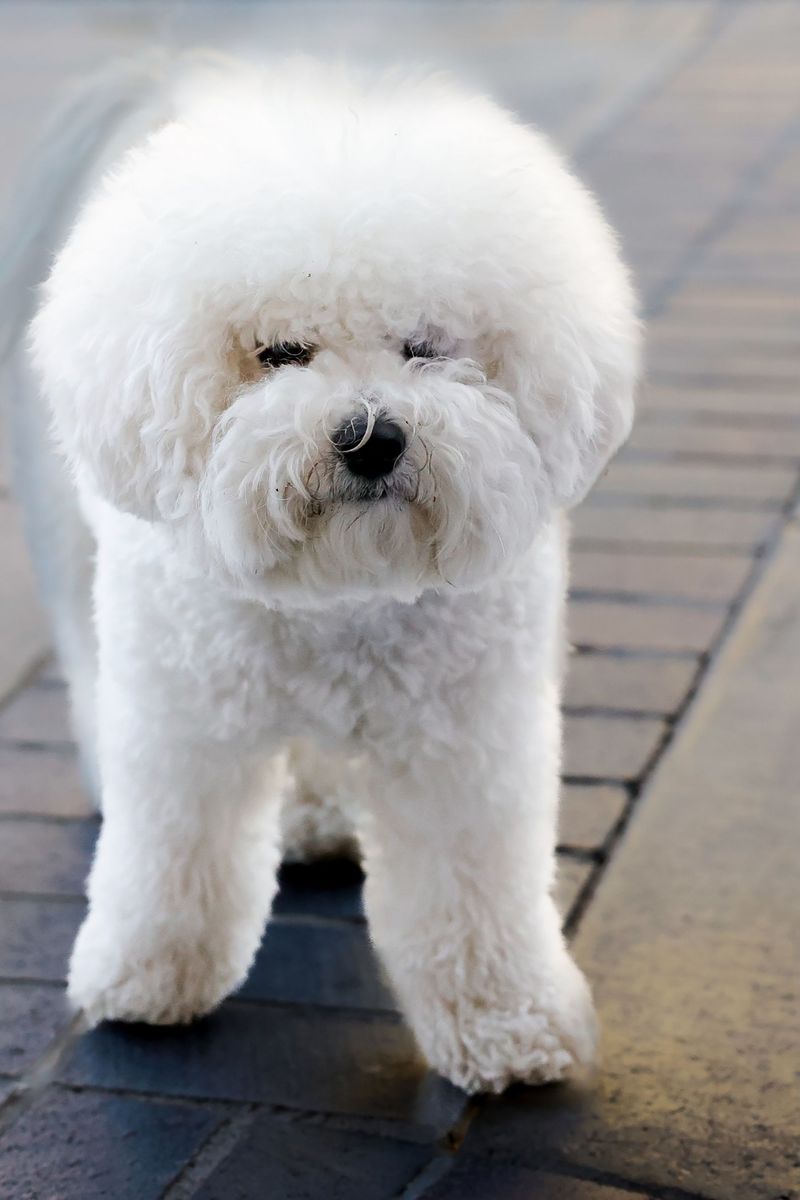
Grooming is where the Bichon’s easygoing side really earns respect. That white powder-puff coat needs frequent brushing and professional trims, and most Bichons accept the routine with good humor.
Historically, Bichon-type dogs entertained in European courts and later performed with street entertainers and circuses. A performer that sulked after every mistake would not last long.
Bichons can be prone to separation stress, though. Forgiving you for being late is easier for them than being left alone all day.
Collie
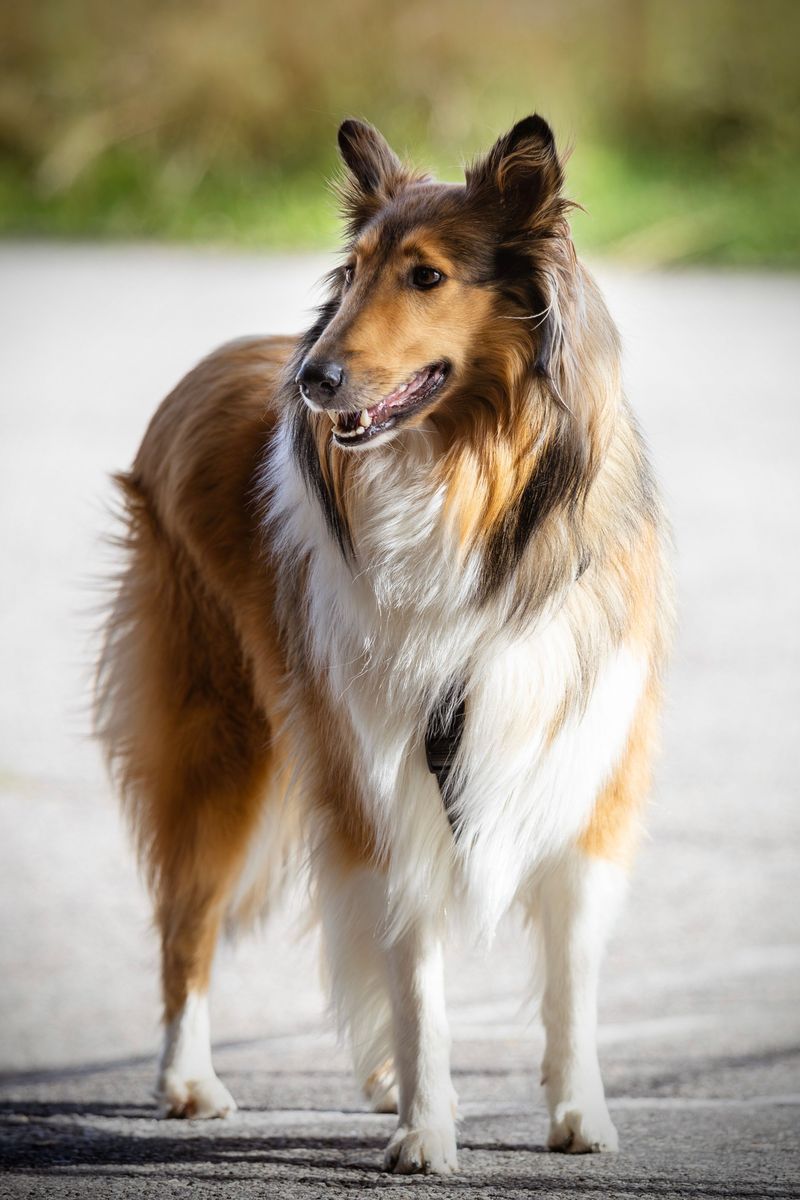
Lassie made the Collie famous, but real Collies earned their reputation on Scottish farms. Herding sheep alongside a shepherd every day required a dog that cooperated through frustrating moments.
Collies tend to be sensitive to tone yet quick to reconnect once the mood softens. They often seem more eager to repair the relationship than to avoid you.
Herding dogs can nip at heels or circle children. Redirecting that instinct with games works better than scolding a dog that cares so much about your reaction.
Irish Setter
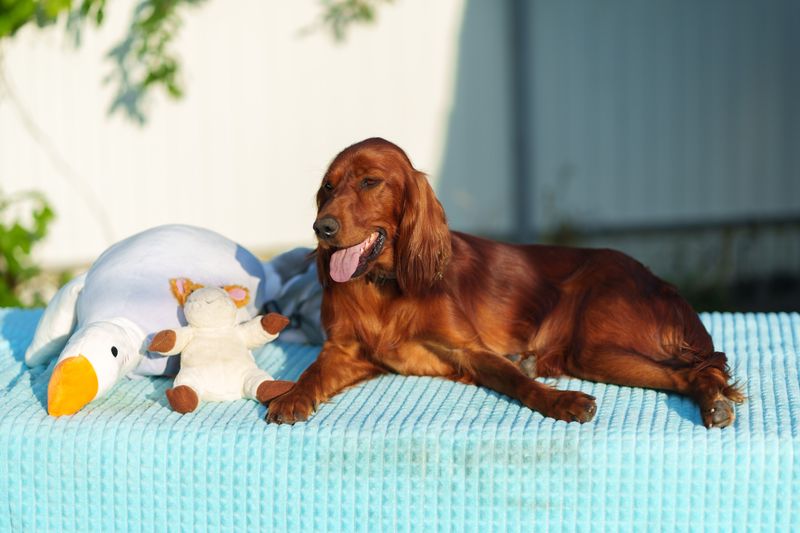
That glossy red coat often comes with a happy-go-lucky outlook. Irish Setters were bred to range widely ahead of bird hunters, and a forgiving, outgoing personality helped them work with different handlers.
Many Setters stay adolescent in spirit for years. A correction might register for a moment, then the tail starts swinging again.
Their energy is the real challenge. A Setter without daily running is more likely to invent its own fun, which you may be the one forgiving.
Great Dane
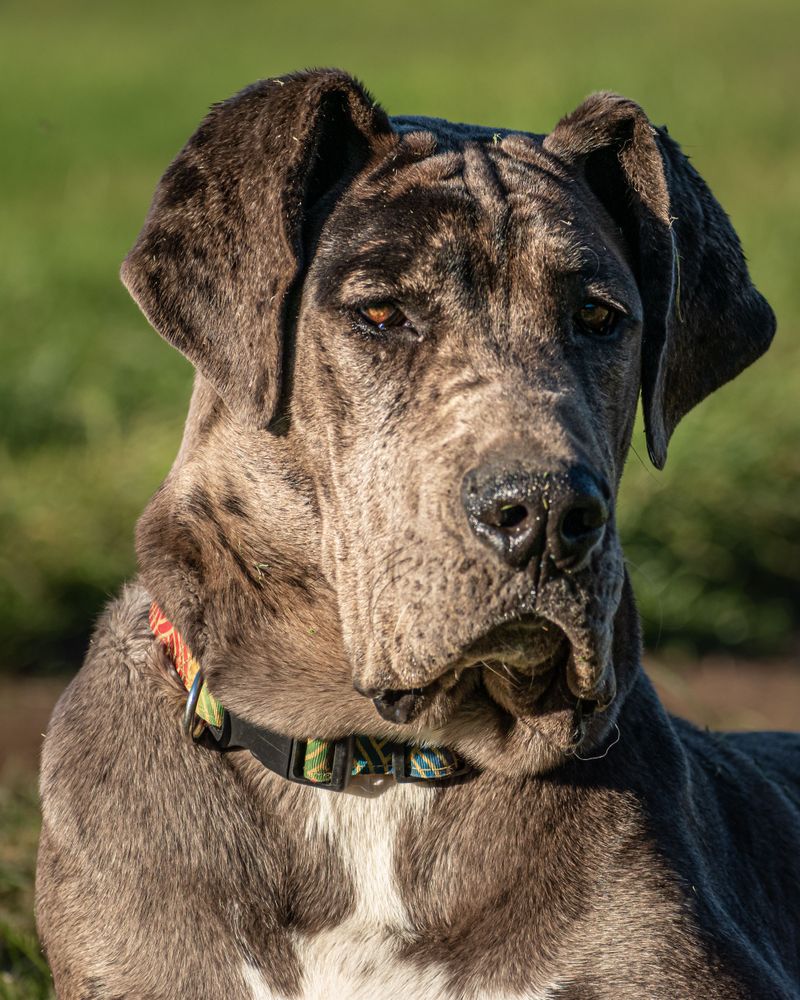
Picture a dog the size of a small pony that is often startled by a plastic bag. Great Danes can be surprisingly soft-hearted, but most recover from small scares and bumps without lasting worry.
Bred originally to hunt wild boar, the modern Dane was refined into a calmer companion. The AKC describes the breed as friendly and dependable.
Size makes early socialization essential. A confident, well-handled Dane is far easier to live with than a nervous one.
Old English Sheepdog
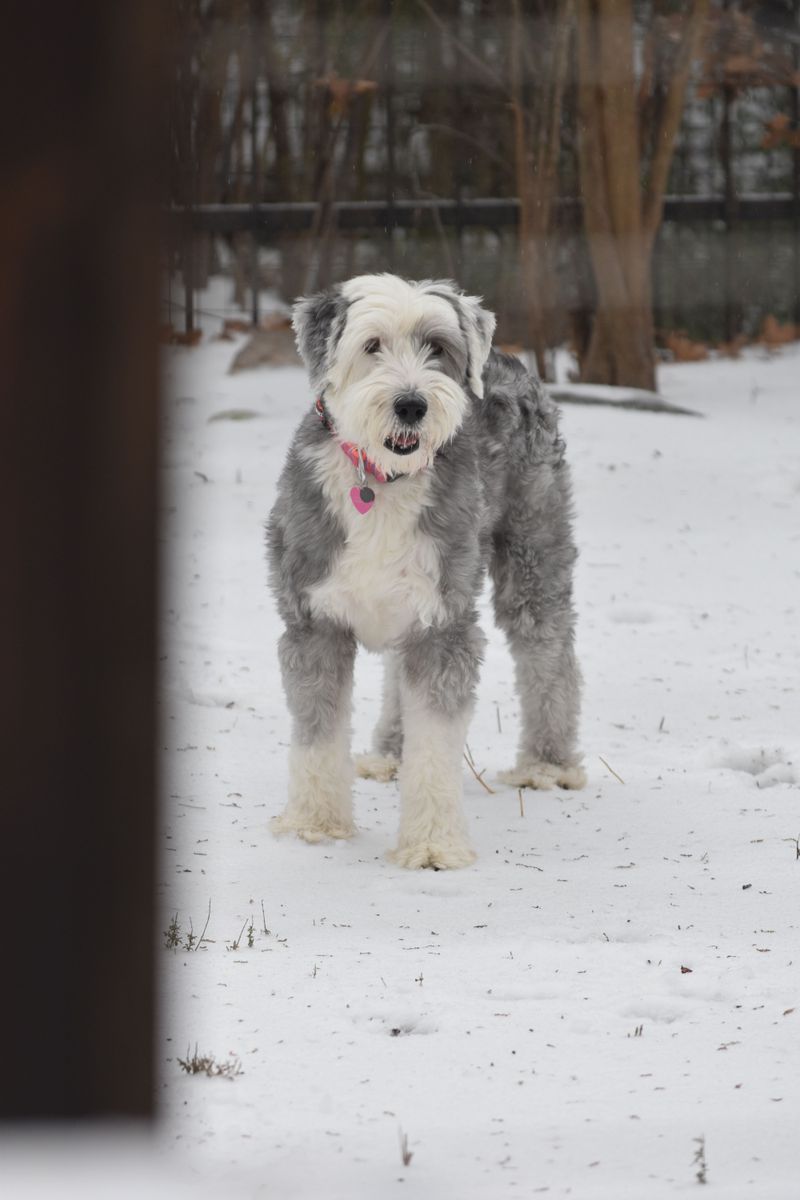
Under all that shaggy hair lives one of dogdom’s great comedians. Old English Sheepdogs were drovers, moving livestock to market in England, and they kept a cheerful, adaptable temperament.
Many Sheepdogs take accidental tugs during brushing or noisy households in stride. They tend to reset quickly and go back to clowning.
That coat is a serious commitment. Matting can turn grooming into a painful chore, so regular brushing keeps the experience pleasant for both of you.
Havanese
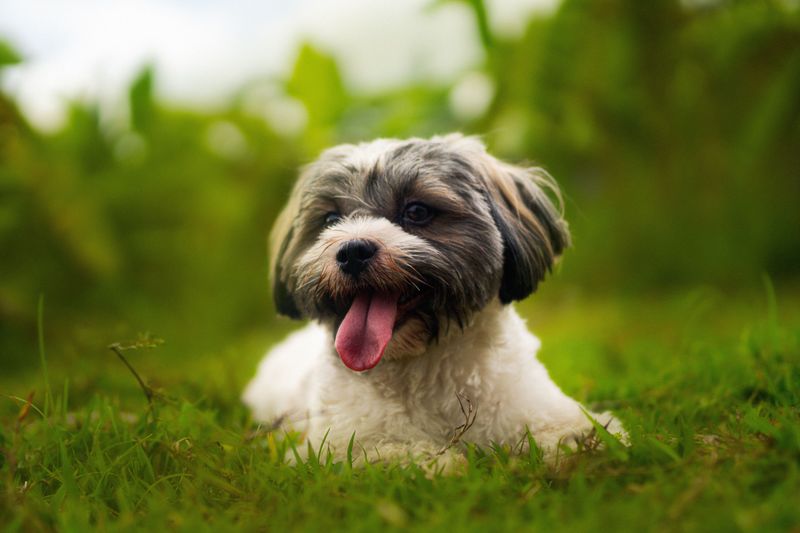
Cuba’s national dog adapts to almost anything, from small apartments to busy family homes. Havanese were companions to Cuban aristocracy and are bred for sociability rather than work.
Most bounce back quickly from minor mishaps and are known for learning tricks with enthusiasm. Their quick reset makes training sessions fun.
Like other companion breeds, they often prefer company. Forgiveness comes easy; long hours alone, less so.
Shiba Inu
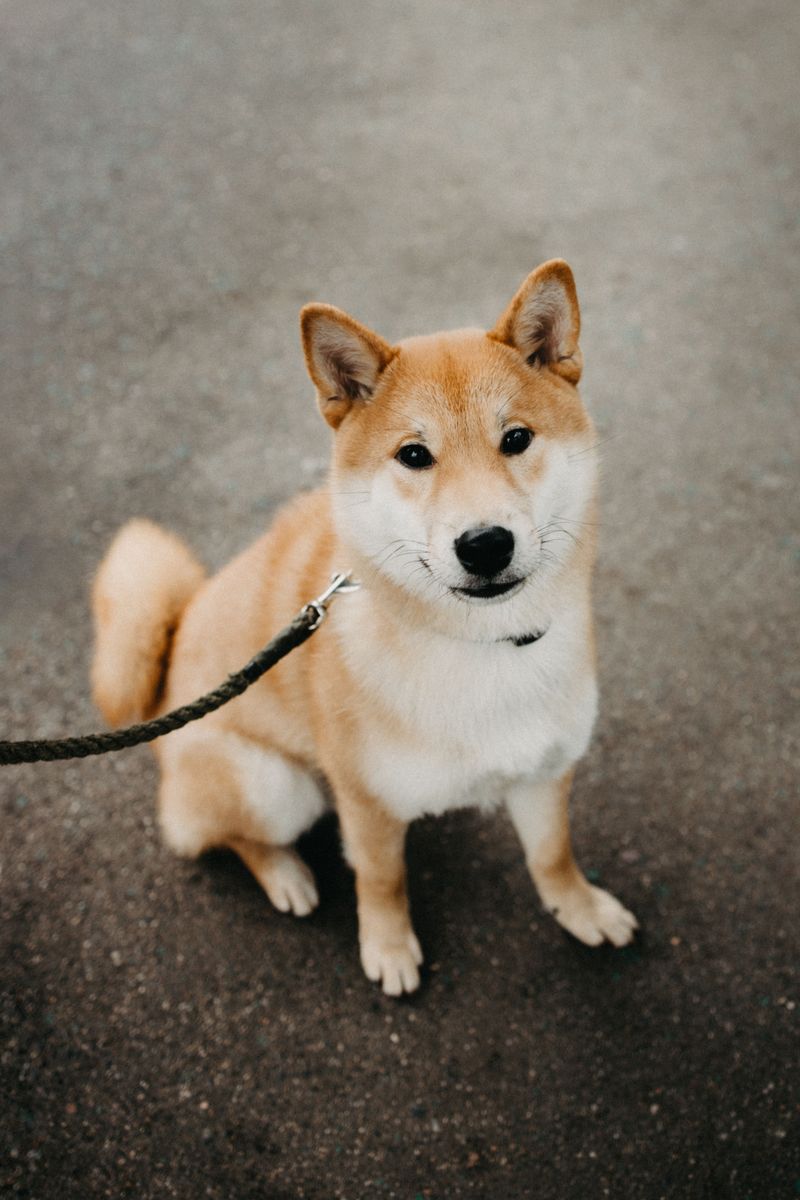
Here the list shifts. The Shiba Inu is one of the oldest Japanese breeds, and its independent, cat-like nature makes it far less likely to shrug off a bad experience.
Shibas are famous for dramatic reactions to handling they dislike, such as nail trims. One rough session can make the next one much harder, sometimes for a long time.
Slow, reward-based handling from puppyhood helps a lot. With a Shiba, earning trust is slow, and losing it can be quick.
Chow Chow
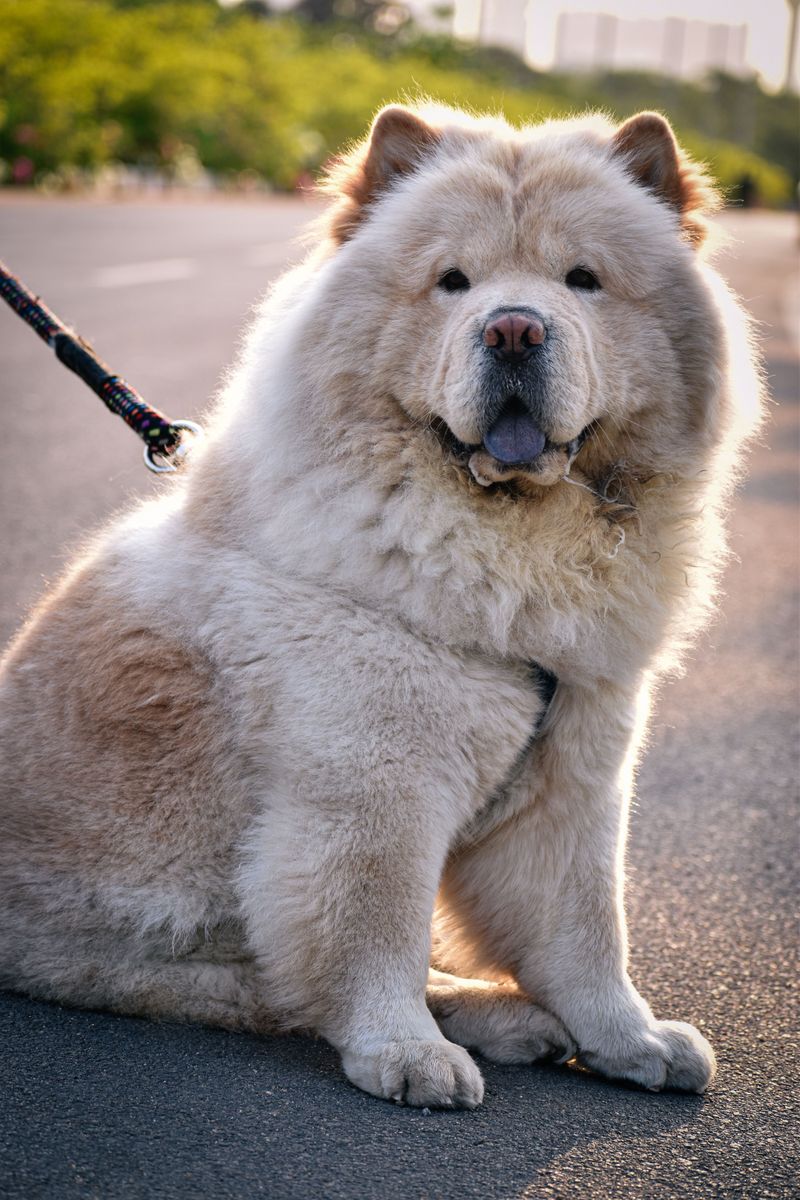
Dignified and reserved, the Chow Chow chooses its people carefully. The AKC describes the breed as aloof with strangers, and that caution can extend to anyone who has given it reason to doubt.
Rough handling or a frightening encounter may lead to long-lasting wariness. Chows often remember who was gentle and who was not.
Early, calm socialization and respect for personal space make a real difference. A trusted Chow can be deeply devoted, just not quickly.
Akita
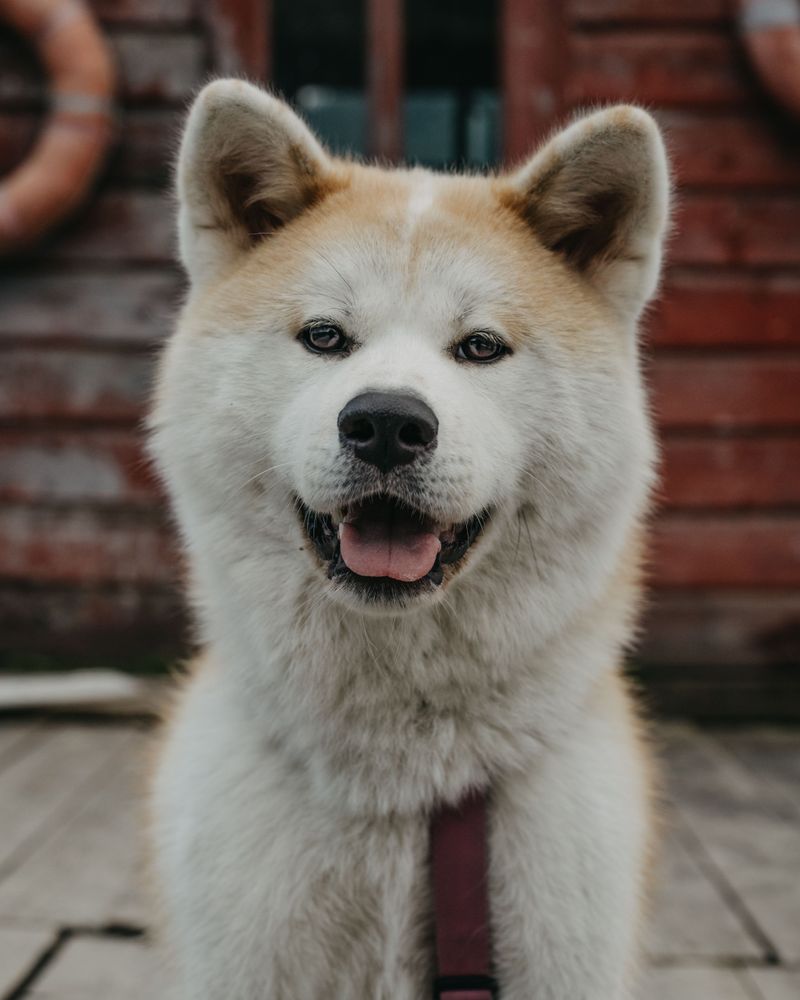
Hachiko, the Akita who waited at a Tokyo train station for years, is a story about memory. That same capacity to remember can apply to unpleasant moments too.
Akitas were bred in Japan for guarding and hunting large game. They tend to be confident, reserved with strangers, and sometimes intolerant of other dogs, especially of the same sex.
A dog that had a bad experience with another dog may stay cautious around similar dogs. Thoughtful socialization and an experienced owner help keep that memory from shaping behavior.
Chihuahua
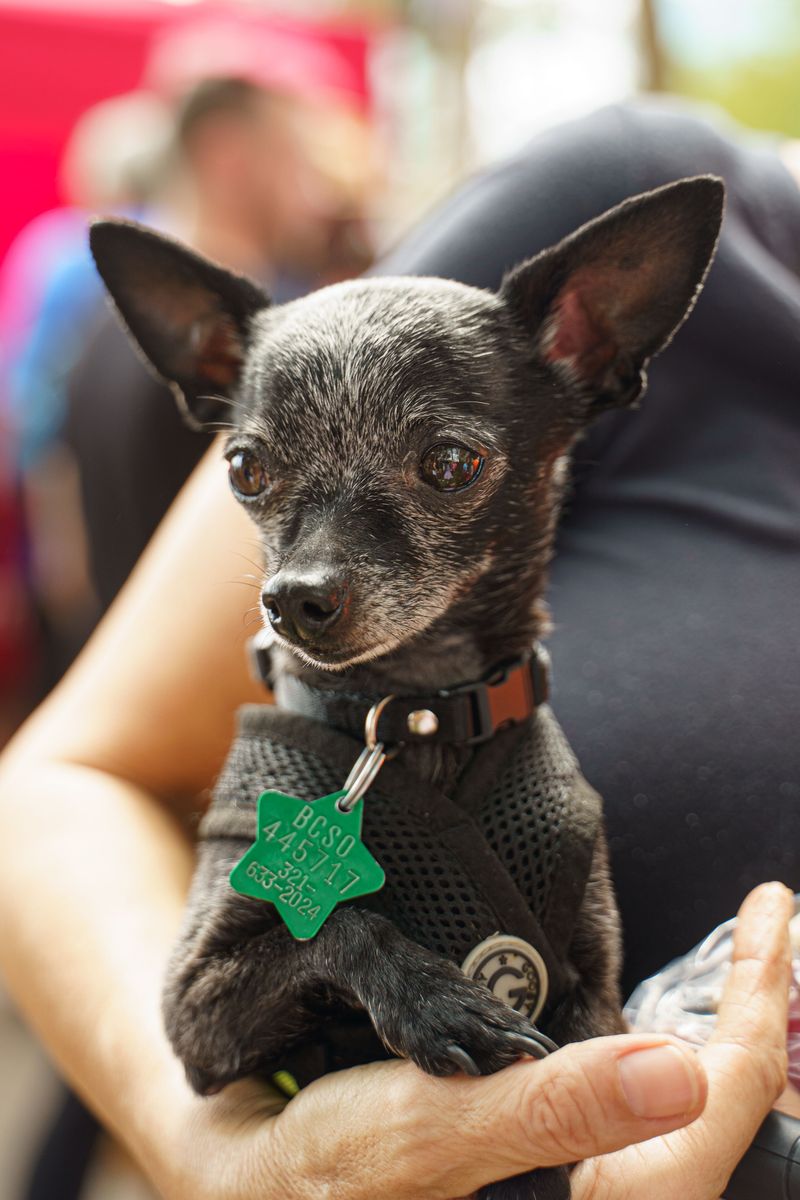
When you weigh six pounds, the world feels big. Many Chihuahuas become wary after being stepped on, grabbed suddenly, or handled roughly, and that wariness can stick.
Nervous snapping in small dogs is often fear, not attitude. Because people tend to scoop tiny dogs up without warning, Chihuahuas can learn to expect surprise handling.
Letting them approach on their own terms and rewarding calm interactions builds confidence. Treat a Chihuahua like a real dog with real feelings, and trust tends to grow.
Every breed on this list shows a tendency, not a rule. Patience and kind handling help any dog recover from the rough days.