
Some dogs thrive when there is one calm, confident person guiding the pack. Without steady leadership, these powerhouse breeds can become pushy, stubborn, or anxious, leaving you both frustrated.
With clear direction though, they shine with loyalty, focus, and incredible heart. If you want a strong partner who respects your guidance, these breeds can be a dream match when you step up as the reliable leader they crave.
Belgian Malinois
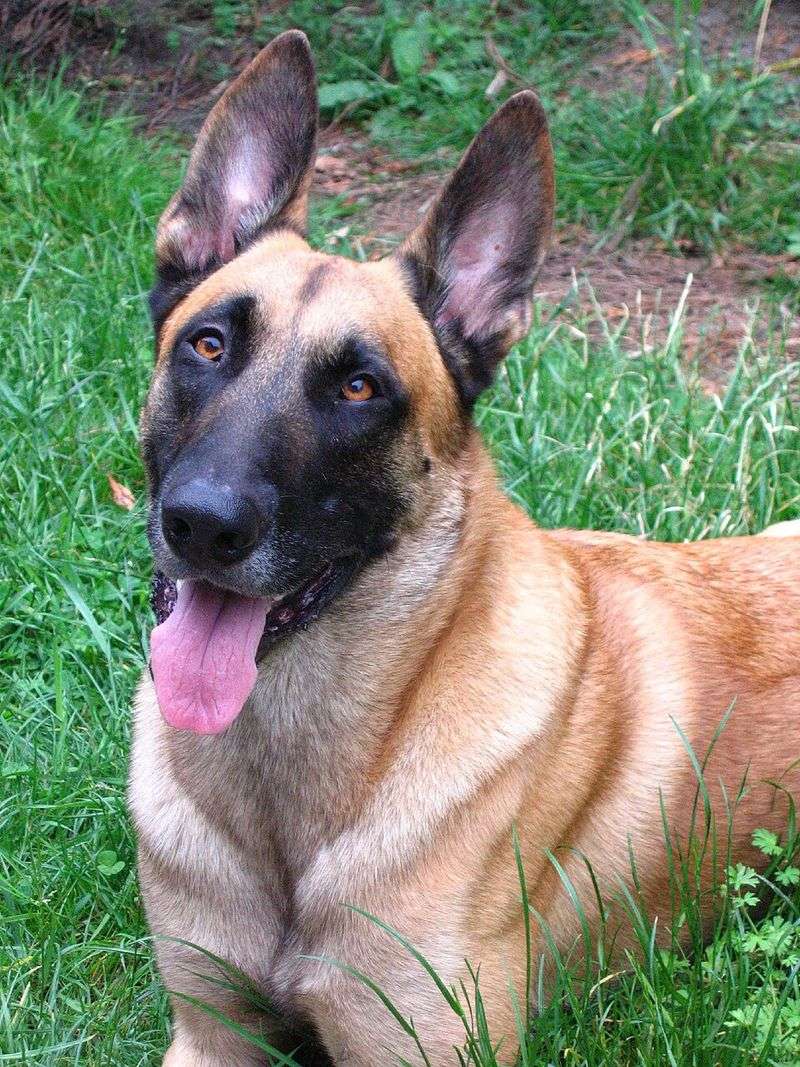
The Belgian Malinois is a high-drive athlete that locks onto a confident leader. You will feel their intensity during training, where fairness and consistency matter most.
Without structure, their sharp mind invents jobs you might not appreciate.
Daily exercise with purposeful work keeps them balanced. Think tracking games, protection sport foundations, or advanced obedience.
Clear boundaries reduce reactivity and channel energy into excellent focus and teamwork.
Early socialization prevents pushiness and suspicion. They thrive with calm handling, short sessions, and immediate feedback.
If you love routine, this dog rewards you with devotion, speed, and incredible trainability.
Cane Corso
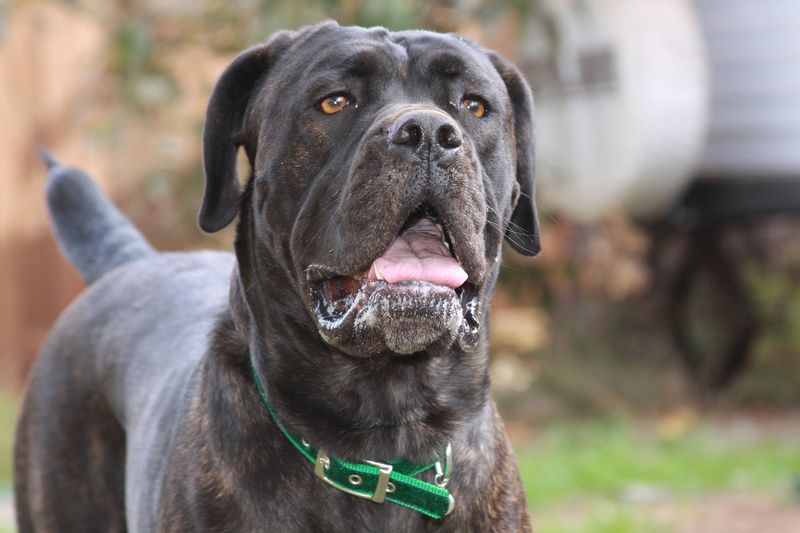
The Cane Corso is a guardian that reads your confidence like a book. If you are decisive and calm, they relax and follow suit.
Insecurity invites them to take charge, which can overwhelm inexperienced owners.
They need clear household rules, leash manners, and polite greetings. Short, structured training prevents pushiness and mouthiness.
Mental work like place commands, impulse control, and scent games keeps them settled.
Early, careful socialization is essential to avoid overprotectiveness. Consistency with visitors, thresholds, and feeding rituals builds trust.
Give steady direction, and the Corso becomes a dignified, affectionate protector.
Rottweiler
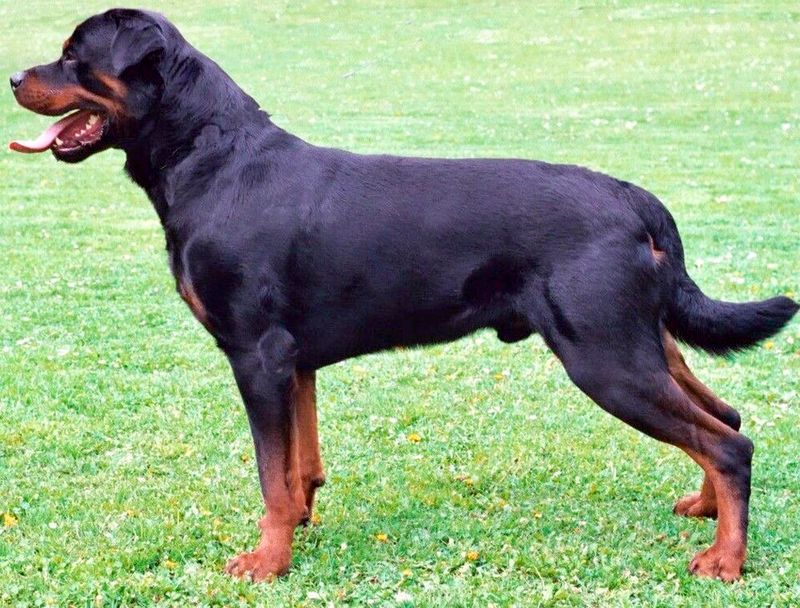
Rottweilers are thoughtful workers who respond to firmness paired with kindness. They notice hesitation and may test boundaries with body language.
Consistent routines, clear markers, and fair corrections create mutual respect.
They excel in obedience, scent work, and carting when guidance is steady. Daily structure reduces guarding impulses and reactivity.
Teach neutrality around strangers and other dogs through calm exposure.
Prioritize loose-leash walking, doorway manners, and place training. Keep sessions upbeat yet precise to prevent boredom.
With a stable leader, the Rottie is affectionate, reliable, and impressively biddable.
Akita
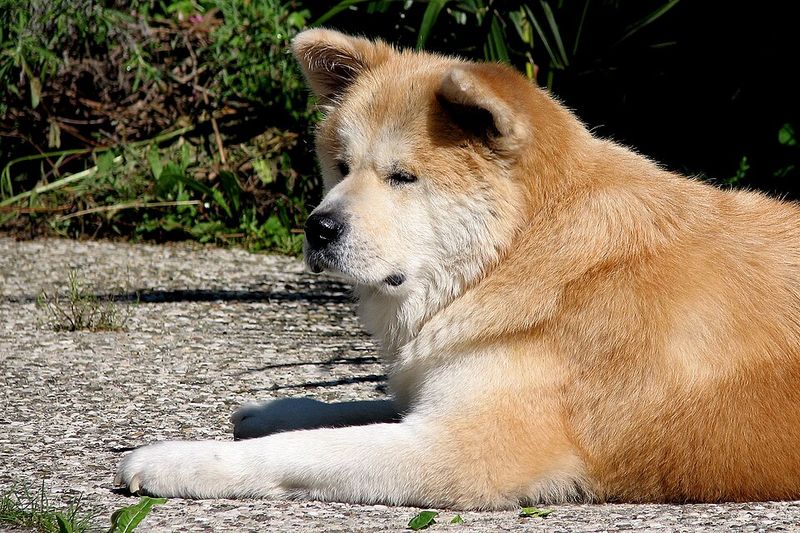
The Akita is dignified, independent, and not easily impressed. They respect calm authority and clear rules.
Harshness shuts them down, while inconsistency invites stubbornness.
Short, purposeful sessions build cooperation. Practice recall from low-distraction environments and reinforce generously.
Manage introductions carefully, as many Akitas prefer limited dog interactions.
Teach door and food routines to reduce guarding tendencies. Daily mental games and structured walks maintain harmony.
With a steady leader, the Akita’s loyalty feels deep and quietly profound.
Chow Chow
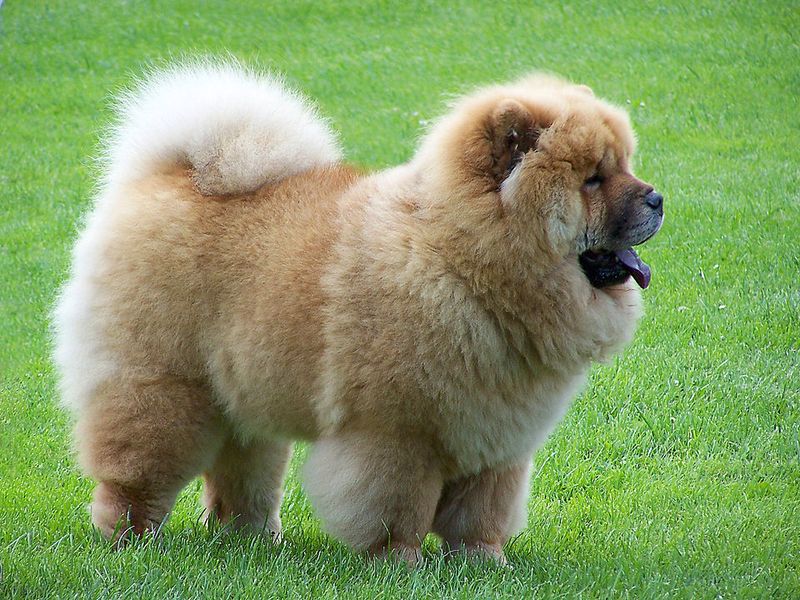
Chow Chows carry an aloof, catlike independence. They thrive when boundaries are simple, predictable, and nonnegotiable.
Overbearing methods erode trust, while clarity earns cooperation.
Focus on polite handling for grooming and vet care. Teach consent cues, stationing on a mat, and relaxed muzzle training.
Early, neutral social exposure reduces wariness without forcing interaction.
Keep sessions brief and calm, rewarding compliance with quiet praise. Leadership here means steady routines, not constant control.
Given respectful guidance, a Chow becomes a composed, loyal housemate.
Shiba Inu
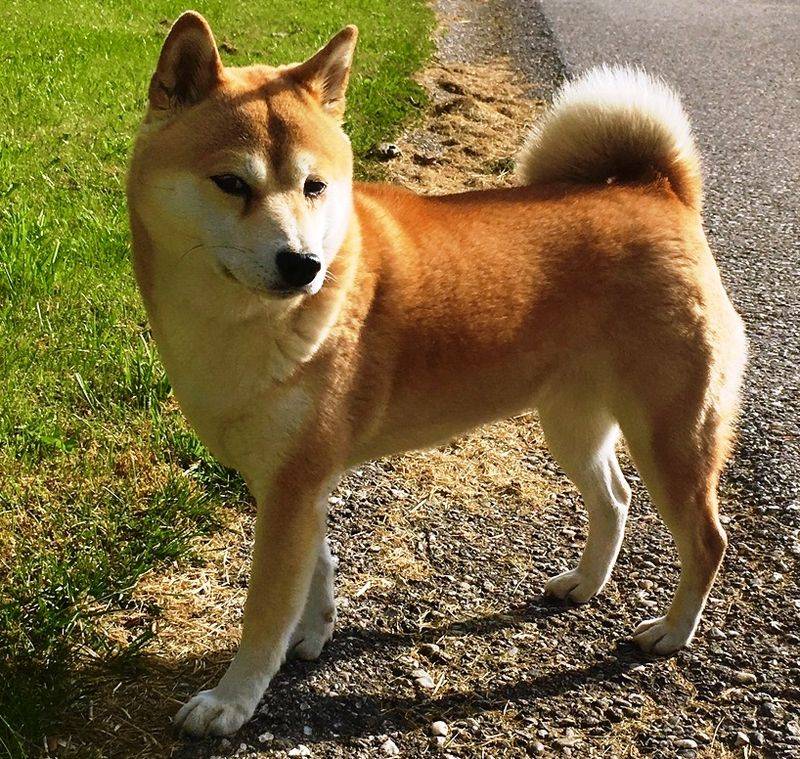
The Shiba Inu is clever and self-directed, which makes leadership important. You will need patience, humor, and tight management to prevent escape artistry.
Overuse of corrections can backfire.
Emphasize games that reward coming when called and offering attention. Use long-lines, secure fences, and high-value reinforcers.
Keep training snappy and novel to outsmart boredom.
Teach calm handling for nails and harnesses early. Structured walks and clear house rules prevent chaos.
When expectations are consistent, the Shiba becomes a charming companion with a mischievous sparkle.
Australian Cattle Dog
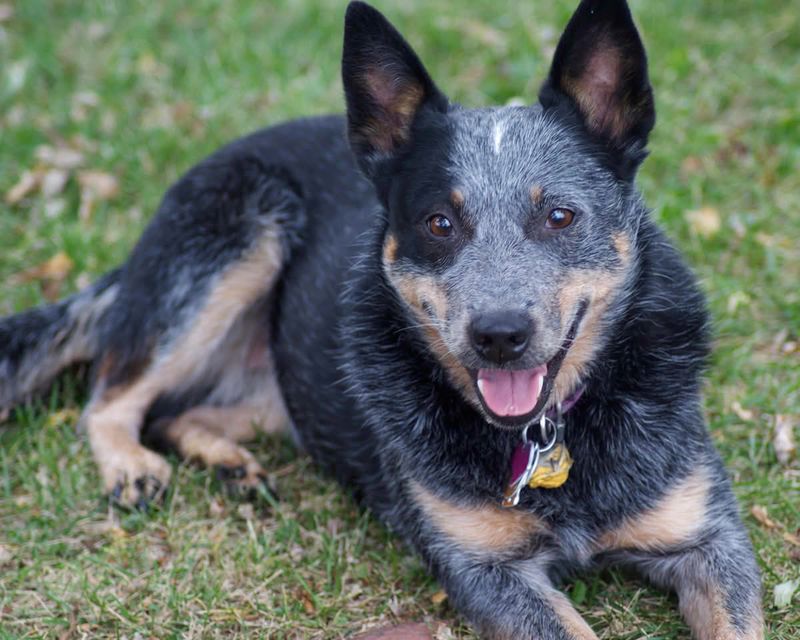
Australian Cattle Dogs are problem solvers built for tough jobs. They need tasks, not chaos.
Without leadership and structure, herding instincts turn into nipping or chasing.
Channel drive into obedience, treibball, or scent games. Use clear markers and reward placement to build precision.
Daily mental and physical work prevents frustration.
Set rules for doorways, bikes, and kids to manage impulses. Keep sessions short, fast, and fun.
With one steady leader, this dog becomes a gritty, loyal partner who never phones it in.
Siberian Husky
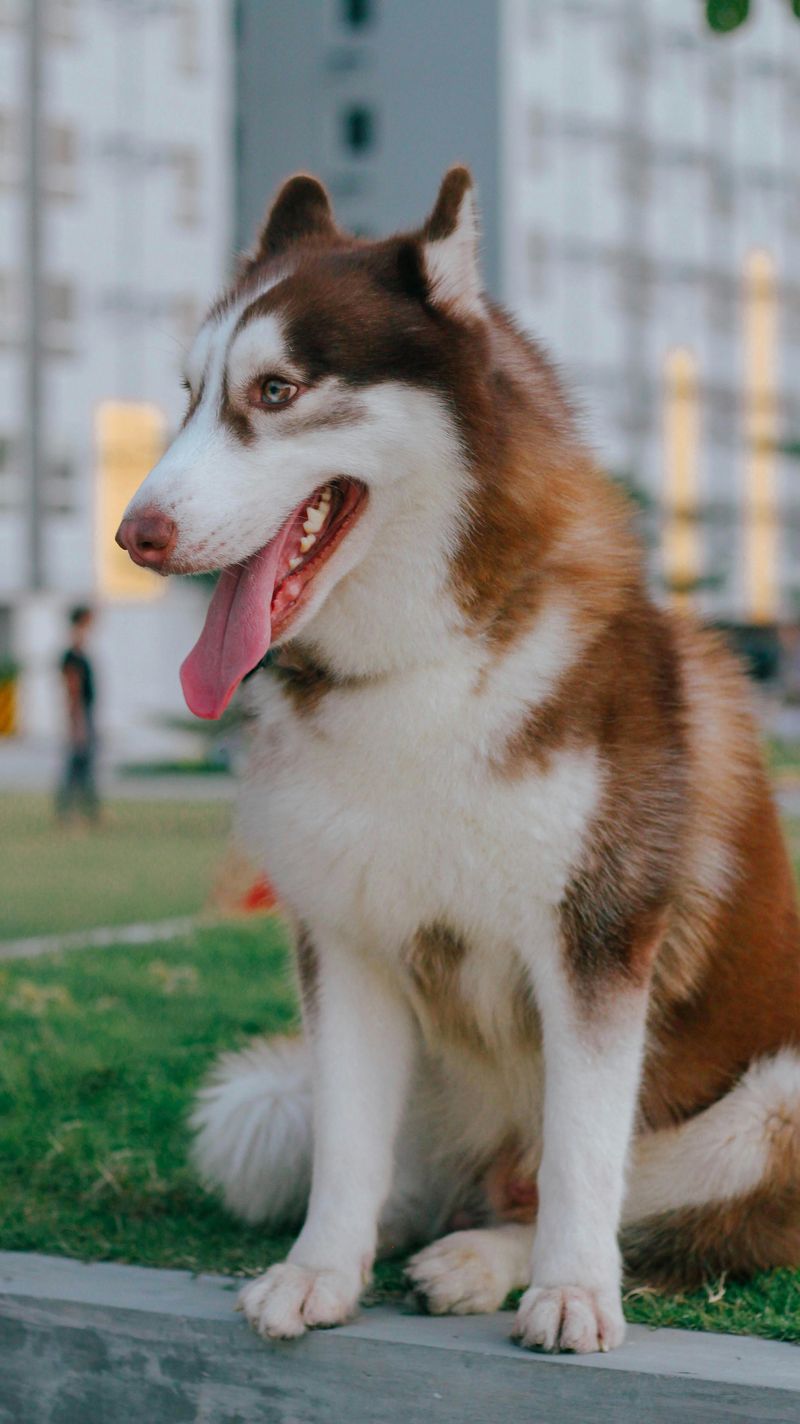
Siberian Huskies love freedom and movement. Leadership means setting fair limits on that wanderlust.
Without it, expect pulling, escaping, and selective hearing.
Teach leash skills with consistent reinforcement and front-clip gear. Provide outlets like canicross, bikejor, or skijor to satisfy work drive.
Rotate enrichment to keep their brains engaged.
Recall training remains management heavy, so use long-lines and secure areas. Maintain predictable routines around feeding and rest.
With clear boundaries, the Husky stays joyful, vocal, and wonderfully cooperative.
Alaskan Malamute
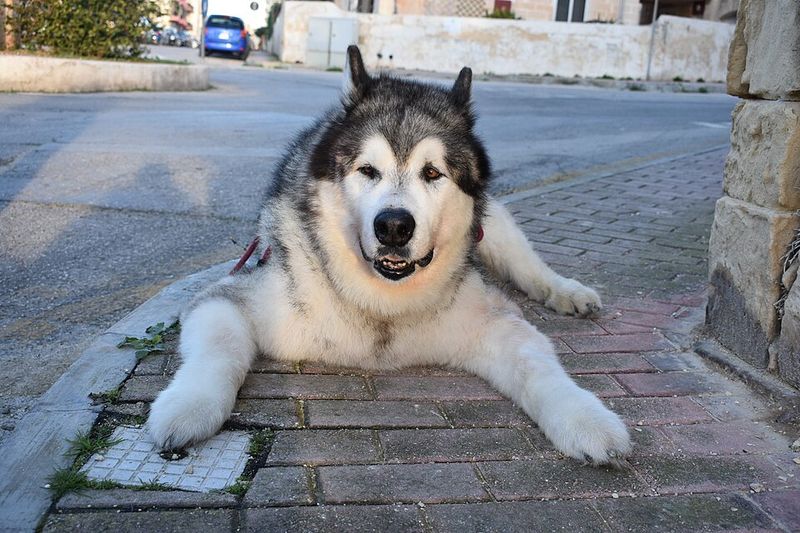
Alaskan Malamutes are strong, social, and exuberant. They respect leaders who are steady and fair.
Inconsistency invites pulling, mouthing, and rowdy behavior.
Structured exercise like weight pulls or backpacking helps balance their power. Practice neutrality around other dogs to curb posturing.
Reinforce calm greetings and impulse control before doors and food.
Use management for recall and protect against resource guarding early. Keep training upbeat, with clear criteria and short intervals.
With consistent guidance, the Malamute becomes a gentle giant with serious work ethic.
Giant Schnauzer
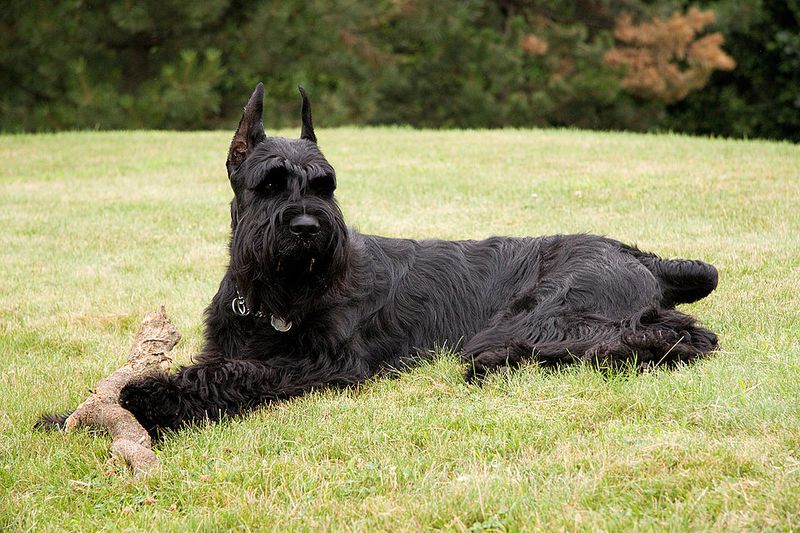
The Giant Schnauzer is intense, smart, and commanding. They test boundaries and require crystal-clear rules.
A calm leader prevents pushy behaviors like crowding or shouldering.
They excel in obedience, protection sport foundations, and tracking. Use clear markers, consistent criteria, and structured play.
Break complex tasks into short, focused reps.
Social exposure should be purposeful, not chaotic. Teach neutrality, place work, and precise heeling.
With unwavering guidance, the Giant channels power into impressive, controlled performance.
Rhodesian Ridgeback
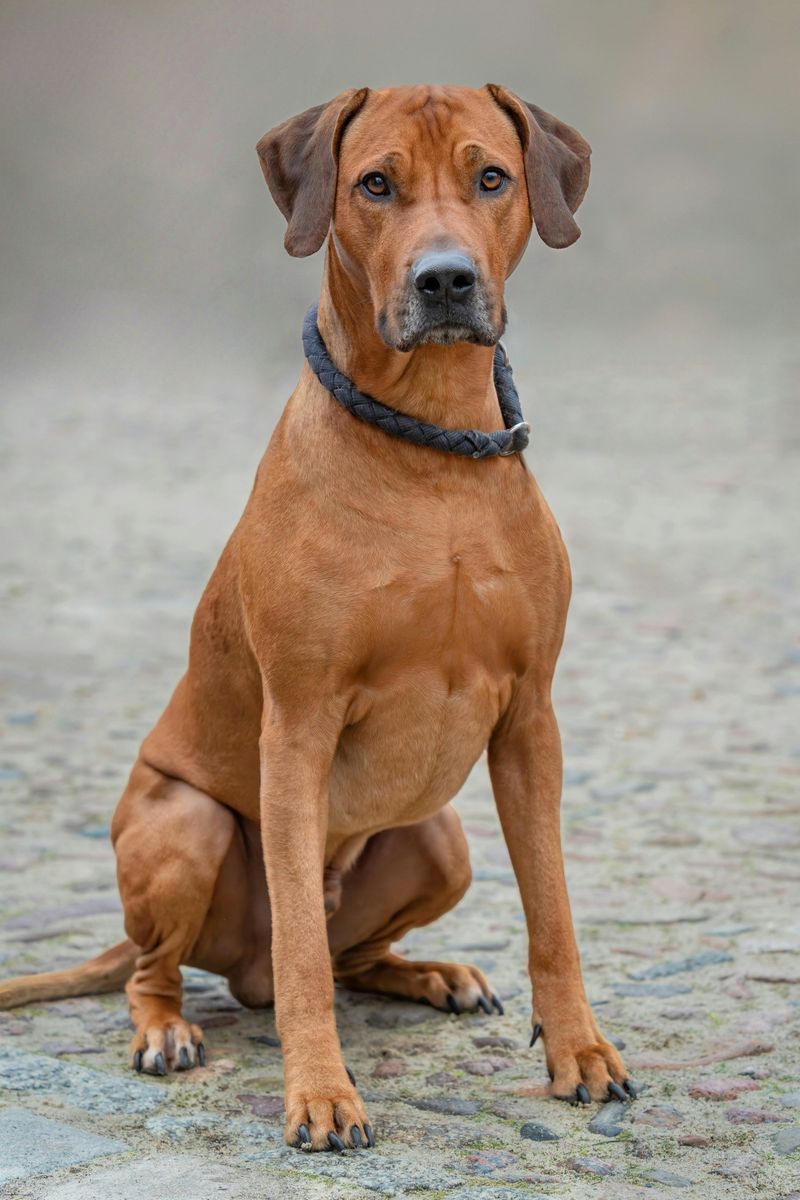
Rhodesian Ridgebacks are independent hunters that appreciate decisive leadership. They can be aloof and selectively obedient.
Consistent expectations make them shine.
Balance endurance exercise with calm indoor structure. Teach rock-solid recall using long-lines and controlled distractions.
Practice impulse control at doors, car exits, and feeding time.
Keep training varied and meaningful, not repetitive drills. Reward thoughtful choices and steady eye contact.
With a clear, patient leader, the Ridgeback becomes a dignified, affectionate adventure buddy.
Doberman Pinscher
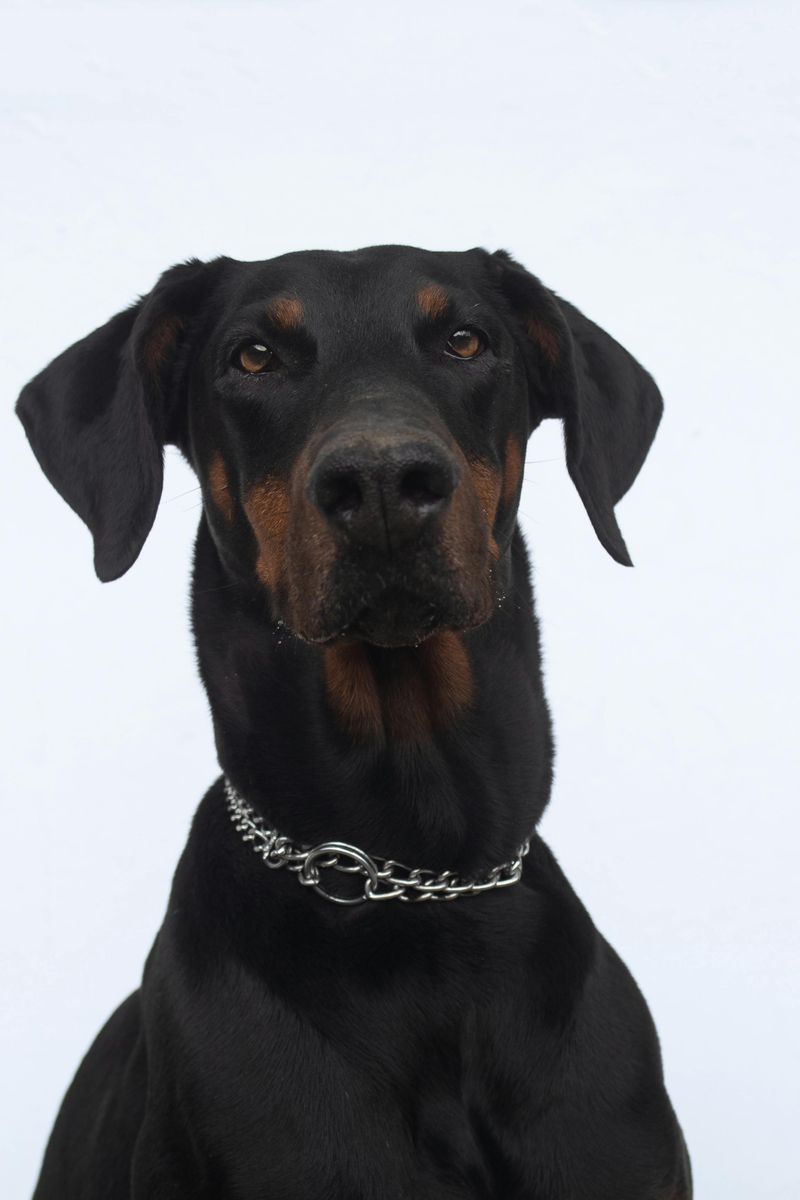
The Doberman craves clarity and thrives under precise leadership. Without direction, they can become anxious or controlling.
Fair boundaries and consistent routines build confidence.
They love structured obedience, scent work, and bite-sport foundations with ethical training. Short sessions with crisp communication beat marathon drills.
Social neutrality matters as much as friendliness.
Teach off-switch behaviors like place and relaxed leash walking. Reward calm choices and quick responses.
With steady guidance, the Doberman is sleek, affectionate, and brilliantly responsive.
German Shepherd
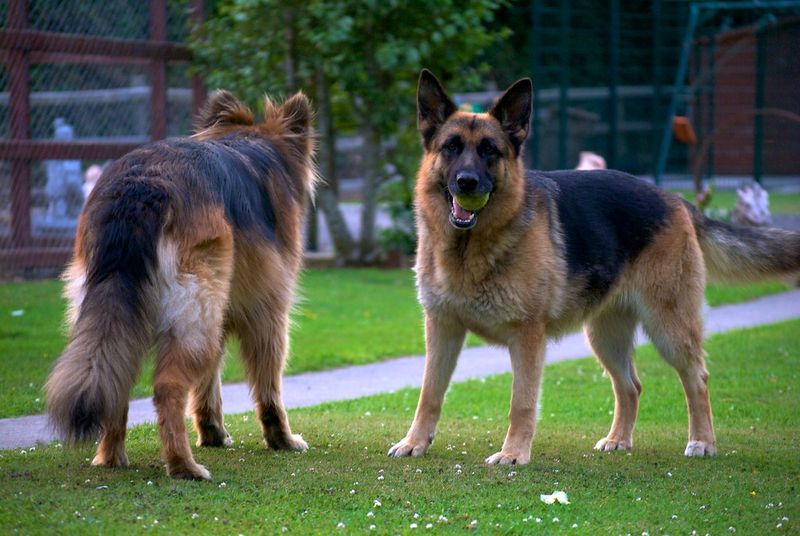
German Shepherds are versatile workers who seek purpose. They look to a leader for direction and reassurance.
Without it, reactivity or nervous habits can surface.
Provide daily jobs like tracking, obedience, or detection games. Use structured socialization to build neutrality in busy places.
Keep training consistent with clear markers and immediate reinforcement.
Teach balanced arousal control through place, heel, and decompression walks. Predictable routines make them secure and engaged.
With a stable leader, the GSD becomes a courageous, thoughtful partner.
Shar Pei
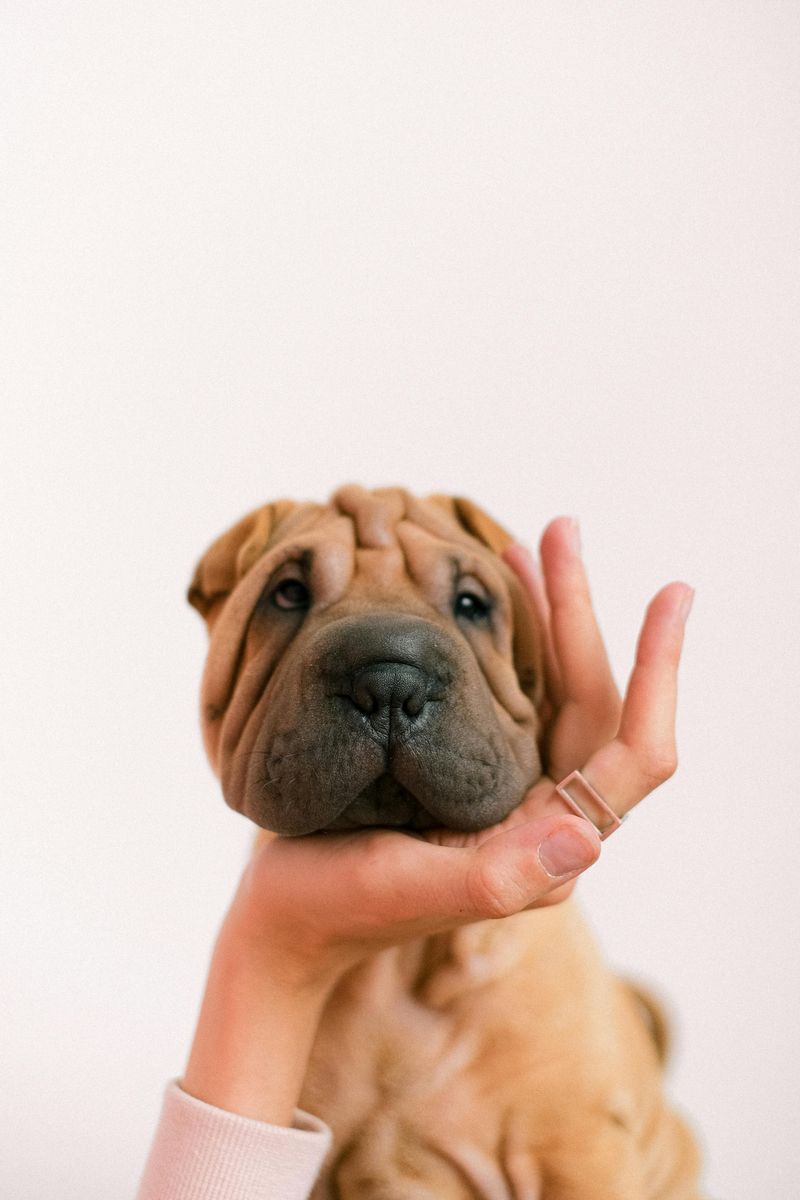
Shar Pei dogs can be reserved and strong willed. They respond best to low-drama leadership and simple rules.
Heavy-handed approaches erode trust quickly.
Focus on cooperative care like ear cleaning and skin checks. Teach mat training, calm leash walking, and polite greetings.
Early socialization builds confidence without forcing interactions.
Keep sessions short, rewarding quiet compliance. Consistent routines reduce suspicion and guarding tendencies.
With patient guidance, the Shar Pei becomes a steady, loyal companion.
Bullmastiff
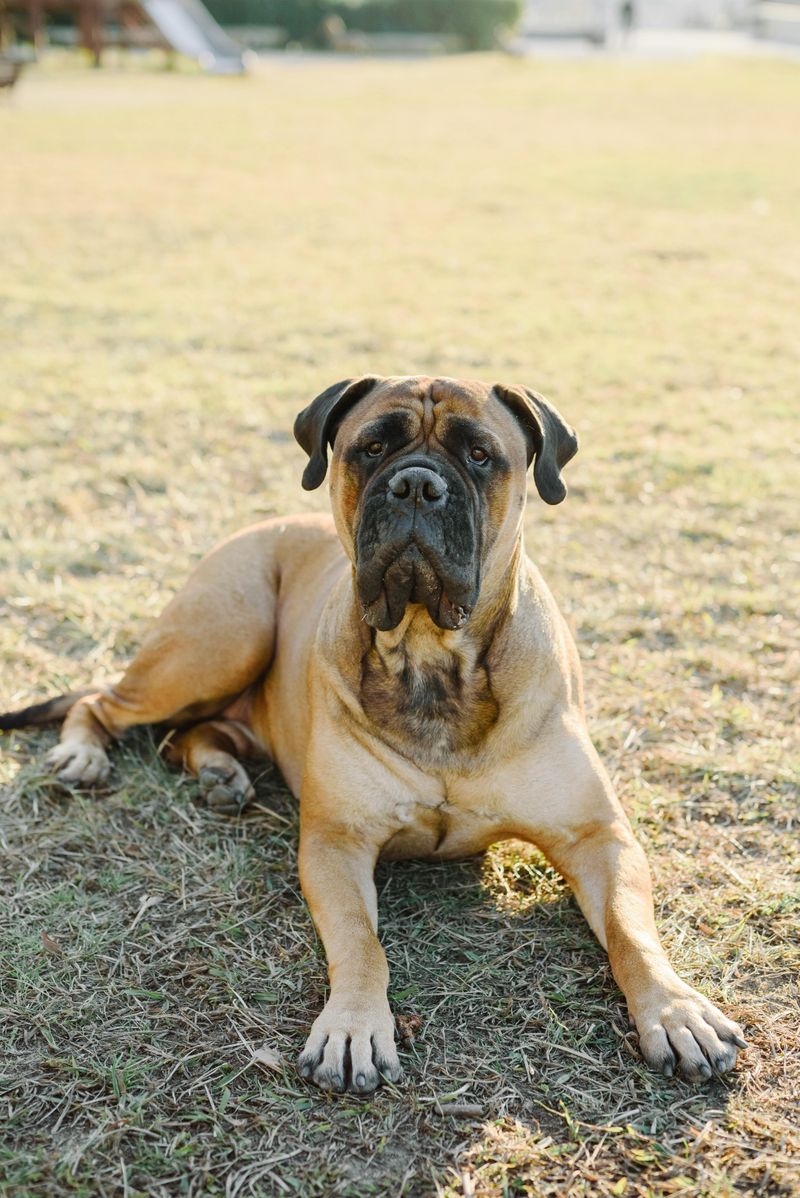
Bullmastiffs are calm guardians who read your energy closely. A steady leader keeps them relaxed and courteous.
Inconsistency invites stubbornness and pushy door behavior.
Prioritize leash skills, impulse control, and polite house manners. Short, clear training prevents overexertion while maintaining responsiveness.
Social exposure should be controlled, focusing on neutrality.
Establish routines for visitors, feeding, and rest. Reinforce calm choices with quiet praise and steady handling.
With consistent guidance, the Bullmastiff becomes a gentle, protective presence.