
Dogs have a myriad of ways to communicate, and while barking is common, some breeds are masters of body language. These breeds often convey their emotions and intentions through subtle gestures, expressions, and movements. Here’s a look at 15 dog breeds that rely more on body language than barking to communicate.
Basenji
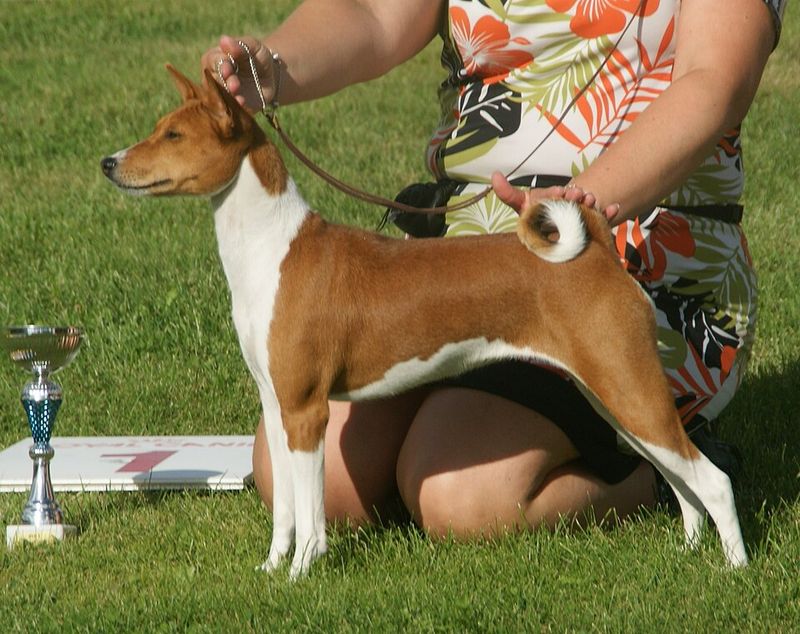
Known as the “barkless dog,” the Basenji uses a unique combination of yodels and expressive body language. With its tightly curled tail and alert stance, this breed conveys curiosity and playfulness.
Instead of barking, Basenjis often communicate through subtle eye movements and a range of sounds. Their keen sense of observation allows them to pick up on human emotions easily.
The Basenji’s origins trace back to Central Africa, where they were prized for their keen hunting abilities. Despite their quiet nature, their body language is a window into their intelligent and independent minds.
Whippet
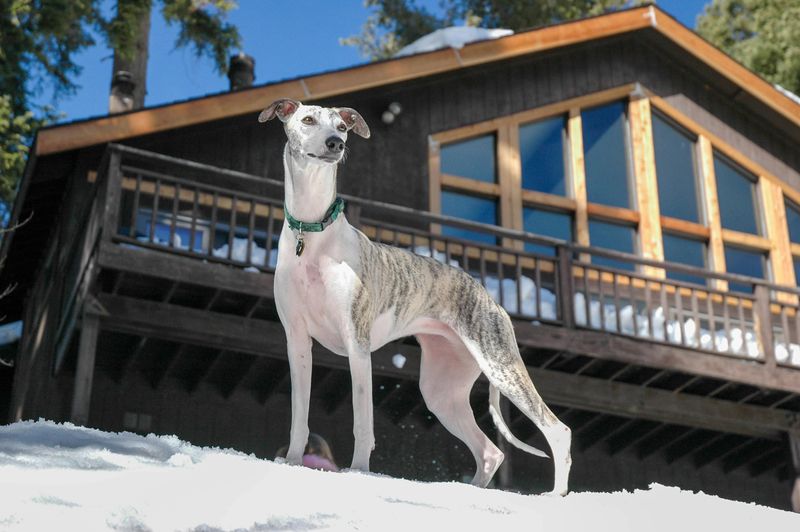
Elegant and graceful, Whippets often use their body language to express contentment and affection. Their relaxed posture and gentle eyes can convey a sense of tranquility.
When excited, Whippets may perform “zoomies,” showcasing their athleticism and joy. Their delicate ears and expressive eyes are perfect for communicating their needs.
Historically, Whippets were bred for racing and hunting, prized for their speed and agility. Today, they are gentle companions, using their body language to communicate their deep bond with humans.
Chihuahua
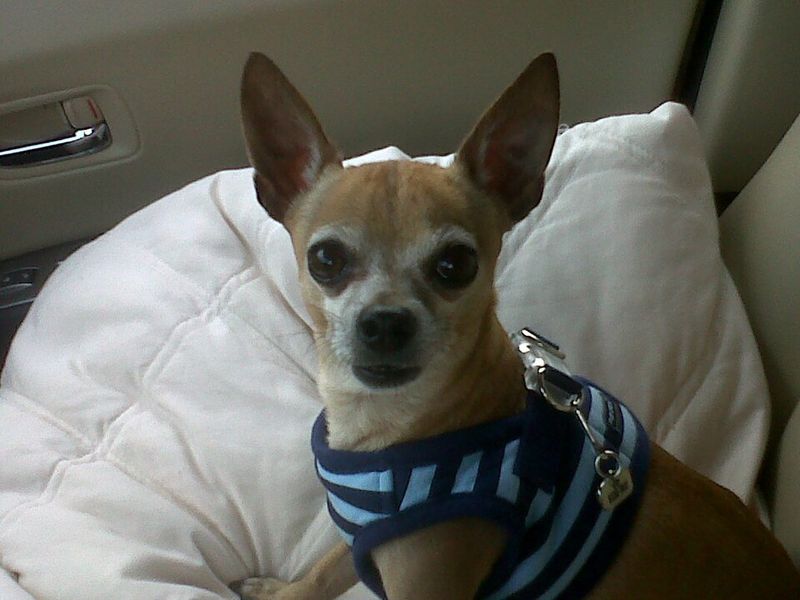
Tiny but full of personality, Chihuahuas are masters of body language. Their expressive ears and lively eyes often communicate excitement and curiosity.
These little dogs are known for their assertive stance, which can reveal confidence or protectiveness. Despite their size, they have a big presence.
Chihuahuas have a rich history as companions to Mexican nobility, and their ability to convey emotions through body language has made them beloved pets around the world.
Greyhound
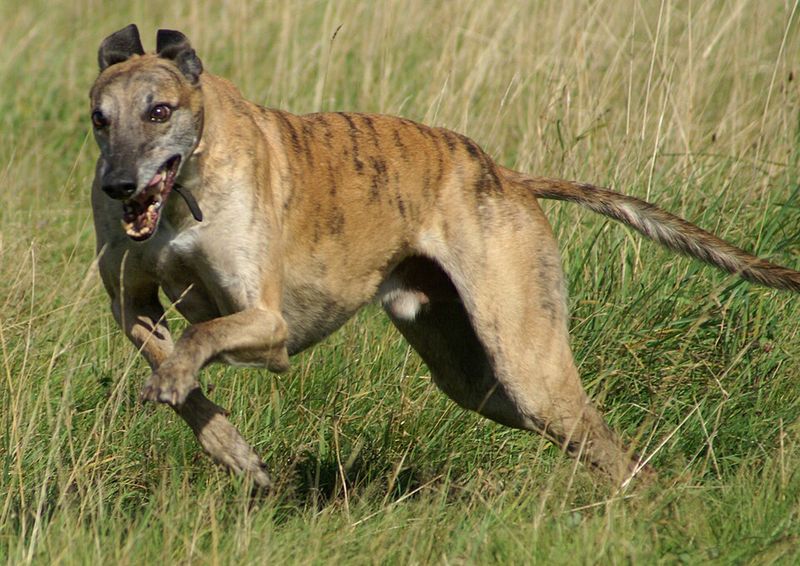
With their sleek bodies and gentle demeanor, Greyhounds use body language to express calmness and affection. Their relaxed posture and soulful eyes can reveal a serene disposition.
When happy, they might wag their tails gently, while their alert ears signal attention. Greyhounds are known for their loving and laid-back nature.
Originally bred for hunting and racing, their history is filled with tales of speed and grace. Today, Greyhounds are cherished for their gentle companionship and expressive non-verbal communication.
Newfoundland
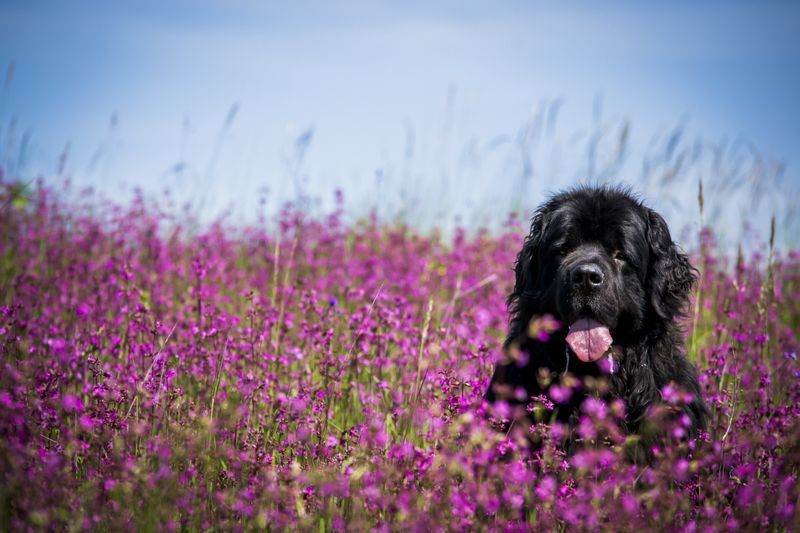
With a heart as big as its paws, the Newfoundland is every child’s gentle guardian. This breed uses body language to express its affectionate and protective nature.
Their gentle eyes and relaxed posture convey warmth and trust. They often use their large paws to nudge for attention or affection.
Historically used as working dogs for water rescues, Newfoundlands have a rich heritage of bravery and loyalty. Their non-verbal cues often speak louder than words, making them beloved family companions.
Shiba Inu
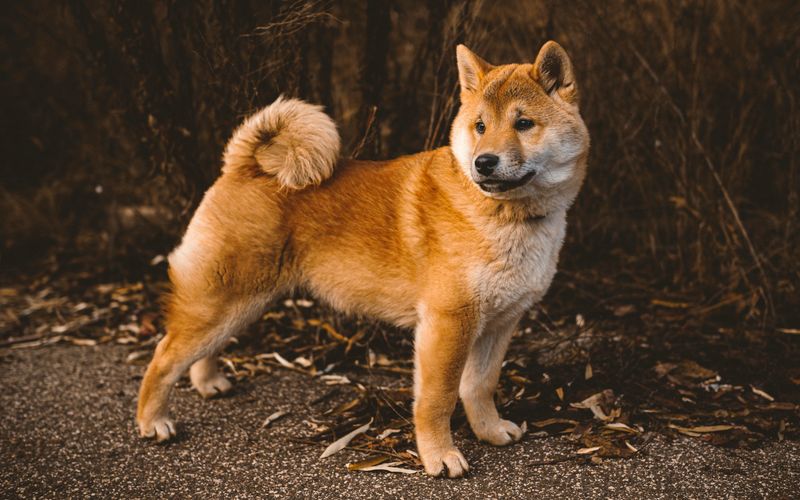
With a spirited personality, the Shiba Inu often communicates through facial expressions and posture. Their curled tail and alert eyes are telltale signs of their emotions.
Known for their independence, they use subtle gestures to express curiosity or contentment. A head tilt or a wag of the tail can convey a wealth of meaning.
Originating from Japan, Shiba Inus have been revered for their hunting prowess. Their expressive body language is a testament to their intelligent and independent nature.
Borzoi
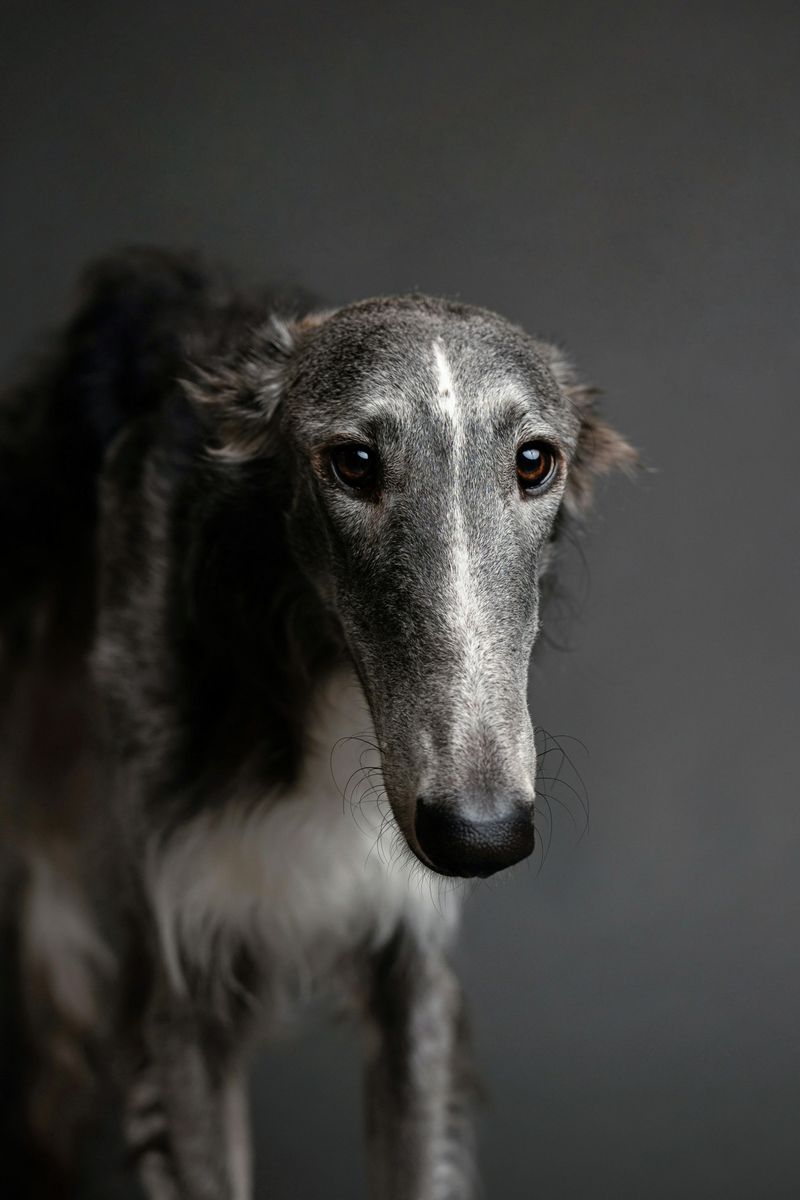
With elegance and poise, the Borzoi uses its graceful body to communicate. Their calm demeanor and gentle gaze often express their serene nature.
When curious or excited, Borzois may perk their ears and wag their tails with subtlety. Their graceful movements are a language of their own.
Borzoi were originally bred in Russia for hunting wolves, and their aristocratic bearing reflects their noble history. Today, they are appreciated for their quiet dignity and expressive non-verbal communication.
Australian Shepherd
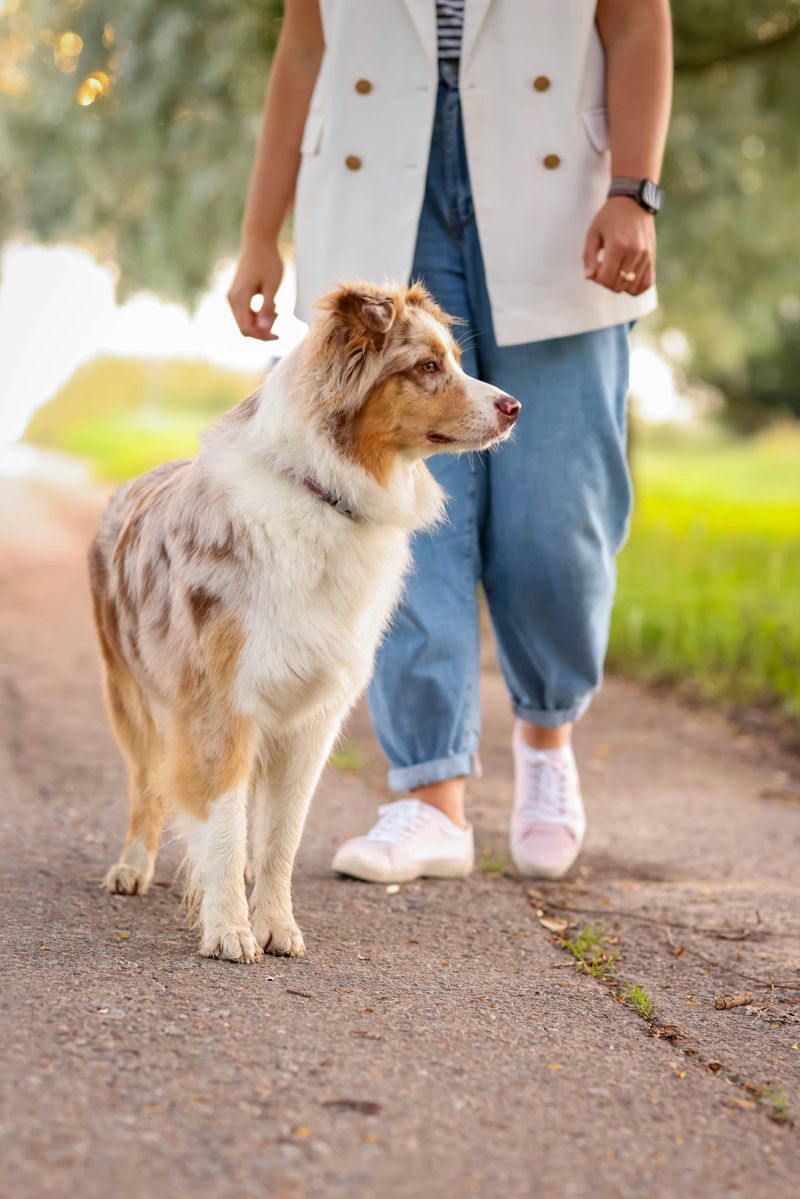
Energetic and intelligent, Australian Shepherds are masters of using body language to communicate. Their expressive eyes and wagging tails often tell stories of joy and excitement.
They are known for their agile movements, which convey their readiness to play and work. A tilt of the head or a playful bow can signal their desire for interaction.
Originally bred for herding, Australian Shepherds have a rich history of collaboration with humans. Their vibrant body language reflects their enthusiastic and engaging personalities.
Italian Greyhound
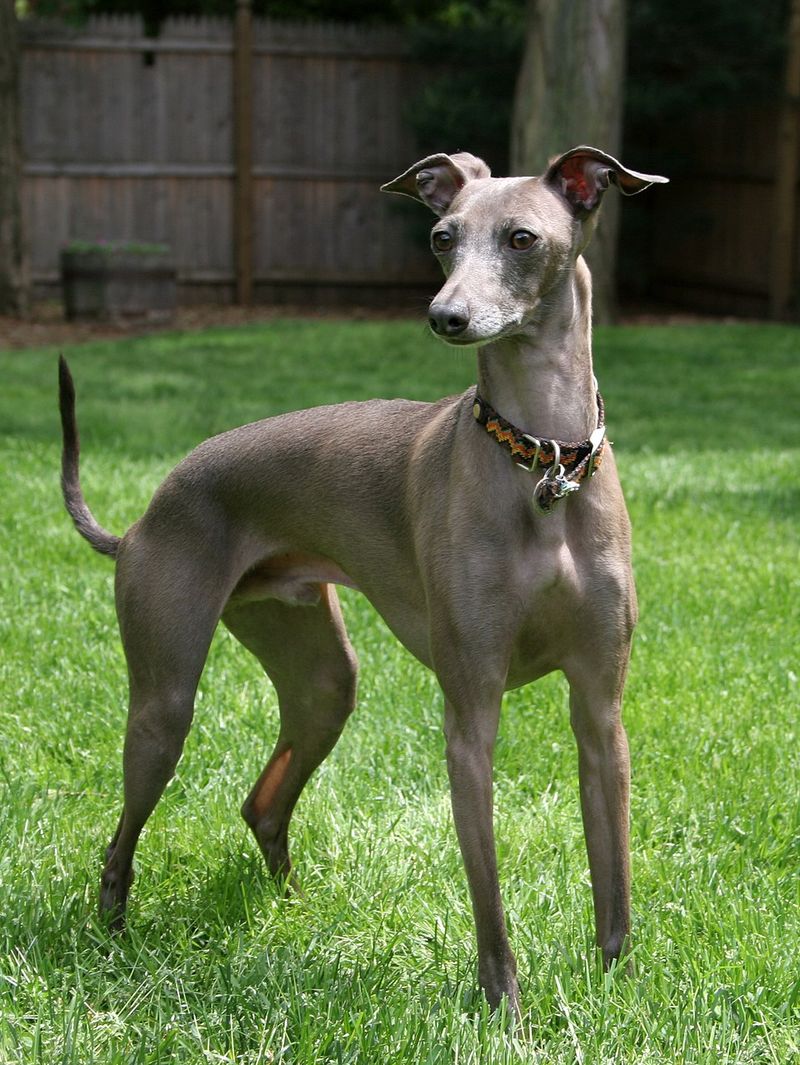
Delicate and refined, the Italian Greyhound uses its elegant posture and expressive eyes to convey emotions. Their gentle demeanor and relaxed poses often indicate contentment.
When excited, they may prance around with graceful agility. Their subtle body language often reveals their affectionate nature.
Historically adored by Italian nobility, this breed’s elegance is matched by its graceful communication. Italian Greyhounds are known for their loving companionship, often speaking volumes without a single bark.
Chinese Shar-Pei
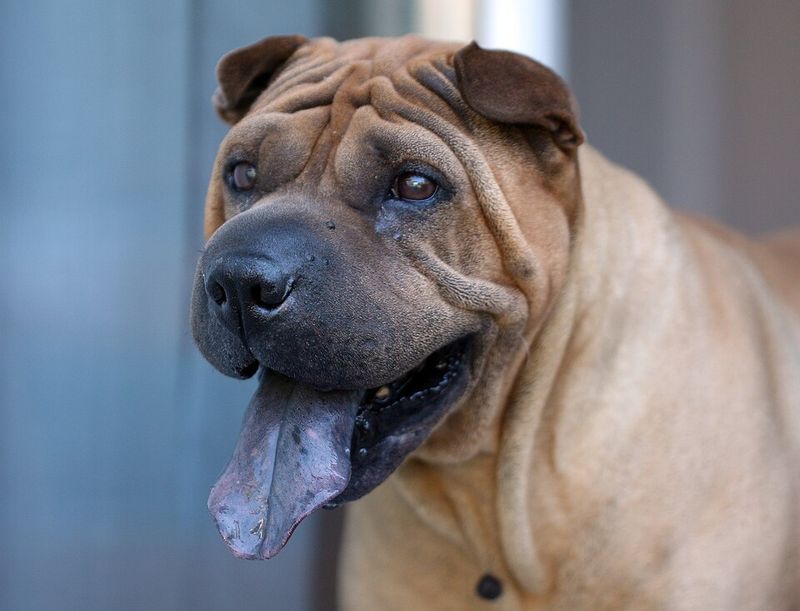
With their unique wrinkled appearance, Chinese Shar-Peis use body language to express their calm and thoughtful nature. Their relaxed stance and gentle eyes often reveal a sense of peace.
They may use their expressive faces to convey curiosity or affection, often nudging or leaning into their human companions. Their subtle movements are a language of their own.
Originating from China, Shar-Peis have a rich history as guardians and protectors. Their body language speaks of their deep bond with humans and their peaceful disposition.
Scottish Deerhound
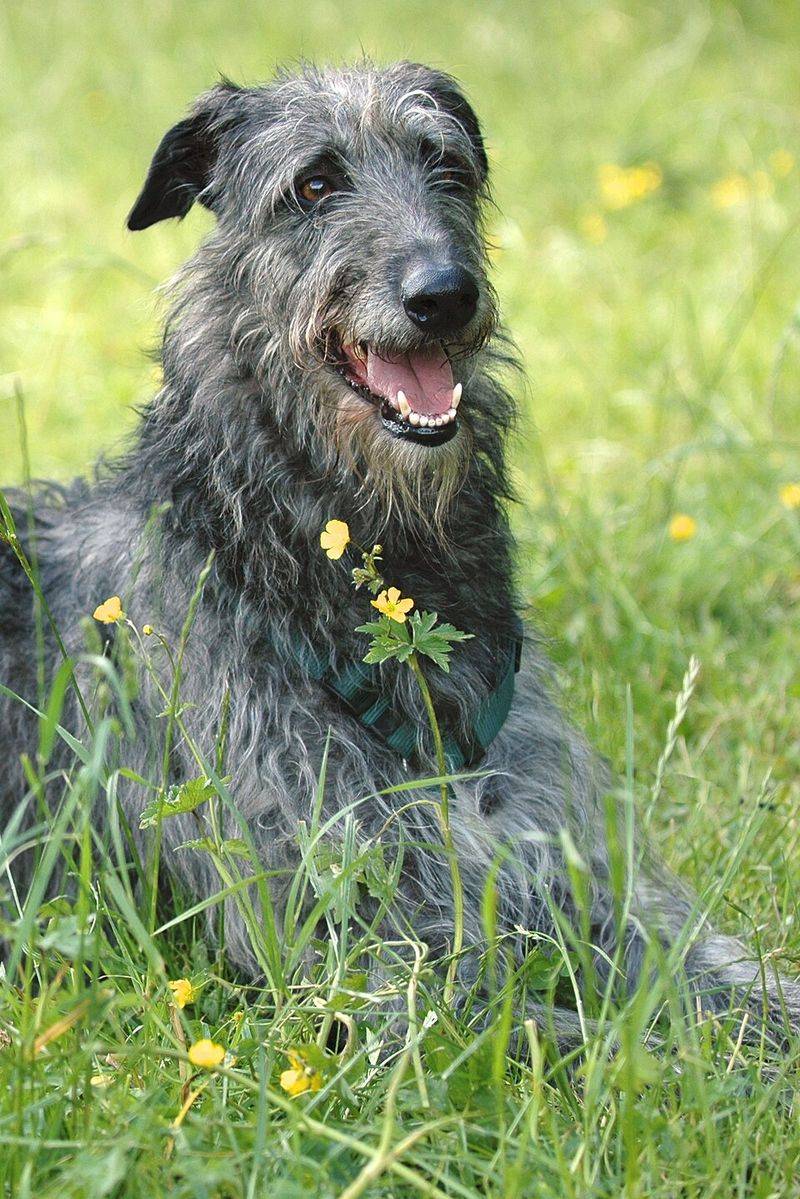
Majestic and gentle, the Scottish Deerhound uses its graceful posture and calm eyes to communicate tranquility. Their relaxed gait and soft expressions often convey a sense of serenity.
When curious, they may perk their ears and hold a regal stance. Their subtle body language reflects their dignified and affectionate personality.
Once used for hunting deer in the Scottish Highlands, Deerhounds have a history filled with nobility and grace. Their expressive non-verbal cues make them loving companions in any setting.
Saluki
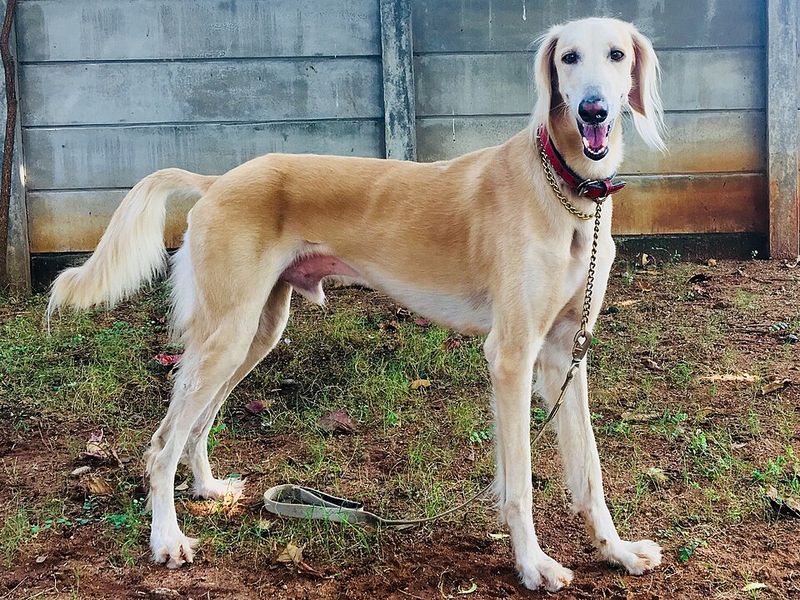
With elegance that echoes their ancient roots, Salukis use their graceful bodies to communicate serenity and affection. Their gentle eyes and poised movements often reveal a calm and loving personality.
When excited, they may perform playful sprints, showcasing their innate athleticism. Their body language is a blend of grace and gentle communication.
Salukis have a storied history in the Middle East, where they were treasured for their hunting skills. Today, their expressive body language reflects their loving and gentle demeanor.
Akita
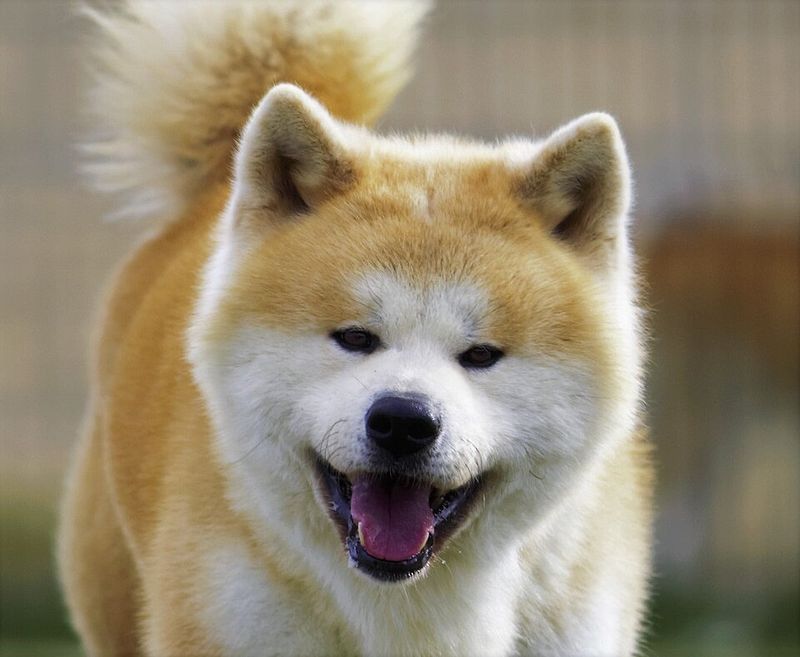
Regal and independent, Akitas use their powerful bodies to express confidence and loyalty. Their alert eyes and strong stance often convey a sense of strength.
They may use subtle head tilts and gentle nudges to communicate affection. Their expressive eyes often reveal their bond with human companions.
Originating from Japan, Akitas have a rich history as loyal guardians. Their expressive body language is a testament to their deep connection with humans and their respectful demeanor.
Vizsla
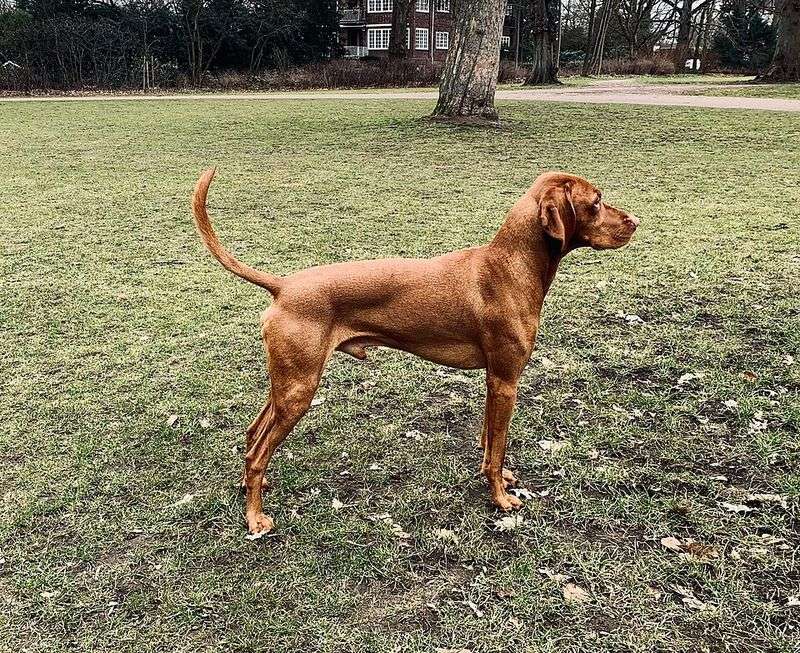
With a zest for life, the Vizsla uses its body language to express enthusiasm and affection. Their eager eyes and wagging tails often showcase their playful nature.
When curious, they may perk their ears and hold a lively stance. Their vibrant movements are a language of joy and companionship.
Originating from Hungary, Vizslas have a rich heritage as hunting companions. Their expressive body language reflects their spirited and affectionate personalities, making them cherished family members.
Ibizan Hound
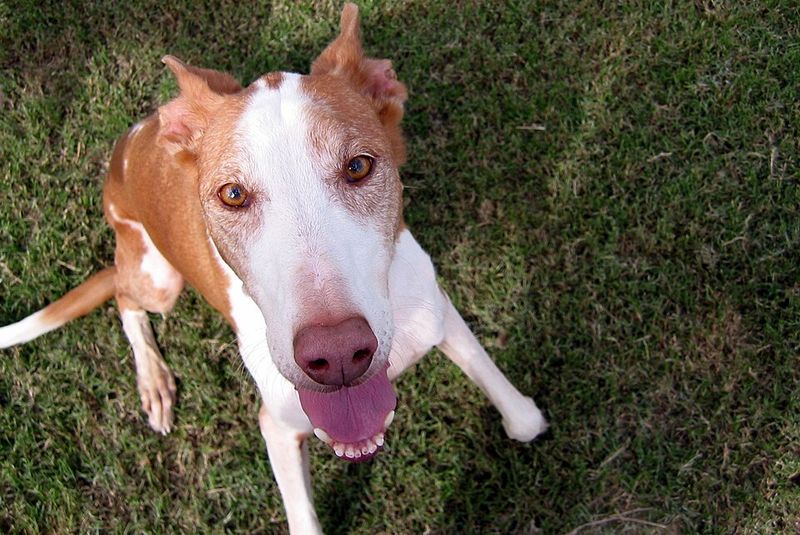
With elegance and agility, the Ibizan Hound uses its body language to convey curiosity and intelligence. Their expressive ears and agile movements often communicate their spirited nature.
When engaged, they may display an alert posture, showcasing their quick reflexes. Their body language is a graceful blend of intelligence and affection.
Originally from the Balearic Islands, Ibizan Hounds were bred for hunting. Today, their expressive non-verbal communication reflects their loving and intelligent nature.