
You love sharing snacks with your dog, but some everyday foods can cause serious harm fast. Even a small nibble can trigger vomiting, seizures, organ failure, or worse.
Knowing what is risky helps you act quickly and prevent accidents. Keep this list handy so you can protect your best friend with confidence.
Chocolate
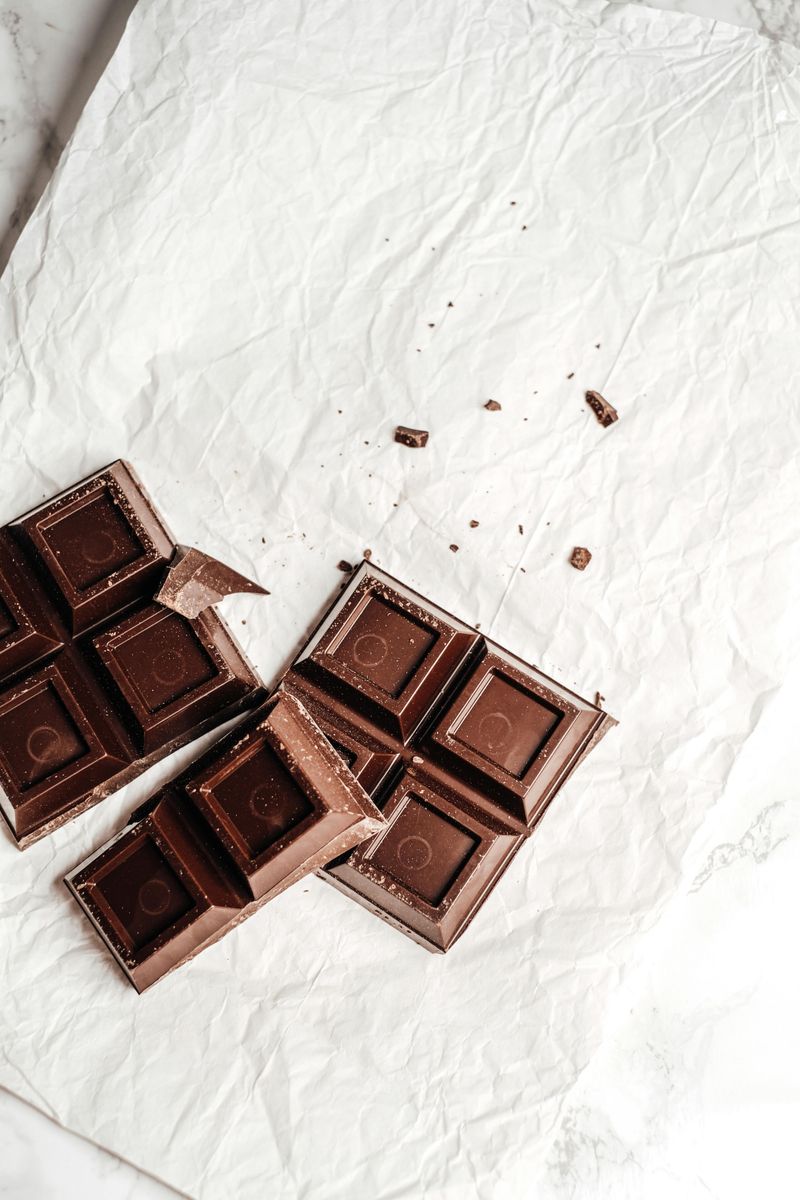
Chocolate might smell heavenly to you, but it can be frighteningly dangerous for dogs. The culprits are theobromine and caffeine, stimulants that a dog’s body processes very slowly.
Dark chocolate and baking chocolate carry the highest risk, while milk chocolate still poses a serious threat in larger amounts.
Symptoms can include vomiting, diarrhea, restlessness, tremors, elevated heart rate, and seizures. If your dog sneaks a bite, call your veterinarian or an emergency poison hotline immediately, and note the type and amount eaten.
Keep all chocolate out of reach, educate guests during holidays, and consider dog safe alternatives when sharing treats. Always err on the side of caution because even small quantities can escalate quickly in tiny breeds and puppies especially.
Grapes
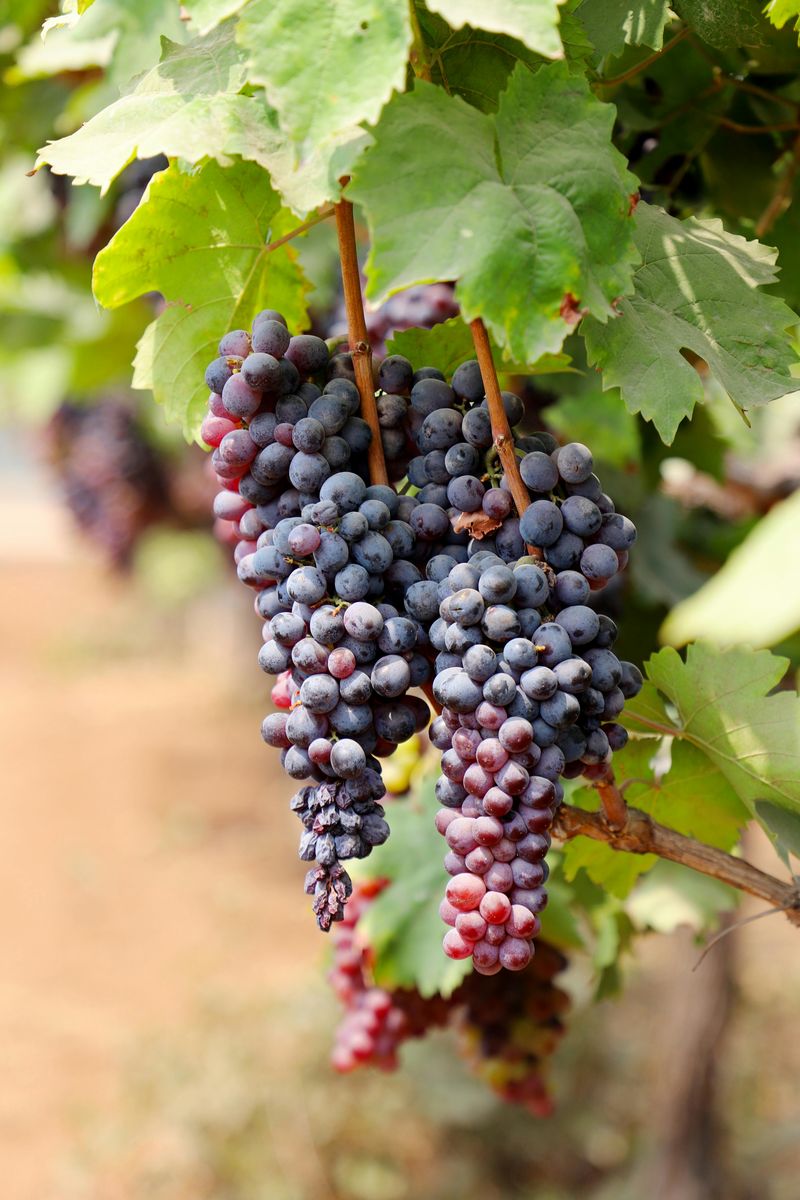
Grapes may look harmless, but they can cause sudden kidney failure in dogs. Alarmingly, researchers still do not know the exact toxin involved, and sensitivity varies widely between individual dogs.
That means even one or two grapes could be enough to trigger vomiting, lethargy, abdominal pain, or decreased urination.
If your dog eats grapes, treat it like an emergency and contact your veterinarian or a poison control hotline right away. Do not wait for symptoms to appear, since early decontamination can make a big difference.
Keep grapes and fruit salads off counters, and brief family members about the risk. Safer treats like blueberries or apple slices without seeds let you share something sweet without gambling on your dog’s kidneys.
Raisins
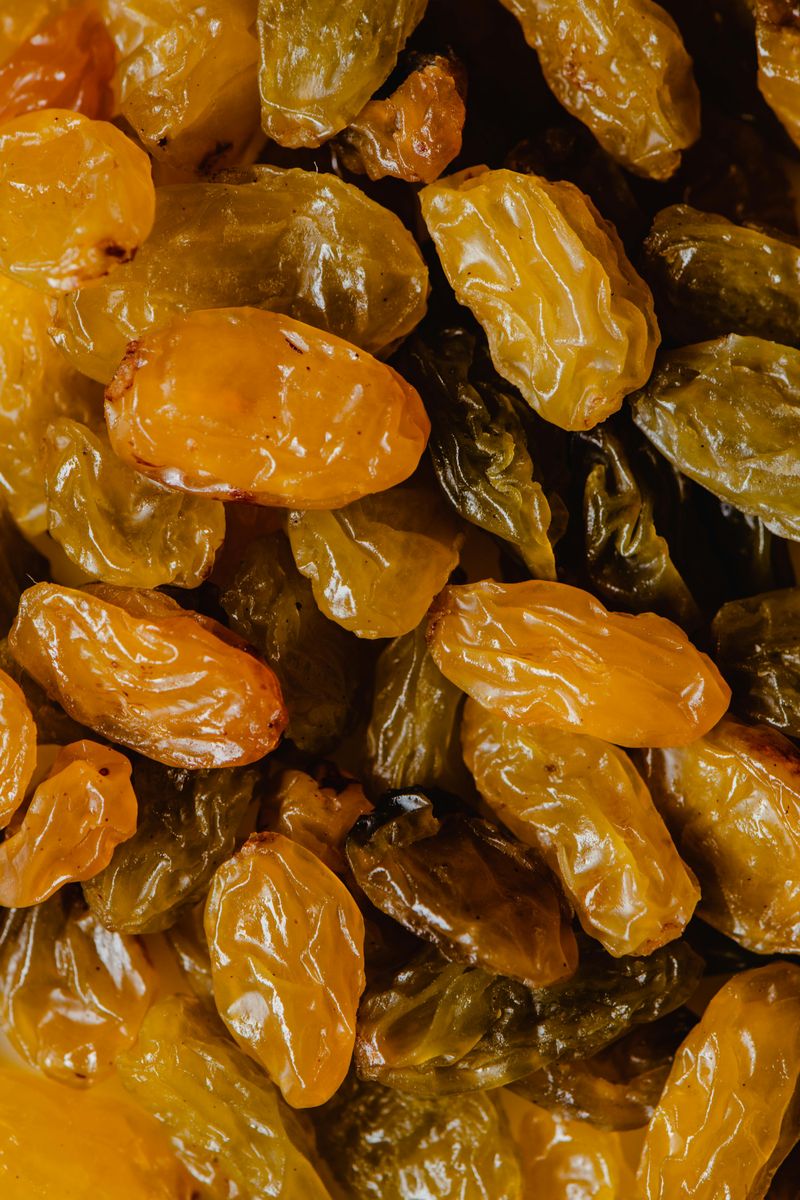
Raisins are simply dried grapes, which makes them even more concentrated and risky for dogs. Like grapes, the exact toxic agent is unknown, and the reaction can be unpredictable, ranging from mild stomach upset to acute kidney failure.
Even small numbers hidden in trail mix, cereal bars, or baked goods can be enough to cause harm.
Watch for vomiting, drooling, weakness, or reduced appetite after exposure. Call your veterinarian immediately if ingestion occurs, and be prepared to provide product details and estimated amounts.
Store raisin containing foods in sealed containers and avoid sharing baked goods that might hide them. Choosing dog safe fruits like peeled apple slices or a few blueberries satisfies your dog’s sweet tooth without risking a frightening veterinary emergency.
Onions
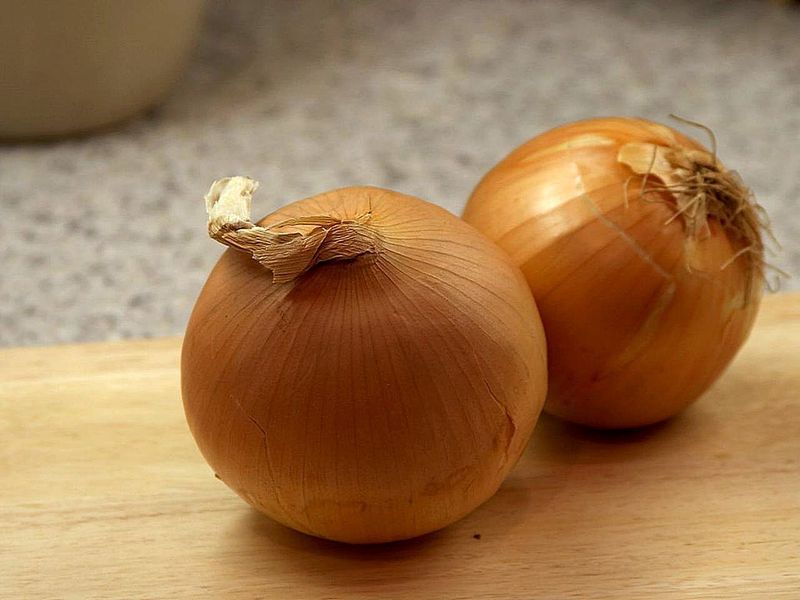
Onions contain compounds called thiosulfates that can damage a dog’s red blood cells, leading to hemolytic anemia. The risk includes raw, cooked, powdered, and dehydrated forms, plus onion rich dishes like soups, gravies, and stir fries.
Symptoms may develop slowly, showing pale gums, weakness, rapid breathing, vomiting, or a sudden collapse in severe cases.
It is easy to underestimate onion exposure when sharing leftovers or feeding seasoned meats. Read ingredient labels carefully, and keep onion powder heavy snacks away from curious noses.
If ingestion occurs, call your vet and report the quantity and timing, because early care helps protect oxygen delivery to vital organs. Safer flavor options include plain, unseasoned meats and dog specific treats that skip onion and garlic entirely.
Garlic
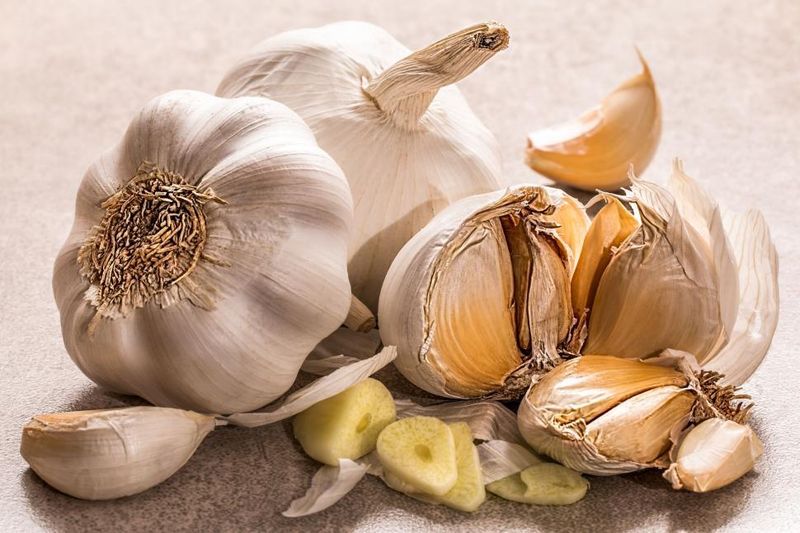
Garlic belongs to the allium family, like onions, and can also cause oxidative damage to canine red blood cells. Some people claim tiny amounts are fine, but sensitivity varies, and repeated small exposures can add up.
Signs of trouble include vomiting, drooling, abdominal pain, pale gums, weakness, and exercise intolerance.
Because garlic is common in sauces, marinades, and seasoning blends, accidental doses happen easily. Skip garlic flavored meats and do not share garlic breads or pizza crusts with your dog.
If you think your dog consumed garlic, contact your veterinarian and monitor closely for lethargy and discoloration of urine. Choose plain cooking methods and dog tested treats so you can share moments without risking anemia or an emergency clinic visit.
Xylitol (artificial sweetener)
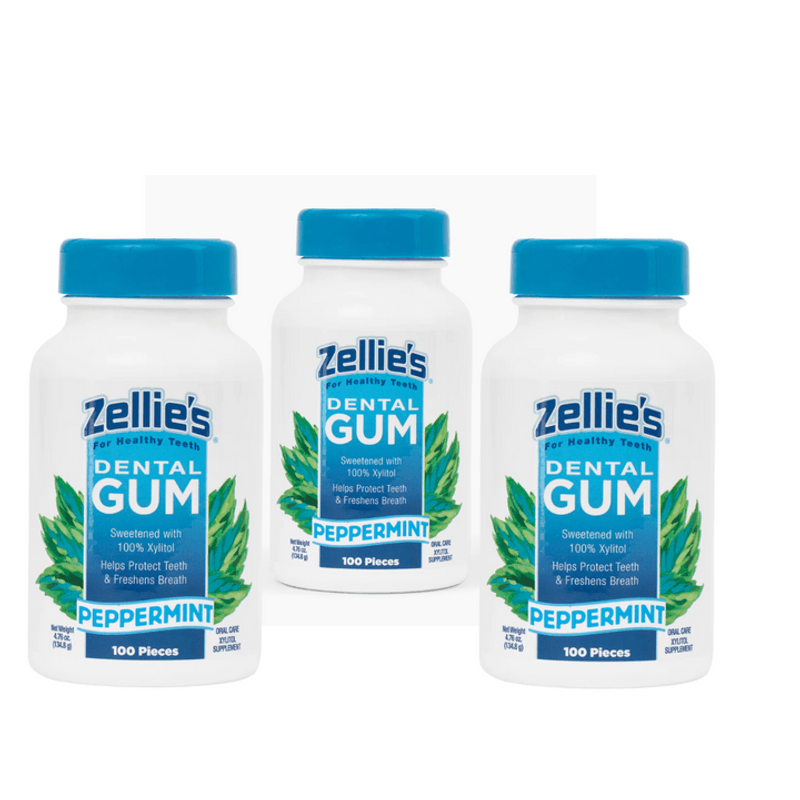
Xylitol is a sugar substitute found in sugar free gum, candies, some peanut butters, baked goods, and oral care products. In dogs, it can trigger a rapid insulin release, causing life threatening hypoglycemia within minutes to hours.
Larger doses may also lead to acute liver failure, making this one of the scariest household hazards.
Early signs include vomiting, weakness, wobbliness, tremors, and seizures. Check labels for xylitol or its newer name, birch sugar, before sharing any human food or toothpaste.
If exposure occurs, call a veterinarian or poison hotline immediately and do not wait for symptoms. Secure handbags, backpacks, and nightstands where gum often hides, and pick peanut butter brands that clearly state they do not use xylitol.
Alcohol

Alcohol affects dogs much faster than humans, depressing the central nervous system and lowering blood sugar. Even small amounts from beer, wine, cocktails, or unbaked alcohol soaked desserts can cause vomiting, disorientation, tremors, and dangerous drops in body temperature.
Some flavorings, like hops in beer, pose additional risks beyond ethanol itself.
Keep drinks out of reach during parties and clean spills immediately so curious lickers do not get a taste. If your dog ingests alcohol, call your veterinarian promptly and describe the type, percentage, and estimated amount.
Do not induce vomiting unless a professional instructs you to. Offer safer celebration options like special dog treats or a vet approved broth so your buddy can join the toast without the hangover.
Caffeine
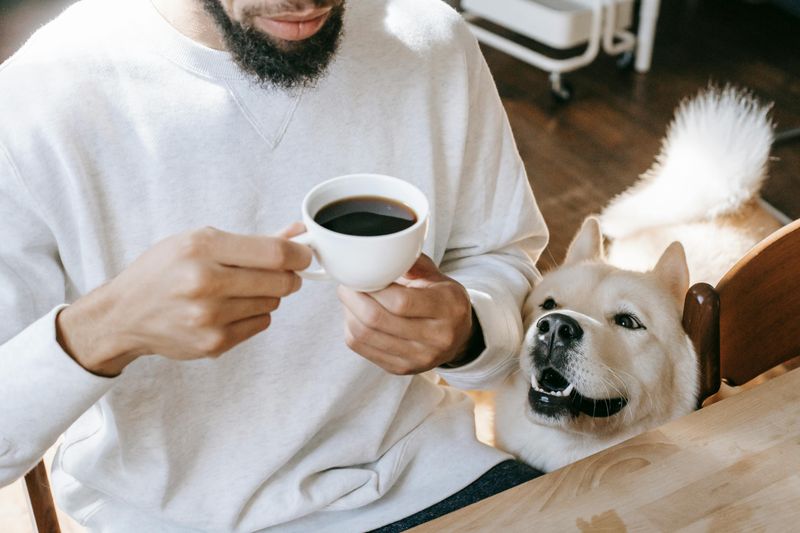
Caffeine is a stimulant found in coffee, tea, soda, energy drinks, and some workout supplements and pills. Dogs are far more sensitive than humans, and even small doses can cause restlessness, pacing, panting, tremors, elevated heart rate, and potentially dangerous arrhythmias.
Chocolate also contains caffeine, compounding risk if multiple sources are consumed.
Store coffee grounds, pods, and used filters securely, since concentrated residues can be especially potent. If your dog gets into caffeine, contact your vet or a poison hotline quickly and monitor for agitation and vomiting.
Avoid leaving mugs within reach on low tables. Consider decaf aromas or dog safe chews when you want to share a cozy moment, keeping the buzz for you and calm for your canine companion.
Macadamia nuts
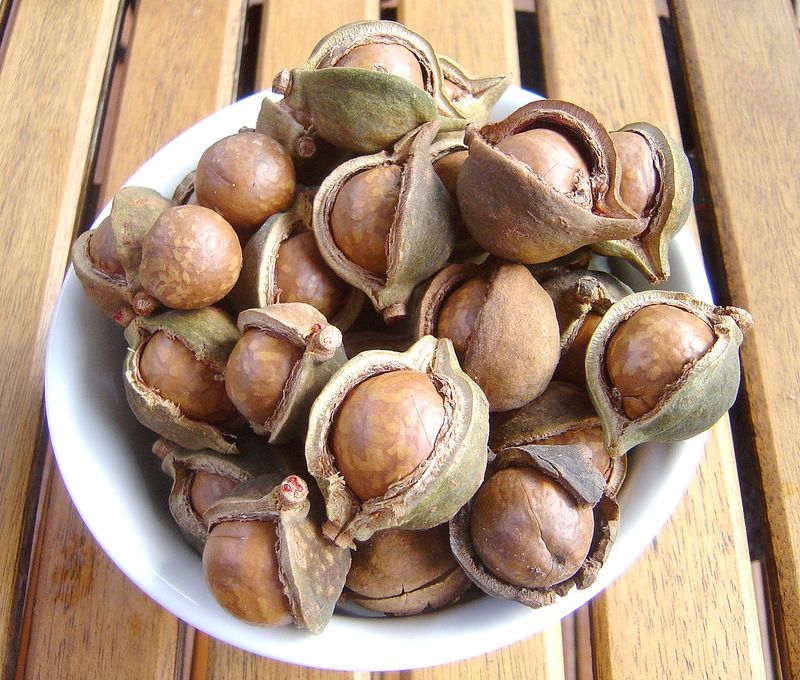
Macadamia nuts can cause a unique toxicity in dogs, even at relatively low doses. Signs often appear within 12 hours and may include weakness, hind limb tremors, depression, vomiting, and an unsteady gait.
While most dogs recover with supportive care, the experience is scary and entirely preventable by keeping nuts inaccessible.
Be careful with mixed nuts, cookies, and white chocolate macadamia treats that might tempt a curious snout. If ingestion occurs, call your veterinarian for guidance and watch for wobbliness or reluctance to stand.
Secure snack bowls during gatherings and store nuts in sealed containers in high cabinets. Choose dog friendly crunch options like carrot sticks or specially formulated biscuits so you can snack together safely without unexpected late night vet visits.
Avocado
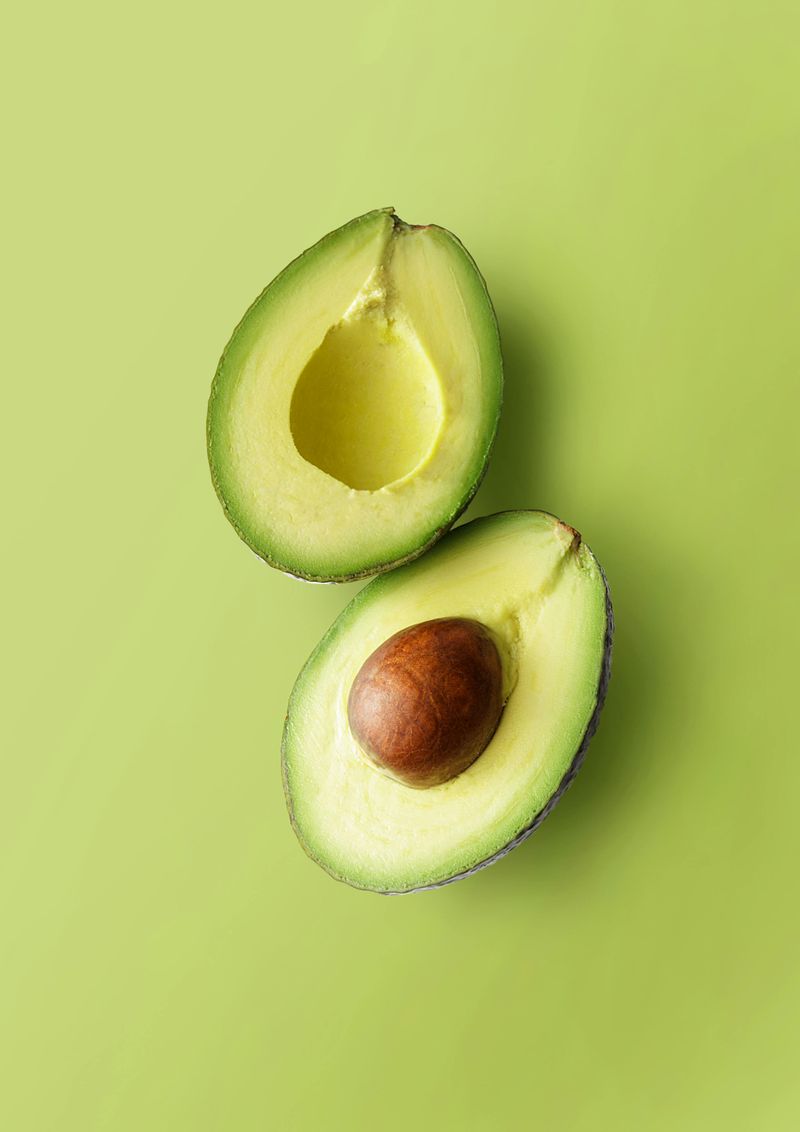
Avocado contains persin, a compound that can upset a dog’s stomach and, in some species, affect the heart. The flesh is usually less concerning than the pit, which is a major choking and obstruction risk.
High fat content can also trigger pancreatitis in sensitive dogs, making guacamole nights riskier than they appear.
Keep avocado scraps and pits away from snouts and secure trash after meal prep. If your dog ingests any part, especially the pit, call your veterinarian and monitor for vomiting, diarrhea, or abdominal pain.
Opt for dog safe fruits like banana slices or blueberries instead. When sharing a snack platter, keep dips out of reach and wipe spills quickly, saving the creamy avocado goodness for your own toast.
Cooked bones
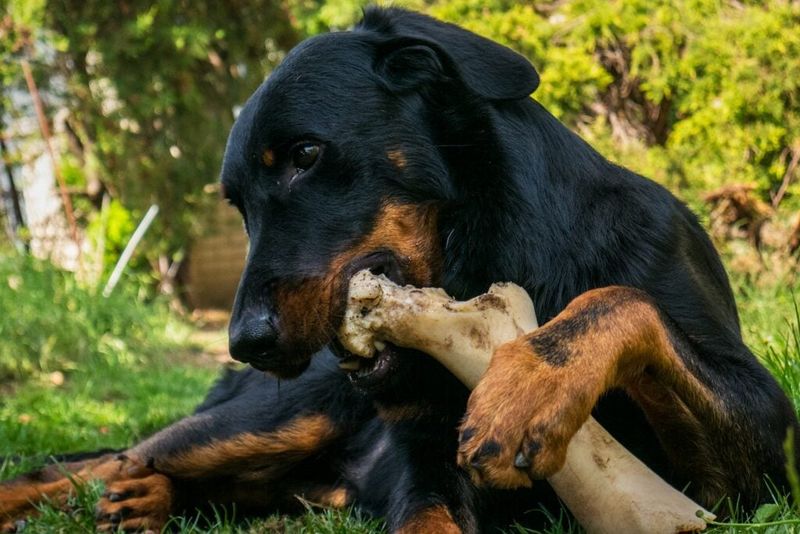
Cooked bones can splinter into sharp fragments that puncture a dog’s mouth, throat, or intestines. They may also cause choking or dangerous blockages that require emergency surgery.
Even seemingly soft bones from poultry become brittle after cooking, so leftovers from dinner are not safe chew toys.
If your dog grabs a bone, do not try to yank it away while they chew, since panic can worsen swallowing. Instead, calmly trade for a high value treat and call your vet for guidance.
Prevent issues by promptly securing plates and trash. Choose veterinarian approved chews or raw bones under professional advice if appropriate.
The goal is to satisfy chewing instincts without turning family meals into a splinter filled emergency and a painful recovery.
Raw dough with yeast

Raw bread dough with live yeast can expand in a dog’s warm stomach, causing painful bloat and potential gastric torsion. Fermentation also produces alcohol, which introduces additional toxicity and drops in blood sugar.
Early signs include distention, restlessness, retching, drooling, and disorientation, and they can escalate quickly.
Keep proofing dough inside ovens or microwaves with the door closed, and clean spills immediately. If your dog eats dough, this is an emergency that needs immediate veterinary care.
Do not wait to see if the swelling subsides on its own. Offer safe kitchen distractions like a stuffed puzzle toy while you bake, and remind helpers to keep dough covered and out of reach, protecting your dog from a painful night.
Salt (in excess)
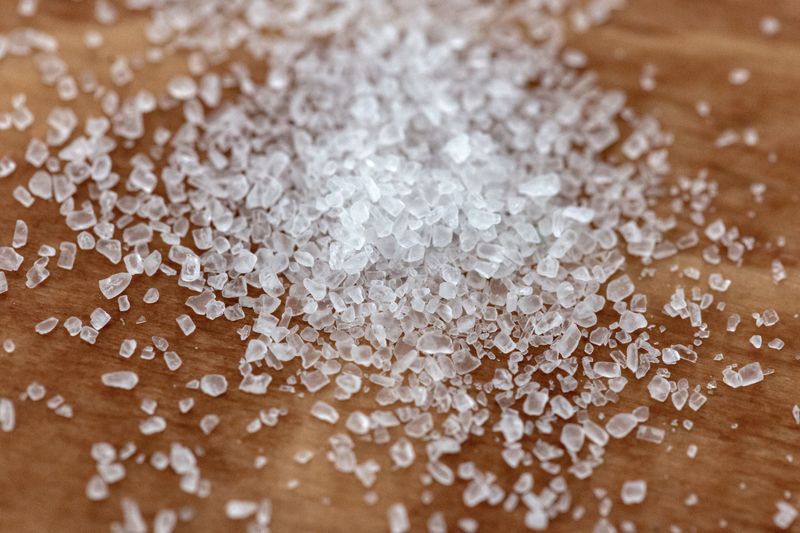
Excessive salt can pull water out of a dog’s cells and disrupt electrolytes, leading to vomiting, diarrhea, tremors, seizures, and even coma. Risks include salty snacks, cured meats, seawater, play dough, and de icing salts on winter walks.
Dogs with heart or kidney issues are especially vulnerable to sodium overload.
Rinse paws after salty outings and provide fresh water at all times. Avoid sharing chips, jerky, or heavily seasoned leftovers, and store homemade play dough safely away from curious chewers.
If your dog ingests a lot of salt, contact your vet right away and watch for neurologic signs. Choose low sodium broths or plain treats, letting you enjoy snack time together while keeping hydration and balance exactly where your dog needs them.
Fat trimmings
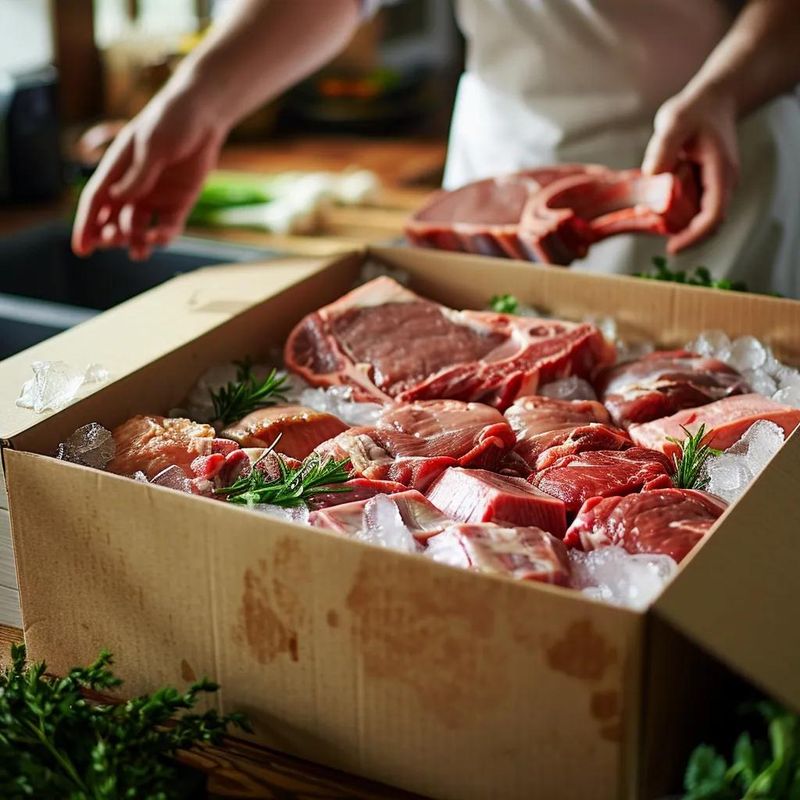
Greasy fat trimmings are tempting, but they can trigger pancreatitis in dogs, an inflammatory condition that is extremely painful. Even a single indulgent snack may lead to vomiting, abdominal pain, hunched posture, loss of appetite, and lethargy.
Repeated fatty treats also contribute to weight gain and metabolic issues over time.
Instead of sharing bacon fat or steak scraps, offer lean, unseasoned bits or a dog specific treat. Keep plates out of reach and use sealed trash to avoid midnight raids.
If your dog sneaks fatty food and then seems uncomfortable, call your vet, since early intervention helps. Consistency matters, so set house rules everyone follows.
That way you can celebrate mealtime together without risking pancreatitis or an urgent and expensive clinic visit.
Moldy food
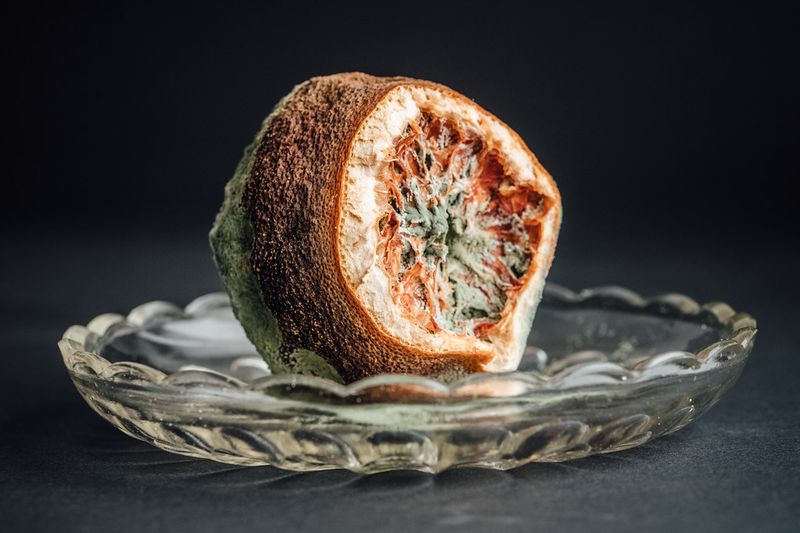
Moldy foods can contain tremorgenic mycotoxins that lead to severe neurologic signs in dogs. Symptoms may include vomiting, drooling, agitation, muscle tremors, staggering, and seizures, often developing rapidly after ingestion.
Because garbage often hides moldy spots, a quick trash raid can turn into a frightening emergency.
Secure bins with tight lids and use child locks if your dog is a determined dumpster diver. Clean out the fridge regularly and compost carefully so spoiled items stay inaccessible.
If your dog eats moldy food, contact your veterinarian immediately and be ready to describe what it might have contained. Prevent problems by using chew toys or food puzzles to curb scavenging behavior.
A little planning keeps curious noses safe and household stress dramatically lower.