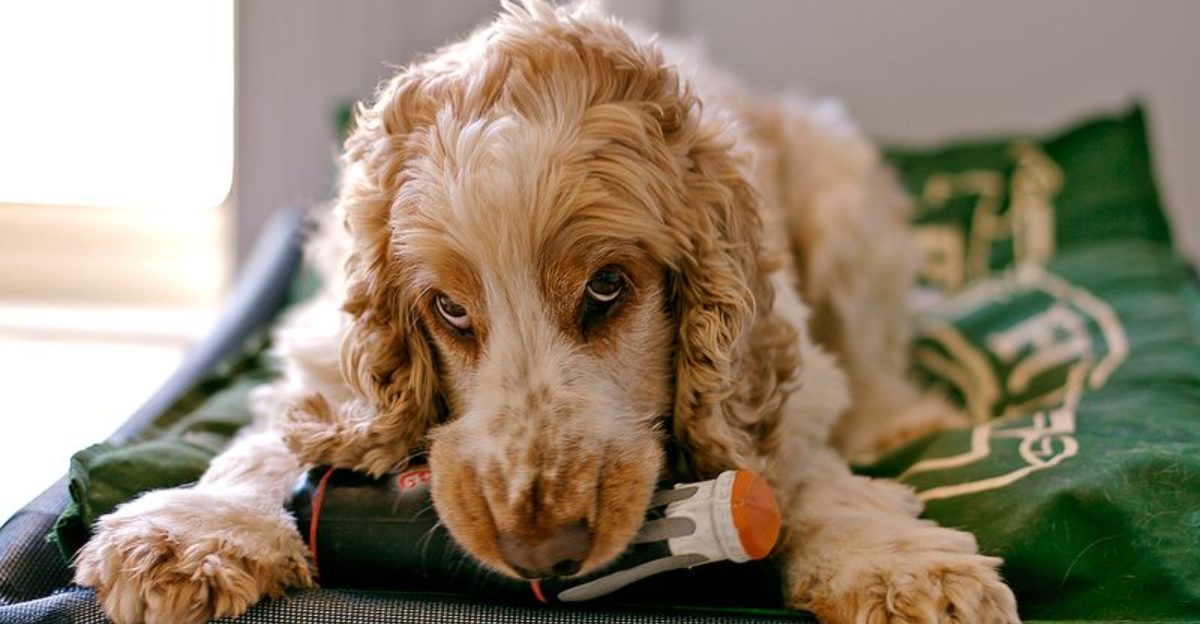
Think your dog is chill until a squeaky toy hits the floor. Some breeds flip a switch the moment a ball bounces, turning playtime into a full on sport.
If you have a toy guardian or a fetch fanatic at home, you know exactly what that look means. Here are the breeds most likely to turn toys into trophies and play into a playful showdown.
Labrador Retriever
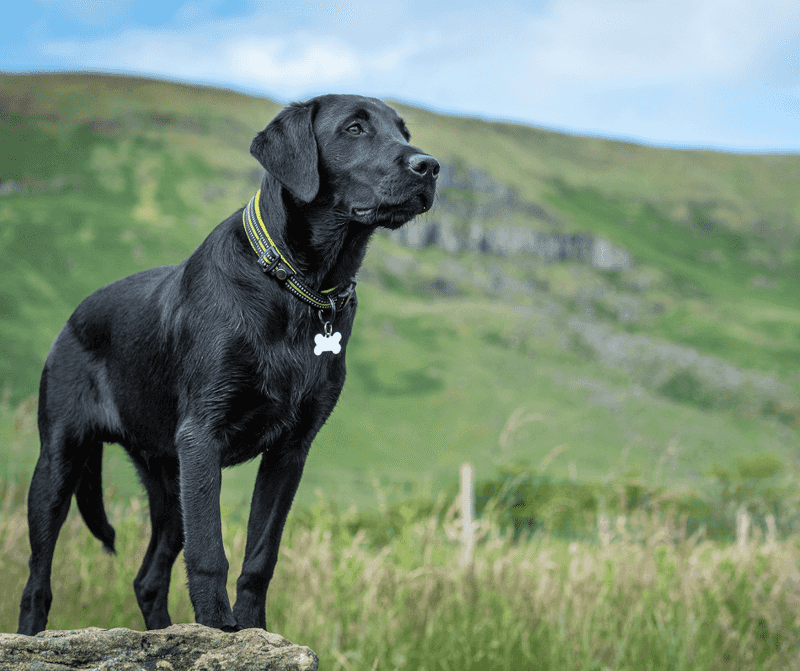
Labs live for the moment a toy sails through the air. That cheerful grin hides a laser focus that turns a squeaky ball into a mission.
They will fetch till your shoulder quits, parade the prize, then drop it precisely at your feet.
Competition ramps up around other dogs. A Labrador may body block, outswim, or outpace rivals to secure the toy.
Training a strong “drop it” and rotating high value toys helps keep things friendly.
Give clear rules and structured play. Tug games with boundaries and plenty of mental breaks work wonders.
Puzzle toys satisfy that retrieve and carry instinct when you are busy, and controlled fetch channels their drive without chaos.
Golden Retriever
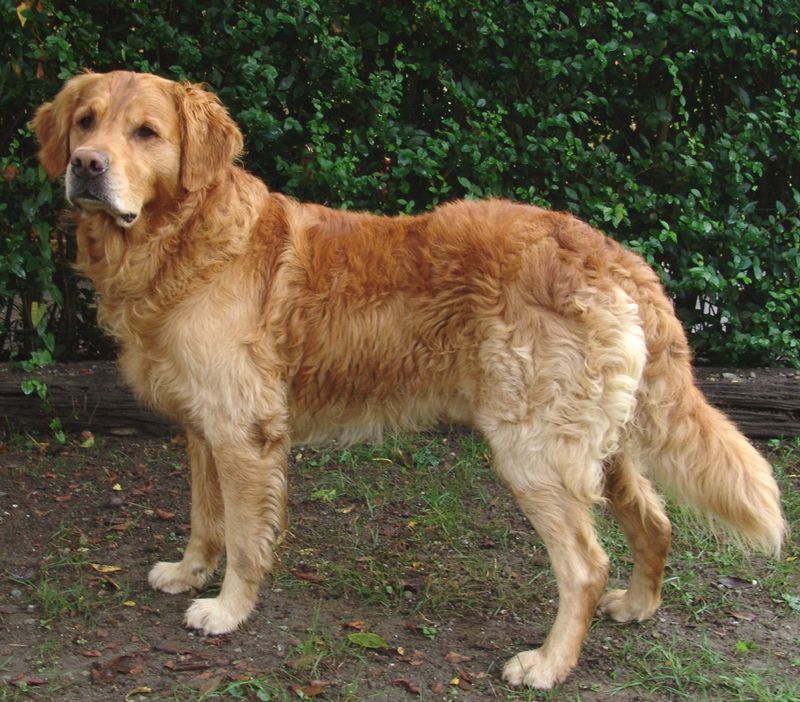
Goldens look sweet, but when a favorite plush appears, their inner athlete shines. Many develop a soft mouth obsession, guarding the perfect squeaker like treasure.
They will circle the yard, inviting chase while clutching the trophy with smug delight.
Because they are sensitive, competition can feel playful rather than tense. Still, multiple Goldens might escalate fetch into relentless sprint relays.
Use structured turns, cue impulse control, and praise calm exchanges.
Trade games work beautifully. Ask for sit, then trade toy for treat and return it to build trust.
Water retrieves are Golden heaven, so channel intensity into swims. Rotate textures and shapes to prevent fixation on one irreplaceable stuffie.
Boxer
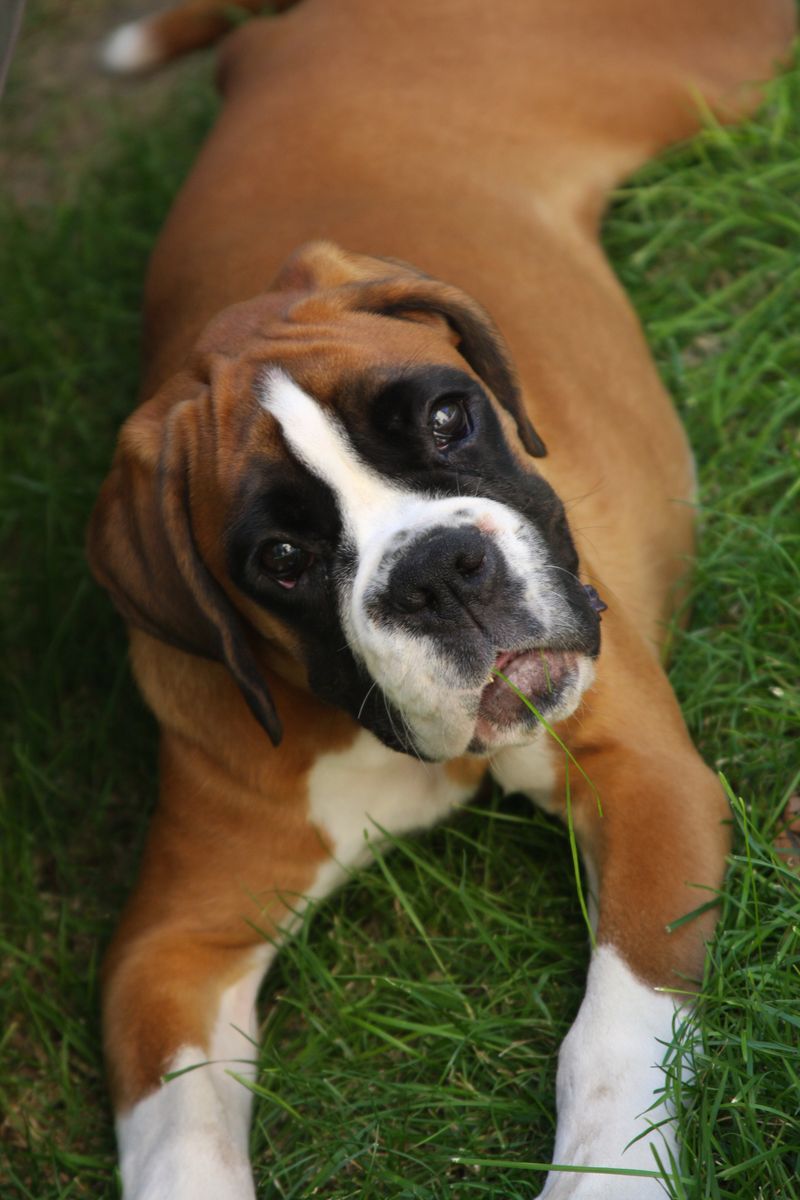
Boxers bring clown energy with a competitive edge. Once a rope appears, the bounce begins, and you get pogo jumps, paw swats, and dramatic feints.
They love to show off, often prancing with the toy just out of reach.
Against other dogs, Boxers may chest bump or zigzag to win possession. Keep sessions short and rules clear.
Ask for sit before tug, then start only on cue and end with a calm release.
Channel intensity into flirt pole games, which satisfy chase without collisions. Teach “out” consistently to avoid accidental guarding.
Mental workouts like scent games cool that turbo mode while keeping the fun, so your Boxer competes fairly and finishes relaxed.
Staffordshire Bull Terrier
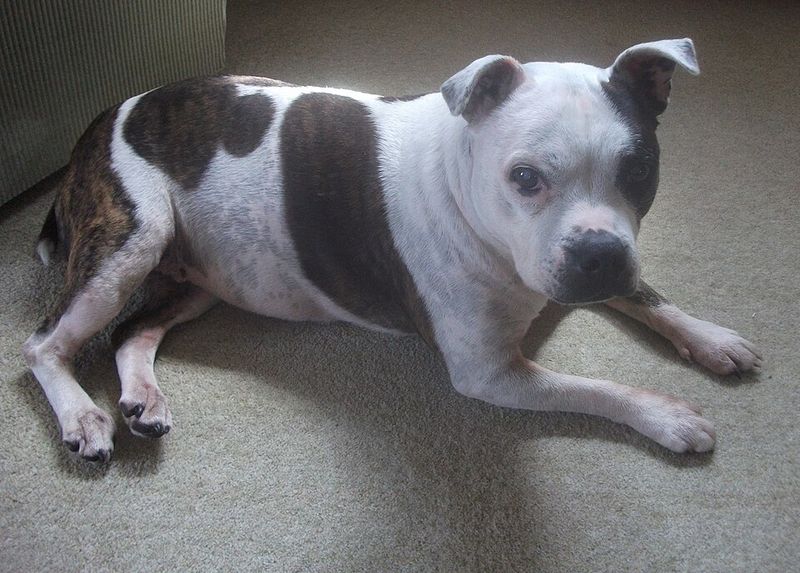
Staffies are delightful goofballs with legendary tenacity. Present a tug, and you unlock turbo mode with wiggly hips and full body commitment.
Their enthusiasm can read as intense, especially around prized toys or during fast paced games.
Set clear rules for starts and stops. Reward polite sits before release and insist on a clean drop.
Use two identical toys to create fair trades and prevent fixating on one magic item.
Short sessions protect joints and keep arousal balanced. Add sniff breaks and trick cues between rounds to reset.
With structure, that competitive spark becomes joyous teamwork, and your Staffy learns that giving up the toy brings even better play.
American Staffordshire Terrier
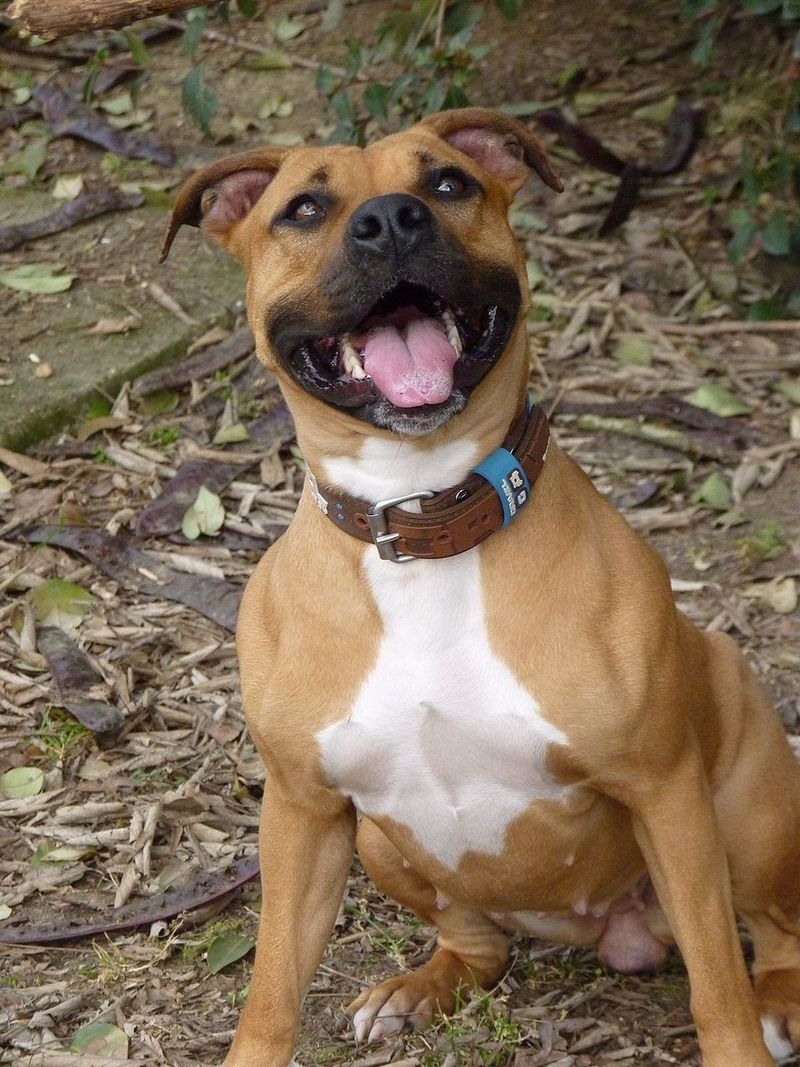
AmStaffs crave purpose, so toys become serious business. Fetch turns into sprint training, and tug becomes a strength contest with big grins.
That determination can create pushy moments during high arousal play, especially around other driven dogs.
Teach impulse control with sits, stays, and release cues woven into the game. Use durable toys and rotate options to reduce resource guarding.
Two ball fetch helps maintain smooth turns and predictable drops.
End on success before fatigue tips excitement into frustration. Sprinkle in obedience reps, heel resets, and hand targets.
When you guide their intensity, play becomes a rewarding outlet, and your AmStaff shows off focus rather than friction.
American Pit Bull Terrier
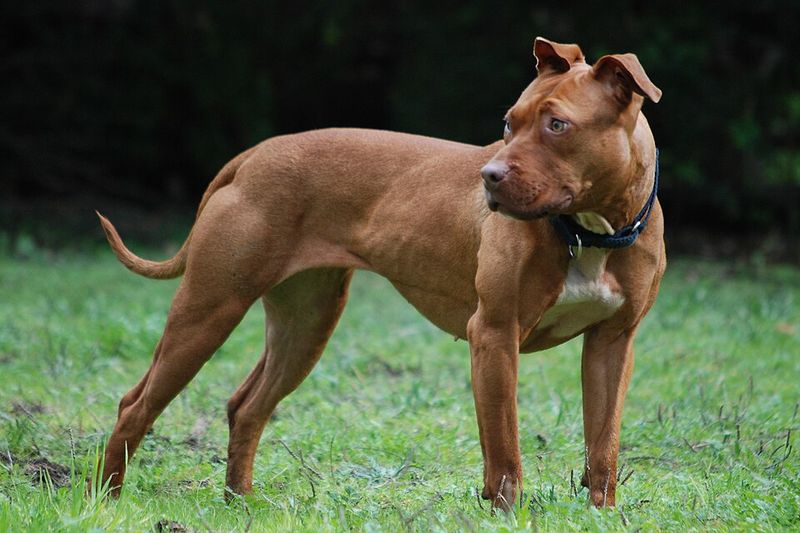
APBTs are enthusiastic athletes, and toys flip the fun switch fast. Rope tugs, flirt poles, and spring poles spark intense engagement, which can look competitive near other high drive dogs.
Their eagerness is adorable, yet structure keeps things safe.
Establish yes and out cues early. Reinforce calm starts, bite only the toy, and immediate release on request.
Pair play with brief obedience to lower arousal peaks and practice good manners.
Use high quality, safe equipment and timeouts for overexcitement. Two identical tugs promote fair trades.
With consistent rules, your Pit Bull channels that famous grin and grit into cooperative games, finishing content and confident rather than amped.
Rottweiler
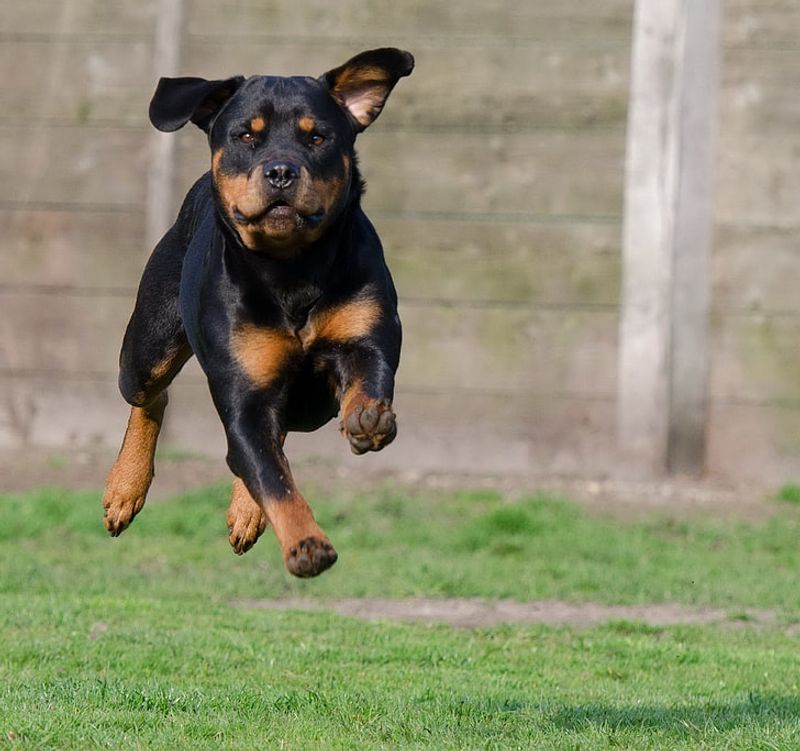
Rottweilers approach toys like a job. They love carrying, guarding positions, and performing strong grips, which can look competitive around other big dogs.
Slow, deliberate play works best, with clear permissions and consistent releases.
Teach out as a default. Reward calm holds and trades rather than frantic tugging.
Structured fetch with controlled starts limits collisions and keeps focus on you, not rivals.
Rotation prevents fixation on a single prized ring. Add carting style tasks or retrieve to hand drills to satisfy purpose driven minds.
When play ends, cue a settle on a mat so arousal fades predictably. The result is impressive control without dampening that proud working spirit.
Doberman Pinscher
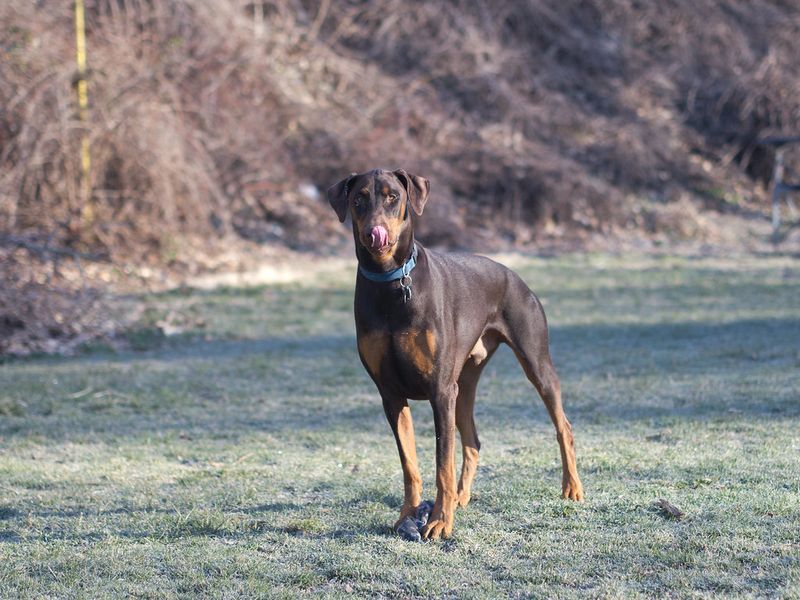
Dobermans are precision athletes who love fast toys. A flying disc or bouncing ball triggers tight turns and explosive sprints, sometimes with competitive glances at canine rivals.
Their focus is impressive, but impulse control keeps play safe.
Build a reliable release and recall before off leash games. Use warmups, then short, intense sets with planned breaks.
Two disc drills prevent guarding and keep transitions crisp.
Finish each set with a down or mat settle to reset the engine. Mental work like platform games or scent searches balances that edge.
With structure, your Doberman channels elegance and drive into cooperative play that feels thrilling, not tense.
German Shepherd Dog
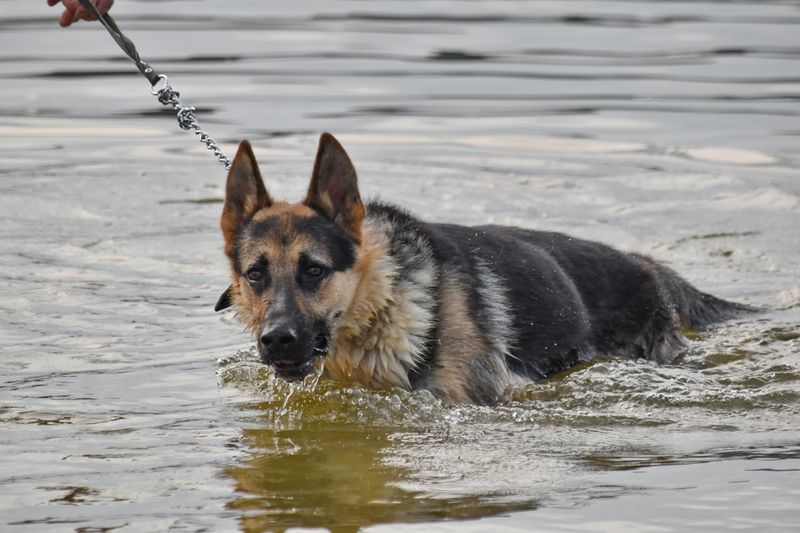
GSDs approach toys like tasks, often preferring tugs, balls on strings, and targeted retrieves. Their intensity can read as competitive, particularly during fast exchanges or near other driven dogs.
Clear rules and handler engagement make all the difference.
Use markers, defined start cues, and predictable outs. Teach them to reorient to you after each win.
Short sessions with precision keep arousal productive rather than frantic.
Incorporate obedience between reps, like heel, sit, and place. A ball on a rope is perfect for clean outs and quick restarts.
End with a calm down on a mat so your Shepherd finishes proud, focused, and relaxed, not overstimulated.
Belgian Malinois
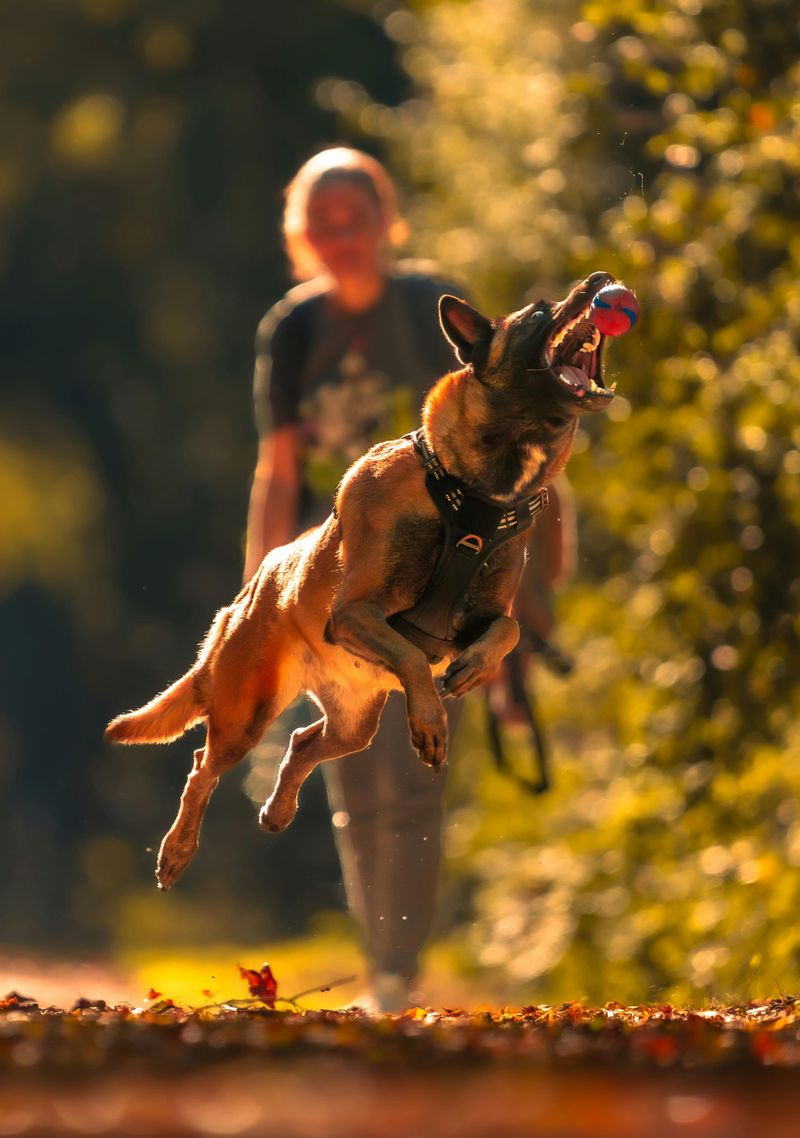
Malinois are intensity personified. Toys are rewards, not just entertainment, and they will commit fully to every rep.
That drive can appear wildly competitive if unmanaged, especially during high speed chases or tug victories.
Keep sessions short, precise, and handler led. Start on cue, end on cue, and deliver quick outs.
Use a second identical tug for clean swaps to avoid sticky moments.
Reward reengagement with you after each capture. Insert calm behaviors, like sit or down, to cap arousal.
When guided, a Mal’s toy obsession becomes a focused outlet, giving you jaw dropping athletic play without the chaos that unstructured sessions invite.
Border Collie
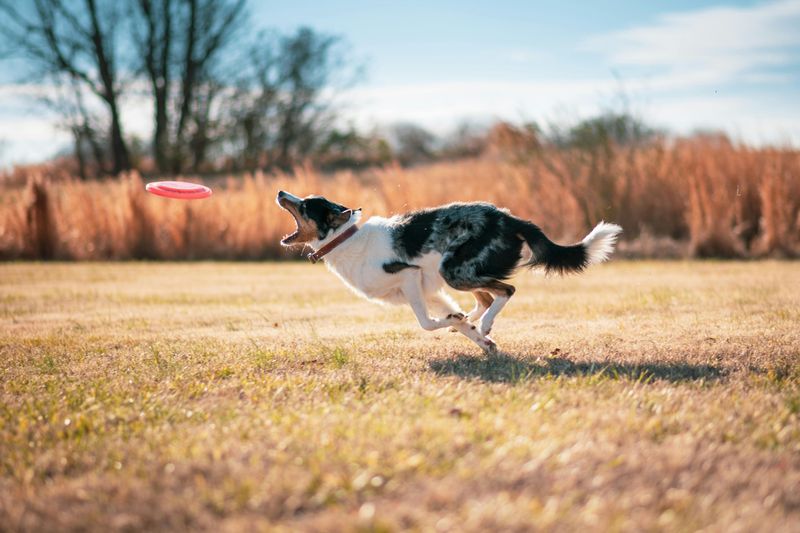
Border Collies turn toys into work. A disc or ball becomes a choreographed routine of stalking, sprinting, and laser locked eye contact.
Competition can surface through silent pressure, outrunning others, or anticipating the throw.
Structure is everything. Use release cues, specific field positions, and planned rests.
Trick training between throws lowers intensity and keeps the game thoughtful rather than frantic.
Vary patterns to prevent obsessive routines. Two toy fetch and controlled herding style recalls encourage cooperation.
When you set the rules, the Border’s brilliance shines as teamwork, and those famous eyes stay focused on you instead of toy hoarding.
Australian Cattle Dog
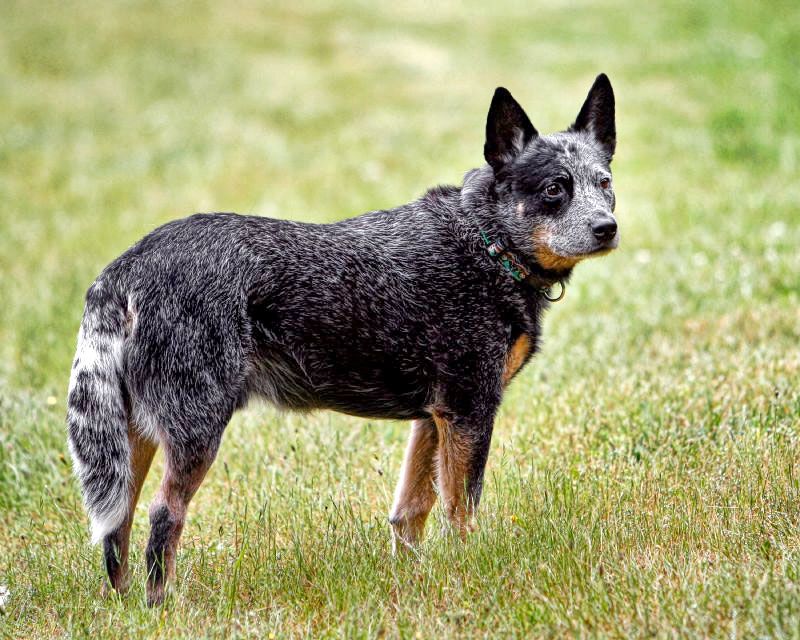
ACDs bring gritty determination to toy play. They will outthink, outmaneuver, and outlast to secure a favorite ball or tug.
That heel nipping heritage shows up as strategic blocking or herding other dogs away from the prize.
Channel intensity with structured fetch and defined boundaries. Ask for sits, stays, and eye contact before releases.
Use two toys to enforce fair trades, and break often for sniffing resets.
Terrain variety helps, like short hill sprints or controlled retrieves through cones. Balance with brain work, including scent puzzles and platform games.
When guided, your Cattle Dog’s competitiveness becomes smart, athletic play rather than stubborn possession.
Miniature Schnauzer
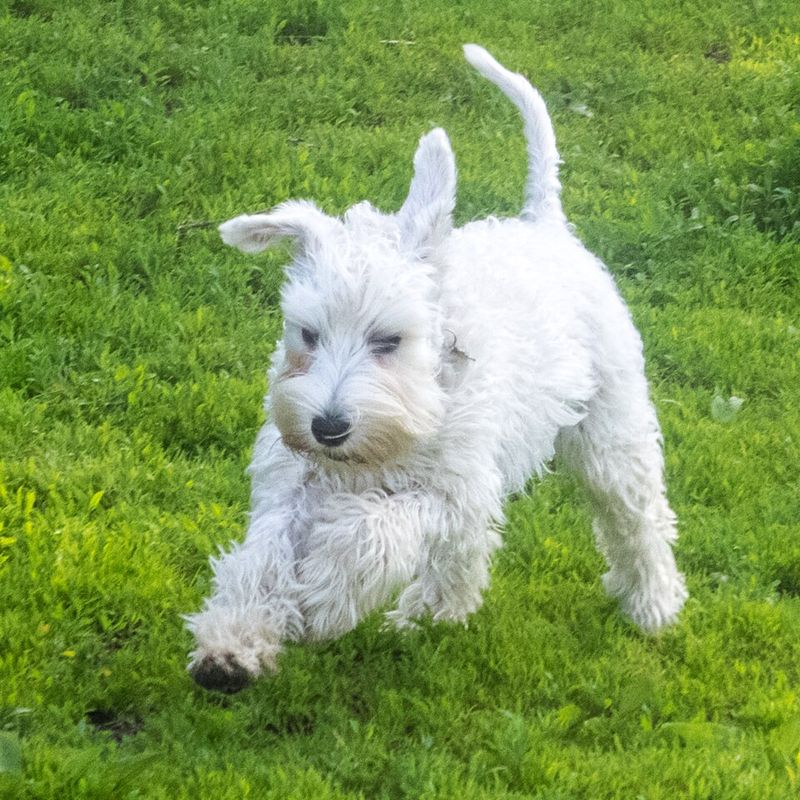
Mini Schnauzers pack big dog confidence in a compact frame. Hand them a squeaker, and suddenly they are the referee and star player.
They may prance, bark commentary, and stake a claim on the couch end zone with serious flair.
Teach polite starts and quick trades. Keep toys small, durable, and easy to grip.
Engage with short tug bursts and then ask for a tidy sit to reset arousal.
Scatter feed and puzzle bowls help redirect that focused intensity. Rotating toy boxes keep novelty high and guarding low.
With predictable rules, your Schnauzer channels competitive swagger into charming, cooperative games that leave everyone smiling.
Dachshund
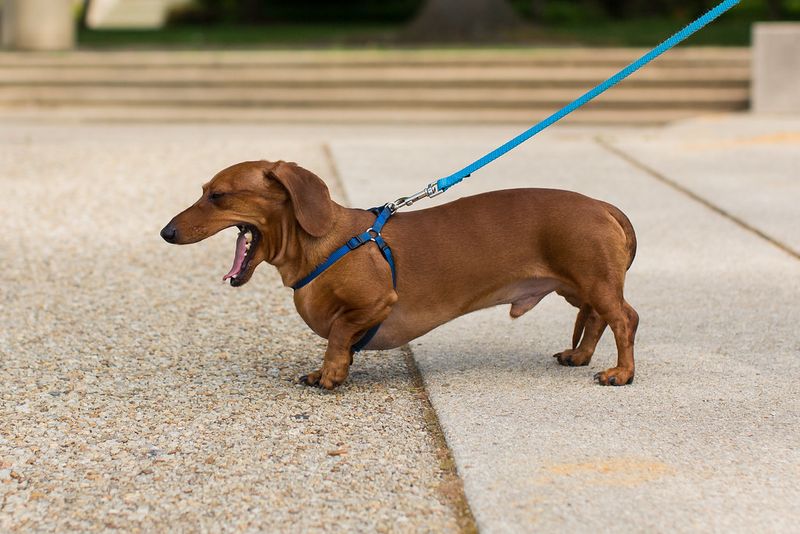
Dachshunds treat toys like prey trophies. A squeaker becomes a mission, and they will burrow under blankets to stash the prize.
That can look competitive around other pets, especially if a favorite plush is at stake.
Use trade games early and often. Ask for sits and eye contact, then swap toy for treat, returning it to build trust.
Keep tug low and gentle to protect backs, and avoid high jumps.
Sniff mat searches and hide and seek toys satisfy hunting instincts without conflict. Rotate options so one item does not become sacred.
With clear routines, your Doxie’s toy pride stays playful rather than possessive.
French Bulldog
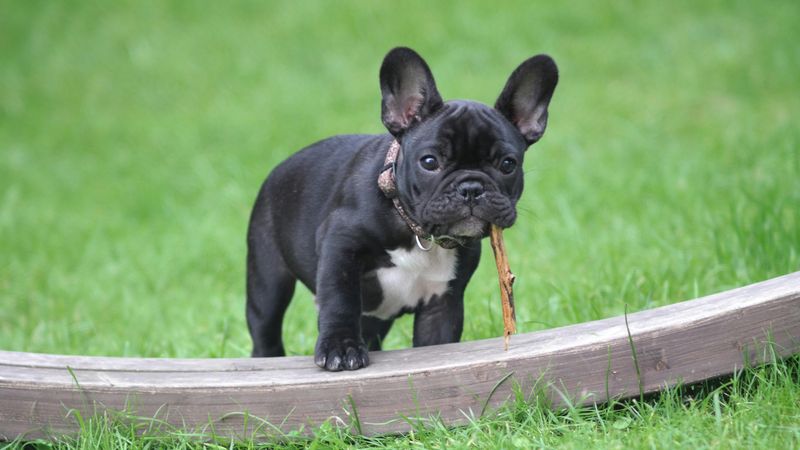
Frenchies bring comedic charm to toy battles. They adore squeakers and will waddle triumphantly with a stolen prize, daring you to chase.
Short bursts of energy can look competitive, especially with another small dog in the mix.
Keep sessions brief and cool to protect breathing. Use gentle tugs, easy trades, and calm praise for quick releases.
Avoid high intensity fetch in heat and pick toys that are soft yet sturdy.
Puzzle feeders and simple scent games scratch the problem solving itch without overexcitement. Rotate toys to keep novelty high and reduce guarding.
Your Frenchie’s playful bravado then turns into safe, hilarious fun rather than stubborn stand offs.
Cocker Spaniel
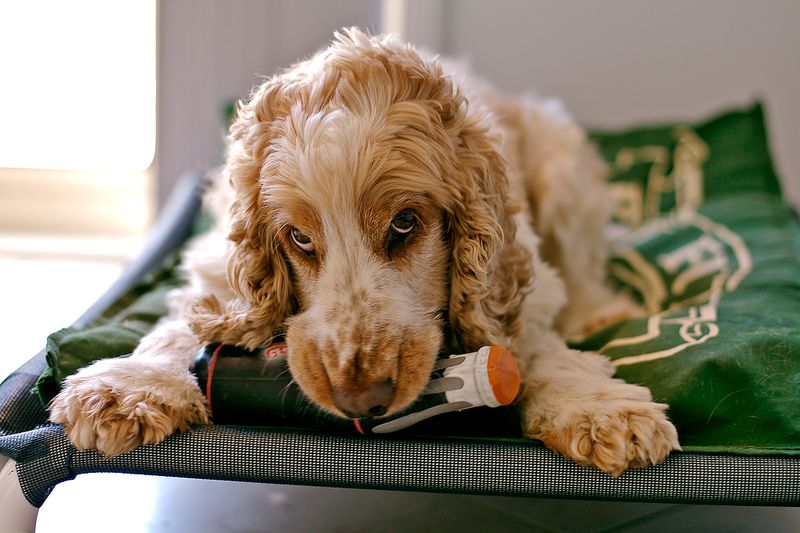
Cockers are joyful retrievers at heart. Present a plush or tennis ball, and the soft mouth instinct lights up.
They often parade favorites and may stash them in secret beds, getting a bit competitive if another dog comes near.
Teach cue based trades and reinforce calm when hands approach the toy. Keep fetch tidy with short throws and frequent sit resets.
Soft, easy to grip toys maintain confidence and reduce guarding.
Mix in scent games and gentle obedience between rounds. Grooming time doubles as a calm down ritual after play.
With clear expectations, your Cocker channels that tender retrieve drive into sweet, cooperative games that never tip into tension.