
Some dogs look perfect on social media, but real life with them can be a whole different story. Many popular breeds need tons of exercise, training, grooming, or patience that new owners never expect.
Picking the wrong dog can lead to stress for your family and sadness for the pup. Knowing the hard parts ahead of time helps you choose a dog that truly fits your life.
Siberian Husky
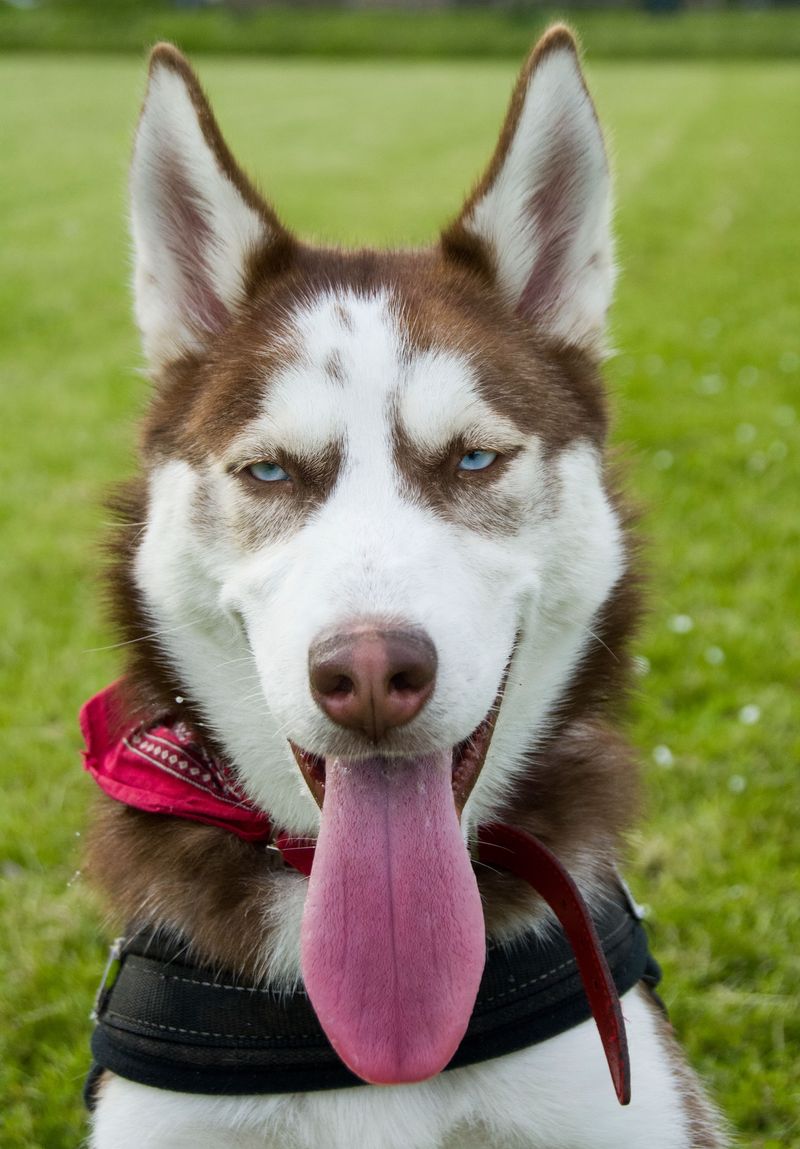
Those icy blue eyes have sold a lot of puppies. Sadly, many Huskies end up in shelters because owners had no idea what they signed up for.
Bred to pull sleds for miles, these dogs need hours of running every day. Bored Huskies howl, dig, and escape fences like tiny furry magicians.
They also shed so much twice a year that you could build a second dog from the fur. Invest in a strong vacuum.
Border Collie
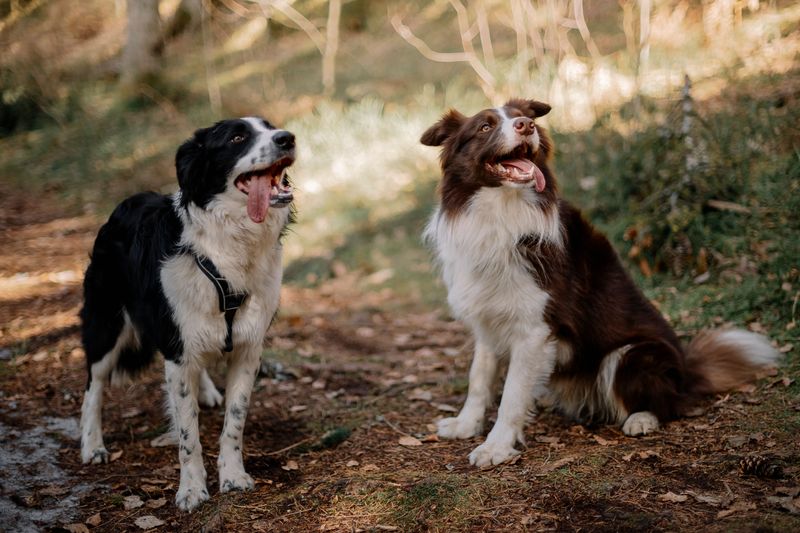
Ever met a dog smarter than your homework helper? Border Collies are often called the most intelligent breed, and that brain needs constant work.
Without jobs to do, they invent their own. That might mean herding children, chasing cars, or nipping at ankles.
Owners who succeed usually do agility, herding classes, or puzzle games daily. If your family loves the couch more than hiking trails, consider a calmer companion instead.
French Bulldog
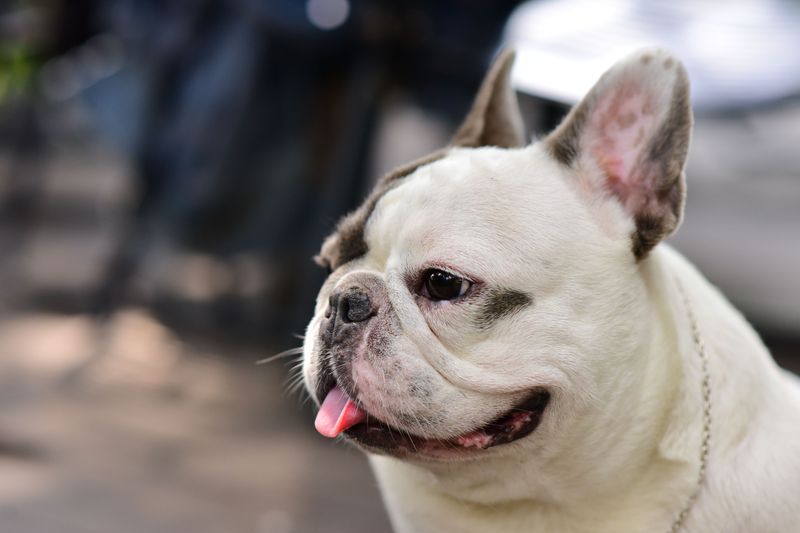
Cute bat ears and a squishy face made Frenchies one of America’s top breeds. Behind that charm, though, hide some serious health worries.
Their flat faces make breathing tough, especially in heat. Many need costly surgeries for airways, spines, or allergies, and most puppies are born by C-section.
Before buying one, save up an emergency vet fund and look into pet insurance. Your wallet will thank you later.
Dalmatian
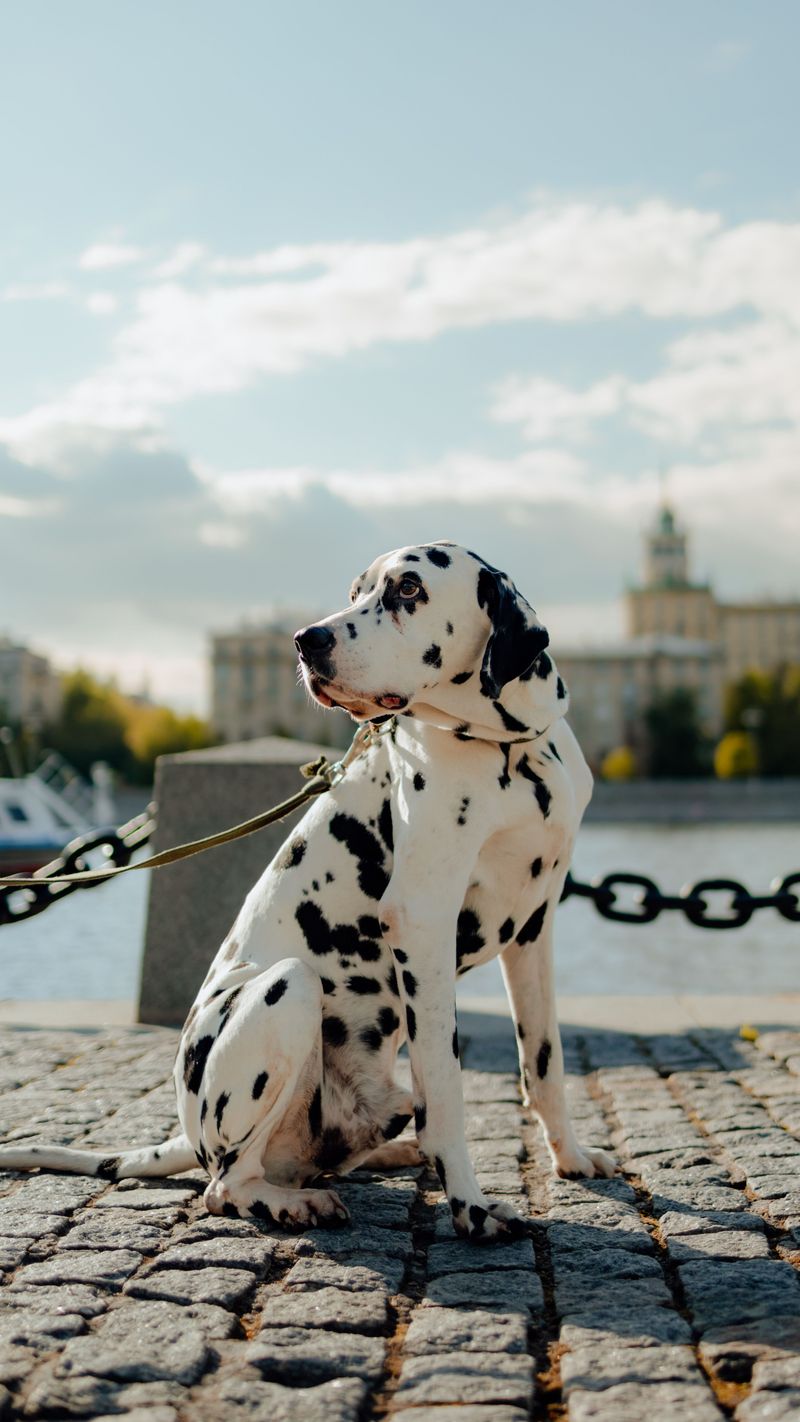
Thanks to a famous Disney movie, plenty of families rushed to bring home spotted puppies. Many quickly discovered the cartoon left out a few details.
Dalmatians once ran beside horse carriages for miles, so their stamina is huge. They can be stubborn, sensitive, and sometimes deaf.
Fun fact: they also shed all year long, and those little white hairs weave into everything. Black pants become your enemy fast.
Jack Russell Terrier
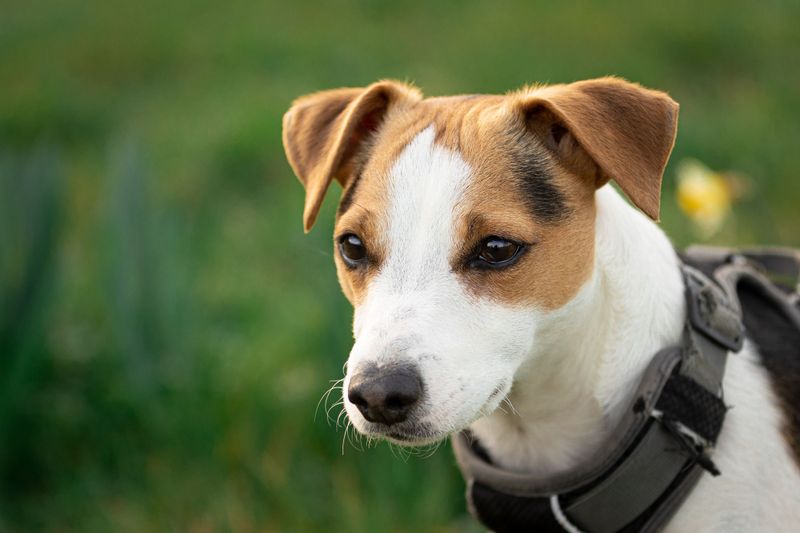
Picture a tornado wrapped in a tiny white coat. That’s daily life with a Jack Russell.
Bred to chase foxes underground, they dig, bark, and hunt anything that squeaks, including the family hamster. Their small size fools people into thinking they suit apartments.
Honestly, they need more activity than many big dogs. Firm, fun training and lots of fetch help channel that wild spark into good manners.
Australian Shepherd
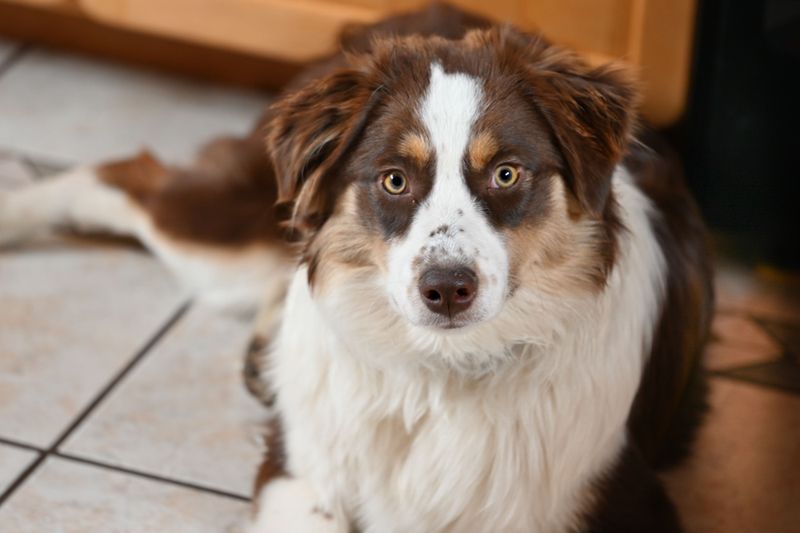
“My Aussie herded my toddler into the kitchen,” one owner laughed. That story is pretty normal for this breed.
Despite the name, Australian Shepherds were developed on American ranches. They crave work, attention, and serious exercise every single day.
Left alone too long, they can chew furniture or become anxious. Their thick double coat also needs weekly brushing.
Active families with yards usually make the happiest Aussie homes.
Chihuahua
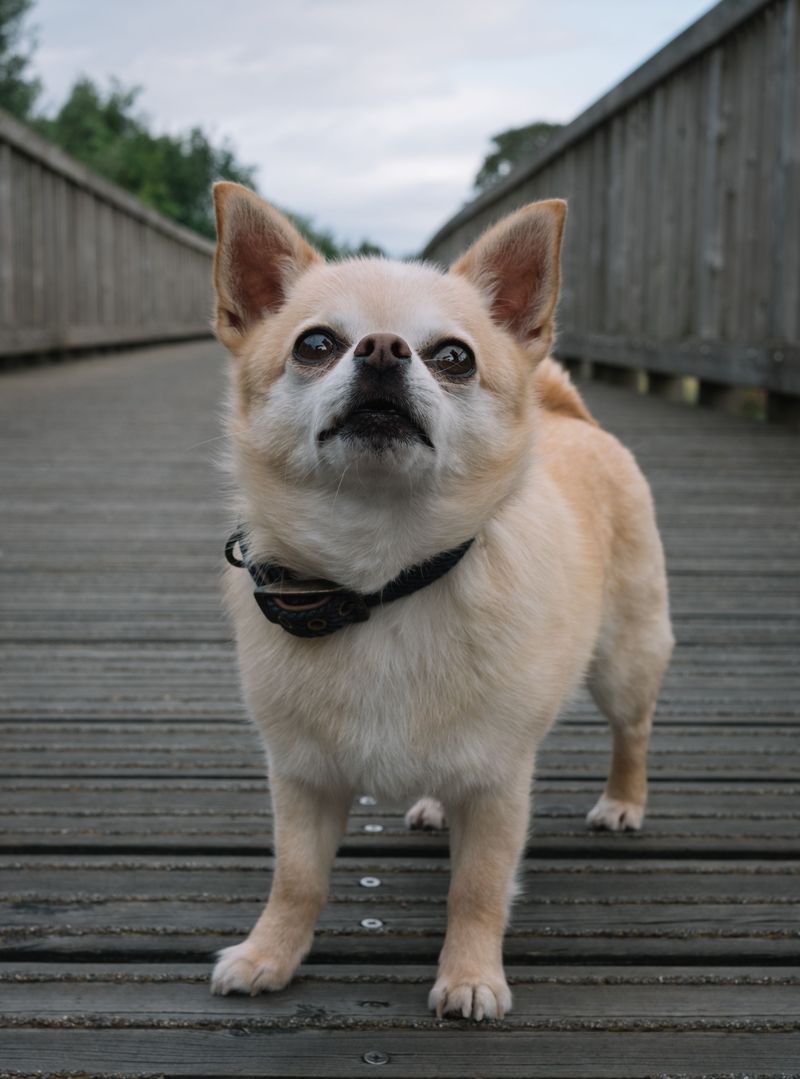
Tiny body, giant attitude. Chihuahuas may fit in a purse, yet their personalities fill the whole house.
Many bond tightly to one person and get snappy with strangers or small kids. Their bark goes off at every doorbell, leaf, and passing mail truck.
Potty training can take months because small bladders work fast. Early socializing really matters, so introduce your pup gently to new people and places while young.
Beagle
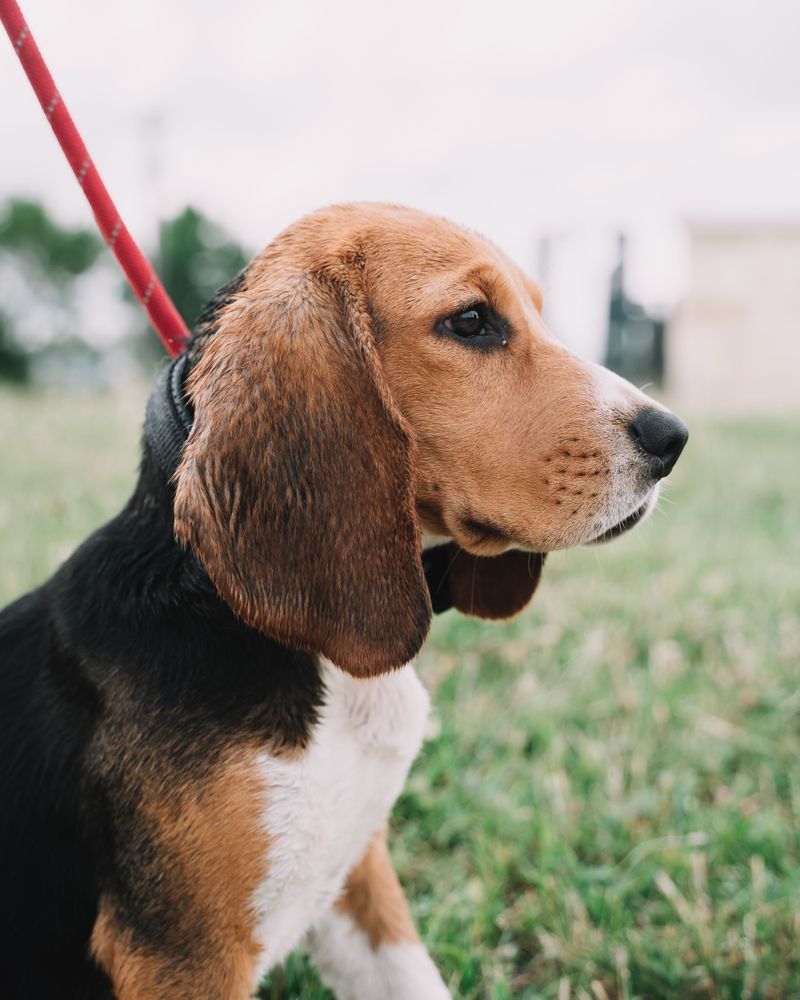
Here’s a secret Beagle owners know well: that adorable nose runs the show. Once it catches a smell, your voice simply disappears.
Beagles are famous escape artists and food thieves. They’ll open trash cans, steal sandwiches, and bay loudly enough to annoy neighbors.
Keep snacks out of reach and always use a leash outside. With patience and tasty rewards, training slowly sticks, though perfect recall rarely happens.
Weimaraner
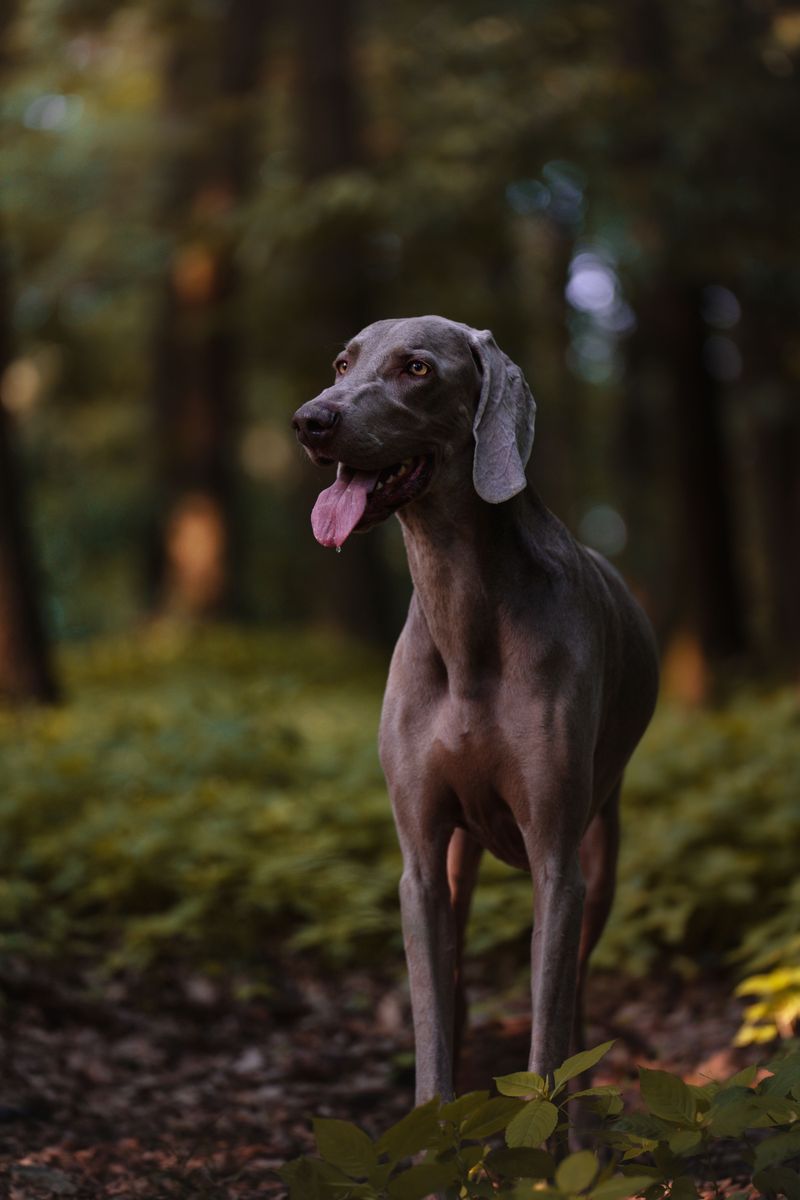
Nicknamed the “Velcro dog,” the silver Weimaraner wants to be glued to your side every minute.
That loyalty sounds sweet until you leave for work. Many suffer separation anxiety, leading to howling, scratched doors, and shredded couches.
German nobles once used them to hunt big game, so energy levels run very high. Long runs, crate training, and short practice departures can help this needy beauty feel secure.
Akita
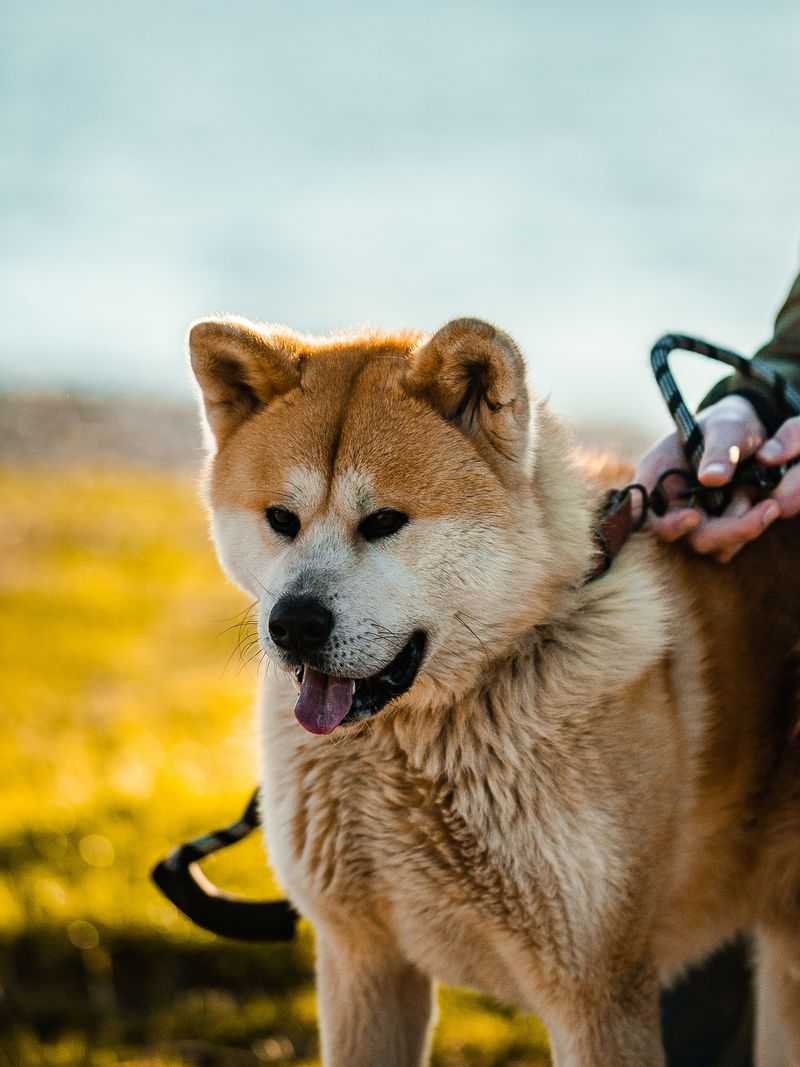
Famous for loyalty, the Akita inspired the true story of Hachiko, who waited years for his owner at a Tokyo train station.
That devotion comes with a protective, independent streak. Akitas often dislike other dogs and may not welcome visitors warmly.
They’re strong, serious, and need an experienced handler. First-time owners usually struggle.
Professional training and careful socializing from puppyhood are musts for this dignified breed.
Shiba Inu
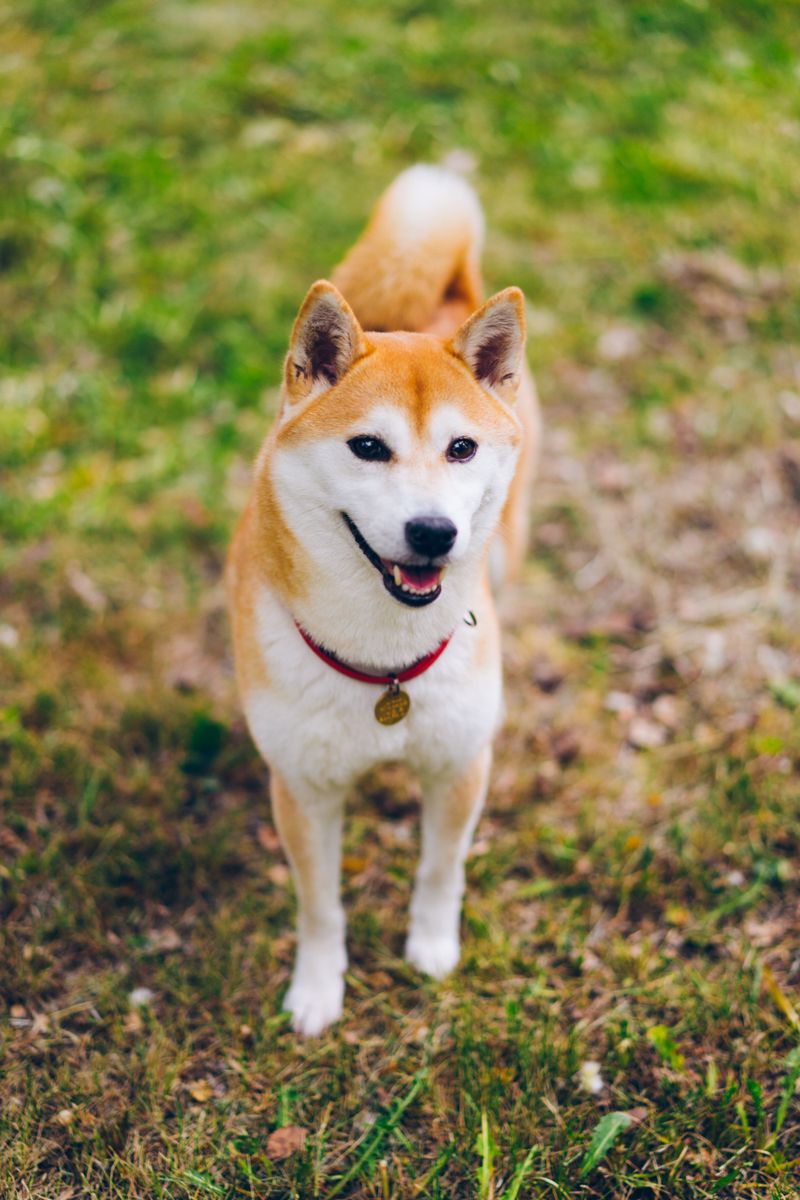
Internet memes made the Shiba a star, but living with one feels more like sharing a home with a cat.
They’re clean, proud, and very independent. Commands are often treated as polite suggestions.
Some even let out a loud “Shiba scream” when handled.
Never trust one off-leash, because they bolt. Expect heavy seasonal shedding too.
Owners who respect their space usually earn a quiet, loyal friend.
Belgian Malinois
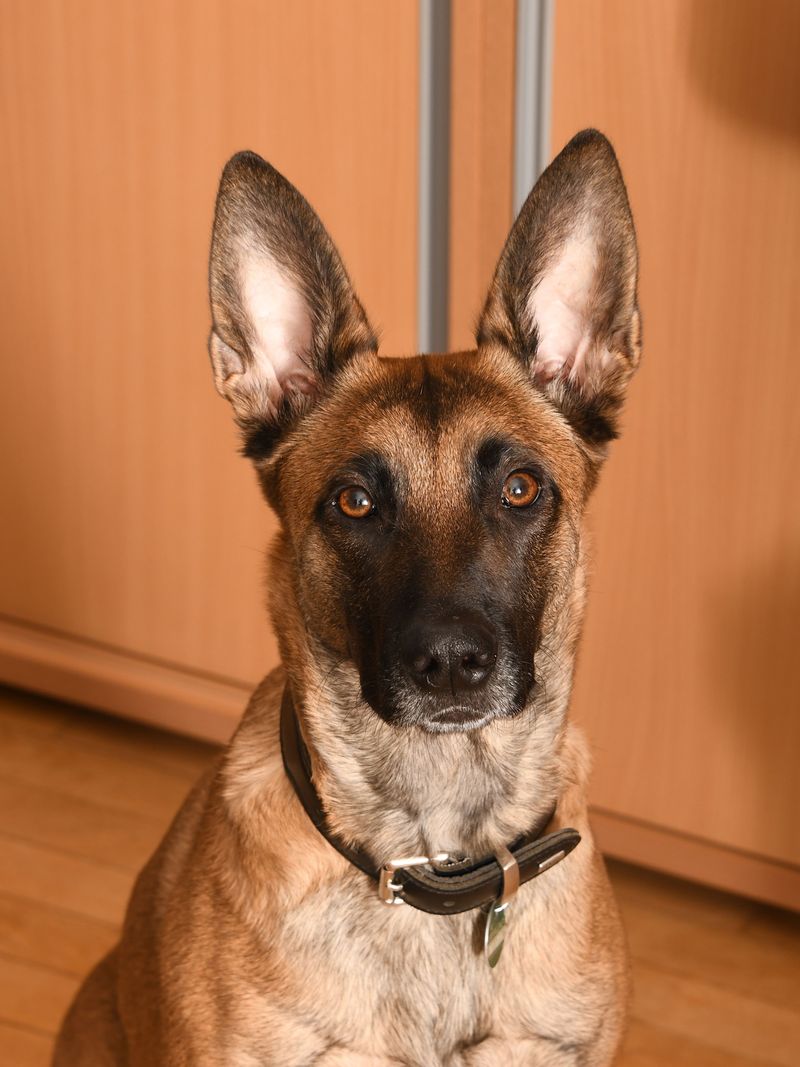
Movies show them as heroic military dogs. Real life?
A Malinois at home can feel like living with a furry rocket.
These dogs were built for police and protection work, with drive that never switches off. Without hours of training, they may chew walls or nip.
Rescue groups report many dumped Malinois after viral videos boosted demand. Unless you train dogs seriously, admire this breed from a distance.
Cocker Spaniel
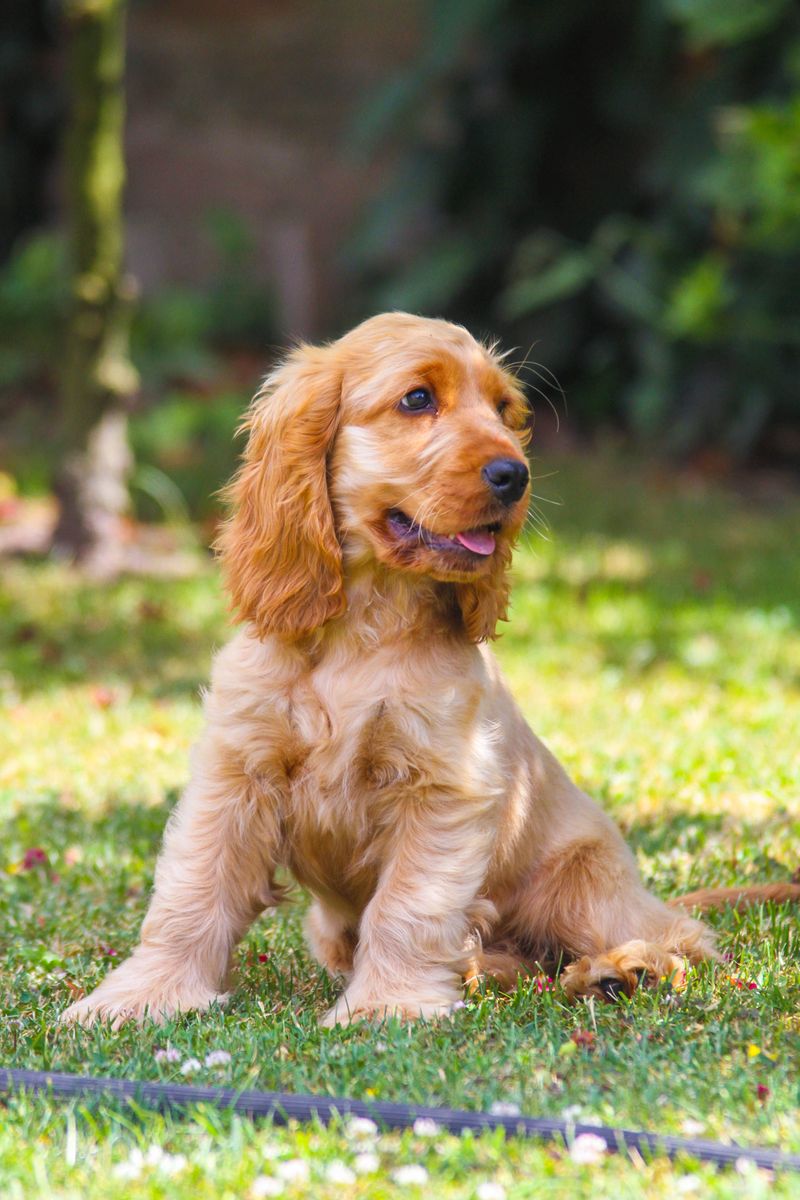
Silky ears and soulful eyes give Cocker Spaniels a storybook look. Keeping that look, however, takes real effort.
Their long coat tangles quickly and needs grooming every few weeks. Those floppy ears trap moisture, so infections pop up often.
Some Cockers also guard food or toys and can be touchy. Choose a careful breeder, clean ears weekly, and practice handling paws and ears from day one.
Dachshund
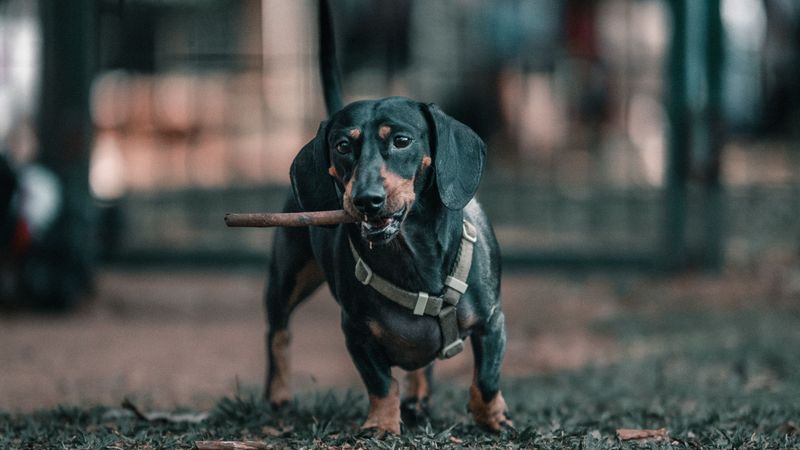
Did you know “Dachshund” means “badger dog” in German? That fearless hunting past still shows today.
Wiener dogs can be bossy, loud, and tricky to house-train. Their long backs also make them prone to painful spinal problems.
Stop jumping off couches by using ramps, and keep weight in check. Expect plenty of barking at strangers.
Under all that sass, though, beats a fiercely devoted little heart.
Labrador Retriever
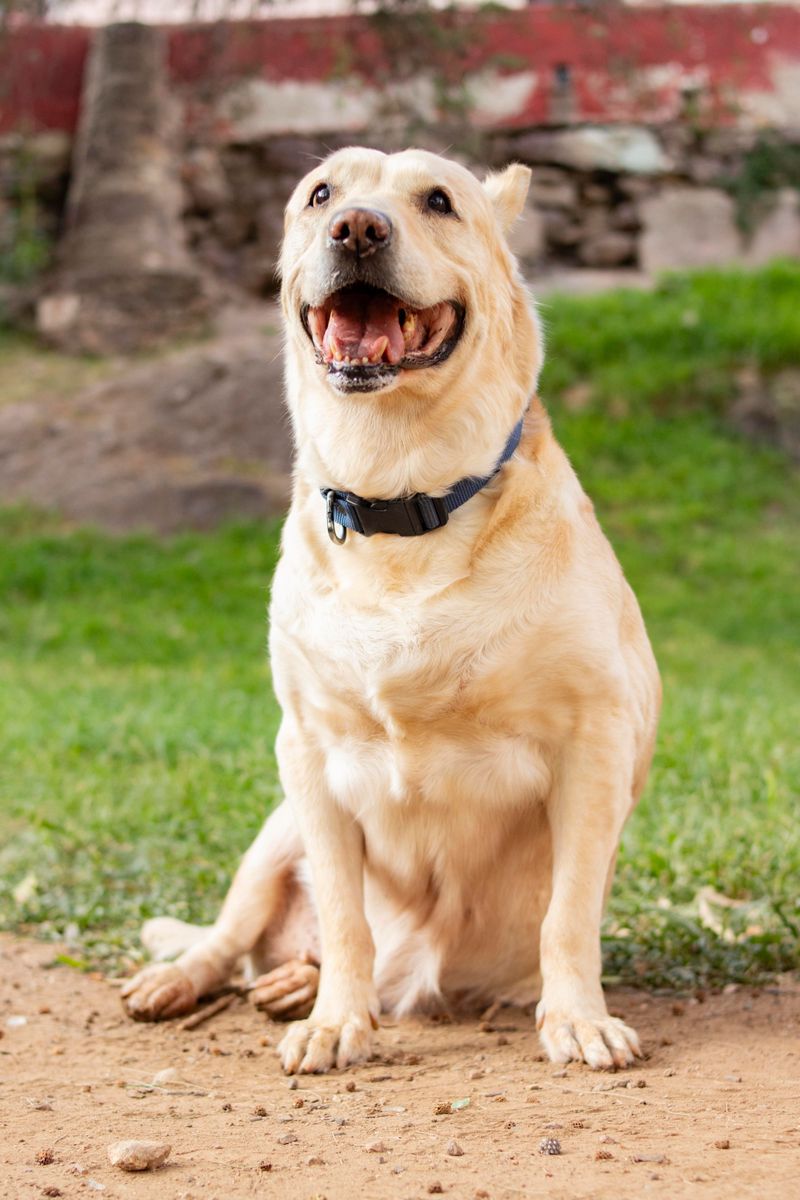
Surprised to see America’s favorite family dog here? Plenty of new owners are, too, right after their Lab eats a remote.
Young Labs stay puppy-crazy for about three years. They chew, jump, pull on leashes, and gobble anything, including socks.
They also gain weight easily and shed constantly. Daily swims or fetch, chew toys, and obedience classes turn this goofy whirlwind into the dream dog people imagine.
Pomeranian
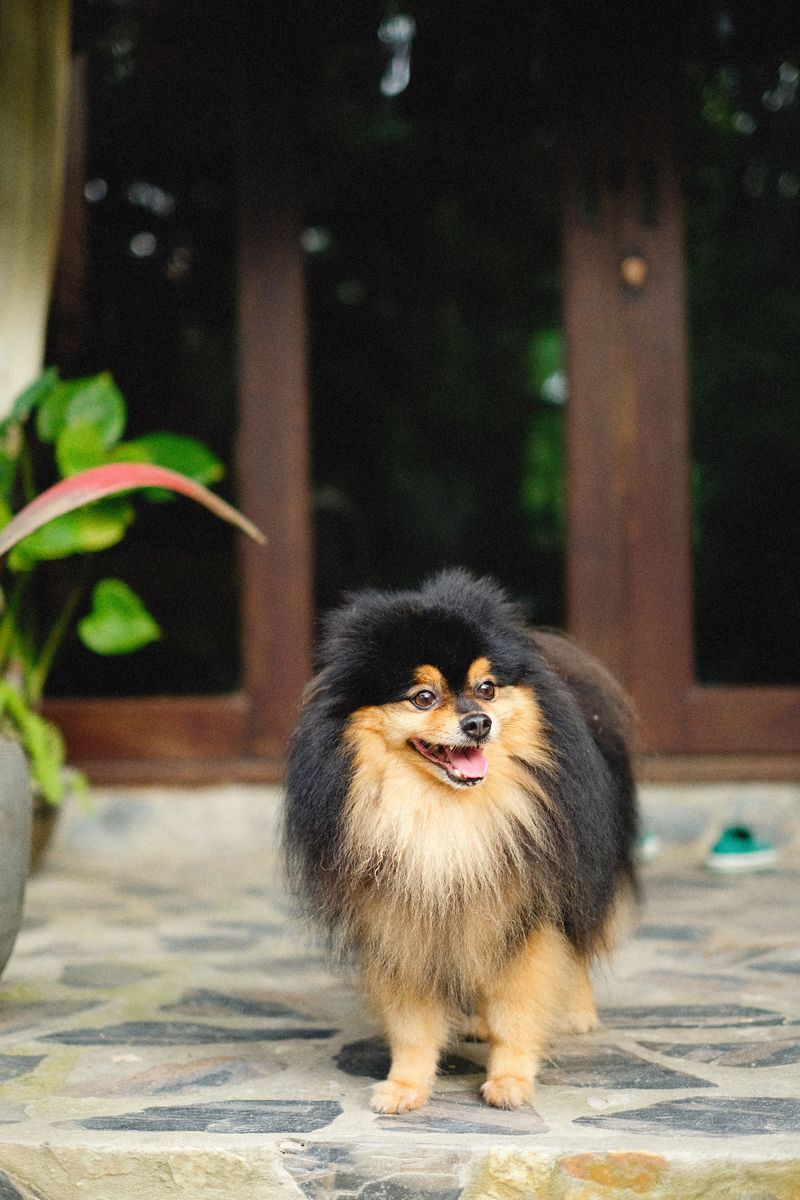
Queen Victoria adored Pomeranians, helping shrink them from bigger sled-type dogs into fluffy lapdogs.
Today’s Poms look like walking cotton balls, but they bark a lot and can act bossy. Their thick coats need brushing several times a week.
Tiny bones break easily, so rough play with young kids is risky. Consistent training curbs yapping, and gentle handling keeps this little lion safe and happy.