
Many dog owners unintentionally overfeed their pets, leading to health issues. Some breeds are more prone to overfeeding due to their charming personalities and persuasive eyes. This guide explores 16 such breeds and why portion control is crucial for their well-being.
Schillerstövare
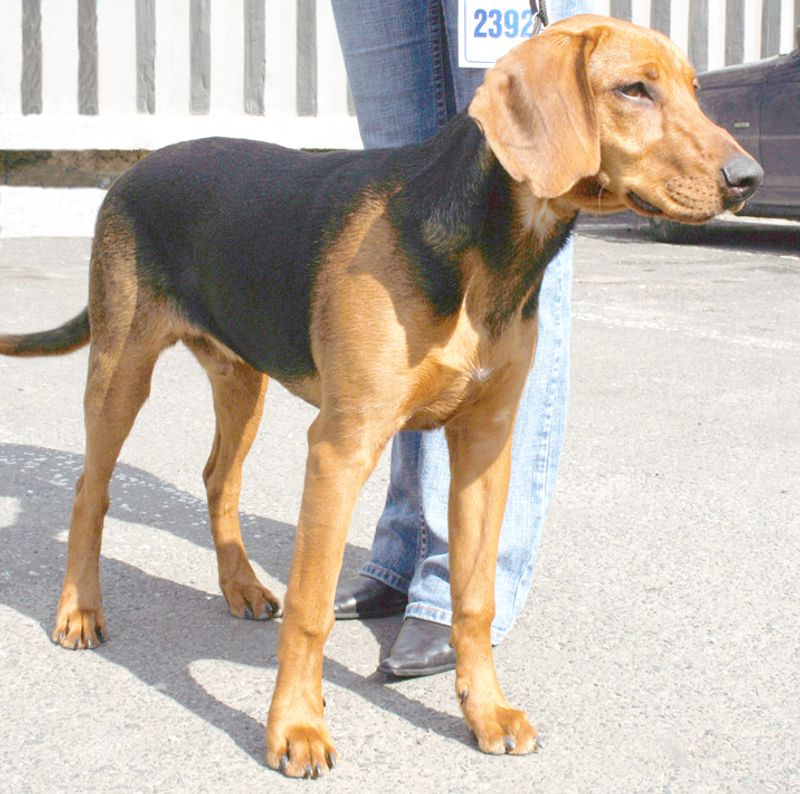
The Schillerstövare, known for its boundless energy and keen hunting instincts, often finds itself overfed. Owners might mistake its active nature for a need for more food. This breed thrives on routine and structure, requiring strict portion control to maintain its lean physique. Historically bred for hunting, these dogs are agile and resilient. Feeding them beyond their needs can lead to unwanted weight gain, affecting their agility. Ensuring they have a balanced diet, rich in nutrients yet controlled in quantity, is essential for their health and well-being.
Hamiltonstövare
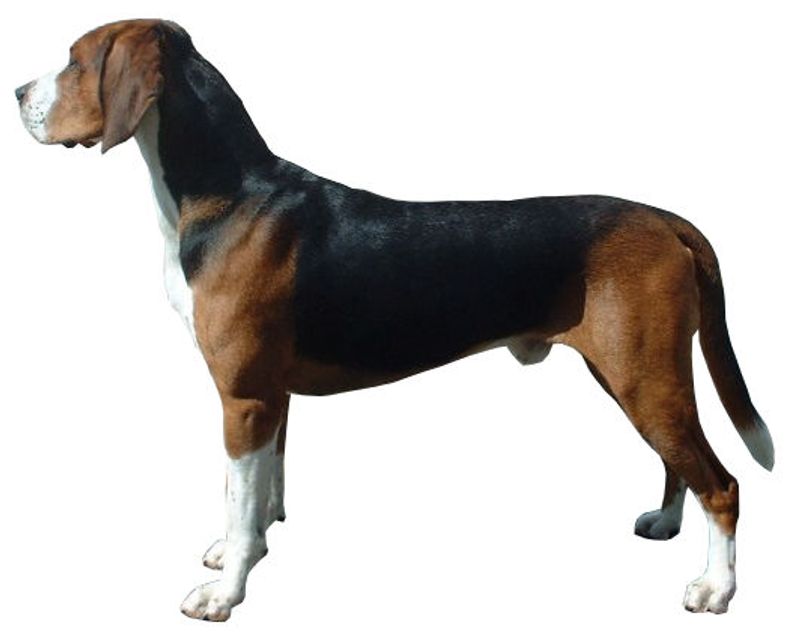
With its sleek coat and friendly demeanor, the Hamiltonstövare captures many hearts. Owners often overestimate their dietary needs, especially given their active lifestyle. Originally bred in Sweden for hunting, these dogs are built for endurance and speed. However, their food intake must not outpace their energy expenditure. A structured feeding routine, balanced with ample exercise, ensures they remain in peak condition. Overfeeding can detract from their natural athleticism, so careful portion control is crucial.
Finnish Hound
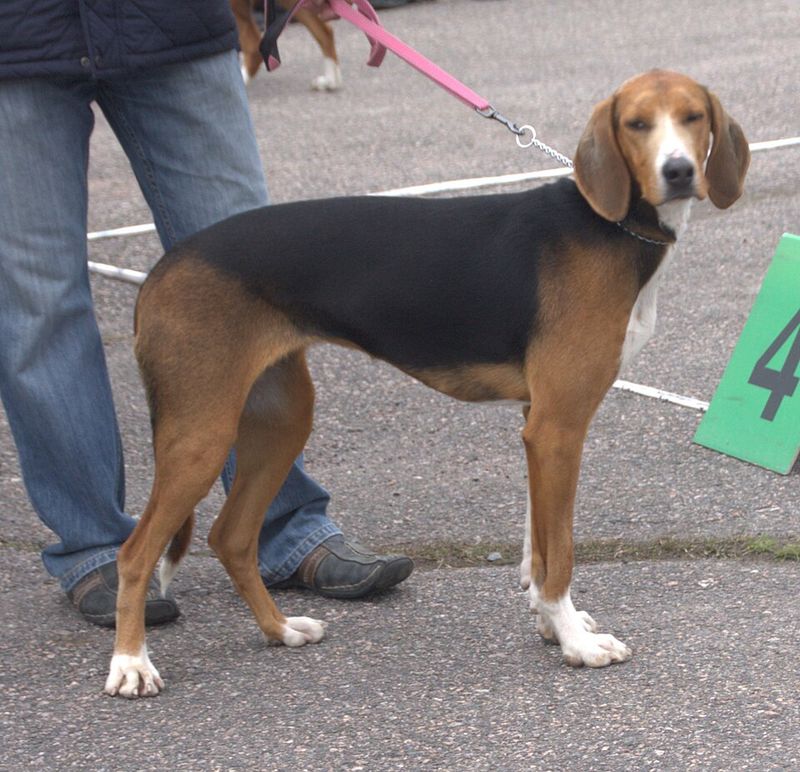
The Finnish Hound, with its rich hunting heritage, is often overfed by well-meaning owners. Its muscular build can mislead some into thinking it requires more food. These dogs are natural hunters, known for their endurance and keen sense of smell. While they may seem always hungry, maintaining a balanced diet is key. Overindulgence can lead to health issues, hampering their innate skills. Owners should focus on quality nutrition, ensuring their portion sizes align with their activity level.
Norrbottenspets
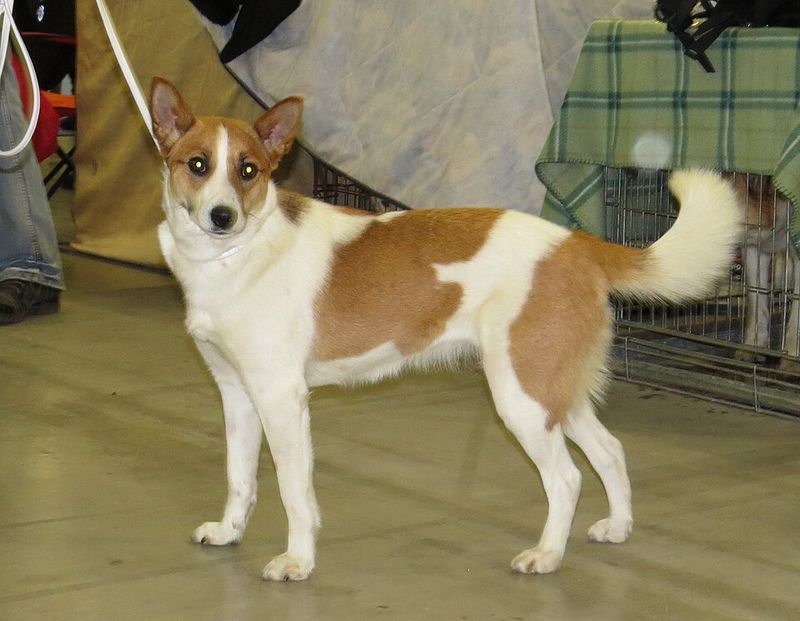
The Norrbottenspets, a lively and spirited breed, often charms its way into extra treats. This spitz-type dog, native to Sweden, is known for its cheerful disposition and high energy levels. Despite its small size, it requires a well-regulated diet to prevent weight gain. Overfeeding can mask its natural agility and zest for life. Owners should monitor their pet’s intake closely, ensuring their caloric consumption matches their activity level. A balanced diet helps maintain their vibrant health and exuberant nature.
Thai Bangkaew Dog
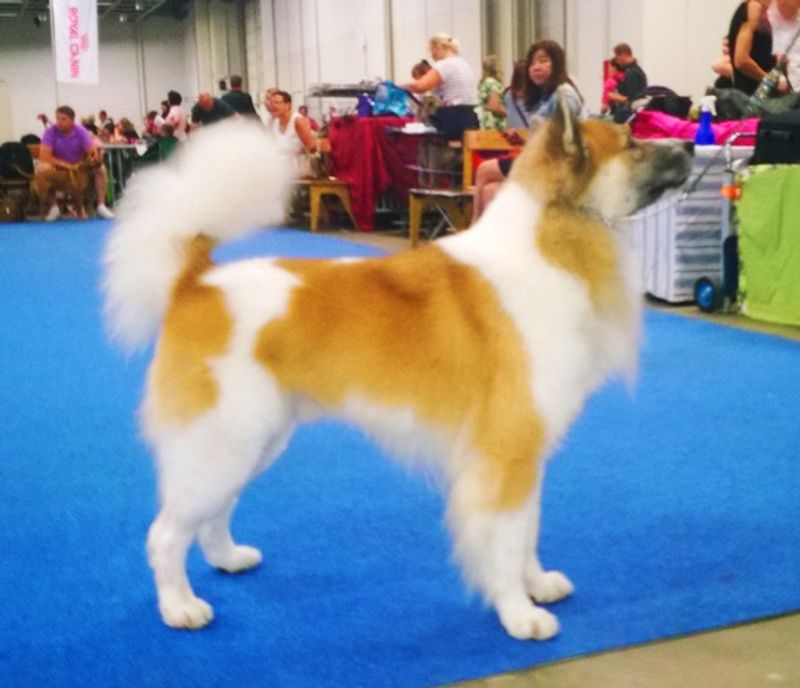
The Thai Bangkaew Dog, with its thick, luxurious coat, often leads owners to mistakenly overfeed. This breed is known for its loyalty and protective instincts. Despite its sturdy appearance, it doesn’t require excessive food. Originating from Thailand, these dogs are adaptable and resilient. Portion control is essential to avoid obesity, which can hinder their natural agility and alertness. A diet balanced in nutrients supports their physical and mental health, ensuring they remain active and alert.
Kishu Ken
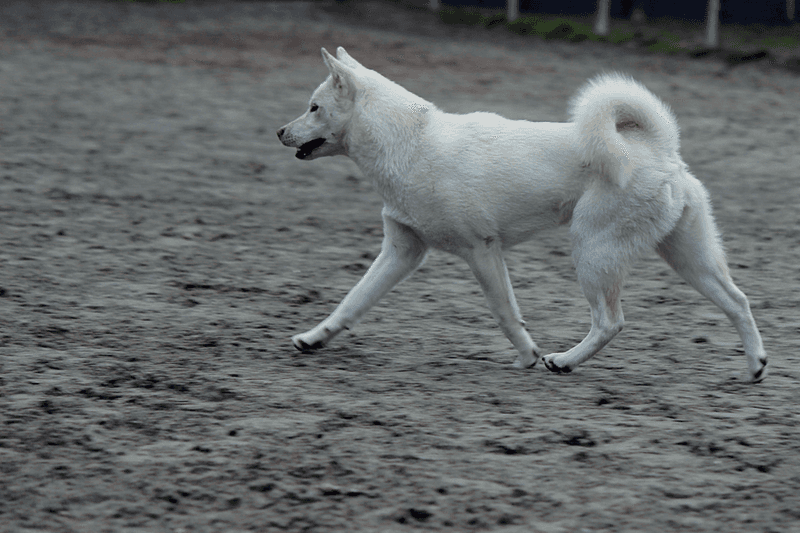
The Kishu Ken, with its noble stance and quiet dignity, often receives more food than necessary. Originating from Japan, this breed is known for its hunting prowess and loyalty. Owners may overfeed, mistaking its calm demeanor for hunger. Despite their robust appearance, Kishu Kens thrive on a balanced, controlled diet. Overfeeding can lead to weight-related health issues, detracting from their agile nature. Ensuring proper portion sizes helps maintain their health and enhances their natural grace.
Hokkaido
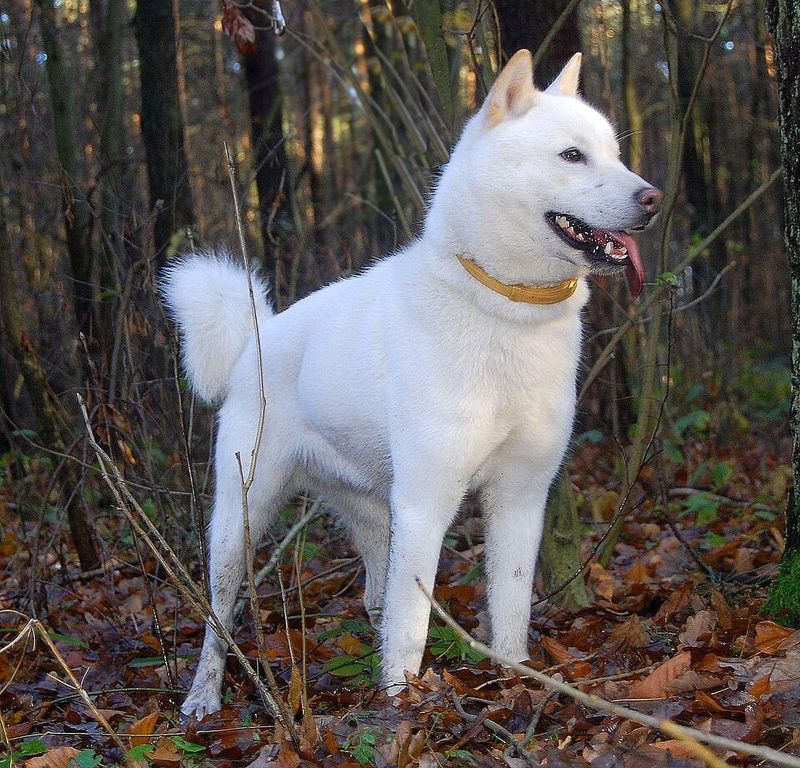
The Hokkaido, with its history steeped in survival and resilience, often falls victim to generous feeding. Known for its adaptability to harsh climates, it boasts a thick, insulating coat. However, feeding beyond its requirements can lead to weight issues. This breed is celebrated for its loyalty and intelligence. Owners should focus on providing a balanced diet that supports their physical activity without overindulgence. Maintaining their ideal weight is essential for their overall health.
Lowchen

The Lowchen, often dubbed the “little lion dog,” can be easily overfed due to its small size and charming demeanor. This breed is a historical companion, known for its affectionate nature and lively spirit. Owners might overestimate their food needs, mistaking playfulness for hunger. A balanced diet is vital to prevent weight gain, which can affect their lively antics. By maintaining appropriate portions, these delightful dogs can maintain their zest for life and playful energy.
Tibetan Spaniel

With its regal bearing and expressive eyes, the Tibetan Spaniel often receives more treats than needed. This breed, cherished for its companionship, is known for its watchful nature and intelligence. Owners may overfeed, swayed by their charming antics. Despite their small stature, they require disciplined feeding to avoid obesity. A structured diet helps preserve their natural grace and vitality. Portion control is key to maintaining their health and vibrant energy.
Kromfohrländer
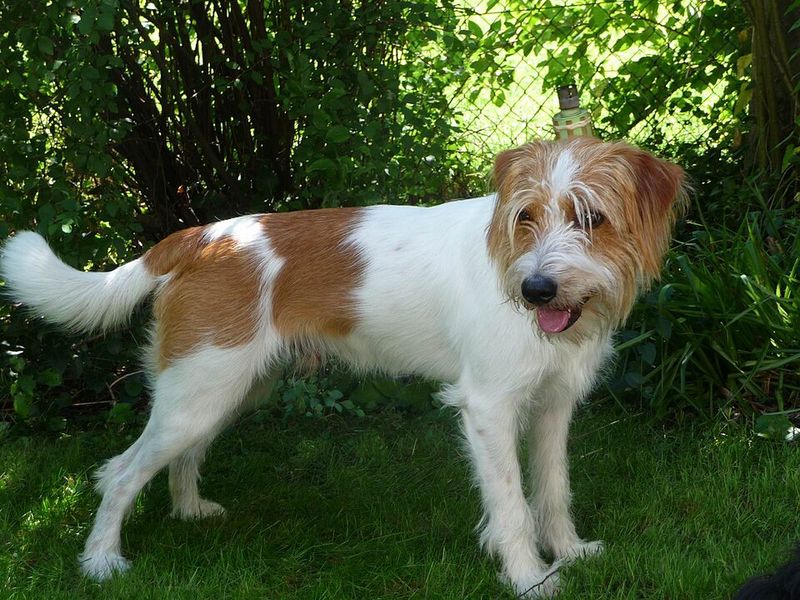
The Kromfohrländer, with its playful antics and expressive eyes, often convinces owners to overfeed. Known for its friendly and adaptable nature, this breed thrives in family settings. However, portion control is crucial as overfeeding can lead to health issues. A balanced diet, rich in nutrients yet carefully measured, supports their overall well-being and lively spirit. Ensuring they remain active helps maintain their ideal weight, preserving their playful exuberance.
Nederlandse Kooikerhondje
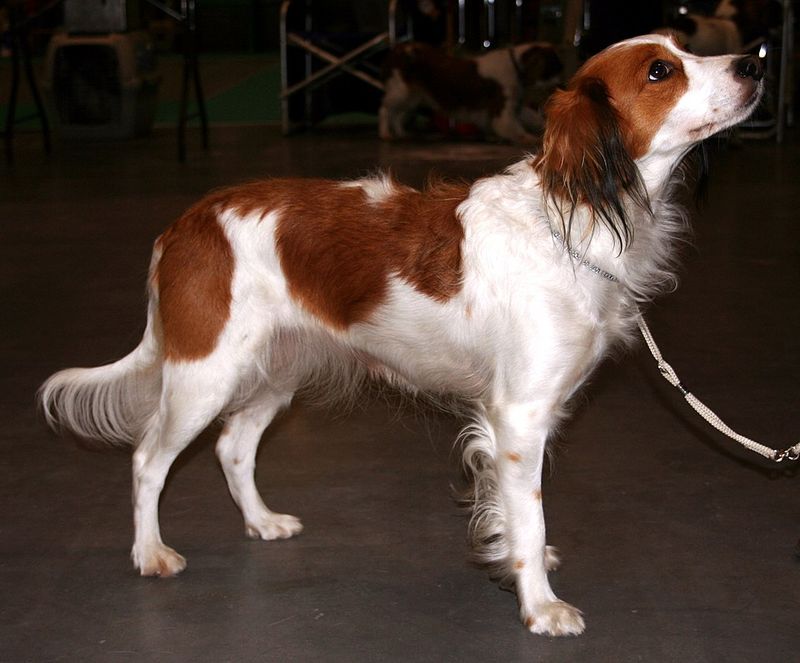
The Nederlandse Kooikerhondje, with its distinctive orange and white coat, can be easily overfed by doting owners. This breed, traditionally used for duck hunting in the Netherlands, is known for its agility and intelligence. Overindulgence can lead to weight problems, affecting their natural athleticism. A balanced diet, tailored to their energy needs, ensures they remain fit and healthy. Owners should monitor their food intake closely, supporting their active lifestyle.
Polish Lowland Sheepdog
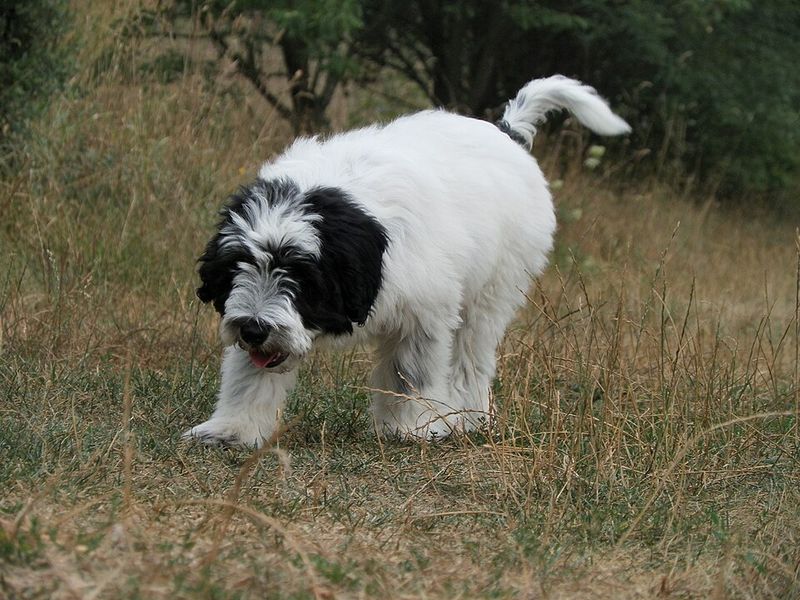
With its fluffy coat and endearing nature, the Polish Lowland Sheepdog often receives more food than necessary. This breed, known for its herding instincts and intelligence, benefits from a controlled diet. Overfeeding can lead to weight issues, hampering their agility and working ability. Owners should balance their pet’s meals with regular exercise to maintain their ideal weight. A well-structured feeding routine is essential for their overall health and vitality.
Briard
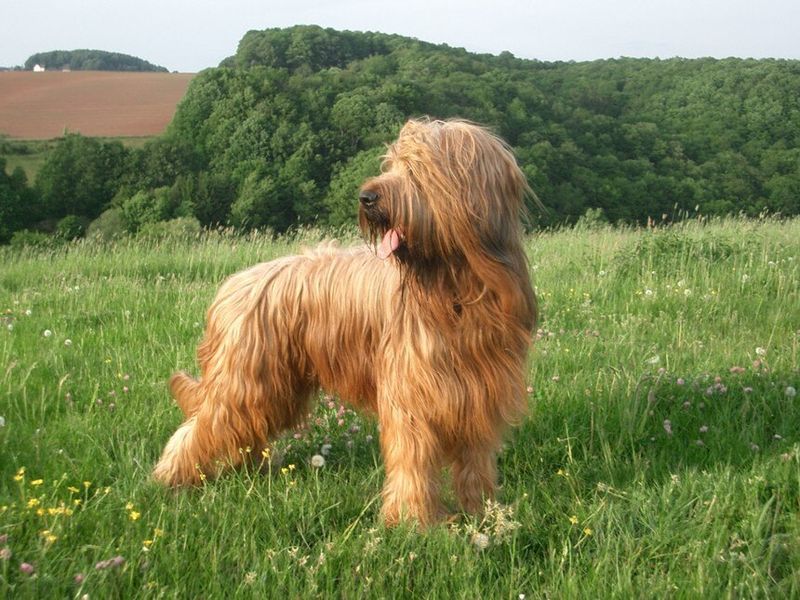
The Briard, with its commanding presence and luscious coat, often finds itself overfed by adoring owners. Known for its intelligence and loyalty, this breed thrives as a working dog. However, overfeeding can lead to weight issues, impacting their health and agility. A balanced diet, rich in nutrients but controlled in portion size, helps them maintain their working prowess. Regular exercise complements their diet, ensuring they remain fit and healthy.
Bergamasco Sheepdog
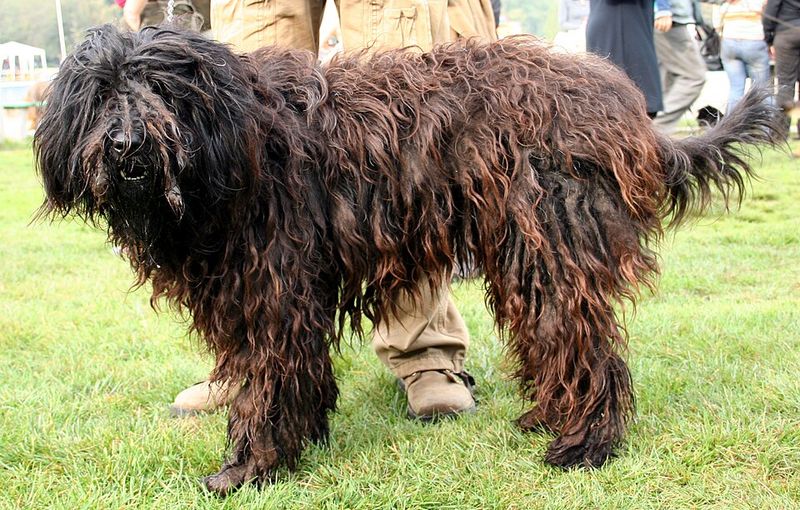
The Bergamasco Sheepdog, renowned for its distinctive matted coat, often receives more food than needed. This breed, hailing from the Italian Alps, is known for its intelligence and adaptability. Overindulgence can lead to obesity, affecting their natural agility. Owners should provide a balanced diet aligned with their activity level. Ensuring regular exercise helps maintain their health, preserving their ability to work and play.
Hovawart
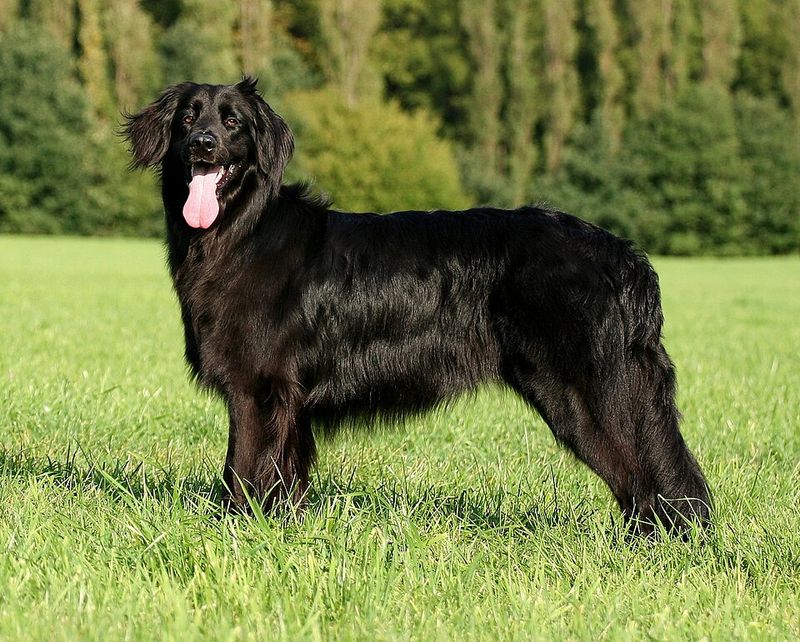
The Hovawart, with its striking golden coat and protective nature, can be overfed by well-meaning owners. This breed is celebrated for its guarding instincts and intelligence. To avoid weight issues, a balanced diet is crucial. Overfeeding can hinder their natural prowess and agility. Owners should monitor their food intake, ensuring that it supports their active lifestyle. A structured feeding routine complements their need for regular exercise, maintaining their health and vitality.
Finnish Lapphund

With its thick, fluffy coat, the Finnish Lapphund often receives more food than necessary. This breed, cherished for its affectionate nature and intelligence, thrives in cold climates. Overfeeding can lead to obesity, affecting their playful and energetic demeanor. A balanced diet, rich in nutrients and controlled in portion size, is vital. Owners should ensure regular physical activity to complement their dietary needs, maintaining their overall health and well-being.