
Some dogs carry their feelings right on the surface, and when stress bubbles up, it can look like misbehavior. But behind the barking, freezing, or zooming is often a worried mind trying to cope.
If you have ever felt overwhelmed, you already understand what many breeds experience daily. Let these insights help you respond with patience, not blame, so your dog can breathe easier.
Chihuahua
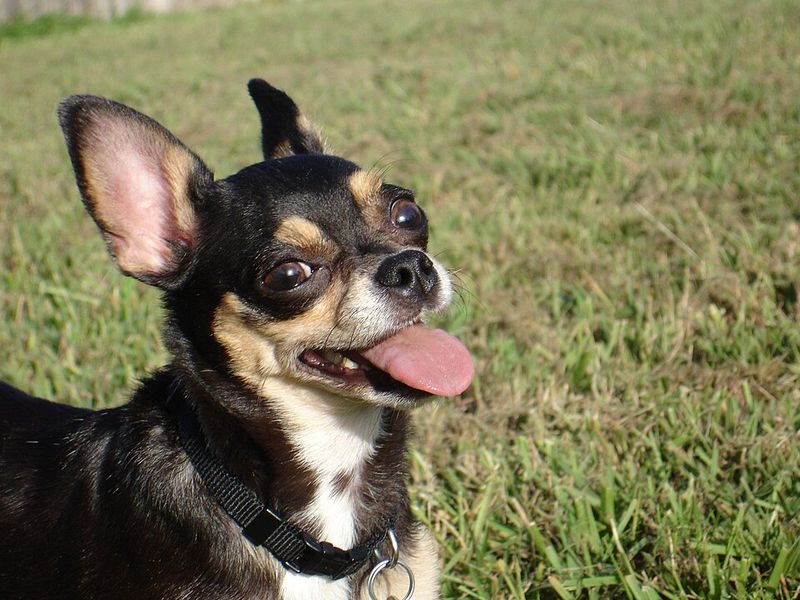
Chihuahuas are tiny, but their feelings are huge. When crowded, scooped suddenly, or stared down, they can tremble, snarl, or snap because everything looms large.
You would struggle too if the world felt like a parade of giants and rumbling shoes.
Give them space, warm laps on invitation, and predictable routines. Let them sniff before petting, and reward calm with soft treats.
If barking spikes, step back, lower the volume, and guide them to a cozy crate rather than scolding. Short confidence walks, puzzle feeders, and gentle handling classes build resilience.
You will see a brave, sparkling personality emerge when safety comes first, proving their bark is simply stress speaking, not meanness. Offer patience daily, and celebrate tiny wins.
Shiba Inu
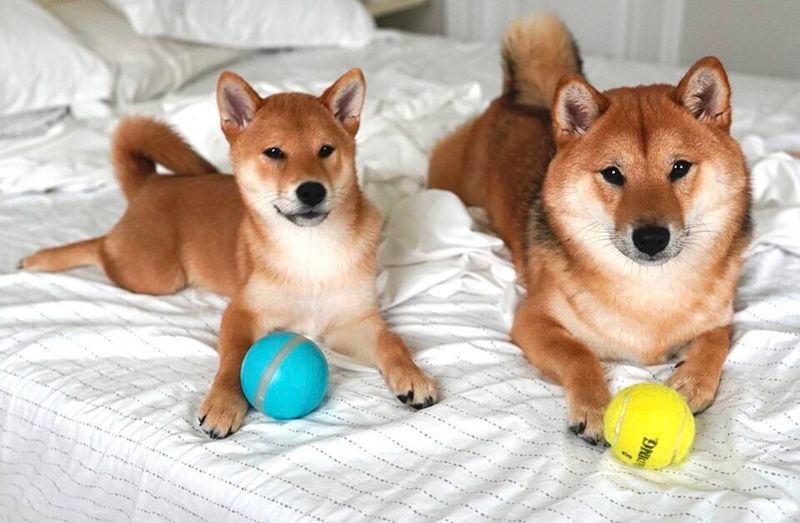
Shibas are thoughtful, independent dogs who dislike chaos and grabby hands. Sudden leashes, tight hugs, or dog parks full of pushy greeters can flip their stress switch.
You might read aloofness as stubbornness, yet it is often careful self protection.
Use quiet walks, long lines, and choice based training so they feel in control. Teach a hand target, then trade access for calm focus.
If they freeze, do not drag them forward; arc away and breathe. Enrichment like scent games and flirt poles burns tension safely.
With respectful boundaries, their humor, catlike grace, and loyalty shine. You will earn trust faster with patience, structure, and predictable rituals than with force.
Let them choose greetings on their timeline.
Dalmatian
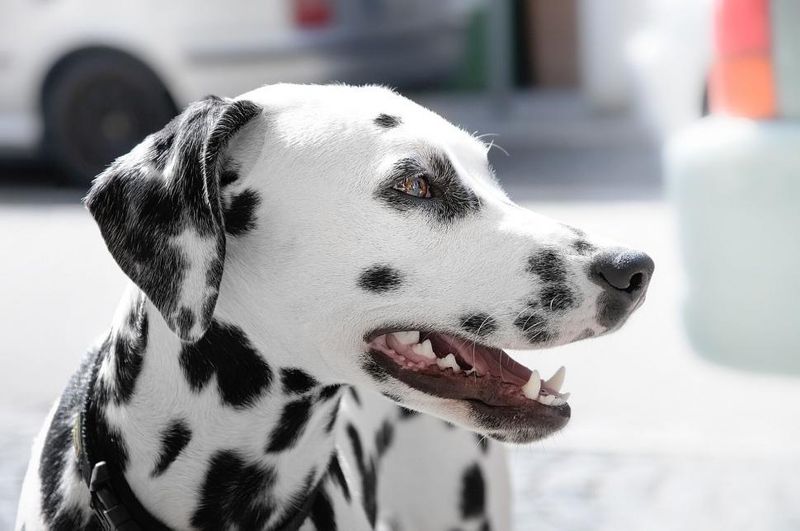
Dalmatians are athletic, brilliant, and sensitive to commotion. Loud kids, erratic schedules, and rough play can spike adrenaline, leading to jumping, mouthing, or zoomies mistaken for defiance.
You would feel overloaded too if energy had nowhere thoughtful to land.
Give structured outlets: interval runs, nosework, and scatter feeding in the yard. Teach calm settle on a mat, then pay generously when they choose it.
If they nip in excitement, pause the game, breathe, and restart at lower intensity. Predictable routines and gentle body handling practice reduce startle.
With fair expectations, they become dazzling companions who pour their hearts into teamwork. Meet their brains and legs, and the stress fog clears.
Quiet decompression walks help everything integrate.
Weimaraner

Weimaraners bond hard, then panic when left without direction. Boredom plus separation can create howling, countersurfing, or wild greetings that look naughty but scream I am stressed.
You would shout too if your fast brain had no meaningful job.
Channel that drive with tracking games, dock diving, and obedience that rewards stillness. Practice calm place training near doors and windows.
If visitors arrive, give a stuffed chew and distance first, then invite polite hellos. Gradually lengthen alone time with predictable comings and goings.
Soft voices, clear rules, and daily endurance outlets change the story. When needs are met, you will see a velvety shadow who finally breathes easier beside you.
Nighttime snuggles after exercise seal the calm.
Greyhound
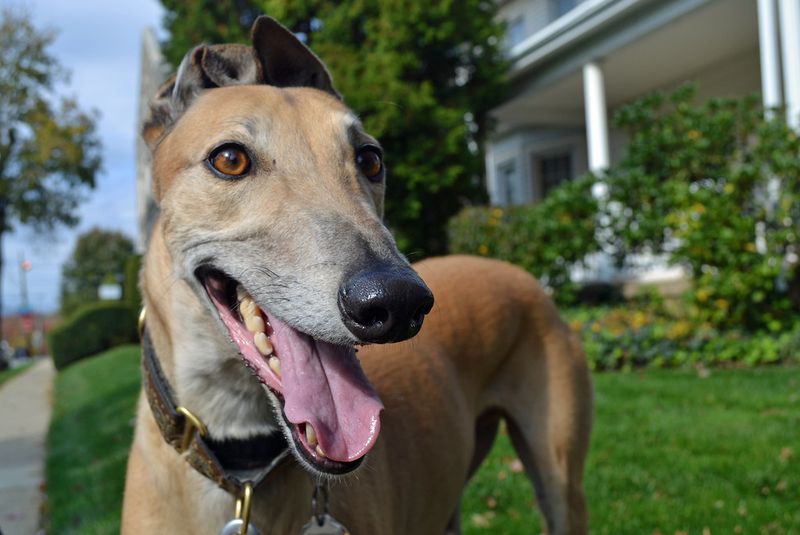
Greyhounds are gentle sprinters with big feelings about surfaces, noises, and sudden touches. Off the track, even doorways and shiny floors can feel confusing, so shutdowns or freezes happen.
You might think stubborn, but often it is careful processing under pressure.
Give traction mats, slow introductions, and a soft voice. Use cheerleader praise when they try, and let them choose the pace.
If they tuck into a tiny loaf, do not pry them out; create distance and invite movement with treats. Short zooms in fenced fields relieve stress beautifully.
With patience, their goofy smiles and couch potato charm bloom. You will witness brave steps each week as confidence grows predictably.
Keep outings brief until curiosity leads.
Border Collie
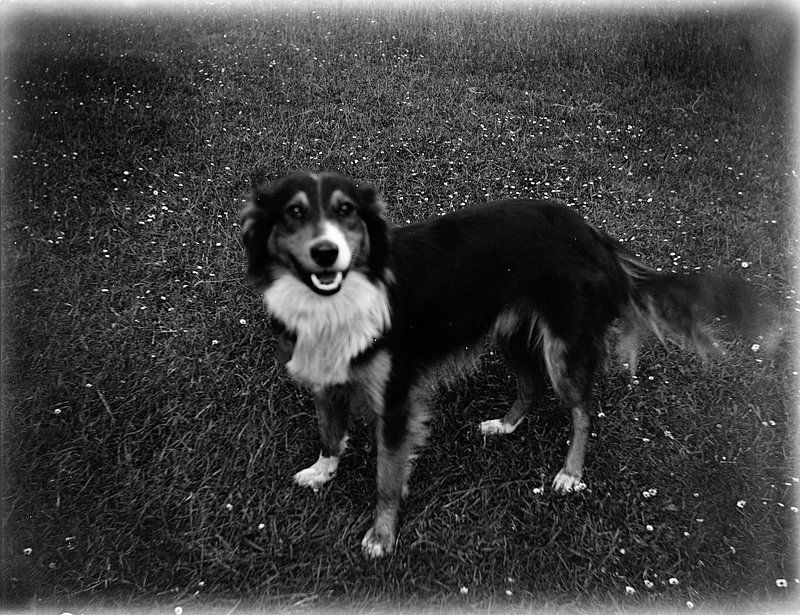
Border Collies crave tasks and clarity, not nonstop chaos. Without directed work, they herd kids, chase bikes, and spiral into obsessive patterns that look like disobedience.
You would nag too if your radar never got an off switch.
Offer structured jobs: fetch with cues, scent articles, and impulse control games. Teach a rock solid down, then pay heavily for stillness around motion.
If eye lock appears, interrupt gently with a pattern game and increase distance. Daily brainwork plus aerobic sprints empties the worry tank.
Fair boundaries and decompression walks protect their sensitive nerves. When you honor their purpose, you meet a witty partner who rests easily after effort.
Consistency over intensity keeps their hearts steady.
Australian Cattle Dog
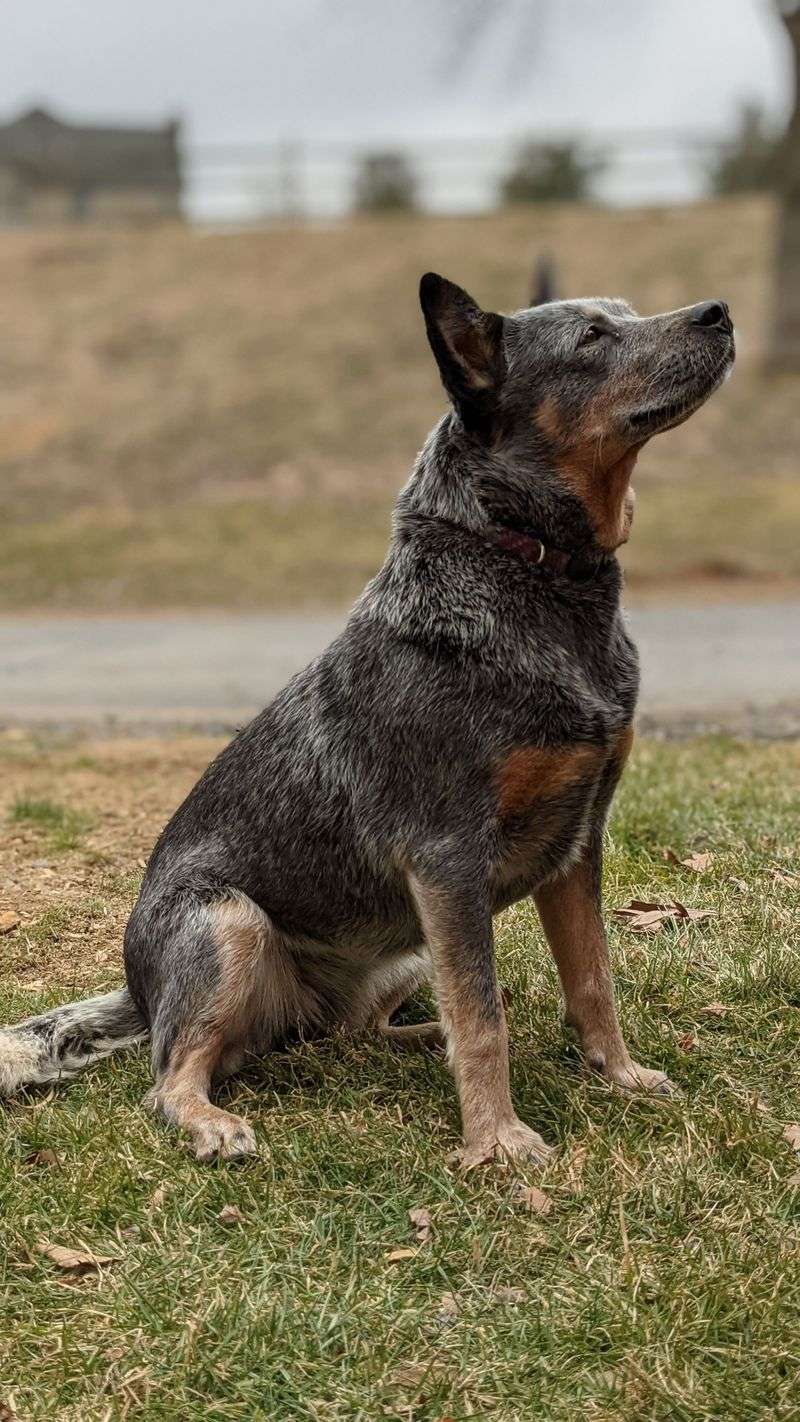
Australian Cattle Dogs are bold thinkers who notice every movement. Without outlets, they nip heels, guard resources, and explode at surprises because stress rides shotgun.
You might see bossiness, yet much of it is worry about managing a busy world.
Give purposeful jobs like fetch to heel, platform work, and agility with clear criteria. Reinforce check ins, then gradually introduce distractions.
If arousal spikes, switch to sniffing breaks and reset the picture. Toughness does not equal invulnerability, so add massage, quiet crates, and chew therapy.
Predictability builds trust, and trust unlocks their fierce sweetness. When needs are met, you get a steady foreman who finally relaxes after work.
Small wins stack into lifelong confidence.
Cocker Spaniel
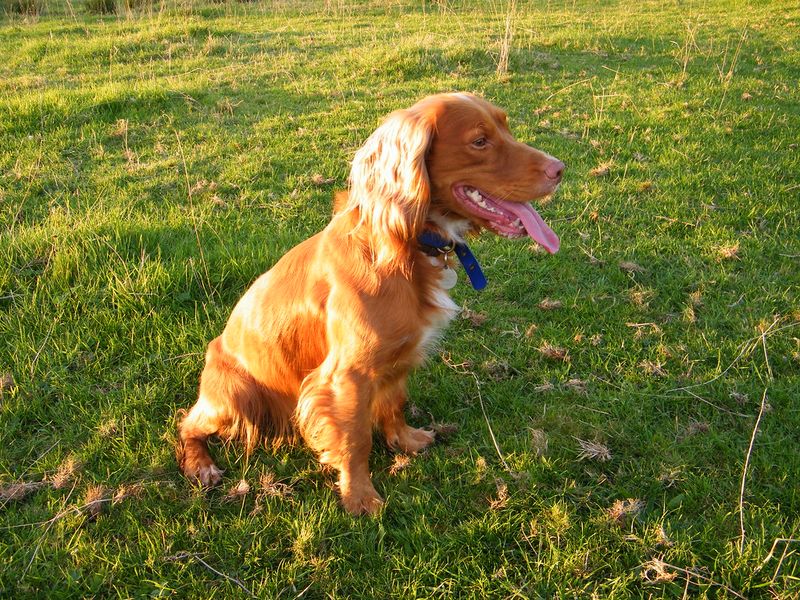
Cocker Spaniels read your emotions and can spiral when environments get loud or crowded. Grooming, vet visits, or rough handling can make them flinchy, guarding objects or growling from fear.
You would protest too if hands felt unpredictable.
Use cooperative care: chin rests, consent cues, and plenty of treats for stillness. Normalize muzzles as spa gear, not punishment.
If resource guarding appears, trade up calmly and manage access. Keep schedules steady, add sniff walks, and reward soft eye contact.
Gentle games rebuild trust without flooding their senses. When you protect their boundaries, you will discover a tender friend who eagerly offers connection again.
Teach decompression on a cozy mat between activities. Small rituals make scary moments predictable.
Jack Russell Terrier
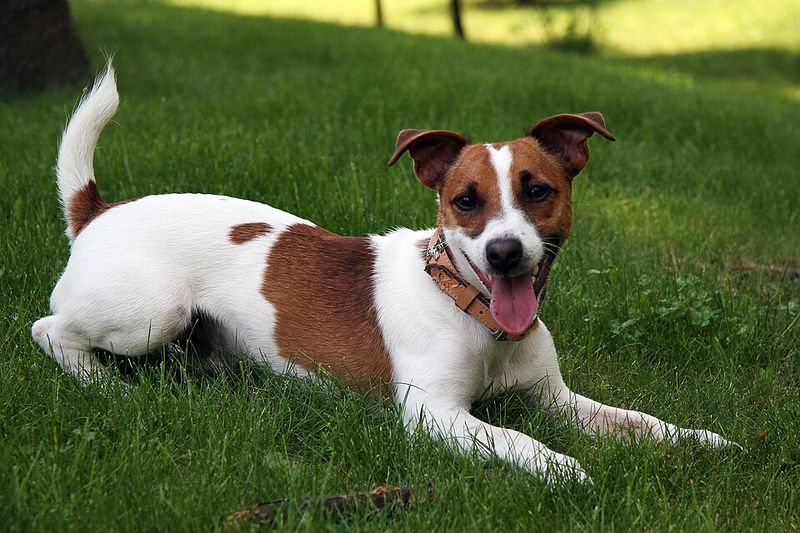
Jack Russells are rockets with opinions. Without direction, they dig, bark, and launch at movement because stress and excitement blur together.
You might call it naughty, yet it is often a frantic plea for a job.
Provide outlets: terrier legal digging boxes, scent games, and trick training that channels bounce into focus. Teach settle after play so arousal has an off ramp.
If they fixate on squirrels, use distance, pattern games, and pay generously for disengagement. Rotate chews and puzzle feeders to satisfy busy brains.
With structure and humor, their mischief turns to sparkle. You will enjoy a bright teammate who can finally relax between adventures.
Short sniffaris before training melt jitters. Consistent cues keep their engines balanced.
Akita
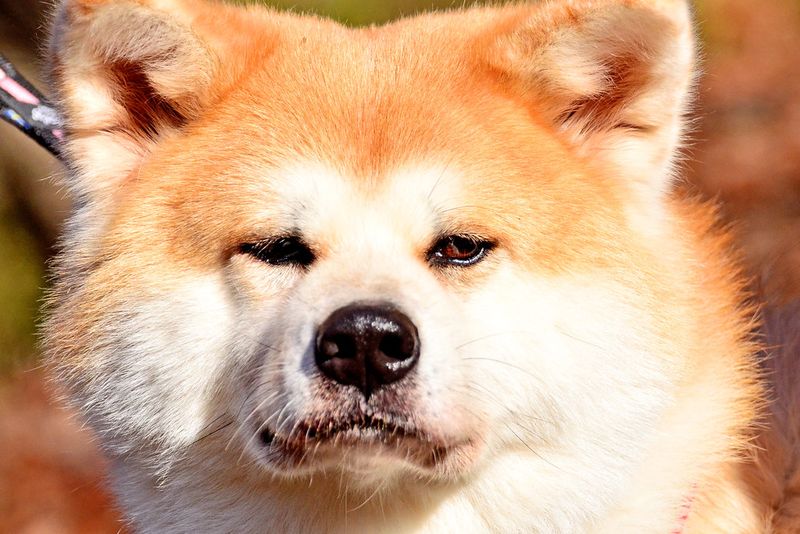
Akitas are dignified guardians who feel stress when strangers crowd or rules wobble. Pushing greetings or roughhousing can trigger a hard stare that people misread.
You might call it dominance, yet it is thoughtful boundary setting under pressure.
Build trust with calm routines, predictable handling, and neutral exposures. Teach a go to place for visitors, then reward quiet observation.
If tension rises, create space, turn sideways, and exit before emotions peak. Focus on consent based grooming and slow friendships.
Mental work like scent detection pairs beautifully with steady exercise. With respect and structure, you will uncover a serene protector who chooses peace when given options.
Clear expectations turn pressure into predictable comfort. Practice patience daily.
Basenji
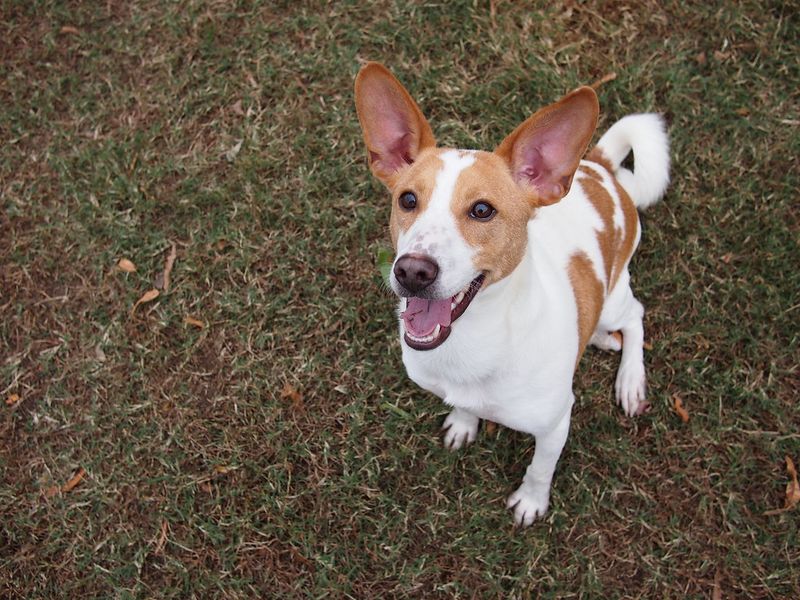
Basenjis are quiet, clever, and sensitive to novelty. Sudden noises, chaotic play, or forced confinement can trigger chewing, bolting, or the famous yodel when stress spikes.
You might laugh, but their humor often hides genuine worry.
Offer choice filled walks, gentle handling, and enrichment that taps their hunting heritage. Teach a strong recall with games, not pressure.
If they grab contraband, trade up and open space rather than chasing. Rotate sniff trails, flirt pole sessions, and cozy sunbeams for decompression.
Keep routines steady so their independent spirit feels safe returning. With time and empathy, you will see curiosity replace tension, revealing a delightful, catlike companion.
Small confidence games make bravery stick. Celebrate progress generously.
Shar Pei
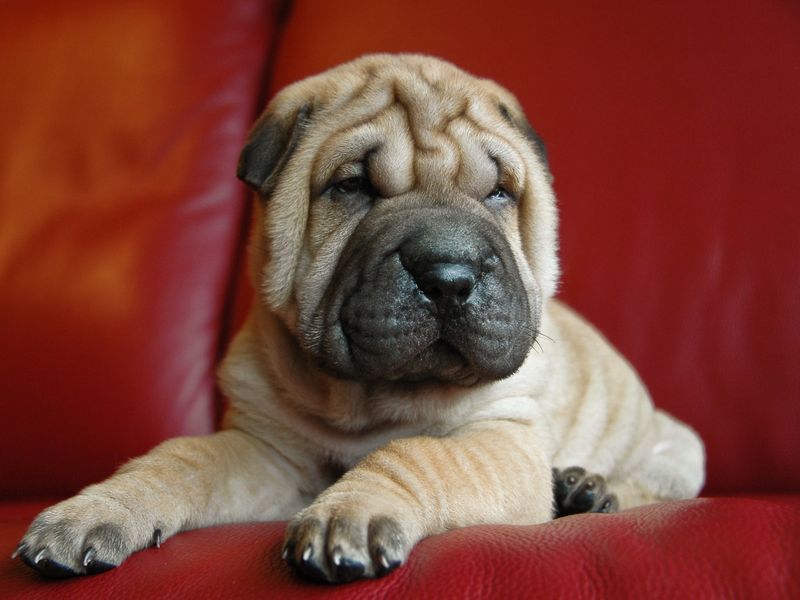
Shar Pei dogs are thoughtful, sometimes wary souls wrapped in wrinkles. Pushy introductions, painful skin issues, or rough grooming can elevate stress, leading to stiff bodies and low growls.
You might assume stubborn, but caution is their language.
Build safety with slow consent, soft brushes, and medical care that rules out discomfort. Teach touch cues and pay generously for relaxed posture.
If they hard blink or whale eye, pause and give space before trying again. Keep visitors boring at first, and let the dog choose.
Add scent work, easy hikes, and chew sessions to release tension. With patience, you will meet a wry, devoted friend who blossoms gradually.
Predictability turns suspicion into comfort. Keep sessions short.
Belgian Malinois
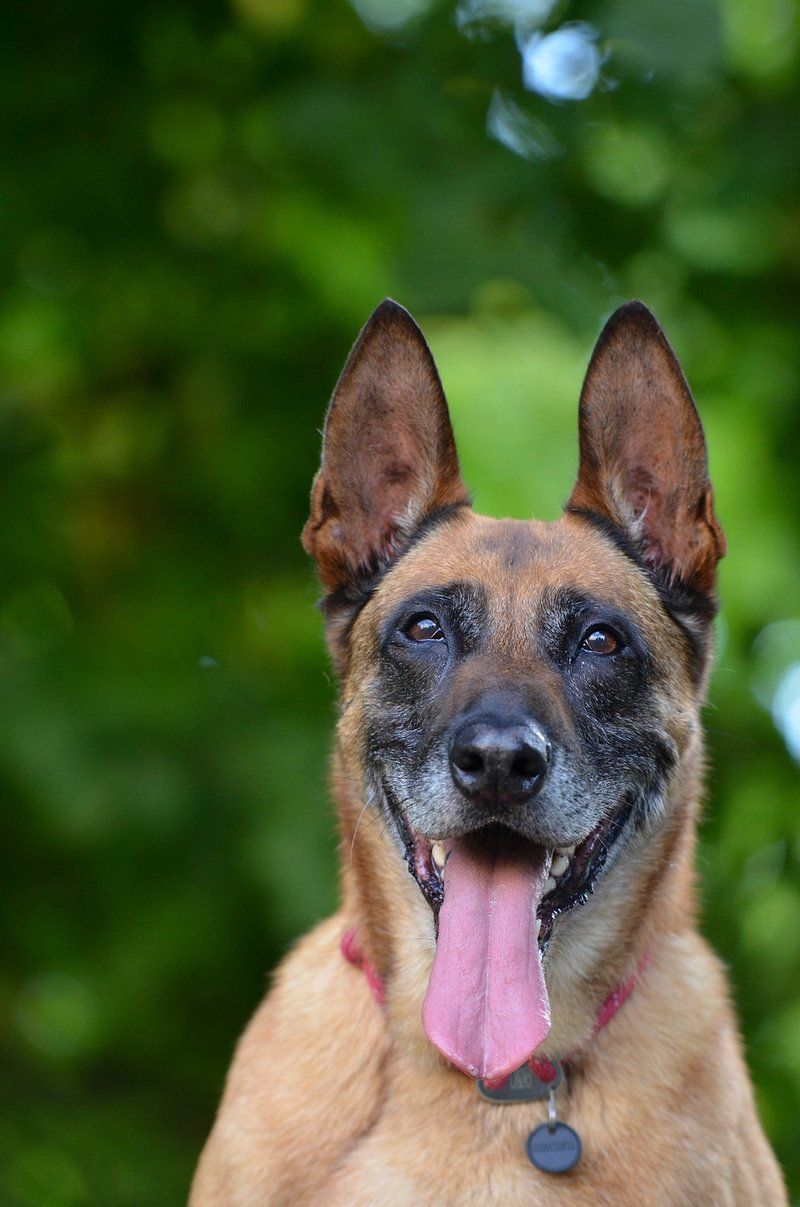
Malinois are brilliant athletes wired for purpose. Without structure, their stress explodes into nipping, spinning, and patrolling every shadow.
You might see intensity, but it is a nervous system begging for direction.
Provide serious outlets: bite sports with professionals, tracking, and rigorous obedience balanced by true off switches. Reinforce quiet on a mat as heavily as heeling.
If scanning escalates, interrupt with pattern games, then offer decompression in nature. Use clear markers, fair corrections, and generous reinforcement, never punishment spirals.
Daily work plus restful recovery protects their sensitive edges. When you meet their drive thoughtfully, you will earn a steady partner who can finally settle.
Calm leadership, not chaos, keeps them balanced. Choose quality over volume.
Dachshund
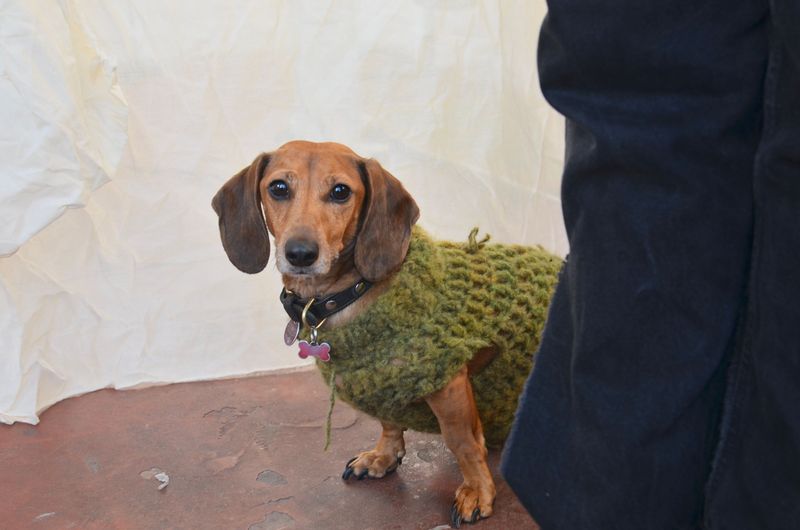
Dachshunds are brave tunnelers with strong opinions about being lifted or cornered. Back sensitivity and big feelings can spark barking, guarding, or biting when stress spikes.
You might mislabel it feisty when it is self protection.
Support with ramps, careful handling, and vet checks for pain. Teach a pick up cue so touch is predictable.
If door drama erupts, scatter food away from thresholds and practice calm returns. Use sniffy walks, nosework, and digging boxes to satisfy instincts.
Keep greetings low to the ground and let them approach. With empathy and routine, you will watch a comedic sweetheart relax and choose cooperation.
Short bodywork sessions ease tension. Celebrate tiny brave choices every day.
Protect backs during play.
Whippet
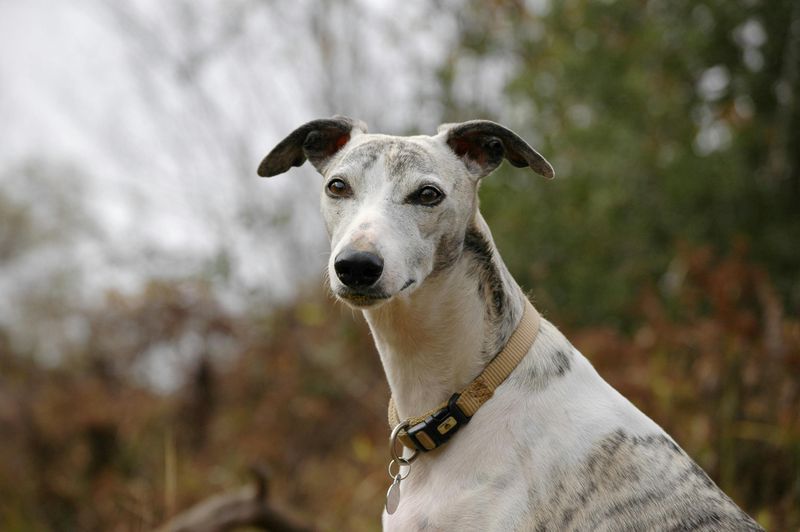
Whippets are sensitive sprinters who notice temperature, textures, and tone. Harsh voices or chaotic rooms can shut them down, causing shivers, avoidance, or sudden dashes.
You might think fragile, but they are just finely tuned.
Offer warm layers, quiet spaces, and predictable routines. Teach a cheerful recall and reinforce check ins on walks.
If spooked, crouch, speak softly, and give time to recover. Short sprints in safe fields followed by cuddly rests melt stress beautifully.
Keep training upbeat, brief, and clear to prevent overwhelm. With kindness and rhythm, you will see a playful, affectionate companion blossom confidently.
Let them meet new places gradually. Scent games indoors build bravery.
Gentle massage and blankets help regulate. Celebrate tiny tries.
Miniature Pinscher
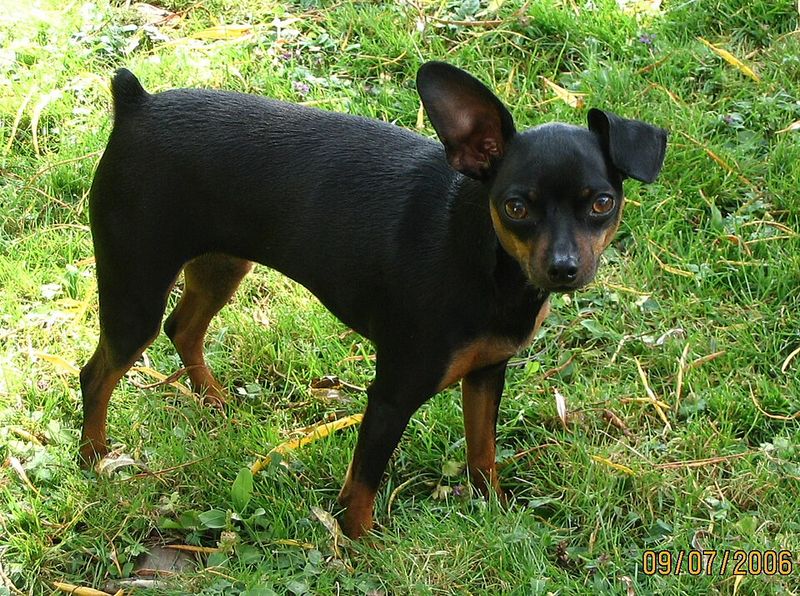
Miniature Pinschers are spirited watchdogs packed with springy energy. When startled, they may bark, pinball around, or guard laps because small size meets big responsibility.
You might assume sass, but they are defending comfort zones.
Channel zest with trick training, scent games, and target mats that teach on off control. Reinforce calm on furniture and give cozy dens for naps.
If guests arrive, reward quiet behind a baby gate before greeting. Provide jackets for cold walks, and keep sessions short and fun.
With consistency and fair rules, their sparkle softens into confidence. You will enjoy a bold buddy who settles faster once heard.
Teach a hand target to redirect jumping. Celebrate calm choices with tiny snacks.