
If your schedule includes errands, office days, or coffee runs without a plus-one pup, choosing the right breed makes all the difference. Some dogs embrace alone time with calm confidence, turning quiet hours into guilt-free peace.
This list spotlights breeds known for lower reactivity and steadier temperaments when you step out. Ready to dodge the separation-anxiety chaos and find a companion who can truly chill?
Basset Hound
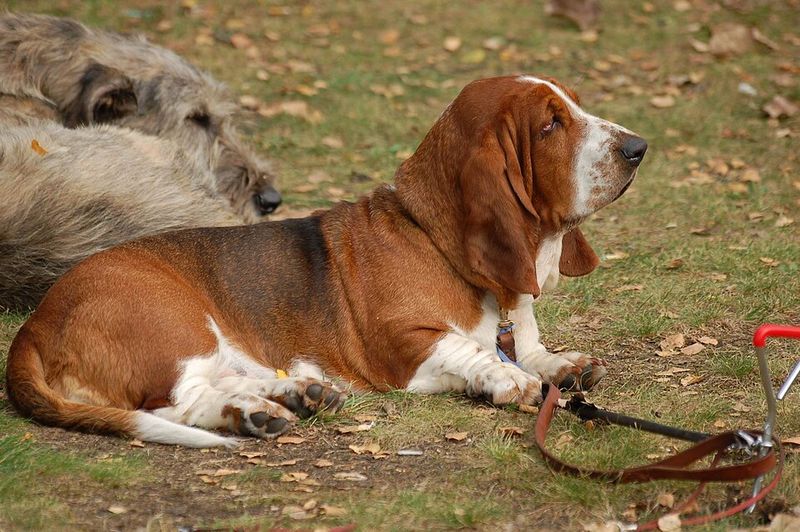
Basset Hounds are famously mellow companions, which helps when you need to step out without drama. Their short legs mean exercise needs are manageable, so energy does not spill into anxious habits.
Many are content to nap between sniffing sessions, giving you breathing room on workdays. With steady routines and puzzle feeders, they handle alone time better than high-octane breeds.
You still want structure, of course. Bassets can get vocal if boredom wins, so keep scent games and chews in rotation.
Crate training as a cozy den teaches confidence, not isolation. When you return, keep greetings calm to avoid rewarding frantic vibes.
If you need a couch buddy who waits patiently, this soulful tracker fits the brief.
Whippet
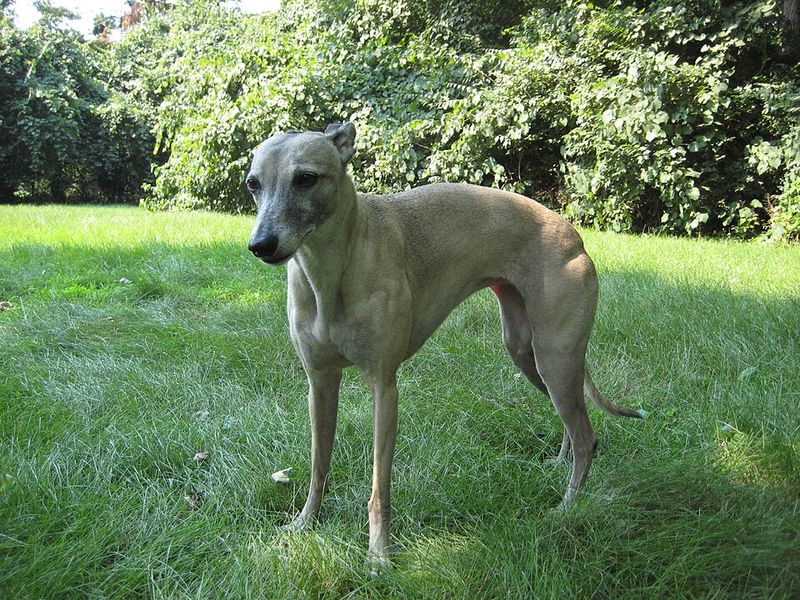
Whippets are quiet, sensitive dogs that often relax after a good sprint, making alone time smoother. They like soft beds, sunny spots, and predictable schedules.
Because they bond gently rather than clingy, you can step out without constant protest. A brisk zoomie at the park plus a snuggle session usually resets their nervous system.
Light, sleek, and polite, they thrive with considerate handling.
Use quiet enrichment, not chaos. Snuffle mats, Licki mats, and short crate breaks keep things peaceful.
Many Whippets prefer calm hellos when you return, preventing big emotional swings. Window management helps too, since sudden sights can startle.
If your life values silence, soft blankets, and measured routines, this understated sprinter gives companionship without the separation-anxiety rollercoaster.
Greyhound
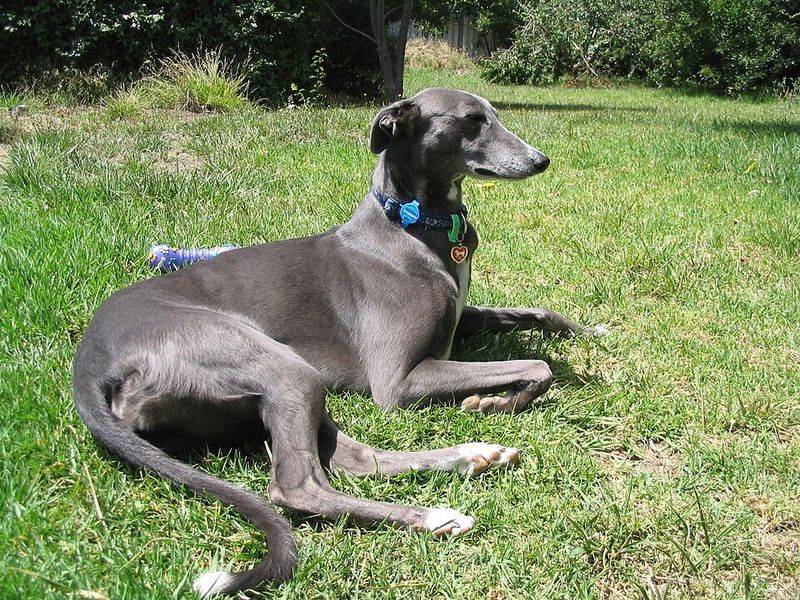
Retired racing Greyhounds are masters of couch life, which pairs nicely with solo stretches. They are typically placid indoors after modest walks.
Many are crate familiar, turning downtime into a safe habit instead of panic. Their independent streak means they often nap through errands.
Keep routines predictable and the environment comfy, and you will see a surprisingly low-drama companion.
Offer soft bedding, gentle music, and food puzzles to encourage relaxed autonomy. Manage windows and slippery floors to reduce startle moments.
Avoid marathon social events right before leaving, since adrenaline can linger. Short departures with quiet returns teach neutrality.
If you want elegance, kindness, and serenity in one package, a Greyhound brings whisper-quiet company without the anxious meltdowns.
Clumber Spaniel
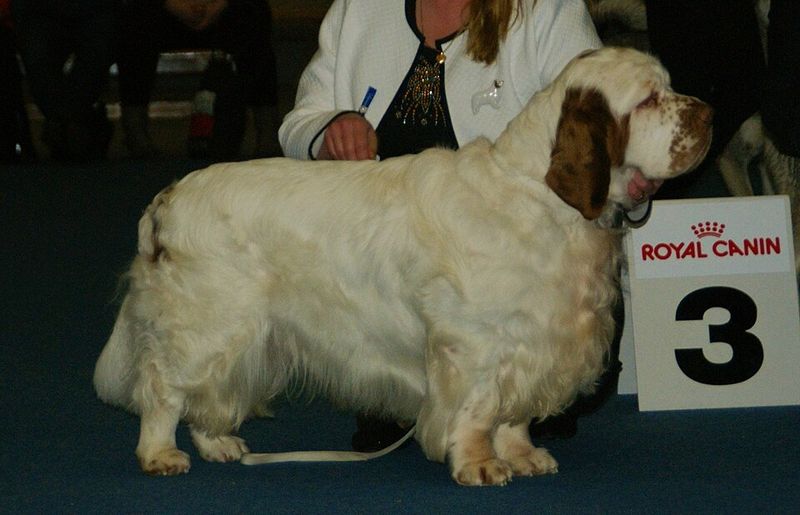
Clumber Spaniels are lumbering softies with a relaxed outlook, ideal for quieter homes. They enjoy steady routines and gentle walks over chaotic adventures.
Because they are not frantic social butterflies, they often accept solo naps with minimal fuss. Consistent enrichment like scent games keeps their brains engaged without ramping them up.
Their affectionate nature is easygoing rather than clingy.
Prioritize predictable departures and unexciting returns. A cozy crate, chew rotation, and white noise reduce triggers.
Teach calm settle on a mat so waiting becomes a skill. Grooming sessions can double as bonding, reinforcing patience.
If you love a laid back, thoughtful companion who would rather mosey than bounce, the Clumber offers low-key devotion with less separation angst.
Bernese Mountain Dog
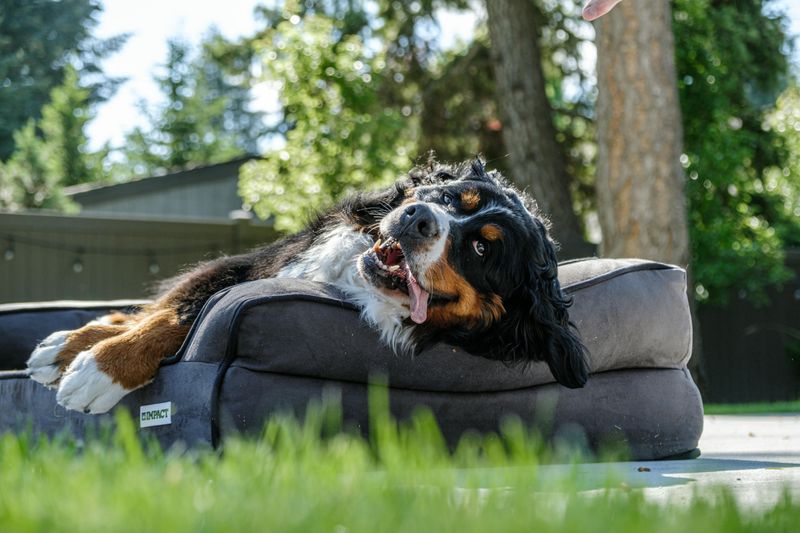
Berners are gentle giants with steady temperaments, especially in mature dogs. They like being near people, yet many remain composed when routines are clear.
Moderate exercise and mental work take the edge off, making quiet hours at home peaceful. Their affectionate presence is grounding rather than frantic.
Structure, temperature comfort, and joint friendly floors help them rest instead of fret.
Practice low-key departures and calmly return. Use durable chews, scatter feeding, and a gated room to promote independence.
Teach settle and place so waiting becomes second nature. Socialize steadily without overstimulation.
If you appreciate mountain-town vibes and a dog who reads the room, a well-managed Bernese Mountain Dog can handle alone time without spiraling into separation anxiety.
Newfoundland
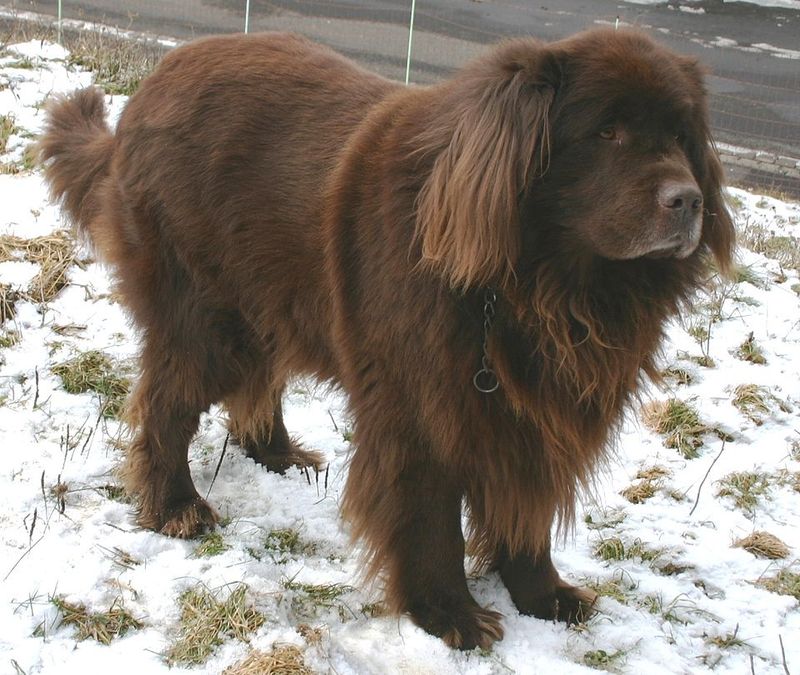
Newfoundlands bring calm, patient energy that suits homes aiming to avoid drama. These water-loving guardians typically prefer steady days over constant excitement.
With good exercise and cooling options, they are content to snooze while you run errands. Their social side is loving, not frantic, which reduces panic spirals.
Clear expectations and a comfy space make solo hours feel safe.
Use sturdy beds, slow feeders, and predictable walks. Keep greetings soft to avoid big adrenaline spikes.
Teach a reliable settle cue and give gentle grooming breaks that double as calm bonding. Manage drool zones and heat, then watch the serenity grow.
If you want a sweet-hearted giant who waits peacefully, the Newfoundland delivers steadiness with less separation-chaos.
Great Pyrenees
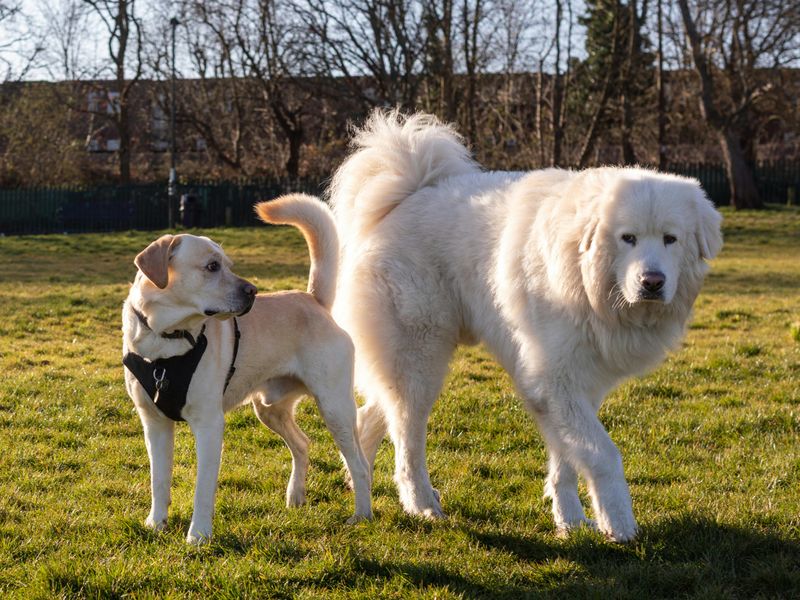
Great Pyrenees were bred to think independently, which can translate into calmer solo time. They patrol, they nap, and they appreciate space.
With appropriate fencing and routine, they do not hinge on constant human input. Moderate exercise and mental jobs like boundary walks reduce restlessness.
Their confidence, when nurtured kindly, helps prevent clinginess from turning into dramatic protests.
Train polite independence through gates, place work, and unexciting exits. Avoid drilling obedience endlessly; brief clarity beats nagging.
Provide chew logs and snuffle work to occupy minds without amping arousal. Soundproofing helps in busy neighborhoods.
If you respect a guardian spirit and want a partner who can hold the fort, the Great Pyrenees handles alone time with grace.
Havanese
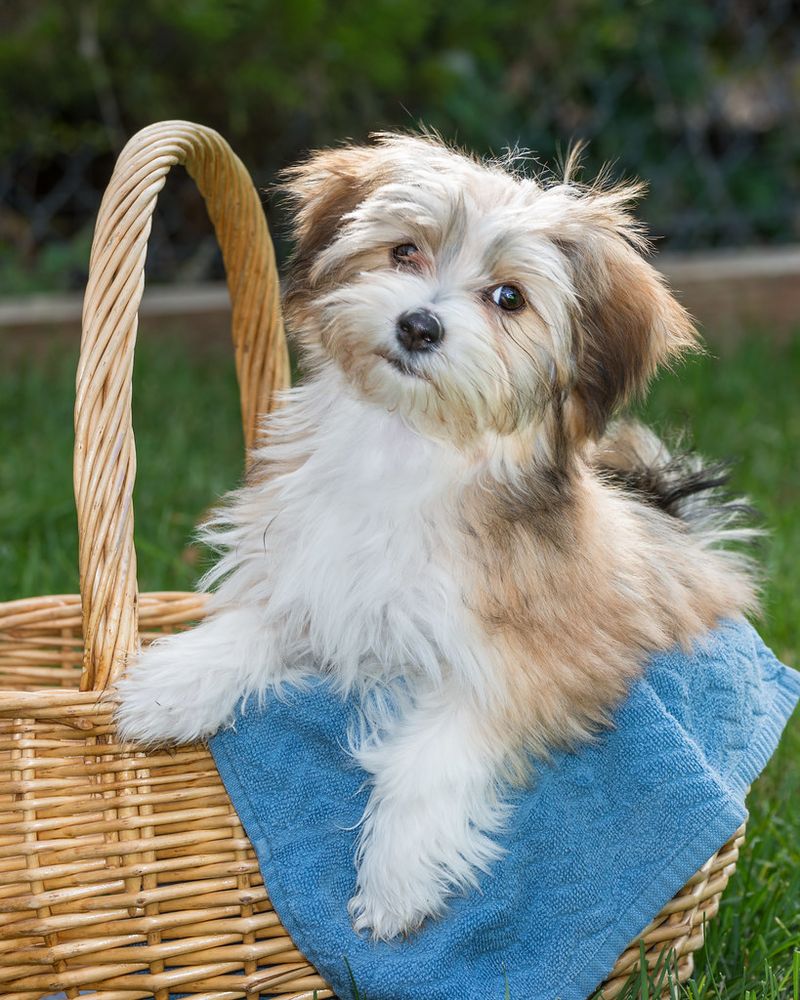
Havanese are cheerful companions who adapt well when routines are gentle and predictable. Though affectionate, they often stay balanced with short training bursts and play before you leave.
Their sturdy toy-dog build loves indoor games, which helps drain worry. Crate comfort and mat training create a comforting nook.
Because they read humans closely, your calm energy really matters.
Rotate soft chews, snuffle towels, and easy trick practice to boost confidence. Keep arrivals low-key and reward quiet, relaxed behavior.
Window film can block pigeon TV if that sets them off. Regular grooming doubles as soothing touch.
If you want bright eyes, comedic charm, and a pup who can snooze while you work, the Havanese earns consideration.
Bichon Frise
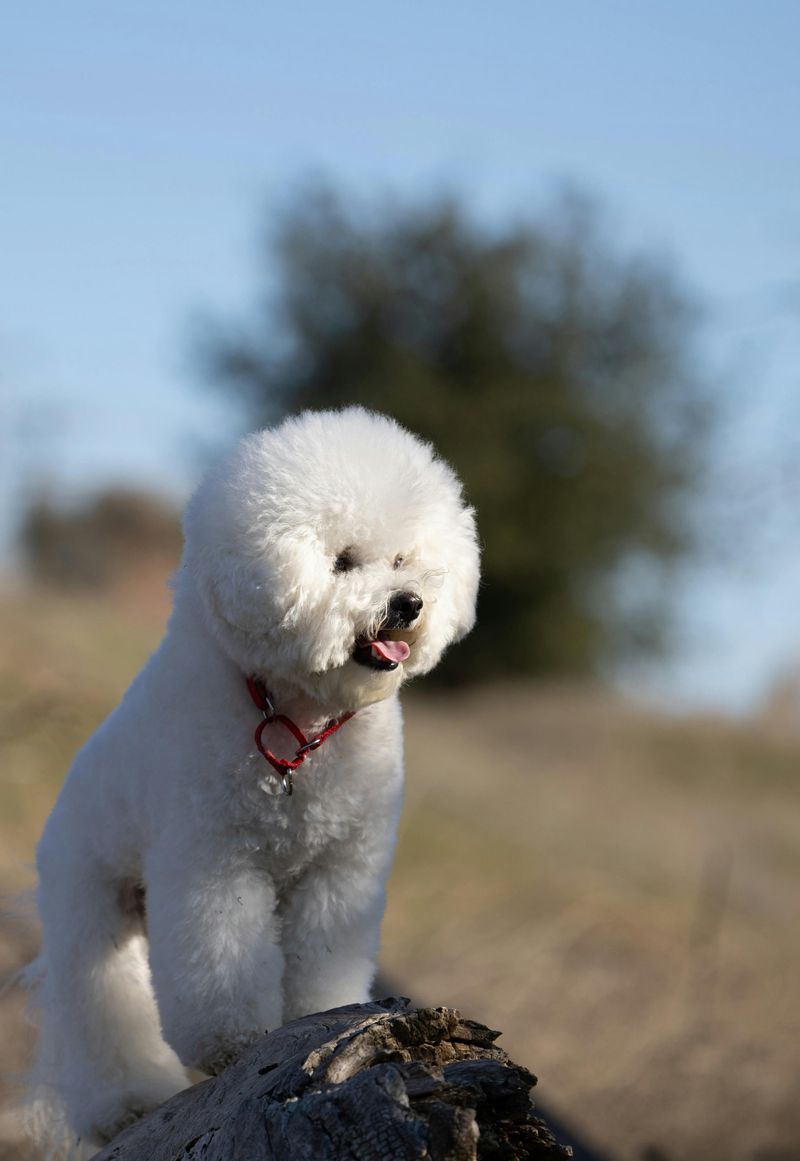
Bichons are sunny little extroverts who still cope well with alone time when shaped thoughtfully. Daily walks and short training games keep their minds satisfied.
They love routines, cozy crates, and soft music that signals nap o clock. Because they tend toward optimism, departures can feel normal instead of ominous.
Gentle leadership helps them wait without worry.
Use scatter feeding, hide-and-seek treats, and a comfy den to build independence over time. Avoid high-energy hype right before exiting.
Reward calm when you grab keys, so cues stop triggering jitters. A groomed coat prevents mat discomfort that could spike irritability.
If your vibe is friendly and consistent, the Bichon Frise brings sparkle without the separation-anxiety fireworks today.
Maltese
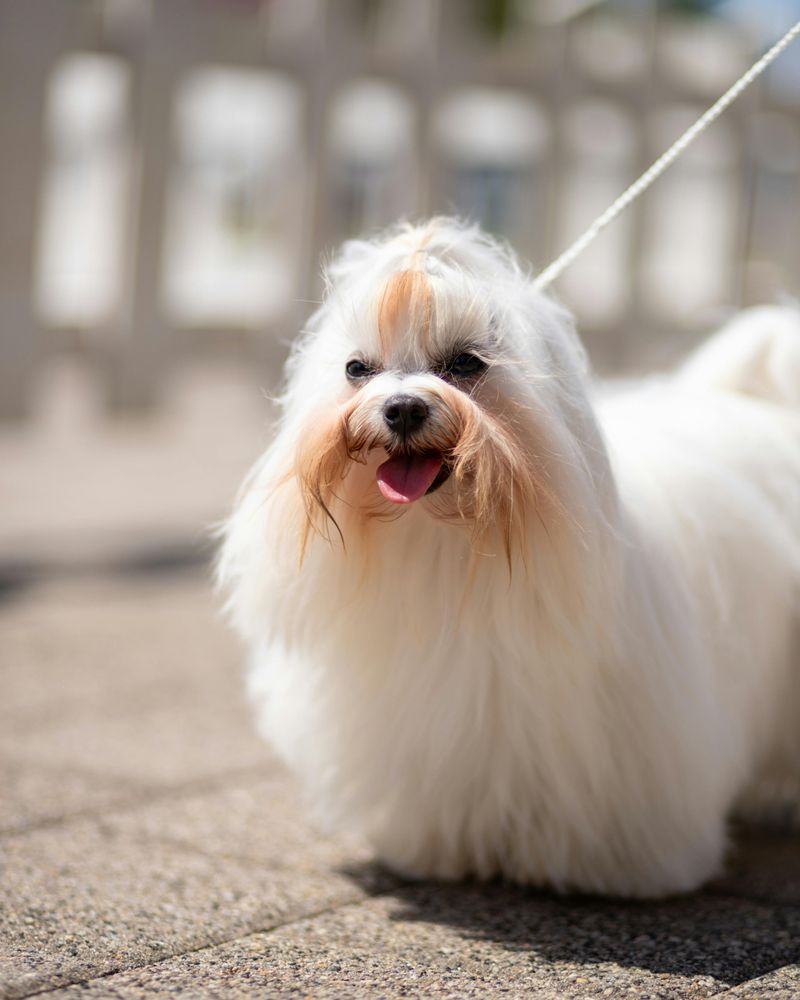
Maltese dogs are affectionate yet adaptable when routines are consistent. Their small size makes indoor play effective for stress relief.
Short training sessions before departures create confidence and predictability. Many happily curl up in a carrier style crate for naps.
With soft voices, patient handling, and calm exits, they learn that alone time is just another everyday moment.
Keep enrichment gentle rather than wild. Lick mats, shredded paper treat boxes, and scent walks soothe curious minds.
Avoid dramatic hellos that spike arousal. Teach a settle on a blanket near your desk, then increase distance gradually.
If you appreciate grace, sparkle, and a surprising amount of courage, the Maltese can handle breaks without spiraling into anxiety.
Shih Tzu
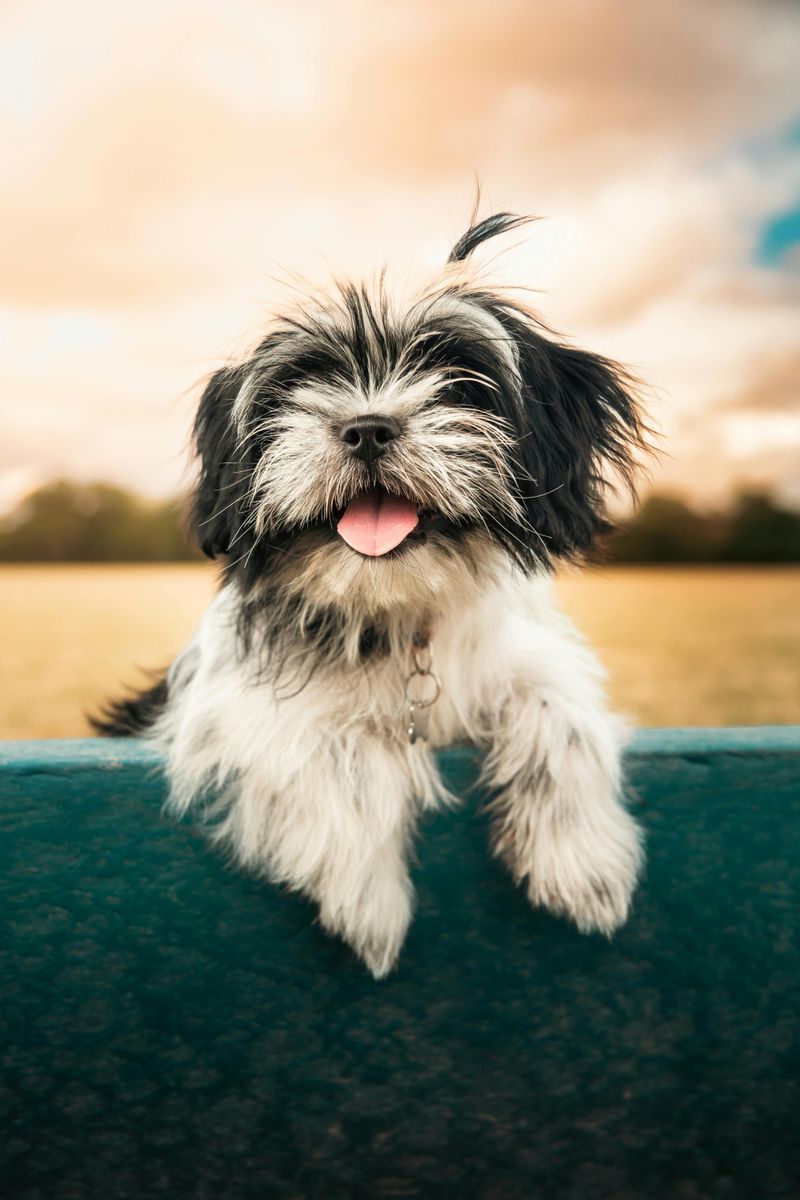
Shih Tzus were bred as palace companions, yet many are wonderfully chill. With modest exercise and grooming routines, they settle into predictable days.
They enjoy cozy perches and will often nap through errands if needs are met. Their social style is sweet, not frantic, reducing panic cycles.
Consistent, low-key practice around departures turns worry into ordinary waiting.
Focus on gentle enrichment. Soft chews, foraging toys, and brief trick sessions build confidence without overstimulation.
Keep arrivals calm, then reward relaxed behavior on their bed. Teach independent settle with gradual distance increases.
If you want comedic charm and a steady roommate vibe, the Shih Tzu can lounge peacefully without tipping into separation-anxiety theatrics. White noise can mask hallway sounds.
Coton De Tulear
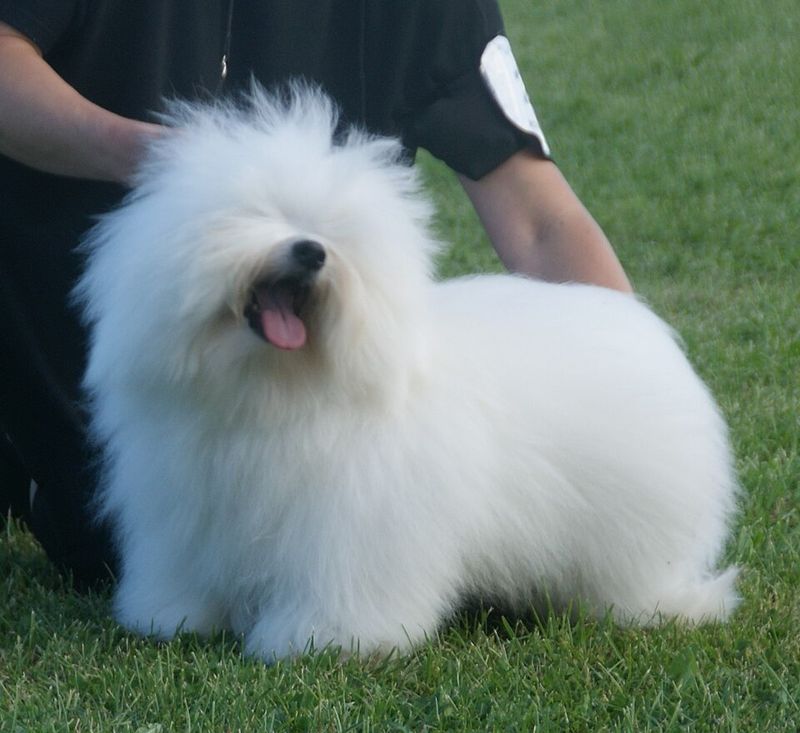
The Coton de Tulear is famously people oriented yet surprisingly adaptable with patient training. Their cottony coats and clownish charm pair with balanced energy.
Provide short workouts and brain games before leaving, and they often nap contentedly. Because they love routines, a predictable exit ritual reduces worry.
They thrive when your energy stays calm, confident, and unhurried.
Use settle mats, scent work, and curated toy rotations to encourage independence. Keep greetings neutral so departures and returns feel ordinary.
Window management can blunt triggers like delivery trucks. A cozy crate or pen offers a safe base camp.
If you want joyful companionship without clingy spirals, the Coton de Tulear makes solo time feel refreshingly manageable today.
Cavalier King Charles Spaniel
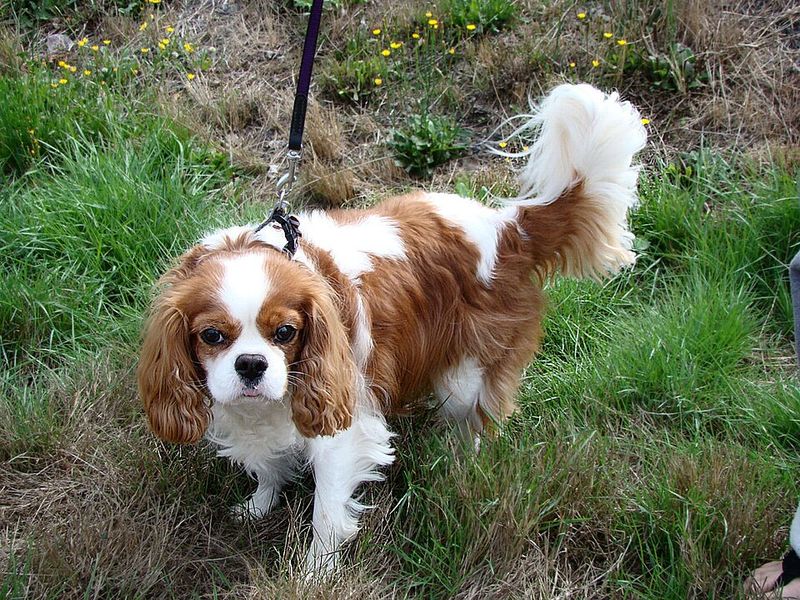
Cavaliers adore people, but many can stay composed with thoughtful routines. Prioritize moderate exercise, sniffy walks, and short training to drain worry.
Their gentle, adaptable nature responds well to calm cues around keys and shoes. With crate comfort and mat work, they learn that naps happen while you are out.
Sweet hearts, steady habits, less chaos. Gentle body massages help.
Keep greetings understated. Reward quiet behavior and incrementally extend absences.
Use food puzzles, soft music, and a comfy den to shape independence. Regular vet checks for ears and hearts keep discomfort from amplifying stress.
If you want a velcroish friend who can also relax alone, the Cavalier thrives with kindness and routine rather than high drama.
Tibetan Spaniel
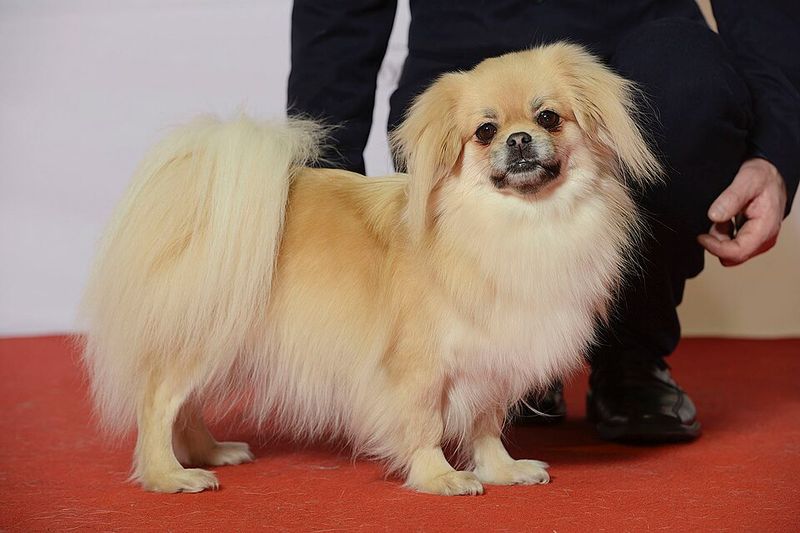
Tibetan Spaniels were monastery lookouts, comfortable watching the world with quiet confidence. That independent mindset can translate into calmer alone time.
Give modest exercise, window management, and structured naps, and they settle nicely. They adore their people yet do not always demand nonstop attention.
Predictable rituals and soft returns help prevent emotional spikes around comings and goings.
Use perch beds, scent work, and slow feeders to support independence. Keep soundscapes gentle so sudden barks do not cascade.
Teach place and relaxed breathing exercises before departures. Short absence drills with neutral greetings build resilience.
If you love a thoughtful, catlike observer who still cuddles, the Tibetan Spaniel offers balanced companionship without the separation-anxiety rollercoaster today daily.
Japanese Chin
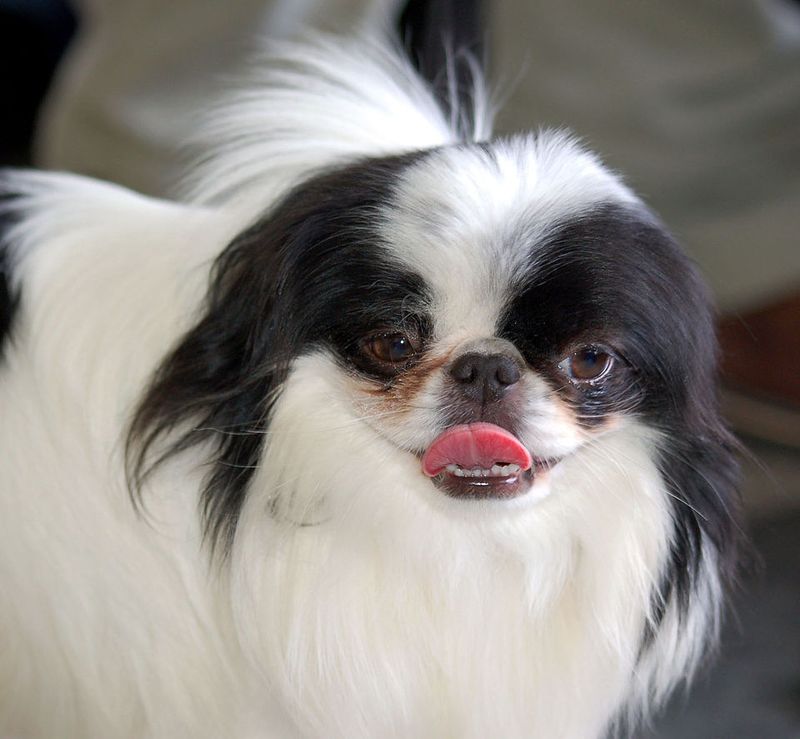
Japanese Chin are graceful, sensitive companions who prefer calm routines. With short play sessions and comfy perches, they conserve energy for snuggles, not panic.
Many are content to snooze while you handle errands if exits are uneventful. They read tone closely, so your low-key vibe matters.
Consistency makes separation feel like a pause, not an emergency.
Favor gentle enrichment. Lick mats, nosework, and brief obedience refreshers build confidence without over arousal.
Keep returns quiet and reward settled behavior. Provide steps to sofas to prevent joint tweaks that could raise irritability.
If you want a refined, witty companion who values serenity, the Japanese Chin can keep calm during solo spells with the right routine consistently today.
English Toy Spaniel
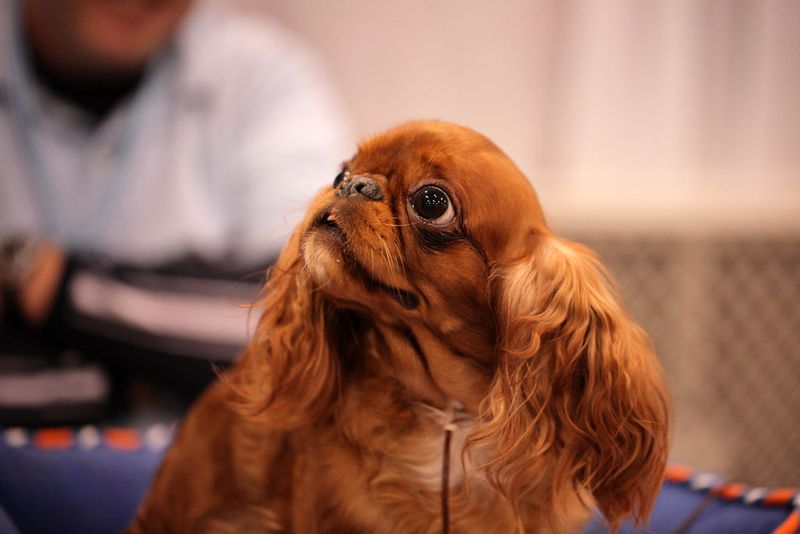
English Toy Spaniels are cuddly traditional lapdogs with surprisingly composed manners. They enjoy steady schedules, moderate play, and frequent, gentle naps.
Because they are not thrill chasers, they transition to alone time more easily than many toys. Provide calm cues, soft beds, and predictable exits.
Their sweet gaze says love, while their temperament leans reassuring and patient.
Keep greetings soft and departures boring. Use snuffle work, long lasting chews, and a cozy crate to encourage independence.
Manage windows to prevent neighborhood drama from kicking off. Teach a reliable settle on a mat near you, then add distance.
If you want plush affection without chaos, this Royal companion can rest peacefully while you are out today.