
In the world of canine companions, some breeds express their discomfort not through confrontation but by quietly withdrawing from the source of their unease. This behavior, often misunderstood, can be seen in various dog breeds, each with its own unique personality and history. Here, we explore 16 such breeds and their intriguing ways of showing discomfort.
Silken Windhound
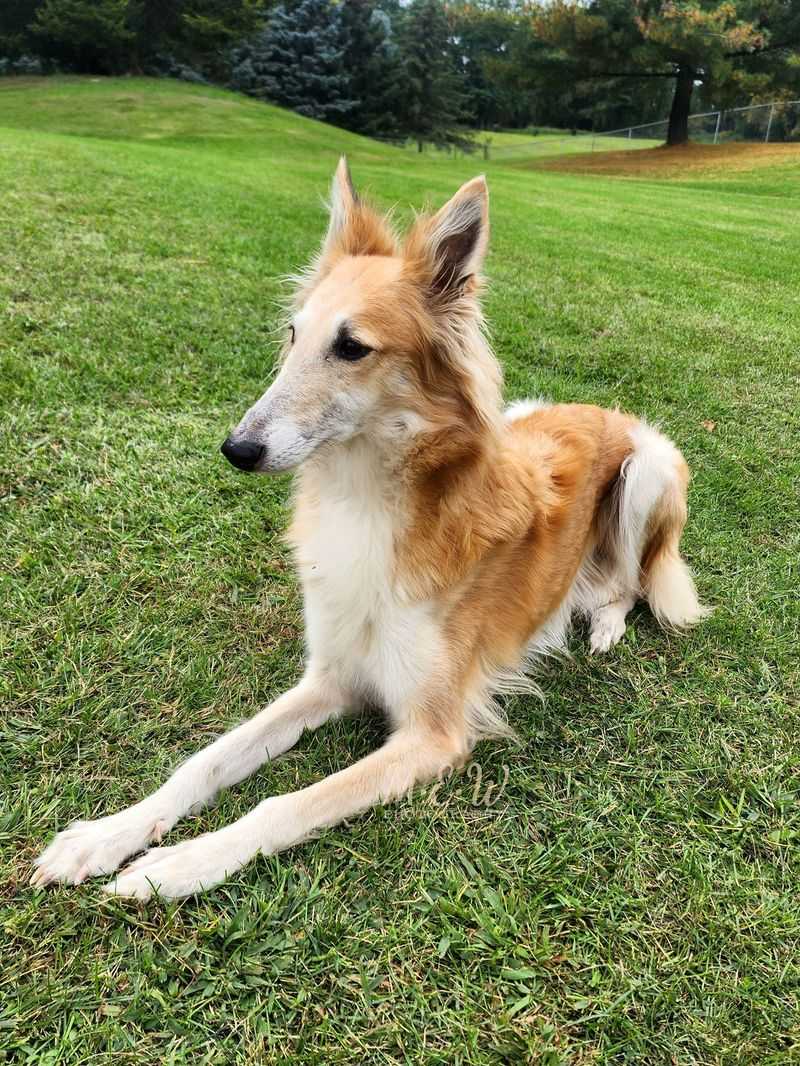
The Silken Windhound floats like a whisper across meadows. With their flowing fur and gentle eyes, these elegant dogs embody grace. When uneasy, they prefer to glide away rather than confront.
These windhounds, despite their regal demeanor, are approachable and affectionate. Known for their sociable nature, they can suddenly become aloof when discomfort arises.
They trace their origins to a blend of Whippet and Borzoi. This lineage gifts them an agile form and a penchant for avoidance, not resistance. Their subtle cues require a keen eye and a tender heart.
Polish Greyhound (Chart Polski)
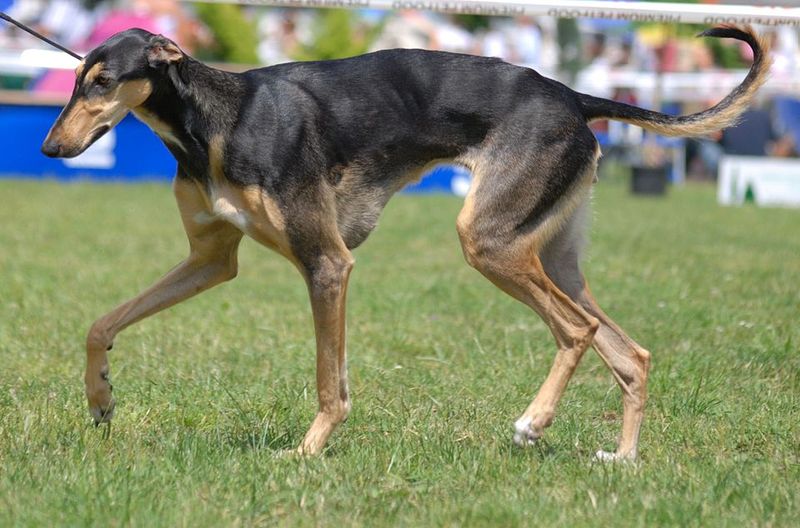
Strong yet sensitive, the Polish Greyhound is a study in contrasts. While their robust frame suggests strength, these hounds often retreat when tense. Their avoidance, rather than direct resistance, is notable.
This breed thrives on open spaces, where they can sprint freely. Their love for running is matched by a love for family, and they show discomfort through quiet withdrawal.
The Chart Polski has deep roots in Polish hunting traditions. Despite their ancient heritage, they maintain a modern ability to read people and situations, choosing avoidance when uneasy.
Galgo Español
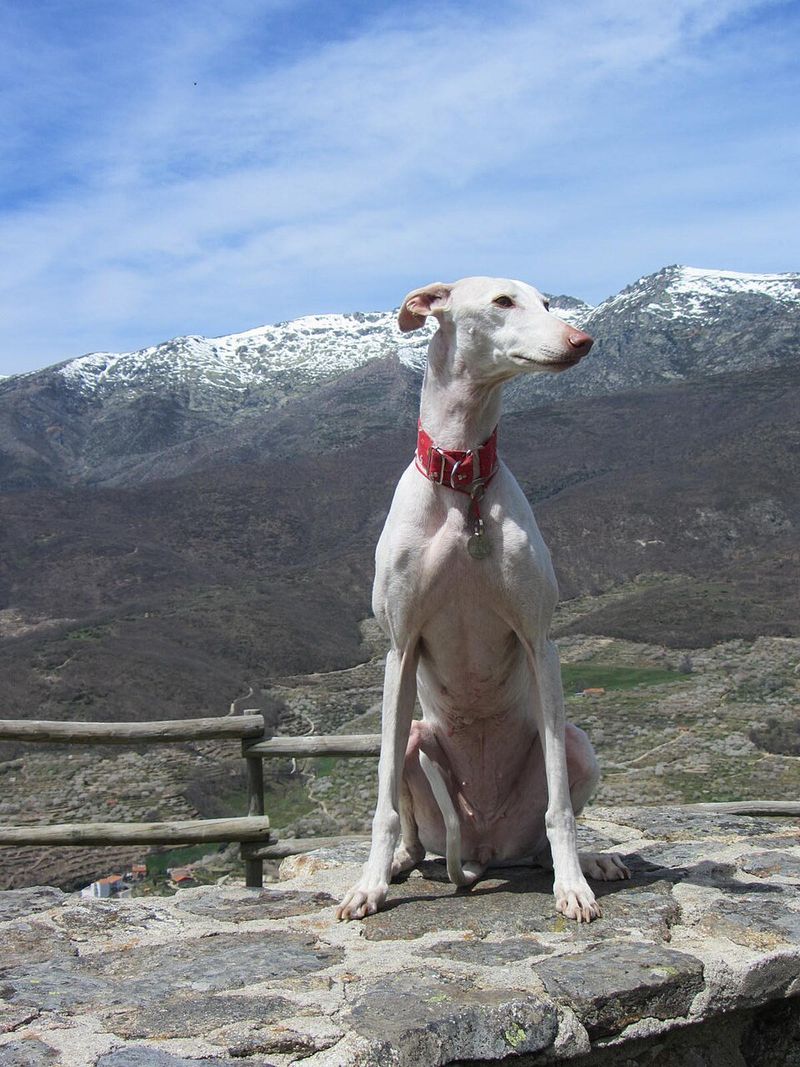
The Galgo Español, with its slender silhouette, is a breed of quiet dignity. When discomforted, these dogs will gracefully move aside rather than confront the issue.
Their history as Spanish hunting dogs is reflected in their keen, observant nature. They value peace and will subtly slip away from distressing situations.
Their deep connection to their homeland is evident in their temperament. The Galgo’s tranquil demeanor belies a history of speed and endurance, making their avoidance an expression of their refined nature.
Hortaya Borzaya
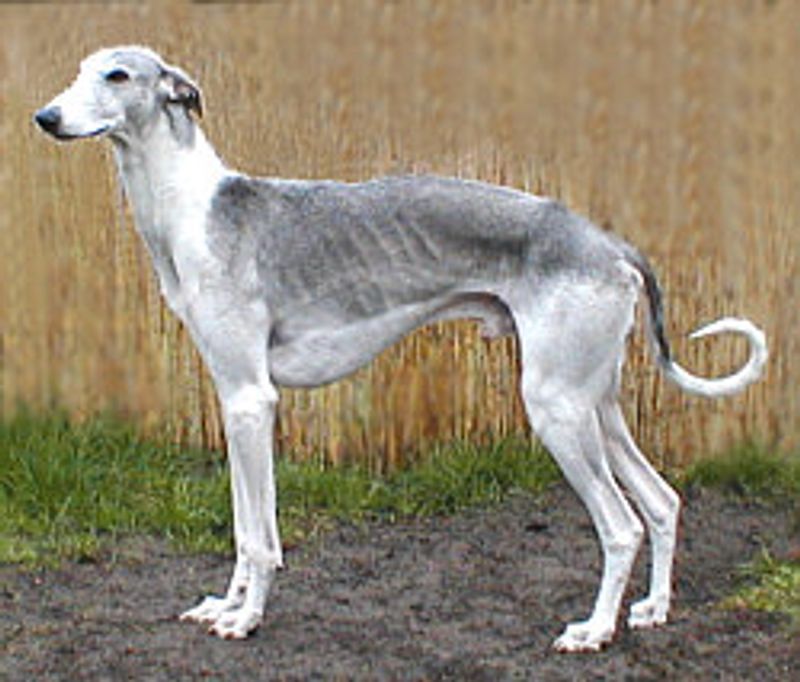
With a heritage as vast as the Russian steppes, the Hortaya Borzaya is a breed of quiet resolve. When faced with discomfort, they elegantly sidestep rather than resist.
Their nomadic roots have instilled a sense of independence, allowing them to assess and withdraw from uncomfortable scenarios.
These sighthounds are known for their speed and agility. However, their true strength lies in their ability to avoid conflict, a trait honed through generations of survival in the wild.
Taigan
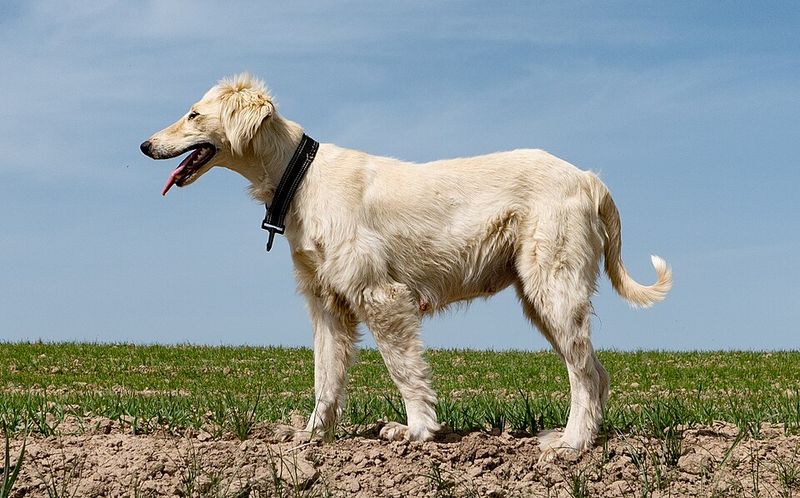
The Taigan, from the mountainous regions of Kyrgyzstan, carries an air of mystique. Their avoidance of discord is a testament to their wise and measured nature.
These dogs are skilled hunters, yet they prefer to observe quietly, avoiding confrontation. Their calm demeanor is both endearing and intriguing.
Their ancient lineage is reflected in their instincts. The Taigan’s choice to avoid rather than resist showcases their deep understanding of harmony and peace.
Yakutian Laika
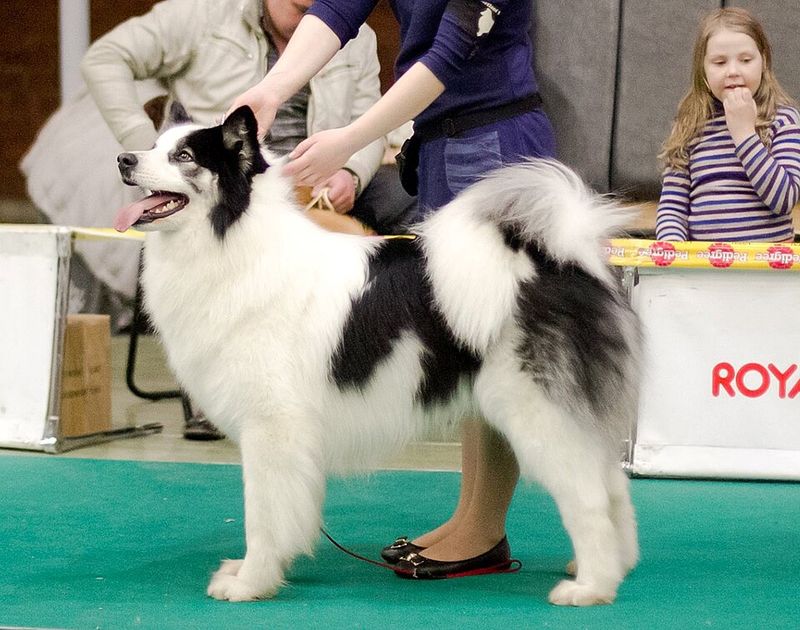
The Yakutian Laika, resilient in the Siberian cold, is a breed of gentle spirit. When discomforted, they quietly remove themselves, avoiding confrontation.
These dogs are known for their loyalty and warmth towards family, but they subtly distance themselves when uneasy.
Their heritage as sled dogs in harsh climates has shaped their adaptive nature. Their avoidance is a reflection of their desire for peace in an often unforgiving environment.
Greenland Dog

Endurance and strength define the Greenland Dog, yet they show discomfort through gentle withdrawal. Their quiet resilience speaks volumes.
These dogs are built for the Arctic, thriving in cold, harsh conditions. Their tendency to avoid rather than confront is a survival tactic against both nature and interpersonal tensions.
Historically used for sledding, their avoidance of conflict mirrors their skills in navigating treacherous terrains with grace and caution.
Canadian Eskimo Dog
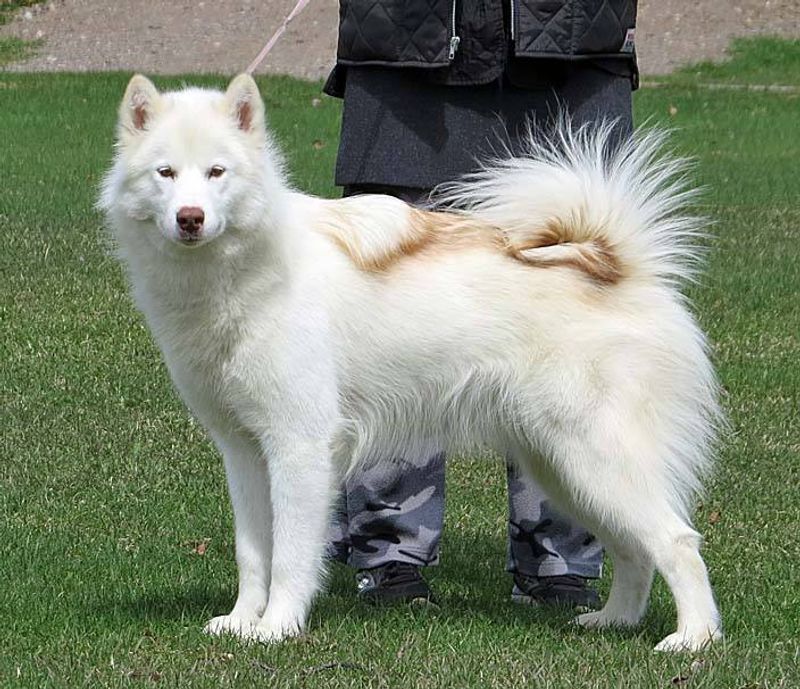
The Canadian Eskimo Dog, renowned for its hardworking nature, prefers avoidance to conflict. Their gentle retreat is a mark of their maturity and experience.
These dogs are deeply tied to the Arctic, where survival often means knowing when to step back. Their interactions are thoughtful, avoiding discomfort with quiet dignity.
Their historical role in exploration and survival has honed their instincts. Avoidance is not weakness but a strategic choice for this steadfast breed.
Jämthund
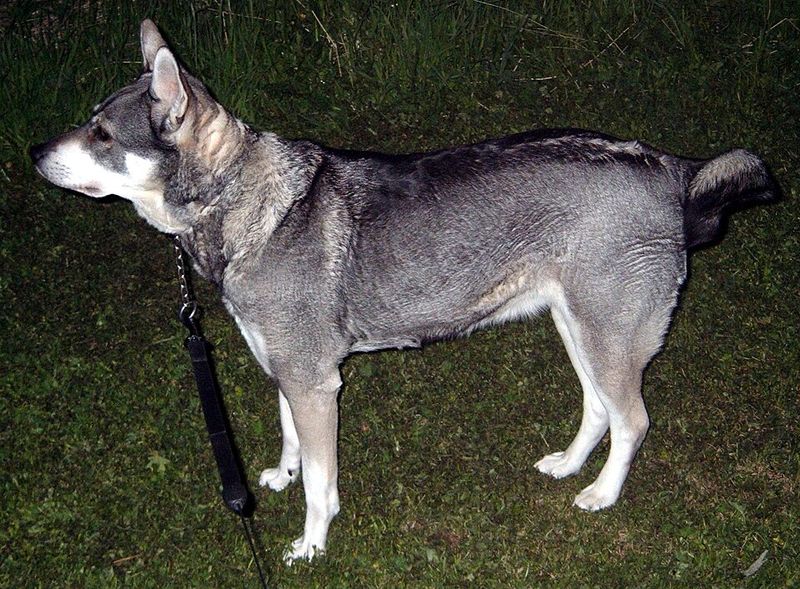
The Jämthund, with its robust presence, embodies the heart of Scandinavian forests. While powerful, they show discomfort through subtle retreat.
These dogs have a rich history as hunters, and their keen instincts guide them to avoid unnecessary confrontation. Their thoughtful nature is both engaging and endearing.
Their ability to adapt and avoid conflict reflects their deep connection to their environment, where peace and quiet observation often lead to success.
Karelian Bear Dog
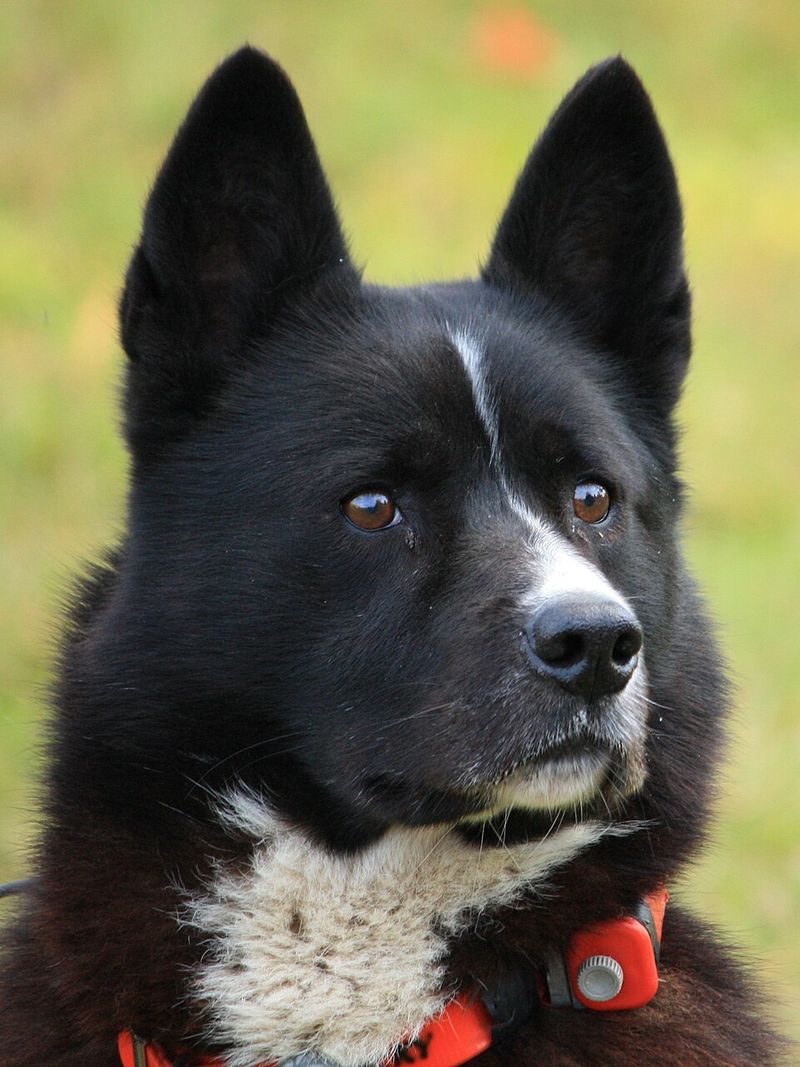
Bold yet reticent, the Karelian Bear Dog is a breed of contrasts. They choose avoidance over confrontation, a trait that highlights their discerning nature.
These dogs are adept hunters, yet they possess a quiet presence, often withdrawing from discomfort. Their calm demeanor is a hallmark of their thoughtful approach.
Their roots run deep in Finnish traditions, with a history of tracking large game. Their avoidance is a testament to their strategic mindset and respect for balance.
Norrbottenspets
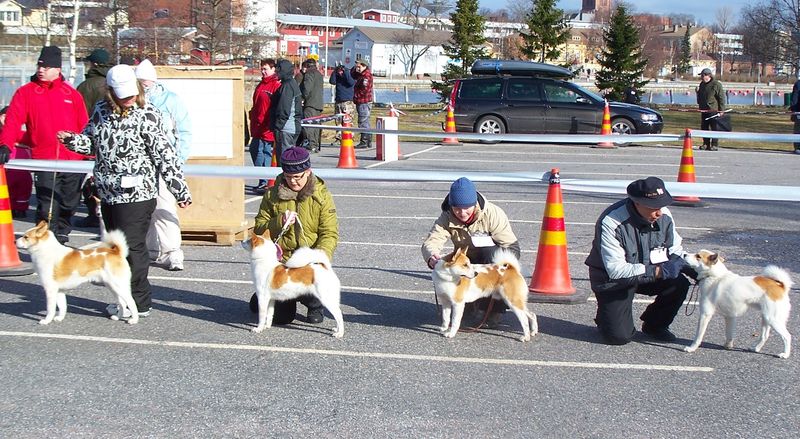
The lively Norrbottenspets, though small, is a breed with a big heart. They display discomfort through avoidance, a nod to their sensitive nature.
These dogs are known for their agility and alertness. Their tendency to withdraw from stress showcases their keen instincts and adaptability.
Rooted in Swedish culture, they have a long history of companionship and hunting. Their choice of avoidance reflects their respect for harmony and their quick wit.
Thai Ridgeback
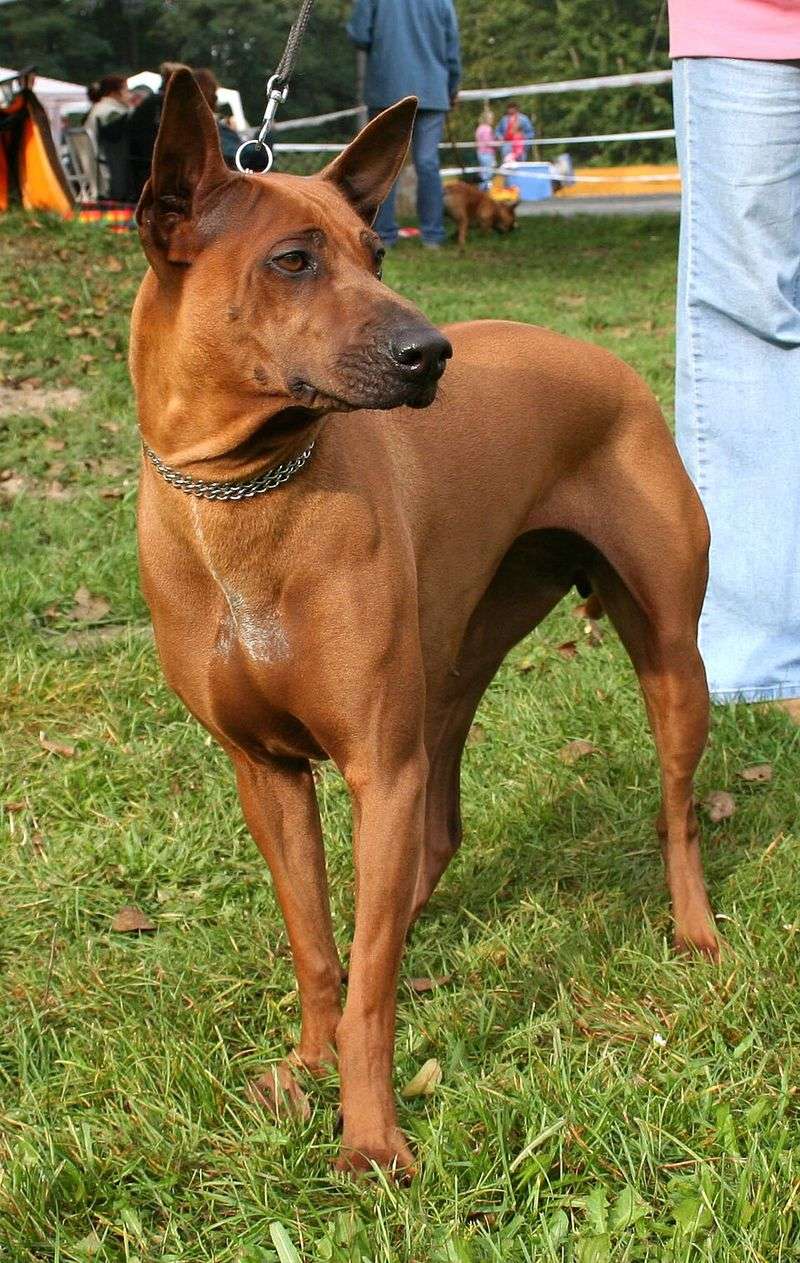
The Thai Ridgeback, with its distinctive ridge, exudes an exotic allure. When discomforted, these dogs choose quiet avoidance, highlighting their independent spirit.
They are known for their agility and intelligence. Their preference for withdrawal over confrontation is a testament to their intuitive nature.
With roots in Thailand, they have a history of guarding and companionship. Their avoidance is a reflection of their deep understanding of peace and individuality.
Peruvian Inca Orchid
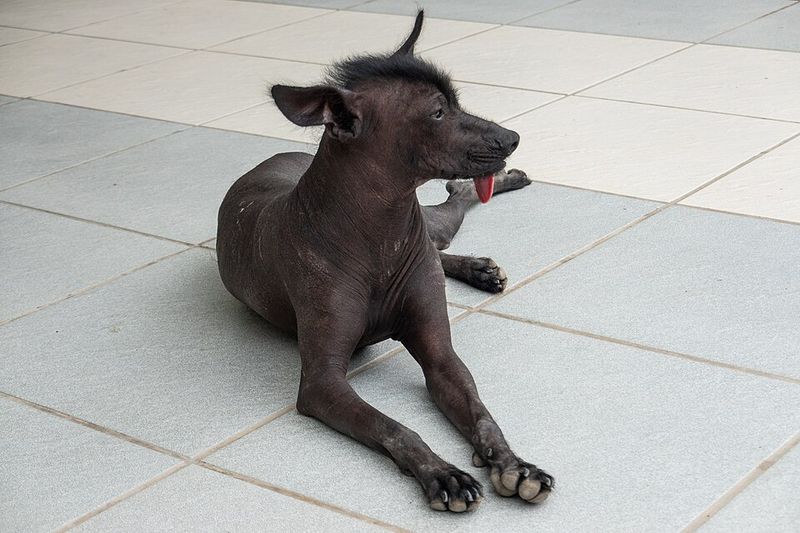
The enigmatic Peruvian Inca Orchid, with its hairless elegance, often sidesteps discomfort with grace. Their avoidance is a reflection of their refined disposition.
These dogs are known for their affectionate nature, yet they prefer to withdraw quietly from stress. Their gentle way of handling discomfort is truly captivating.
With roots in ancient Peru, they carry a rich cultural legacy. Their choice of avoidance is a testament to their serene and thoughtful character.
Xoloitzcuintli
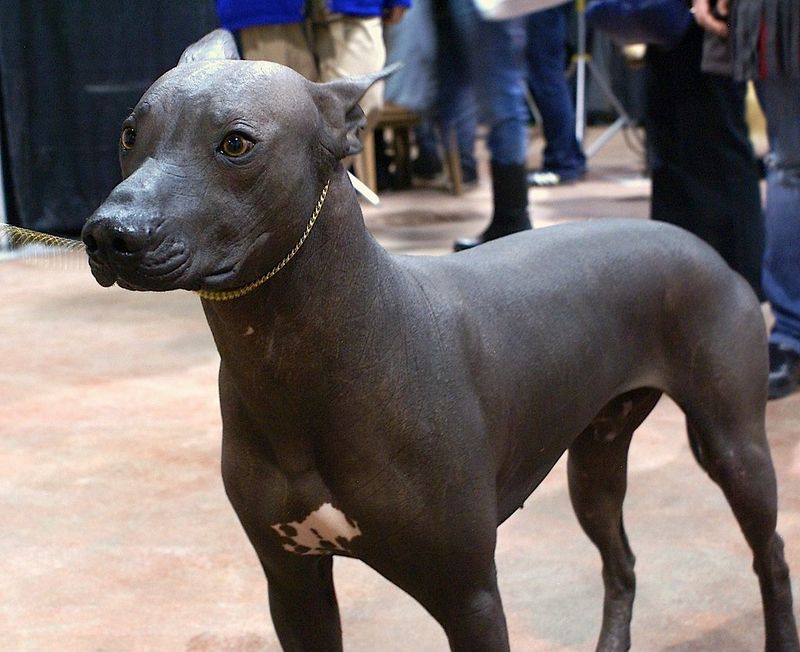
The Xoloitzcuintli, with its ancient Mexican lineage, carries a mystique that’s hard to ignore. They show discomfort through a quiet retreat.
These dogs are known for their loyalty and warmth. Despite their calm presence, they prefer to step back from tension, a nod to their introspective nature.
Historically revered by the Aztecs, their avoidance is less about fear and more about wisdom, embodying centuries of cultural significance.
Telomian
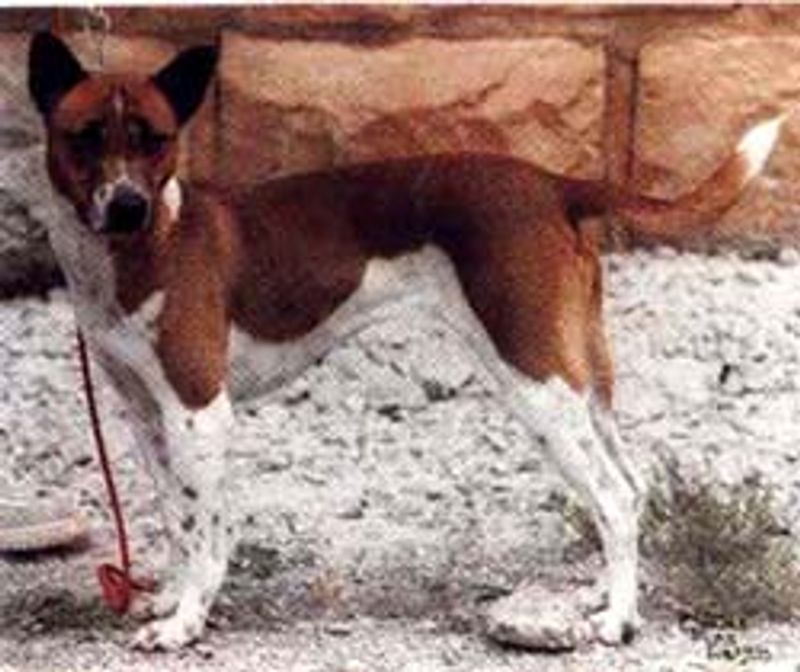
With origins shrouded in mystery, the Telomian is a breed of quiet introspection. When uneasy, they gracefully withdraw, showcasing a preference for peace.
These dogs are agile and intelligent. Their tendency to avoid confrontation speaks to their sensitive and perceptive nature.
Rare and unique, the Telomian hails from Malaysia, where they have been treasured for their loyalty and agility. Avoidance, for them, is a form of communication and wisdom.
Kintamani-Bali Dog
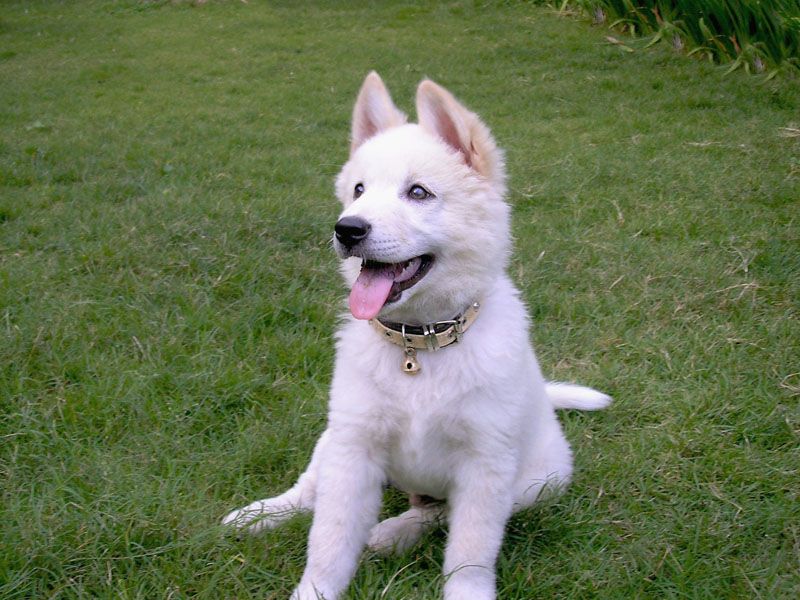
The Kintamani-Bali Dog exudes the tranquility of its namesake. When facing discomfort, these dogs choose a path of gentle avoidance.
They are known for their intelligence and independence. Their habit of withdrawing from stress reflects their thoughtful and serene nature.
Originating from the heart of Bali, these dogs embody the island’s spirit of peace and harmony. Their avoidance is a reflection of their deep sense of balance and tradition.