
Have you ever noticed your dog perk up the second you grab your keys or slip on your shoes? Many dogs watch our daily habits so closely that they can predict when we are about to leave the house.
Some breeds are especially sharp at spotting these little signals, from jingling keys to the swish of a coat. Knowing which dogs do this best can help you plan calmer goodbyes and happier homecomings.
Border Collie: The Keen-Eyed Strategist
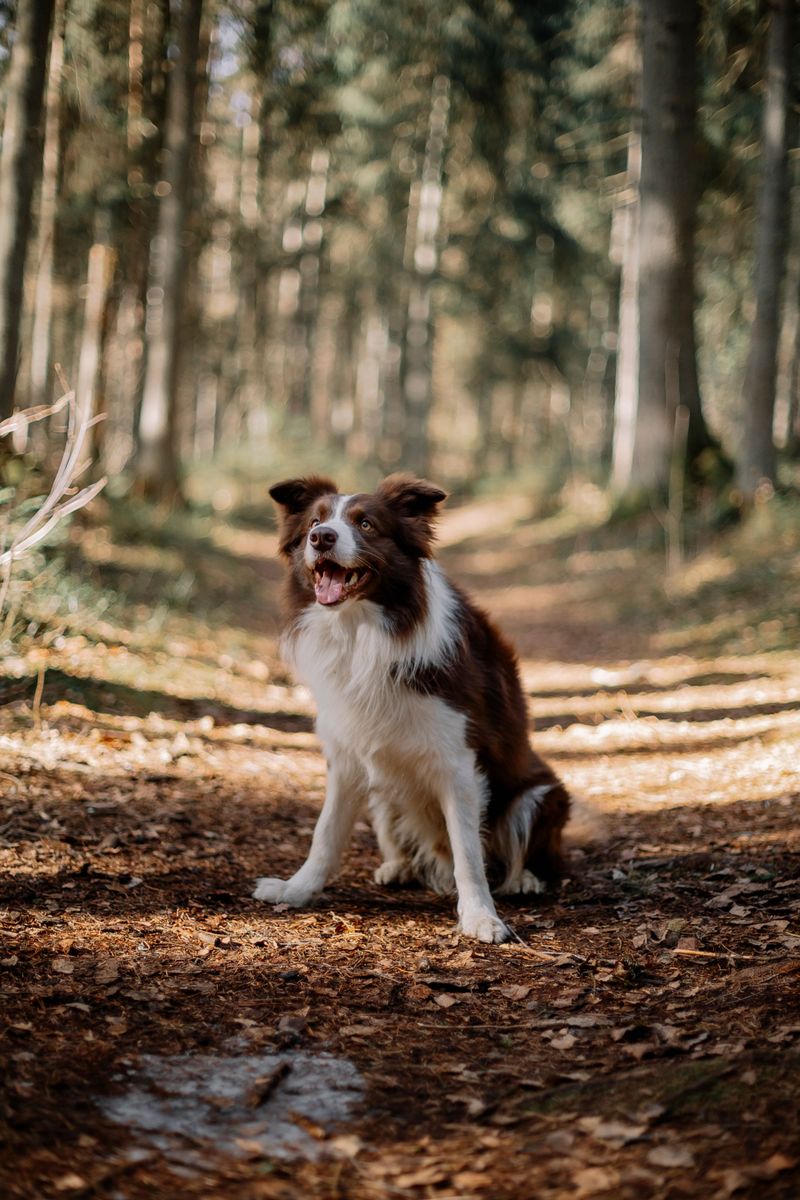
Picture a dog who knows you are leaving before you do. Border Collies were bred to read tiny movements from sheep and shepherds, so your morning routine is an easy puzzle for them.
They may notice you checking the weather or grabbing a water bottle. To keep stress low, try mixing up your order of tasks.
Put shoes on, then sit and read. Soon those cues lose their power.
Poodle: Brains Behind the Curls
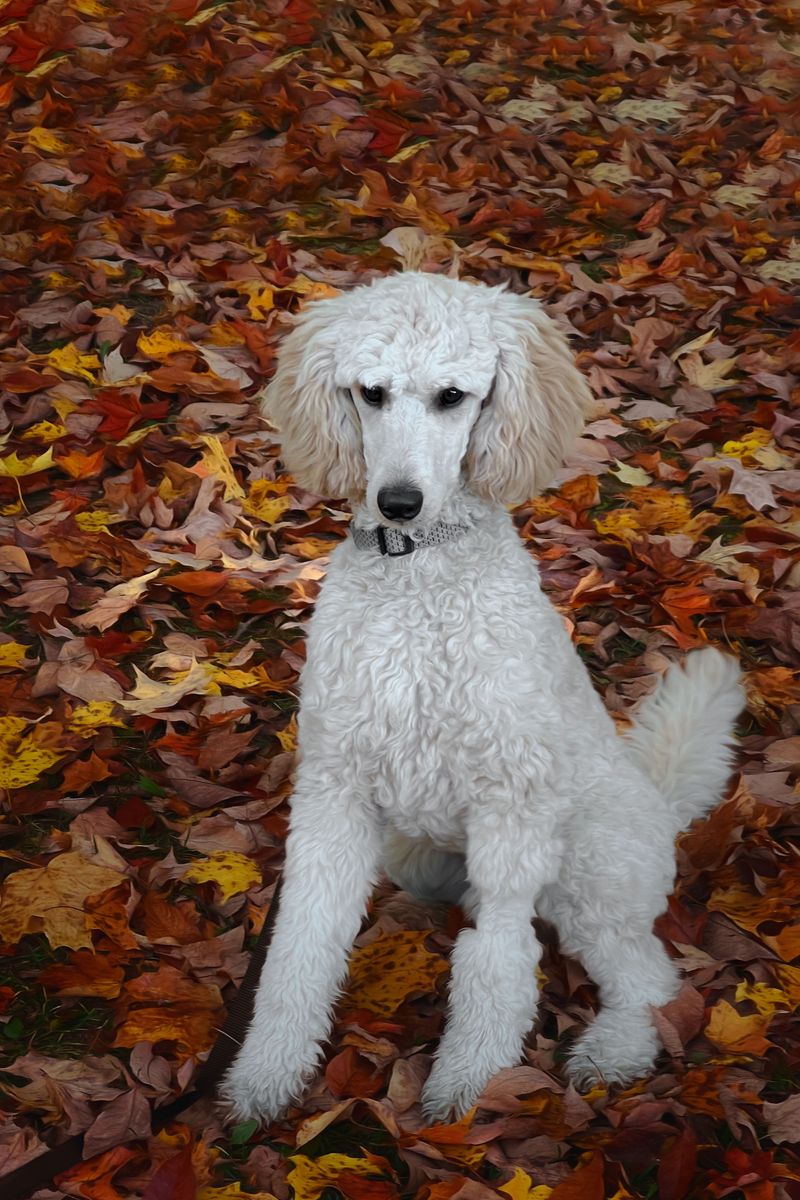
Fancy haircut aside, the Poodle ranks among the smartest breeds on the planet. Originally a German water retriever, it learned to pay close attention to hunters’ signals.
Today that skill shows up when you reach for your coat. Many Poodles will trot to the door or sulk on the couch.
Give yours a food puzzle right before leaving. That turns your exit into something to look forward to.
Jack Russell Terrier: Small Dog, Sharp Radar
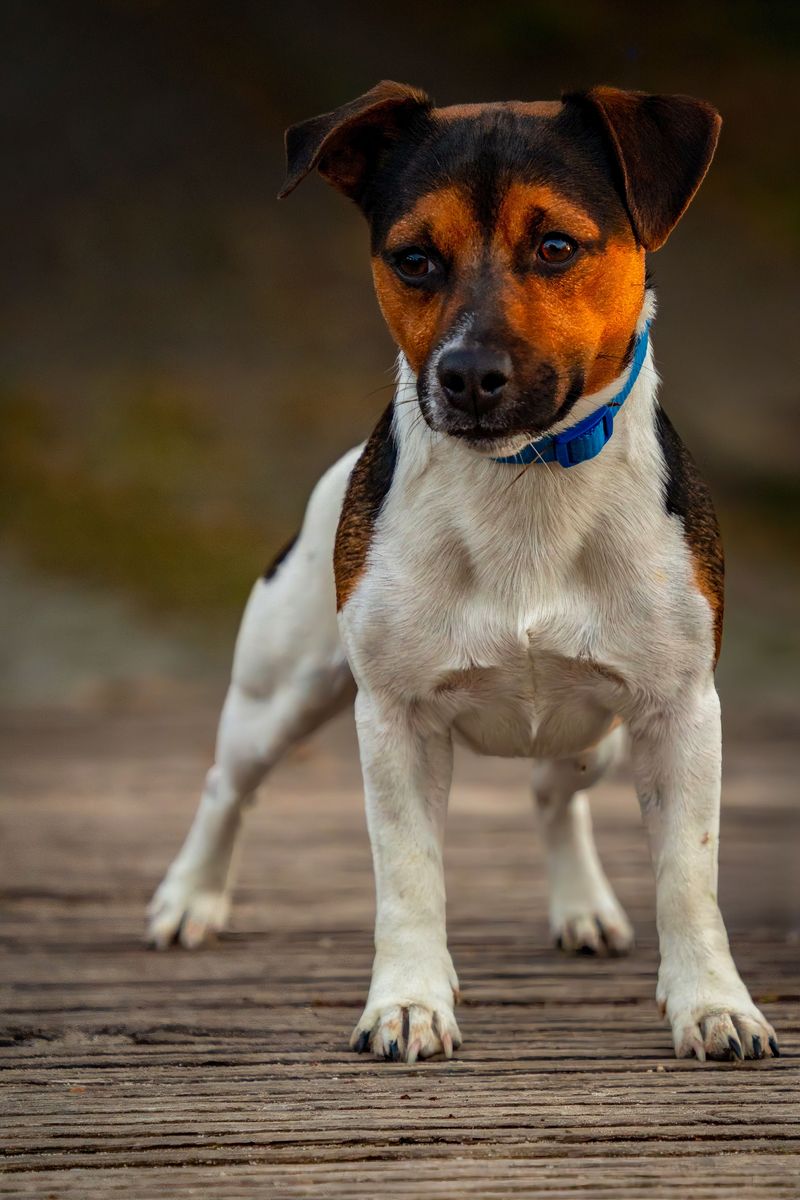
Grab a backpack and watch a Jack Russell spring into action. These little fox hunters have lightning-fast reactions and a memory to match.
Some will even hide your shoes or sit on your bag in protest. Funny, yes, but it also shows how much they notice.
Practice short, boring departures, like stepping out for thirty seconds. Over time your terrier learns leaving is no big deal.
German Shepherd: The Loyal Watchman
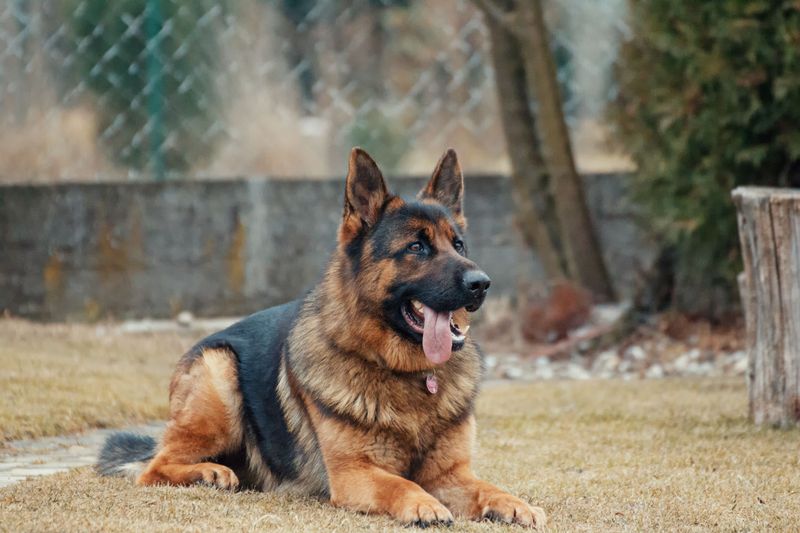
Loyalty runs deep in the German Shepherd. Police and service work rely on this breed because it studies people so carefully.
At home, that means your work boots or uniform can become a clear signal. Some shepherds pace or whine the moment they see them.
Leave a worn T-shirt with your scent in their bed. That familiar smell can bring real comfort during long hours apart.
Australian Shepherd: Reading Your Mood Too
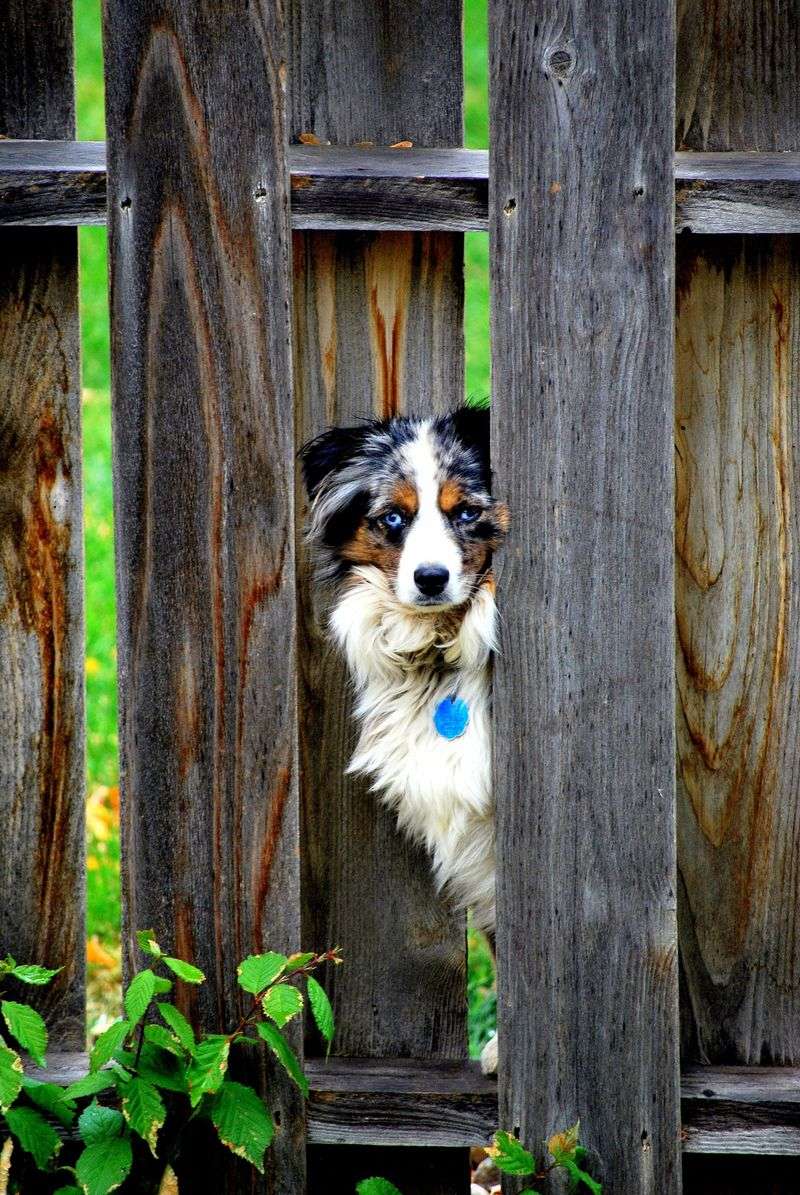
Here is something surprising. Aussies do not just learn your actions, they also pick up on your feelings.
If you feel rushed or guilty, your dog may sense it.
Stay relaxed as you prepare to go. Take a slow breath, give a calm pat, and skip the long, emotional farewell.
Your steady energy tells your herding buddy that everything is under control.
Doberman Pinscher: Velcro With Muscles
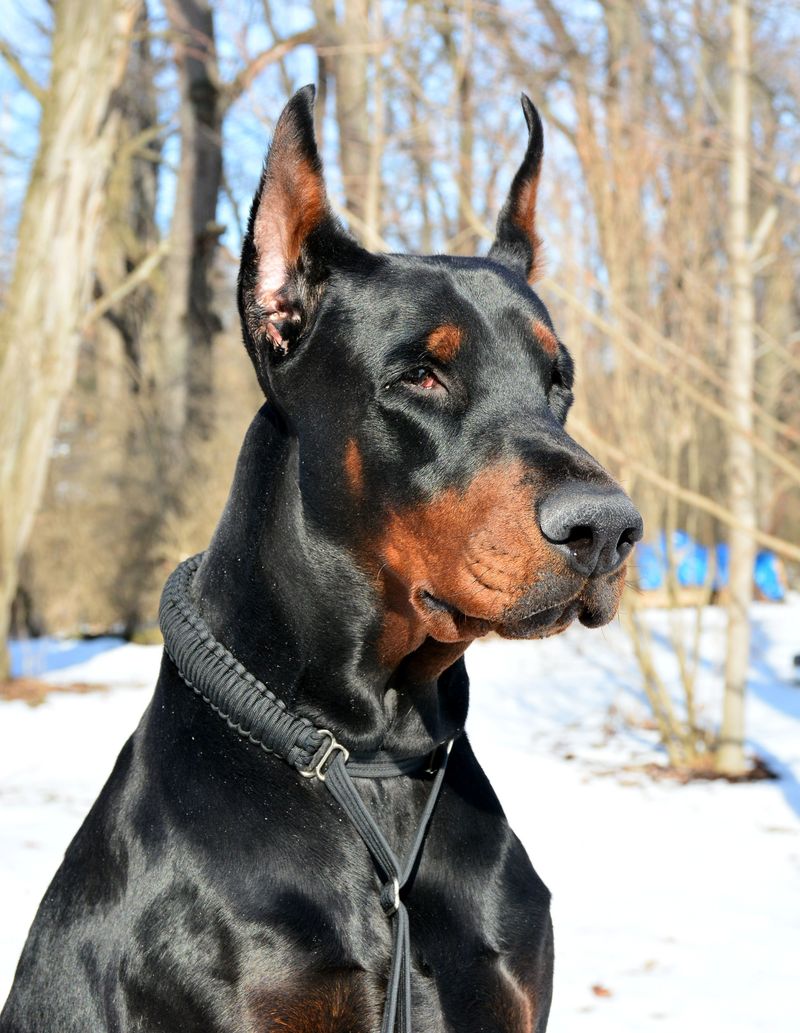
Nicknamed “Velcro dogs,” Dobermans love sticking right beside their people. A tax collector named Louis Dobermann created the breed in Germany during the 1880s to protect him on his rounds.
That devotion means they notice every step toward the exit.
Teach a solid “place” command on a comfy mat. Having a set spot gives your Doberman something to do while you get ready.
Dachshund: The Stubborn Detective
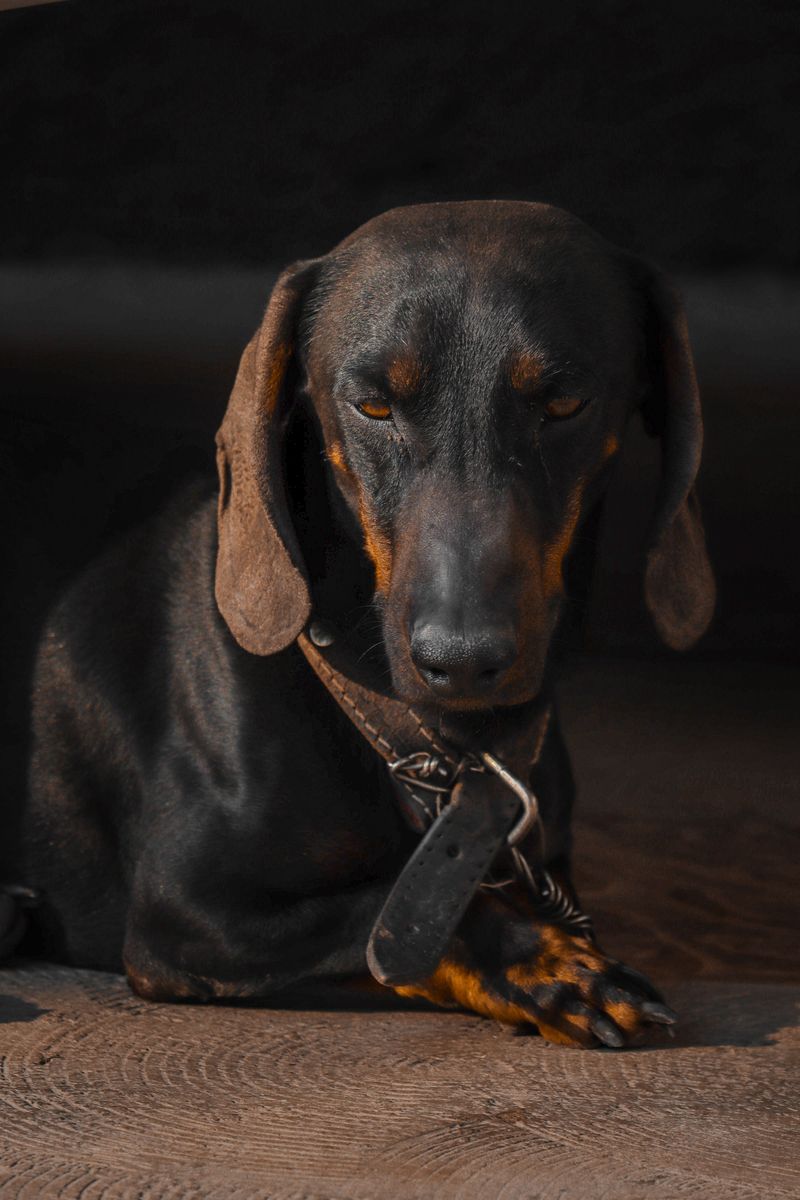
Short legs, huge nose, and a detective mindset. Dachshunds were bred to hunt badgers, and they still investigate everything, including your sneakers.
Many will sniff your shoes and instantly know if you plan a walk or a workday. Walking shoes get tail wags, and dress shoes get pouting.
Keep your shoes in a closet. Out of sight really can mean out of mind for these clever hounds.
Labrador Retriever: Happy Hopeful
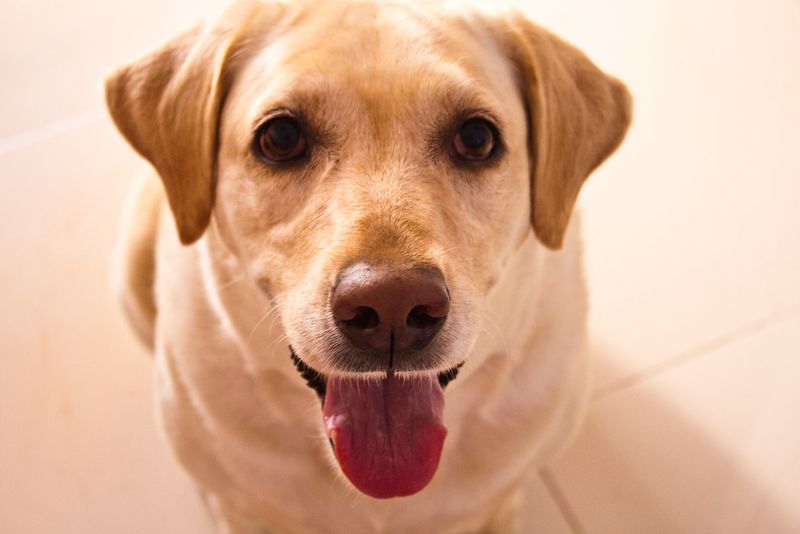
Did you know? Despite the name, Labradors actually come from Newfoundland, Canada.
Wherever they started, they are experts at hoping every exit includes them.
Labs often bring you a leash or toy as you lace up.
Create two different routines, one for walks and one for leaving alone. Different sounds and items help your Lab understand the plan and cut down on confused excitement.
Miniature Schnauzer: The Bearded Alarm
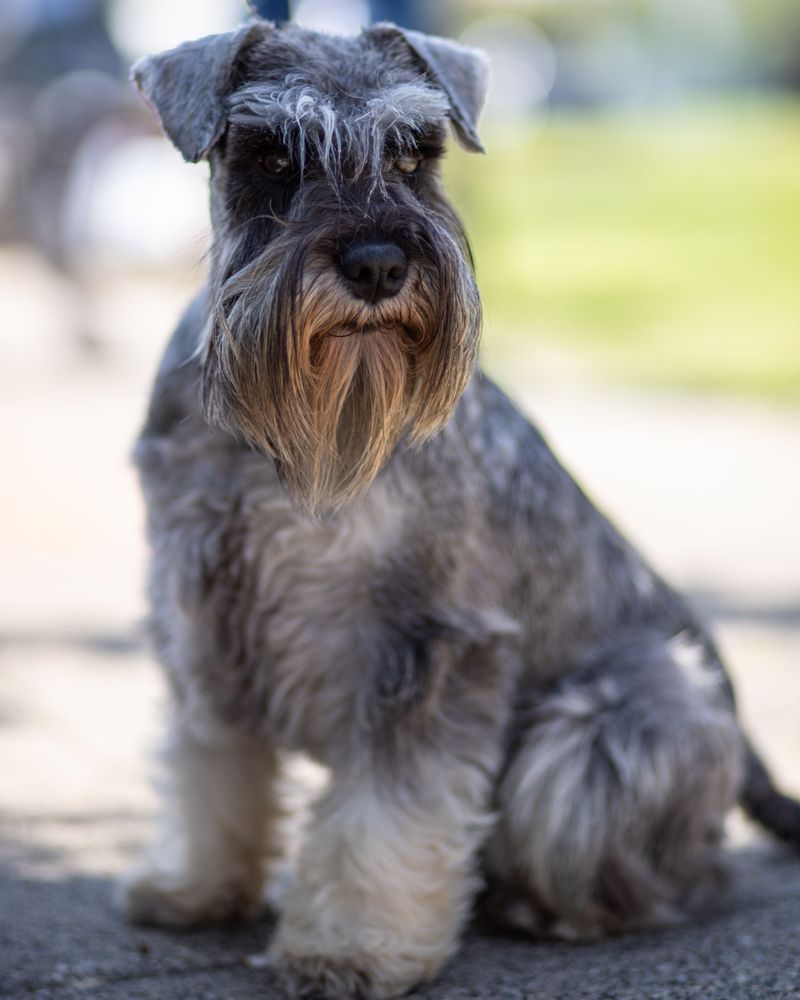
Bushy eyebrows, big opinions. Miniature Schnauzers are known for being vocal, and some bark the moment they hear your keys rattle.
That rattle becomes a trigger they learn quickly.
Try picking up your keys while watching TV, then set them down. Repeat this several times a day.
It sounds silly, but these small experiments teach your Schnauzer that keys do not always mean you are leaving.
Shetland Sheepdog: Gentle but Watchful
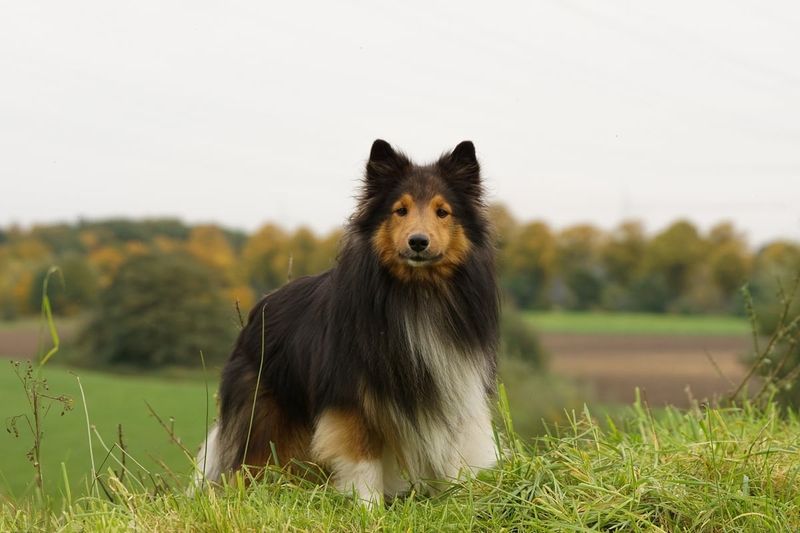
Sometimes called a mini Lassie, the Sheltie came from the rugged Shetland Islands of Scotland. Farmers valued its alert eyes for guarding small flocks.
At home, a Sheltie may notice you packing lunch and quietly slip away to sulk.
Soft, sensitive dogs like this do best with gradual training. Short practice absences and cheerful returns help build confidence one small step at a time.
Cocker Spaniel: Sweet Soul, Sad Eyes
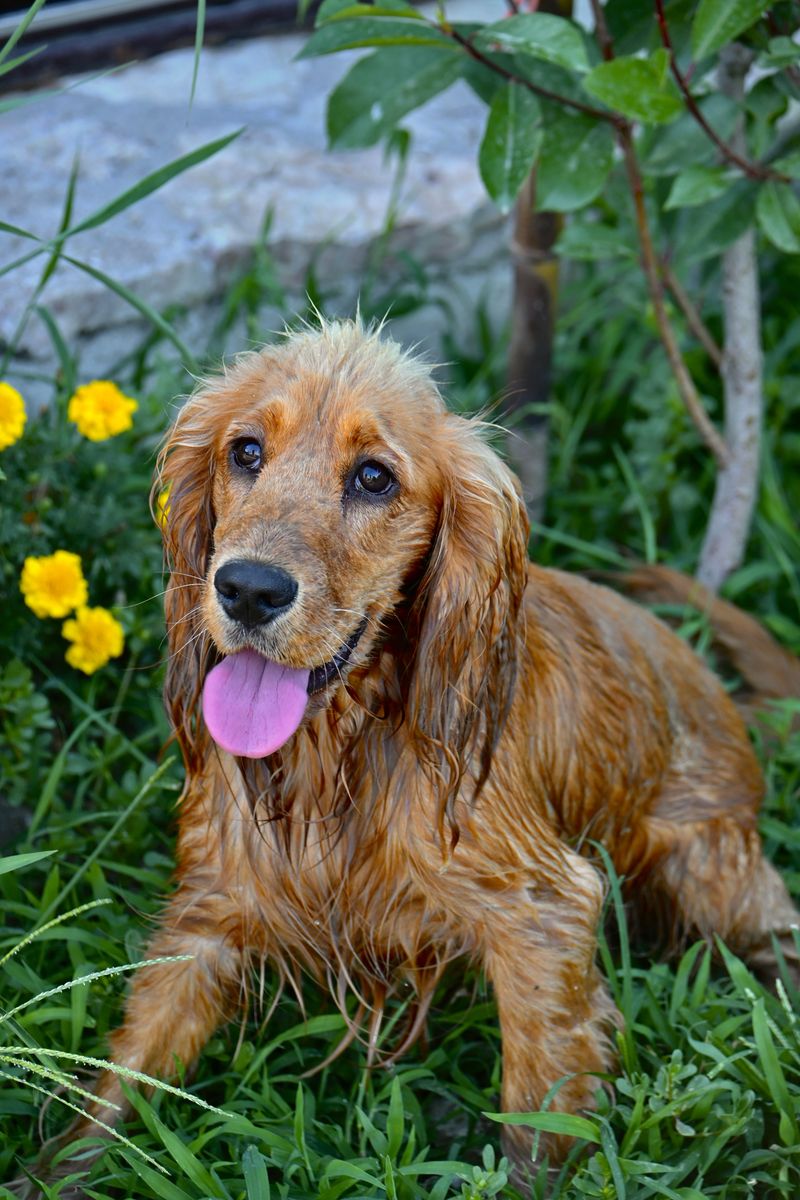
Those soulful eyes can melt anyone heading out the door. Cocker Spaniels bond tightly with families and learn cues like grabbing a purse or wallet.
Honestly, it can feel heartbreaking.
Instead of giving in, offer a long-lasting chew only when you leave. Pick it up when you return.
That special treat becomes a reward linked to your absence, turning sad eyes into busy jaws.
Boxer: Bouncy Emotional Barometer
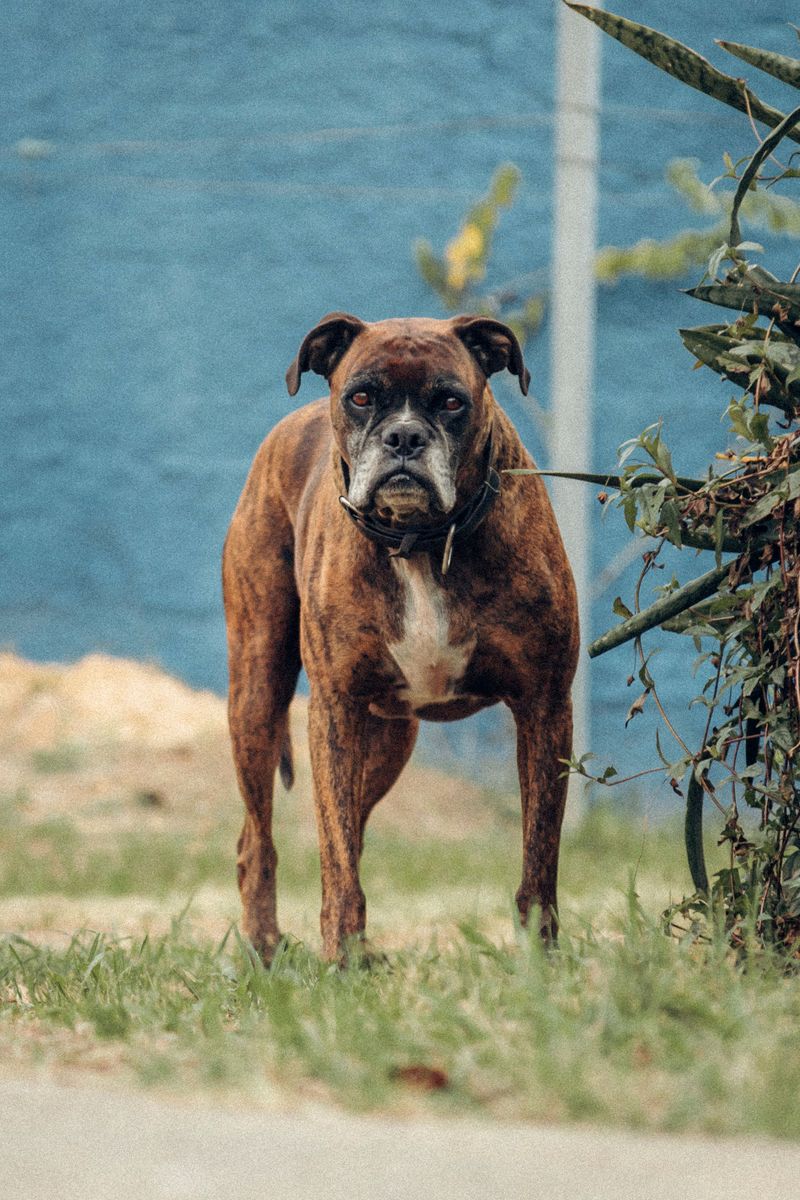
Boxers wear their feelings on their wiggly bodies. When they spot your gym bag, you might see a full-body wiggle or a dramatic flop on the floor.
These playful dogs stay puppy-like for years, so they need both exercise and mental games.
Hide treats around the house as you leave. A scavenger hunt keeps your Boxer’s clever brain busy and makes the first minutes alone much easier.
Cavalier King Charles Spaniel: Royal Lap Lover
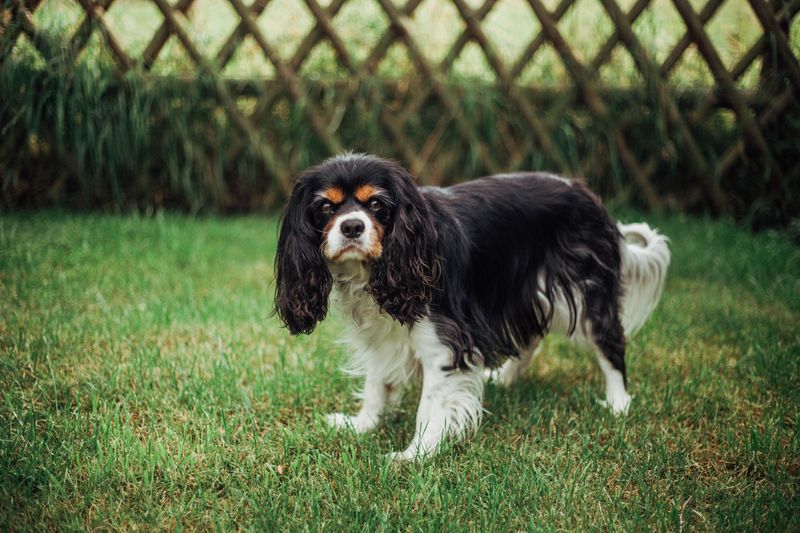
Kings once kept these spaniels as warm lap companions, and King Charles II supposedly let them roam his palace freely.
Cavaliers still crave closeness, so they notice when you reach for sunglasses or lipstick.
Because they hate being alone, a dog walker or pet sitter can be a lifesaver on long days. Soft background music or a radio can also make your quiet home feel less lonely.
Siberian Husky: The Dramatic Singer
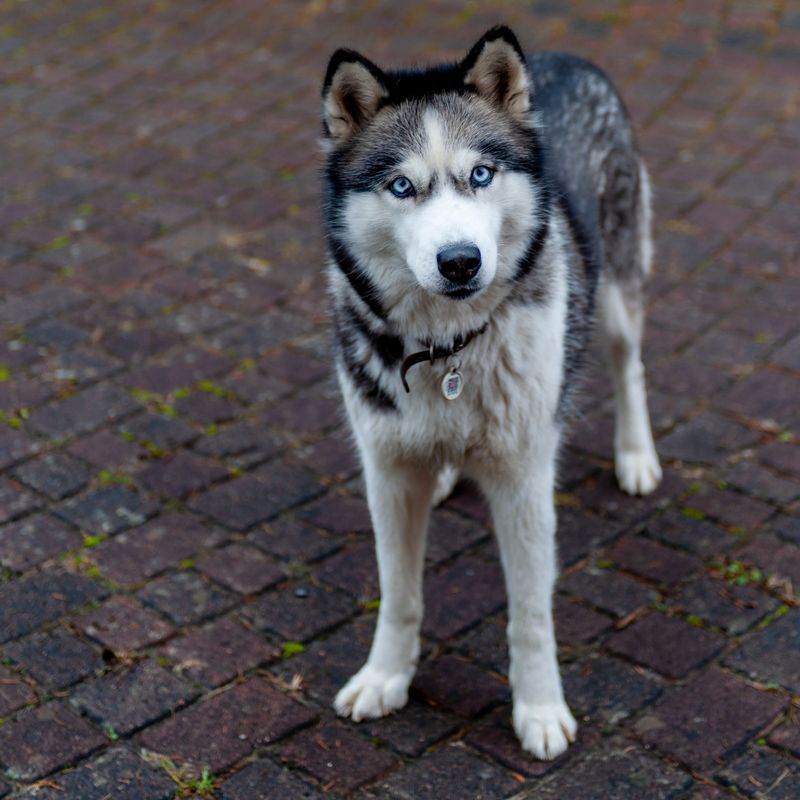
Ever heard a Husky “talk” back? These chatty sled dogs often howl their complaints when you zip up a jacket.
Bred to run miles across Siberian snow, they have tons of energy and a sharp memory for routines.
A long run before leaving is the best cure. Also check your fences and doors.
Huskies are famous escape artists who may try to follow you out.
Australian Cattle Dog: Tough, Tireless, Tuned In
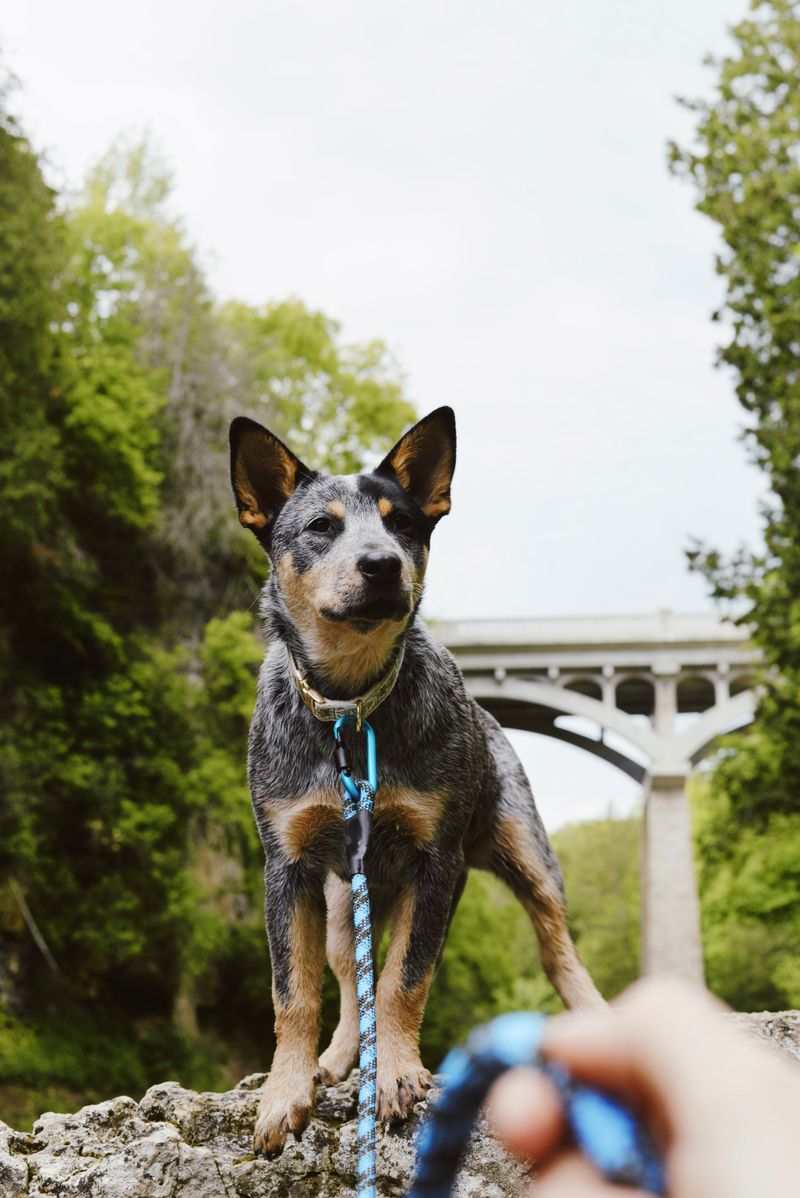
Ranchers in Australia bred this rugged herder, partly using wild dingoes. The result is a tough, loyal dog that bonds strongly with one special person.
Heelers often recognize a favorite hat or jacket as a sign of leaving.
Give them a job while you are gone, like a sturdy chew toy or snuffle mat. Busy paws and noses keep this hard worker from inventing its own projects.
Shiba Inu: The Cool Observer
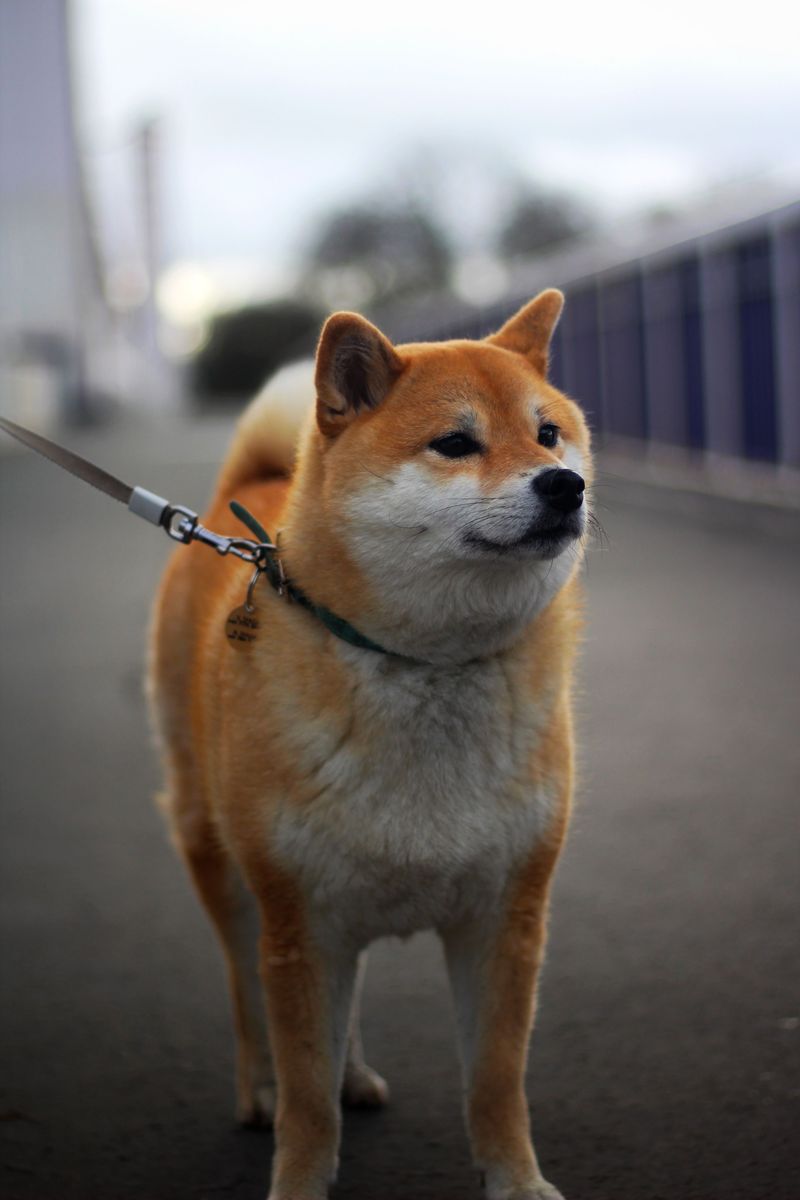
Cats in dog costumes, some people joke. Shiba Inus, an ancient Japanese breed, often act calm and independent, but they quietly track your every move.
They may pretend not to care as you grab your shoes, then wait by the window.
Respect their space and skip the fuss. A simple routine and a safe, cozy corner suit this proud little dog perfectly.