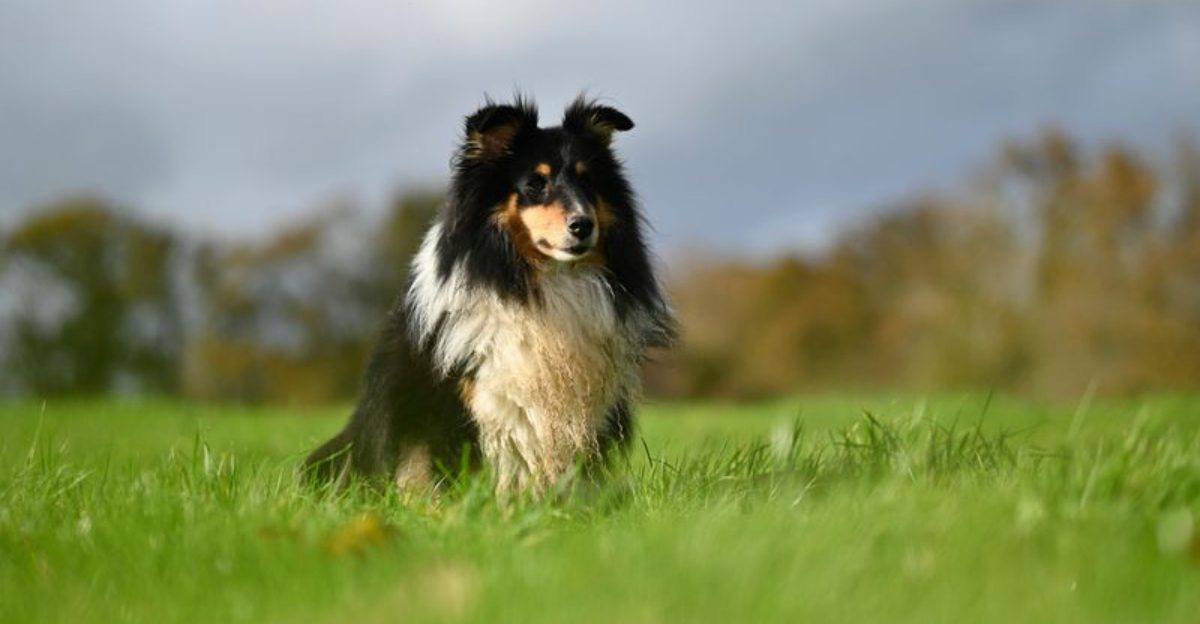
Some dogs love you so intensely that even a quick bathroom break feels like a grand betrayal. If you have ever returned to sad eyes pressed against the door, this list will feel very familiar.
These breeds are famous for deep loyalty, gentle hearts, and serious separation struggles. Let’s help you spot the signs, set healthy routines, and make goodbyes easier for both of you.
Vizsla
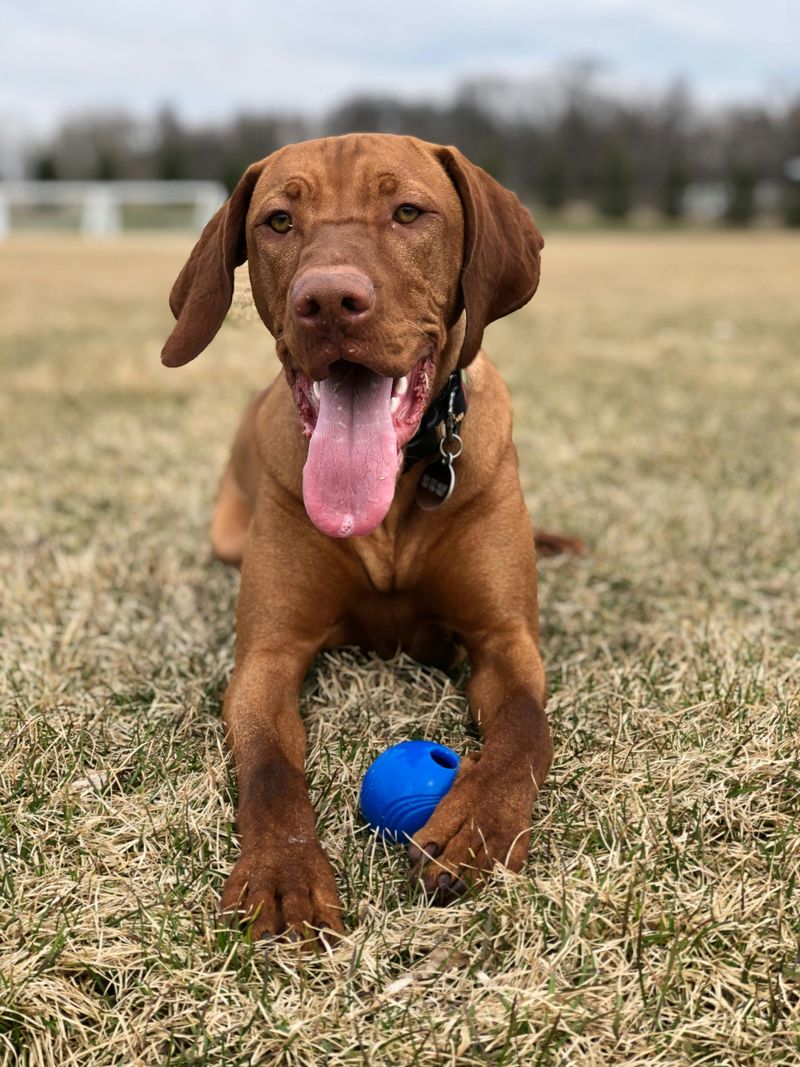
The Velcro-like Vizsla lives for closeness. Expect a shadow that follows from room to room, nudging your elbow with a soft nose to confirm you have not vanished.
When you leave, pacing and whines can pop up quickly, often tied to their sensitive, athletic nature.
Daily exercise is non negotiable. Draining energy with runs, sniff walks, and brain games helps turn anxious anticipation into calmer patience.
Start small absences, pair exits with a special chew, and keep greetings low key to avoid amplifying drama.
Crate training, when introduced kindly, creates a predictable den that reduces worry. Rotate food puzzles to build independence.
If you travel or work long hours, a dog sitter or playgroup can keep this affectionate athlete feeling secure and content.
Weimaraner
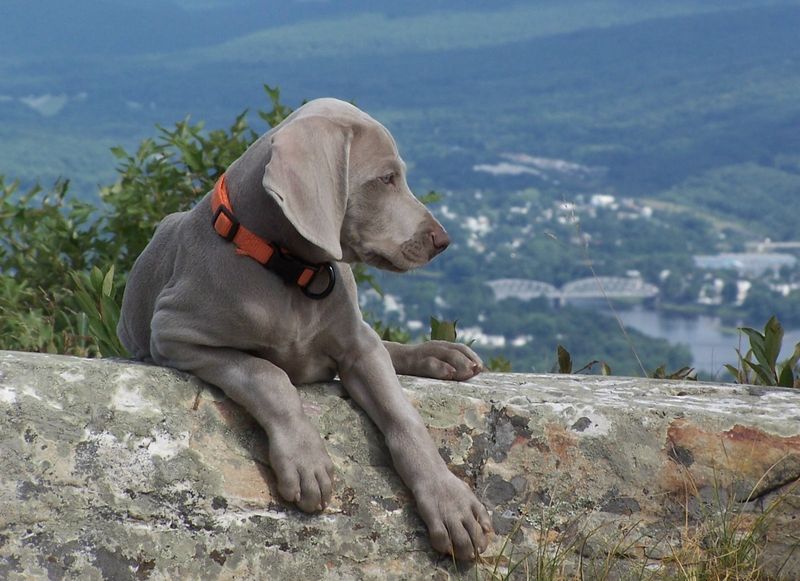
Weimaraners bond hard and fast, then panic when their person disappears. That intensity, paired with high stamina, makes quiet downtime tough.
Without structure, they may vocalize, dig at doors, or redecorate the sofa with surprising creativity.
Channel the drive through scent games, long hikes, and retrieval drills. Practice calm departures and returns, using a cue word that means you will be back.
Leave robust chews and rotate enrichment to prevent boredom from morphing into mischief.
A sturdy crate or safe room adds boundaries that soothe. Teach a mat-stay so the dog can relax at a distance, not glued to your legs.
Consistency, patience, and plenty of mental work help this silver shadow feel safe when you are out.
German Shepherd
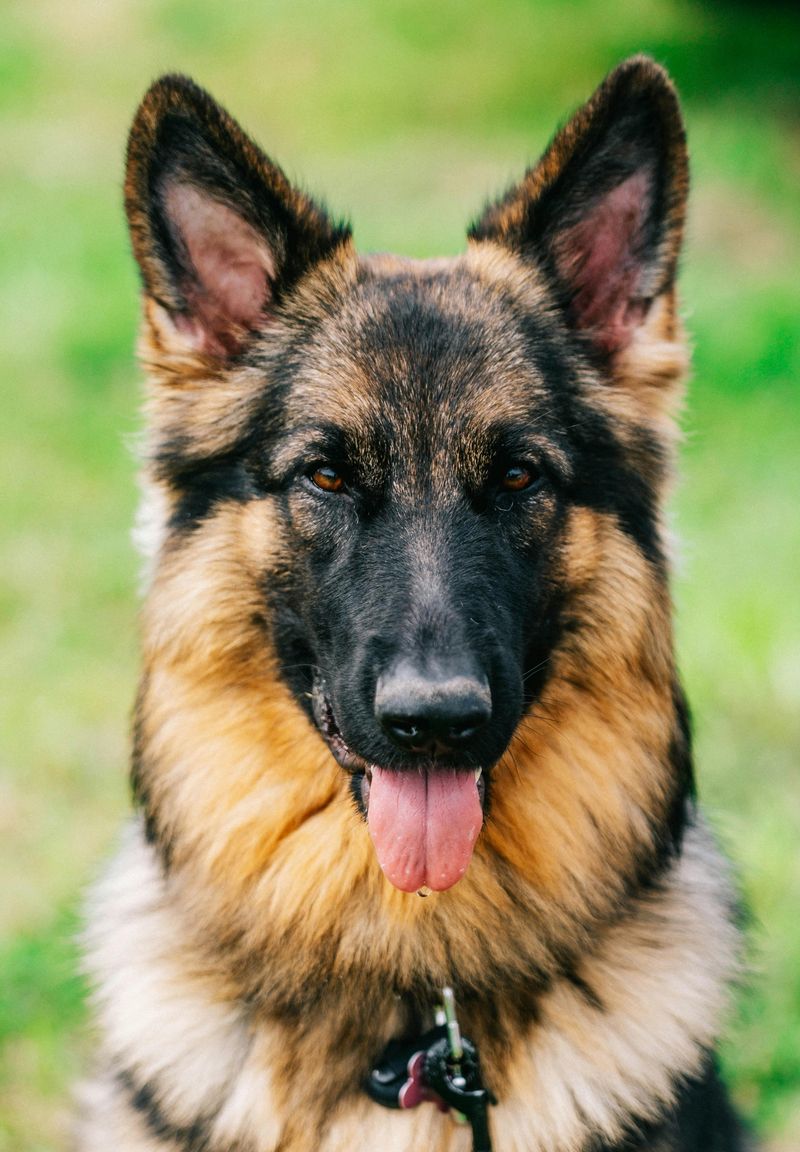
German Shepherds are guardians by nature, reading your every move and mood. That vigilance becomes worry when you vanish, especially without clear structure.
Some pace hallways, whine, or try problem solving with their paws and jaws.
Give them jobs. Scent work, obedience routines, and boundary games create predictability.
Teach a reliable place command, then increase distance and duration so staying settled becomes rewarding, not frustrating.
Short, frequent practice departures beat long, stressful ones. Use food puzzles, frozen stuffed toys, and calm music to smooth the edges.
If the anxiety escalates, work with a certified trainer or vet to build a plan. With leadership, exercise, and mental outlets, the sensitive Shepherd learns confidence.
Doberman Pinscher
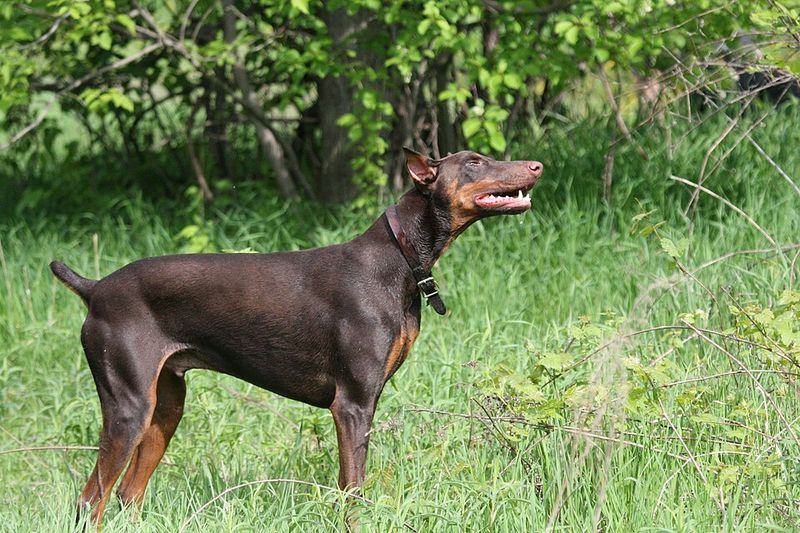
Dobermans are famously people focused, often picking a favorite human. When separation hits, they can fret, vocalize, and patrol doorways like devoted sentries.
Their smart, intense minds need guard rails before worry snowballs.
Build independence with place training, gated rooms, and gradual departures. Give heavy-duty chews and puzzle feeders for solo time.
Daily cardio plus obedience drills burn steam so rest feels natural, not forced.
Keep goodbyes boring and predictable. A consistent routine reduces alertness spikes.
If your schedule swings, hire help or arrange doggy day care occasionally. Gentle confidence building and clear expectations turn this loving protector into a calm companion, even when you grab the mail, take a call, or step out briefly.
Cavalier King Charles Spaniel
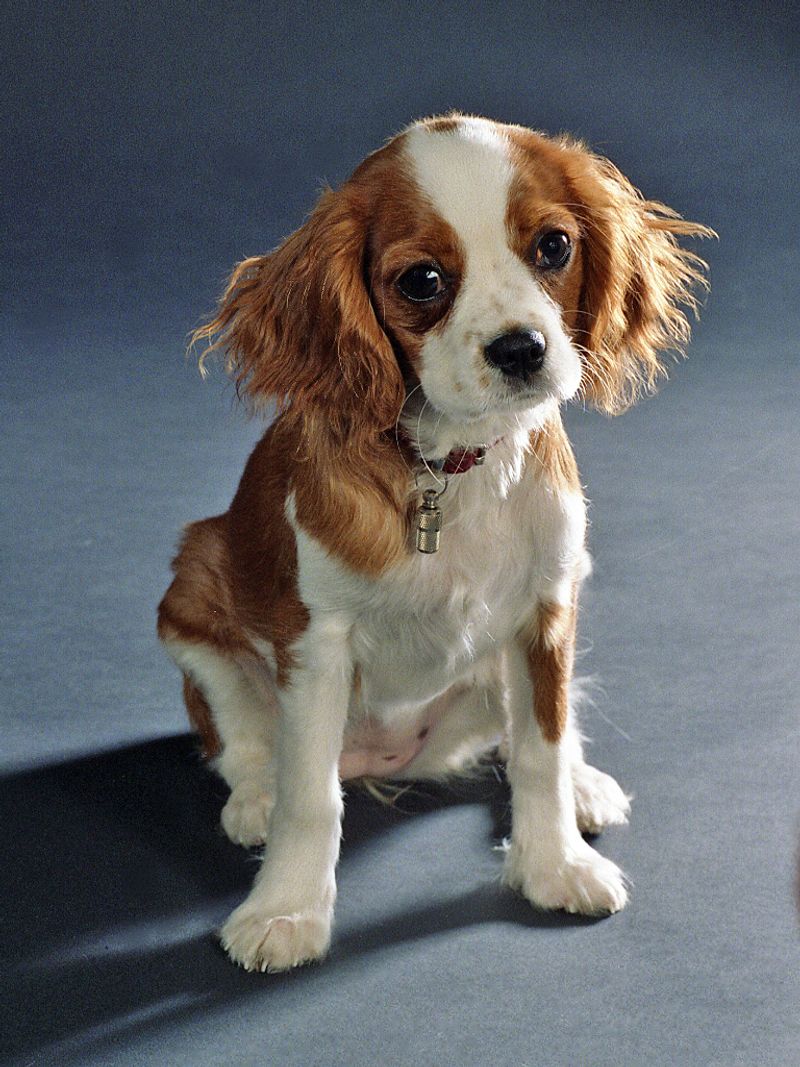
Cavaliers adore close contact and do not love being alone. Their soft eyes tell the whole story when you stand up to leave.
Some whimper, scratch lightly at doors, or hover near exits hoping plans change.
Keep solo time sweet. Offer a comfy bed, soft music, and long lasting chews.
Practice short departures after play sessions so relaxation is easier. Reward calm, not clinginess, with quiet praise when your pup chooses their bed.
Regular grooming and gentle massage can soothe sensitive souls. Enlist neighbors or walkers for mid day breaks.
With kind boundaries, predictable routines, and enrichment, this affectionate lap lover learns independence while keeping that signature cuddly charm.
Italian Greyhound
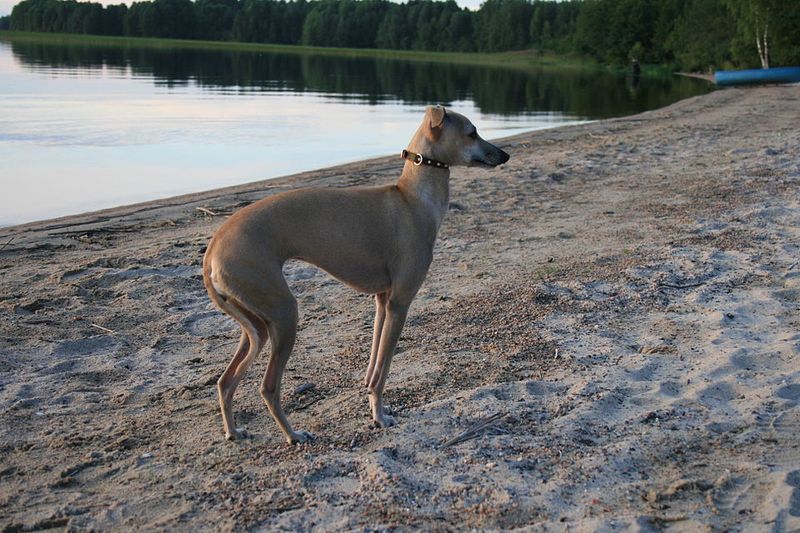
Italian Greyhounds are tiny shadows with elegant legs and jumbo feelings. They bond fiercely, prefer warm laps, and can fret quickly when you step away.
Shivers are common, sometimes from chill, sometimes from nerves.
Warmth helps. Provide sweaters, soft beds, and sun spots.
Practice independence with short settles on a mat, gradually increasing distance and time. Use gentle, food-based training and keep departures neutral, not dramatic.
Because they are agile, secure spaces carefully to prevent escape attempts. Rotate soft chew options to protect delicate teeth.
With patience, warmth, and tiny confidence wins, this sensitive sprinter learns that quiet alone time ends with happy reunions and another cozy cuddle session.
Havanese
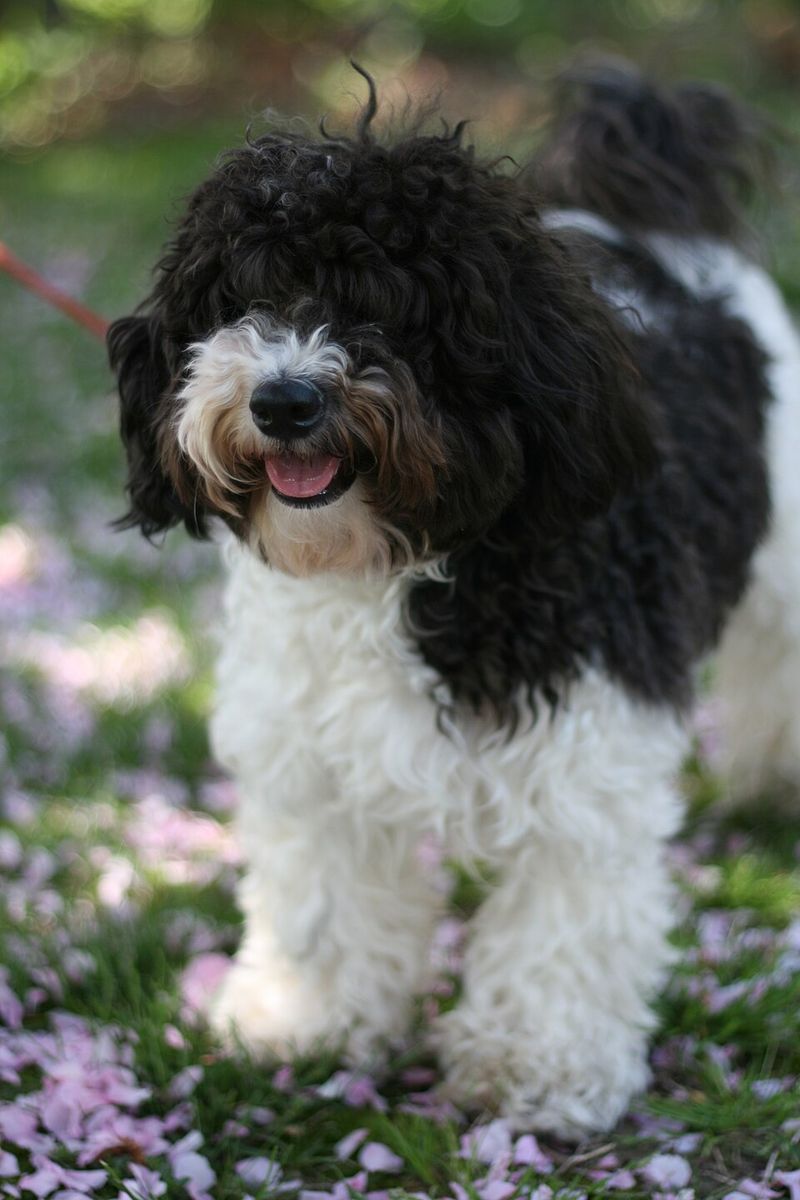
Havanese are social butterflies that orbit their people. Alone time can feel confusing, so they may bark or fuss until reassurance returns.
Their playful charm hides a sensitive core that thrives on gentle routines.
Teach independence with settle games, scatter feeding, and short crate naps after play. Leave a snuggly blanket that smells like you.
Make exits predictable with a cue and a special chew reserved only for departures.
Daily walks and trick training keep their minds engaged. Avoid over coddling after reunions to prevent cling cycles.
If noise complaints arise in apartments, white noise and curtains can buffer sounds. With structure and sweetness, the Havanese learns confidence without losing that sparkling companionship.
Cocker Spaniel
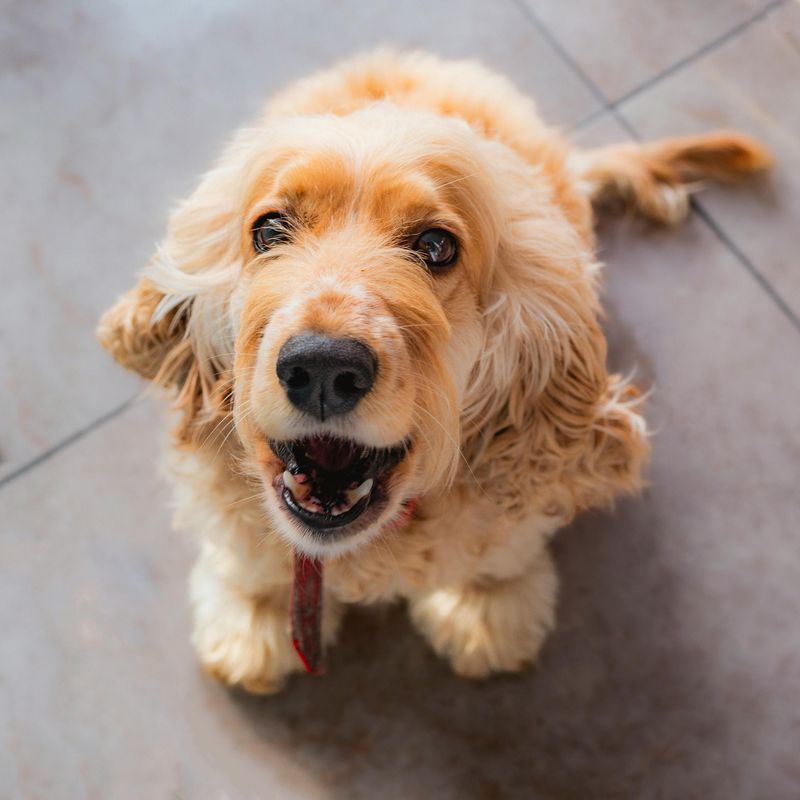
Cocker Spaniels are devoted charmers who read your footsteps like poetry. When left, they may whine, pace, or search rooms methodically.
Their gentle dispositions respond best to patient, predictable routines.
Before departures, add a sniffy walk or upbeat training session to take the edge off. Offer a safe space with a comfy bed and a food puzzle that lasts.
Use calm return rituals so big greetings do not amplify anxious anticipation.
Grooming time can double as bonding that reassures. Practice alone-time games, increasing minutes slowly rather than leaping to hours.
If the worry lingers, consult a trainer for a step-by-step plan. With steady guidance, the affectionate Cocker learns to relax while you handle life’s errands.
Border Collie
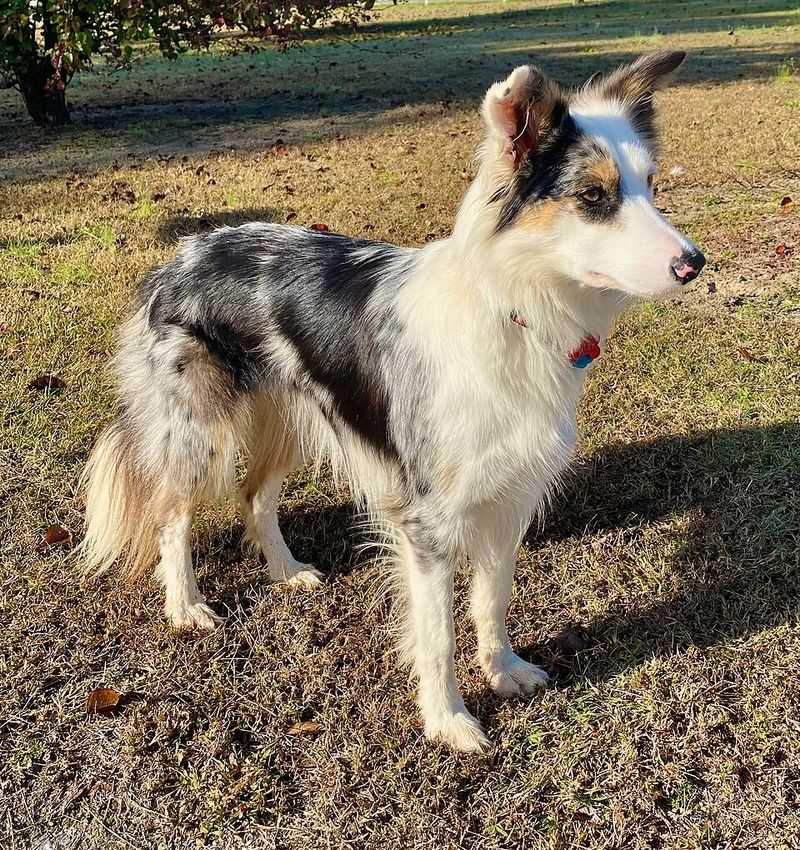
Border Collies crave purpose and proximity. Without jobs, their brilliant brains can spiral into anxious patterns when you leave.
Expect door guarding, vocalizing, or creative problem solving if energy and focus go unmet.
Work that mind. Nosework, herding-style games, and precise obedience build confidence and promote rest.
A structured place command plus incremental absences helps shift from hypervigilance to relaxation.
Rotate complex puzzles and hide-and-seek treats. Keep departures low drama and predictable.
If your schedule is demanding, hire walkers or plan dog sport classes. Meeting mental needs first is the secret to soft goodbyes and a calm, content collie patiently waiting for your return.
Australian Shepherd
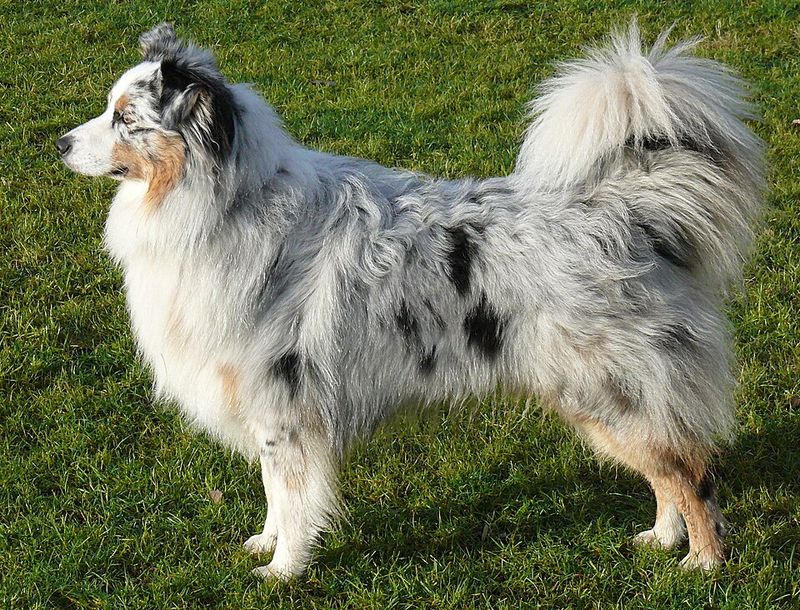
Australian Shepherds live to work and watch. When the flock leaves, their brains spin.
Aimless energy can show up as barking, pacing, or door scratching. Structure and meaningful tasks turn that intensity into calm confidence.
Teach settle on a mat, then add doors and distance. Provide cardio, trick training, and scent games.
Save high value chews for departures so leaving predicts something good. Keep greetings chill to avoid stoking anticipation.
Crates or gated areas help boundaries stick. If you juggle long shifts, consider day care or sport classes.
Consistency plus mental engagement usually eases separation struggles for these brilliant herders, letting them nap instead of patrol until you return.
Shetland Sheepdog
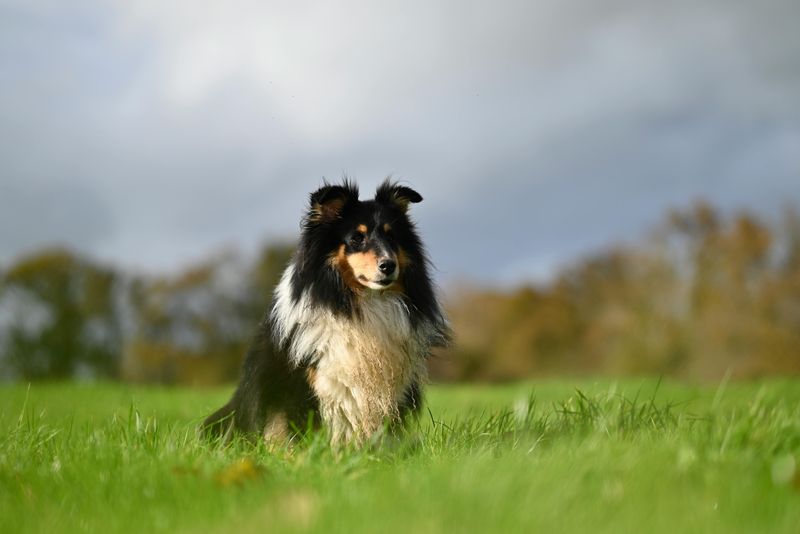
Shetland Sheepdogs are sensitive observers who track routines closely. Sudden silence when you leave can feel unnerving, prompting whines or door hovering.
Their eagerness to please makes them excellent students for separation practice.
Start with short departures and a favorite chew. Teach a calm place cue and reinforce quiet, relaxed body language.
Use scatter feeding and puzzle toys to redirect focus from doorways to enjoyable foraging.
Shelties can be sound sensitive, so white noise may help. Desensitize to keys, coats, and shoes that predict leaving.
Gentle structure, frequent mental work, and calm returns transform worry into steady confidence, keeping this tender herder content until your footsteps return.
Boxer
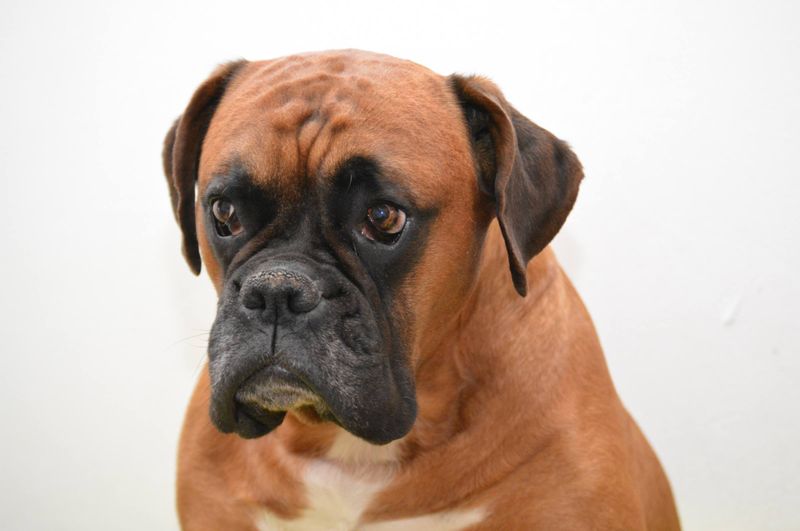
Boxers are clownish cuddlers who wear emotions brightly. Alone time can flip the switch from goofy to gloomy fast.
Some vocalize, shadow windows, or try athletic problem solving if the goodbye routine is unclear.
Pre-departure play, sniff walks, and training help the body relax. Introduce a crate or room as a fun retreat with stuffed chews reserved for exits.
Keep your tone casual and exits predictable so suspense does not build.
Rotate durable enrichment to slow chewers. Provide social outlets with playdates or day care when schedules stretch.
With calm structure and plenty of exercise, the big-hearted Boxer learns to snooze happily while you handle life outside the door.
Labrador Retriever

Labradors love company and action. When the house goes quiet, some struggle, especially young Labs brimming with energy.
Boredom and FOMO can spark whining, door scratching, or opportunistic counter surfing.
Front load exercise and training before absences. Scent games, fetch with rules, and place work steer that enthusiasm.
Leave hardy chews or frozen food puzzles that take time. Keep departures neutral and returns calm to prevent spirals.
Crates or penned areas protect both dog and furniture. Regular social time and field trips satisfy their outgoing nature.
With consistent boundaries and enriching routines, most Labs learn to settle and nap like pros until the keys jingle again.
Golden Retriever
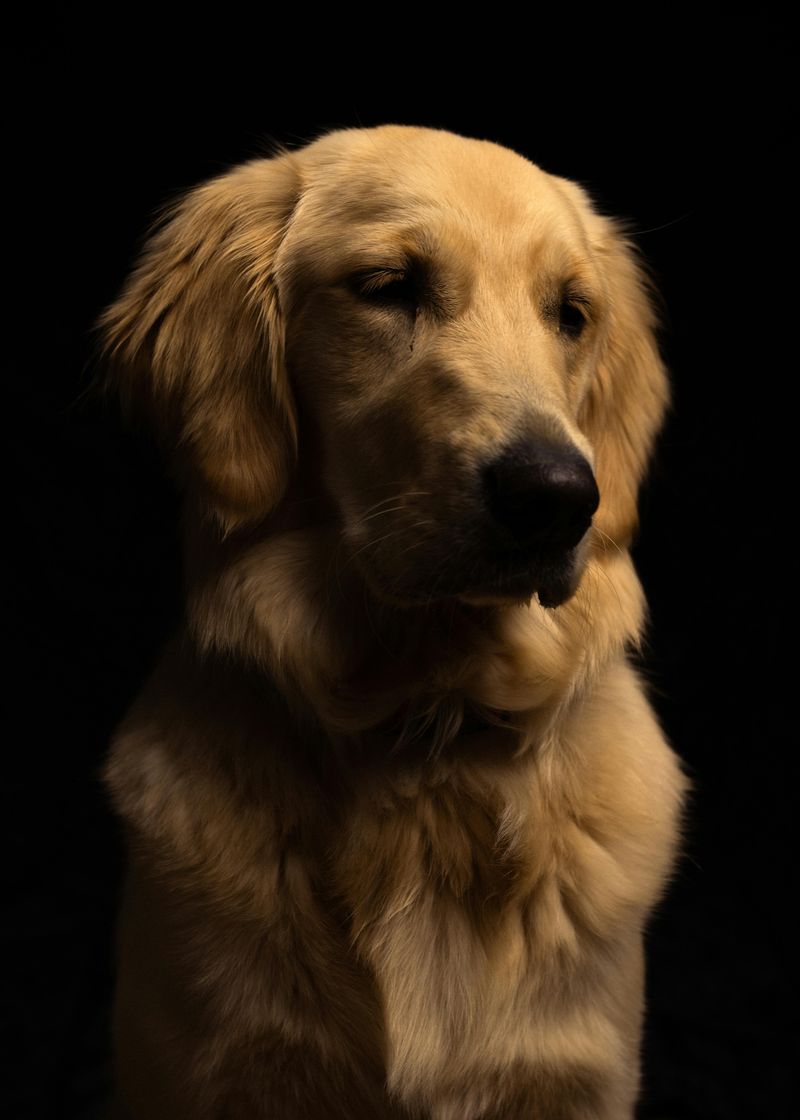
Golden Retrievers are affectionate optimists who thrive on togetherness. When left alone, they can worry, especially during adolescence.
Signs include pacing, gentle whining, and fixating on exit points.
Build independence with short, successful absences and high value chews. Teach a solid place command and reinforce relaxed posture.
Give daily brain work like scent trails and trick training to channel their eager minds.
Grooming sessions and massage lower arousal before departures. Keep greetings low key to avoid roller coaster emotions.
With structure, exercise, and steady reinforcement, the Golden learns that quiet time is safe, predictable, and always ends with your cheerful return.
Papillon
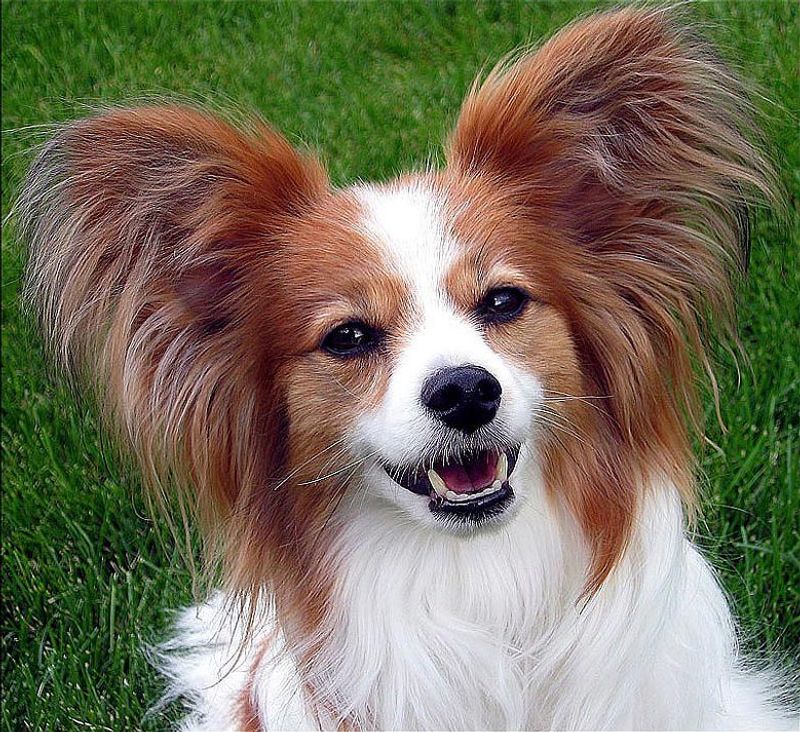
Papillons are tiny thinkers with big attachment. They notice routines and may alarm-bark or pace when your pattern changes.
Because they are light and lively, anxiety can look like quick flutters rather than dramatic meltdowns.
Practice independence with settle training, micro departures, and foraging games. Provide cozy dens and soft blankets that hold familiar scents.
Keep exits boring and pair them with tiny, long-lasting chews.
Watch for over-handling that feeds clinginess. Encourage confident exploration and trick training to build self assurance.
With gentle consistency and mental games that fit their sharp minds, Papillons usually adapt well, greeting you with joy rather than worry after short separations.
Chihuahua
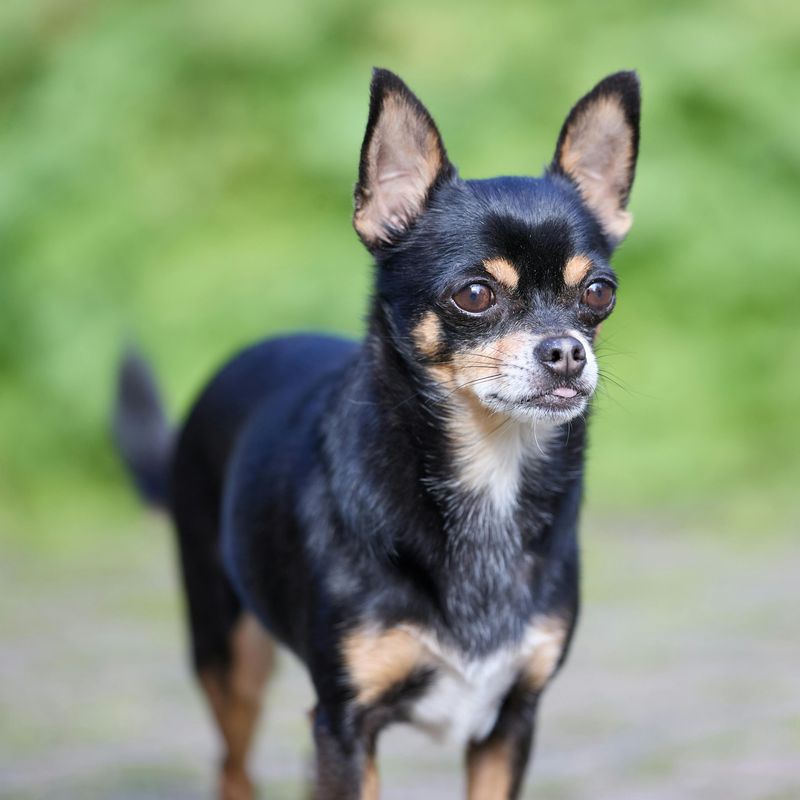
Chihuahuas bond tightly and read your energy like tiny detectives. Sudden distance can spark vocal protests or anxious pacing.
Their small size invites constant carrying, which sometimes deepens clingy habits.
Teach ground confidence. Use mat settles, short departures, and tiny chew rewards.
Create warm, safe dens with blankets. Desensitize to keys, coats, and door sounds so those cues stop predicting worry.
Keep reunions calm and avoid over soothing. Encourage independent play with snuffle mats and mini puzzles.
With gentle boundaries and steady routines, most Chihuahuas learn to relax solo and greet you with waggy pride instead of worried trembles.
Poodle
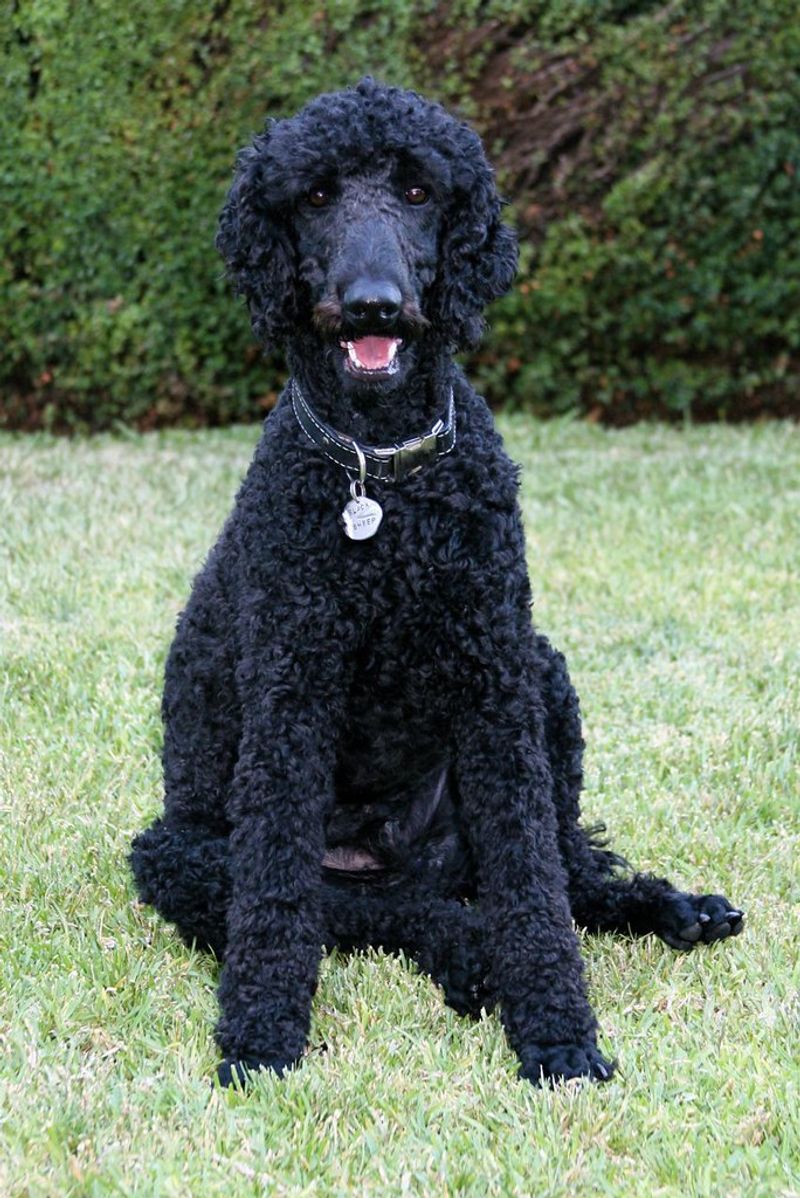
Poodles are brilliant, people oriented, and tuned into patterns. When routines break, they can stew on it, pacing or vocalizing.
Whether toy, mini, or standard, mental work is the antidote to anxious anticipation.
Mix obedience, scent games, and shaping sessions before departures. Teach a comfy station and reinforce relaxed positions.
Save special chews for exits so leaving predicts something enjoyable. Keep returns matter of fact to avoid emotional spikes.
Rotate enrichment to prevent puzzle burnout. If worry persists, partner with a trainer or vet for a tailored plan.
With structure, exercise, and brainy play, Poodles learn to switch off gracefully when you step out and switch on when you return.