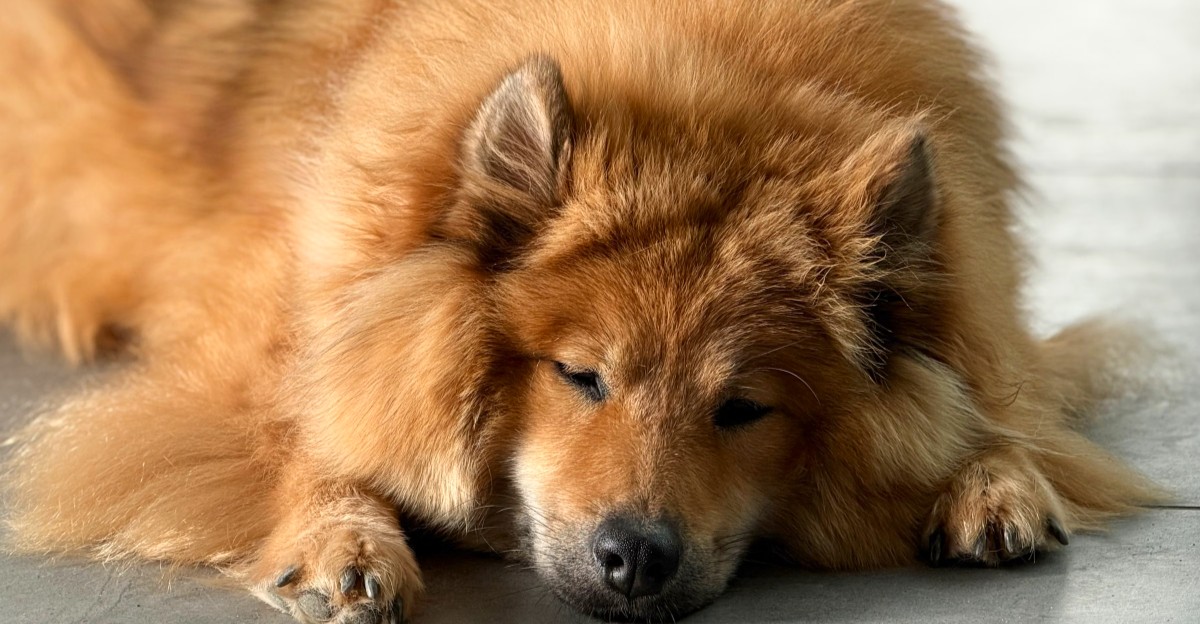
Some dogs are quick learners, but even smart pups struggle when rules change day to day. Mixed messages make habits messy, like pulling on leash or ignoring recall.
Knowing which breeds really need steady guidance can help you plan better routines. With patience, clear steps, and daily practice, you can turn chaos into progress.
Siberian Husky
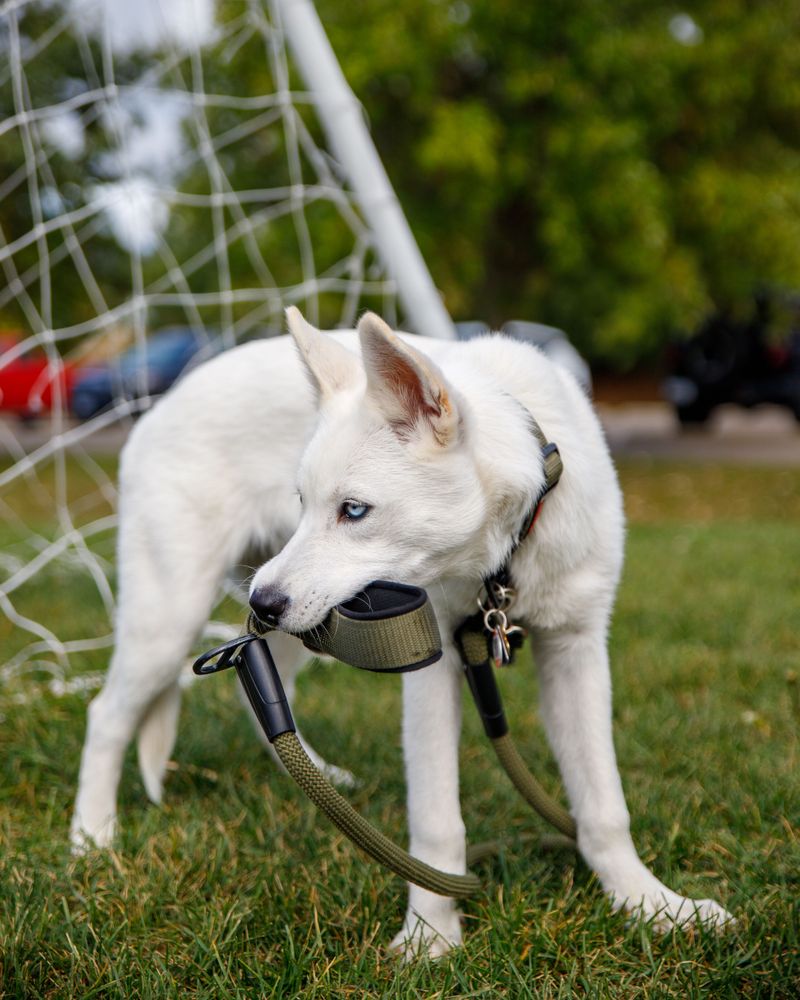
One sudden squirrel and the Husky is already planning an escape route. Bred to run for miles, they treat inconsistency like a green light to bolt.
Clear boundaries, a strong harness, and high-value rewards work wonders. Rotate enrichment, like flirt poles and puzzle feeders, to drain that rocket fuel.
Practice recall games in long-line fields daily. Keep cues short, tone upbeat, and rules the same for every family member.
A tired Husky listens far better.
Beagle
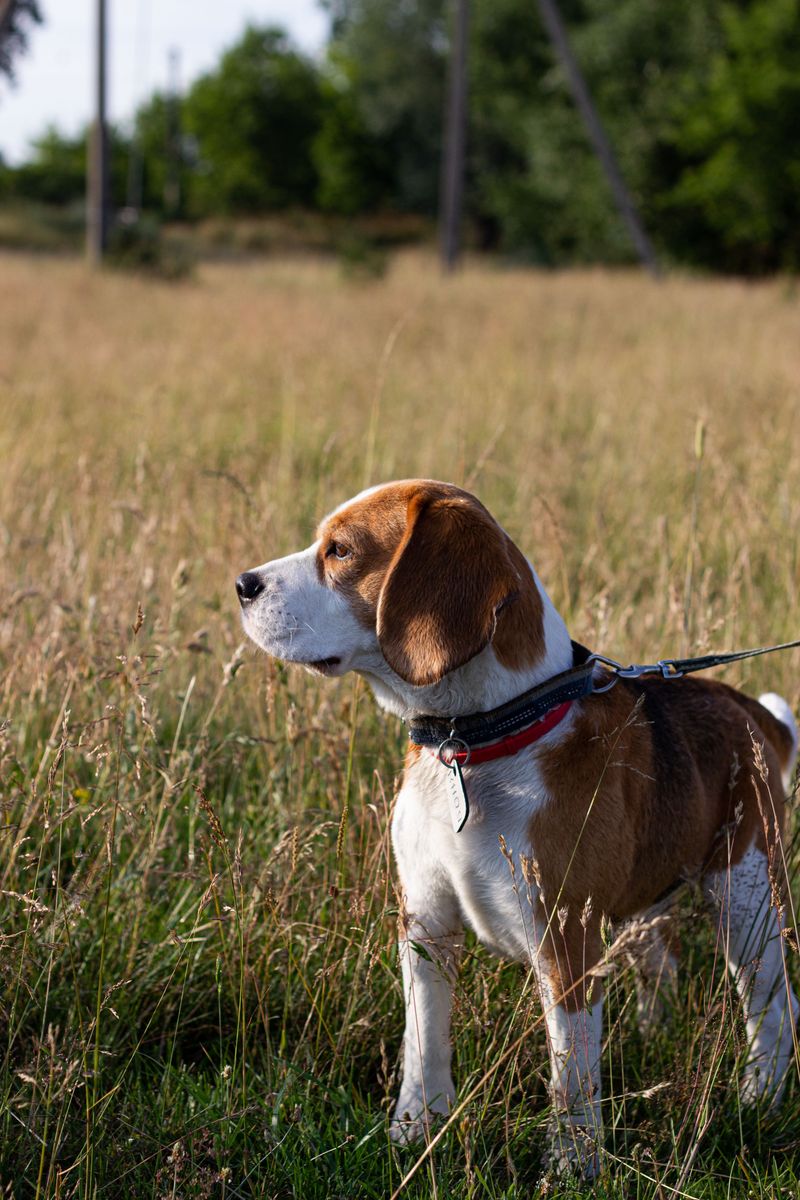
Nose first, world second. A Beagle will follow scent like it has its own calendar.
When rules wobble, the hound nose wins. Use scent-driven rewards to your advantage, like hidden treat trails and sniff-and-find games.
Short, upbeat sessions keep their attention long enough to learn.
Leash manners improve with a front-clip harness and consistent reinforcement every step. Cue “let’s go,” reward the first slack moment, and reset calmly whenever pulling returns.
Shiba Inu
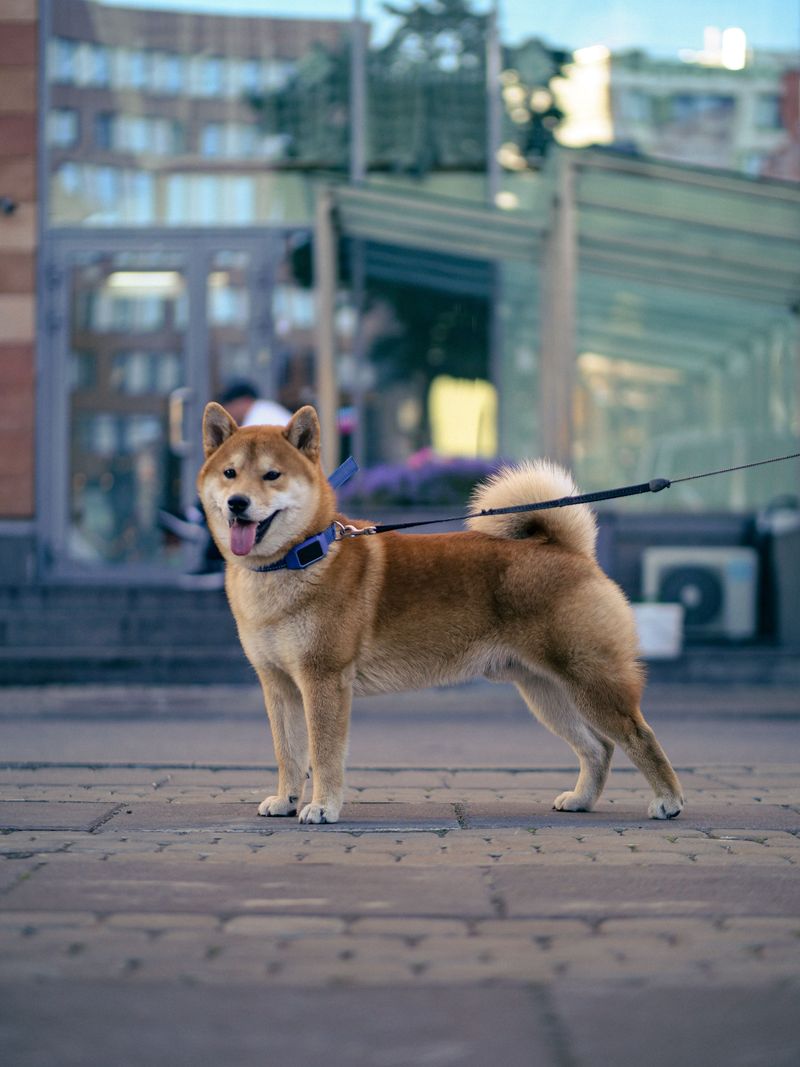
A Shiba often acts like it read the rulebook and decided to write notes in the margins. Independence plus sharp memory means inconsistency gets stored and replayed.
Keep cues crisp, pay well, and end sessions before boredom shows. Use hand targets for polite greetings and focus.
Secure harnesses and double-leash setups help during recall practice. Reward voluntary check-ins heavily.
Predictable routines and calm handling build trust, which turns into genuine cooperation.
Afghan Hound
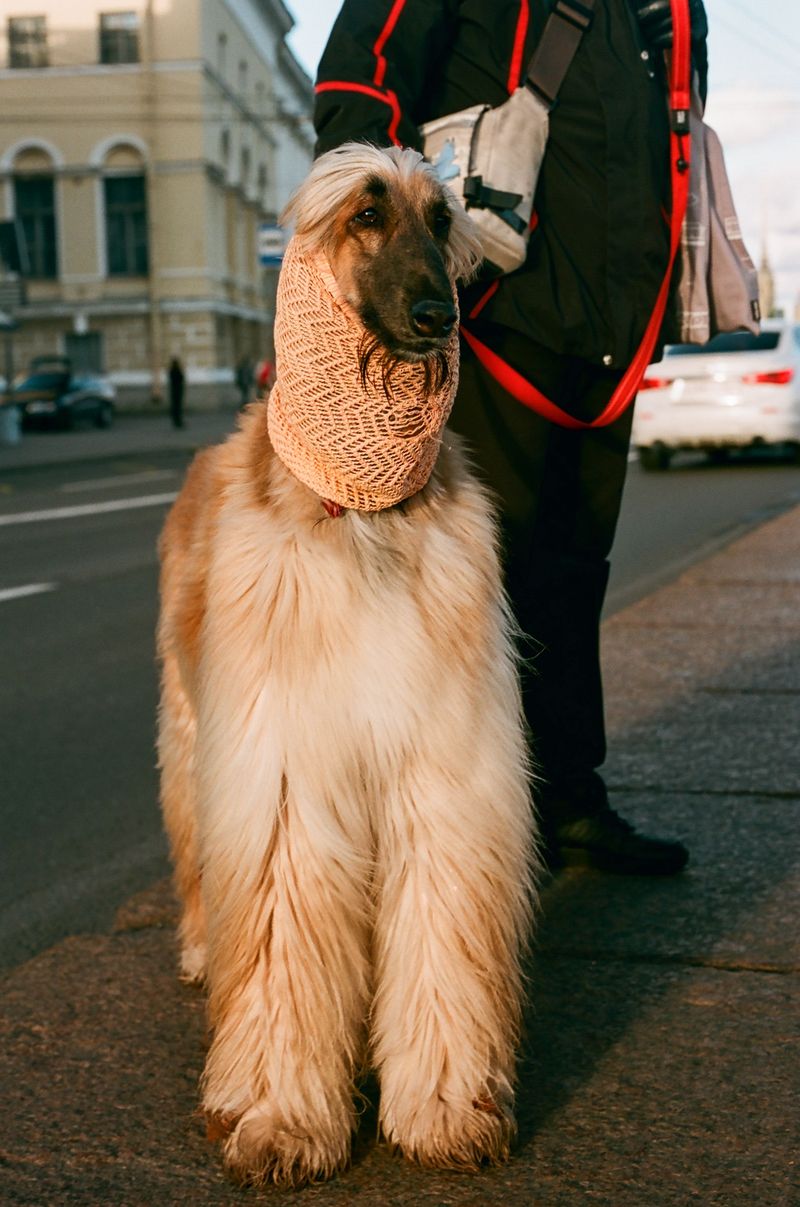
Beauty with a side of selective hearing. Afghans are sight hounds that notice everything and filter commands if timing is off.
Keep sessions elegant and quiet, using gentle lures and soft praise. Movement-based games, like chase-the-toy after a sit, make listening worthwhile.
Practice impulse control with short stays and calm releases. Maintain the same rules for doorways, grooming, and couch privileges.
Consistent rituals reduce pushback and polish manners.
Basenji
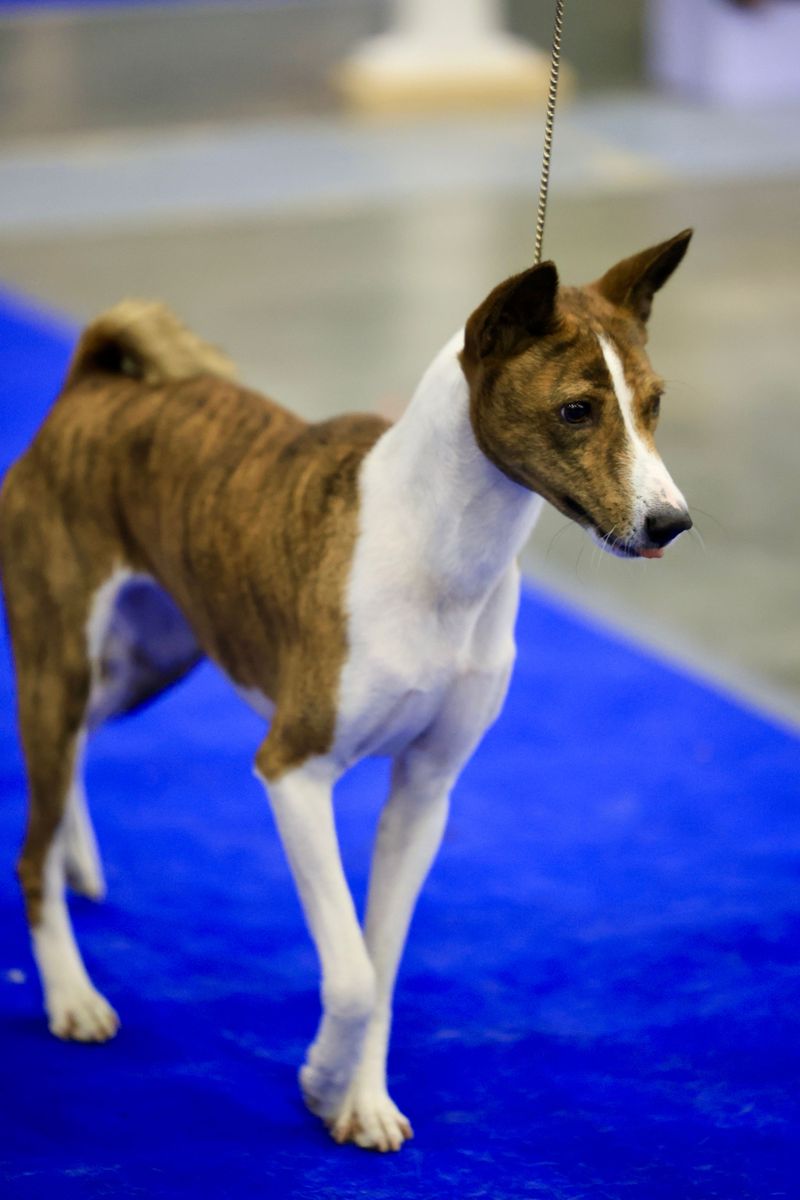
Quiet dog, loud opinions. The Basenji thinks fast and questions unclear plans.
Inconsistent cues quickly become optional. Clicker training shines here, marking tiny wins like eye contact and return-to-you pivots.
Keep sessions brief, fun, and puzzle-like to match their curious mind.
Secure yards and long lines are must-haves while recall grows. Rotate brain games and scent boxes.
Stick to one cue per behavior and track progress so everyone in the house coaches the same way.
Jack Russell Terrier
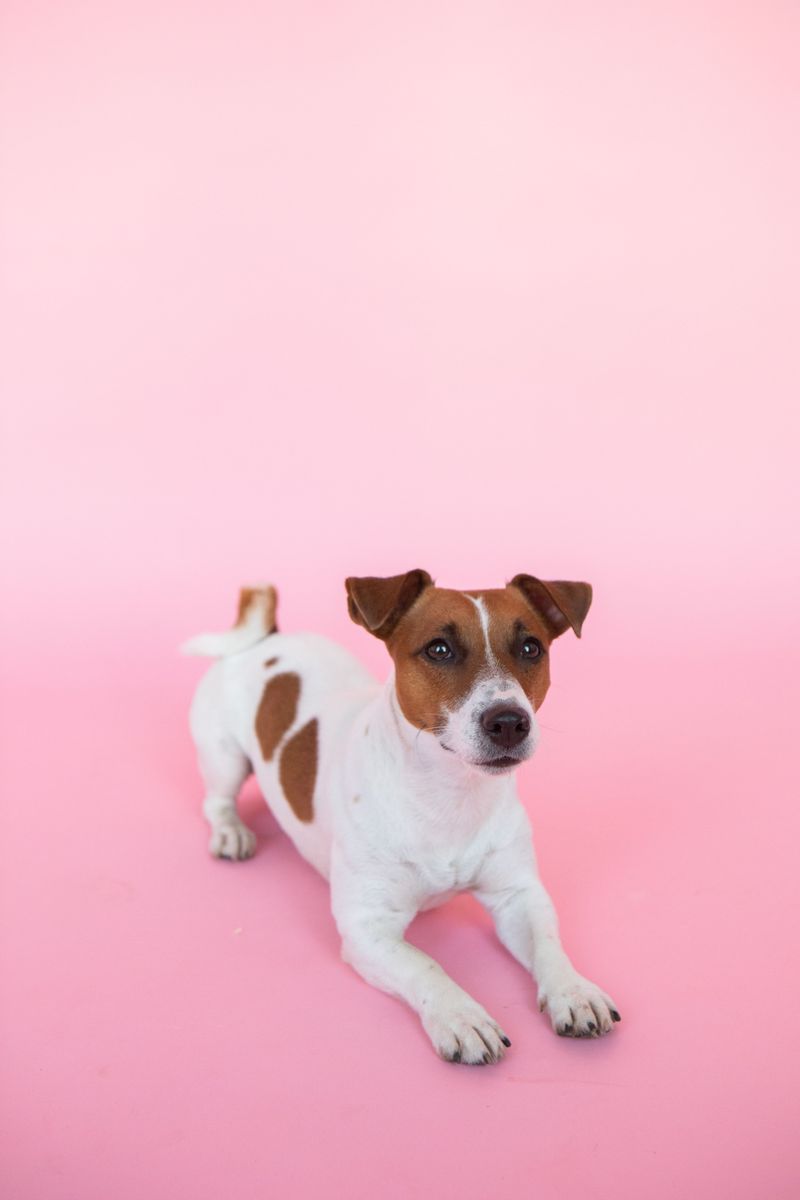
Small body, stadium energy. A Jack Russell will outthink sloppy rules and invent new sports on the spot.
Channel that spark with structured fetch, tug-and-drop, and scent puzzles. Pay heavily for calm sits before any game starts, then release to play as the reward.
Daily agility-style drills build focus. Keep commands consistent and brief.
If you skip boundaries, the terrier calendar fills with self-chosen adventures like digging or door dashing.
Border Collie
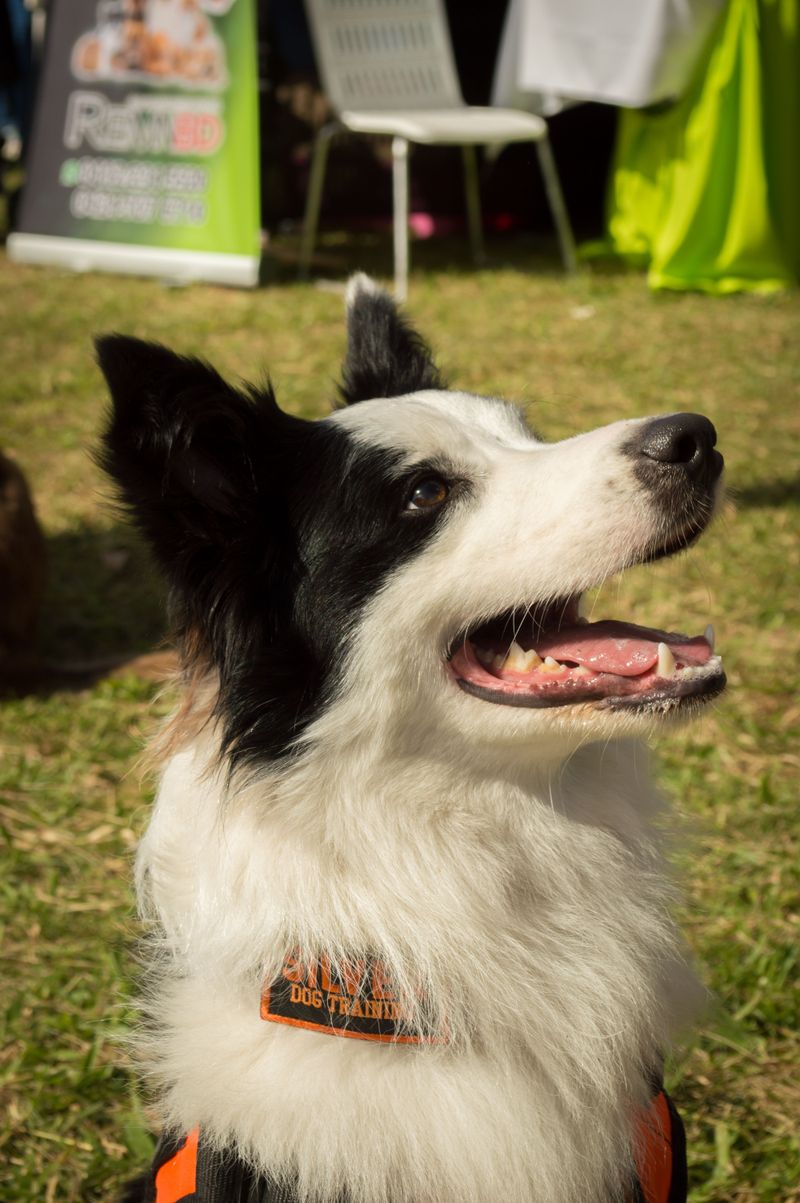
Brilliant minds notice every slip. A Border Collie will memorize mistakes as fast as tricks.
Give clear jobs, frequent brain breaks, and precise timing. Teach settle on a mat to balance all that drive.
Use life rewards like tossing the frisbee only after a tidy heel.
Consistency prevents herding bikes or chasing kids. Rotate skills, but keep your criteria steady.
When feedback is reliable, their laser focus becomes your superpower, not your challenge.
Australian Cattle Dog
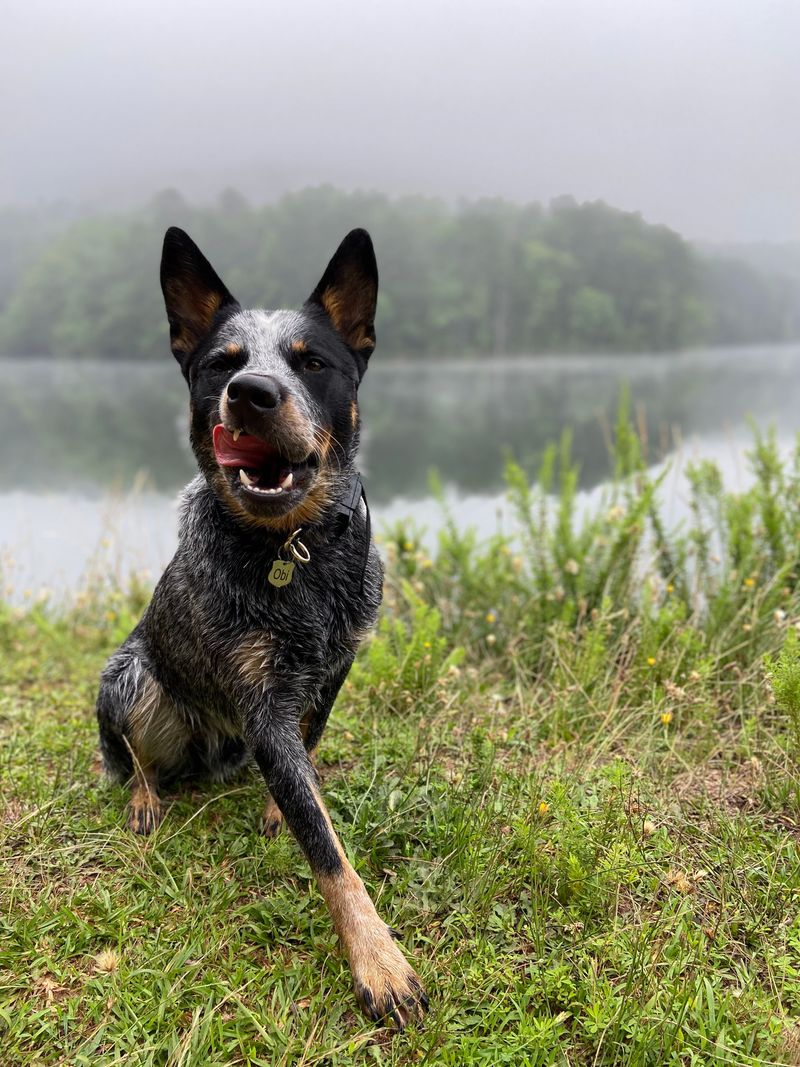
Work first, questions later. Cattle Dogs crave structure and get mouthy or pushy if rules wobble.
Build success with short obedience bursts, then pay with tug or a sprint. Teach bite inhibition through calm trade games and planned breaks.
Clear patterns make them shine.
Daily jobs like sniff walks or backyard fetch circuits keep brains busy. Same cues, same rewards, same boundaries.
When the plan is steady, cooperation sticks tight.
Dachshund

Tough spirit in a small frame. Dachshunds were bred to go after badgers, so loose rules invite stubborn streaks.
Keep sessions playful and short. Use ramps and low-impact exercises to protect the back, pairing comfort with training.
Mark tiny successes like one step of loose leash walking.
Crate training with predictable routines helps prevent barking and door battles. Simple, steady rules around furniture and doorways reduce conflicted moments and keep confidence high.
Chow Chow
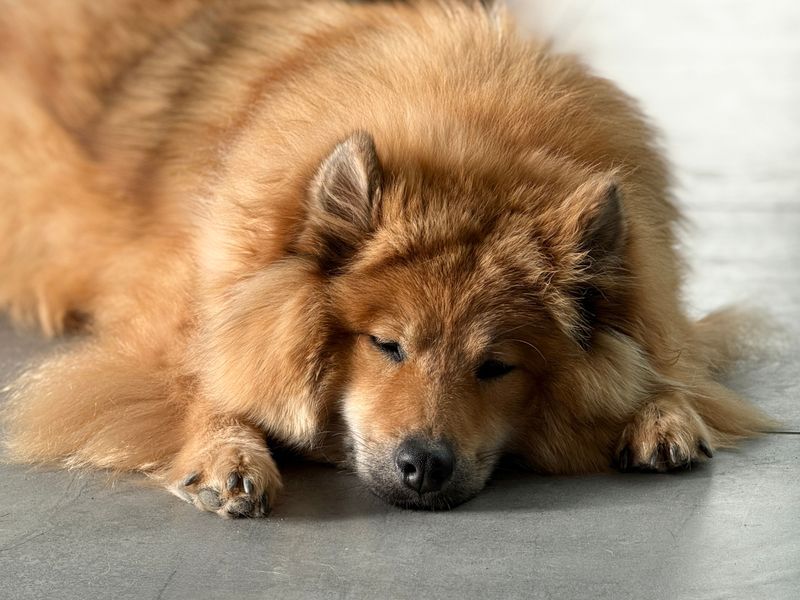
Calm on the outside, opinionated inside. Chows value respect and clear boundaries.
Rough handling or mixed messages shut them down. Build trust with calm touch, hand targets, and slow introductions to new people.
Reward neutrality instead of forcing interactions.
Grooming becomes a training session with steady routines and predictable rewards. Keep cues low-key and consistent across family members.
When the plan is steady, their dignified side blossoms into reliable manners at home and in public.
Akita

Confidence comes standard with Akitas. Inconsistent expectations invite pushy greetings and selective recall.
Keep leadership calm and fair. Practice structured walks with frequent check-ins, rewarding eye contact and loose leash steps.
Use clear start and end signals for play so rules feel predictable.
Socialization should be careful and steady, not chaotic. Short, positive exposures build reliability.
When every handler uses the same cues and timing, the Akita responds with steady, respectful behavior.
Alaskan Malamute
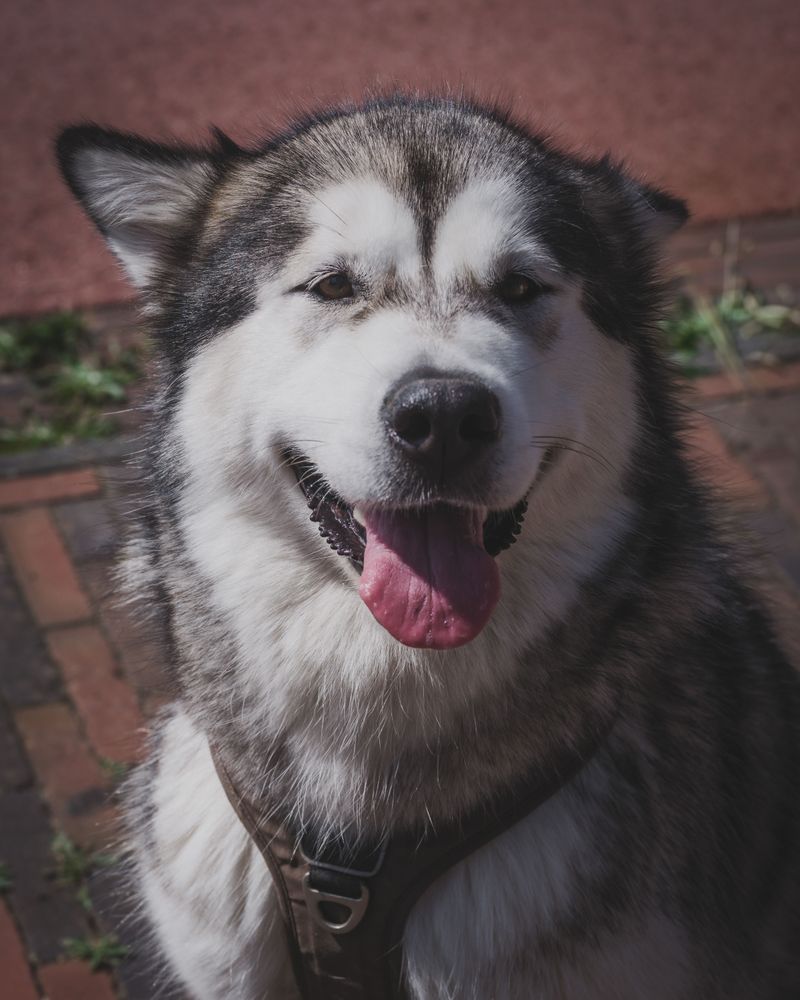
Heart of a sledder, mind of a problem solver. Malamutes test gaps in rules, especially outdoors.
Use long lines for reliable recall practice and pay with exciting rewards like sprint games. Teach settle in the house to switch off the engine.
Consistent feeding, walking, and play schedules reduce restless behavior. Family agreement on couch rules and greeting manners keeps expectations clear.
Big power pairs best with steady, repeatable routines.
Weimaraner

Velcro dog vibes are strong here. Weimaraners thrive on attention and fall apart with mixed messages.
Build confidence with predictable check-ins, place training, and calm departures to limit separation stress. Reward focus with runs, retrieves, and water play.
Rotate mental games, but keep core rules steady, especially door manners and recall. Short crate breaks with chews teach relaxation.
When expectations are clear, they channel all that devotion into attentive, athletic cooperation.
Belgian Malinois
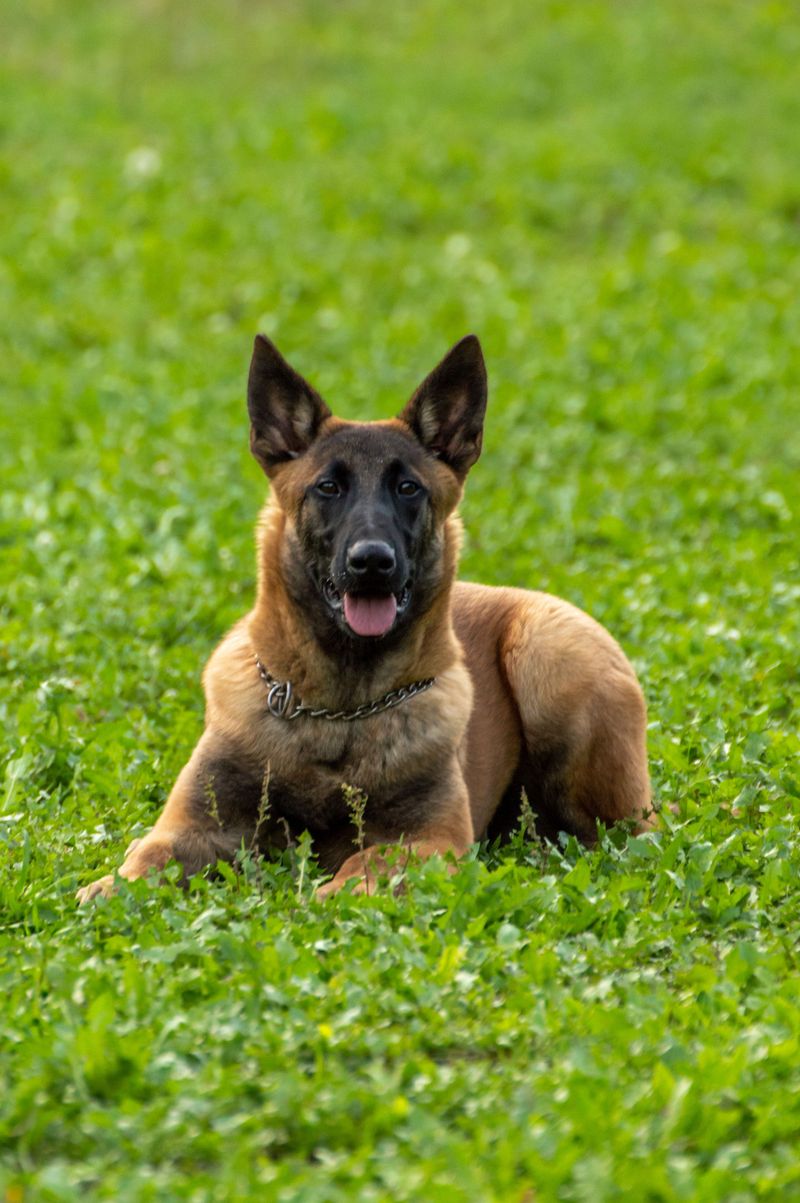
Like a sports car, the Malinois requires skilled handling. Inconsistent training turns that power into chaos.
Keep criteria sharp, sessions short, and rewards meaningful. Tug, bites on a dedicated toy, and precision drills satisfy their working heart.
Teach off-switch cues and calm stations early.
Daily structure matters more than marathon workouts. Track reps, keep commands identical, and end on a win.
Consistency channels intensity into gorgeous, reliable obedience.
Rottweiler
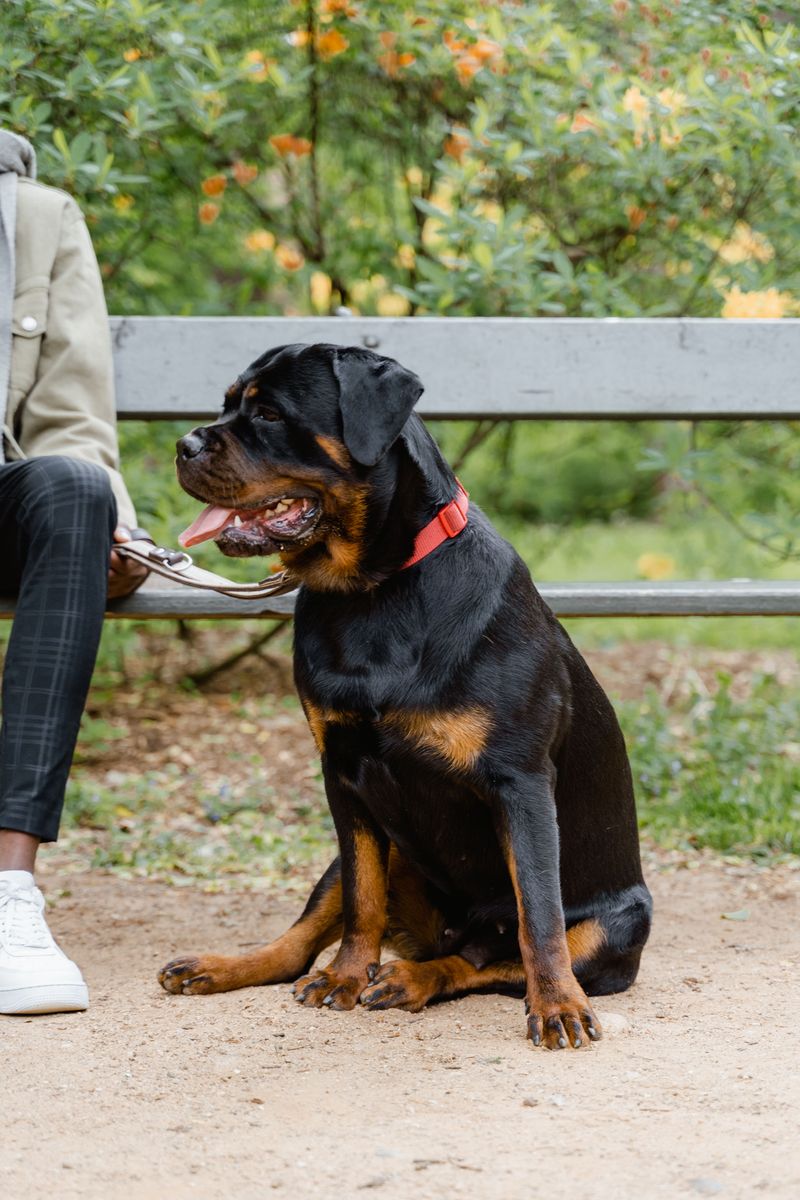
Steady guidance builds a Rottie’s best manners. Wobbly rules can create pushy doorways and sloppy leash habits.
Use clear boundaries, reward calm sits for greetings, and practice impulse control with structured stays. Life rewards, like moving forward on a loose leash, make lessons stick.
Short daily sessions beat occasional marathons. Everyone in the home should use the same cues.
With fair, consistent coaching, their powerhouse frame carries a cooperative mind.
Great Pyrenees
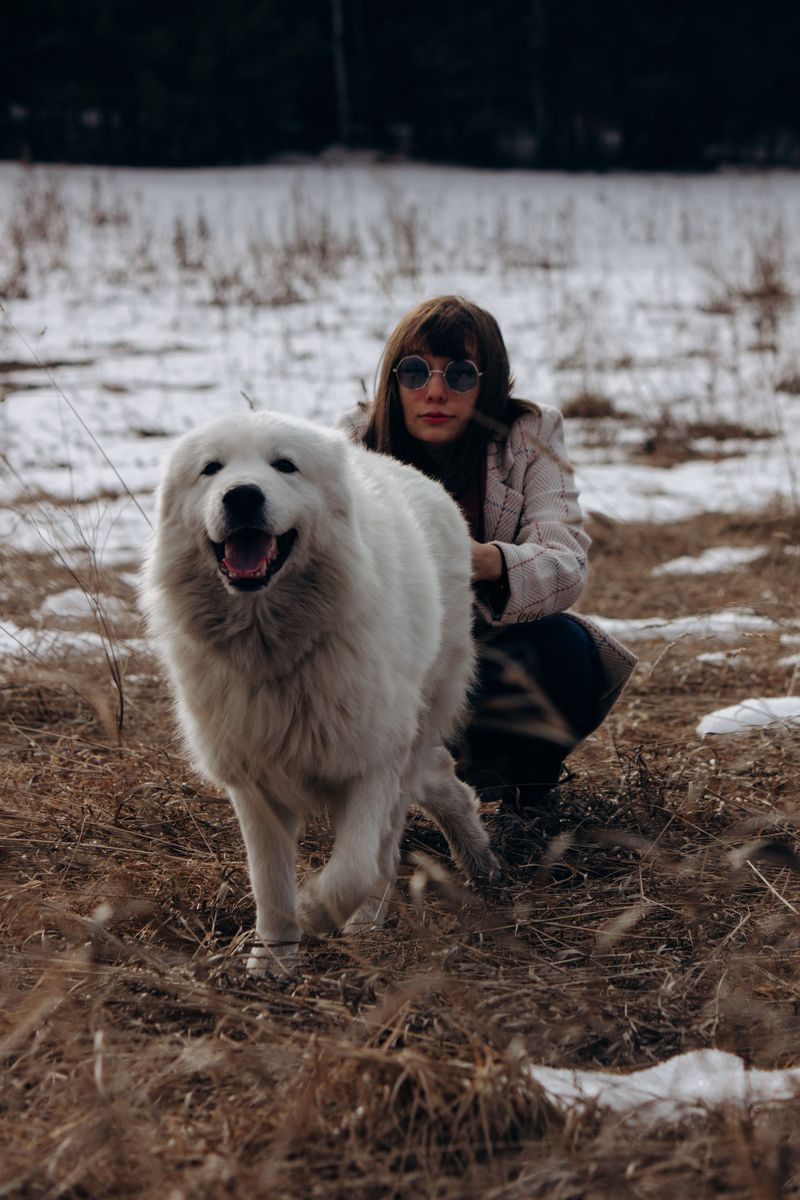
Guardian instincts run deep. Great Pyrenees make independent choices when messages are mixed.
Teach a strong recall with high-value food and calm praise, not loud demands. Boundary training around the yard helps them choose you over patrol duty.
Short practice at dusk, when guarding instincts peak, is especially helpful. Keep greetings low-key and consistent.
When routines are predictable, that watchful nature turns into calm, cooperative protection.
Basset Hound
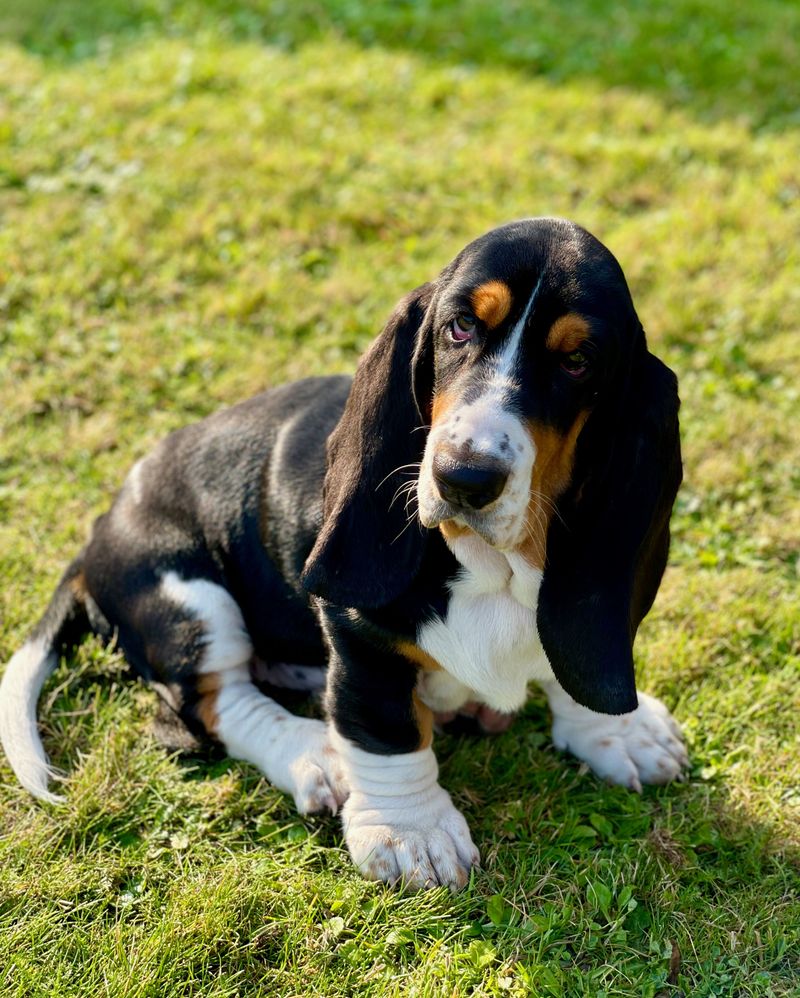
Slow and steady, unless the scent says hurry. Bassets value comfort and clear paychecks.
Inconsistent rules make them park their paws. Use tasty scents, short walks with frequent rewards, and cheerful markers for small wins.
Patience beats pressure every time.
Teach simple stationing on a mat for calm at home. Keep cues the same and end sessions while the tail still wags.
With steady steps, progress arrives like a friendly parade.