
Ever notice your dog doing a thoughtful little march before finally flopping down? It looks like they are calculating angles and decoding mysteries, and honestly, they kind of are.
That pacing is instinct, intelligence, and sensitivity working together. Meet the breeds that make bedtime look like a mission briefing you will love to watch.
Doberman Pinscher
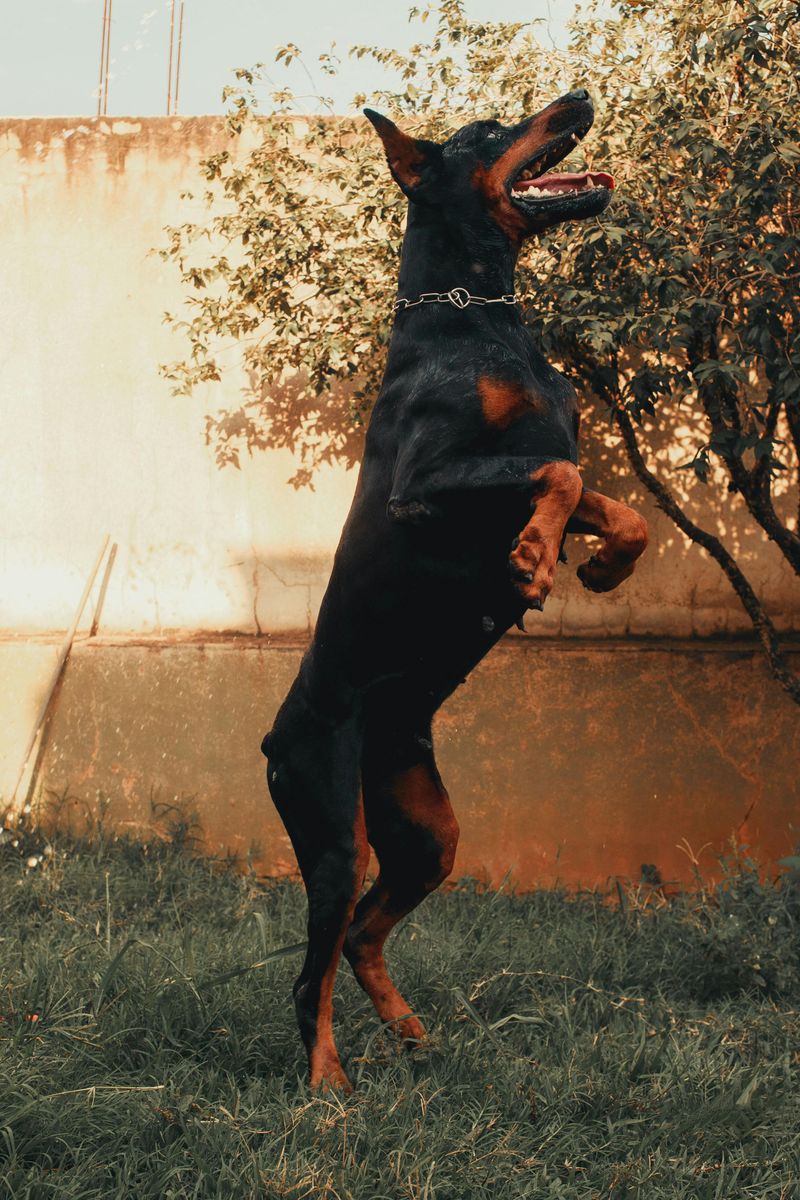
Sharp minded and sleek, the Doberman often paces in neat circles before easing into rest. That little patrol is not random at all.
It is a leftover instinct to check the perimeter, smooth a spot, and orient ears toward subtle sounds.
Give that brain something to solve and you will see quicker settling. Short sniff walks, place training, and a reliable bedtime cue help channel their vigilance.
Offer a firm bed, a gentle chew, and five minutes of decompression, and your Doberman will curl like a professional bodyguard off duty. If rest still feels elusive, try a slow massage along the neck and shoulders, pair it with quiet white noise, and end with a soft goodnight that signals safety and predictable routine.
Boxer
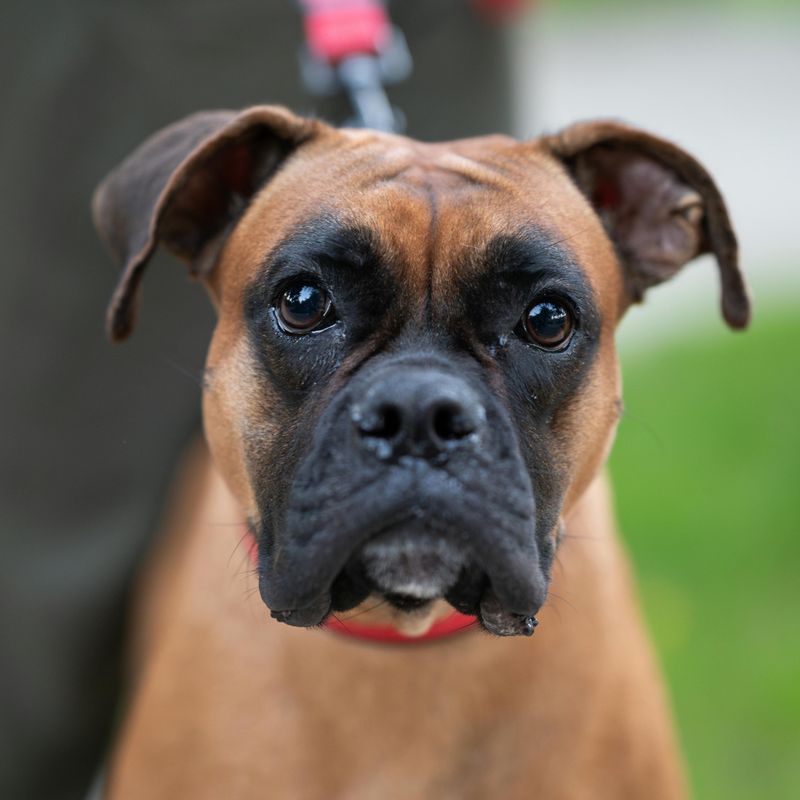
Boxers turn pre bedtime pacing into a comedic performance, bouncing, circling, and sighing like tiny athletes cooling down. Under the silliness sits a smart dog scanning for comfort and safety.
They are mapping the room, shaking off extra energy, and priming muscles for a long sprawl.
You will get smoother landings with a ritual. Give a short training refresh, five minutes of tug, then a calming sniffy break in the yard.
Back inside, cue place, offer a sturdy bed, and add a frozen lick treat for quiet focus. Keep lights low and voices soft, and your Boxer will fold into a pretzel of contentment.
That quick march means the thinking part of their day is almost done, and relaxation is arriving.
German Shepherd
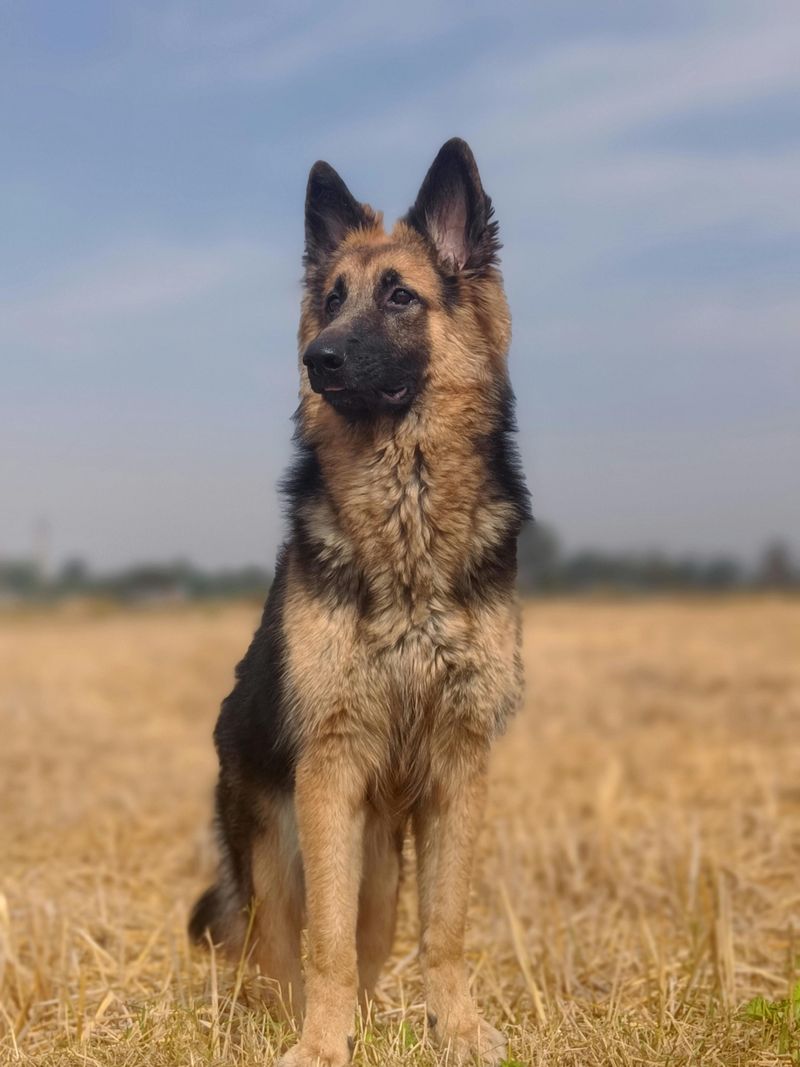
German Shepherds treat bedtime like a final patrol. A few decisive circles let them check airflow, sightlines, and family positions before off duty mode begins.
Their pacing is purposeful, built from generations of guarding and problem solving.
You can help them settle by giving a job first. A short obedience run through, a nose work scatter, then a place cue creates predictable closure.
Add a supportive orthopedic bed near a wall so their back feels protected. Offer a durable chew or a snuffle mat cooldown to drain tension.
Keep the room steady and quiet, and you will watch that serious face soften. When your Shepherd finally sighs and drops a hip, that small routine has paid off with calm confidence.
Rottweiler

Rottweilers often run a quick audit of the room before settling, pacing a measured circle like seasoned supervisors. That ritual checks for drafts, odd noises, and the best angle to watch their people.
It is ancient, practical, and deeply comforting for them.
Lean into the routine with structure. Lead a calm stroll, ask for a sit and down, then release to place.
A heavy, supportive bed grounded by a wall gives their broad frame a safe anchor. A stuffed chew keeps the mind busy while the body relaxes.
If your Rottie stalls, guide gently back to place and reward stillness. Soon you will see the classic side flop, a sign that duty is paused and the night feels secure.
Great Dane
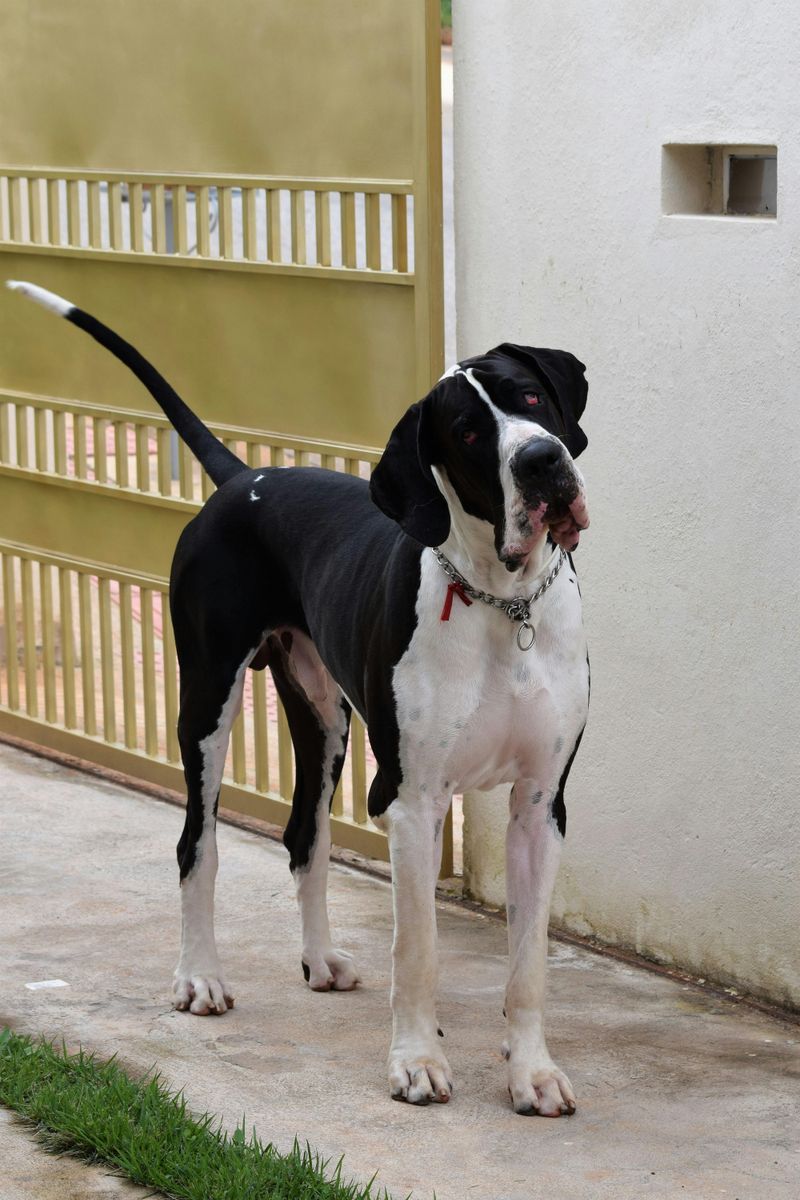
Great Danes pace with giant, careful steps, arranging their long limbs like a crane operator parking a boom. They are testing softness, temperature, and clear runway space for that signature plop.
The ritual looks dramatic, but it is just thoughtful comfort engineering.
Help your gentle giant by setting up a bed big enough to stretch fully. Place it in a low traffic corner with a bit of back support.
Do a slow decompression walk, then a short scatter feed to soothe their brain. Cue place, reward a down, then let gravity handle the rest.
A light blanket over the hips can settle fidgets. Soon that enormous sigh arrives, and your couch sized shadow melts into the floor like warm butter.
Weimaraner

Weimaraners pace like elegant detectives, inspecting corners, windows, and the exact contour of their bed. Sensitive and energetic, they need to offload extra buzz before relaxing.
That circling aligns body, nose, and ears so every sense can rest without worry.
Give structure and softness. A brisk brain game, then a guided place cue, followed by a long exhale with you nearby works wonders.
Add a cushioned bed with bolsters so they can lean and feel contained. A light fleece and a durable lick mat lengthen calm time.
Dim lights and a steady routine are your friends. When a Weim finally curls, the room goes quiet, and you get that sweet silver statue becoming a puddle of velvet calm.
Vizsla

Vizslas are affectionate athletes who circle like warm hummingbirds before landing. The pacing is a pressure release, a way to shake off day energy and confirm their favorite human is close.
Instinct says prepare the nest, align the senses, and then relax together.
Make bedtime a shared ritual. A quick fetch cooldown, some touch based settling, and a clear place cue help them melt fast.
Choose a soft, snug bed near you for security. Add a thin blanket to burrow and a gentle chew for quiet focus.
Keep the room warm and the lights low. Your velcro friend will spiral once or twice more, sigh dramatically, and tuck into a cinnamon swirl that feels like home for both of you.
Rhodesian Ridgeback

Rhodesian Ridgebacks take a deliberate lap before resting, scanning with hunter stillness. That circle is a safety check and a way to line up their spine, hips, and view of the room.
Independent yet loyal, they like choosing the exact spot that feels right.
Help them land with purposeful ease. Offer a brief scent game, then a place cue that ends with a steady down.
A firm, low profile bed suits their athletic frame, especially tucked against a wall. Keep distractions minimal, reward calm breaths, and let them own the decision to settle.
If pacing stretches on, interrupt gently with a touch and reset to place. Soon the ridge softens, and the night belongs to restful confidence.
Standard Poodle

Standard Poodles perform a tidy pre sleep choreography, circling with dancer poise. Smart and sensitive, they want the environment just so before committing to a down.
That little routine smooths the bed, aligns the body, and satisfies a methodical mind.
Invite calm with brain first, body second. Do a quick training review, then a sniffy scatter or puzzle.
Cue place, reward stillness, and let quiet music hum. A supportive bed with bolsters keeps joints comfortable, and a light blanket prevents fidgets.
If they stand again, reset with a gentle cue and a breath together. When the curls finally puddle, you will see the sweetest exhale, proof that preparation made peace possible.
Dalmatian

Dalmatians bring a spark to everything, including pre nap patrols. Their circling helps bleed off leftover energy and mark a chosen resting spot.
With keen hearing and curiosity, they prefer to confirm the world is quiet before committing to lounge mode.
Channel that spark into ritual. A quick trick session, a sniffy mat, then a place cue helps organize their thoughts.
Use a durable, slightly firm bed that supports long spines. Offer a frozen chew to lengthen calm while keeping the mouth busy.
Keep chatter low and lights soft. If the spots start another loop, calmly reset to down and reward patience.
Soon you will get that contented sprawl, legs out like punctuation, announcing bedtime is officially fun and final.
Border Collie

Border Collies pace like they are tracing an invisible map. That circle is a mental download after a day of reading motion, pressure, and sound.
They settle best when their brain receives closure and their body gets a precise landing pad.
Give structure they can trust. End the evening with a few obedience reps, a puzzle scatter, and a clear place cue.
Offer a mat or bed with defined edges to create boundaries. Reward quiet eye blinks and slow breaths.
If they pop up, gently reset and shorten the session next time. A steady routine plus a job to finish equals deep rest.
Then the herder finally curls, tucks the nose, and powers down like a satisfied analyst.
Belgian Tervuren
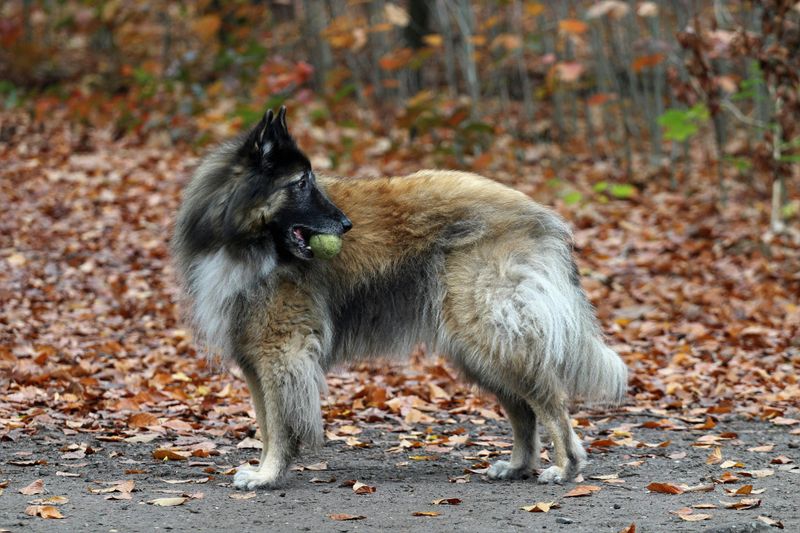
Belgian Tervurens love patterns, so their bedtime loop is a neat, efficient audit. They scan airflow, doorways, and their people, then calibrate posture for fast responsiveness.
This ritual satisfies both guardian instinct and a brain wired for order.
Give them closure with a plan. Finish with a calm heel, a sit stay, and a release to place.
Choose a supportive bed tucked near a wall, and add a gentle chew to occupy the mouth. Reward stillness early and often.
Keep lights low to reduce motion triggers. If pacing persists, reduce arousal earlier in the evening.
Soon, their elegant frame softens, the plume tail settles, and the room gains that unmistakable feeling of competent calm.
Beauceron

Beaucerons approach rest like professionals, pacing a concise perimeter before committing. Bred for guardianship and driving, they want clear lines of sight and a bed that feels anchored.
The loop is practical, reassuring, and helps downshift a vigilant mind.
Guide them with ritual. A slow decompress walk, brief obedience, then place sets expectations.
Offer a firm mattress with bolsters near a wall. Provide a durable chew or snuffle mat to extend calm.
Keep the environment predictable and voices soft. If they rise again, cue back to place and reward a long exhale.
The moment you hear that deep chest sigh, you will know the audit is finished and confidence has turned into cozy, responsible rest.
Giant Schnauzer
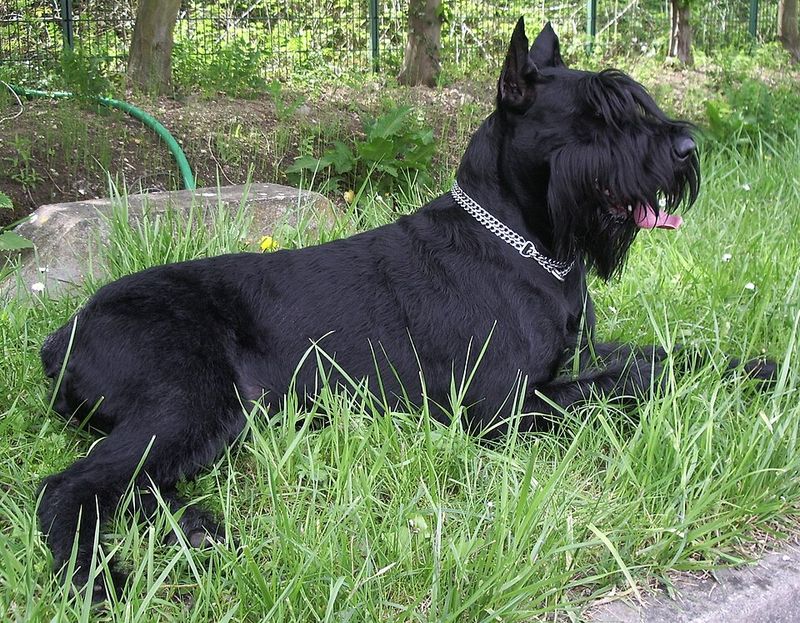
Giant Schnauzers pace like thoughtful sentries, working out position, temperature, and sightlines. That circle smooths the nest and signals to their busy brain that the shift is changing.
It is part instinct, part habit, and part need for structured closure.
Make landing predictable. End with a brief heel, a sit, then a release to place.
Choose a thick, supportive bed that will not slide, and set it against a stable surface. Offer a long lasting chew to occupy the mouth while energy fades.
Dim lights, reduce chatter, and reward stillness with calm praise. If pacing restarts, quietly reset and shorten the wind down earlier.
Soon your bearded guardian will fold neatly, eyebrows softening as sleep takes over.
Akita
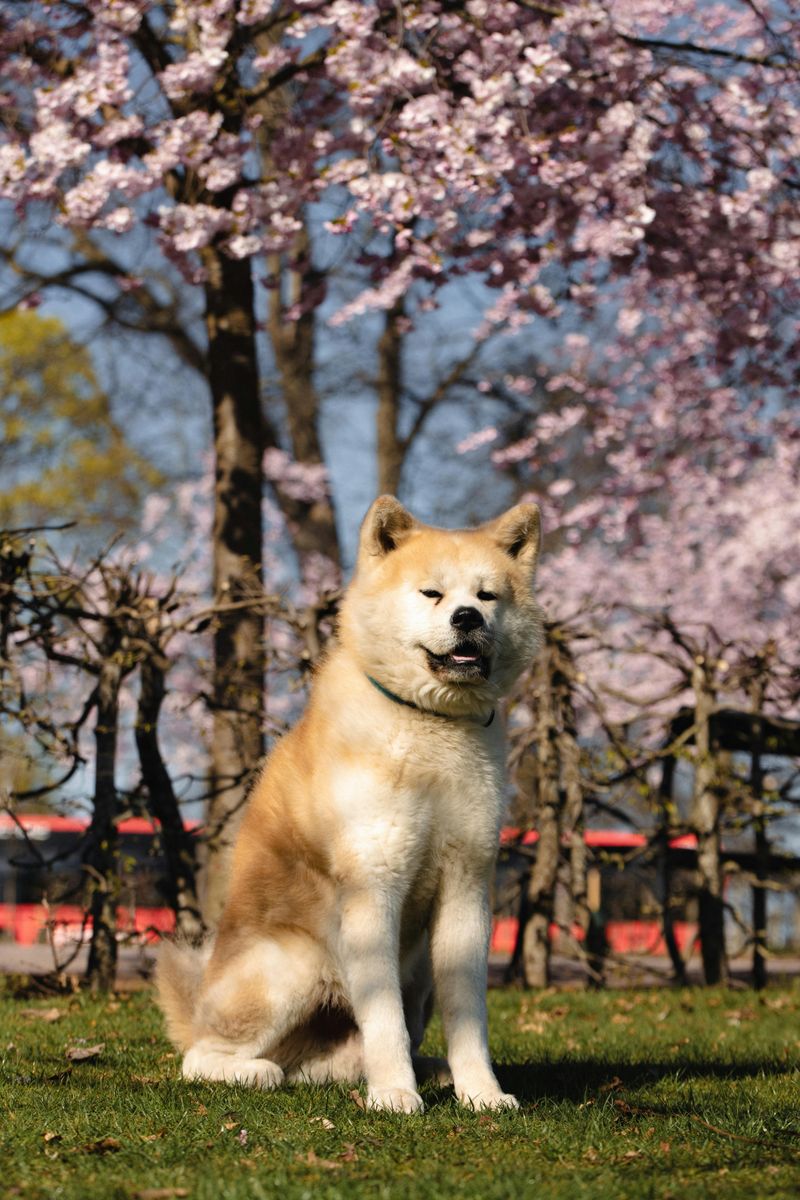
Akitas circle with quiet intention, honoring a deep instinct to choose a secure, dignified spot. The pacing lets them test surfaces, monitor the room, and position where they can see without being seen.
Independence meets loyalty in that final, thoughtful loop.
Invite peace through respectful routine. Offer a calm stroll, a few gentle cues, then release to a supportive bed near a wall.
Keep touch minimal unless invited, and reward slow breaths. A cooling mat can help during warm seasons under that plush coat.
Lower lights and keep movement predictable. If they stand again, guide back with a soft voice and space.
The moment their shoulders drop, you will feel the whole room exhale with them.
Saluki
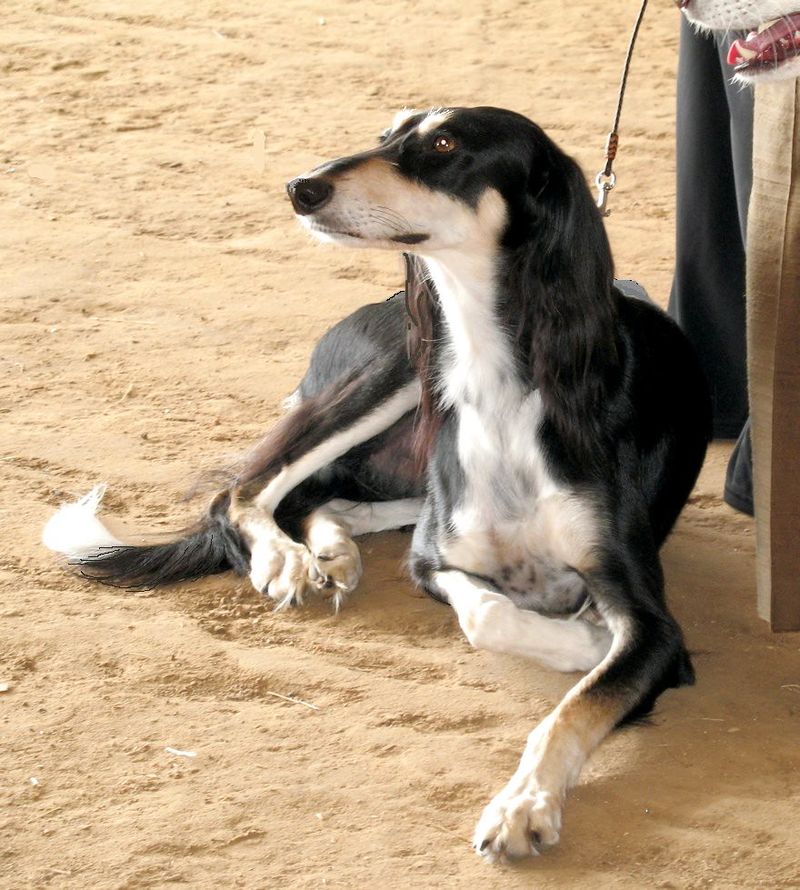
Salukis move like silk in the wind, making airy, precise circles before rest. Sensitive and refined, they test texture, temperature, and acoustic quiet before gliding into a lie down.
That ritual protects their delicate frame and thoughtful nature.
Set a serene stage. Offer a low, cushioned mat where they can fully stretch.
Use gentle touch and soft words, then cue place and reward stillness. A short sniff game helps empty the brain of buzzing thoughts.
Keep lighting warm and the room uncluttered. If they float back up, reset kindly and reduce stimulation earlier.
Soon the feathered ears relax, legs fold like ribbon, and your living room turns into a peaceful gallery of calm.
Afghan Hound
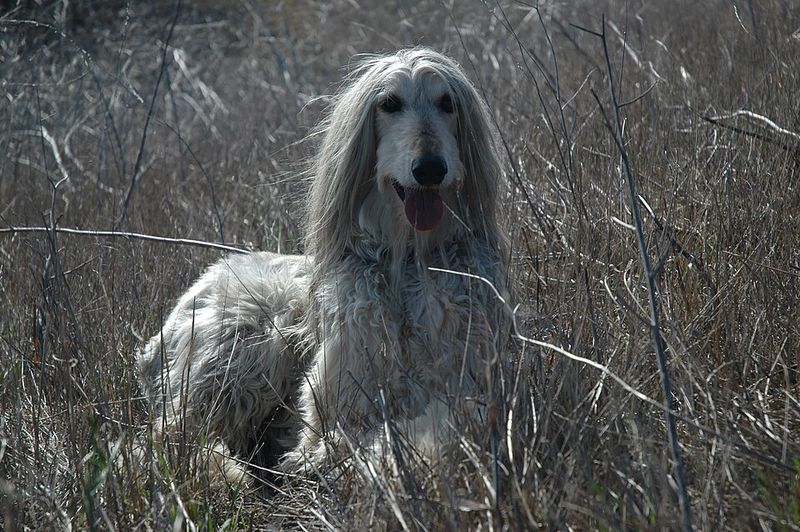
Afghan Hounds pace with runway grace, adjusting their silky coat and surveying the room like royalty. The circle is part comfort check, part theatrical flourish, and part instinct to prepare a safe nest.
They prefer beauty, quiet, and spacious landing zones.
Give them ceremony. Brush lightly to remove tangles, then offer a soft, generously sized bed.
Cue place, praise gentle stillness, and let peaceful music hum. A light chew can keep the mouth busy without breaking the mood.
Lower lights, clear edges of drafts, and move slowly. If they rise again, reset with calm hands and steady breath.
When that elegant frame finally folds, it feels like a curtain falling on a perfect performance of rest.