Some dogs get labeled as perfect family pets, but that reputation can hide serious realities. Energy levels, instincts, and training needs vary wildly, and those differences can upend a calm household.
Before you fall for a friendly face, it pays to understand what truly comes with the breed. Let’s look at popular dogs that might surprise you, and how to make smarter choices.
German Shepherd
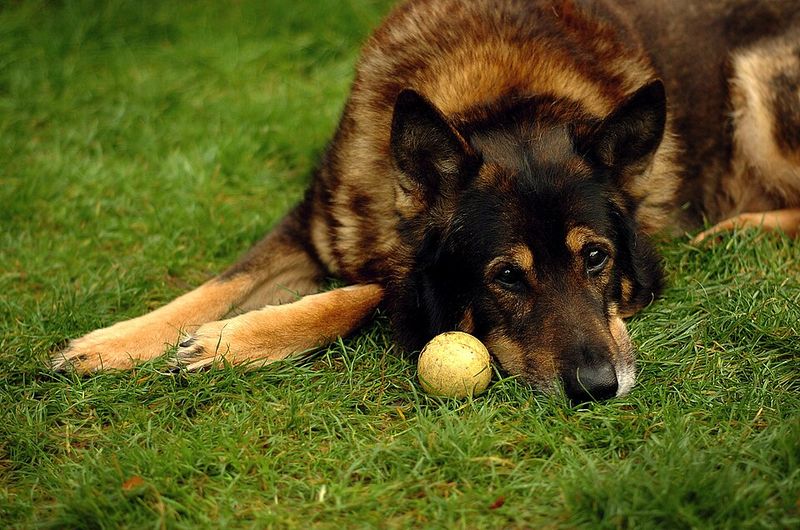
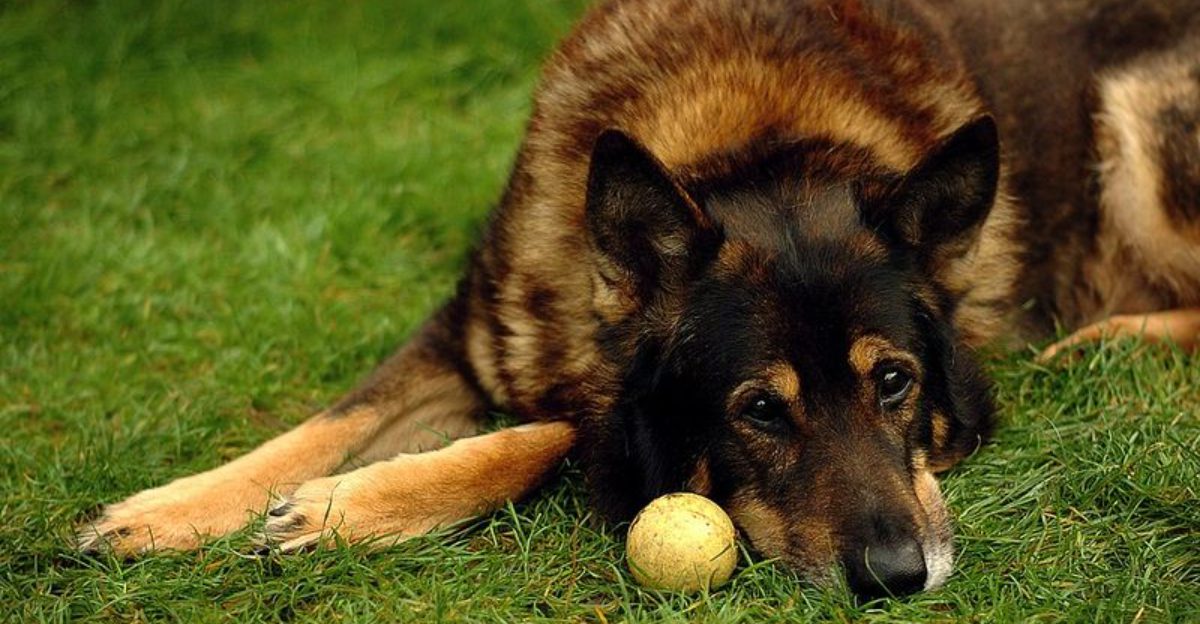
German Shepherds look loyal and steady, but that polished image hides big needs. They are working dogs bred for drive, which can mean reactivity without structure.
Daily mental challenges matter as much as long walks. Without training, their protectiveness can escalate, making guests and delivery people stressful.
Shedding is heavy year round, and sensitive skin or hips may add vet visits. Families expecting an easygoing companion may feel overwhelmed.
With the right boundaries, they thrive, yet those boundaries require time and consistency. Clear jobs like scent games, tracking, or obedience help channel energy.
If you skip that outlet, boredom becomes digging, herding kids, or barking. Choose this breed if you enjoy coaching, not coasting.
Your patience and leadership shape everything.
Labrador Retriever
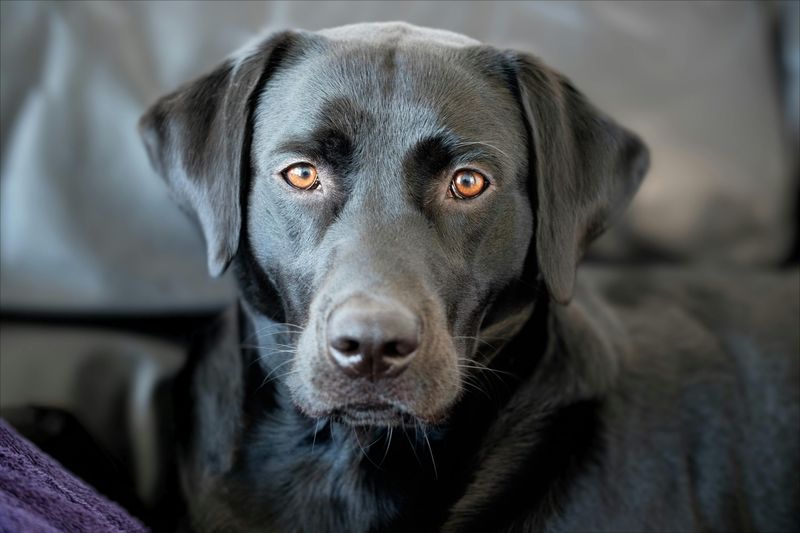
Labradors seem universally cheerful, but that sunny vibe often masks nonstop motion. Many are energizer athletes, obsessed with carrying things and finding mischief.
Without structure, counter surfing and chewing can feel relentless. Their social streak means they greet everyone, which is lovely until kids are bowled over.
Shedding is significant, and wet dog aroma lingers after every swim. Also, smart noses chase scents first and listen later, testing recall at parks.
To thrive, Labs need boundaries, job like fetch with rules, and brainy games. Food drive helps training, but it also fuels begging and garbage raids.
Expect routine exercise, impulse control practice, and calm recovery time. If you want set and forget, look elsewhere.
If you coach, they sparkle brightly.
Border Collie
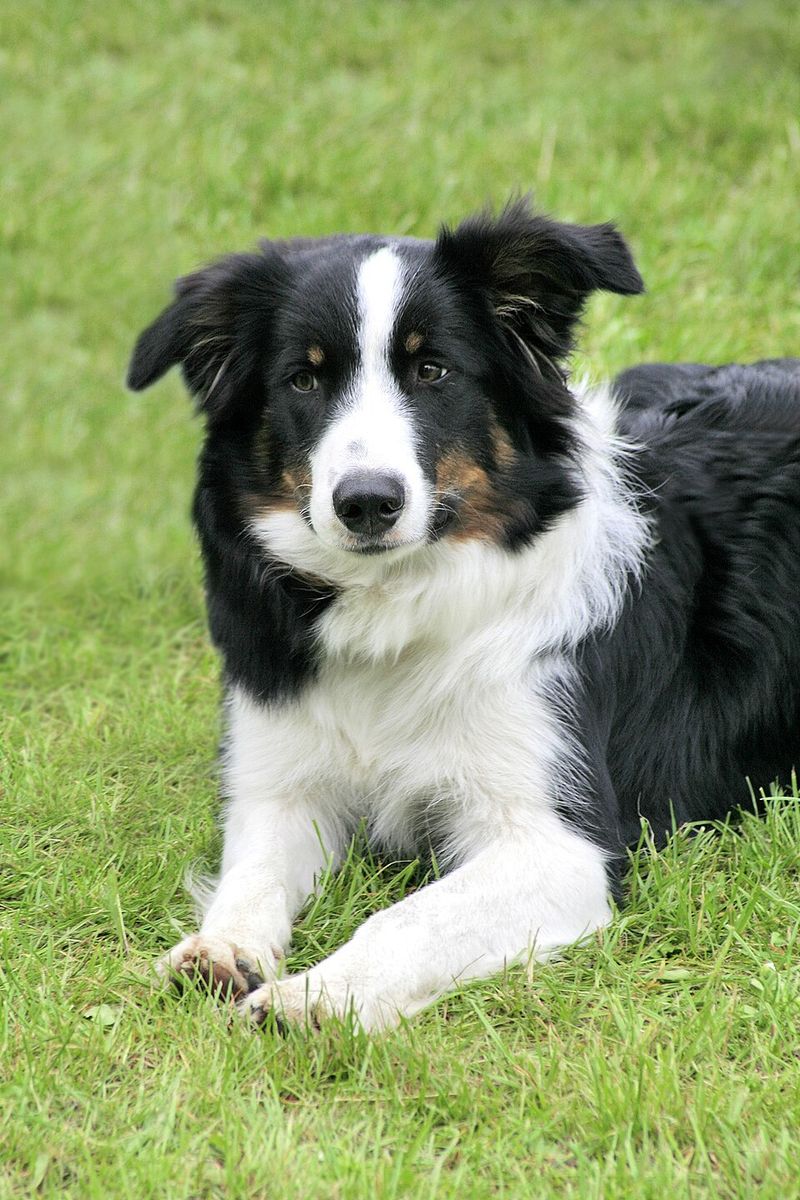
Border Collies are breathtakingly smart, which can be a double edged sword. They notice everything, invent jobs, and outthink distracted owners.
Without sustained training, their herding eye can fixate on kids, bikes, or cats. Motion triggers them, and nips can follow when frustration spikes.
They need meaningful work beyond fetch, like sheepdog drills, agility, or scent puzzles. Otherwise, pacing, barking, and obsessive patterns creep in fast.
Family life suits them when structure is consistent and outlets are daily. Short walks are not enough, and yard time rarely satisfies.
Clear expectations, precision cues, and calm decompression are essential. If you want a gentle shadow, be ready to lead thoughtfully.
Treat them like coworkers, not toys, and harmony grows with real respect.
Husky
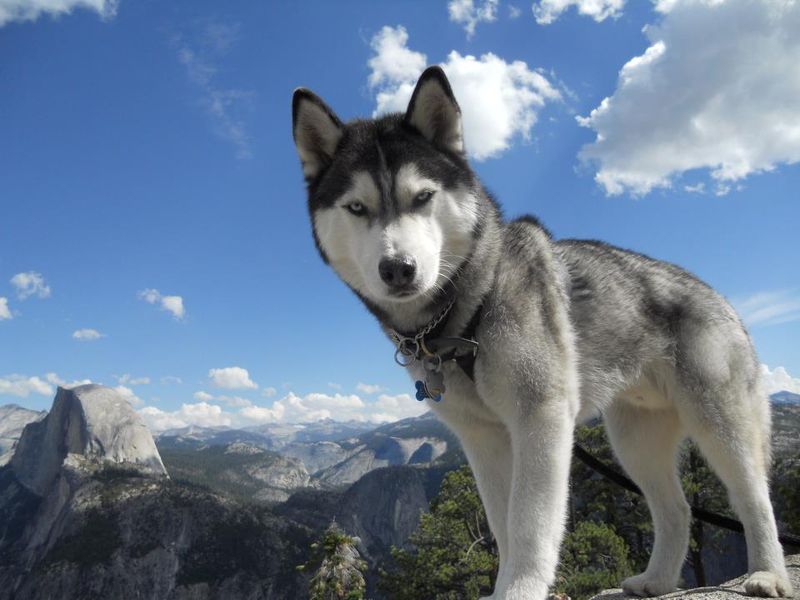
Huskies charm with ice blue eyes and goofy grins, but they are escape artists. Sled dog heritage fuels stamina, prey drive, and stubborn independence.
Fences need height, dig guards, and secure latches. Vocal theatrics surprise neighbors, from yodels to full conversations.
Heat tolerance is low, coats blow twice yearly, and fur invades laundry. Without a sport like canicross or bikejoring, they invent chaos, turning boredom into landscaping.
Family homes work when expectations are crystal clear. Reliable recalls are hard, so leashes and long lines matter.
Training must be upbeat and consistent, not harsh. Plan daily exercise that actually tires minds and muscles.
If lounging is your dream, pick differently. If you love adventure, they meet you there with tail wags.
Doberman Pinscher
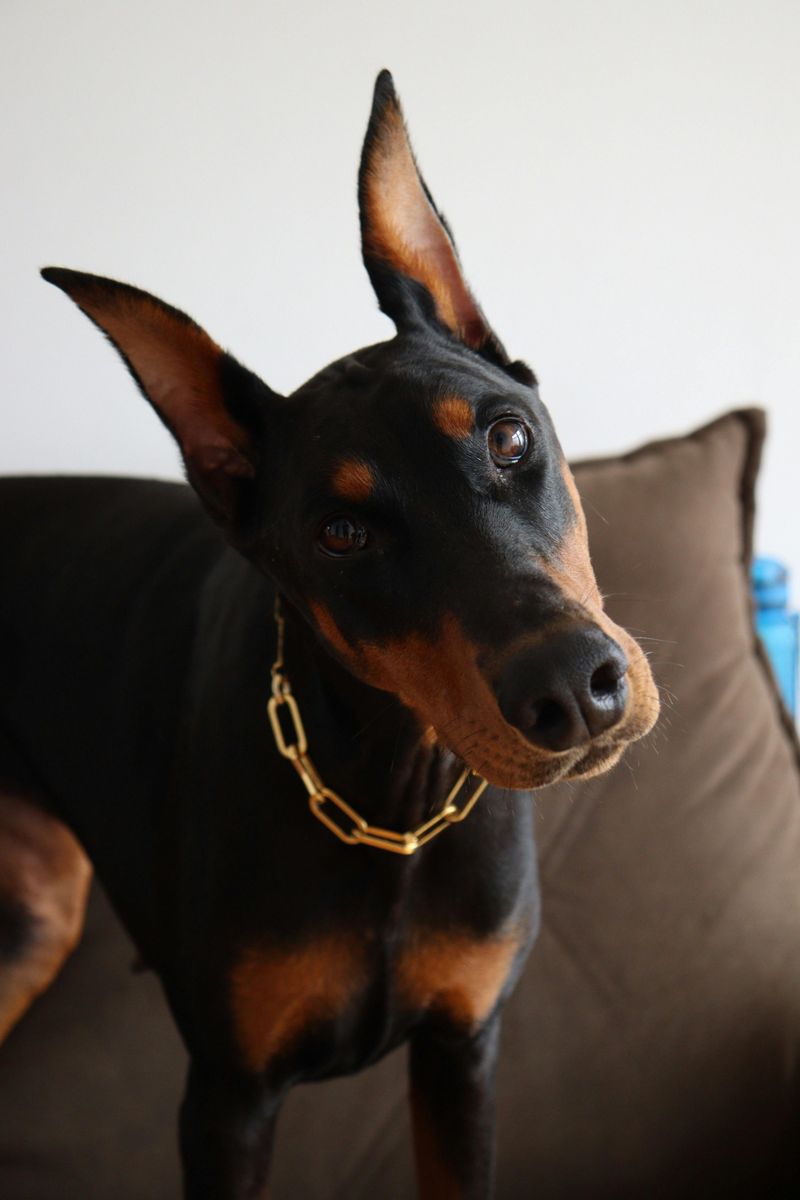
Dobermans project sleek affection at home, yet their guarding instinct is real. They read body language quickly and may challenge strangers without guidance.
Sensitive minds shut down under harsh handling, but thrive on fair structure. Energy runs high, and separation issues can appear if left bored.
Health concerns like DCM and skin allergies add planning and costs. Families must weigh temperament testing, insurance, and training commitments carefully.
Success starts with clarity, calm exposure, and predictable routines. Give jobs like scent work, precision heeling, and controlled fetch.
Reinforce neutrality around guests rather than constant cuddles. If you prefer spontaneous chaos, this breed will disagree.
If you love coaching manners, their devotion shines. They repay consistent leadership with velvet loyalty at home.
Australian Shepherd
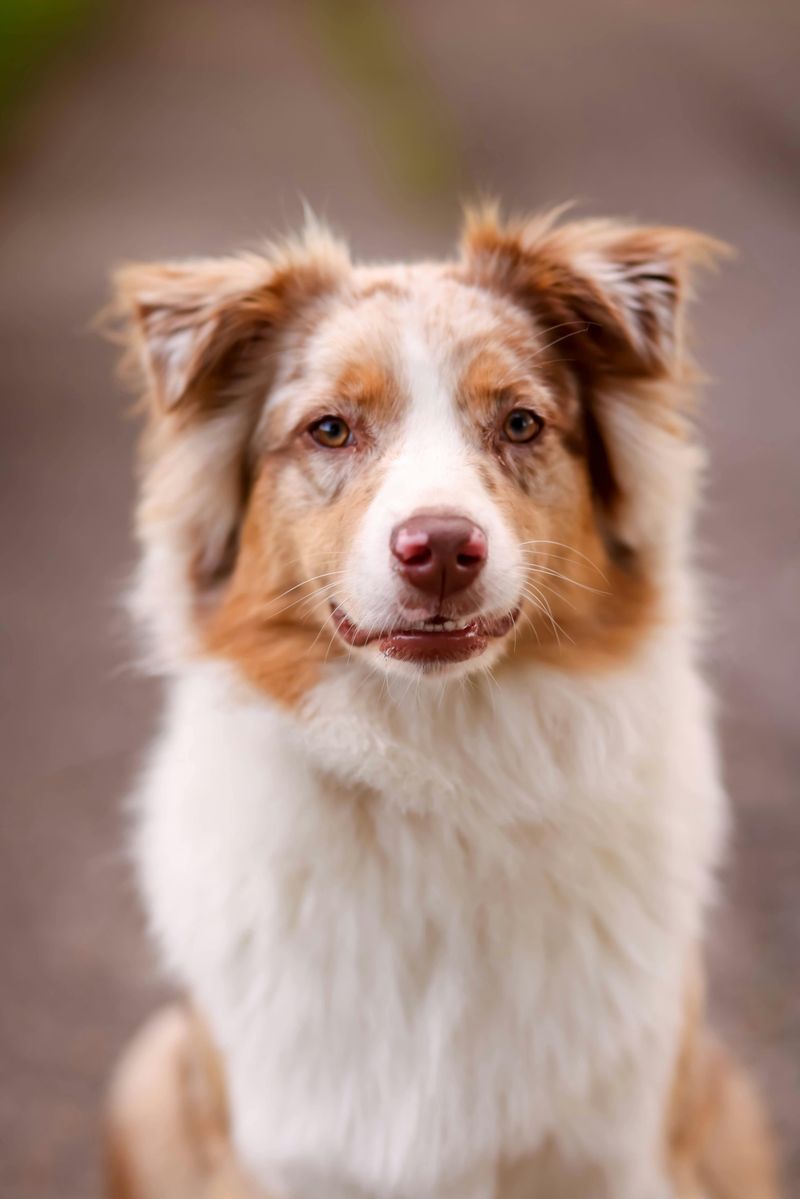
Australian Shepherds are dazzling athletes with a comedian streak, but still herders. That means motion sensitivity, bossy nudges, and nips when arousal spikes.
Without focused outlets, they invent chaotic chores and patrol windows. Their coats shed plenty, and grooming takes real time.
Stranger sensitivity appears in some lines, demanding thoughtful socialization. Families who expect mellow couch days may meet a restless project instead.
These dogs thrive when given clear tasks and mental marathons. Try agility, trick training, disc, or scent work several times weekly.
Teach off switches with mat training and calm rewards. Keep kids safe by managing greetings and supervising play.
If structure excites you, they will amaze. If not, frustrations pile quickly.
So plan daily jobs and patience.
Rottweiler
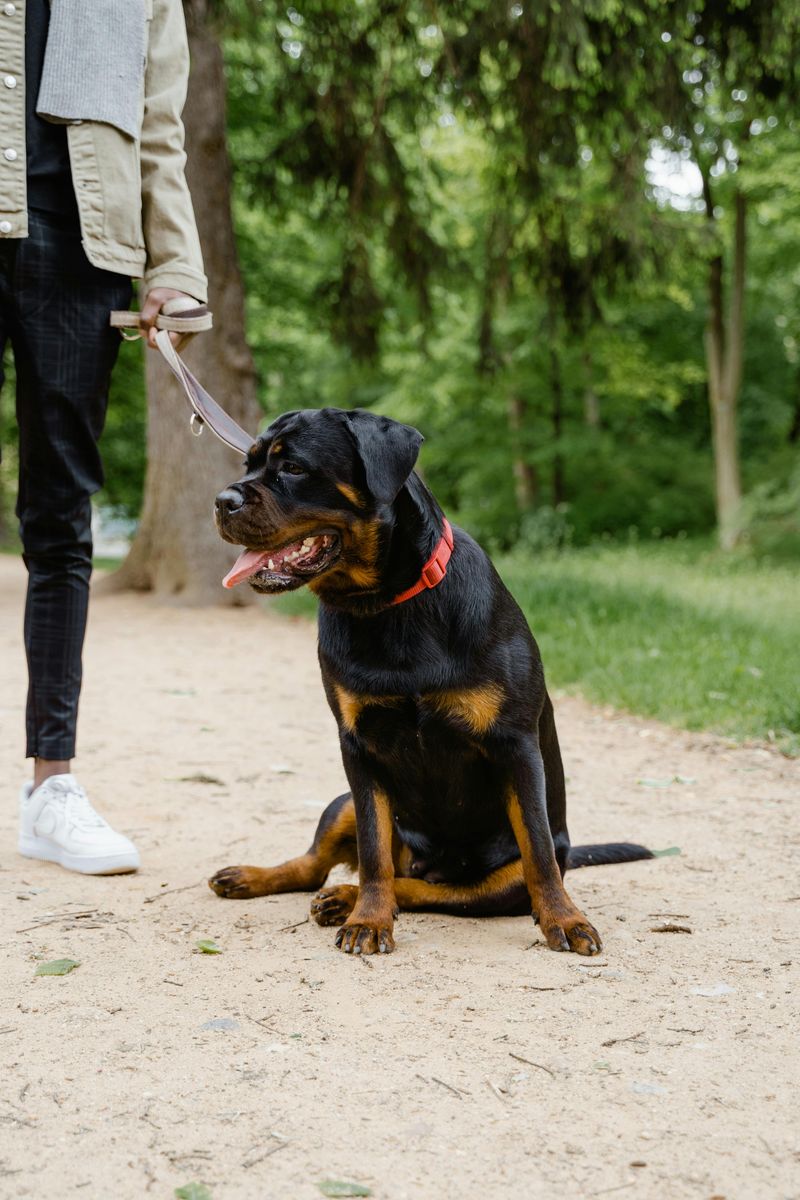
Rottweilers wear a calm, confident look that people mistake for automatic reliability. In truth, they are powerful guardians who need steady guidance.
Adolescence brings pushy testing and boundary checks. Without structure, that weight and drive turn into rude door manners.
Some lines are aloof with strangers, demanding careful introductions. Health screening matters, and insurance can be pricey due to breed perceptions.
Success comes from early training, neutrality around guests, and thoughtful exposures. Give outlets like carting, obedience, scent work, or tracking.
Reward calm choices and practice impulse control daily. If you want a living teddy bear, reconsider.
If you enjoy shaping behavior, their steadiness blossoms. Respect, consistency, and leadership make family life smoother for everyone in your home over time.
Beagle
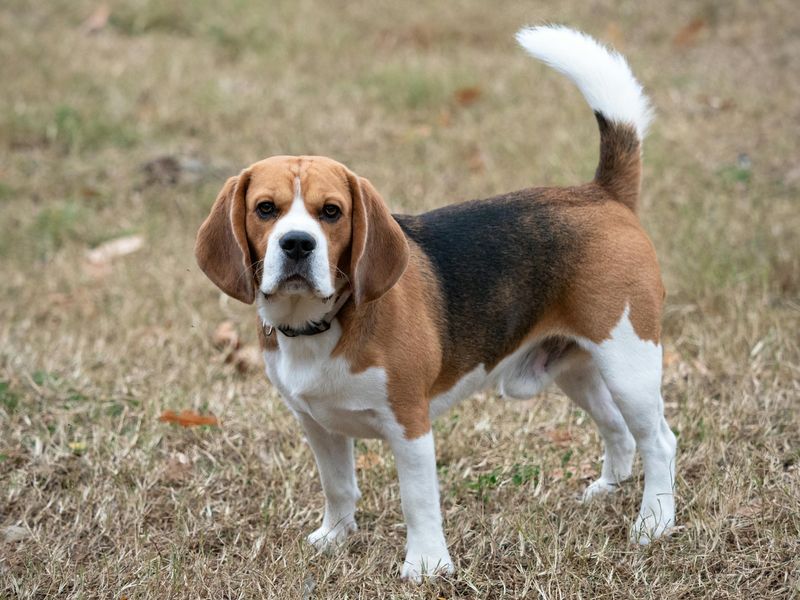
Beagles look cartoon cute and famously friendly, but their noses run the show. Once a scent hits, recall can vanish like a magic trick.
Many sing at full volume, which neighbors rarely adore. Crate training and enrichment are crucial to curb counter raids and trash parties.
Digging is common, and yards must be secure. Expect seasonal shedding and a surprising appetite that fuels food guarding without guidance.
They shine with patient training, long sniffy walks, and puzzle feeders. Keep leashes on outdoors unless fencing is solid.
Use that food drive for positive reinforcement instead of battles. If you want instant obedience, frustration will grow.
If you love laughter and games, they deliver. Manage expectations and you will smile most days.
Dachshund
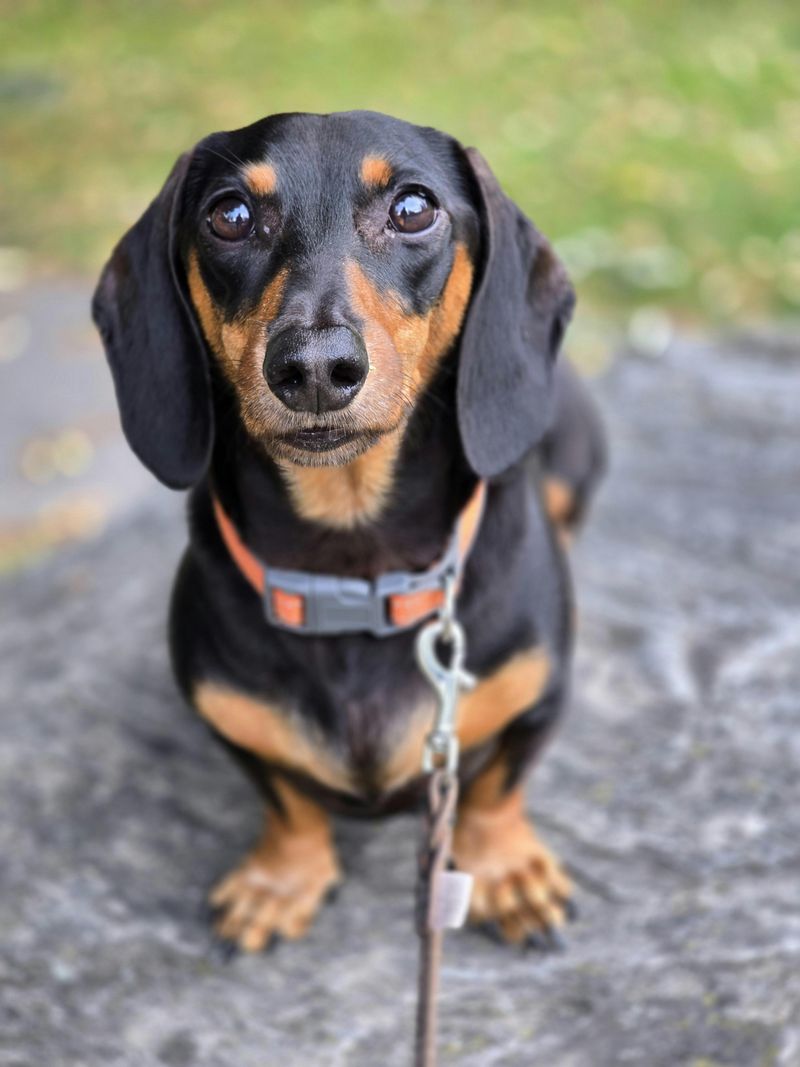
Dachshunds are pocket comedians with bold opinions, bred to hunt independently. That independence can look like stubbornness during training.
Their long backs demand careful handling, ramp use, and weight management. Rough play with kids is risky, and stairs add strain.
Barking at strangers or noises is common in protective lines. House training sometimes takes longer than expected, especially in bad weather.
Success comes from patient routines, clear rules, and upbeat reinforcement. Nose games, short scent trails, and food puzzles hit their strengths.
Keep sessions brief and fun to maintain focus. Avoid jumping games and teach safe handling early.
If you want an instant lap ornament, temper expectations. With commitment, you will gain fierce loyalty and laughs for many years ahead.
Boxer
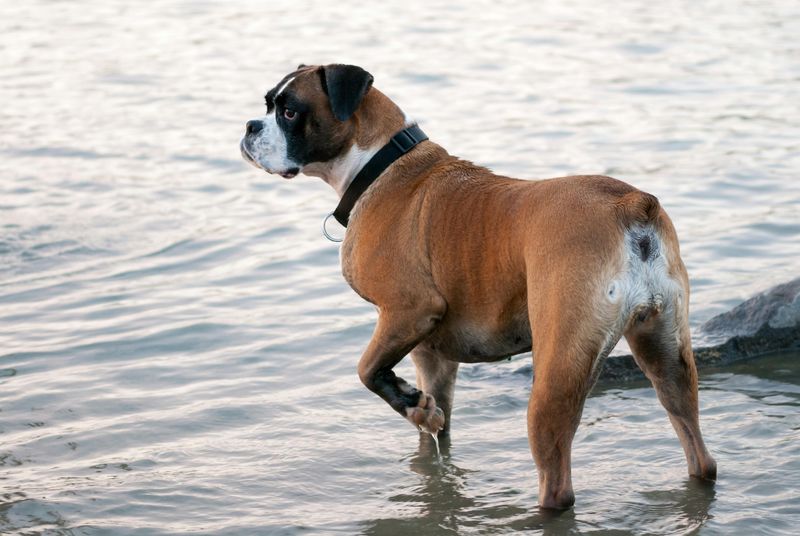
Boxers glow with clownish charm, yet they bring turbo energy and contact sports enthusiasm. They box with paws, body slam with love, and forget their size.
Without training, those greetings knock toddlers flat. Heat sensitivity limits summer exercise, while short coats offer little winter insulation.
Health concerns like cardiomyopathy and cancers require vigilant screenings. Expect drool, gas, and exuberant wiggles that never fully fade.
To thrive, channel their zest into obedience, scent games, and flirt pole sessions. Teach impulse control and calm stations for visitors.
Reinforce four paws on the floor every day. If you want gentle stillness, you may struggle.
If you crave laughter and action, they deliver. Warm leadership turns goofiness into golden partnership that lasts through chaos.
Vizsla
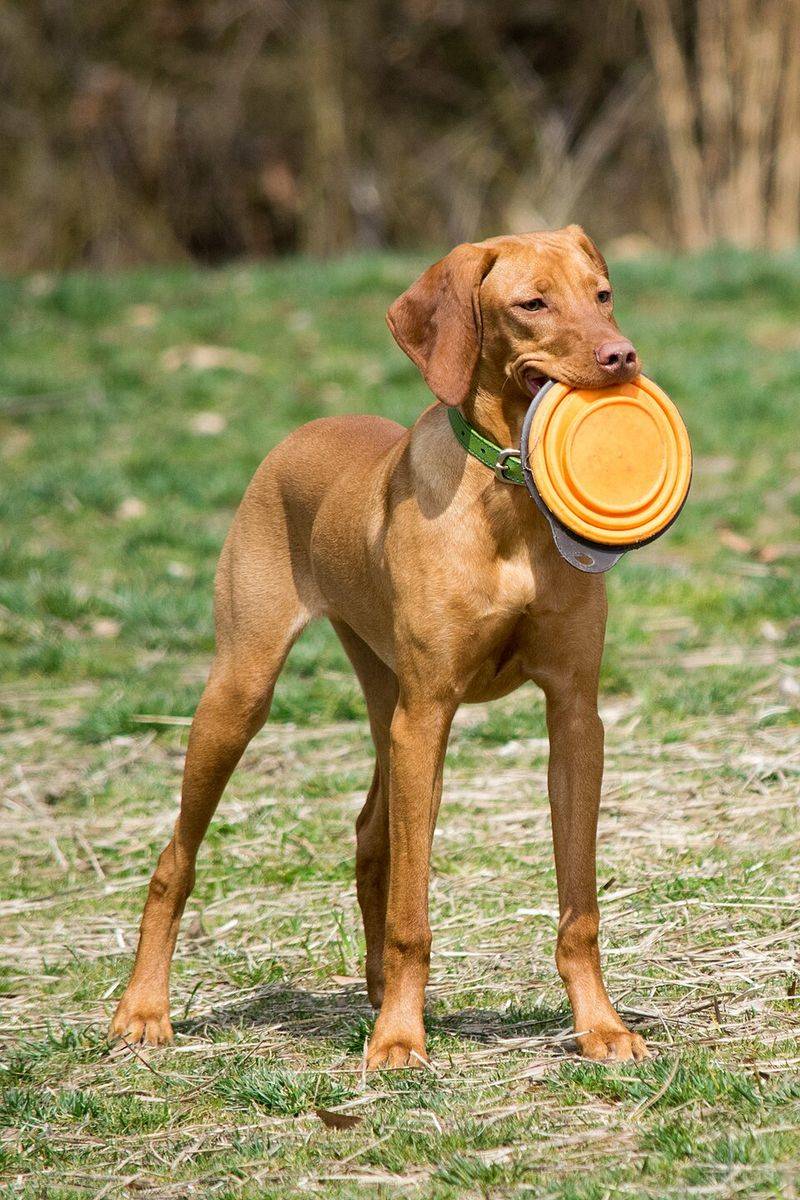
Vizslas are velcro athletes, sweet and sensitive, but rarely low maintenance. They crave contact and can panic when left alone too long.
High energy drives zoomies that topple kids and coffee tables. Thin coats mean shivers in winter and sun caution in summer.
Without daily training and enrichment, they become mouthy whirlwinds. Their enthusiasm for birds and critters can hijack focus outdoors.
They thrive with gentle guidance, steady routines, and big exercise. Try field sports, canicross, nose work, or long hikes.
Teach independence through crate games and calm departures. Reward quiet settles as much as speedy recalls.
If you want a relaxed roommate, consider your schedule. If you want a partner, expect devotion glued to you most waking hours together.
Weimaraner
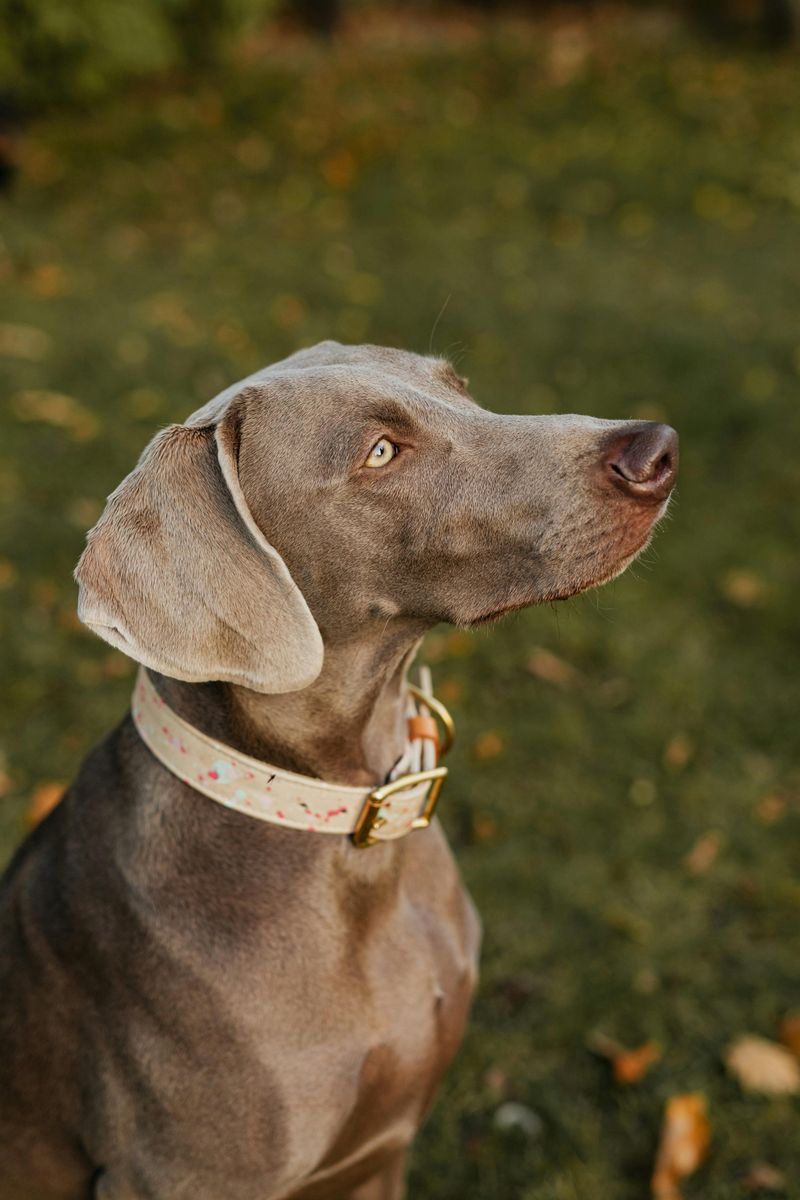
Weimaraners look regal and cuddly, yet they are restless hunters at heart. Separation anxiety is common if needs are ignored.
They shadow people constantly and protest when routines change. Strong prey drive sends them after squirrels, and recalls crumble without practice.
Without huge exercise and brain work, digging and destruction arrive. Short coats offer little insulation, so weather planning is constant.
Balance their sensitivity with calm structure, consistent cues, and enrichment. Try tracking, nose work, long hikes, or advanced obedience.
Teach independence through crates, tethered settle sessions, and predictable departures. Practice impulse control before greeting guests and kids.
If you envision autopilot manners, you will be surprised. If you invest daily, the silver shadow becomes a teammate in family life.
Akita
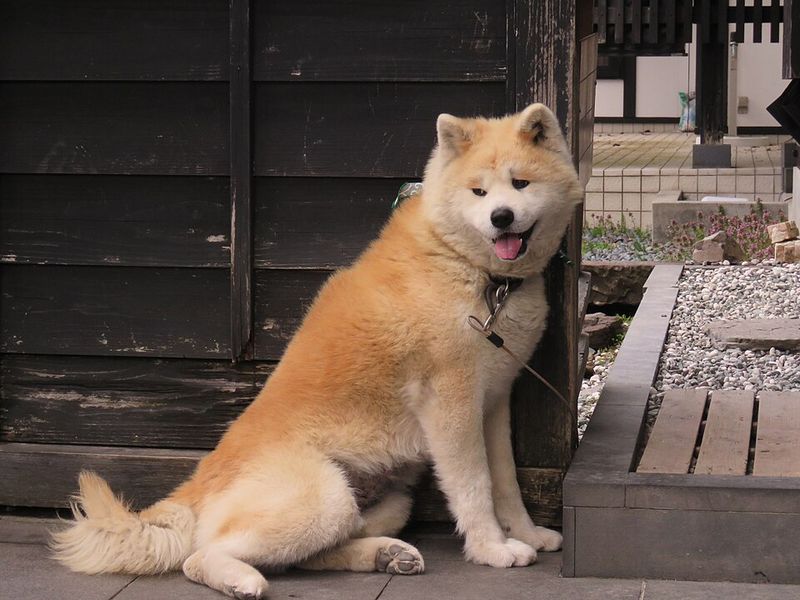
Akitas stand noble and quiet, but their independence challenges first time owners. Many are aloof with strangers and intolerant of rude dogs.
Guarding instincts run deep, and same sex aggression can occur. Their thick coats shed heavily twice a year, creating snowstorms indoors.
Heat management and serious grooming are essential. Training must be respectful and fair, since pushiness meets pushback quickly.
Successful homes offer structure, patience, and clear rules. Socialize thoughtfully, prioritizing calm exposures over chaotic dog parks.
Teach neutrality with visitors and reinforce polite boundaries. Provide outlets like scent games, obedience, and purposeful walks.
If you expect instant warmth, disappointment may follow. If you value dignity and partnership, an Akita can be breathtaking with the right leadership at home.
Cane Corso
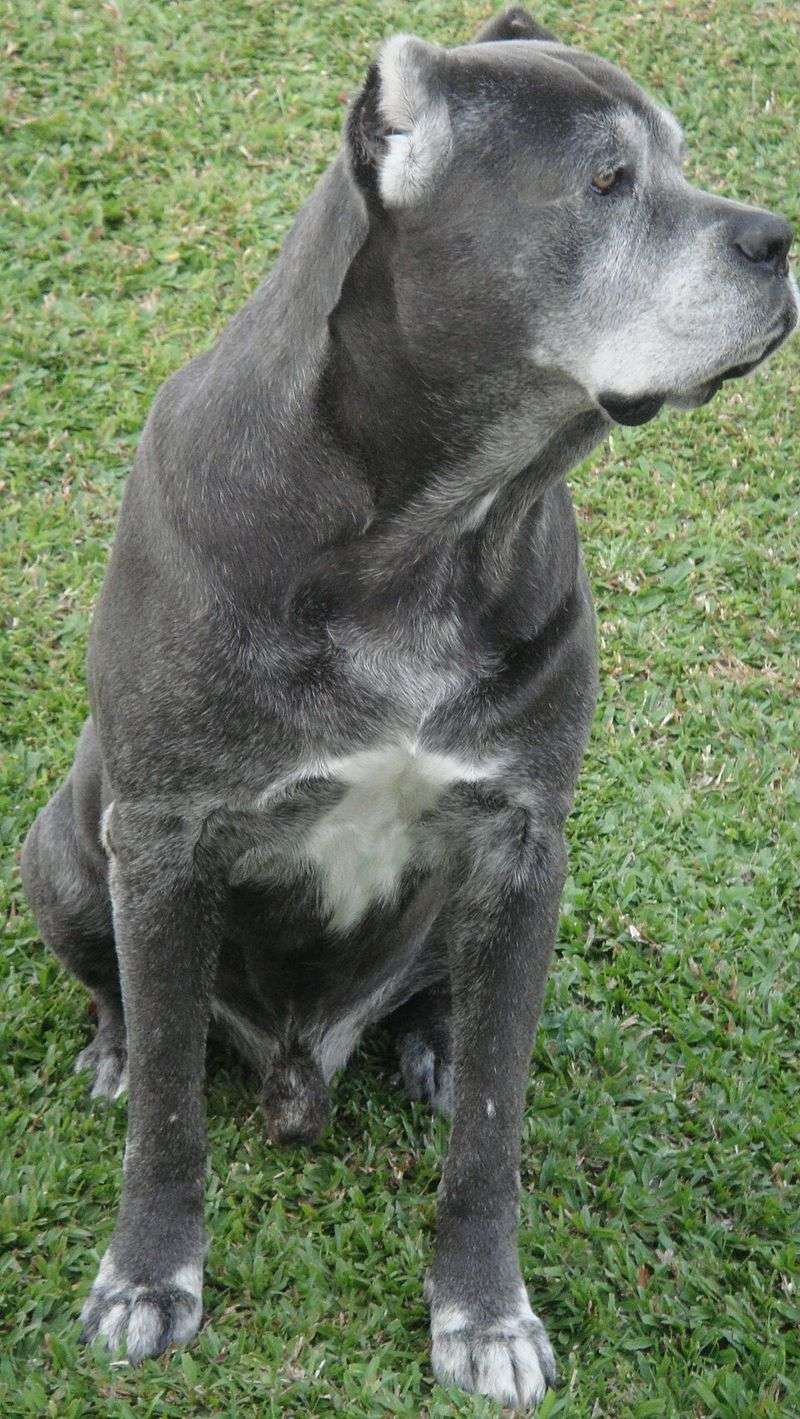
Cane Corsos look statuesque and composed, but they are intense guardians. Early maturity combined with size creates management challenges.
Without structure and socialization, suspicion can blossom into reactivity. They need clear leadership, calm routines, and purposeful outlets daily.
Health screening, strong fencing, and insurance planning are wise. Family expectations must match the responsibility that accompanies serious power.
Training should emphasize neutrality, impulse control, and reliable obedience. Give jobs like scent work, tracking, or carting to keep minds satisfied.
Coach polite greetings and body awareness around kids. Prioritize prevention over cleanup with consistent rules.
If you want an easygoing mascot, this is not it. If you love purposeful partnership, Corsos offer devotion and steadiness within well managed homes and clear boundaries.
Belgian Malinois
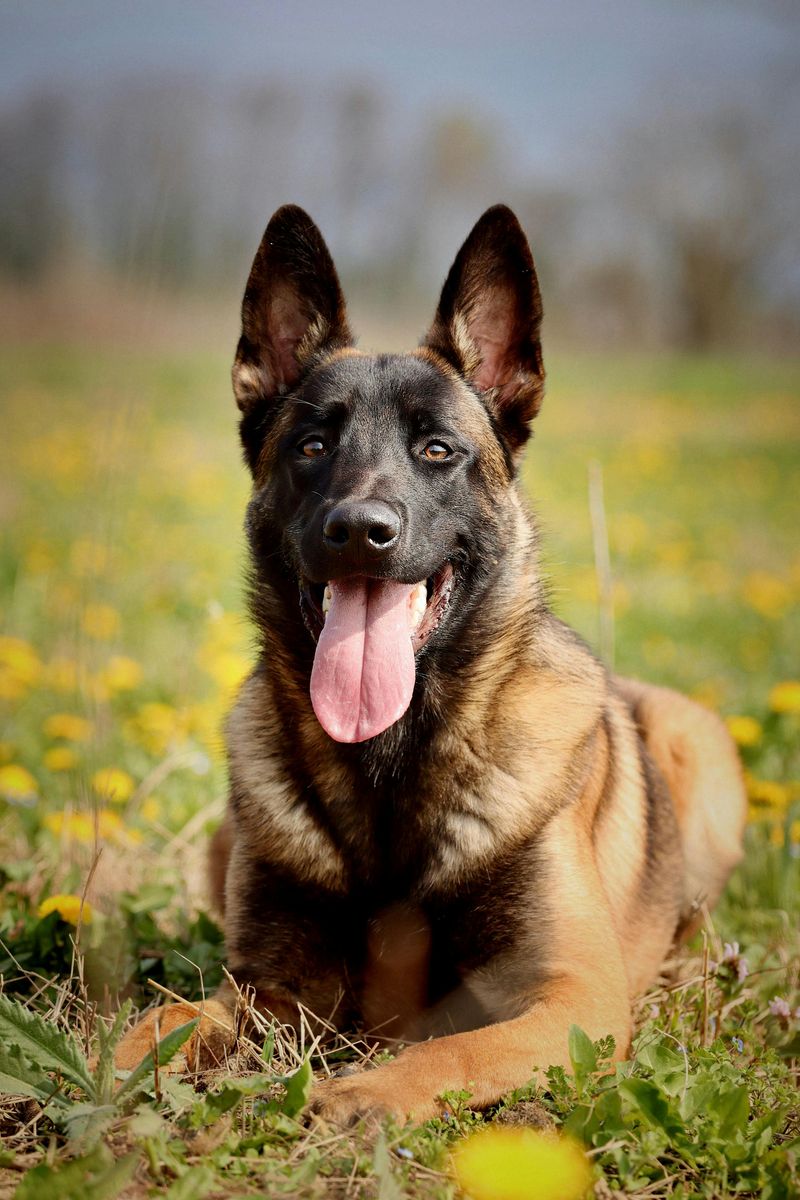
Belgian Malinois are legendary workers, which tempts families seeking brilliance. That brilliance arrives with volcanic drive and motion sensitivity.
Many cannot relax without trained off switches. Without real jobs, they mouth, spin, and chase anything that moves.
Backyard life will not satisfy, and boredom becomes demolition. Their intensity can startle kids and overwhelm casual owners quickly.
Pick this breed only if daily training sparks joy. Plan tracking, detection style games, advanced obedience, or bite sport foundations.
Teach settle skills, neutrality, and calm handling from day one. Rotate enrichment and supervise interactions religiously.
If you need a chill companion, keep scrolling. If you crave challenge and partnership, the Malinois will exceed expectations with work ethic that demands time, skill, and humility.
Giant Schnauzer
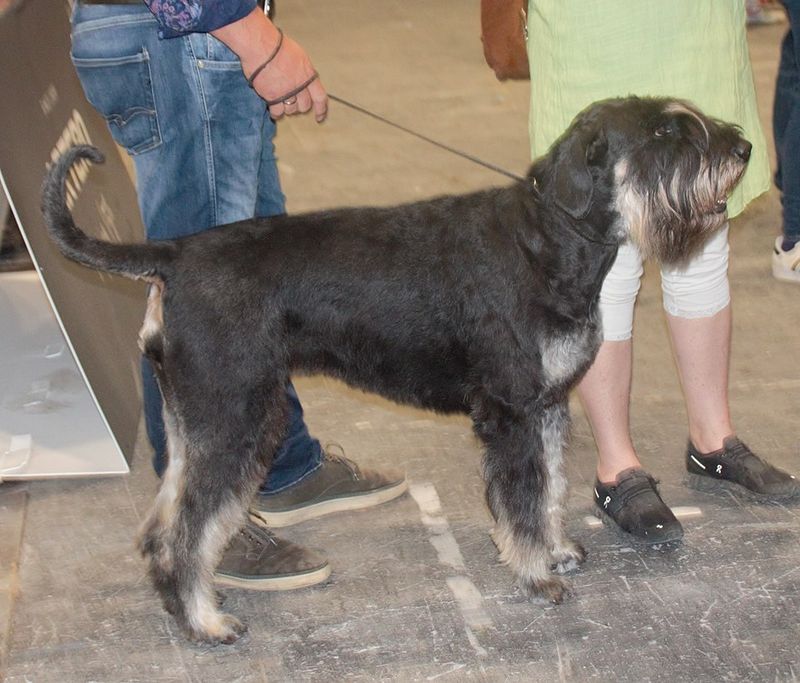
Giant Schnauzers look like fuzzy comedians, but they are intense workers. Territorial instincts and sharp minds mean they challenge sloppy rules.
Adolescents push boundaries hard, testing leadership daily. Without structure and long exercise, they turn to barking and destruction.
Coats require frequent grooming or committed home maintenance. Some lines are suspicious with strangers and mouthy when aroused.
Success requires patience, clarity, and purposeful outlets. Practice obedience, scent games, carting, or protection sport foundations.
Teach impulse control, neutrality, and calm greetings. Supervise play with kids and manage introductions carefully.
If you expect autopilot manners, disappointment looms. If you love structure and humor, Giants repay you with devoted grit over years of consistent training, clear boundaries, and daily work that channels drive.