
Ever feel like your dog understands you before you say a word? Some breeds are masters at reading your micro expressions, posture, and mood, reacting faster to your face than your voice.
This list spotlights dogs that lock onto your eyes, track your emotions, and respond with uncanny intuition. Get ready to meet the canine mind readers you can feel as much as you can train.
Border Collie
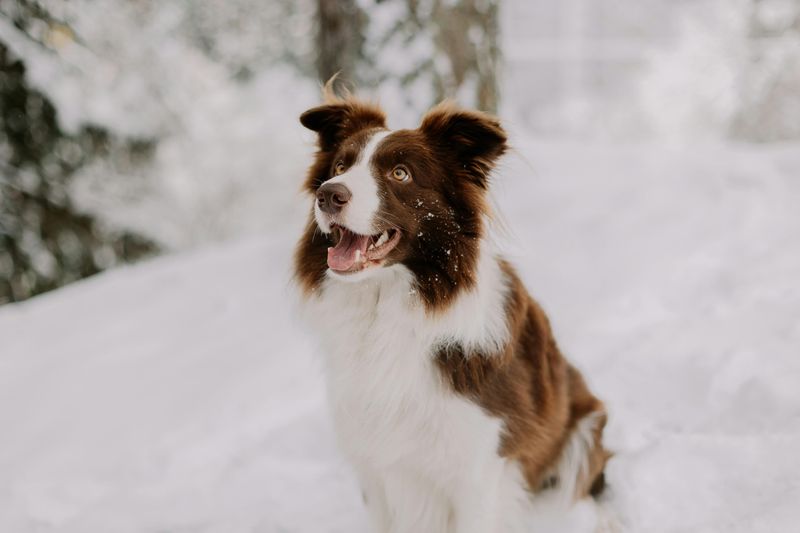
Border Collies read your face like a lively script, catching tiny eyebrow flicks and half smiles. Bred to manage sheep with almost telepathic partnership, they thrive on eye contact and quick feedback.
That famous collie stare is not just drive, it is pure conversation.
Give them split second cues and watch rapid adjustments happen. A softened jaw or relaxed shoulders can ease their speed, while a focused brow launches action.
Training games using silent facial prompts keep their minds humming.
Because they crave clarity, inconsistent expressions can frustrate them. Keep your body language honest and your routine predictable.
With patience and direction, they become brilliant teammates who seem to predict the next move.
Australian Shepherd
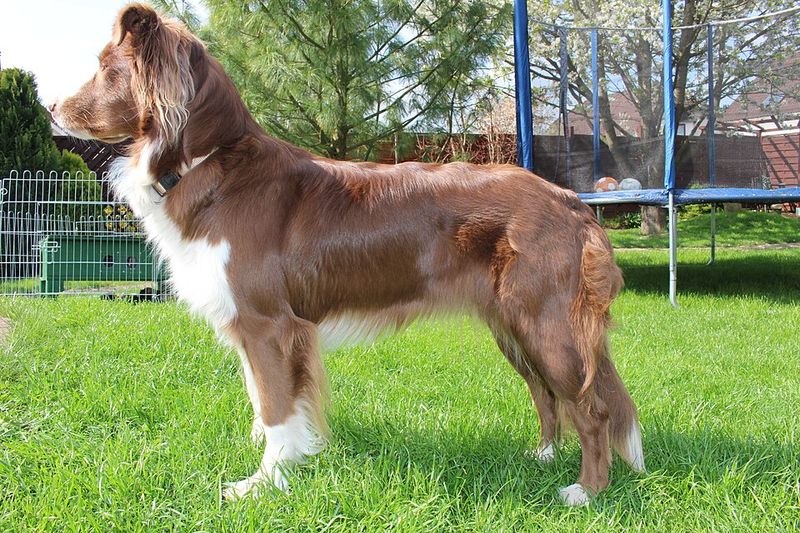
Australian Shepherds are expression analysts wrapped in fluffy energy. They scan your eyes, mouth, and shoulders to decode what happens next.
A tiny smirk can launch a sprint, while a firm jaw can settle them down.
Because they evolved alongside ranchers, they track motion and mood simultaneously. Silent heelwork and agility patterns really shine with Aussies.
Try switching commands to facial nods and head turns to see how quickly they adapt.
They adore purposeful tasks, but they also require boundaries. When your face gets tense, they feel it and may overreact.
Practice calm breathing, steady gaze, and clear routines to channel their intuition into focused brilliance.
Shetland Sheepdog
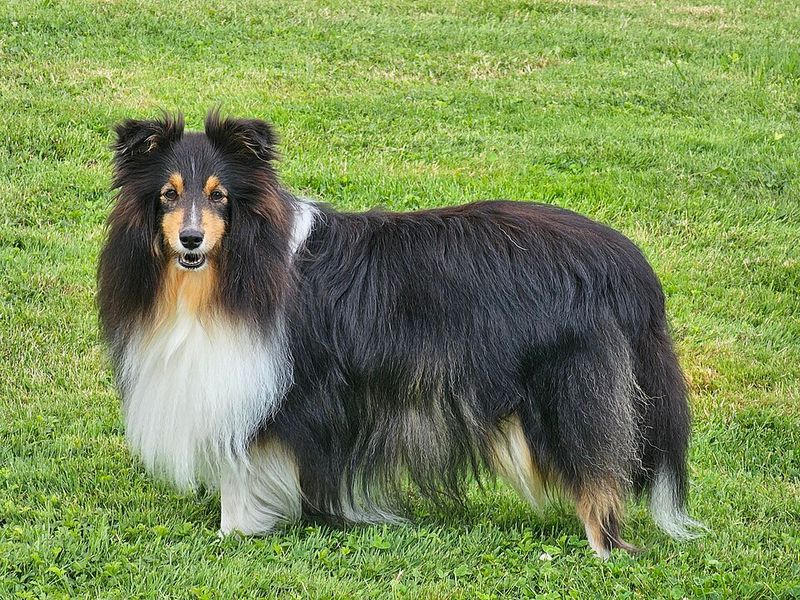
Shetland Sheepdogs, or Shelties, tune into faces like musicians hear tempo. They catch subtle cheek shifts and eye softening faster than many handlers expect.
This sensitivity makes them excellent in obedience and rally.
Use tiny smiles, chin lifts, and widened eyes to guide quiet maneuvers. Shelties respond beautifully to steady routines and gentle clarity.
Their alert nature can make them vocal if your expression looks worried, so stay relaxed.
Games that reward silent cues build confidence without overstimulation. Balance their keen focus with decompression walks and calm enrichment.
When your expression is kind and consistent, a Sheltie becomes a graceful partner who reads the room the moment you enter.
Poodle
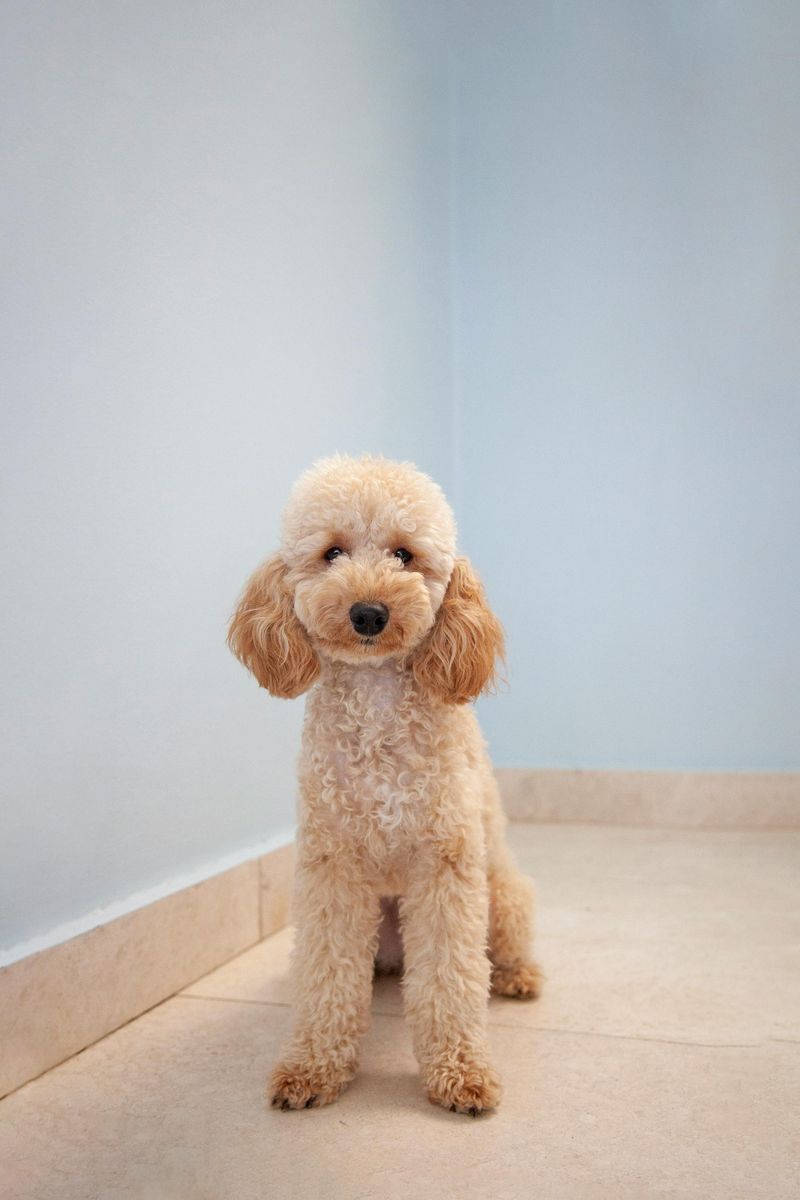
Poodles are quick studies of human nuance, reading micro expressions with playful elegance. Their intelligence pairs with social curiosity, so your eyebrows and smile become meaningful cues.
Many poodles excel when handlers minimize chatter and emphasize calm faces.
Practice heeling with a soft grin for speed and a neutral mouth for stillness. Poodles love patterns and will anticipate from your gaze direction.
In trick training, a raised brow or head tilt becomes a reliable marker.
Because they are sensitive, harsh looks can deflate enthusiasm. Keep feedback warm and precise, especially during grooming sessions.
When communication stays light and expressive, a poodle mirrors your mood with joyful accuracy.
German Shepherd
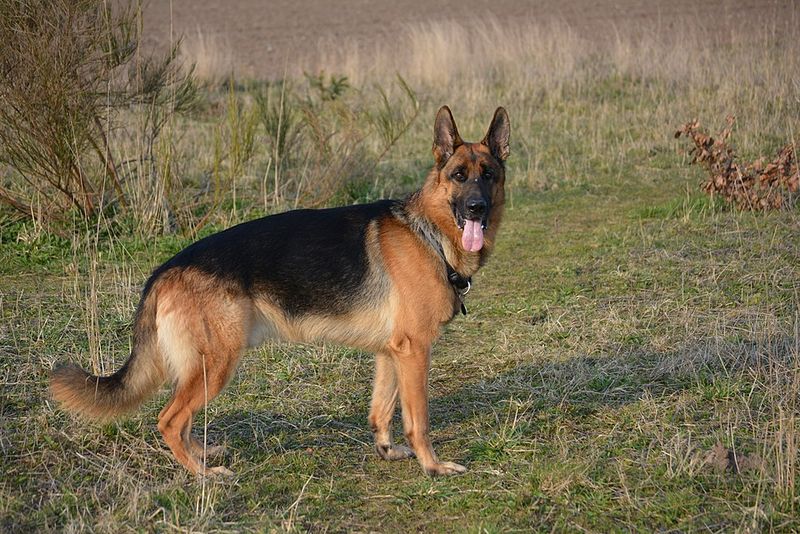
German Shepherds track your emotions the way they track a scent, methodically and thoroughly. Their loyalty makes them scan faces for reassurance and direction.
A steady gaze and relaxed jaw can keep their protective side appropriately measured.
In training, try silent signals using head angles and lip cues. They respond well when your body language stays composed and confident.
Over animated expressions may rev them up, so keep communication deliberate.
They thrive on purpose, structure, and downtime in equal parts. If your face shows uncertainty, a shepherd can step in too strongly.
Build trust with consistent rituals and calm eye contact, and you will have a partner who understands before you speak.
Golden Retriever
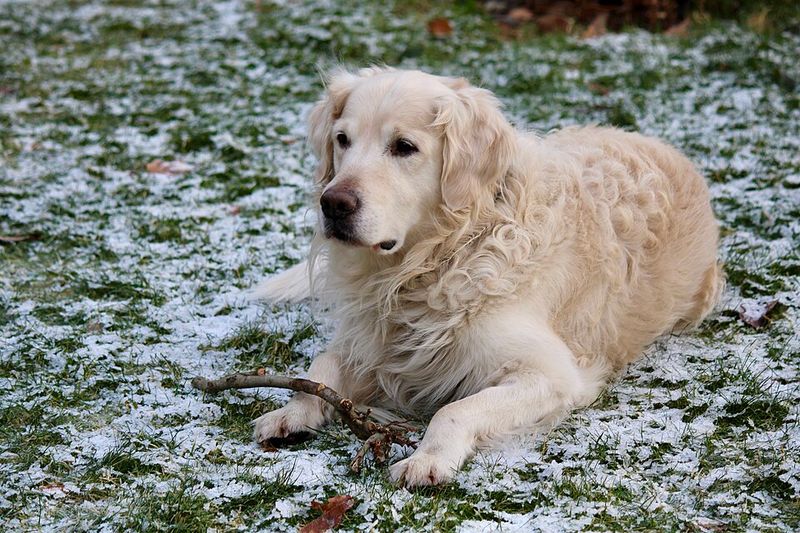
Golden Retrievers read joy like it is their favorite language. A crinkled eye or small grin sends happy signals they adore repeating.
Because they are people oriented, they constantly check your face for approval.
Use subtle smiles and nods to guide calm greetings and loose leash walking. Goldens love predictable games that reinforce eye contact without overexciting them.
Quiet expressions paired with gentle hand targets keep everything smooth.
Harsh stares can stall their confidence, so keep corrections soft and consistent. Their empathy shines during tough days, often leaning in when your brow tightens.
With patient routines, a Golden becomes a sunshine mirror reflecting your best mood.
Labrador Retriever
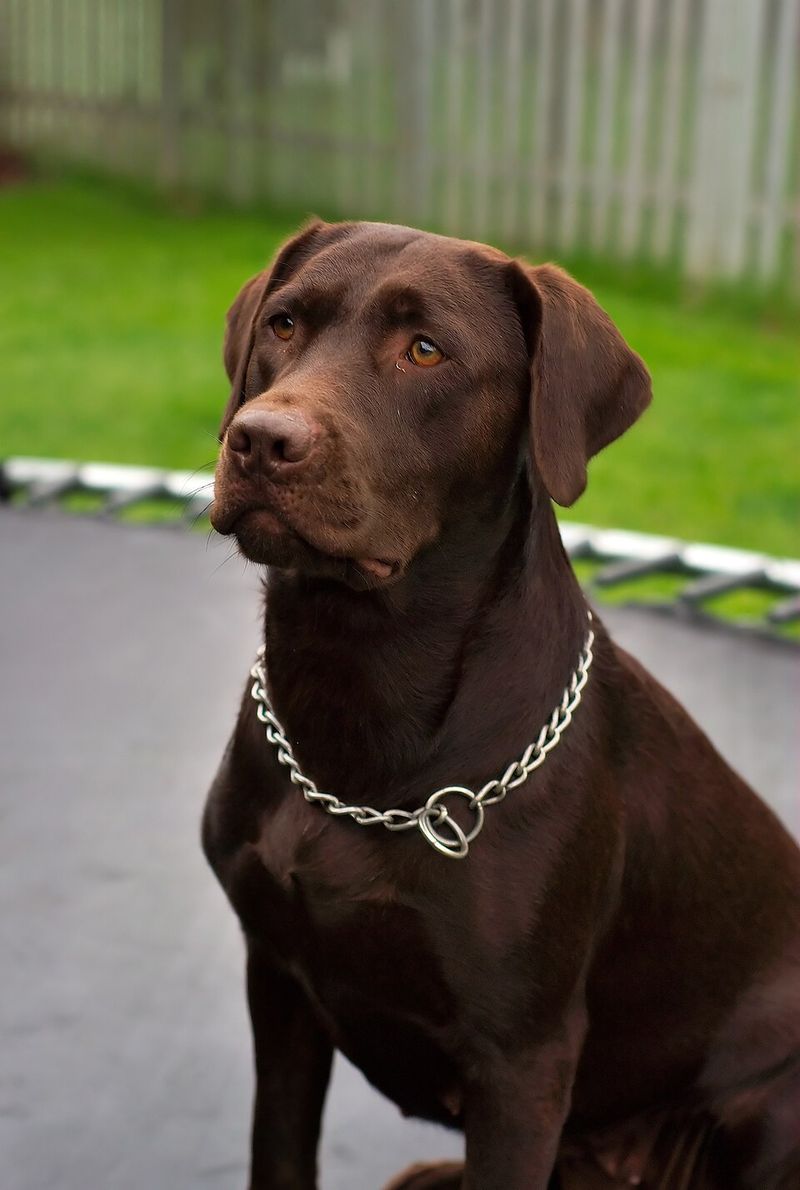
Labradors read friendly faces like open invitations. They are eager interpreters of raised eyebrows, nods, and soft smiles.
Because they thrive on teamwork, your facial calm keeps their exuberance in check.
Practice sit stays using only eye contact and a relaxed mouth to release. Labs respond beautifully to steady routines and short, upbeat sessions.
Direct your gaze toward a target and watch them orient without a word.
When your expression turns serious, they often slow and focus. Pair that with clear rewards to shape tidy manners.
With balanced play and structure, a Lab becomes a cheerful partner who follows your face like a compass.
Collie
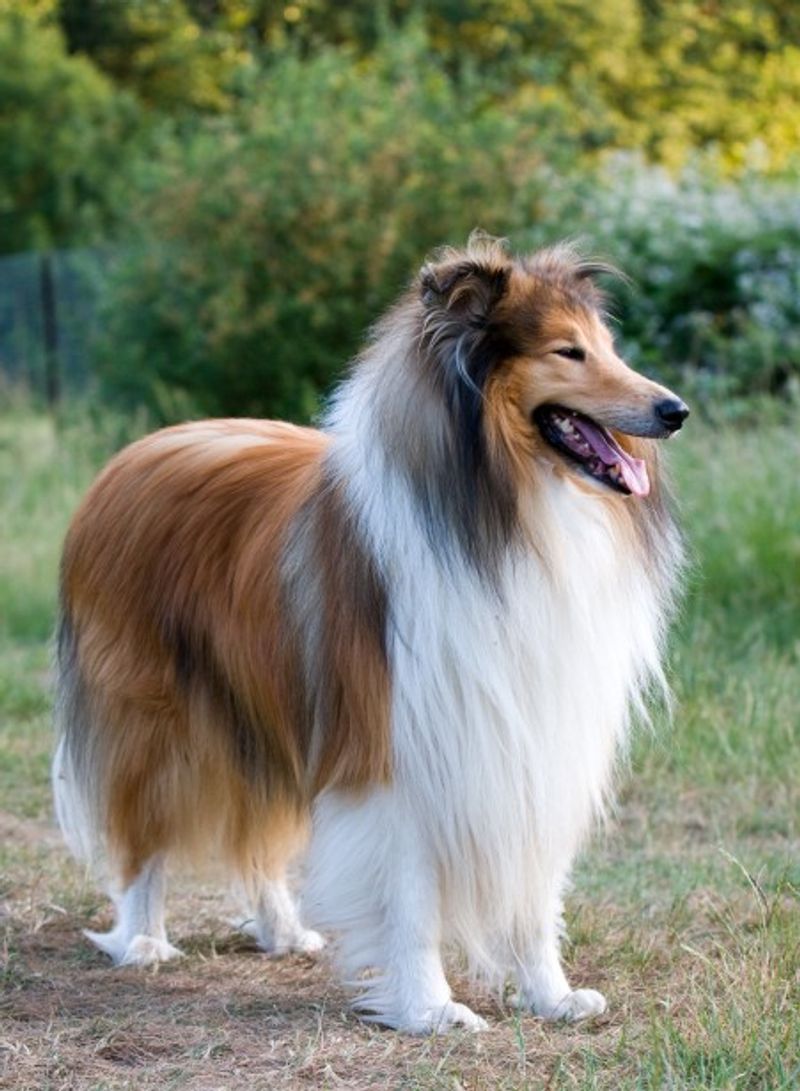
Collies carry a heritage of quiet collaboration, reading shepherds from yards away. Your face becomes their signal flag, especially when paired with calm posture.
A softened expression can slow their pace, while bright eyes cue enthusiasm.
Try distance work using only gaze direction and chin lifts. Collies excel when pressure stays low and expectations clear.
Their sensitivity means sharp looks can shut them down, so keep feedback kind.
Enrichment that blends scent work with silent cues builds a thoughtful rhythm. Routine matters, as does downtime to decompress.
With consistency and empathy, a Collie turns facial whispers into fluent conversation.
Papillon
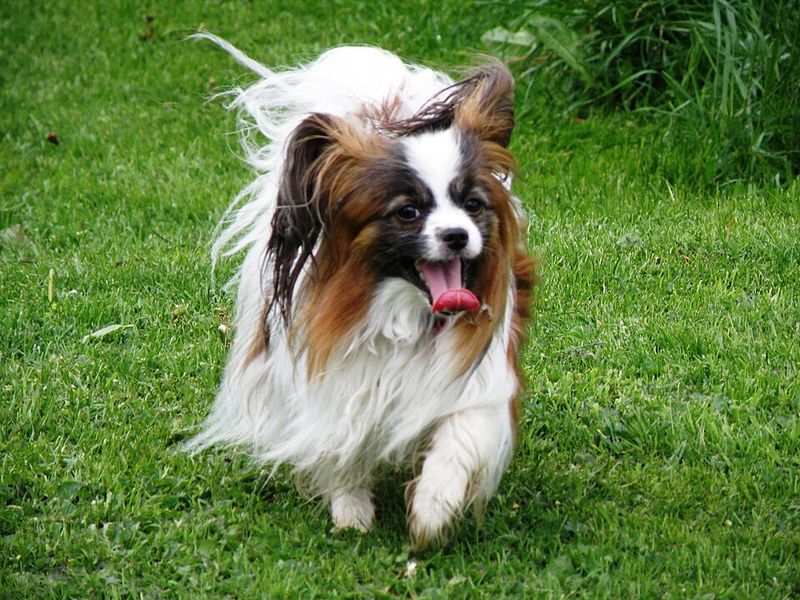
Papillons are tiny pros at tracking micro expressions, especially eye movements and smiles. Their butterfly ears catch tone shifts, but your face seals the message.
Use small nods and eyebrow raises to shape delightful tricks.
Short, spirited sessions keep them engaged without fatigue. Pair facial cues with clear markers and light treats.
They love feeling included, so keep your gaze generous and your posture welcoming.
Because they are bold for their size, overexcited expressions can wind them up. Breathe, soften your eyes, and reward stillness.
With upbeat consistency, a Papillon becomes a pocket sized mind reader who thrives on your grin.
Cavalier King Charles Spaniel
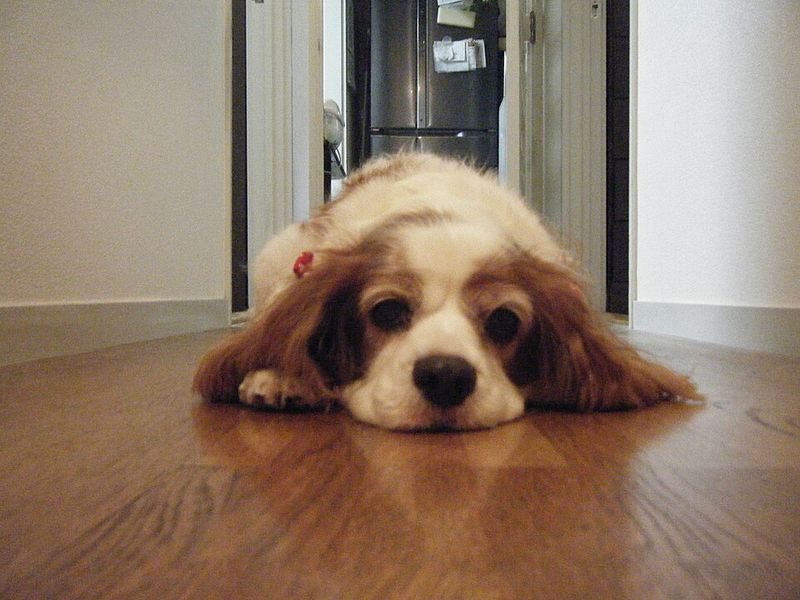
Cavaliers specialize in emotional syncing, catching sadness, relief, and joy on your face. Their gentle nature makes them natural comforters.
A lifted corner of your mouth can start a tail wag that never quits.
Use quiet smiles and relaxed eyes to guide polite greetings and calm cuddles. Cavaliers respond best to kindness and predictability.
Because they dislike tension, stern looks may worry them more than needed.
Keep sessions short, reward soft focus, and build routines around eye contact. When you are consistent, they blossom into intuitive companions.
Your face becomes their safe harbor, and they steer toward it all day.
Doberman Pinscher
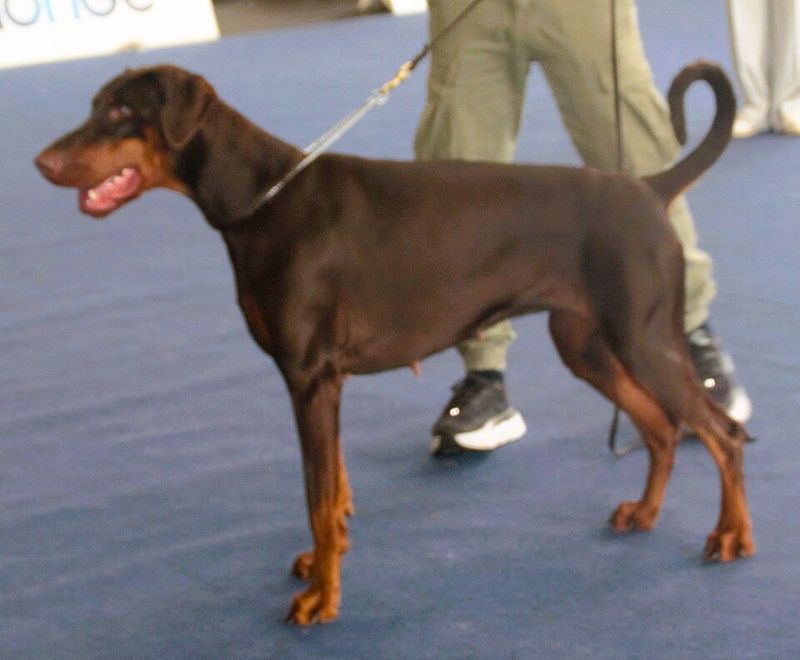
Dobermans read confidence and clarity instantly. Your facial steadiness determines their tempo, especially during precision work.
A firm gaze can lock in heeling, while a softened mouth releases tension.
Practice silent pivots and turns using head cues and eye contact. They respond best when your expression is composed and purposeful.
Over animated faces can add unnecessary arousal, so keep lines clean.
Balance intensity with decompression and playful bonding. When you breathe and soften your eyes, they settle and think.
With respectful guidance, a Doberman becomes a poised partner who translates micro expressions into crisp action.
Vizsla
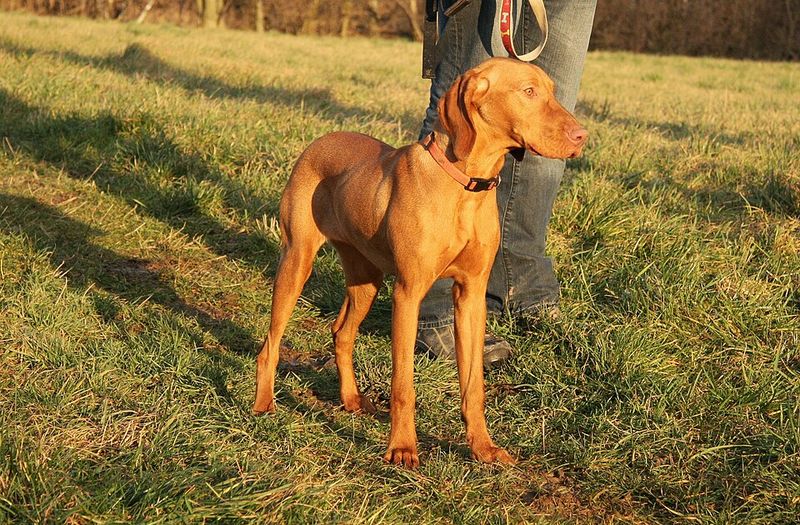
Vizslas are velcro sensitive, glued to your mood and your eyes. They notice tiny facial shifts and respond with affectionate intensity.
A playful smile can spark zoomies, while a calm face helps them settle.
Use soft expressions to shape stillness before releasing to run. They learn fast with quiet consistency and plenty of exercise.
Gaze direction works beautifully for recalls and sends.
Because they bond deeply, harsh expressions can sting. Keep corrections minimal and rewarding clear.
With routine affection and structure, a Vizsla reads your face like sunrise, bright and reassuring, guiding both training and daily rhythm.
Weimaraner
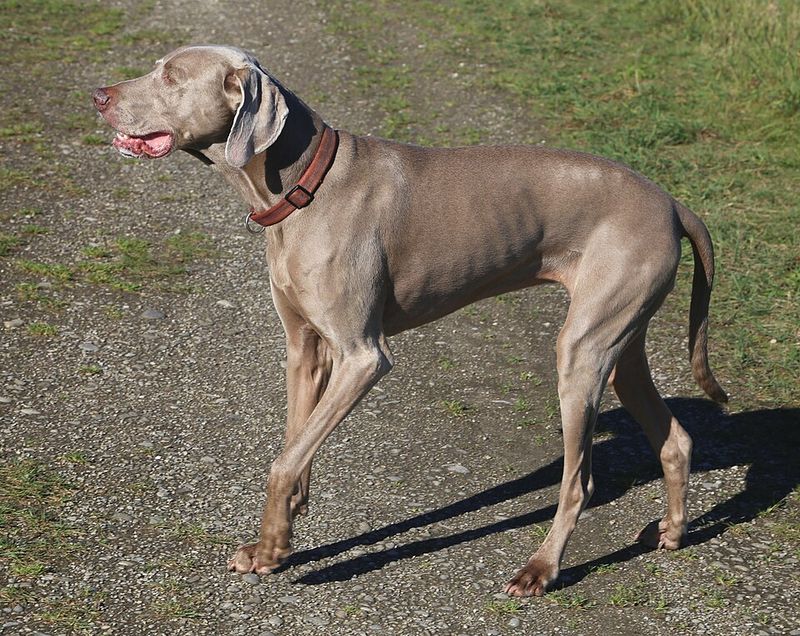
Weimaraners are intense observers who track your eyes and jawline for cues. Their drive needs direction, and your facial steadiness provides it.
A brief squint or nod can shift them from restless to ready.
Practice stillness games using only expressions and breath. Keep sessions short, focused, and rewarding.
Gaze toward targets to send them cleanly without words.
They can become anxious if faces show frequent tension. Build confidence with predictable routines and generous calm.
When communication stays clear and kind, a Weimaraner transforms intensity into responsive elegance.
Belgian Malinois
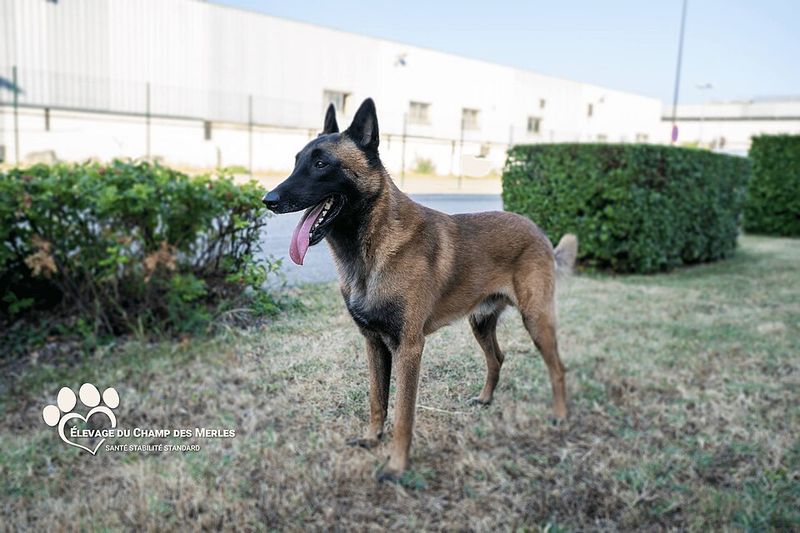
Belgian Malinois read micro cues at working speed. Your face becomes mission control, so consistency is everything.
A firm, neutral expression channels their drive into precise heeling and swift downs.
Use silent releases, subtle nods, and eye direction to sculpt patterns. Breaks with soft eyes and relaxed smiles help reduce pressure.
They excel when intensity cycles with recovery.
Because they are ultra responsive, mixed signals can create frustration. Keep your gaze deliberate and your jaw calm.
With thoughtful structure, a Malinois becomes a lightning fast interpreter of your face, executing before words even form.
Great Dane
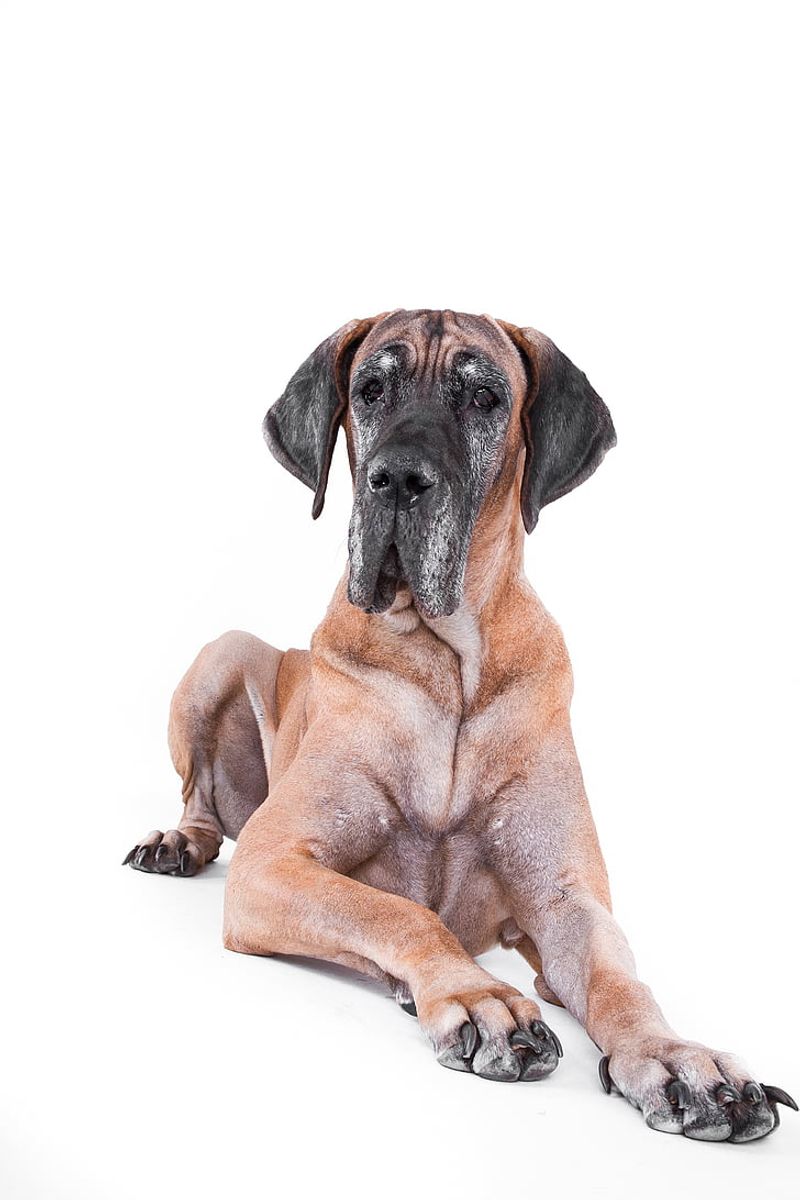
Great Danes read emotions with a tender, oversized heart. They watch your face to decide whether to lean in or lounge.
A softened smile invites cuddles, while a calm, neutral look signals rest.
Training benefits from quiet eye contact and minimal chatter. Use gentle nods to guide sits and stays, rewarding calm focus.
Their size means subtle cues matter, keeping movement smooth and safe.
Harsh expressions can worry these sensitive giants. Keep routines predictable and your demeanor steady.
When you lead with kindness, a Great Dane mirrors your peace and becomes a reassuring shadow.
Bernese Mountain Dog
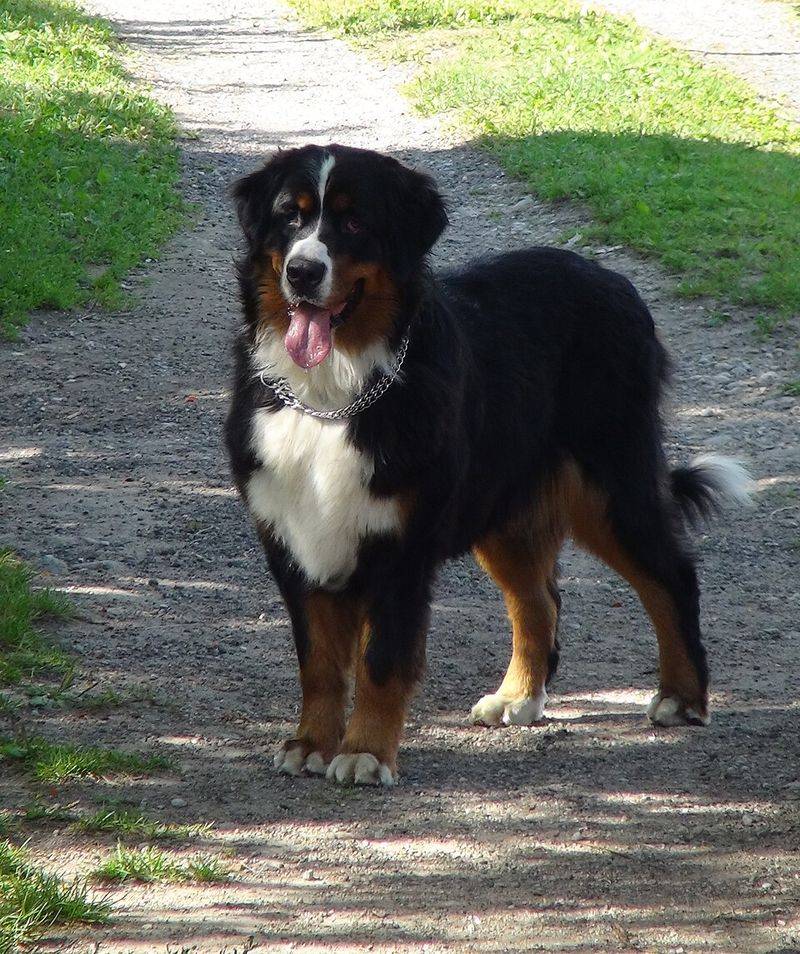
Bernese Mountain Dogs are soulful readers of calm faces. Your expression sets the tone for their gentle work ethic.
A relaxed smile and soft eyes make training sessions feel like friendly teamwork.
Practice quiet positioning using head nods and gaze direction. Keep sessions short to protect joints and attention.
They respond best to warmth, patience, and predictable patterns.
Because they are empathetic, stern looks can dampen enthusiasm. Swap sharpness for clarity and praise.
With steady guidance, a Berner stays attuned to your mood and turns facial cues into reliable, comforting cooperation.
Havanese
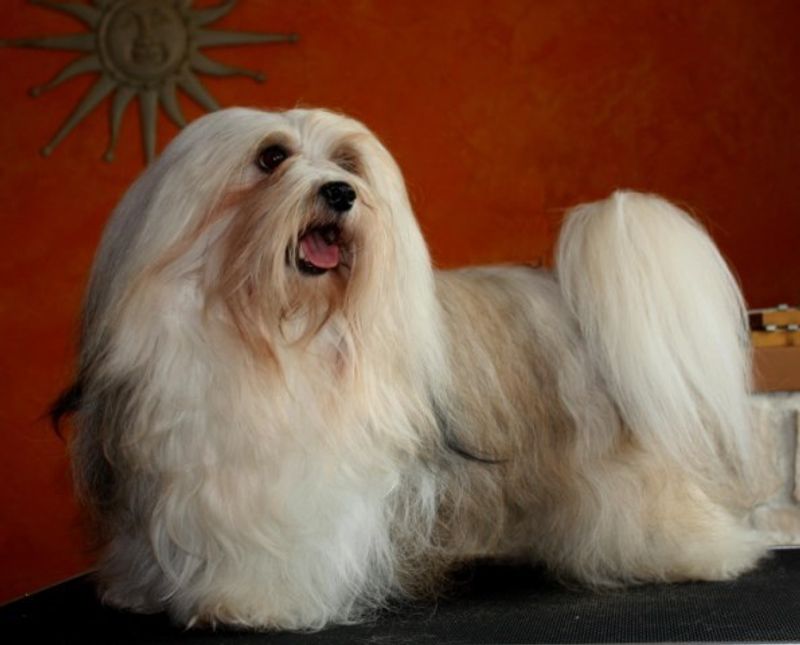
Havanese thrive on social connection, using your face as their favorite script. They notice raised brows, cheeky smiles, and softened eyes instantly.
Their adaptable nature makes silent trick training a joy.
Use gentle grins to cue spins or bows, and neutral looks for stillness. Keep sessions light, short, and fun.
Because they are people focused, they reward consistent, friendly expressions.
Harsh stares can wilt their spark. Choose calm clarity and frequent celebration.
With predictable routines and eye contact games, a Havanese becomes a charming, face reading companion who brings cheer to every room.