
Bringing a Mini Dachshund into your home is a delightful decision. These small, lively dogs are full of personality, but they also come with unique needs and characteristics. Understanding these aspects can help you create a loving and supportive environment for your new furry friend. Here are 17 essential things you need to know before welcoming a Mini Dachshund into your life.
Strong Prey Drive

A Mini Dachshund’s keen prey drive is part of its hunting heritage. Originally bred for badger hunting, these small dogs have a strong instinct to chase. This means that off-leash adventures can lead to unexpected pursuits.
Owners should be prepared for a pet that’s constantly on the lookout for small creatures. Training your dachshund to respond to commands is essential to manage this instinct effectively. Using games and toys that satisfy this drive can also help channel their energy.
Regular activity can harness their instincts in a positive way, ensuring a happy, well-adjusted pet.
Long Spine Handling

The Mini Dachshund’s elongated spine requires special care. Picking them up improperly can lead to discomfort or injury. Always support their chest and rear simultaneously to protect their back.
This unique anatomy makes them more susceptible to spinal issues. As an owner, you must be vigilant about how they’re handled both by family and friends.
Encourage gentle handling and educate others on the proper way to pick up and carry your dachshund. Such mindful care will help prevent injuries and ensure your pet’s comfort.
Prone to Back Issues Like IVDD

Intervertebral Disc Disease (IVDD) is a common concern for Mini Dachshunds. This condition affects their spinal discs, leading to pain and potential mobility issues. Early detection and treatment are crucial.
Owners should be aware of symptoms like reluctance to move or changes in behavior. Regular check-ups with the vet and maintaining a healthy weight can mitigate risks.
Creating a home environment that minimizes jumping and rough play can also help protect their back. Proactive care will ensure a healthier, happier life for your dachshund.
Surprisingly Loud Bark

For a small dog, the Mini Dachshund has an impressively loud bark. This vocal nature can be surprising to new owners. Often used as a watchdog, their bark serves as a form of communication and alert.
Understanding their triggers can help manage excessive barking. Positive reinforcement techniques are effective in training your dachshund to bark appropriately.
Since their bark can be heard from a distance, it’s vital to address this behavior early. With patience and consistency, you can enjoy their lively personality without the noise becoming overwhelming.
Very Stubborn During Training
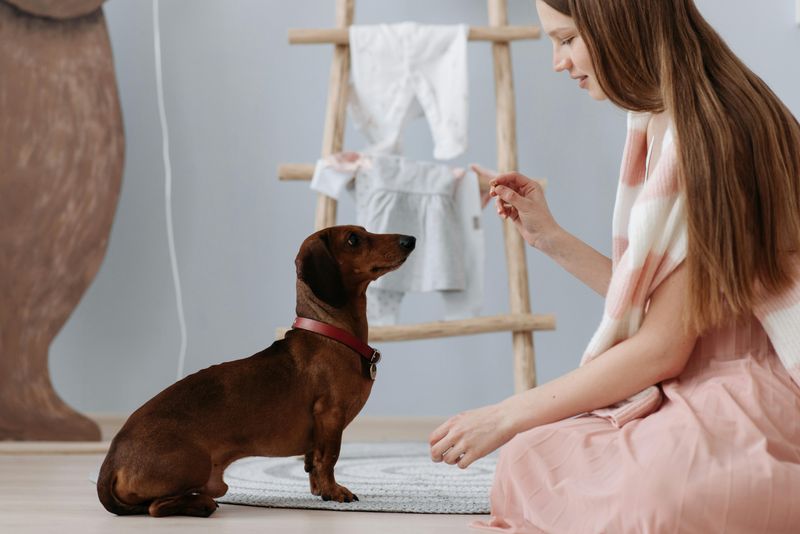
Training a Mini Dachshund can be a test of patience due to their stubborn nature. These intelligent dogs often have their own agenda, making consistent training essential.
Using positive reinforcement, such as treats and praise, can motivate them to follow commands. Keep sessions short and engaging to maintain their interest.
Understanding their need for independence helps in creating a balanced training approach. With persistence and creativity, this stubbornness can be turned into a cooperative and rewarding training experience.
Highly Food-Motivated

Mini Dachshunds are known for their insatiable love of food. This trait can be beneficial for training but requires careful management to prevent overeating.
Using their food motivation, you can create engaging training sessions. However, a balanced diet and portion control are vital to avoid obesity.
Owners should be mindful of their pet’s intake and opt for healthy treats. This balance ensures they stay fit and active, while still enjoying their favorite snacks.
Need Controlled Exercise to Protect Their Back
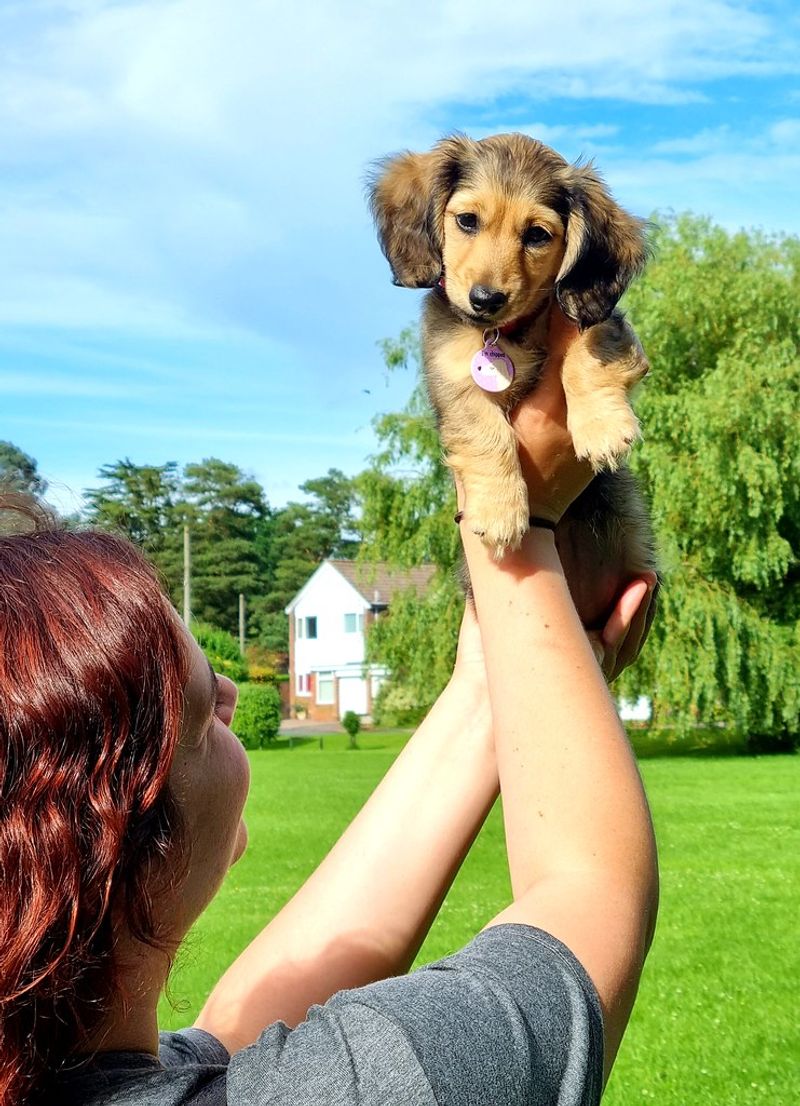
Regular exercise is crucial for Mini Dachshunds, but it must be controlled to protect their long spine. Activities like jumping or running up stairs can be risky.
Engage your dachshund in walks and low-impact play to maintain their fitness. This not only supports their physical health but also provides mental stimulation.
Owners should create a routine that avoids excessive strain on their back. With the right balance, your dachshund can enjoy an active lifestyle without compromising their well-being.
Can Be Territorial with Their Space

Mini Dachshunds often exhibit territorial behavior, guarding their space with determination. This instinct can lead to protective behavior over beds or toys.
Understanding this trait helps in setting boundaries and managing their interactions. Socialization from a young age can reduce territorial tendencies.
By creating a predictable environment and using positive reinforcement, you can balance their protective nature with sociability. This approach fosters a harmonious household.
Often Bond Deeply with One Person

The bond between a Mini Dachshund and its favorite person is often profound. These loyal dogs frequently choose one individual as their primary companion.
This deep connection can be incredibly rewarding but may lead to dependency. Encouraging interactions with other family members helps balance their affection.
By fostering relationships with multiple people, you ensure a well-rounded social life for your dachshund. This dynamic connection enriches both your lives.
Sensitive to Cold Weather

Mini Dachshunds are susceptible to cold weather due to their small size and short coat. Keeping them warm is essential during chilly months.
Investing in quality dog sweaters and limiting outdoor time in extreme temperatures can help protect them. Providing a warm space indoors ensures their comfort.
Being mindful of their sensitivity allows you to adjust their environment accordingly. These measures keep your dachshund snug and content, regardless of the weather.
Require Consistent Socialization
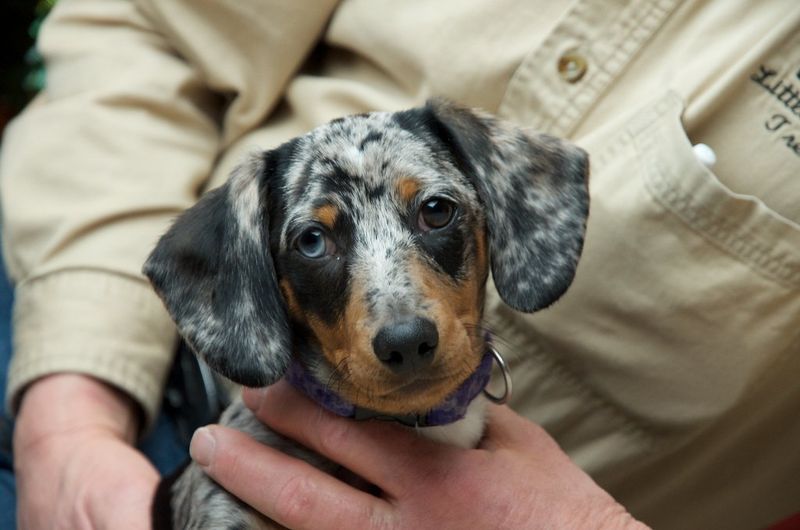
Socialization is key to a well-adjusted Mini Dachshund. Exposing them to various situations and people helps curb anxiety and fear-based behaviors.
Structured playdates and training classes are excellent opportunities for social growth. This exposure nurtures confidence and adaptability.
Addressing socialization early in their life ensures a more harmonious interaction with the world around them. This approach leads to a balanced and contented pet.
Love Digging Instinctively
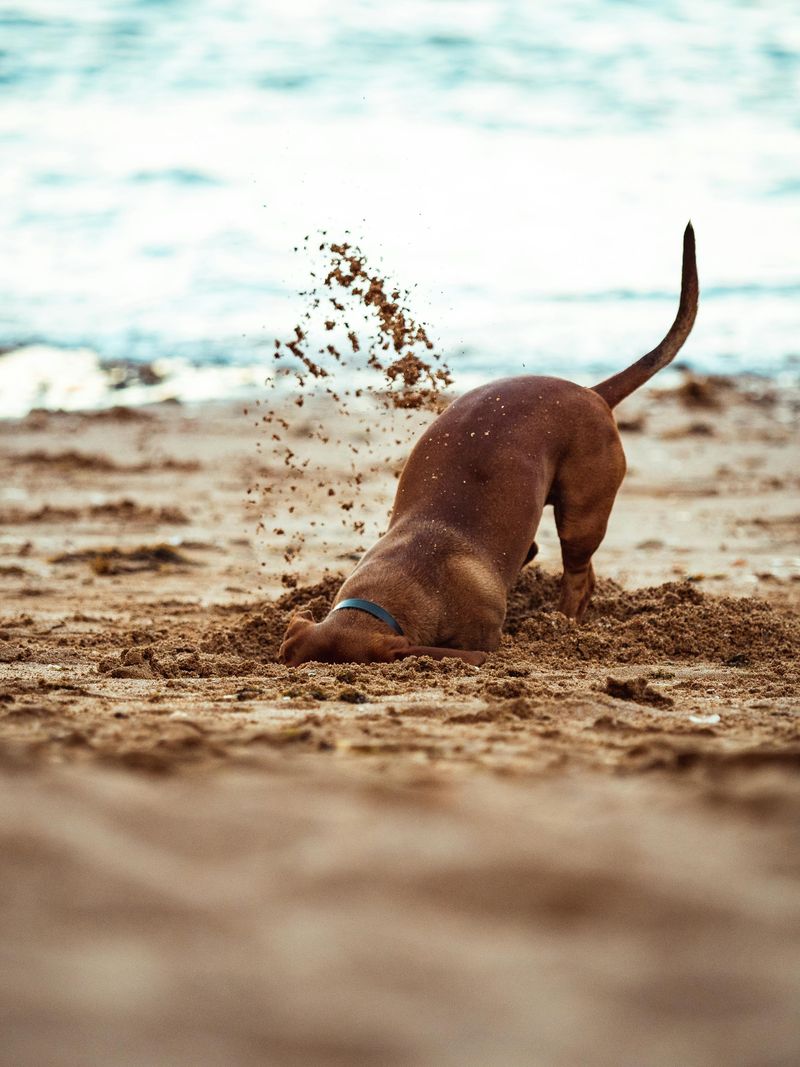
Digging is a natural instinct for Mini Dachshunds, harking back to their hunting roots. They love to burrow and can often be found digging in the yard.
Providing designated areas for them to dig or using toys that mimic this behavior can satisfy their instincts. This can help prevent unwanted digging in gardens or flower beds.
By channeling their energy into appropriate activities, you embrace their natural tendencies while maintaining an orderly home environment.
Can Become Vocal When Bored
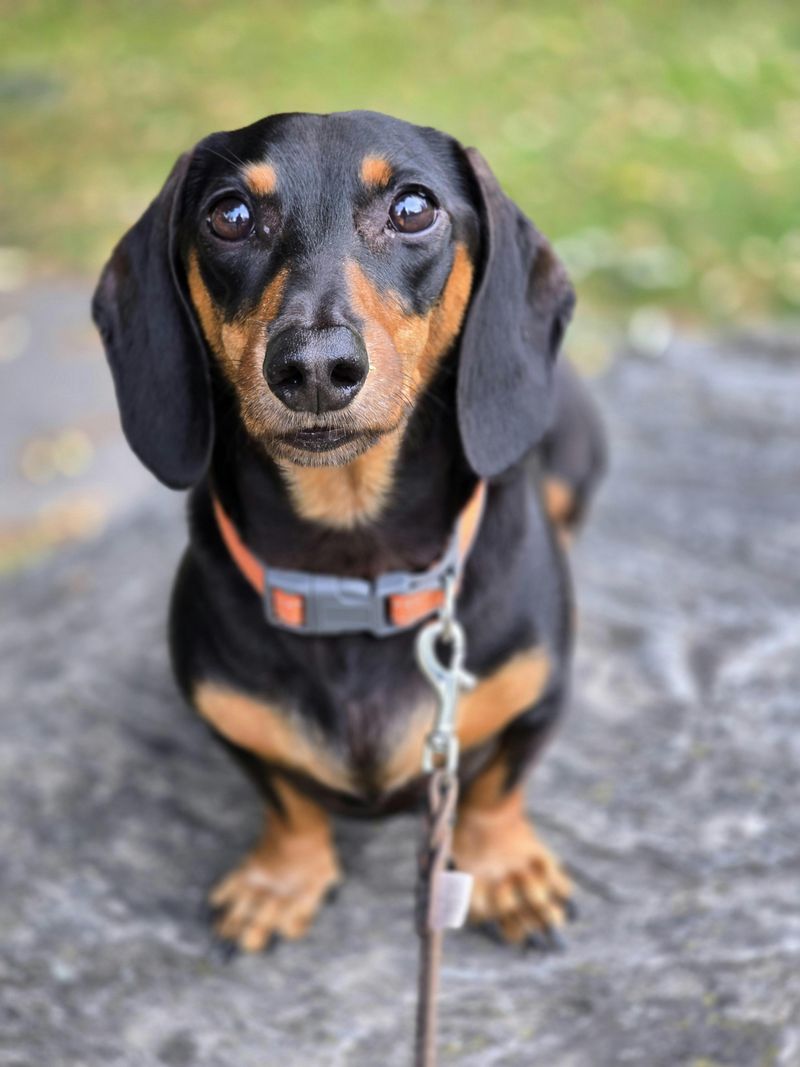
When a Mini Dachshund is bored, their vocal side emerges. This behavior is often a plea for attention and stimulation.
Enrichment activities, such as puzzle toys and interactive play, can alleviate boredom. Ensuring they have enough mental and physical exercise keeps their mind engaged.
Addressing their needs proactively prevents excessive barking and fosters a peaceful household. A content dachshund is usually a quiet one.
Not Always Good with Stairs

Navigating stairs can be challenging for Mini Dachshunds due to their long back and short legs. This can strain their spine and lead to potential injuries.
Installing ramps or gates can prevent them from attempting stairs. Encouraging safe navigation minimizes risk and supports their overall well-being.
Being mindful of their limitations ensures a safe and comfortable environment, allowing them to move confidently within their home.
Need Slow, Structured Introductions to Other Dogs

Introducing a Mini Dachshund to other dogs requires patience and care. Their small size can make them feel vulnerable, leading to cautious behavior.
Structured introductions in a neutral space can help them acclimate. Allowing them to approach at their own pace builds confidence.
With time and positive experiences, they can form friendships with other dogs. This careful approach ensures harmonious canine interactions.
Enjoy Puzzle Toys for Mental Stimulation

Puzzle toys are a wonderful source of mental stimulation for Mini Dachshunds. These intelligent dogs thrive on challenges that engage their mind.
Introducing various toys that test their problem-solving skills can keep them entertained. This also helps curb undesirable behaviors caused by boredom.
With an array of engaging activities, your dachshund’s mental agility will flourish. These toys provide both satisfaction and enrichment.
Can Develop Separation Anxiety
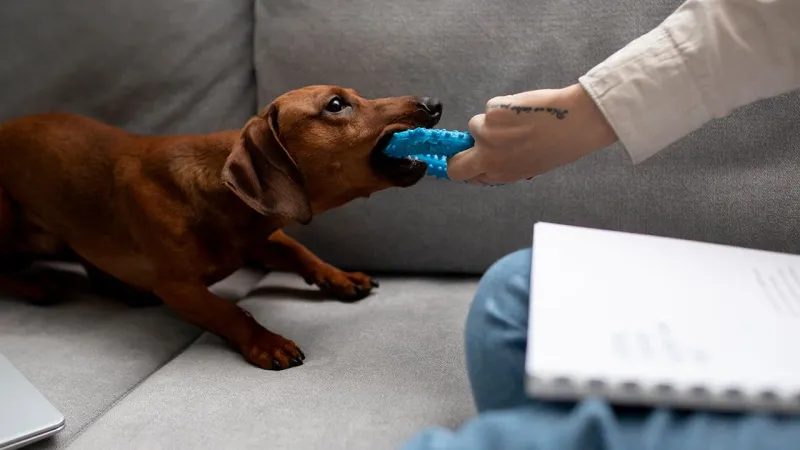
Separation anxiety is a real concern for Mini Dachshunds. Their deep attachment to their owners can make them anxious when left alone.
Training them to be comfortable in solitude from an early age can mitigate this issue. Gradually increasing time apart and creating a comforting environment helps ease anxiety.
Providing attention and reassurance ensures they feel secure, reducing stress during your absence. This fosters a confident and independent pet.