
While many dogs love to splash and paddle, not all breeds are born swimmers. Here are 17 breeds that might prefer dry land over water adventures.
English Bulldog
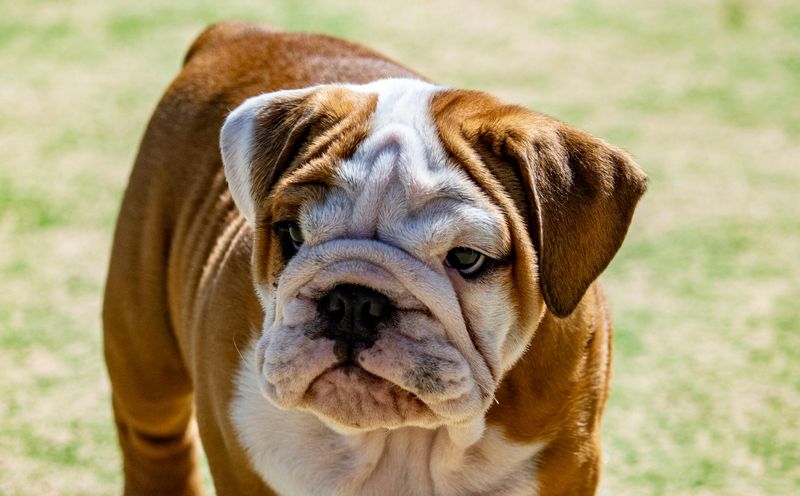
With their distinctive, wrinkled faces, English Bulldogs are known for their charming personalities. However, these lovable companions aren’t natural swimmers. Their stocky build and short legs make it difficult for them to stay afloat.
Often seen lounging rather than leaping into pools, bulldogs enjoy a slower pace. Their heavy frame can cause them to sink, so they need close supervision near water.
Despite this, their loyalty and friendly nature make them wonderful pets. Remember, they shine best on land rather than in the water.
French Bulldog
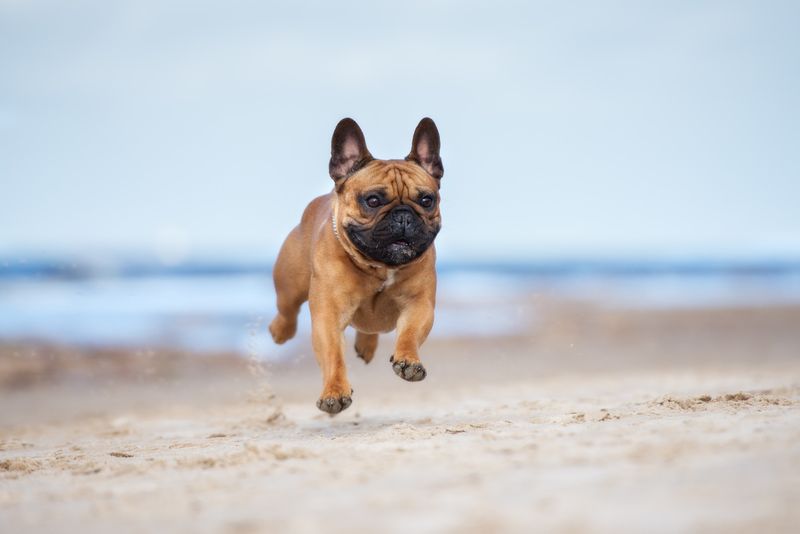
French Bulldogs, with their iconic bat-like ears, are adored for their playful demeanor. However, swimming is not their forte. Their compact, muscular bodies and short snouts can make water activities challenging.
They often tire quickly in water and may struggle to keep their heads above the surface. While they enjoy the occasional splash, they thrive best on solid ground.
These charming pups are better suited for indoor play or gentle walks. Keep them safe and dry for maximum happiness.
Pug
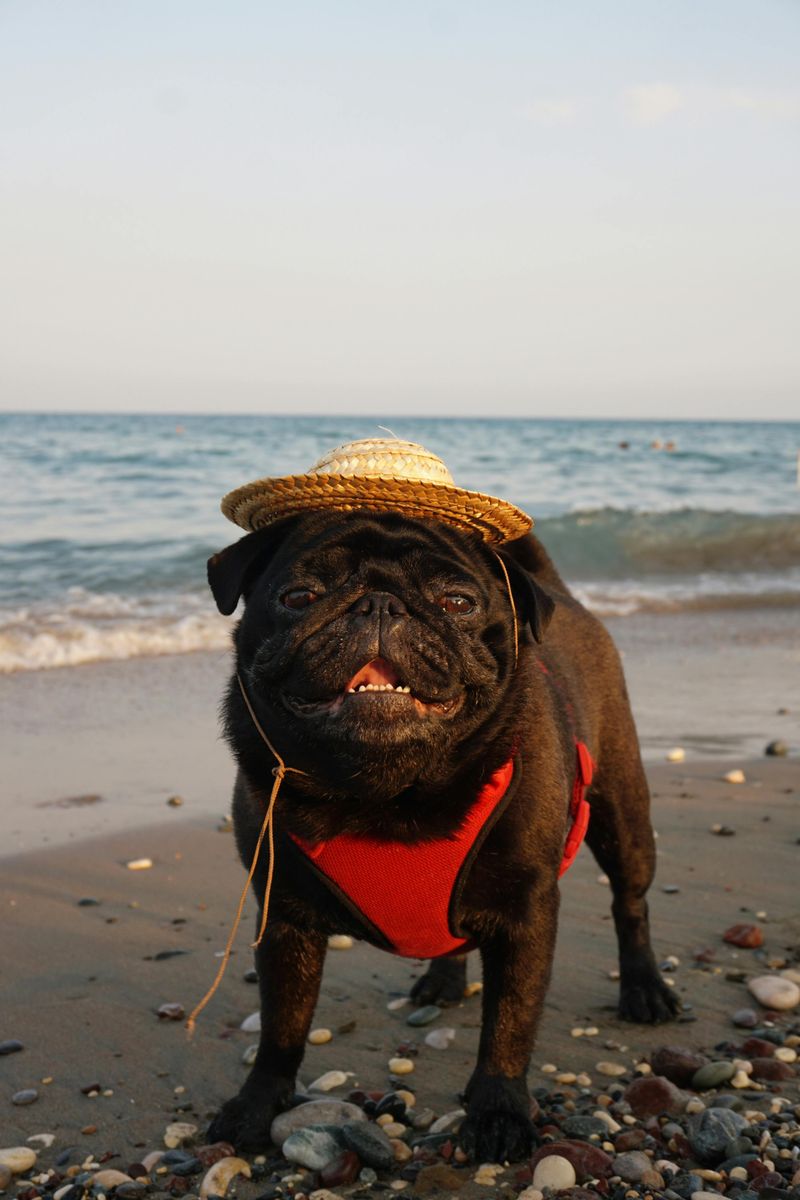
Pugs, with their soulful eyes and curly tails, capture hearts easily. Yet, these delightful dogs aren’t designed for swimming. Their small stature and flat faces can make breathing difficult during aquatic activities.
Pugs generally prefer cuddling to swimming, enjoying quality time with their humans instead. Their dense bodies make floating a challenge, leading to potential exhaustion in water.
For a happy pug, keep water activities minimal and ensure they have a safe, dry space to relax.
Dachshund
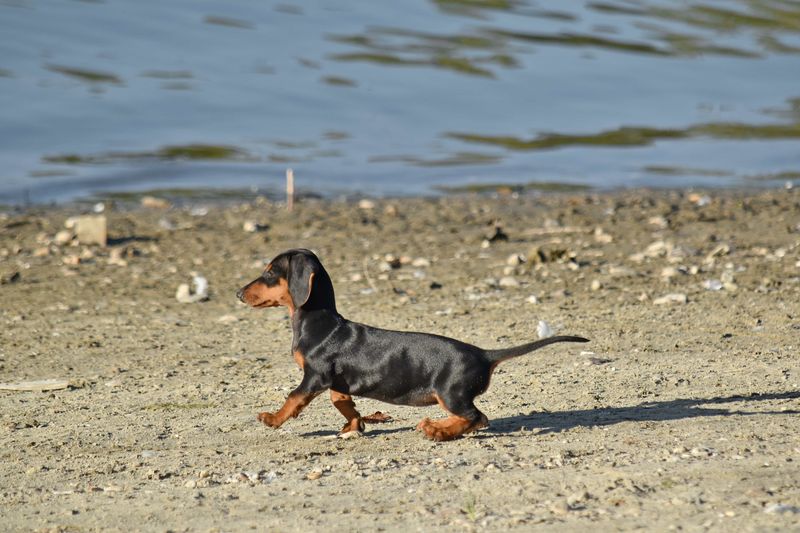
Dachshunds, affectionately known as ‘wiener dogs,’ have a unique build that isn’t ideal for swimming. Their elongated bodies and short legs can hinder their ability to paddle efficiently.
These adventurous little dogs might be curious about water but often prefer investigating land-based scents. While some enjoy shallow waters, many aren’t fond of deep swimming.
To keep your Dachshund happy, offer ground-level explorations and watch closely around water. Their joy lies in sniffing trails rather than swimming laps.
Basset Hound
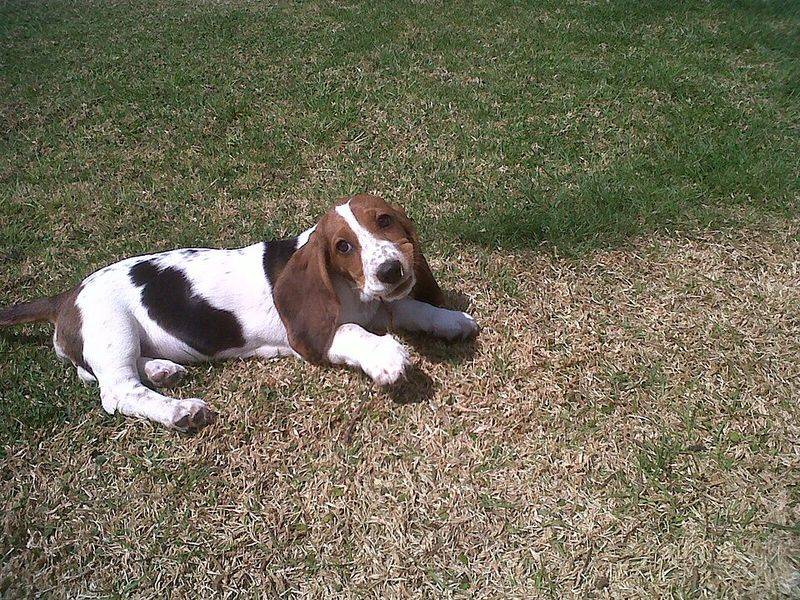
Basset Hounds, with their droopy ears and soulful gaze, are gentle companions. However, their short legs and dense build make swimming difficult. They are more likely to enjoy sunbathing beside the water than diving in.
These hounds love to follow scents on land and may hesitate when faced with water challenges. Their heavy bones can cause them to sink, so caution is key.
Keep them engaged with land-based adventures, where their tracking skills truly shine.
Pembroke Welsh Corgi
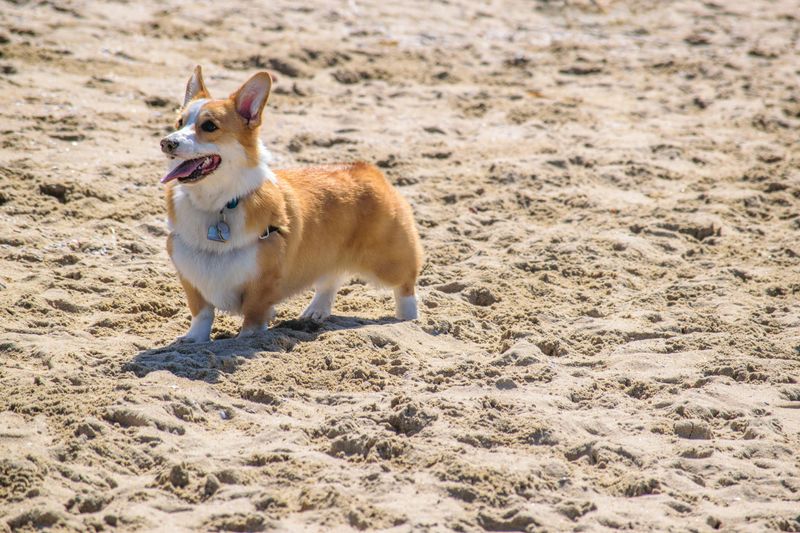
Pembroke Welsh Corgis, renowned for their intelligence and spirited nature, aren’t known for aquatic prowess. Their short legs and long bodies can make swimming tricky.
These herding dogs prefer playing games on dry land, where they can show off their agility. While some may dabble in shallow waters, they often avoid deeper swims.
Corgis thrive in activities that stimulate their minds and utilize their energetic spirit. Keep water play limited and safety a priority.
Shih Tzu
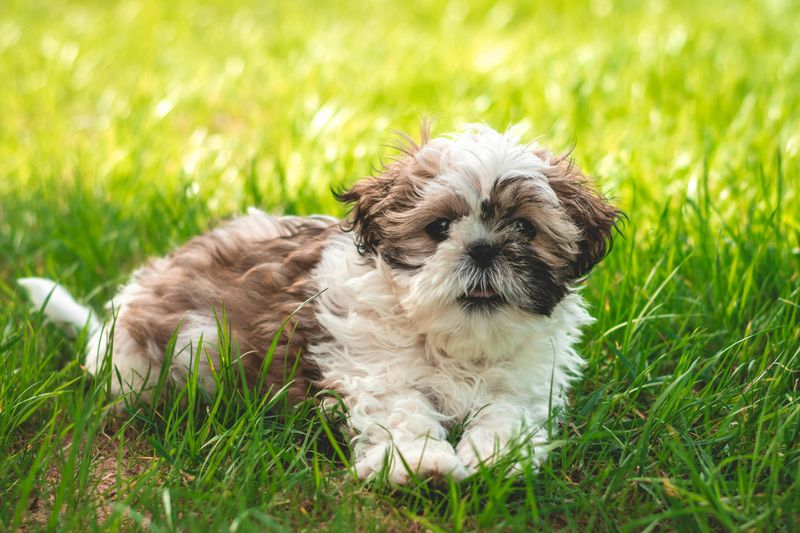
Shih Tzus, with their flowing coats and regal appearance, are more likely to be lounging poolside than swimming. Their flat faces and short noses can cause breathing difficulties in water.
These lap dogs prefer comfort over aquatic escapades, often seen nestled in the arms of their owners. Their small size can pose challenges in water, leading to potential exhaustion.
To keep a Shih Tzu happy, provide cozy resting places and gentle pampering away from deep water.
Pekingese
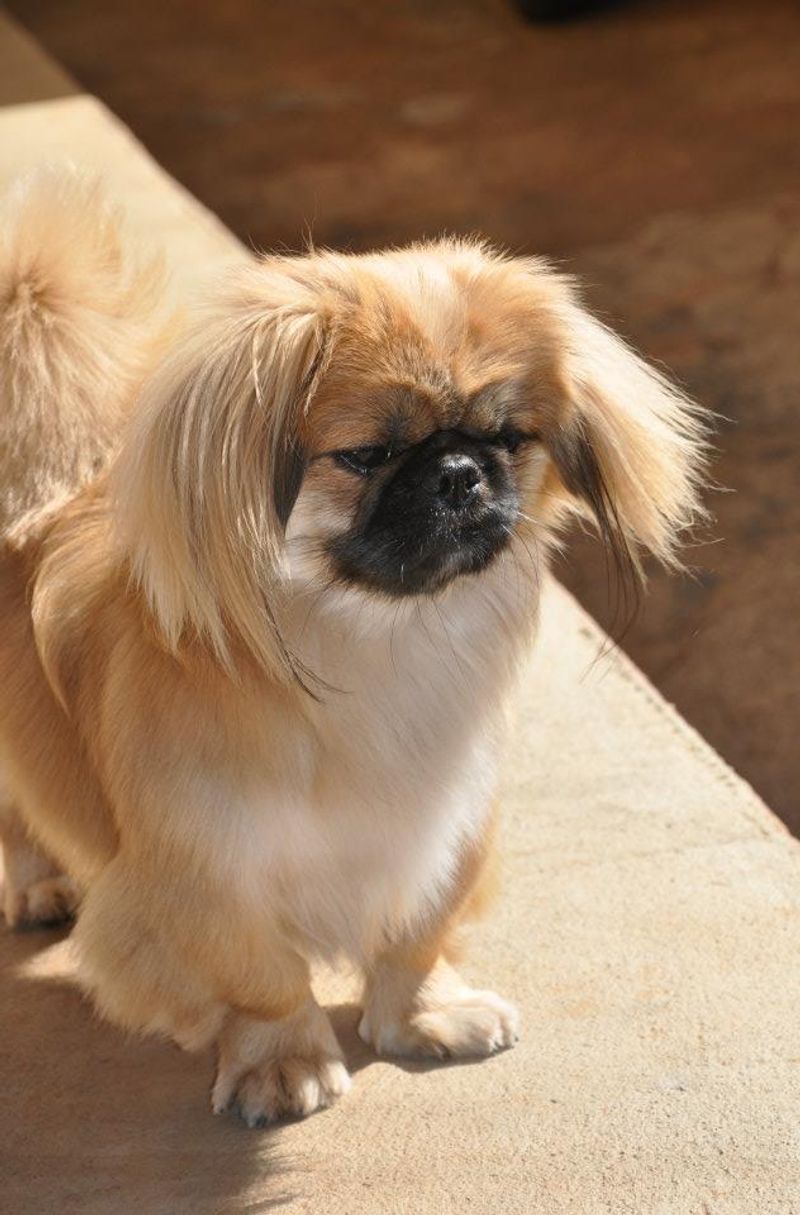
Pekingese, with their luxurious coats and dignified demeanor, aren’t keen swimmers. Their flat faces make breathing difficult when submerged, and their compact bodies aren’t buoyant.
These royal dogs prefer leisurely strolls and serene environments over water sports. Their love for comfort keeps them away from challenging swims.
Offer them plush surroundings and gentle walks to maintain their regal contentment. Water activities are best left to other breeds.
Maltese
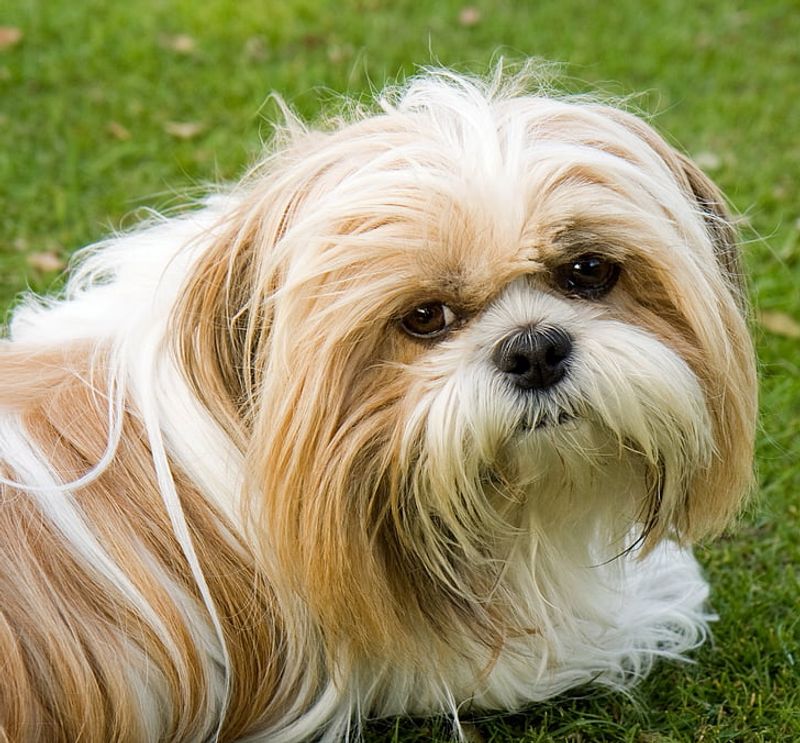
Maltese dogs, known for their silky white coats, prefer elegance over swimming. Their small size and delicate build can make water activities daunting.
These charming companions enjoy peaceful walks and quiet moments rather than aquatic adventures. Their light bodies might tire quickly in water, necessitating careful supervision.
For a content Maltese, focus on grooming and gentle play rather than swimming excursions. They excel in grace, not water challenges.
Boxer
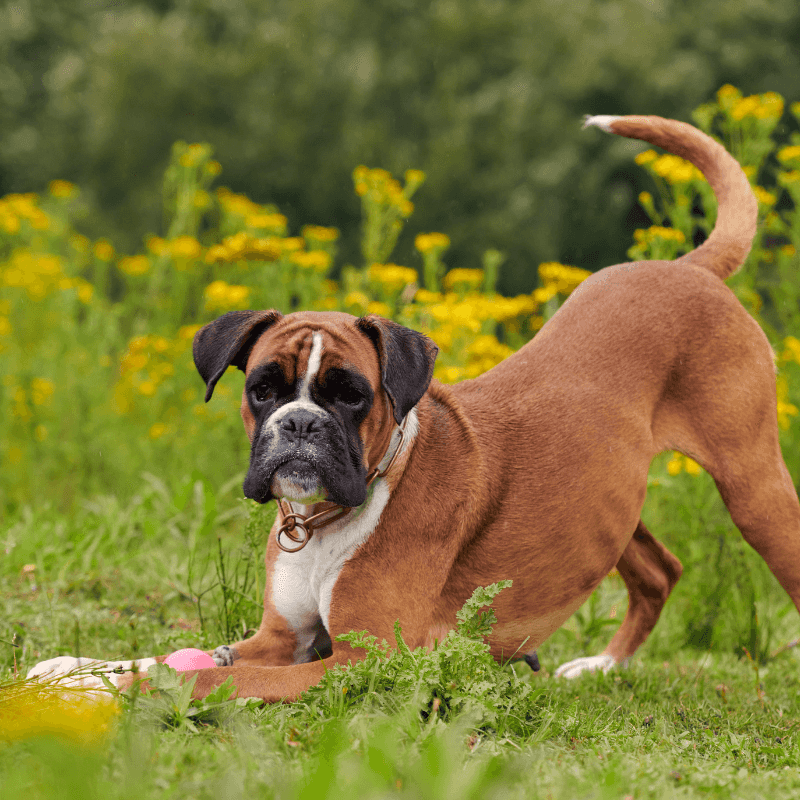
Boxers, with their playful energy and strong builds, might seem like natural swimmers, but they aren’t. Their muscular frames can lead to quick exhaustion in the water.
These dogs excel in land-based activities, loving games and physical challenges. While some may venture into shallow waters, prolonged swimming isn’t ideal.
Provide your Boxer with plenty of land-bound adventures and keep an eye around water. Their exuberance shines best on solid ground.
Boston Terrier
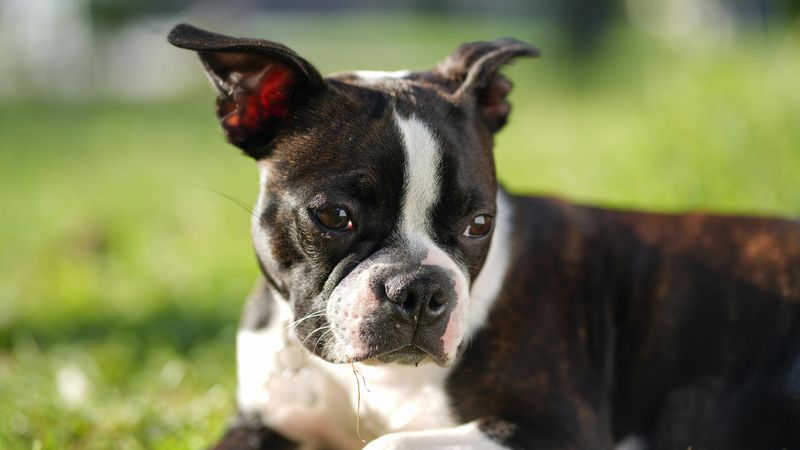
Boston Terriers, affectionately known as ‘American Gentlemen,’ aren’t adept swimmers. Their compact size and short snouts can hinder their ability to stay afloat.
These charming dogs are more suitable for city life and indoor play. They enjoy short bursts of activity rather than extended swims.
For a happy Boston Terrier, engage them in playful games and cozy indoor activities instead of aquatic adventures.
Bullmastiff
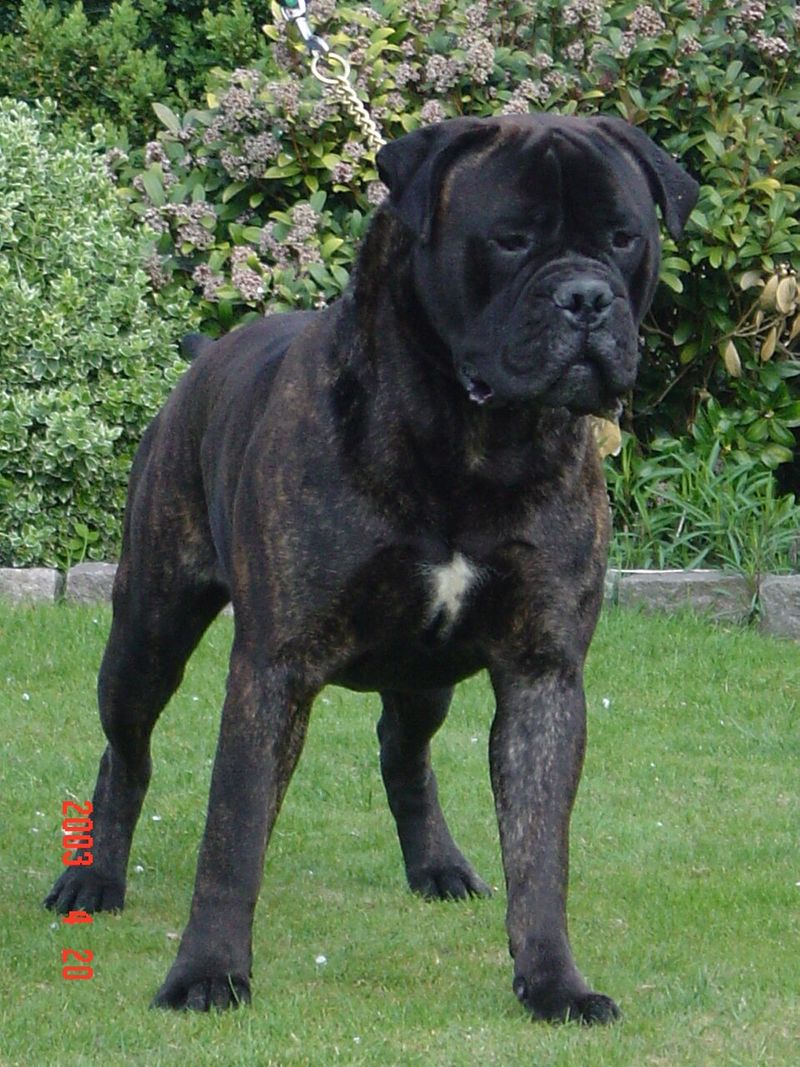
Bullmastiffs, with their imposing yet gentle nature, aren’t natural swimmers. Their heavy, muscular bodies can make staying afloat a struggle.
These guardians prefer land-based guarding and companionship over water activities. Their strength and loyalty are better suited for protective roles.
To ensure safety, keep them engaged in non-aquatic play and always supervise around water. They thrive as steadfast protectors on dry land.
Chow Chow
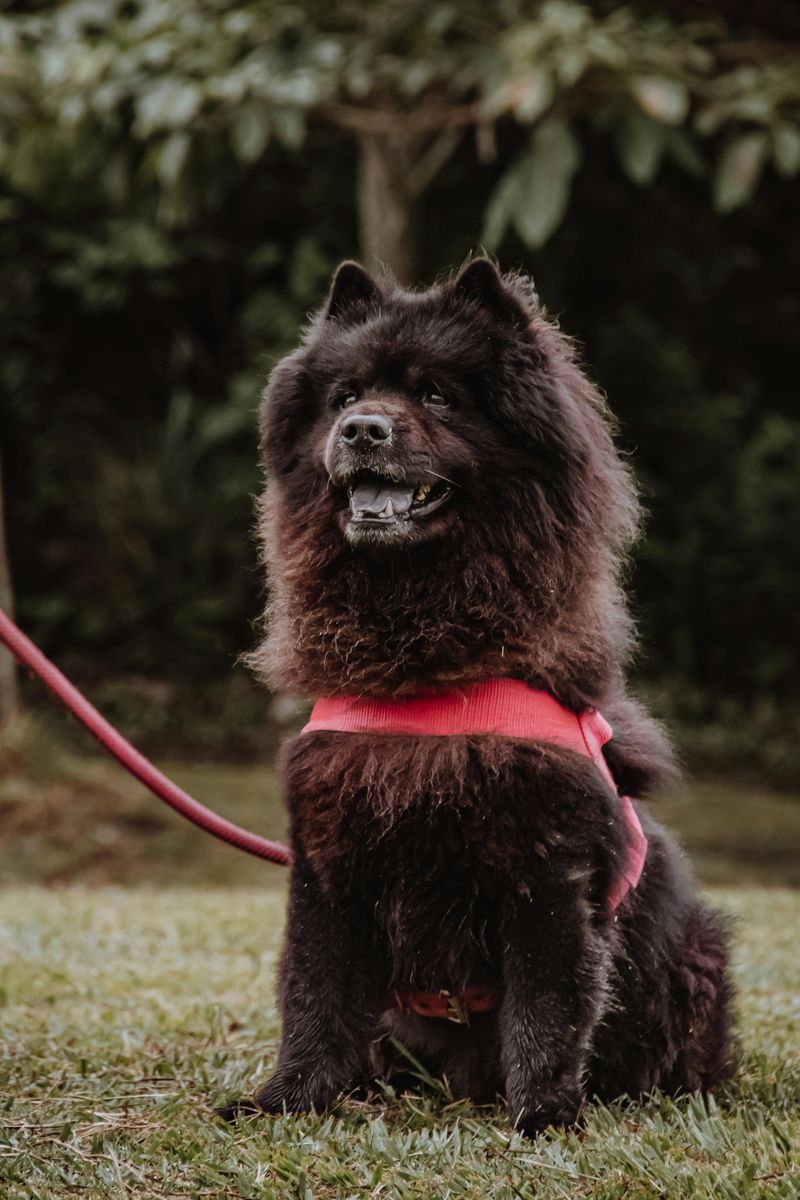
Chow Chows, with their lion-like manes and dignified presence, aren’t fans of swimming. Their dense fur and unique build can make water activities uncomfortable.
These dogs prefer lounging in cool, shaded areas rather than diving into water. Their stoic nature often keeps them away from the splash zone.
Providing them with comfortable resting spots and gentle walks will keep a Chow Chow content and happy.
Scottish Terrier
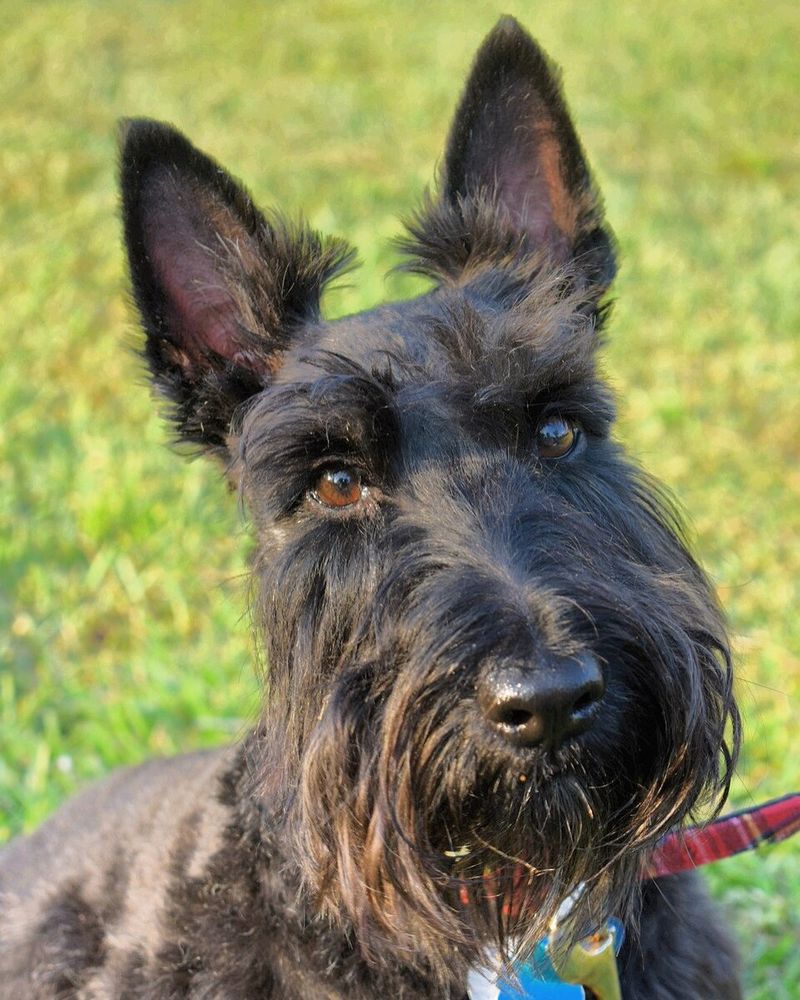
Scottish Terriers, or ‘Scotties,’ are known for their independence and spirited nature. Swimming, however, isn’t their strength due to their small legs and body shape.
They prefer exploring land with their trademark confidence, often avoiding deep water. While they might wade in shallow areas, swimming isn’t their forte.
Keep them entertained with land-based activities and watch closely around water. Their bold character shines best on solid ground.
Chinese Shar-Pei
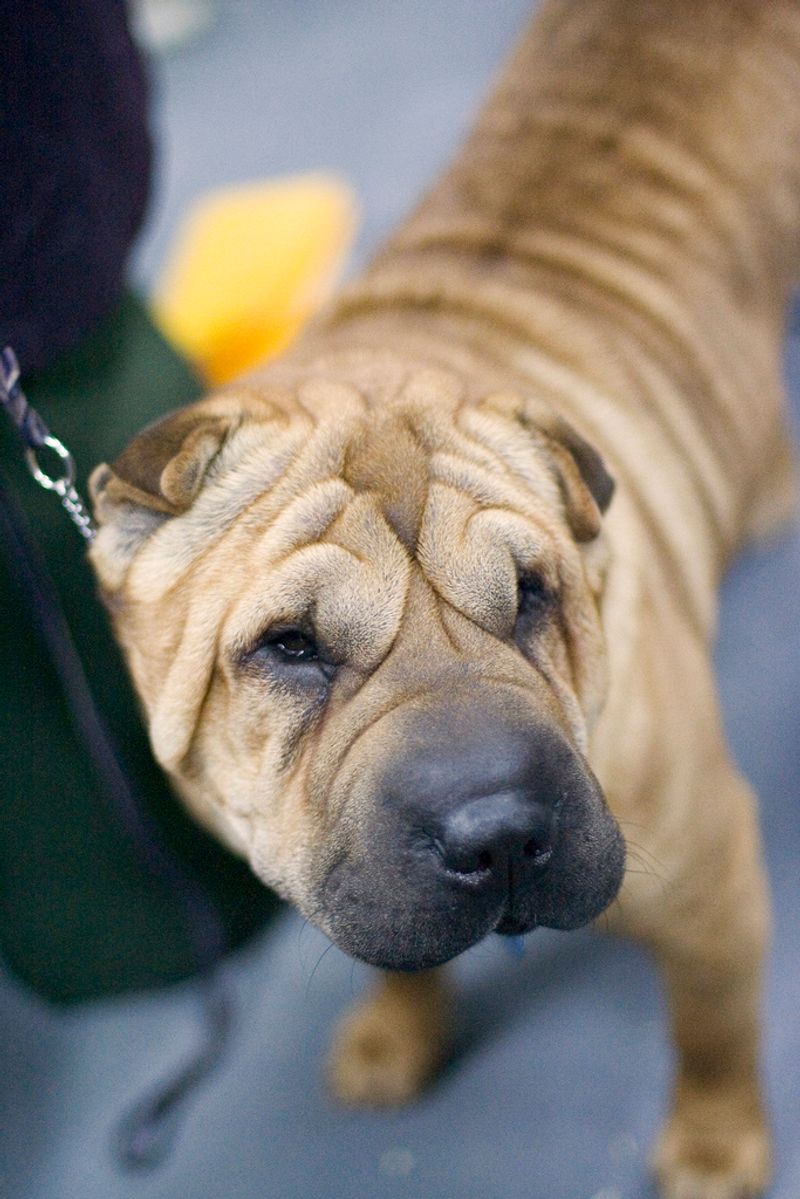
Chinese Shar-Peis, recognizable by their wrinkled skin and unique look, aren’t natural swimmers. Their heavy build and short legs make water activities a challenge.
These dogs are often more reserved and dignified, preferring quiet companionship over swimming. Their cautious nature keeps them away from deep water.
Provide them with comfortable, dry spaces and avoid aquatic adventures. Their serenity is best maintained on land.
Greyhound
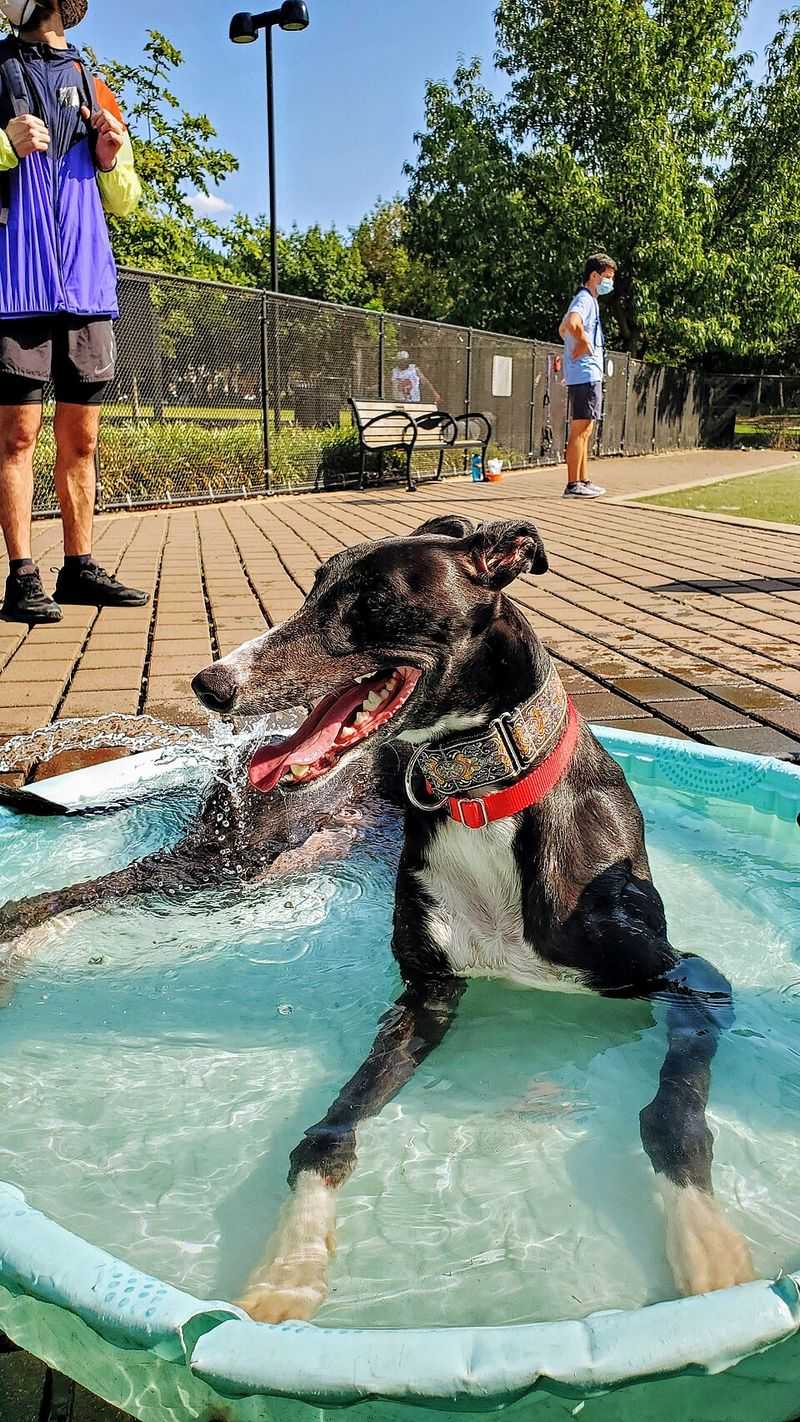
Greyhounds, famed for their speed and sleek bodies, aren’t naturally inclined to swim. Their slender frame and low body fat make them less buoyant in water.
These racers excel in running and prefer open spaces over aquatic environments. While some may enjoy a gentle swim, they’re generally more suited for land pursuits.
Keep your Greyhound active with sprints and races rather than swimming. Their grace and energy are best showcased on solid ground.
Staffordshire Bull Terrier
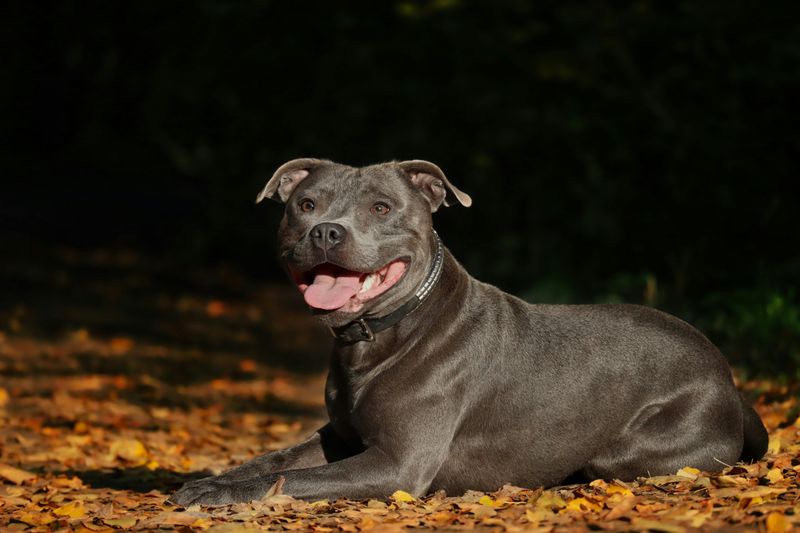
Staffordshire Bull Terriers, with their stocky build and enthusiastic nature, aren’t born swimmers. Their muscular frames can make water buoyancy difficult.
These dogs are better suited for play and companionship on land. Short bursts of energy and agility are where they excel.
Ensure safety by engaging them in land-based activities and supervising closely around water. Their zest for life is best expressed on dry land.