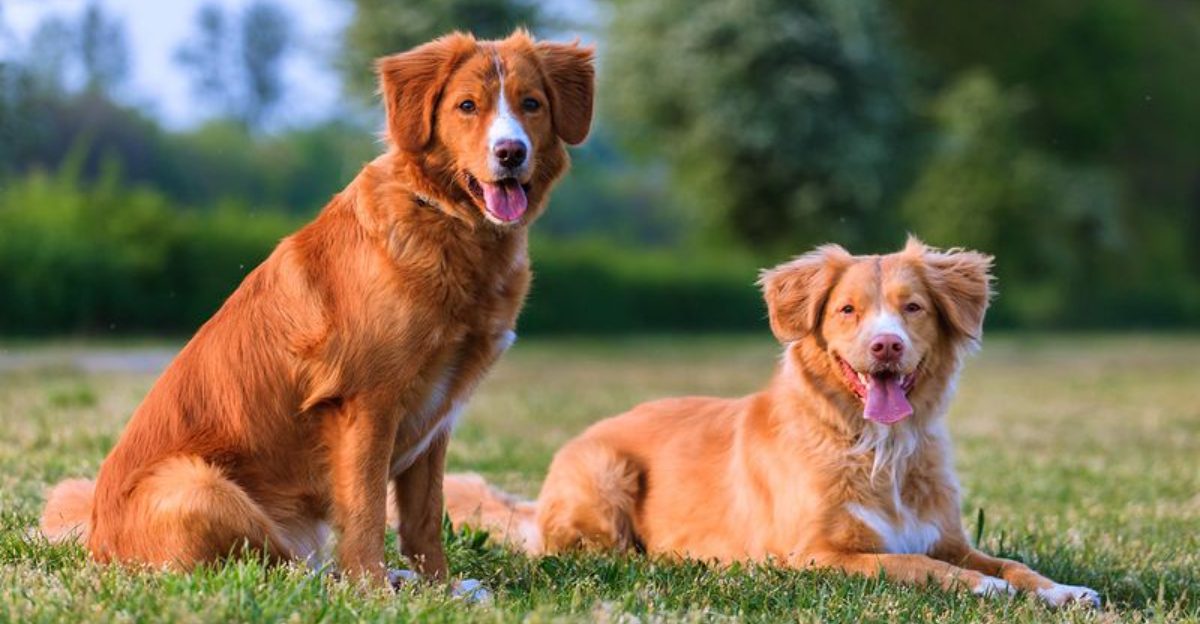
Some dogs have a sixth sense for your emotions, and when stress creeps in, they close the gap right to your side. If you have ever noticed a wet nose nudging your hand during tough moments, you know exactly what that feels like.
This list highlights breeds that instinctively become extra attached when you feel overwhelmed. Get ready to see which loyal shadows are most likely to follow you room to room until you finally breathe easier.
Golden Retriever
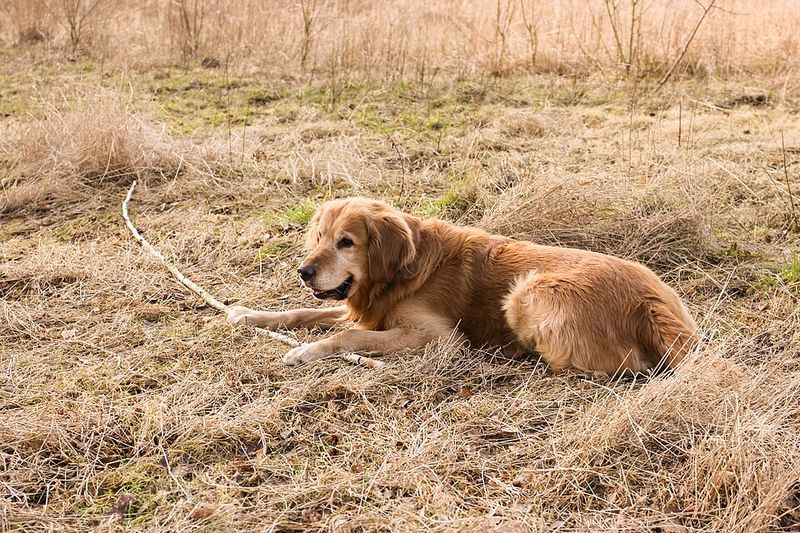
Golden Retrievers read the room with uncanny accuracy and slide closer when you are tense. Expect a silky head on your knee, a gentle paw, and that soulful gaze checking in with you.
Their calm presence and eagerness to please make them natural emotional bodyguards when life feels heavy.
These dogs crave connection and thrive on routine, which helps ground your anxious moments. A steady walk, a fetch session, or quiet cuddles can reset the mood together.
They are also famously intuitive with kids, often acting like fluffy therapists.
Golden coats shed, and their affection is sometimes clingy, but it comes from love. Give them tasks and structure to keep confidence up.
In return, they give steady comfort.
Labrador Retriever
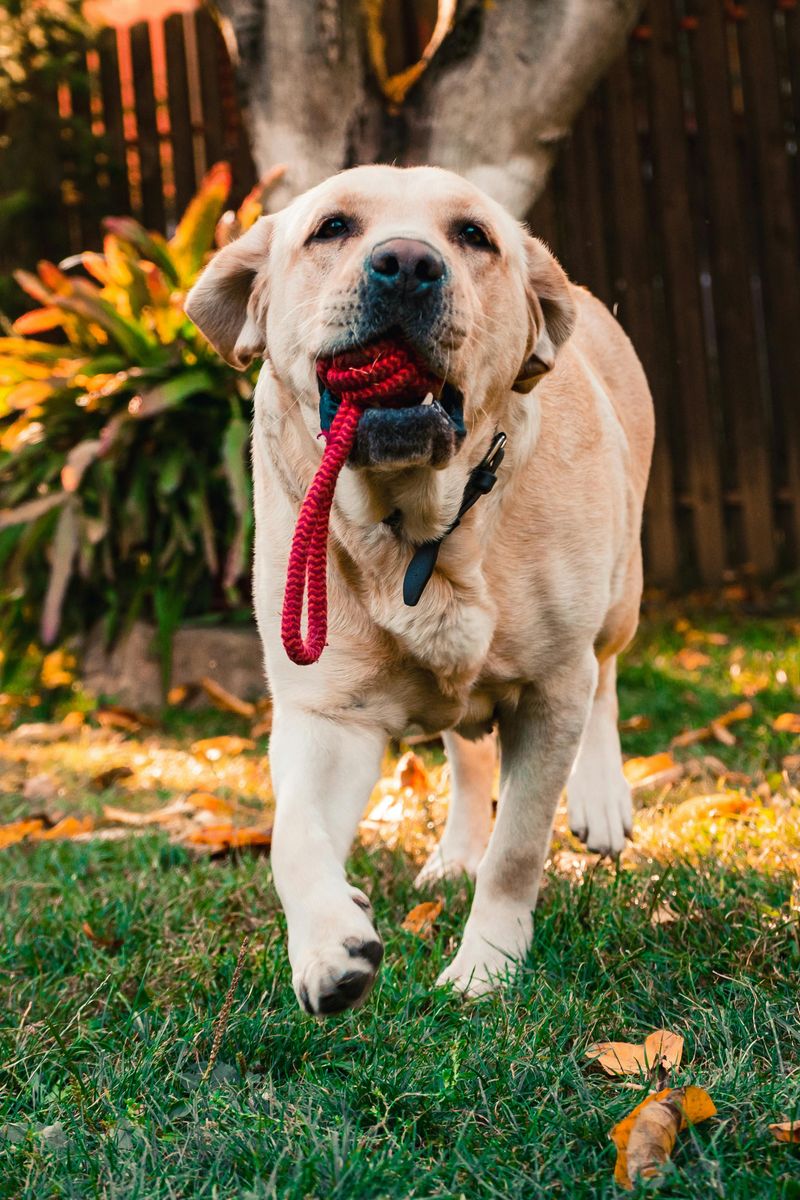
Labrador Retrievers are famous for leaning their whole weight into you when emotions run high. That comforting pressure and steady eye contact say you are not alone.
Labs are people focused, so they track your movements and moods, often stationing themselves as your personal shadow.
They also channel stress relief into play, nudging a toy for a quick game. Physical activity helps both of you dump tension, and Labs excel here.
Their trainability means you can build soothing routines like touch cues or place commands.
They do shed and need consistent exercise to prevent anxious energy. Keep training light and positive.
When stress spikes, your Lab will likely curl at your feet, sigh deeply, and keep you anchored.
Border Collie
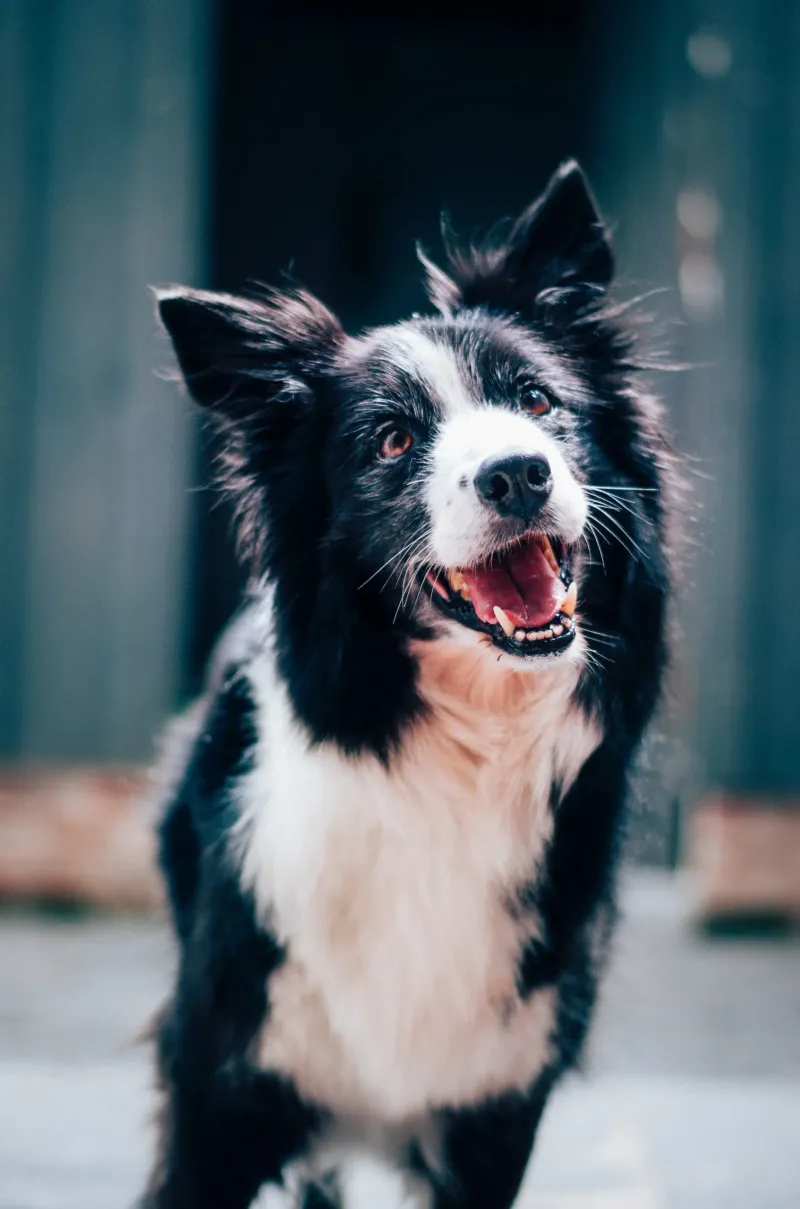
Border Collies are emotional mirrors. When you are stressed, they dial into every signal and tighten their orbit around you.
Expect attentive stares, quick responses to your movements, and a preference to glue themselves to your side during tough patches.
Because they are brilliant and sensitive, idle time can amplify worry. Channel that energy into training games, scent work, or structured fetch.
Mental tasks let them help you, which calms both brains at once.
They can grow clingy if underworked, so plan outlets and predictable cues. Teach boundaries kindly, like a place bed where they can still see you.
When emotions waver, your Collie becomes a steady, watchful companion who will not miss a beat.
Vizsla
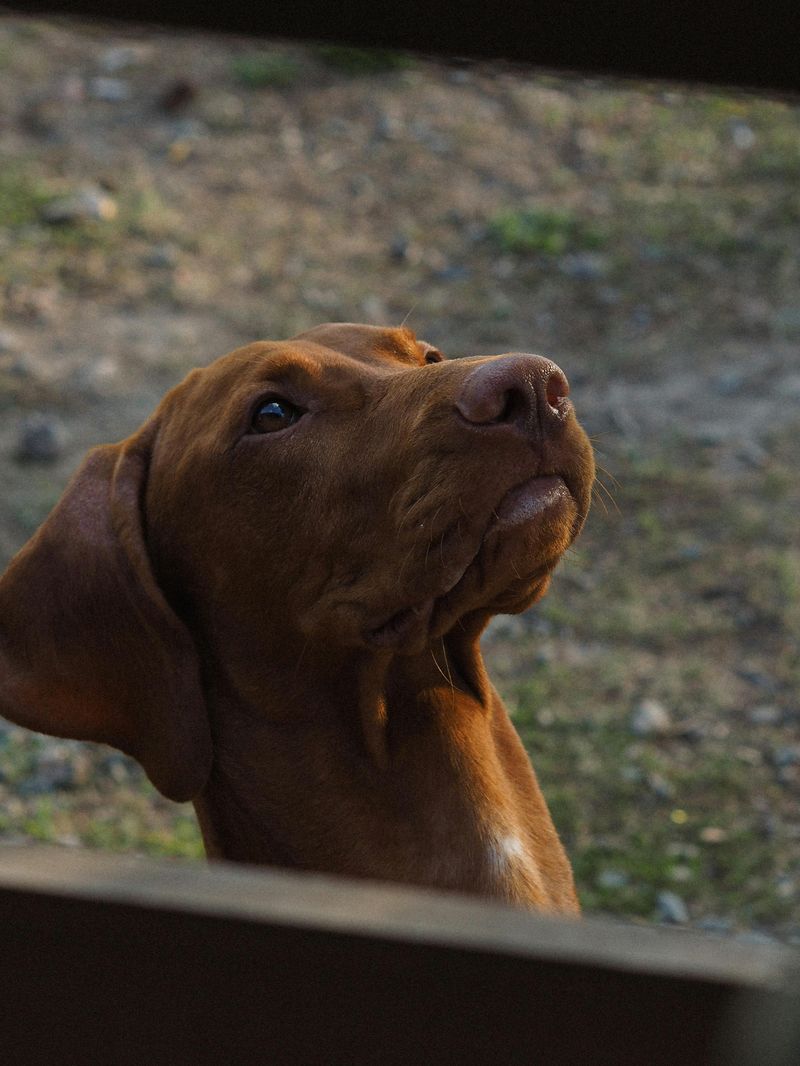
Vizslas are nicknamed velcro dogs for a reason. When your mood dips, they fuse to your side, often resting a narrow head on your chest as if listening to your heartbeat.
Their short coat and gentle warmth feel like living therapy.
These athletic companions need daily movement to keep anxiety low. A vigorous run followed by quiet snuggles is their perfect routine.
They thrive on close contact, so training with touch and praise deepens your bond.
They can become overly dependent without structure. Give them place training, crate comfort, and predictable check ins.
Still, when you are stressed, the Vizsla’s soft eyes and steady cuddle often do more than words, reminding you to breathe and reset.
Weimaraner
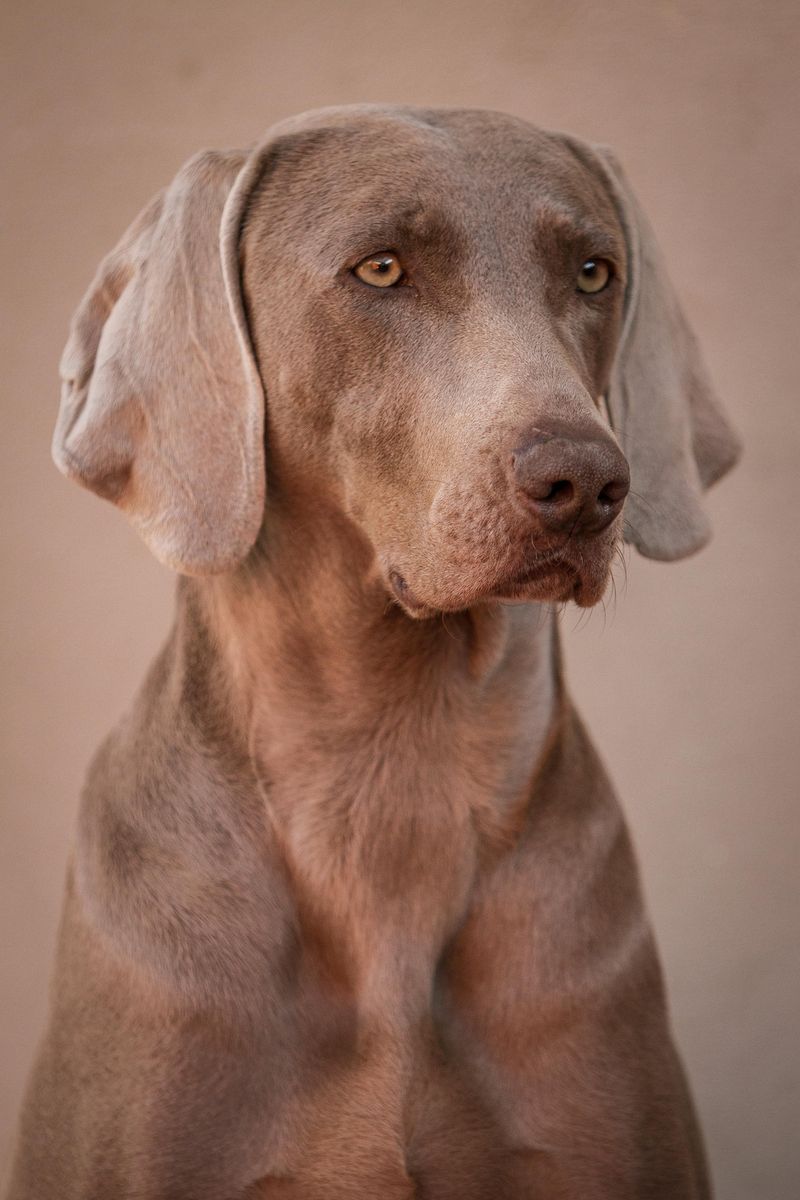
Weimaraners bond hard and hate emotional distance. When tension rises, they slide beside you, matching your pace from room to room.
Their alert nature catches micro changes in your voice and posture, translating them into quiet closeness and protective watchfulness.
These dogs have stamina and brains, so exercise and problem solving are essential. Nose games, long hikes, and calm decompression help keep clinginess from tipping into anxiety.
They respond best to confident, gentle leadership.
Without guidance, they can vocalize or shadow excessively. Create routines, practice settle cues, and reward relaxed behavior.
Still, in stressful moments, that cool silver coat against your leg feels grounding, and their unwavering attention often steadies your breathing and focus.
Cavalier King Charles Spaniel
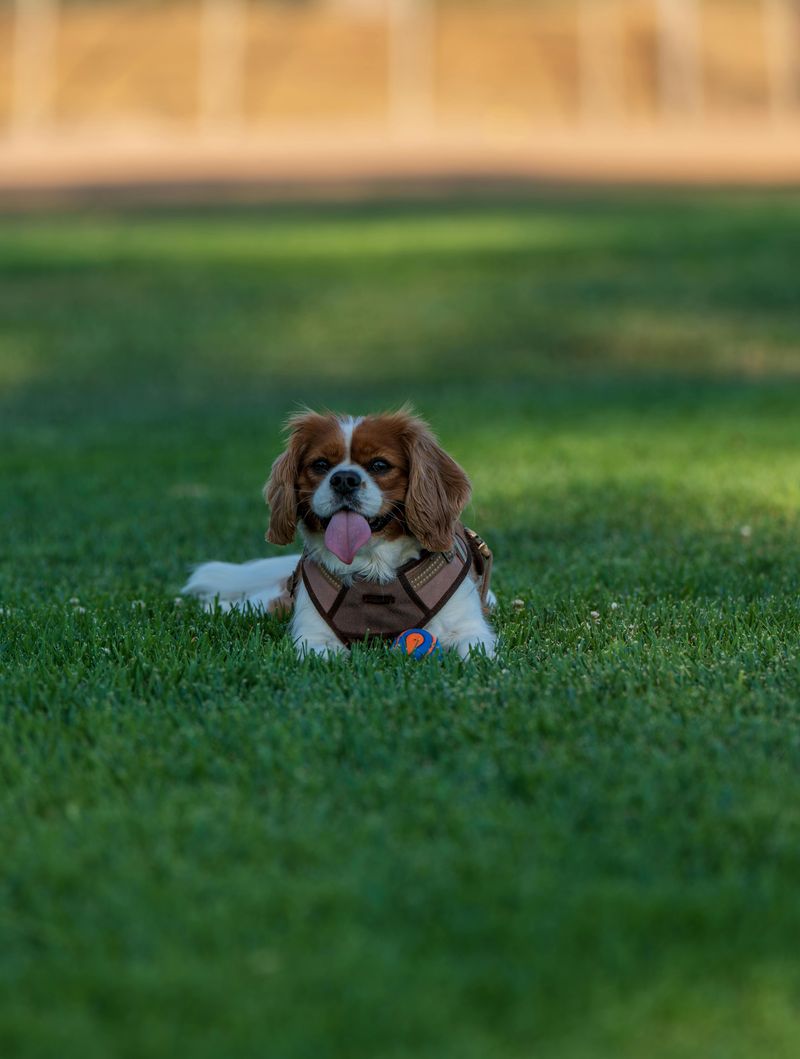
Cavaliers were bred for companionship, so they interpret stress as a cue to climb right into your space. Expect warm lap cuddles, gentle eye contact, and a comforting little sigh as they settle.
Their softness and patient nature make hard days feel gentler.
They do best with predictable routines and calm reassurance. Short walks, grooming time, and quiet play help release tension without overwhelming either of you.
Teach a settle cue for peaceful closeness on cue.
Cavaliers can develop separation anxiety if boundaries vanish. Balance affection with independence training.
Still, when emotions wobble, this breed excels at soothing without demanding too much, offering a tiny heartbeat against yours that feels like instant comfort.
Italian Greyhound
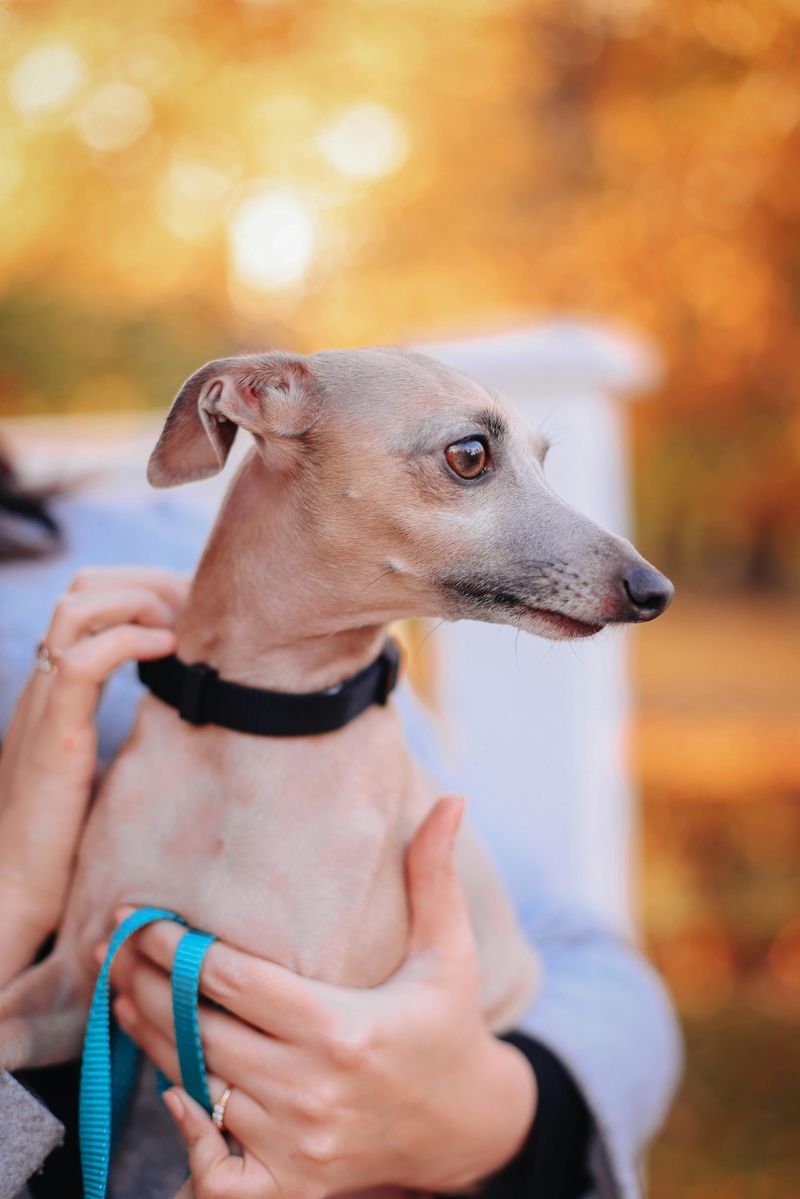
Italian Greyhounds pick up on tension fast and seek warmth and closeness as a response. They will burrow under blankets against you, offering gentle contact that slows your breathing.
Their quiet presence fits small spaces and sensitive households.
Because they are delicate and sometimes shy, use soft voices and consistent routines. Short spurts of play followed by cuddles work wonders.
They adore body contact, which turns stressful minutes into calm moments together.
They can become clingy if spooked or under stimulated. Provide cozy resting spots, predictable potty breaks, and gentle training that builds confidence.
When your mood dips, expect a little shadow with big eyes, committed to staying pressed against you until the storm passes.
Havanese
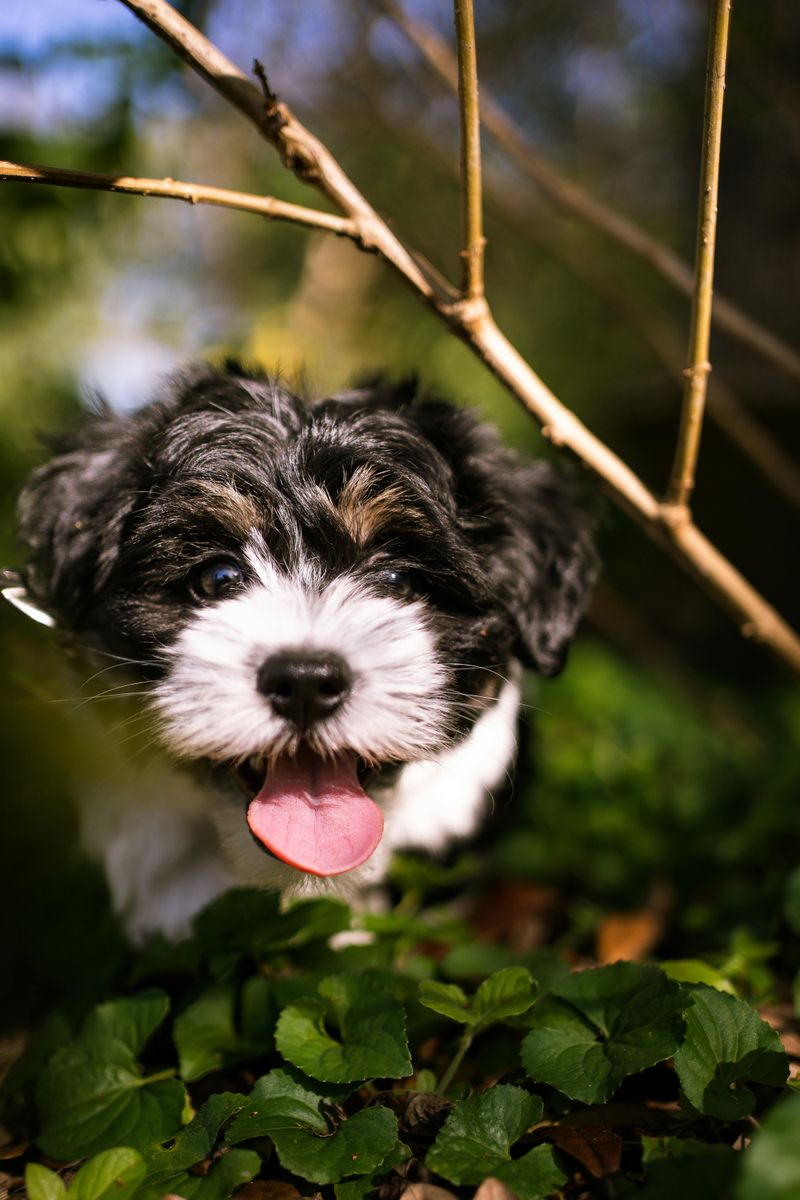
Havanese are cheerful companions who quickly notice when your energy falls. They gravitate to your side, lying by your feet or sitting on your lap while you regroup.
Their upbeat nature and soft coat give comfort without overwhelming intensity.
They love routines and light training games that keep minds busy. Short walks, trick sessions, and gentle grooming create calming connection points.
Havanese excel at being portable friends during stressful errands or workdays.
They can become velcro like if over coddled, so build independence with place training and short separations. Still, when you feel frazzled, their affectionate stare and easy cuddles act like an emotional reset button.
They will happily keep you company until the clouds lift.
Maltese
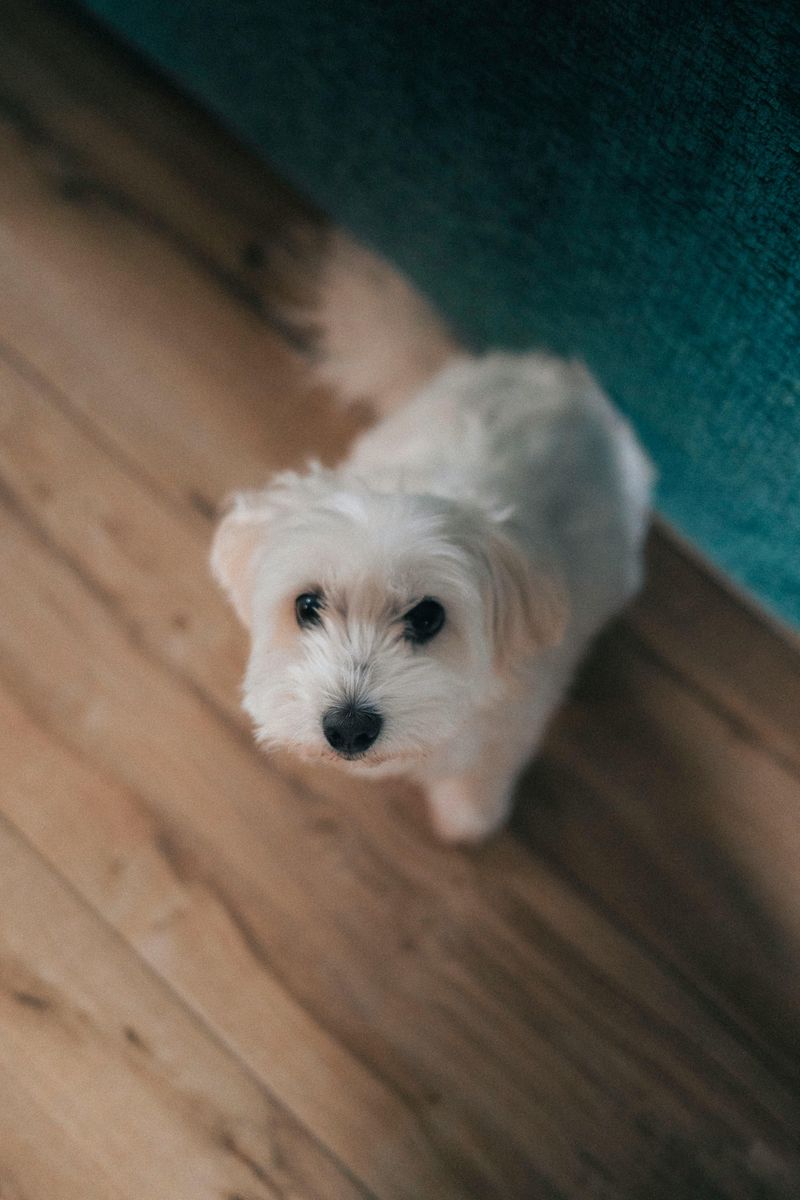
Maltese dogs are tiny mood readers, drifting closer the moment your voice tightens. They excel at lap therapy, curling into you with soft warmth and quiet devotion.
Their small size makes constant closeness easy, even in busy homes.
Routine brushing and short walks create soothing rituals you can count on. They enjoy gentle training, learning small tricks that boost your smile.
When tension climbs, they often plant themselves right against your side, content to be still.
They can get clingy if carried constantly, so practice confident independence too. Provide cozy beds near you and reward calm on their mat.
Still, when stress hits, a Maltese’s tenderness feels like a comforting whisper saying you are safe.
English Springer Spaniel
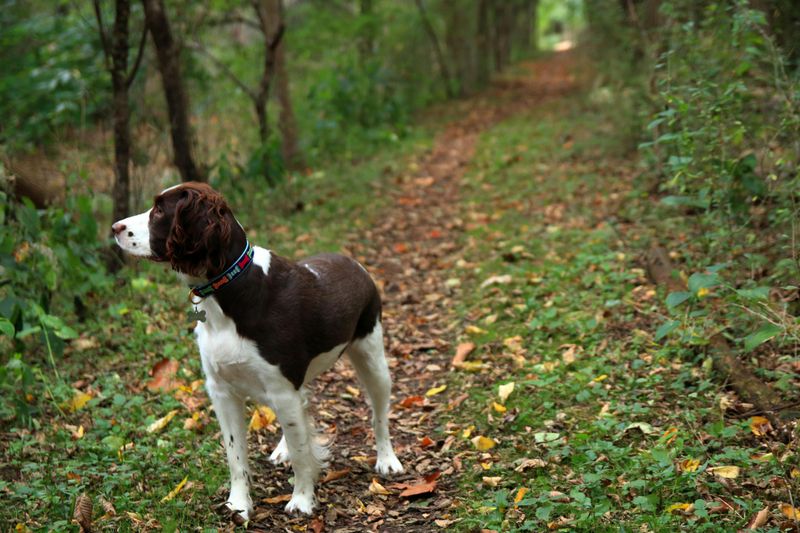
English Springer Spaniels are people oriented and tuned to changes in your tone. When you are stressed, they park themselves within touching distance, often leaning in with steady warmth.
Their friendly nature becomes focused loyalty when emotions wobble.
These athletic dogs benefit from regular exercise to keep anxiety at bay. Scent games and fetch sessions offer relief valves for both of you.
They respond beautifully to positive training and predictable routines.
Without outlets, they can become clingy or vocal. Teach place cues, reinforce calm, and give structured jobs like retrieves.
Still, in rough moments, a Springer’s soft eyes and close presence make home feel safer, as if they are standing guard over your heart.
Shetland Sheepdog
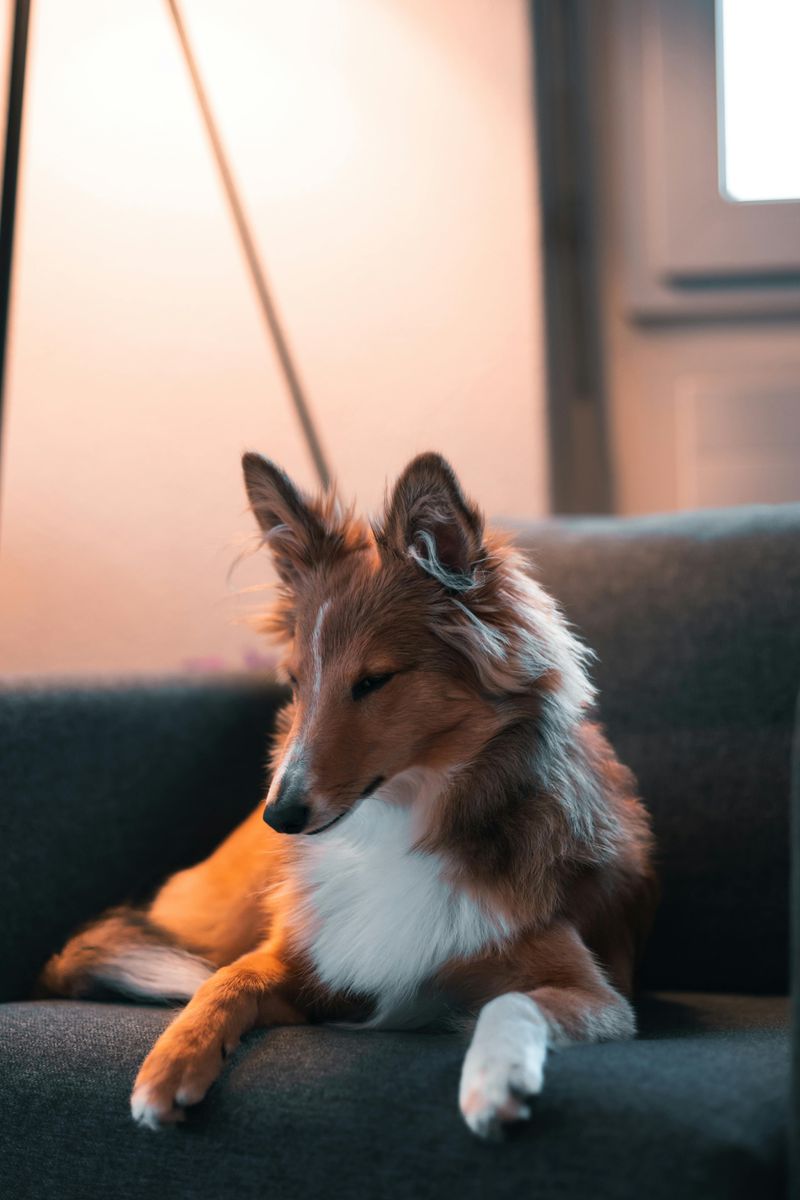
Shetland Sheepdogs are sensitive observers. When stress shows up, they shadow you with quiet purpose, reading posture and voice for guidance.
Their gentle herding instincts translate into keeping close and checking in frequently.
They thrive on mental challenges like trick training and nose work. Small wins build confidence and prevent anxious clinginess.
A predictable schedule, soft praise, and calm handling soothe their thoughtful spirits.
They can be noise sensitive, so create safe spaces during overstimulation. Teach settle on a mat where they can still keep you in view.
In hard moments, their fluffy presence and soft nudge feel like reassurance, reminding you that someone loyal is always watching over you.
Australian Shepherd
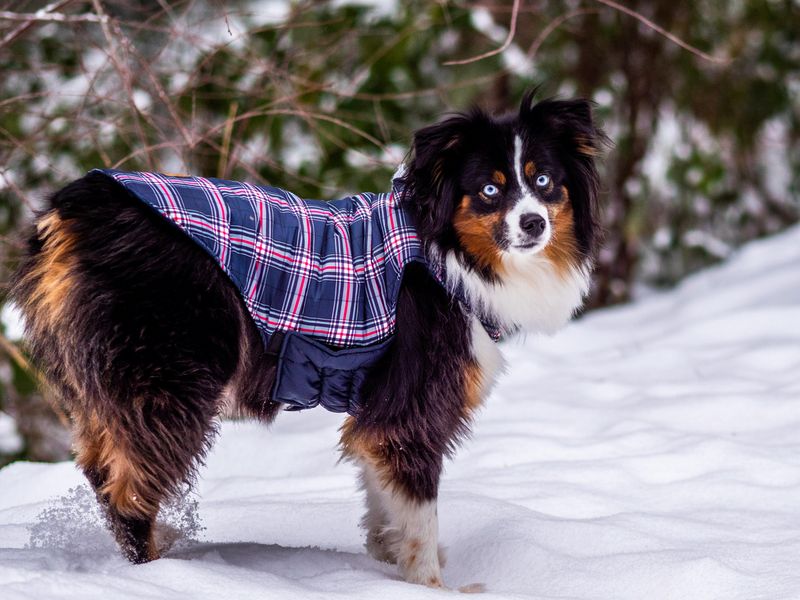
Australian Shepherds bond deeply and often act like emotional project managers. When you are stressed, they keep closer tabs, offering contact and watchful eyes.
Their intelligence makes them quick to notice the smallest behavioral shifts.
Give their brains and bodies a job. Short training bursts, puzzle toys, and structured walks channel energy productively.
Clear routines help reduce clinginess while preserving comforting closeness during hard days.
They can become over attached if boundaries blur. Use place training, calm greetings, and decompression time.
Still, when life feels chaotic, an Aussie’s steady head on your knee and soft sighs can feel like a reset switch, keeping you tethered to calmer ground.
American Staffordshire Terrier
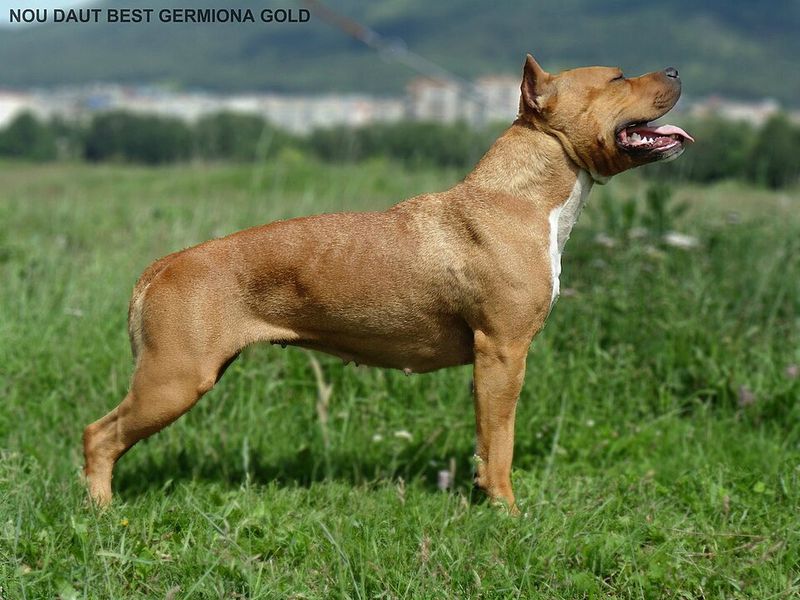
American Staffordshire Terriers form strong bonds and show steady devotion under stress. They often press their body against your legs or chest, offering solid, grounding contact.
Their affectionate nature shines brightest when you need reassurance.
Daily exercise and clear structure keep their minds calm and reduce anxious attachment. They respond well to positive reinforcement and predictable routines.
Teach settle cues and reward calm check ins to maintain balance.
With thoughtful guidance, their closeness feels secure, not overwhelming. In rough moments, that broad head resting on your lap can feel like a weighted blanket for the soul.
They are gentle, loyal companions who choose to be right where you are, especially when storms roll in.
Great Dane
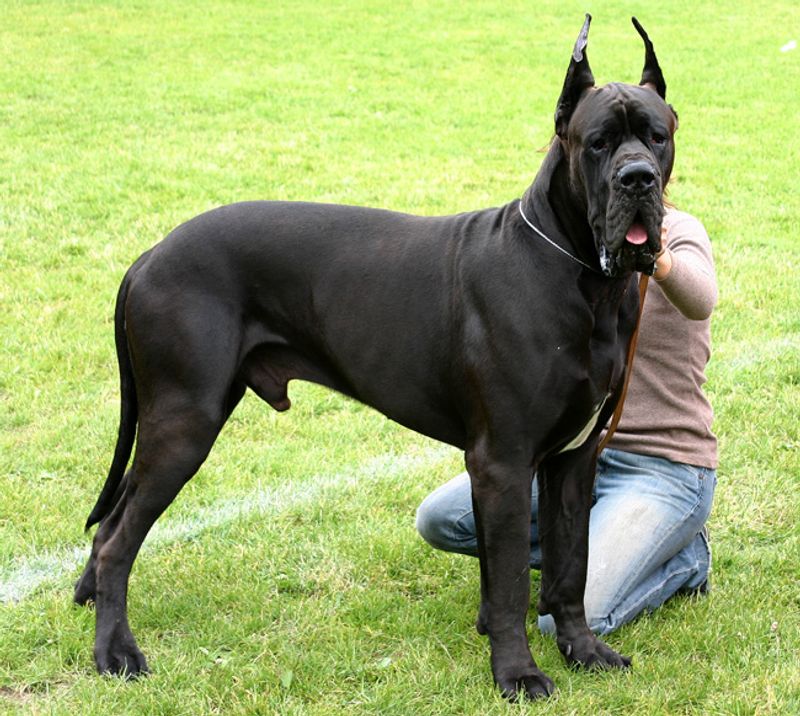
Great Danes may be huge, but their hearts are tender. When you are stressed, they often lean their full height into you, creating a calm, reassuring wall of comfort.
Their patient nature and steady presence help quiet nervous energy.
Because of their size, teach polite leaning and settle behaviors early. Gentle walks and predictable routines reduce anxiety for both of you.
They love being near, even if that means squeezing into small spaces beside you.
They can be sensitive to tension in the home. Provide cozy resting spots, soft voices, and consistent expectations.
In vulnerable moments, a Dane’s protective closeness feels like a shelter, reminding you that you are not facing anything alone.
Bernese Mountain Dog
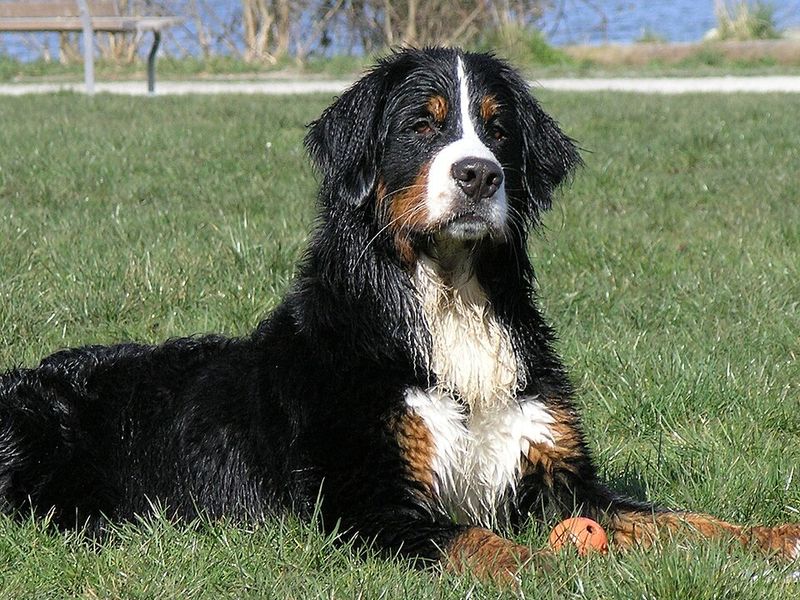
Bernese Mountain Dogs radiate calm and tend to park themselves right next to you when emotions run high. Their gentle eyes and big, slow breaths have a soothing effect.
Expect a heavy, comforting presence always within arm’s reach during stressful times.
They thrive on routine, kind guidance, and moderate exercise. Slow hikes, grooming, and simple training tasks help release tension.
Positive reinforcement keeps their confidence strong and their clinginess balanced.
Because they are sensitive, loud conflicts can unsettle them. Create quiet zones and practice settle cues.
When the world feels loud, a Berner’s soft fur and steadfast closeness become a reassuring anchor that helps you breathe and find your footing again.
Flat-Coated Retriever
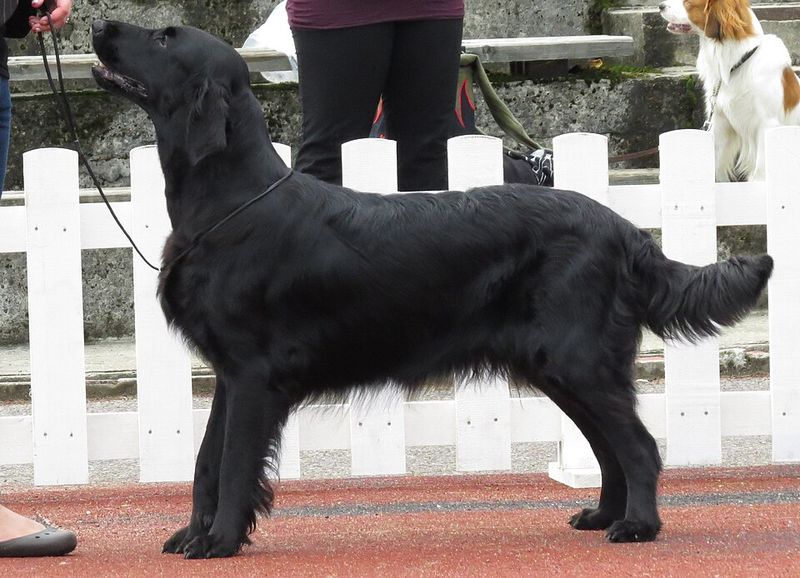
Flat Coated Retrievers are exuberant friends who sense when you need cheer. In stressful moments, they move in close, offering playful nudges or quiet cuddles depending on your vibe.
Their optimistic energy often lifts the room without being pushy.
Consistent exercise and upbeat training sessions keep their spirits balanced. Teach off switch cues like settle after play.
They love having small jobs that let them help and stay near.
Without structure, they can become clingy attention seekers. Offer mental games and calm reinforcement for relaxed behavior.
When life pinches, a Flat Coat’s bright eyes and warm lean feel like sunlight, reminding you there is still joy waiting right beside you.
Nova Scotia Duck Tolling Retriever
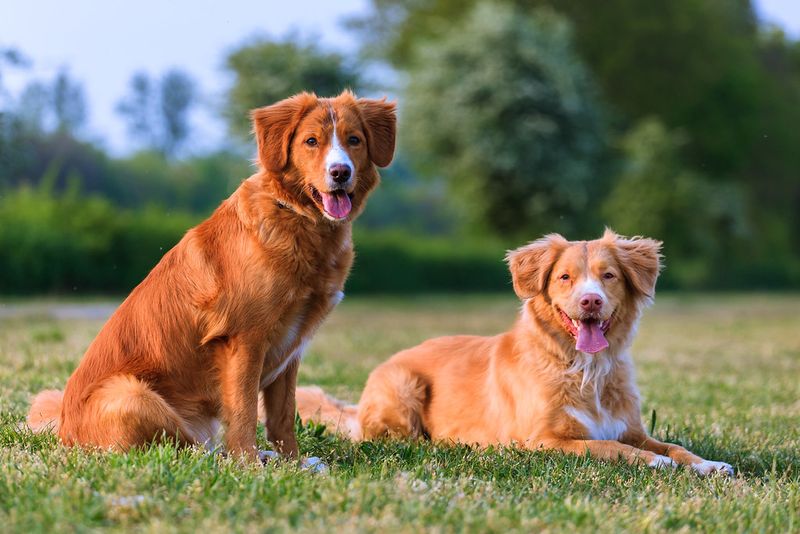
Tollers are bright, sensitive retrievers who quickly catch shifts in your tone. When stress appears, they draw near, often settling where they can watch your face.
Their foxlike expressions seem to ask how they can help.
They thrive with purposeful activity. Short training drills, retrieves, and scent work channel intensity into focus.
Clear routines prevent clinginess from turning into anxiety and help them relax at home.
Encourage calm by rewarding quiet proximity and teaching place. Offer decompression walks and gentle grooming time together.
In heavy moments, a Toller’s warm coat and attentive closeness can feel like friendship distilled, keeping you grounded until the waters smooth out.
Papillon
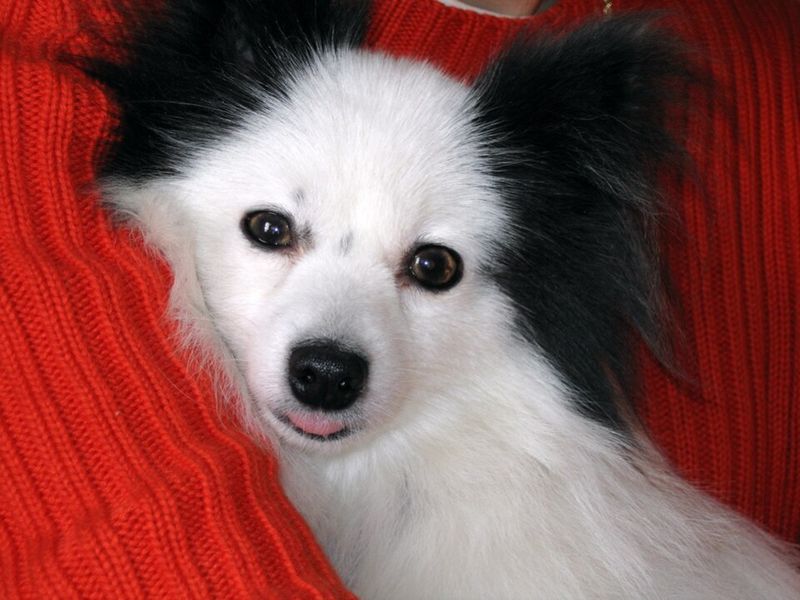
Papillons are tiny, attentive companions who track your mood with laser focus. When you are stressed, they sidle closer, perching where they can see your face and offer a quick nuzzle.
Their light touch and cheerful spirit help soften hard edges.
They love short training games that build confidence and connection. Trick practice, nose work, and structured settle time curb clinginess.
Keep routines predictable and voices gentle.
Without guidance, they may bark or shadow constantly. Teach a comfy place near you and reward quiet presence.
In anxious minutes, a Papillon’s bright eyes and feathery ears feel like tiny beacons, reminding you that comfort can come in a small, devoted package.